Industry Trends in Advanced Pipework Solutions
The global industrial landscape is increasingly demanding greater efficiency, reliability, and cost-effectiveness in infrastructure projects. This imperative has driven a significant shift towards innovative manufacturing methodologies, particularly in fluid conveyance systems. The adoption of prefabricated pipework is a prime example of this evolution, moving traditional, labor-intensive on-site fabrication to controlled, high-precision factory environments. This trend is amplified by advancements in automation, digital design, and material science, leading to superior product quality and accelerated project timelines.
Key drivers include the need for reduced on-site safety risks, minimized environmental impact, and the ability to maintain stringent quality controls that are often challenging to replicate in varied field conditions. Furthermore, the complexity of modern industrial facilities, such as those in advanced petrochemical processing or high-purity pharmaceutical manufacturing, necessitates components with extremely tight tolerances and verified performance characteristics. This is where prefabricated pipework offers an undeniable advantage. The market is also seeing a rise in demand for highly customized steel pipe solutions, where specific alloys and intricate geometries are required to withstand extreme temperatures, pressures, or corrosive media, making factory prefab pipe production indispensable.
Projections indicate continued growth in this sector, with global market analyses forecasting a CAGR of over 7% for modular construction and off-site fabrication technologies, directly impacting the adoption of prefab pipework. This growth is fueled by infrastructure development in emerging economies and the modernization of existing facilities in developed regions, all seeking the efficiency gains inherent in factory production.
Detailed Process Flow of Factory Prefabricated Pipework
The manufacturing of prefabricated pipework is a meticulously controlled, multi-stage process designed to ensure precision, integrity, and compliance with the highest industry standards. Below is a detailed outline of the typical process flow:
1. Design and Engineering
- Client Consultation & Specification Definition: Detailed analysis of client requirements, project scope, and operational parameters (pressure, temperature, fluid type, environment).
- 3D Modeling & CAD/CAE: Utilizing advanced software (e.g., AutoCAD Plant 3D, SolidWorks) to create precise models, conduct stress analysis, and optimize routing. Ensures clash detection and manufacturability for every prefab pipe segment.
- Material Selection: Based on application, materials like carbon steel (ASTM A106 Gr. B, API 5L), stainless steel (304/316L), duplex/super duplex stainless steel, and specialized alloys are selected. Consideration for corrosion resistance, strength, and weldability.
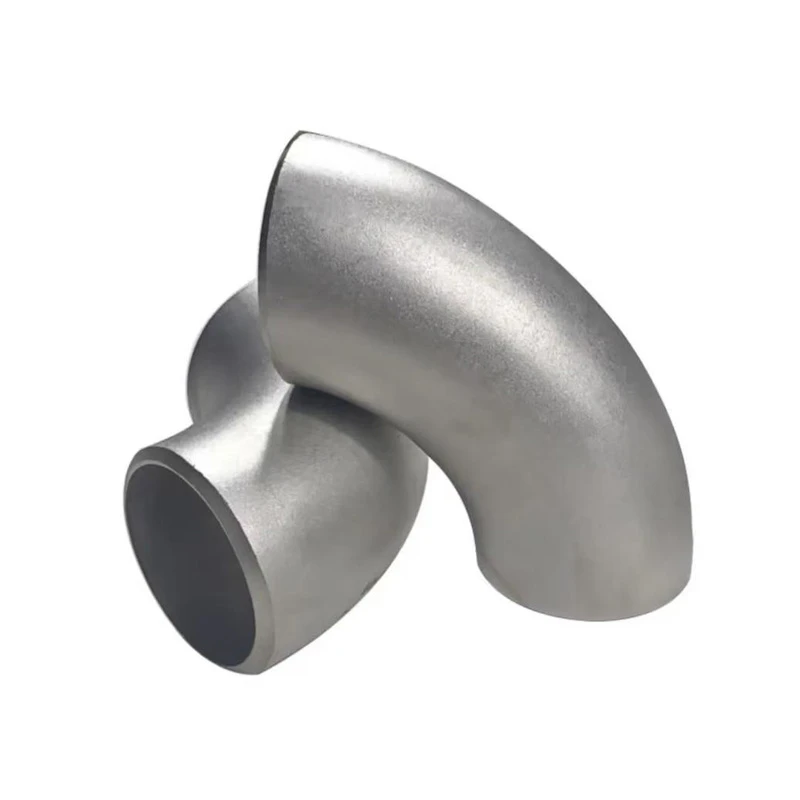
- Bill of Materials (BOM) Generation: Comprehensive list of all components, including pipe, fittings (elbows, tees, reducers), flanges, valves, and supports.
2. Material Procurement & Preparation
- Sourcing & Quality Checks: Raw materials procured from approved vendors, undergoing incoming material inspection (PMI, dimensional checks) to ensure compliance with standards like ASTM, ASME.
- Cutting & Bevelling: Pipes are cut to precise lengths using automated plasma or saw cutting machines. Ends are then bevelled to prepare for high-quality welding.
- Forming & Machining: Specialized processes for creating custom bends, branches, or preparing components for CNC machining where extreme precision is required for specialized fittings or complex spool geometries.
3. Fabrication & Welding
- Fit-up: Components are accurately assembled according to design drawings using jigs and fixtures.
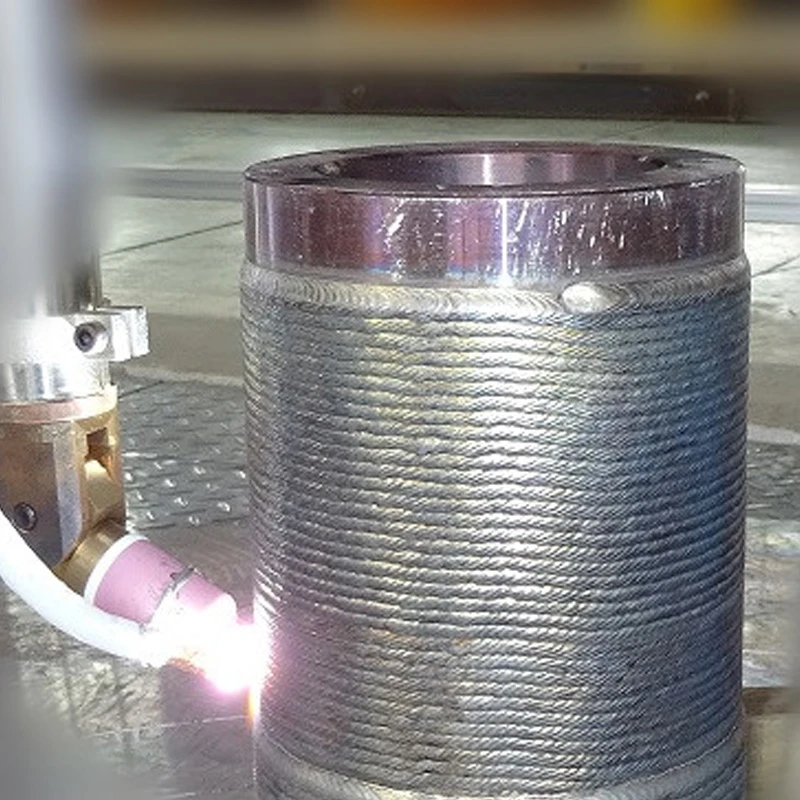
- Welding: Employing advanced welding techniques such as GTAW (TIG), GMAW (MIG), SAW (Submerged Arc Welding), and automated orbital welding. Qualified welders and certified procedures (WPS, PQR) ensure weld integrity to ASME B31.1, B31.3 standards.
- Post-Weld Heat Treatment (PWHT): For specific materials and wall thicknesses, PWHT is performed to relieve residual stresses and improve mechanical properties, adhering to ASME B31.3 requirements.
4. Quality Control & Testing
- Visual Inspection: Initial check for surface defects, dimensional accuracy, and weld quality.
- Non-Destructive Testing (NDT): Comprehensive NDT methods including Radiographic Testing (RT), Ultrasonic Testing (UT), Magnetic Particle Testing (MT), and Dye Penetrant Testing (PT) to detect internal and surface flaws. Compliance with ISO 17635, ASTM E1032, etc.
- Hydrostatic/Pneumatic Testing: Pressure testing to specified design pressures to ensure leak tightness and structural integrity. Adherence to ASME B31.X codes.
- Dimensional Verification: Final checks using laser scanners or conventional tools to confirm all dimensions match the isometric drawings.
5. Surface Treatment & Coating
- Cleaning & Surface Preparation: Grit blasting, chemical cleaning to remove rust, scale, and contaminants, achieving specified surface roughness (e.g., SSPC-SP 10, SA 2.5).
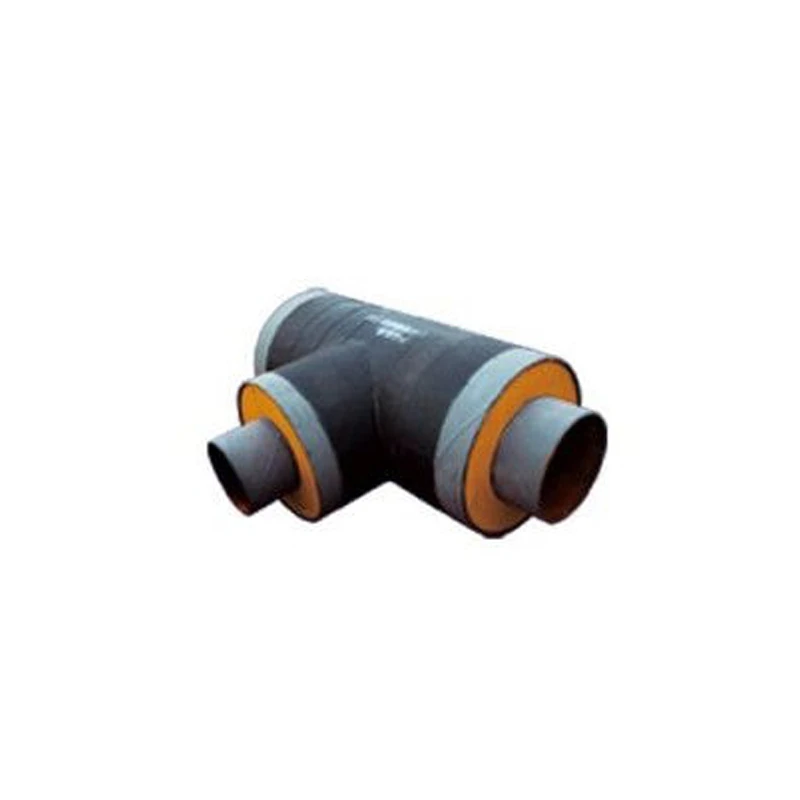
- Coating Application: Application of primers, intermediate coats, and topcoats for corrosion protection (e.g., epoxy, polyurethane), thermal insulation, or fireproofing, as per client specifications and standards like NACE, ISO 12944.
6. Packaging & Logistics
- Final Inspection & Documentation: Comprehensive review of all quality records, test reports, and compliance certificates.
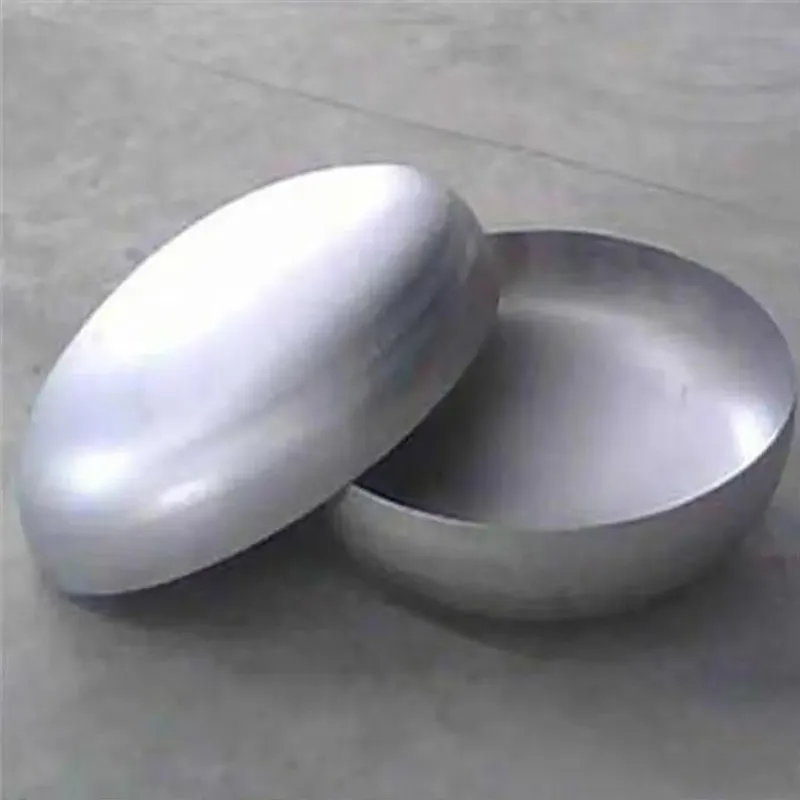
- Protection & Packing: Application of end caps, protective wrapping, and robust crating to prevent damage during transit. Segregation and labeling for easy on-site identification.
- Shipping: Coordinated logistics for timely and safe delivery to the project site.
The service life of well-engineered prefabricated pipework, depending on material, application, and maintenance, typically ranges from 20 to 50 years, often exceeding that of traditional on-site fabrication due to superior quality control and material integrity.
Target industries include petrochemical, oil & gas (upstream, midstream, downstream), power generation, metallurgy, water supply & drainage, HVAC, pharmaceuticals, and food & beverage. In these scenarios, the advantages are clear: enhanced energy saving through optimized flow paths, superior corrosion resistance due to controlled coating application, and significantly reduced risk of costly field rework.
Technical Specifications and Parameters
Understanding the core technical specifications is crucial for any B2B decision-maker evaluating prefabricated pipework solutions. Our factory prefabricated products adhere to stringent international standards, ensuring optimal performance and compliance.
Typical Material Specifications for Customized Steel Pipe
| Parameter |
Carbon Steel (e.g., ASTM A106 Gr. B) |
Stainless Steel (e.g., ASTM A312 TP316L) |
Duplex Stainless Steel (e.g., ASTM A790 UNS S31803) |
| Tensile Strength (min) |
415 MPa (60,000 psi) |
485 MPa (70,000 psi) |
620 MPa (90,000 psi) |
| Yield Strength (min) |
240 MPa (35,000 psi) |
170 MPa (25,000 psi) |
450 MPa (65,000 psi) |
| Operating Temperature Range |
-29°C to 425°C |
-196°C to 870°C |
-50°C to 300°C |
| Corrosion Resistance |
Good for non-corrosive fluids |
Excellent in various corrosive environments (acid, alkaline) |
Superior in chloride environments (pitting, crevice corrosion) |
| Wall Thickness Range |
Sch 10 to Sch XXS |
Sch 5S to Sch 160 |
Sch 10S to Sch 80S |
Dimensional Tolerances and Testing Standards
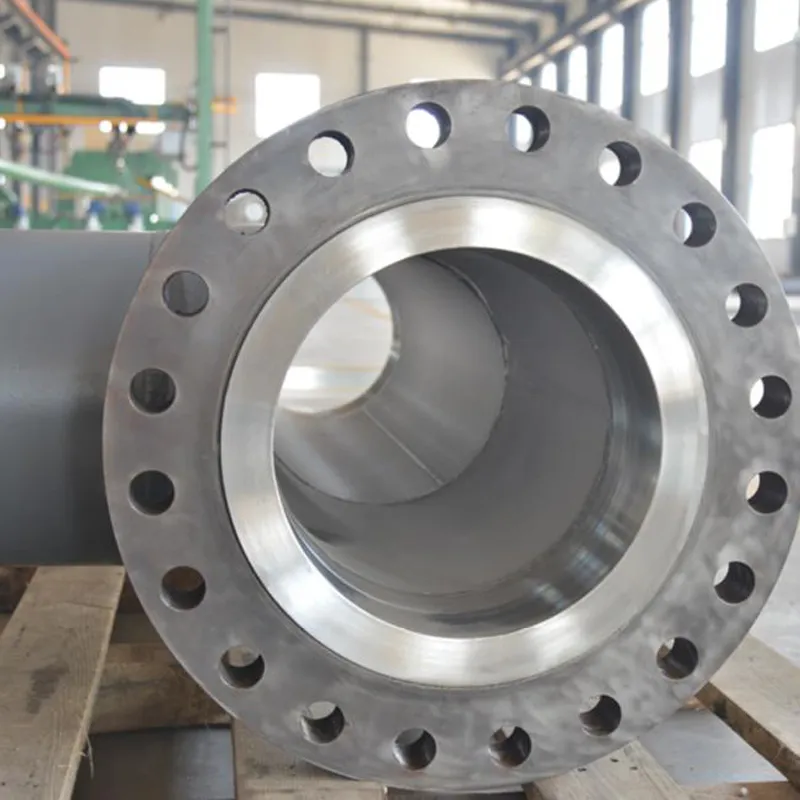
- Dimensional Accuracy: Prefab pipework is fabricated to ±1.5 mm per 3 meters or better, significantly tighter than typical field tolerances.
- Weld Quality: Compliant with ASME B31.1 (Power Piping), ASME B31.3 (Process Piping), API 1104 (Pipeline Welding).
- Pressure Testing: Hydrostatic tests to 1.5 times design pressure, pneumatic tests where applicable, adhering to specified holding times (e.g., 30-60 minutes).
- Non-Destructive Examination (NDE): 100% Visual Inspection, often complemented by 10-100% Radiography, Ultrasonic Testing (UT), Magnetic Particle Testing (MT), and Liquid Penetrant Testing (LPT) as per project specifications and codes like ASME Section V, ISO 17635.
- Surface Finish: Adherence to SA 2.5 (Near-White Metal Blast Cleaning) for coated surfaces, with surface roughness profiles typically ranging from 50-100 microns, as per ISO 8501-1.
These stringent parameters ensure that our customized steel pipe solutions not only meet but often exceed performance expectations, providing long-term operational integrity and safety.
Application Scenarios & Technical Advantages
The versatility and inherent advantages of prefabricated pipework make it the preferred choice across a multitude of challenging industrial environments.
Typical Application Scenarios:
- Oil & Gas Exploration and Production: High-pressure pipelines, manifold skids, and process piping for onshore and offshore platforms. Our customized steel pipe ensures robust handling of hydrocarbons and corrosive brines.
- Petrochemical & Chemical Plants: Complex piping networks for refineries, chemical processing units, and storage facilities, handling corrosive and high-temperature media with enhanced safety.
- Power Generation: Steam lines, cooling water systems, and balance-of-plant piping in thermal, nuclear, and renewable energy facilities, demanding precision and high integrity.
- Water Treatment & Desalination: Large diameter water transmission lines, intake/outfall piping, and process piping requiring excellent corrosion resistance and long service life.
- Pharmaceutical & Biotech: High-purity piping systems (e.g., orbital welded stainless steel) for cleanrooms and process lines where contamination control is paramount.
- Mining & Metallurgy: Slurry pipelines, process water lines, and material handling systems requiring durable, abrasion-resistant solutions.
Technical Advantages:
- Superior Quality Control: Factory environment allows for controlled conditions, advanced automation, and continuous quality checks (e.g., automated welding, comprehensive NDT), leading to fewer defects and higher reliability than field welding.
- Enhanced Safety: Significantly reduces on-site labor and associated risks. Complex fabrication tasks are moved to a controlled factory setting, minimizing exposure to hazardous environments, especially for complex prefab pipe modules.
- Accelerated Project Schedules: Concurrent fabrication and site preparation. Modules arrive on-site ready for installation, drastically cutting installation time and improving overall project delivery for prefab pipework.
- Cost Efficiency: Reduced labor costs, less material waste, and predictable project timelines lead to overall cost savings. The precision of factory fabrication minimizes costly reworks.
- Optimized Performance: Precise fabrication and controlled welding minimize internal pipe roughness and potential for flow restrictions, contributing to energy saving and reduced pumping costs. Advanced coating applications ensure superior corrosion resistance, extending asset life.
- Environmental Benefits: Reduced on-site construction waste, lower carbon footprint from less site traffic, and better management of waste materials in a factory setting.
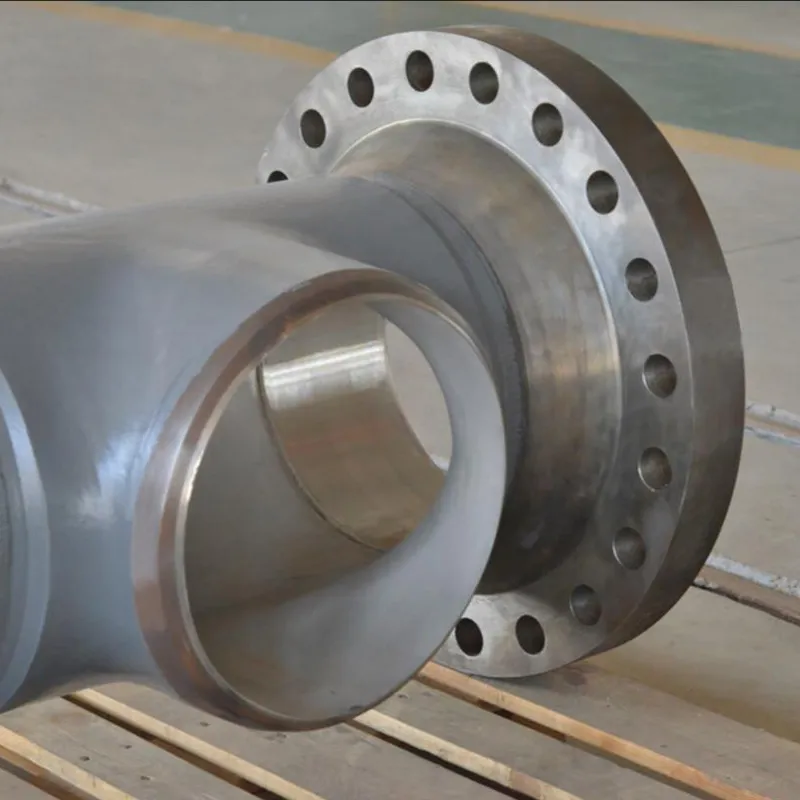
Vendor Comparison: Factory vs. On-Site Fabrication
When evaluating piping solutions, B2B stakeholders often weigh the benefits of factory prefabricated products against traditional on-site fabrication. The comparison below highlights why factory prefabricated pipework generally offers superior value and performance, particularly for complex and critical applications.
| Feature/Parameter |
Factory Prefabricated Pipework |
Traditional On-Site Fabrication |
| Quality Control |
High: Controlled environment, advanced automation, continuous NDT, consistent standards (e.g., ISO 9001, ASME). |
Variable: Dependent on site conditions, weather, equipment, and labor skill; often inconsistent. |
| Safety Profile |
High: Reduced on-site exposure, safer working conditions in controlled factory. |
Moderate-Low: Increased risks from working at height, confined spaces, adverse weather, and hot work on-site. |
| Project Schedule |
Faster: Concurrent fabrication and site work, just-in-time delivery, rapid installation. |
Slower: Sequential process, highly susceptible to delays from weather, labor availability, material delivery. |
| Cost Efficiency |
Higher: Reduced labor, minimal waste, predictable costs, fewer reworks. |
Lower initial cost, higher overall: Potentially higher labor costs, significant waste, unforeseen delays, and rework expenses. |
| Dimensional Accuracy |
Excellent: Robotic welding, laser scanning, precise jigs achieve sub-millimeter tolerances. |
Good-Moderate: Relies heavily on manual measurements and cuts, prone to errors. |
| Environmental Impact |
Lower: Centralized waste management, reduced site emissions, less material transport. |
Higher: Dispersed waste, increased site emissions, localized noise and air pollution. |
| Specialized Services |
Integrated: In-house coating, PWHT, comprehensive NDT facilities. |
Fragmented: Often requires multiple sub-contractors and field setup, adding complexity. |
The clear advantages in quality, safety, and project efficiency underscore why prefab pipework is increasingly becoming the industry standard, especially for large-scale, complex projects requiring `customized steel pipe` solutions.
Customized Solutions and Client Engagement
Our core strength lies in providing highly customized steel pipe solutions that perfectly integrate with unique project specifications. We understand that no two industrial projects are identical, and off-the-shelf components often fall short of meeting the rigorous demands for performance, longevity, and regulatory compliance. Our approach centers on close collaboration with clients from concept to completion, ensuring every aspect of the prefabricated pipework aligns with operational objectives.
Our Customization Capabilities Include:
- Material Selection: Beyond standard carbon and stainless steels, we offer fabrication in exotic alloys such as Inconel, Monel, Hastelloy, and Titanium for extreme conditions (high temperature, corrosive media, high pressure).
- Complex Geometries: Fabrication of intricate spool designs, multi-dimensional bends, jacketed piping, and complex manifold assemblies that are challenging or impossible to create accurately on-site.
- Integrated Components: Pre-installation of valves, instrumentation, heat tracing, insulation, and special coatings, providing complete plug-and-play modules for rapid site integration.
- Specialized Welding Procedures: Development and qualification of specific Welding Procedure Specifications (WPS) and Welder Performance Qualification (WPQ) to meet unique material or application requirements (e.g., orbital welding for high-purity systems, specialized overlay welding).
- Comprehensive NDT Protocols: Tailored NDT plans to project-specific criticality levels, including advanced techniques like phased array ultrasonic testing (PAUT) for complex welds.
- Logistics & Packaging: Customized packaging and shipping solutions for oversized or sensitive modules, ensuring safe delivery and ease of handling at remote or challenging sites.
Our engineering team works hand-in-hand with client engineers, utilizing advanced CAD/CAM software to translate complex P&IDs and 3D models into precise fabrication drawings for every prefab pipe segment. This collaborative approach ensures that the final product not only meets but often exceeds the client's expectations for quality, performance, and integration ease.
Application Case Studies & Client Successes
Our commitment to delivering high-quality prefabricated pipework has led to successful project executions across diverse industries globally. These case studies exemplify the tangible benefits our clients have realized.
Case Study 1: Large-Scale Petrochemical Expansion Project
- Client: Major International Energy Company
- Challenge: Expansion of an existing petrochemical plant, requiring thousands of linear meters of high-pressure, high-temperature piping within an extremely tight brownfield schedule and limited on-site fabrication space. Critical safety requirements.
- Solution: We supplied over 500 tons of customized steel pipe spools (ranging from DN50 to DN600, ASTM A335 P11 and P22 alloys) fabricated off-site. Modules included complex valve assemblies and instrumentation. All welds underwent 100% UT and RT.
- Results:
- Schedule Reduction: Overall project mechanical completion achieved 15% ahead of schedule due to rapid module installation.
- Cost Savings: Estimated 10% reduction in total installed cost due to minimized on-site labor and rework.
- Quality & Safety: Zero weld defects reported during hydrotesting. Achieved 1.5 million man-hours without a lost-time incident on piping scope.
Case Study 2: High-Purity Pharmaceutical Facility
- Client: Global Pharmaceutical Manufacturer
- Challenge: Construction of a new sterile processing facility demanding exceptionally high-purity piping (ASME BPE standard) with minimal particulate shedding and excellent cleanability. On-site welding was limited due to cleanroom protocols.
- Solution: We fabricated over 1,200 meters of 316L stainless steel prefab pipe spools, utilizing automated orbital welding for all connections to ensure smooth, crevice-free internal surfaces. All spools were passivated and electropolished in our facility before critical packaging.
- Results:
- Compliance: Achieved full ASME BPE compliance and passed rigorous client validation for surface roughness (Ra values
- Installation Efficiency: Field installation time reduced by 40% compared to conventional methods, minimizing disruption to concurrent cleanroom fit-out.
- Operational Excellence: The system demonstrated superior process fluid integrity, contributing to high yield and product quality for the client.
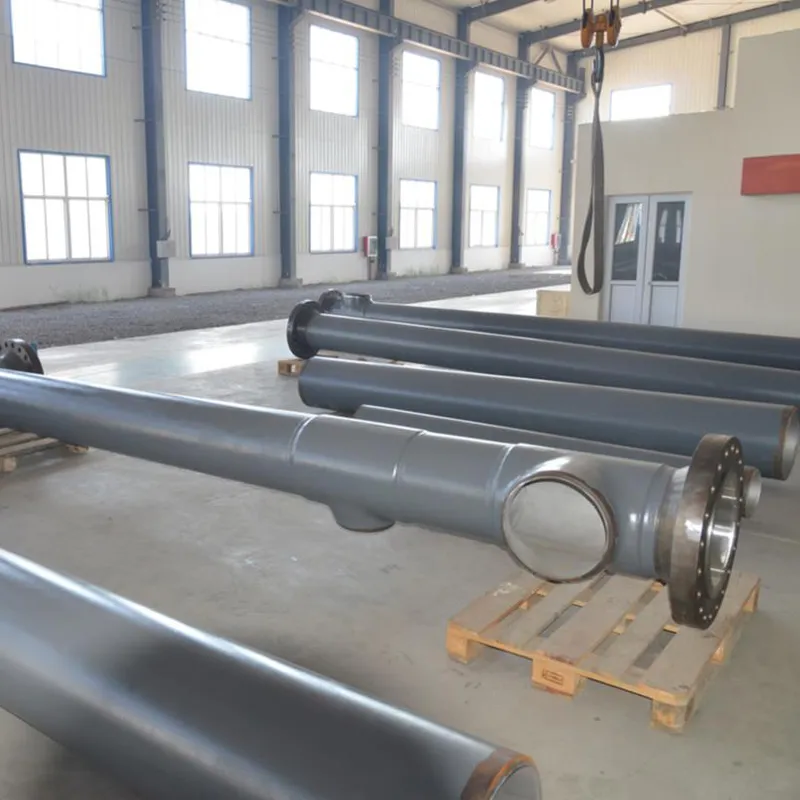
These instances demonstrate our capability to deliver complex, high-quality prefab pipework solutions under demanding circumstances, consistently exceeding client expectations.
Trustworthiness: FAQ, Lead Time, Warranty & Support
Frequently Asked Questions (FAQ)
Q: What documentation is provided with your prefabricated pipework?
A: Each shipment includes a comprehensive data book containing material test certificates (MTCs), weld maps, NDT reports, hydrotest certificates, dimensional inspection reports, coating reports, and final quality release documentation, ensuring full traceability and compliance.
Q: Can you accommodate specific project management software or digital collaboration tools?
A: Yes, our engineering and project management teams are proficient in various industry-standard platforms for seamless integration, progress tracking, and communication, including PIM systems and cloud-based collaboration tools.
Q: What are your capabilities for international shipping?
A: We have extensive experience in global logistics, partnering with reputable carriers for sea, air, and land freight. We manage customs documentation and provide robust packaging to ensure safe and compliant international delivery of our prefab pipework.
Q: How do you handle design changes during fabrication?
A: We implement a strict change management protocol. Any design changes are formally reviewed, assessed for impact on schedule and cost, and only implemented after client approval, ensuring transparency and minimizing disruption.
Lead Time & Fulfillment
Our lead times for customized steel pipe fabrication are project-specific, influenced by complexity, material availability, and order volume. Typically, standard carbon steel pipe spools can be completed within 4-8 weeks from drawing approval. Complex alloy or large-scale projects may range from 10-20 weeks. We employ advanced production planning and scheduling tools to provide accurate lead time estimates and ensure on-time delivery. Expedited services are available for critical projects.
Warranty Commitments
We stand behind the quality and craftsmanship of our prefabricated pipework with a comprehensive warranty. Our products are warranted to be free from defects in material and workmanship for a period of 12-24 months from the date of installation or 18-30 months from the date of shipment, whichever comes first. This warranty covers manufacturing defects under normal operating conditions and is subject to our standard terms and conditions. Full warranty details are provided with each quotation.
Customer Support Information
Our dedicated customer support team is available to assist you throughout your project lifecycle and beyond. For inquiries, technical support, or after-sales service, please contact us via:
- Email: sales@lion-pipeline.com
- Phone: +86-XXX-XXXX-XXXX (Local & International)
- Website: www.lion-pipeline.com
- Office Hours: Monday - Friday, 9:00 AM - 6:00 PM (GMT+8)
Our experienced technical support engineers are available to provide guidance on installation, maintenance, and troubleshooting, ensuring the long-term optimal performance of your prefab pipework.
References
- American Society of Mechanical Engineers (ASME). (2020). ASME B31.3: Process Piping. New York, NY: ASME Press.
- International Organization for Standardization (ISO). (2018). ISO 9001: Quality management systems – Requirements. Geneva, Switzerland: ISO.
- National Association of Corrosion Engineers (NACE). (2019). NACE SP0188: Discontinuity (Holiday) Testing of New Protective Coatings on Conductive Substrates. Houston, TX: NACE International.
- ASTM International. (2022). ASTM A106/A106M: Standard Specification for Seamless Carbon Steel Pipe for High-Temperature Service. West Conshohocken, PA: ASTM International.
- The Construction Project Delivery Systems: A Comparison of Stick-Built and Modular Construction Methods. Journal of Construction Engineering and Management, 146(2), 04019106.