tel
Email
to top

Angle Flange Use in Structural Steel Framing

Sep 09 2025
partager:

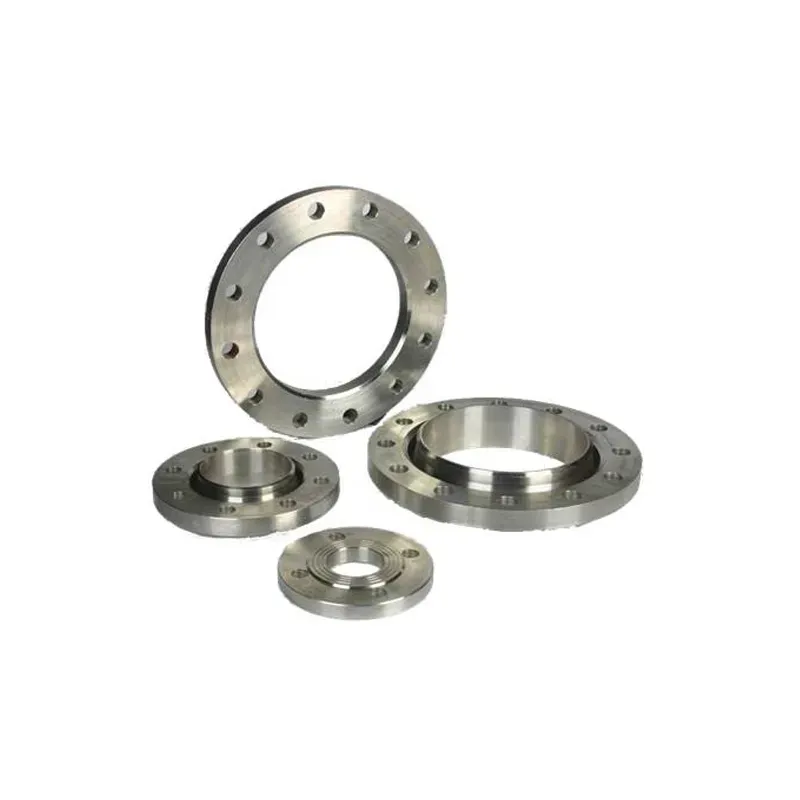
Modern structural steel framing demands robust connections capable of transferring significant loads while ensuring stability and longevity. Flanges, critical components within these systems, provide versatile and reliable joining solutions. Angle flange use in structural steel framing represents a specialized application where strength, precise alignment, and adaptability to complex geometries are paramount. Understanding the distinct roles of various flange types – including angle flangebase flange, and flat flange – and the manufacturing excellence required to produce them is essential for engineers designing and constructing large-scale industrial facilities, power plants, and infrastructure projects.
 

Angle Flange Use in Structural Steel Framing


The Connecting Role of Angle Flange Components


Within intricate structural frameworks, beams, columns, and bracing elements often meet at angles other than 90 degrees. This is where angle flange connections excel. An angle flange is specifically designed to facilitate secure, load-bearing connections between members intersecting at acute or obtuse angles. Its shape accommodates the angular deviation, providing a stable mating surface for bolting or welding. The primary angle flange use lies in creating rigid joints for trusses, support brackets, and specialized frames where standard perpendicular connections are impractical. The precision of the angle flange's machined surfaces and bolt holes is crucial for ensuring proper force transfer and preventing misalignment-induced stresses that could compromise structural integrity over time. Effective angle flange use requires components manufactured to exacting tolerances.


Ensuring Stability: The Function of Base Flange Connections


The foundation of any structure is its connection to the ground or supporting substructure. Base flange assemblies are fundamental to this critical interface. A base flange is typically a thick, robust plate welded to the bottom of a column or vertical member. It is then anchored securely to a concrete foundation using high-strength bolts embedded in the concrete. The base flange serves several vital functions:

  • Load Transfer:It transmits the vertical loads (dead load, live load) from the column into the foundation.
  • Stability:It resists uplift forces (wind, seismic) and lateral forces, preventing overturning.
  • Alignment:It provides a precise reference plane for setting the column plumb and at the correct elevation.
    The size, thickness, bolt pattern, and material grade of the base flange are meticulously calculated based on the anticipated loads, making manufacturing precision and material quality non-negotiable.
  •  

Achieving Sealed Connections with Flat Flange Interfaces


While angle flange and base flange components often deal with primary structural loads, flat flange surfaces play a critical role in creating sealed interfaces, particularly where structural elements interface with piping systems or enclosures. A flat flange features machined, smooth, parallel faces designed to mate with a corresponding flange face. A gasket compressed between these flat flange surfaces creates a reliable seal, preventing fluid or gas leakage. Common applications include:

  • Sealing the ends of structural members used as conduits.
  • Connecting structural supports to pressurized vessels or tanks via nozzles.
  • Creating access points or inspection ports within structural frameworks.

The effectiveness of the seal relies heavily on the flatness, surface finish (e.g., serrated or smooth), and dimensional accuracy of the flat flange faces. Imperfections can lead to gasket failure and leaks. These flanges adhere to international standards like ASME B16.5/B16.47 and API 6A, covering diameters from DN15 to DN2000+, ensuring compatibility.


Cangzhou Lion Technology: Engineering Robust Flanges for Demanding Structures


Producing high-quality angle flangebase flange, and flat flange components for critical structural applications requires advanced manufacturing capabilities, material expertise, and stringent quality control. Cangzhou Lion Technology Co., Ltd., a leading high-tech enterprise based in the Mengcun County Economic Development Zone, Cangzhou City, Hebei Province, possesses the infrastructure and expertise to meet these demands for large-scale projects.


As a designated supplier to major energy groups under the State-owned Assets Supervision and Administration Commission (SASAC) and through continuous collaboration with domestic research institutes, Cangzhou Lion prioritizes innovation and quality. Their capabilities directly support structural flange production:

  • Heavy Forming Power:The 6000T hydraulic press enables the forging or pressing of thick, heavy base flange plates and complex angle flange forms from high-strength materials, including stainless and clad steels.
  • Precision Machining & Finishing:Extensive machining capabilities ensure the accurate bolt holes, flat surfaces (critical for flat flange sealing), and angular tolerances required for angle flange use. Over 200 sets of production and testing equipment guarantee dimensional accuracy.
  • Controlled Heat Treatment:Three large natural gas heat treatment furnaces (±10°C accuracy) are vital for achieving the required mechanical properties (strength, toughness) in flanges, relieving stresses induced during forming, and ensuring long-term performance under load.
  • Material Expertise:Specialization in clad materials (e.g., 304 stainless lined, laser/arc additive bimetallic) is beneficial for flanges in corrosive environments or interfacing with clad piping systems.
  • High-Volume Capacity:With an annual production capacity of 10,000 tons specifically for pressure piping components (which includes structural flanges), and a total prefabrication capacity of 20,000 tons for pipes, Cangzhou Lion is equipped for the large-volume needs of major structural steel projects, ensuring consistent supply of angle flangebase flange, and flat flange
  •  

FAQs About Structural Flanges


What is the primary advantage of using an angle flange?


The primary advantage of angle flange use is its ability to create strong, rigid connections between structural steel members meeting at angles other than 90 degrees, accommodating complex frame geometries that would be difficult or impossible with standard perpendicular connection methods.


What factors determine the size and thickness of a base flange?


The size and thickness of a base flange are determined by the magnitude and type of loads it must transfer (vertical compression, uplift, shear, moment), the strength of the anchor bolts, the bearing capacity of the concrete foundation, and the dimensions of the column it supports. Engineering calculations based on structural codes are essential.


Why is surface finish critical for a flat flange?


The surface finish of a flat flange is critical because it directly impacts the effectiveness of the gasket seal. A smooth, flat, and appropriately serrated or grooved finish ensures uniform gasket compression, creating a leak-tight barrier against fluids or gases under pressure, especially when adhering to standards like ASME B16.5.


What manufacturing standards typically apply to structural angle and base flanges?


While often custom-designed, angle flange and base flange components for structural use typically reference standards for material properties (ASTM A36, A572, A992), welding procedures (AWS D1.1), dimensional tolerancing, and surface preparation. Flat flange interfaces often adhere to pressure boundary standards like ASME B16.5 or API 6A if sealing is required.


Can manufacturers like Cangzhou Lion produce large quantities of custom structural flanges?


Yes, manufacturers with significant capacity, like Cangzhou Lion Technology and their 10,000-ton annual output for pressure piping components (including flanges), heavy forming equipment (6000T press), and extensive machining/finishing capabilities, are well-equipped to produce large quantities of custom angle flangebase flange, and flat flange components to meet the demands of major structural steel framing projects.


Angle flange use in structural steel framing provides essential solutions for connecting members at non-standard angles, while base flange assemblies ensure stable and secure anchoring to foundations, and flat flange interfaces enable reliable sealed connections. The performance and longevity of these critical components hinge on precise engineering, high-quality materials, and advanced manufacturing processes capable of achieving strict tolerances and material properties. Cangzhou Lion Technology Co., Ltd., leveraging its substantial capabilities – including a 6000T hydraulic press for heavy forming, precision heat treatment furnaces (±10°C), extensive machining resources, and a dedicated 10,000-ton annual capacity for pressure components – stands as a key supplier for large-scale industrial projects. Their ability to produce robust angle flangebase flange, and flat flange products to exact specifications ensures the structural integrity, stability, and leak-free performance required in demanding applications, from energy infrastructure to complex industrial facilities. Selecting a manufacturer with this combination of scale, capability, and quality focus is fundamental to the success of modern structural steel framing.
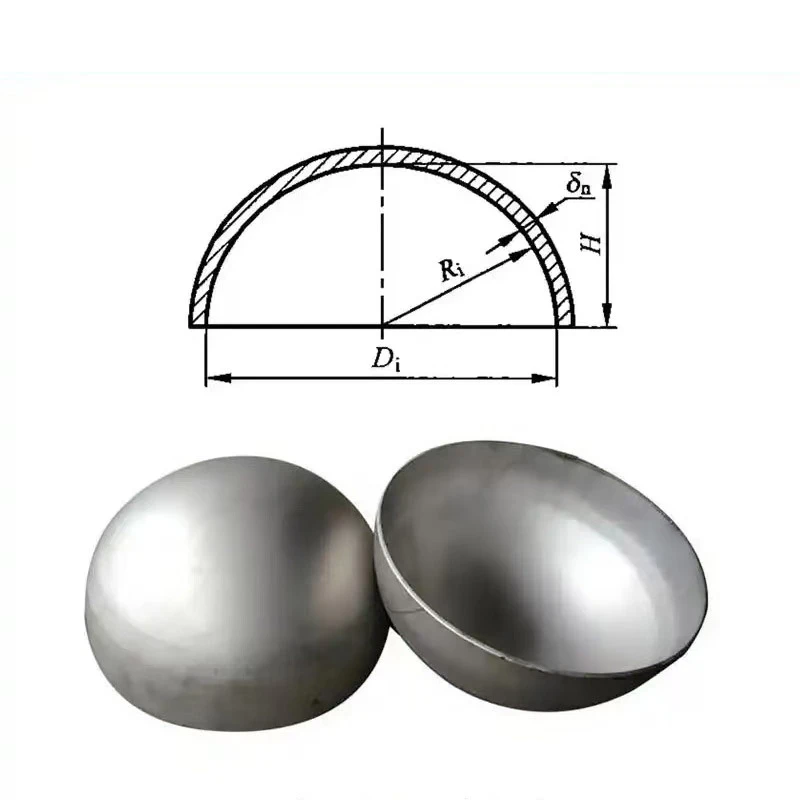
  • Pipe Cap

    Bouchon de tuyau

    Les bouchons de tuyauterie existent en différentes formes, notamment rondes, carrées et ovales, et peuvent être conçus pour des raccords filetés ou soudés. Ils garantissent l'intégrité des systèmes de tuyauterie pendant le transport, le stockage et l'installation en protégeant les extrémités des tuyaux de la saleté, des débris et des facteurs environnementaux. Durables et faciles à installer, les bouchons de tuyauterie sont essentiels au maintien de l'efficacité et de la sécurité du système.
    VOIR TOUT
  • Bend Pipe

    Tuyau courbé

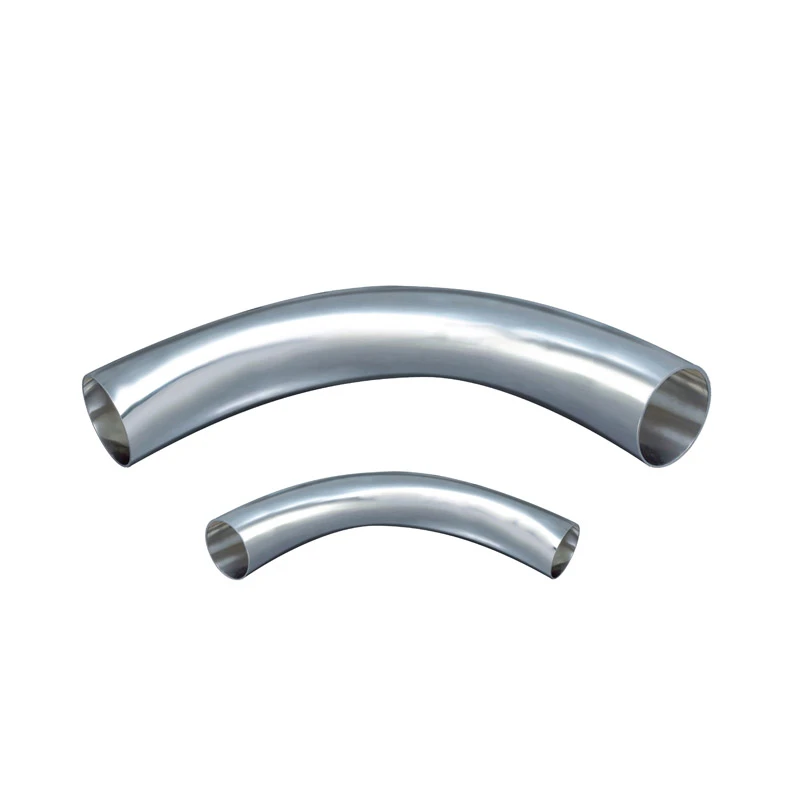
    Le coude est un raccord essentiel utilisé pour modifier le sens d'écoulement dans un système de tuyauterie. Il permet des transitions fluides entre les sections de conduite, s'adaptant aux contraintes d'implantation, évitant les obstacles et optimisant les trajets d'écoulement. Les coudes sont conçus pour maintenir la vitesse du fluide et minimiser les pertes de charge tout en offrant l'angle de déviation nécessaire. Ils sont couramment utilisés dans divers secteurs, notamment le pétrole et le gaz, la pétrochimie, l'approvisionnement en eau et les systèmes CVC.
    VOIR TOUT
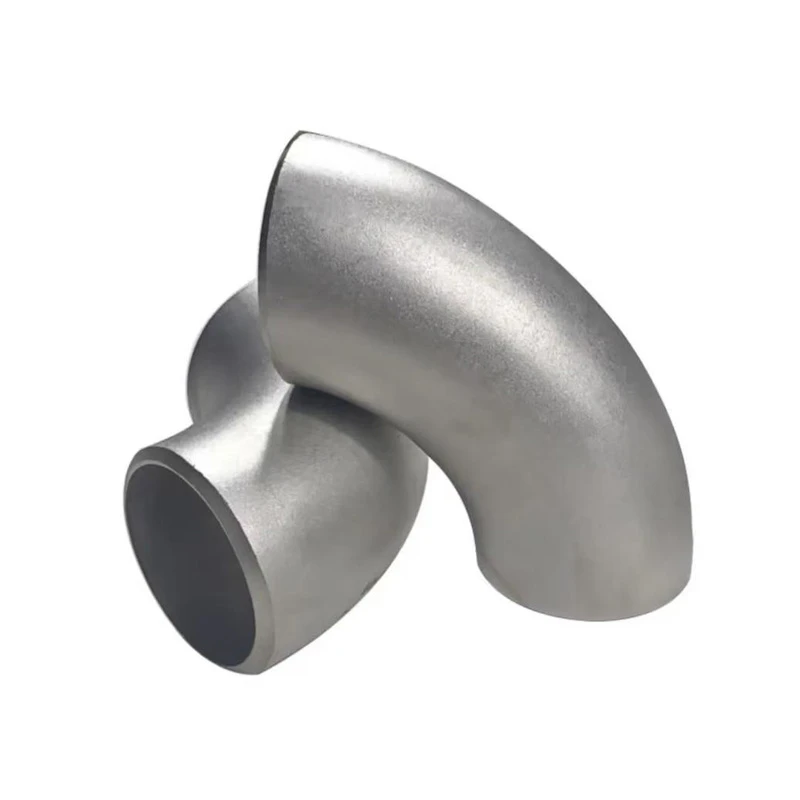
  • Elbow

    Coude

    Carbon Steel &stainless Steel Elbow Elbows are pipe fittings used to change the direction of pipelines in piping systems, commonly employed at pipeline bends. They are widely used in industries such as petroleum, chemical, and power. The common size range for elbows is DN15-DN2000, and typical angles include 45°, 90°, and 180°.
    VOIR TOUT
Créer de la valeur pour les clients !
Cangzhou Leo Technology Co., Ltd. est située dans la zone de développement économique du comté de Mengcun, ville de Cangzhou, province du Hebei. C'est une entreprise de haute technologie spécialisée qui intègre la recherche et le développement, la production et la vente de tubes et raccords composites.
Nouvelles
L'entreprise considère la qualité des produits comme la vie de l'entreprise, établit un système de gestion de la qualité solide conformément aux exigences de l'industrie et des normes nationales, contrôle tous les aspects de l'entrée et de la sortie dans l'ensemble du processus, prête attention à chaque détail et garantit que le taux de réussite de la livraison des produits est de 100 %.
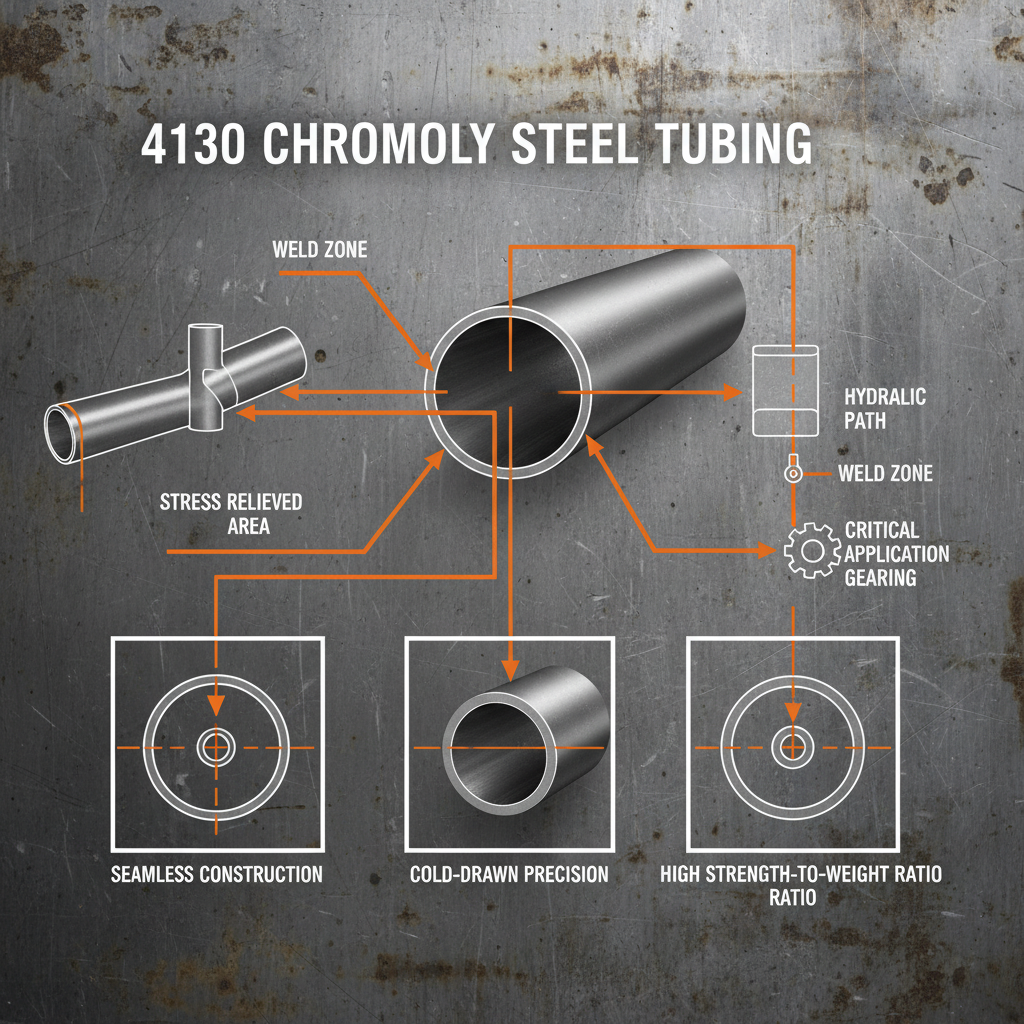
Ultimate Guide to 4130 Tubing Strength Performance and Applications
Ultimate Guide to 4130 Tubing Strength Performance and Applications

In the world of high-performance engineering, material selection is the foundation of safety and efficiency. 4130 tubing is widely regarded as the gold standard for applications requiring an exceptional strength-to-weight ratio. This chrome-molybdenum alloy steel is engineered to withstand extreme stress while remaining lightweight enough for aerospace and automotive use. Whether you are designing a roll cage, a bicycle frame, or a critical industrial component, understanding the nuances of this material is essential. In this comprehensive guide, we will explore why this specific alloy is preferred by engineers worldwide and how to choose the right specifications for your project.
Properties and Industrial Applications of 4130 steel tubing
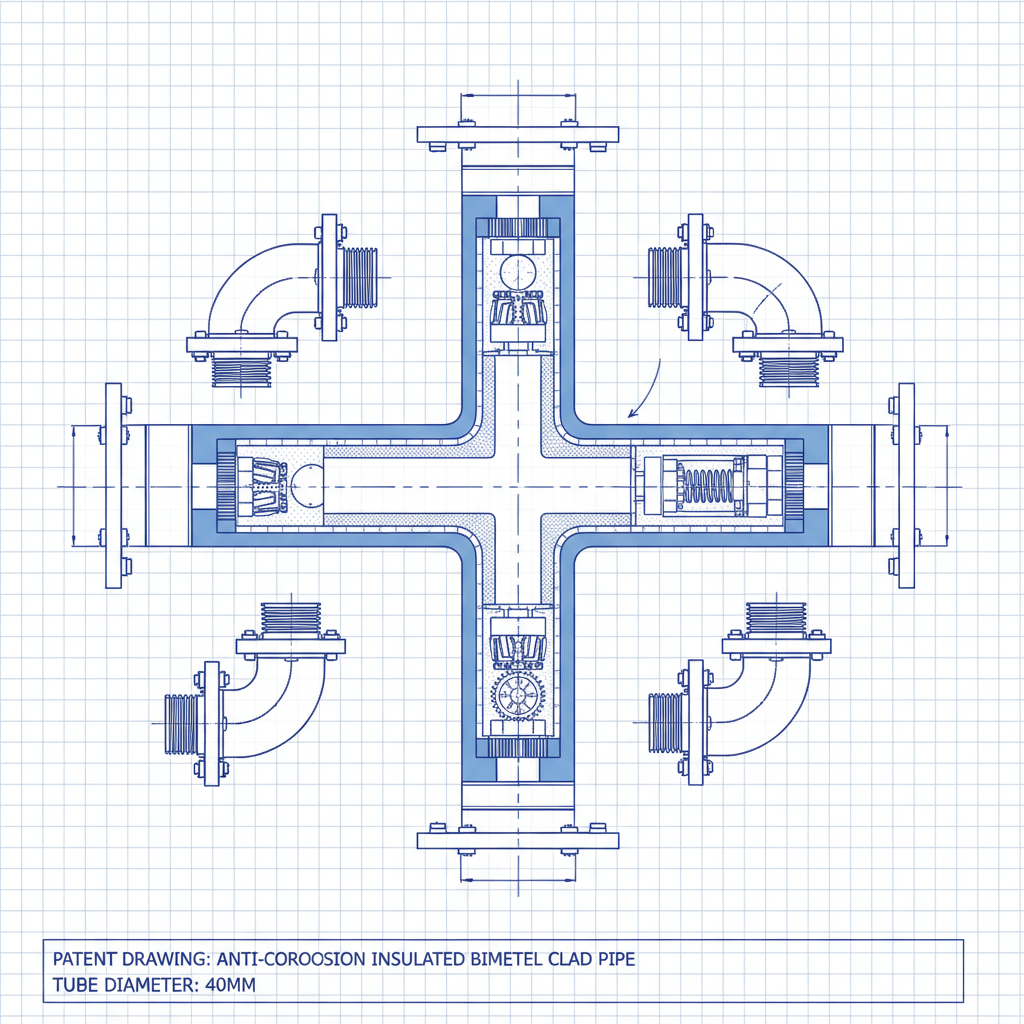
Properties and Industrial Applications of 4130 steel tubing

In the world of high-performance engineering, material selection is the foundation of safety and efficiency. 4130 steel tubing is widely recognized as the gold standard for applications requiring an exceptional strength-to-weight ratio. Known for its versatility and reliability, this chromium-molybdenum alloy is the preferred choice for everything from aircraft frames to professional roll cages. Understanding the nuances of this material allows engineers to optimize structural integrity without adding unnecessary bulk. In this comprehensive guide, we will explore why this specific alloy remains a top choice for critical industrial and aerospace components.
Comprehensive Guide to 40mm Steel Tube Applications and Material Selection
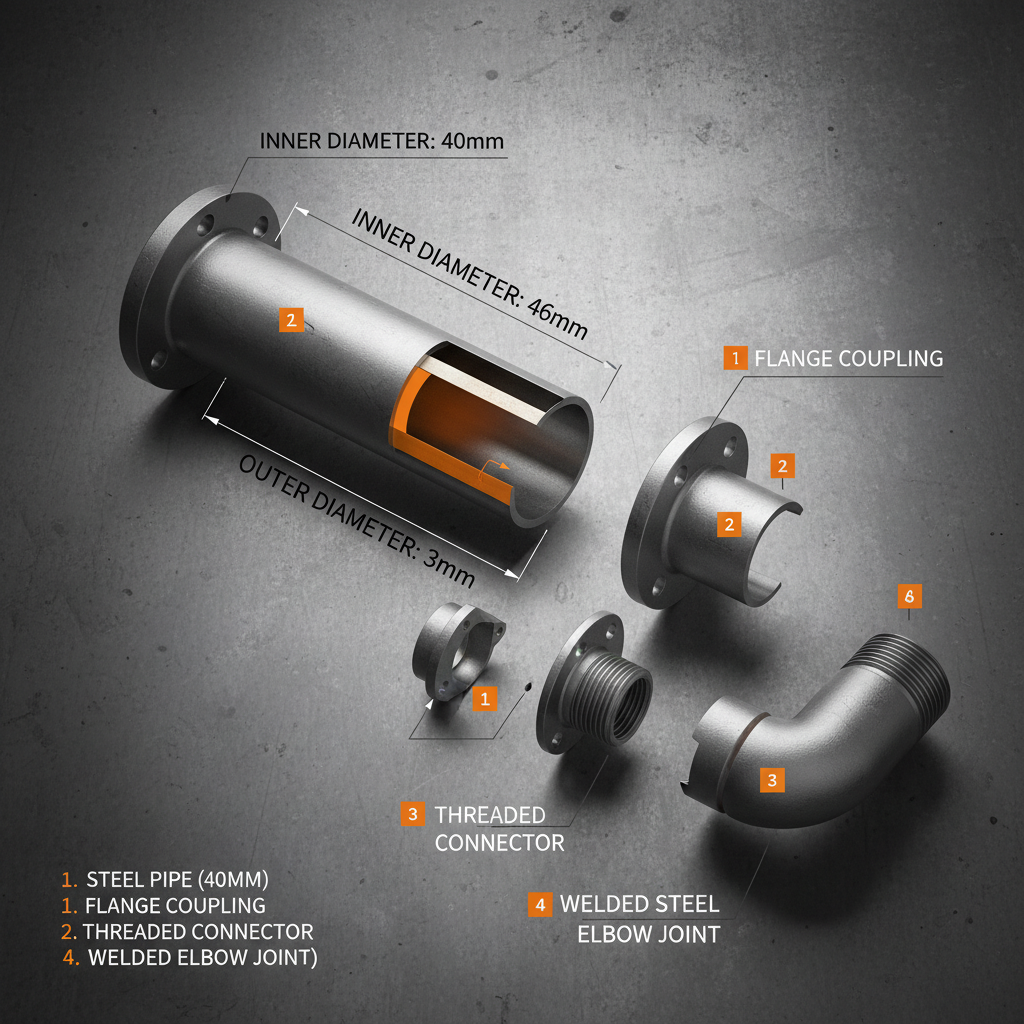
Comprehensive Guide to 40mm Steel Tube Applications and Material Selection

40mm steel tube is a versatile and widely used material in various industries, from construction and manufacturing to automotive and beyond. Its strength, durability, and cost-effectiveness make it an ideal choice for numerous applications. This article will delve into the characteristics, applications, benefits, and considerations when working with 40mm steel tube, providing a comprehensive overview for professionals and anyone interested in this essential material.
Comprehensive Guide to 40mm Steel Pipe Applications and Considerations
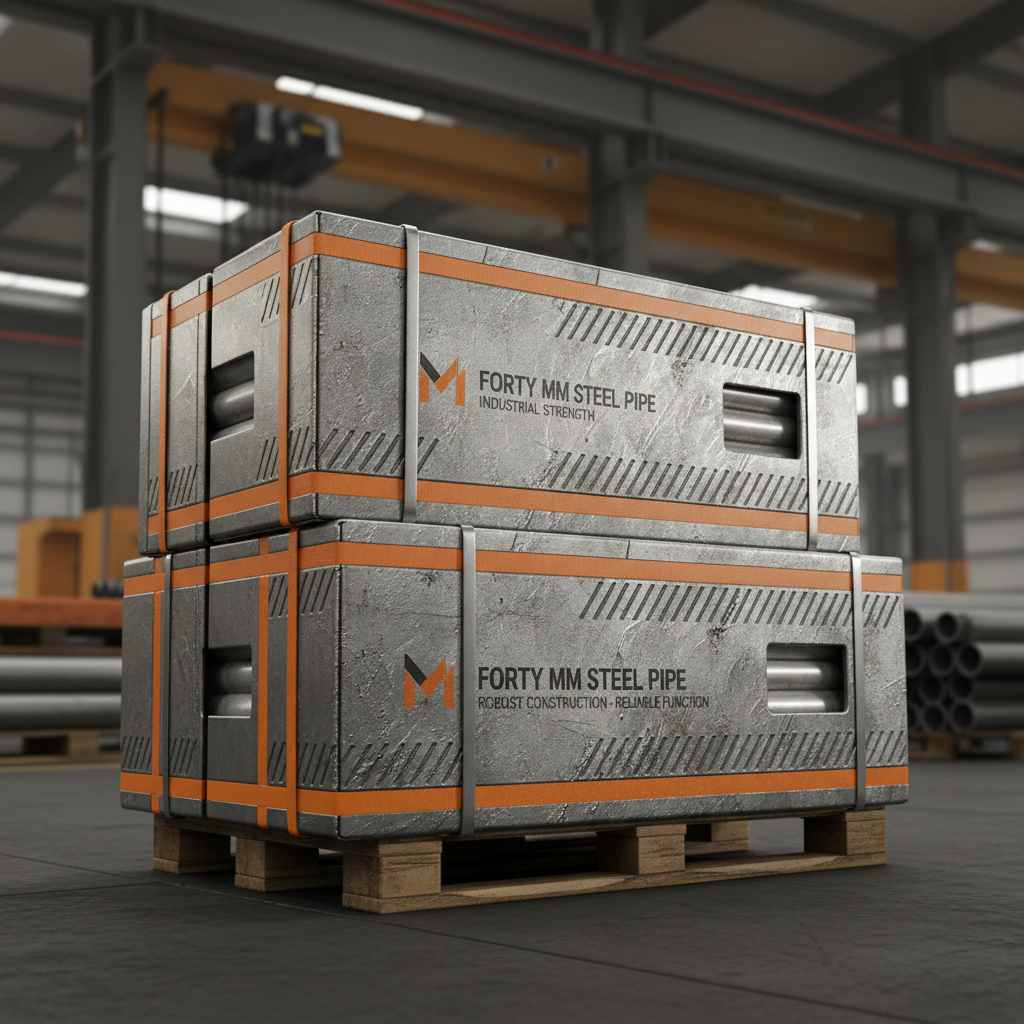
Comprehensive Guide to 40mm Steel Pipe Applications and Considerations

40mm steel pipe is a widely used material in various industries due to its strength, durability, and cost-effectiveness. From construction and infrastructure projects to industrial applications and fluid transportation, this pipe size offers a versatile solution. This article will delve into the properties, applications, standards, and key considerations when selecting 40mm steel pipe, helping you make informed decisions for your specific needs.
Comprehensive Guide to 40mm Metal Pipe Applications and Sourcing
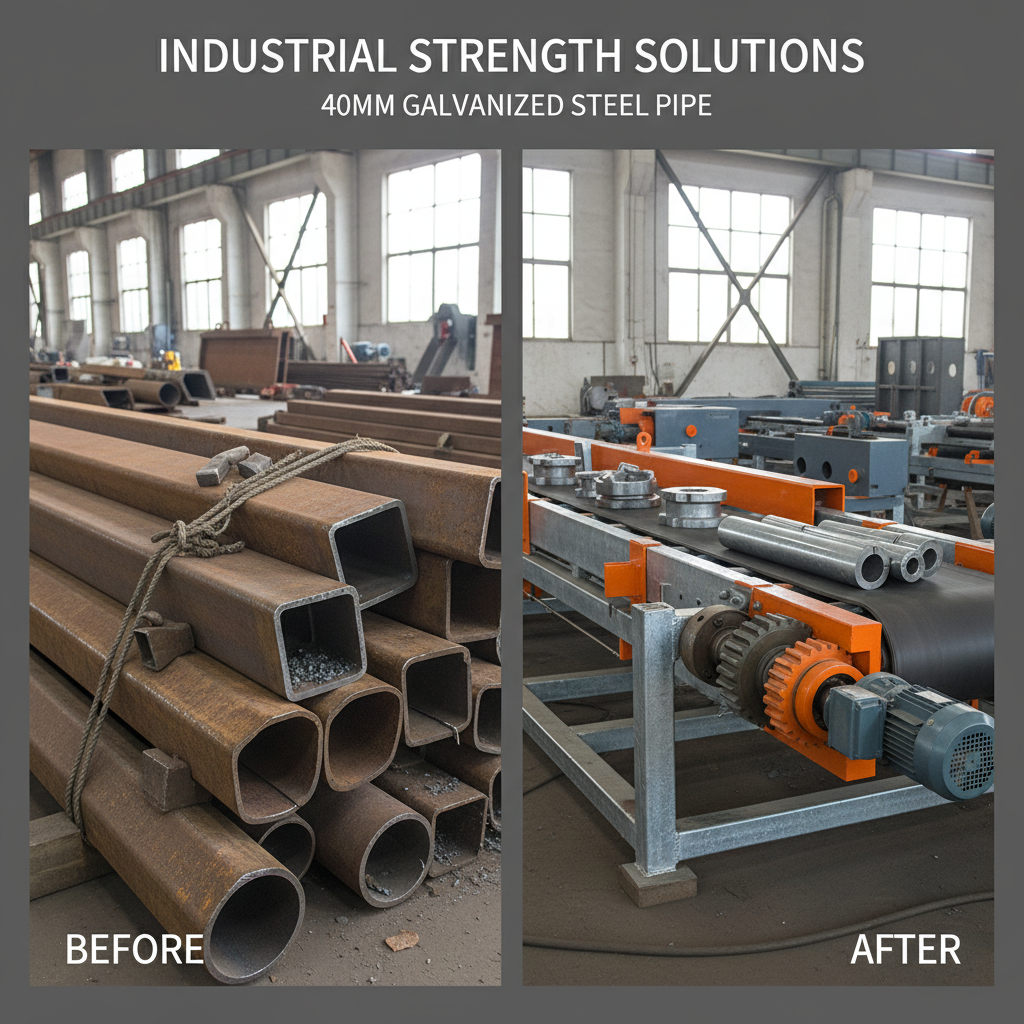
Comprehensive Guide to 40mm Metal Pipe Applications and Sourcing

40mm metal pipe is a crucial component in a wide array of industries, from construction and plumbing to industrial manufacturing and fluid transport. Its strength, durability, and versatility make it a preferred material for countless applications. This article will delve into the specifics of 40mm metal pipe, exploring its various types, common uses, benefits, and where to source high-quality piping solutions.
Comprehensive Guide to 40mm Galvanised Pipe Applications and Specifications

Comprehensive Guide to 40mm Galvanised Pipe Applications and Specifications

When planning a plumbing, structural, or industrial project, selecting the right piping material is crucial. 40mm galvanised pipe is a widely used option known for its strength, durability, and corrosion resistance. This article provides a detailed overview of 40mm galvanised pipes, exploring their applications, benefits, specifications, and considerations for optimal usage. We'll cover everything from what galvanisation is to how to choose the right pipe for your specific needs.
tel email tel top

Si vous êtes intéressé par nos produits, vous pouvez choisir de laisser vos informations ici et nous vous contacterons sous peu.