tel
Email
to top
DÉTAILS DU PRODUIT
Coude
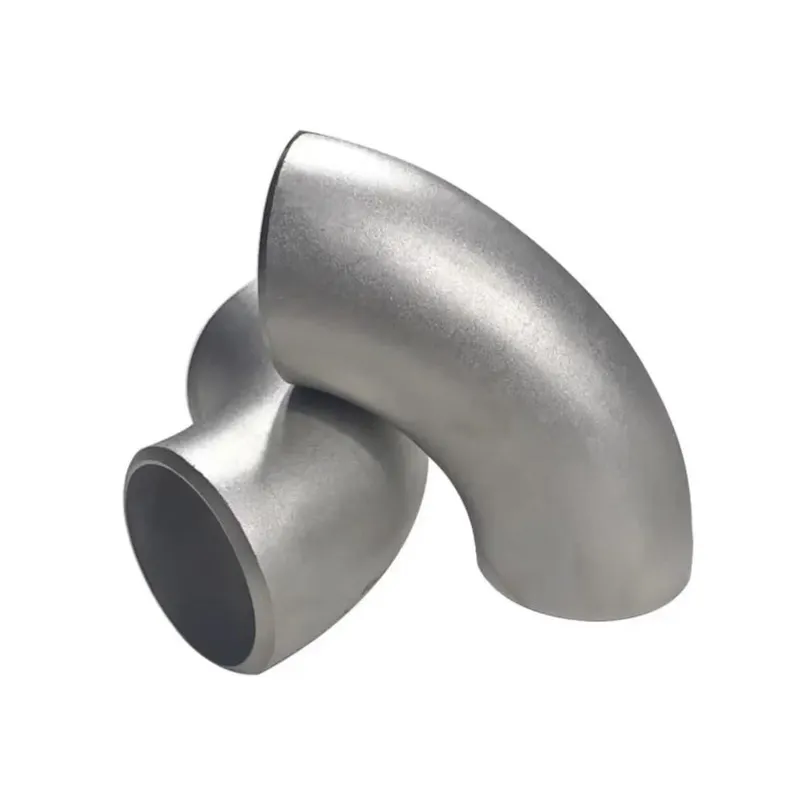
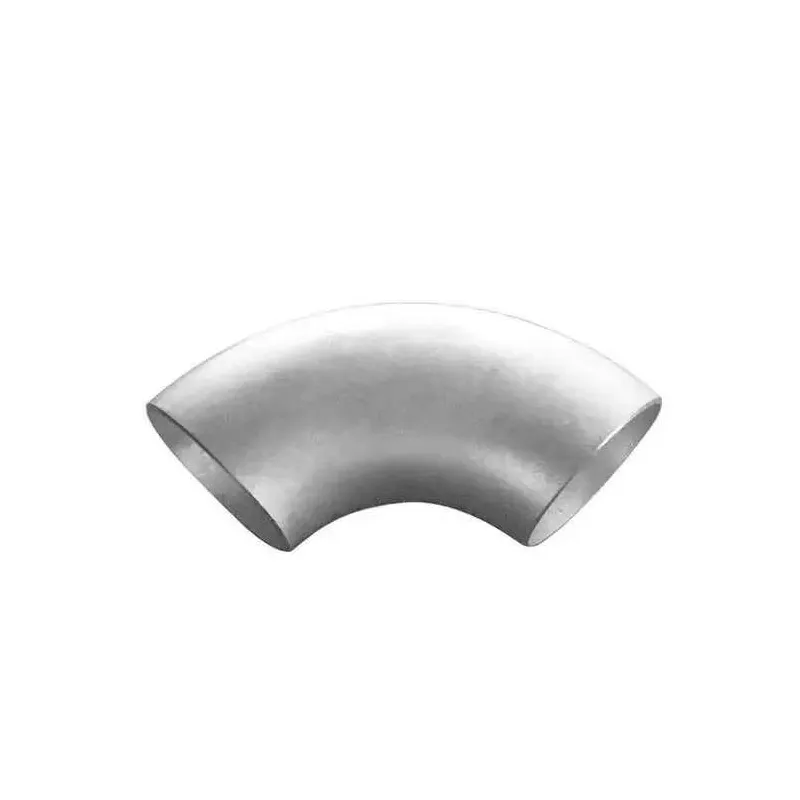
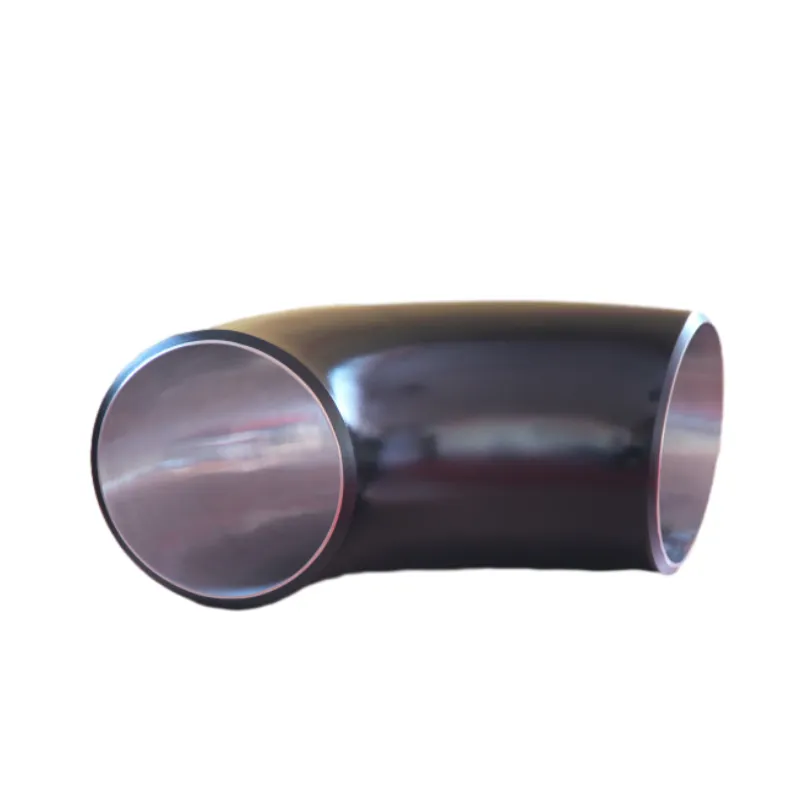
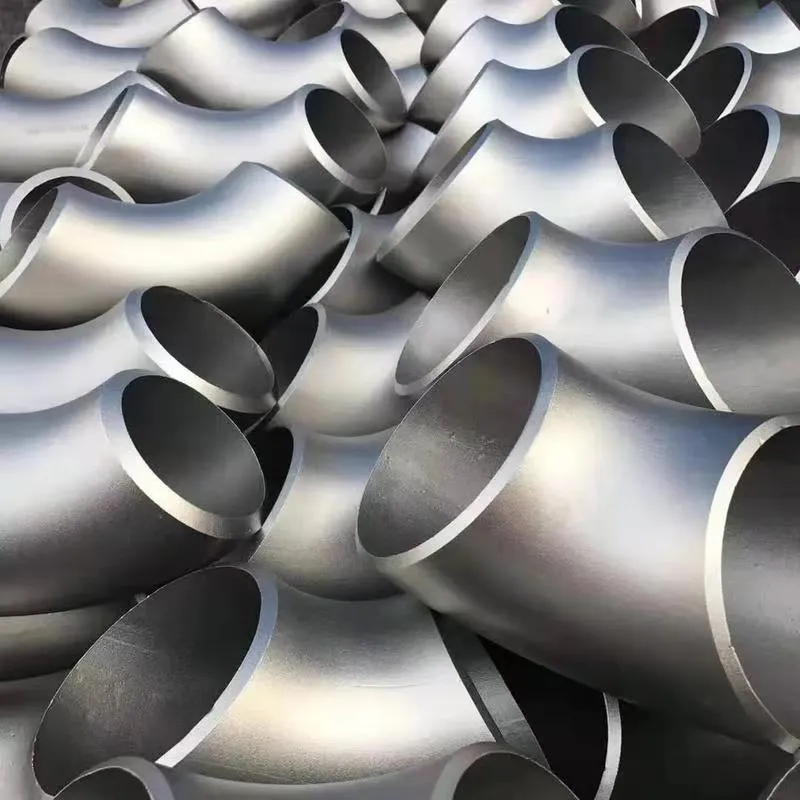
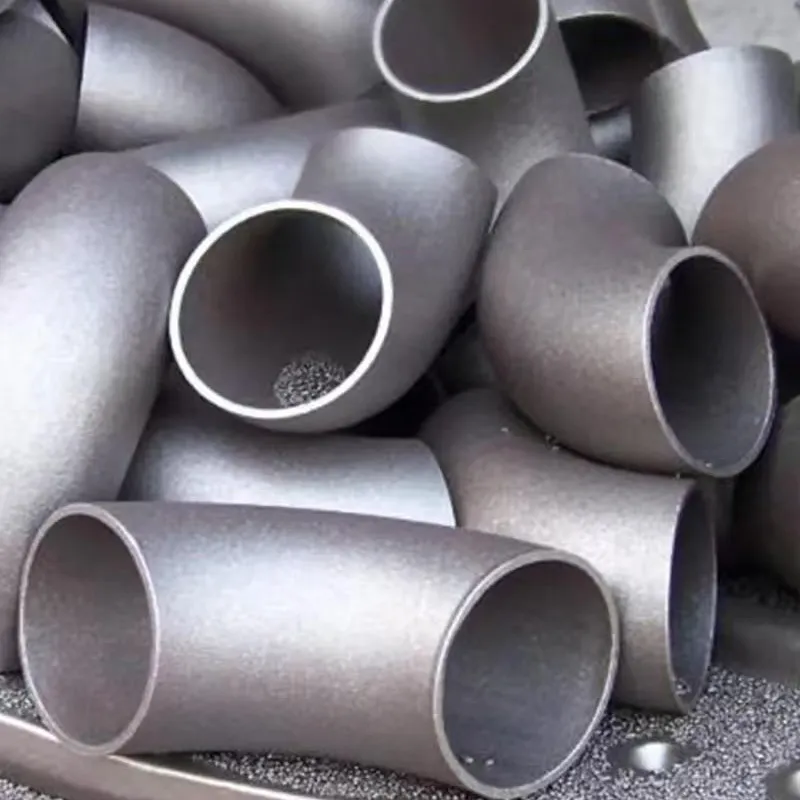
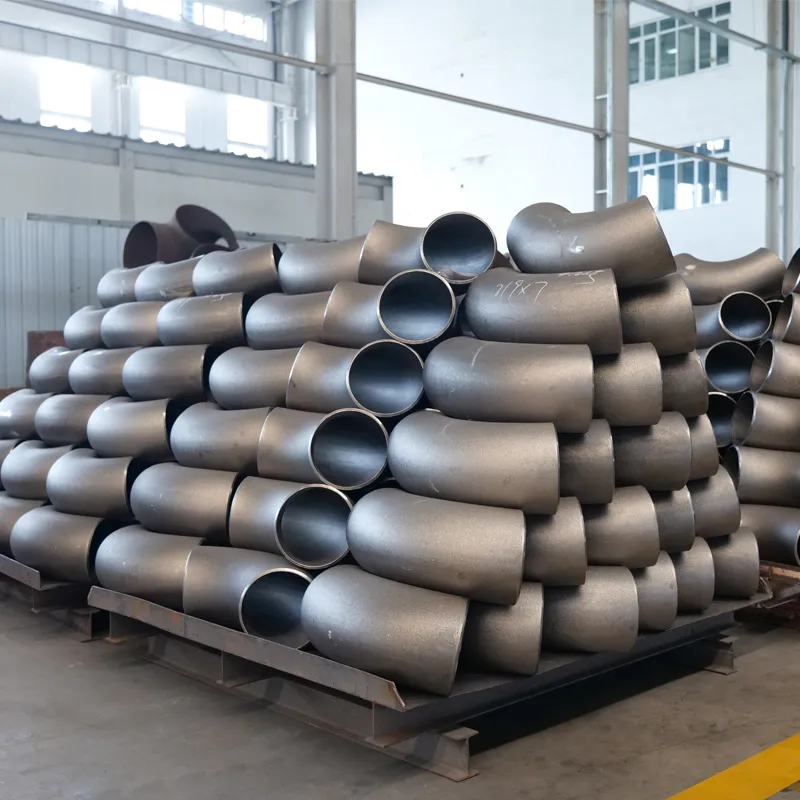
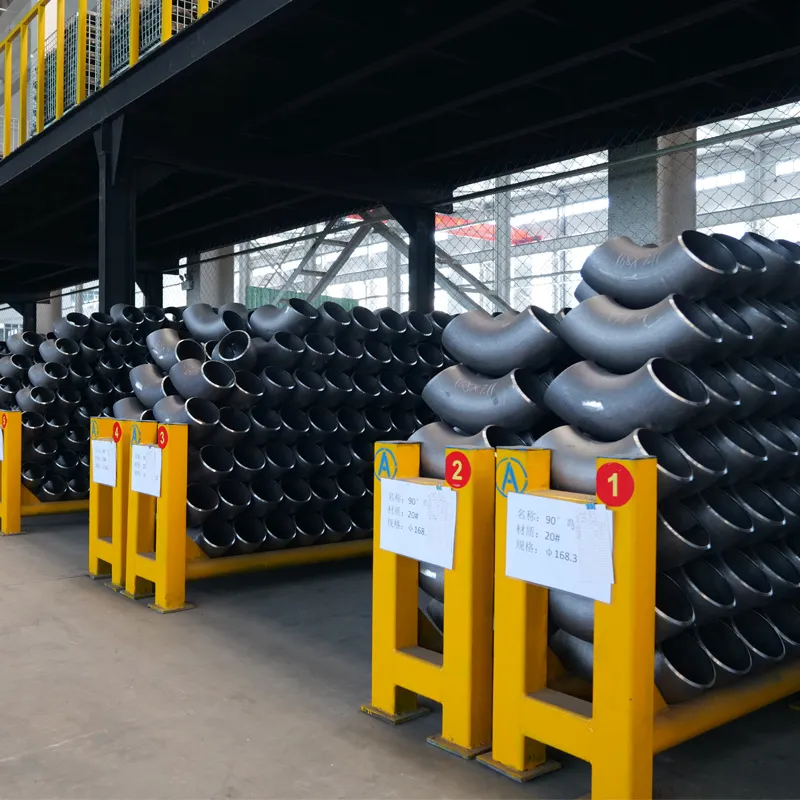
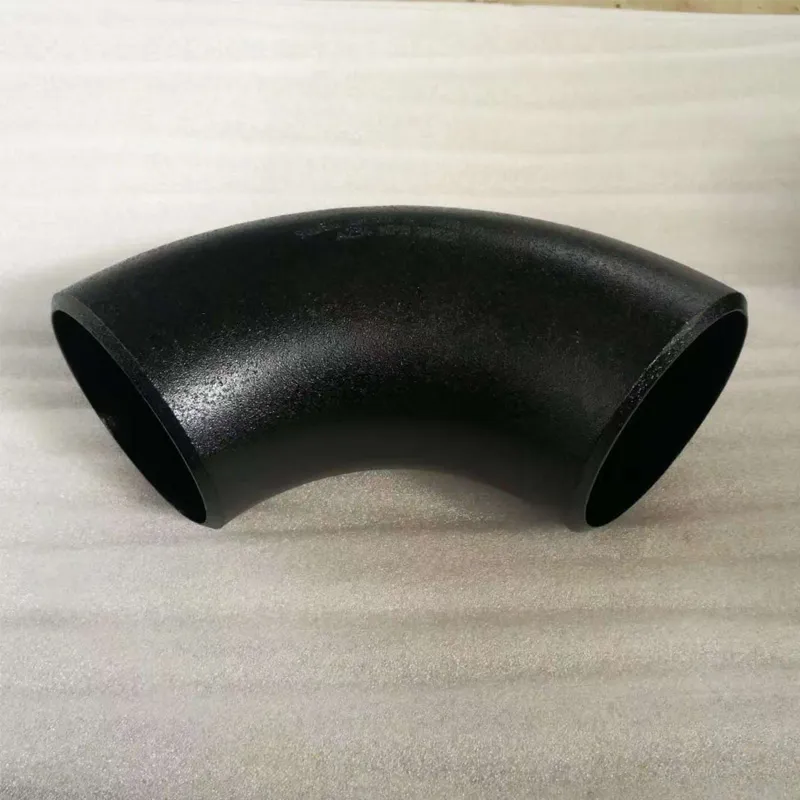
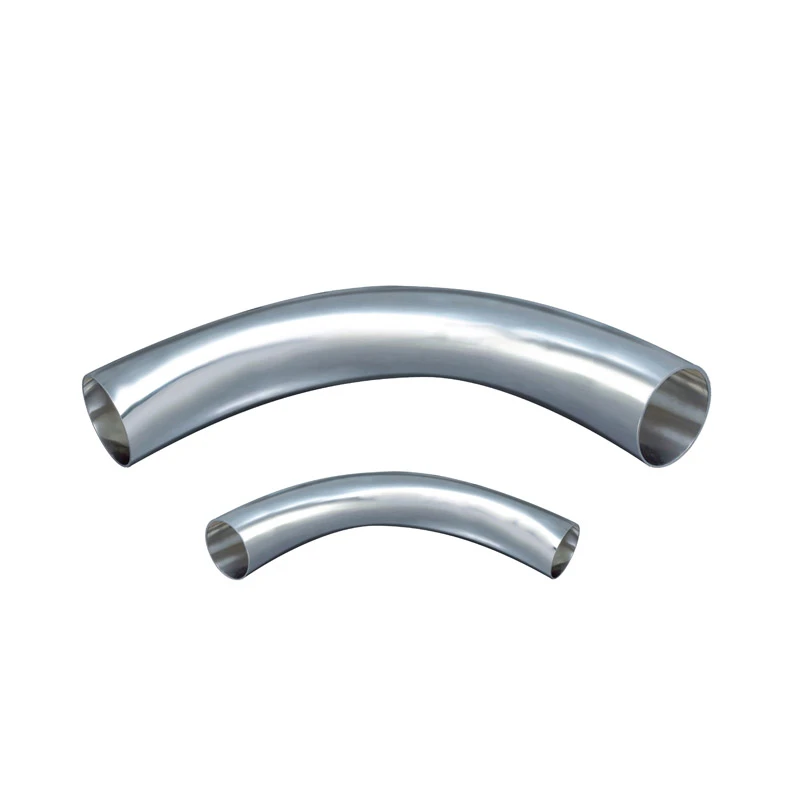
Carbon Steel &stainless Steel Elbow Elbows are pipe fittings used to change the direction of pipelines in piping systems, commonly employed at pipeline bends. They are widely used in industries such as petroleum, chemical, and power. The common size range for elbows is DN15-DN2000, and typical angles include 45°, 90°, and 180°.
partager:
Elbow Classification

- By Material: Carbon steel, alloy steel, stainless steel, and low-temperature steel.

- By Radius: Long-radius elbows and short-radius elbows.

- By Forming Method: Hot pushing, hot pressing, cold pushing, and plate pressing.

Elbows primarily adhere to international standards such as ASME B16.9-2018 and MSS SP-75-2019.

Elbow Features

1.Diverse Specifications and Models: Elbows come in various specifications and models to meet the needs of different piping systems.

2.Flexibility: Elbows can change pipeline direction by connecting at different angles.

3.Long Service Life: With proper design and usage, elbows have a long service life. High-quality materials and advanced manufacturing processes ensure that elbows maintain good performance over time, reducing pipeline system failures caused by elbow damage and enhancing system reliability and stability.

Bimetal CLAD Elbow

Bimetal Clad elbow is a kind of pipe fitting which is composed of two different metal materials through a specific process.


Structure clad of Bimetal clad elbow


Outer layer: ordinary carbon steel or other high-strength metal materials, such as 16MnR steel, are generally used, and their main functions are to provide structural strength and toughness, so that the elbow can withstand external forces such as pressure, tension and bending moment in the pipeline system and ensure stability under high pressure and high load conditions.


Inner layer: metal materials with good wear resistance and corrosion resistance are usually selected, such as high chromium cast iron, KMTBCr28 and other alloy materials. These materials have high hardness and can effectively resist the erosion, wear and corrosion of materials and chemical media.


Performance characteristics

High wear resistance: the hardness of the wear-resistant alloy material in the inner layer can usually reach HRC46 or above. For example, the hard phase of high chromium cast iron KMTBCr28 is M7C3 carbide, and the hardness reaches HV1500-1800, which can greatly reduce the wear on the inner wall of the elbow during material transportation and prolong the service life of the elbow.


Good impact resistance: the high-strength metal in the outer layer provides good toughness, while the wear-resistant alloy in the inner layer has certain toughness while ensuring hardness, so that the Bimetal Composite elbow can withstand external forces such as the impact of materials and the vibration in the operation of the pipeline system.


Excellent corrosion resistance: the corrosion-resistant alloy in the inner layer can effectively resist the corrosion of various chemicals, and is suitable for conveying corrosive media such as acid, alkali and salt.


Good heat resistance: the matrix of superhard alloy material has strong heat resistance and can maintain stable performance in high temperature environment, which can be used for conveying pipes of high temperature materials.


Reliable bonding performance: through advanced composite technology, such as EPC vacuum suction casting composite technology, the inner and outer layers of metals are metallurgically bonded, and the bonding surface has high strength, and there will be no expansion, contraction and cracking.

Elbow weight

The formula for calculating the weight of a 90° elbow is:

W=9.685×10⁻⁶R(D2-d2)

W — Weight of the 90°elbow, kg;

R — Curvature radius of the elbow (structural dimension), mm;

D — Outer diameter of the elbow, mm;

d — Inner diameter of the elbow, mm.

The weight formula uses the density of carbon steel, which is 7.85 kg/dm³.

The weights of 45° and 180° elbows are calculated as half and twice the weight of a 90° elbow, respectively.

1)Butt weld 90° long radius elbow  

Nominal Diameter

Poids approximatif kg

DN

NPS

SCH10S

SCH20

MST

SCH40

XS

SCH80

15

1/2

0.06

-

0.08

0.08

0.10

0.10

20

3/4

0.08

-

0.11

0.11

0.13

0.13

25

1

0.13

-

0.15

0.15

0.21

0.21

32

1-1/4

0.21

-

0.25

0.25

0.36

0.36

40

1-1/2

0.28

-

0.39

0.39

0.52

0.52

50

2

0.47

-

0.66

0.66

0.96

0.96

65

2-1/2

0.79

-

1.37

1.37

1.80

1.80

80

3

1.16

-

2.19

2.19

2.87

2.87

90

3-1/2

1.55

-

2.96

2.96

4.06

4.06

100

4

2.02

-

4.13

4.13

5.60

5.60

125

5

3.46

-

6.89

6.89

9.62

9.62

150

6

4.98

-

10.7

10.7

16.5

16.5

200

8

9.57

16.5

21.6

21.6

31.6

31.6

250

10

16.7

25.8

37.0

37.0

49.9

60.7

300

12

25.9

36.1

56.0

61.0

71.6

97.4

350

14

34.7

60.2

71.4

85.1

92.0

139

400

16

45.4

78.0

93.6

121

121

200

450

18

56.2

87.7

119

176

153

287

500

20

82.2

147

147

232

190

396

550

22

99.6

178

178

-

230

515

600

24

136

212

212

377

275

635

650

26

-

323

249

-

323

-

700

28

-

375

290

-

375

-

750

30

265

431

333

-

431

-

800

32

-

491

379

675

491

-

850

34

-

555

428

762

555

-

900

36

-

622

480

950

622

-

950

38

-

-

535

-

694

-

1000

40

-

-

594

-

769

-

1050

42

-

-

655

-

849

-

1100

44

-

-

718

-

932

-

1150

46

-

-

786

-

1019

-

1200

48

-

-

865

-

1110

-

1300

52

-

 -

1006

-

-

-

1400

56

-

-

1183

-

-

-

1500

60

-

-

1341

-

-

-

1600

64

-

-

1526

-

-

-

1700

68

-

-

1723

-

-

-

1800

72

-

-

1933

-

-

-

1900

76

-

-

2154

-

-

-

2000

80

-

-

2388

-

-

-


2)Butt weld 90° short radius elbow

Nominal Diameter

Poids approximatif kg

DN

NPS

SCH10S

SCH20

MST

SCH40

XS

SCH80

25

1

0.08

-

0.11

0.11

0.13

0.13

32

1-1/4

0.14

-

0.17

0.17

0.24

0.24

40

1-1/2

0.19

-

0.24

0.24

0.34

0.34

50

2

0.32

-

0.44

0.44

0.68

0.68

65

2-1/2

0.53

-

0.91

0.91

1.18

1.18

80

3

0.78

-

1.36

1.36

1.91

1.91

90

3-1/2

1.04

-

1.96

1.96

2.58

2.58

100

4

1.35

-

2.77

2.77

3.54

3.54

125

5

2.32

-

4.40

4.40

6.46

6.46

150

6

3.31

-

7.12

7.12

10.6

10.6

200

8

6.38

11.0

14.1

14.1

21.1

21.1

250

10

11.2

16.8

24.6

24.6

33.2

40.4

300

12

17.3

24.1

37.0

40.6

47.7

65.0

350

14

23.2

40.2

42.6

54.5

61.3

92.4

400

16

30.2

51.9

62.2

80.4

80.4

133

450

18

38.3

65.7

79.1

117

102

184

500

20

54.9

97.9

97.9

155

126

255

550

22

66.5

119

119

-

154

333

600

24

90.6

142

142

251

183

424

650

26

-

-

167

-

-

-

700

28

-

-

194

-

-

-

750

30

-

-

222

-

-

-

800

32

-

-

253

438

-

-

850

34

-

-  

286

495

-

-  

900

36

-

-

320

607

-

-

950

38

-

-

357

-

-

-

1000

40

-

-

396

-

-

-

1050

42

-

-

437

-

-

-

1100

44

-

-

480

-

-

-

1150

46

-

-

524

-

-

-

1200

48

-

-

571

-

-

-

1300

52

-

-

671

-

-

-

1400

56

-

-

776

-

-

-

1500

60

-

-

894

-

-

-

1600

64

-

-

1010

-

-

-

1700

68

-

-

1149

-

-

-

1800

72

-

-

1289

-

-

-

1900

76

-

-

1436

-

-

-

2000

80

-

-

1592

-

-

-

Characteristics of Steel Elbow

  • 01
    Multiple Specifications and Models

    Multiple Specifications and Models

    There are various specifications of steel elbows to meet the needs of different pipeline systems, providing flexible connections at various pipe steel elbow positions.
  • 02
    Excellent Wear Resistance

    Excellent Wear Resistance

    The inner layer of the bimetallic composite steel elbow is made of wear-resistant alloy material with high hardness, which can effectively reduce the wear on the inner wall of the steel elbow during material transportation and extend its service life.
  • 03
    Good Corrosion Resistance

    Good Corrosion Resistance

    The inner layer alloy material has excellent corrosion resistance and is suitable for pipeline systems that transport corrosive media such as acids, alkalis, and salts.
  • 04
    Excellent Heat Resistance

    Excellent Heat Resistance

    The superhard alloy matrix of bimetallic composite steel elbows has strong heat resistance and can maintain stable performance in high temperature environments.
CONTACTEZ-NOUS
  • Tee Pipe

    Tuyau en T

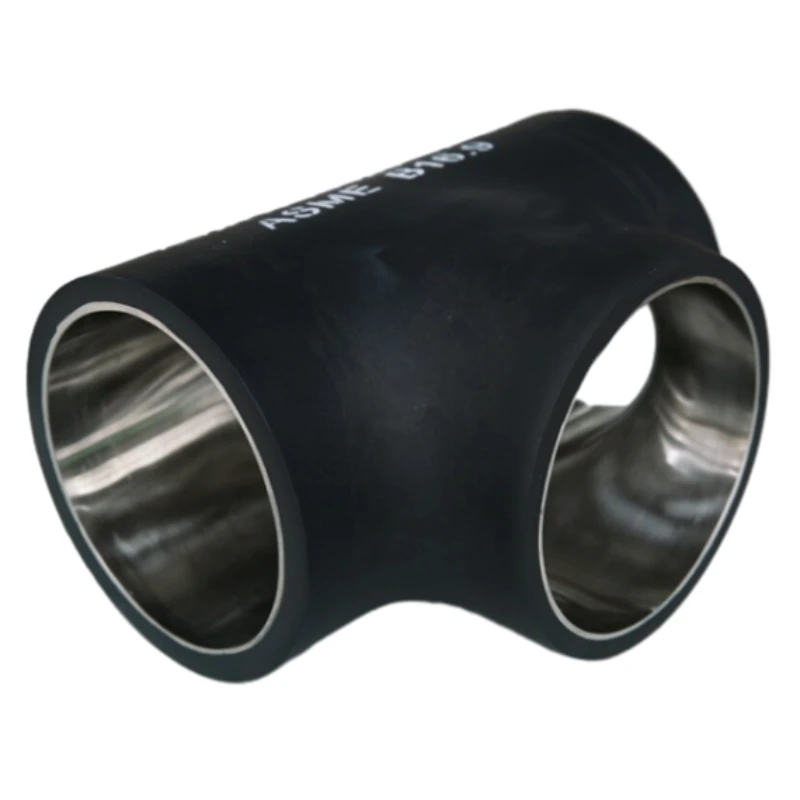
    Tee products are essential pipe fittings used to connect three sections of piping, forming a "T" shape. Available in various materials like carbon steel, stainless steel, and alloy steel, they are designed for use in systems requiring the diversion or junction of fluid flow.
    VOIR TOUT
  • Pipe Cap

    Bouchon de tuyau

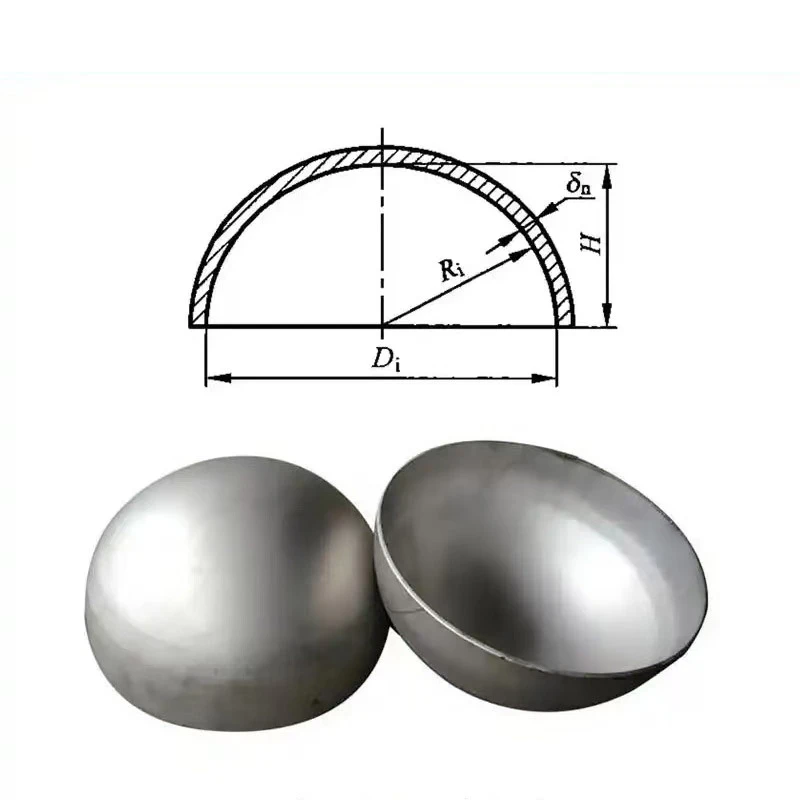
    Les bouchons de tuyauterie existent en différentes formes, notamment rondes, carrées et ovales, et peuvent être conçus pour des raccords filetés ou soudés. Ils garantissent l'intégrité des systèmes de tuyauterie pendant le transport, le stockage et l'installation en protégeant les extrémités des tuyaux de la saleté, des débris et des facteurs environnementaux. Durables et faciles à installer, les bouchons de tuyauterie sont essentiels au maintien de l'efficacité et de la sécurité du système.
    VOIR TOUT
  • Reducer

    Réducteur

    Un réducteur est un raccord de tuyauterie utilisé pour raccorder des tuyaux de différents diamètres, facilitant ainsi les transitions fluides entre les différents débits des réseaux de tuyauterie. Disponibles en modèles concentriques et excentriques, les réducteurs contribuent à maintenir un débit optimal tout en minimisant les pertes de charge et les turbulences.
    VOIR TOUT

We Build Every Steel Elbow Accurately.

Ingenuity and adaptability to all kinds of complex pipeline systems make your pipeline installation easier.
Nouvelles
L'entreprise considère la qualité des produits comme la vie de l'entreprise, établit un système de gestion de la qualité solide conformément aux exigences de l'industrie et des normes nationales, contrôle tous les aspects de l'entrée et de la sortie dans l'ensemble du processus, prête attention à chaque détail et garantit que le taux de réussite de la livraison des produits est de 100 %.
High Performance Sink Pipe Steel Guide for Industrial Piping

High Performance Sink Pipe Steel Guide for Industrial Piping

Jul.01,2026
High-Performance Sink Pipe Steel: The Ultimate Guide to Industrial Piping In the demanding world of industrial manufacturing and pressure vessel construction, the selection of materials for piping systems is critical. Utilizing high-quality sink pipe steel ensures that systems can withstand extreme pressures, corrosive media, and mechanical stress. Whether it is for chemical processing, oil and gas, or construction, the right steel grade and fitting geometry can mean the difference between seamless operation and costly system failure. This guide explores the technical nuances of steel elbows and specialized clad materials designed for the most rigorous environments.
Ultimate Guide to Industrial Seamless Steel Pipe for Piping

Ultimate Guide to Industrial Seamless Steel Pipe for Piping

Jun.29,2026
In the realm of modern industrial infrastructure, the integrity of piping systems is non-negotiable. The seamless steel pipe stands as the gold standard for transporting high-pressure fluids and gases. Unlike welded alternatives, seamless pipes are manufactured without a longitudinal seam, eliminating the most common point of failure and ensuring superior structural consistency. This makes them indispensable in sectors where safety and reliability are paramount, such as petroleum, nuclear power, and thermal energy. In this comprehensive guide, we will explore the technical advantages, material specifications, and critical applications of these high-performance components to help you make an informed procurement decision.
High Performance Seamless Steel Pipes for Industrial Piping

High Performance Seamless Steel Pipes for Industrial Piping

Jun.27,2026
In the world of industrial fluid transportation and pressure vessel manufacturing, the choice of piping material can determine the safety and longevity of an entire system. Seamless steel pipes are engineered to withstand extreme conditions without the risk of weld-line failure, making them the gold standard for high-pressure environments. From oil and gas pipelines to hydraulic systems, these pipes offer unmatched structural integrity. In this comprehensive guide, we will explore the technical specifications, benefits, and diverse applications of carbon seamless steel solutions to help you make an informed procurement decision for your next engineering project.
High Performance Seamless Stainless Steel Pipe for Industrial Use

High Performance Seamless Stainless Steel Pipe for Industrial Use

Jun.26,2026
The Ultimate Guide to Seamless Stainless Steel Pipe for Industrial Applications In the demanding world of oil and gas extraction, particularly in fields characterized by high hydrogen sulfide and carbon dioxide levels, the integrity of transportation infrastructure is critical. While traditional carbon steel often fails due to insufficient corrosion resistance, the seamless stainless steel pipe emerges as a premium solution. By eliminating weld seams, these pipes provide superior structural integrity and a seamless barrier against corrosive media. For industries operating under extreme pressure and chemical aggression, choosing the right piping material is not just about efficiencyit is about safety and long-term economic viability.
Industrial Piping Solutions Using Durable sch 40 steel pipe

Industrial Piping Solutions Using Durable sch 40 steel pipe

Jun.25,2026
Optimizing Industrial Piping with SCH 40 Steel Pipe Solutions In the demanding world of industrial manufacturing and fluid transport, selecting the right piping specification is critical for safety and efficiency. The sch 40 steel pipe serves as a global standard for versatility, balancing wall thickness with internal flow capacity. Whether used in petrochemical plants, marine environments, or construction, this pipe grade provides the structural reliability needed to handle moderate pressures. However, as industries evolve, the integration of advanced technologies like laser cladding is transforming how we enhance these pipes to resist extreme corrosion and wear, extending the lifecycle of critical infrastructure.
Industrial 5 inch steel tubing Guide for High Pressure Systems

Industrial 5 inch steel tubing Guide for High Pressure Systems

Jun.23,2026
The Ultimate Guide to 5 Inch Steel Tubing for Industrial Applications When designing high-pressure piping systems or structural frameworks, selecting the right material dimensions is critical for safety and efficiency. The 5 inch steel tubing serves as a versatile midpoint in industrial piping, offering a perfect balance between flow capacity and structural rigidity. Whether it is used in oil and gas transport, water management, or architectural support, the quality of the steel determines the longevity of the entire project. In this comprehensive guide, we will explore the technical specifications, material grades, and strategic advantages of utilizing this specific tubing size
tel email tel top

Si vous êtes intéressé par nos produits, vous pouvez choisir de laisser vos informations ici et nous vous contacterons sous peu.