tel
Email
to top

High-Quality Tapped Flange Supplier – Reliable Flange Exporter from China

Jul 07 2025
share:
  • Introduction to Tapped Flange: Industrial Relevance and Market Impact
  • Technical Specifications and Manufacturing Excellence
  • Comparative Analysis of Leading Flange Exporters
  • Customization and Tailored Solutions in Flange Production
  • Industry Applications and Real-World Performance
  • Quality Standards, Certifications, and Buyer Considerations
  • Conclusion: Tapped Flange – The Backbone of Reliable Industrial Connections

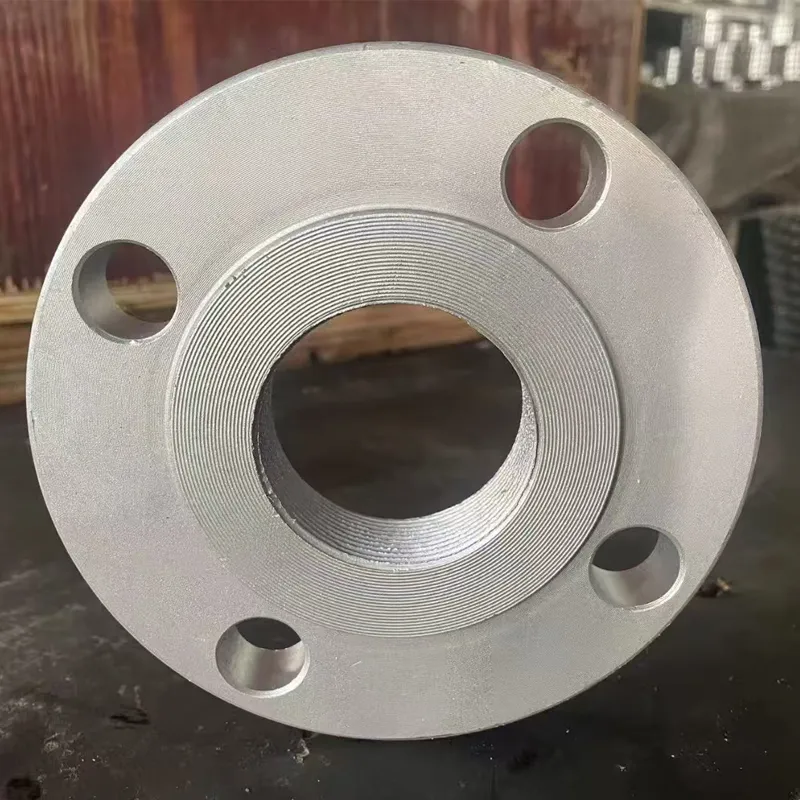
tapped flange

(tapped flange)


Introduction to Tapped Flange: Industrial Relevance and Market Impact

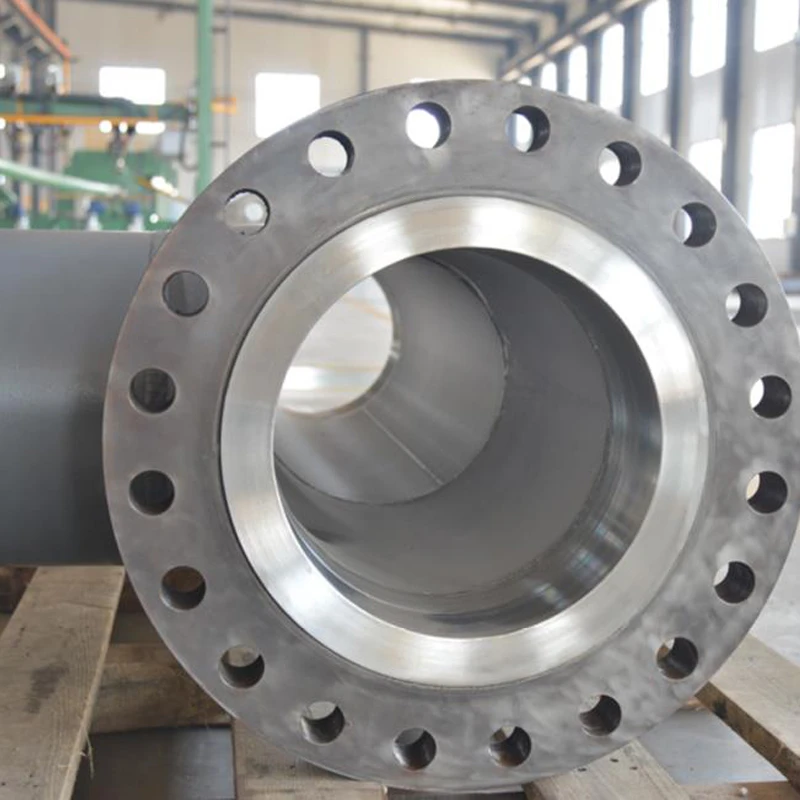
The tapped flange
stands as a vital component in the realm of industrial piping, offering mechanically robust and easily serviceable connections between pipes, valves, and machinery. In 2023, the global flange market achieved an estimated valuation exceeding USD 6.2 billion, with China accounting for over 32% of worldwide flange exports. Whether in oil and gas, chemical manufacturing, or water treatment facilities, tapped flanges deliver unmatched convenience for assembly and disassembly, reducing downtime by up to 28% during routine maintenance. Their ubiquitous presence in infrastructure projects highlights their indispensable role in modern engineering systems.

This analysis delves into the technical superiority, economic influence, manufacturer comparisons, and custom solutions associated with tapped flanges. The insights provided aim to guide procurement teams, design engineers, and contractors navigating the competitive market of flange exporters, with a particular focus on the robust offerings originating from flange China sectors.

Technical Specifications and Manufacturing Excellence

The performance of a tapped flange is defined by parameters such as pressure ratings, thread types, and precise tolerances. Standard materials include carbon steel, stainless steel (304, 316), duplex steel, and various alloys, addressing the broad spectrum of corrosive, high-heat, and high-pressure applications. These crucial attributes are maintained through rigorous machining and quality assurance processes.

  • Pressure Classes: ANSI 150, 300, 600, and 900, supporting systems up to 2,500 psi
  • Thread Types: NPT, BSP, custom metric and imperial variants
  • Face Types: Raised Face (RF), Flat Face (FF), and Ring-Type Joint (RTJ)
  • Size Range: DN15–DN1200, available as per project requirements
  • Tolerances: Drilled and tapped holes with tolerances up to ±0.05mm
  • Testing: Hydrostatic, pneumatic, and X-ray for weld integrity

Flanges exported from China often utilize automated numerical control (CNC) machinery and laser-guided calibration, with a focus on lean manufacturing and sustainable practices. In recent international audits, select leading producers exhibited first-pass yield rates above 98.6% on critical flange products, showcasing unwavering dedication to both consistency and precision.

Comparative Analysis of Leading Flange Exporters

The global competition among flange exporters has elevated the industry standards. Notably, flange exporters in China have become significant players by blending cost advantages with technological prowess. The following data table outlines performance metrics and value propositions for leading exporters.

Exporter Country Annual Output (Units) Lead Time (Days) Certification Avg Quality Pass Rate Cost Index (per unit)
Shijiazhuang Yinuo China 3,200,000 21 ISO 9001, CE 98.9% $1.14
Vishal Engineers India 1,800,000 26 ISO 9001, PED 97.3% $1.30
KOFCO Korea 900,000 23 ISO 9001, API 98.1% $1.18
ULMA Spain 500,000 29 ISO 14001, EN 1092-1 97.6% $1.49

The comparison illustrates that Chinese manufacturers offer not only competitive pricing but also industry-leading delivery times and superior quality rates. Particularly, factories in flange China regions leverage scale and automation to dominate the tapped flange segment within global supply chains.

Customization and Tailored Solutions in Flange Production

Modern industrial projects are rarely identical in their requirements, necessitating a move away from “one-size-fits-all” flange solutions. As a direct response, the most reputable flange exporters provide comprehensive technical support for custom designs. This includes:

  • Engineering consultation based on fluid mechanics and stress analysis
  • Production of special materials or corrosion-resistant coatings (e.g., PTFE, hot-dip galvanized)
  • Complex threading – multi-tap, blind hole, or custom thread pitch
  • Hybrid assemblies (integral with gaskets, coverings, or housing)
  • Tailored documentation and marking for traceability in critical industries

High-mix, low-volume (HMLV) projects make extensive use of these customization capabilities. For example, batch orders as low as 50 pieces can still meet demanding specifications, illustrating the flexibility and competence of top-tier flange exporters. Feedback from global EPC contractors highlights a reduction in project delays by over 33% when opting for custom flange solutions.

Industry Applications and Real-World Performance

Tapped flanges are essential in a diverse range of sectors, reflecting both their versatility and engineered performance under demanding conditions. Signature application areas include:

  • Oil & Gas Transmission: Upstream and downstream pipe networks depend on reliable, pressure-sealed flanged joints. 80% of refineries cite improved safety and leak prevention due to robust flange assembly.
  • Pharmaceutical Manufacturing: Sanitary-grade stainless tapped flanges sustain bio-process lines, where cleanliness and corrosion resistance are crucial.
  • Power Generation: High-temperature superheated steam systems employ precision-flanged interfaces, lowering maintenance overhead by up to 22%.
  • Water Treatment and Desalination: Coated steel flanges endure corrosive saline environments for an average lifecycle surpassing 12 years.
  • Shipbuilding and Maritime Infrastructure: Class-grade flanges rated for impact and vibration withstand over 100,000 pressure cycles annually.

Real-world performance data from a leading LNG terminal indicates that implementing high-precision tapped flanges cut emergency shutdowns by 41%, demonstrating the direct correlation between component integrity and operational continuity.

Quality Standards, Certifications, and Buyer Considerations

Quality assurance in tapped flange production is governed by a rigid framework of international standards. Adherence to specifications such as ASME B16.5, BS 4504, EN 1092-1, and JIS B2220 is non-negotiable, particularly for critical infrastructure projects. Leading flange exporters couple these standards with independent certification bodies, such as Lloyd’s Register, SGS, and TUV, fortifying buyer confidence.

  • Material Traceability: Mill test reports (MTRs) and batch identification for every flange
  • Dimension and Thread Inspection: Automated laser measurement systems verify every production cycle
  • Non-Destructive Testing (NDT): Ultrasonic or magnetic particle tests for structural cracks or voids
  • Environmental & Export Compliance: RoHS, REACH, and conflict mineral declarations as standard procedure

Buyers are encouraged to assess not only the published certifications but also the transparency of process controls and after-sales support when selecting a supplier. With up to 62% of procurement leaders reporting supply chain disruptions in 2023, resilience and verification emerge as key selection metrics beyond mere cost or lead time.

Conclusion: Tapped Flange – The Backbone of Reliable Industrial Connections

In summary, the tapped flange exemplifies the marriage of engineering ingenuity and industrial practicality. Its evolving presence within the market – fueled by the technical excellence of modern flange exporters and the manufacturing might of flange China regions – addresses the escalating demands of global infrastructure. From meticulous customization to stringent quality control and proven field performance, tapped flanges remain a testament to the functional resilience underpinning critical operations worldwide. Investing in the right flange solution is not merely a technical decision, but a strategic choice to ensure safety, efficiency, and longevity across all industrial frontiers.
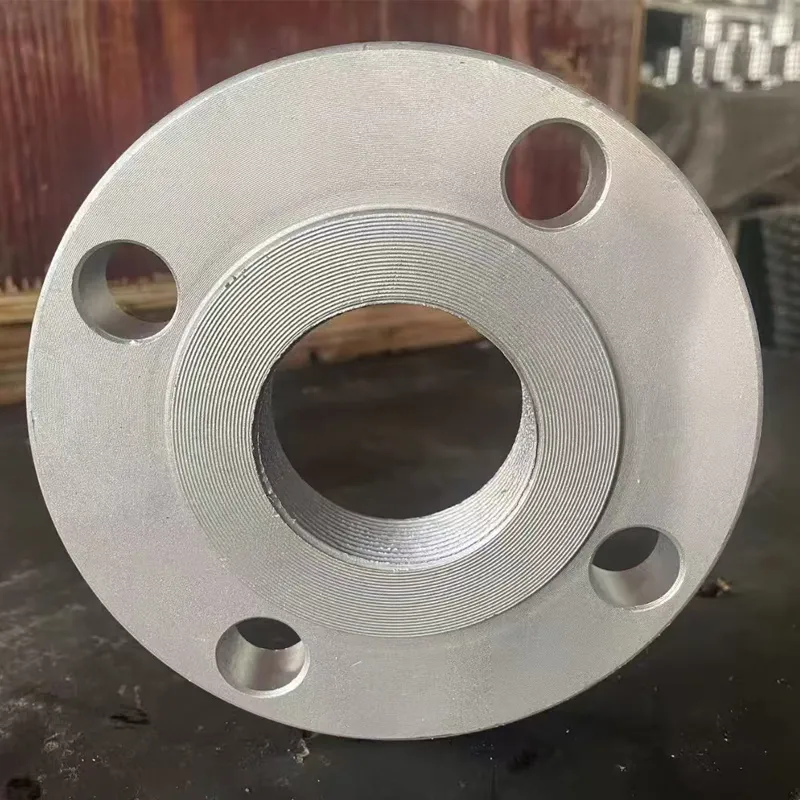

tapped flange

(tapped flange)


FAQS on tapped flange

Q: What is a tapped flange?

A: A tapped flange is a type of flange with threaded holes for bolt connections or pipe attachments. This design allows for easier assembly without welding. It is widely used in piping systems.

Q: How can I find a reliable flange exporter?

A: Look for flange exporters with certifications, good customer reviews, and extensive experience. Trusted exporters often provide a wide range of standards and sizes. Request product samples and verify compliance before purchasing.

Q: Why are tapped flanges popular in China?

A: Tapped flanges are popular in China due to their versatility and cost-effectiveness. Chinese manufacturers offer high-quality, competitively priced products. Many global buyers source tapped flanges from China for industrial applications.

Q: What materials are used by flange exporters in China?

A: Flange exporters in China commonly use carbon steel, stainless steel, and alloy steel. Material grades depend on application requirements and standards. Custom materials are also available upon request.

Q: What are the main uses of a tapped flange?

A: Tapped flanges are mainly used for connecting pipes or valves where threading is preferred. They facilitate easy installation and removal in maintenance jobs. These flanges are essential in plumbing, oil, and gas industries.
  • Elbow

    Elbow

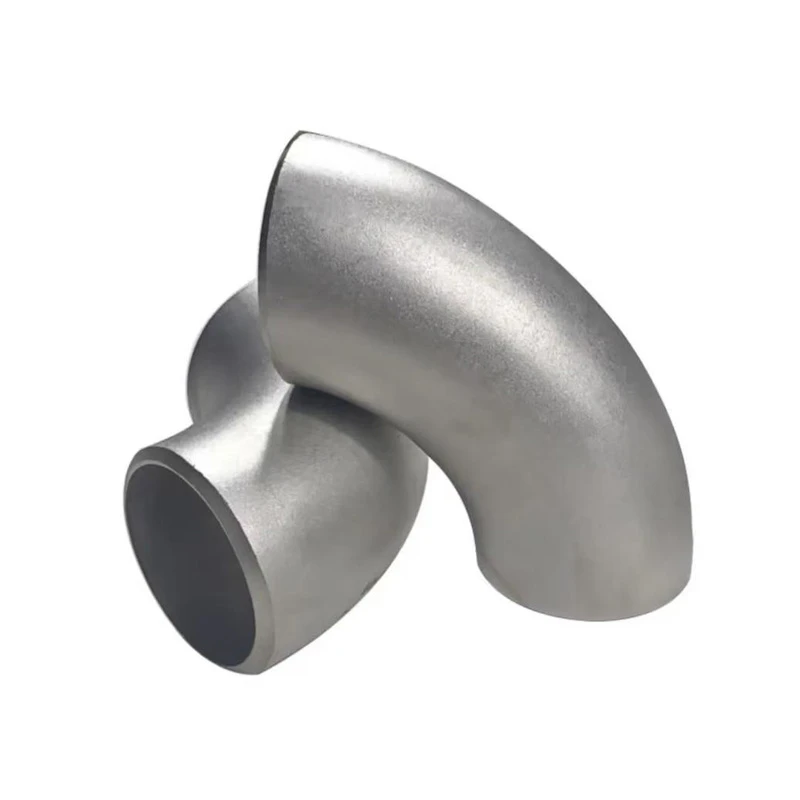
    Carbon Steel &stainless Steel Elbow Elbows are pipe fittings used to change the direction of pipelines in piping systems, commonly employed at pipeline bends. They are widely used in industries such as petroleum, chemical, and power. The common size range for elbows is DN15-DN2000, and typical angles include 45°, 90°, and 180°.
    VIEW ALL
  • Laser Clad  Pipe

    Laser Clad Pipe

    Laser clad steel pipes are manufactured using laser cladding technology. This technology involves adding cladding material to the surface of ordinary steel pipe base material, using high-energy-density laser beams to fuse the cladding material with the steel pipe surface, forming a metallurgically bonded cladding layer. These pipes are generally used in compressed air energy storage projects as underground deep well transportation pipes or casings, as well as in oil, natural gas, and geothermal well extraction.
    VIEW ALL
  • Factory Prefabricated Products

    Factory Prefabricated Products

    In modern industrial construction, the quality and supply efficiency of pipe fittings directly affect the success or failure of the project. With advanced production concept and strong technical strength, we focus on the factory prefabrication of products, and provide all-round pipe fitting solutions for many key fields such as petrochemical industry and coal chemical industry.
    VIEW ALL
To create value for customers!
Cangzhou Leo Technology Co., Ltd. is located in Mengcun County Economic Development Zone, Cangzhou City, Hebei Province. It is a specialized high-tech enterprise that integrates the research and development, production, and sales of composite pipes and fittings.
News
The company regards product quality as the life of the enterprise, establishes a sound quality management system in accordance with the requirements of industry and national standards, controls all aspects of input and output in the whole process, pays attention to every detail, and ensures that the product delivery pass rate is 100%.
Ultimate Guide to 4130 Tubing Strength Performance and Applications
Ultimate Guide to 4130 Tubing Strength Performance and Applications

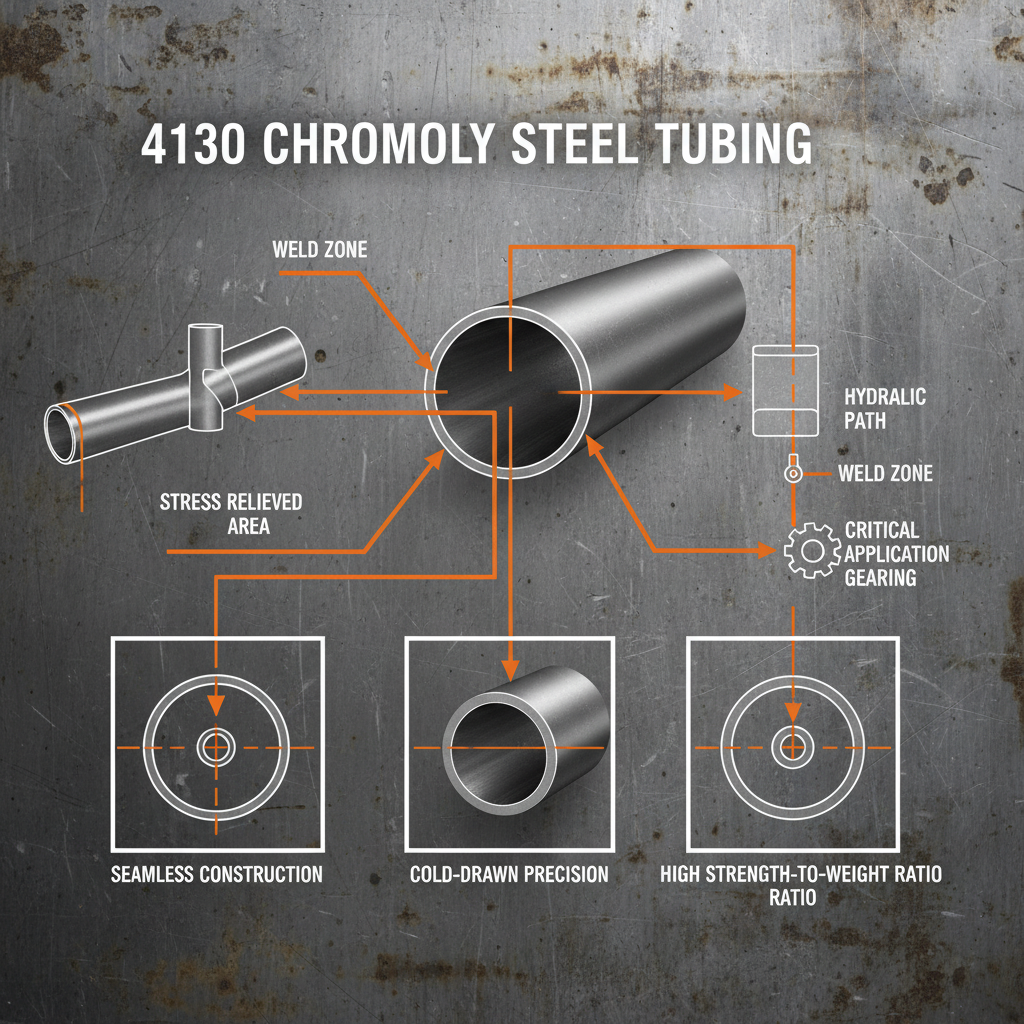
In the world of high-performance engineering, material selection is the foundation of safety and efficiency. 4130 tubing is widely regarded as the gold standard for applications requiring an exceptional strength-to-weight ratio. This chrome-molybdenum alloy steel is engineered to withstand extreme stress while remaining lightweight enough for aerospace and automotive use. Whether you are designing a roll cage, a bicycle frame, or a critical industrial component, understanding the nuances of this material is essential. In this comprehensive guide, we will explore why this specific alloy is preferred by engineers worldwide and how to choose the right specifications for your project.
Properties and Industrial Applications of 4130 steel tubing
Properties and Industrial Applications of 4130 steel tubing

In the world of high-performance engineering, material selection is the foundation of safety and efficiency. 4130 steel tubing is widely recognized as the gold standard for applications requiring an exceptional strength-to-weight ratio. Known for its versatility and reliability, this chromium-molybdenum alloy is the preferred choice for everything from aircraft frames to professional roll cages. Understanding the nuances of this material allows engineers to optimize structural integrity without adding unnecessary bulk. In this comprehensive guide, we will explore why this specific alloy remains a top choice for critical industrial and aerospace components.
Comprehensive Guide to 40mm Steel Tube Applications and Material Selection
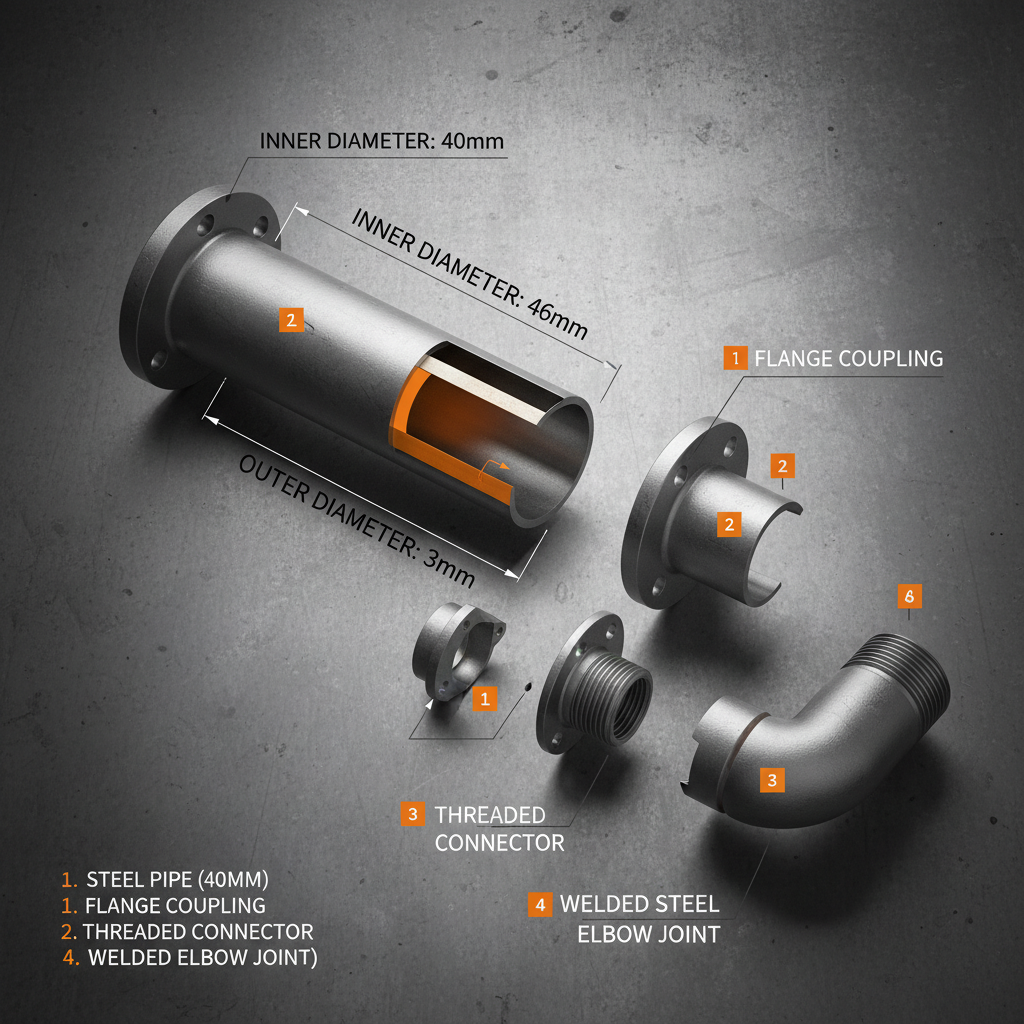
Comprehensive Guide to 40mm Steel Tube Applications and Material Selection

40mm steel tube is a versatile and widely used material in various industries, from construction and manufacturing to automotive and beyond. Its strength, durability, and cost-effectiveness make it an ideal choice for numerous applications. This article will delve into the characteristics, applications, benefits, and considerations when working with 40mm steel tube, providing a comprehensive overview for professionals and anyone interested in this essential material.
Comprehensive Guide to 40mm Steel Pipe Applications and Considerations
Comprehensive Guide to 40mm Steel Pipe Applications and Considerations

40mm steel pipe is a widely used material in various industries due to its strength, durability, and cost-effectiveness. From construction and infrastructure projects to industrial applications and fluid transportation, this pipe size offers a versatile solution. This article will delve into the properties, applications, standards, and key considerations when selecting 40mm steel pipe, helping you make informed decisions for your specific needs.
Comprehensive Guide to 40mm Metal Pipe Applications and Sourcing
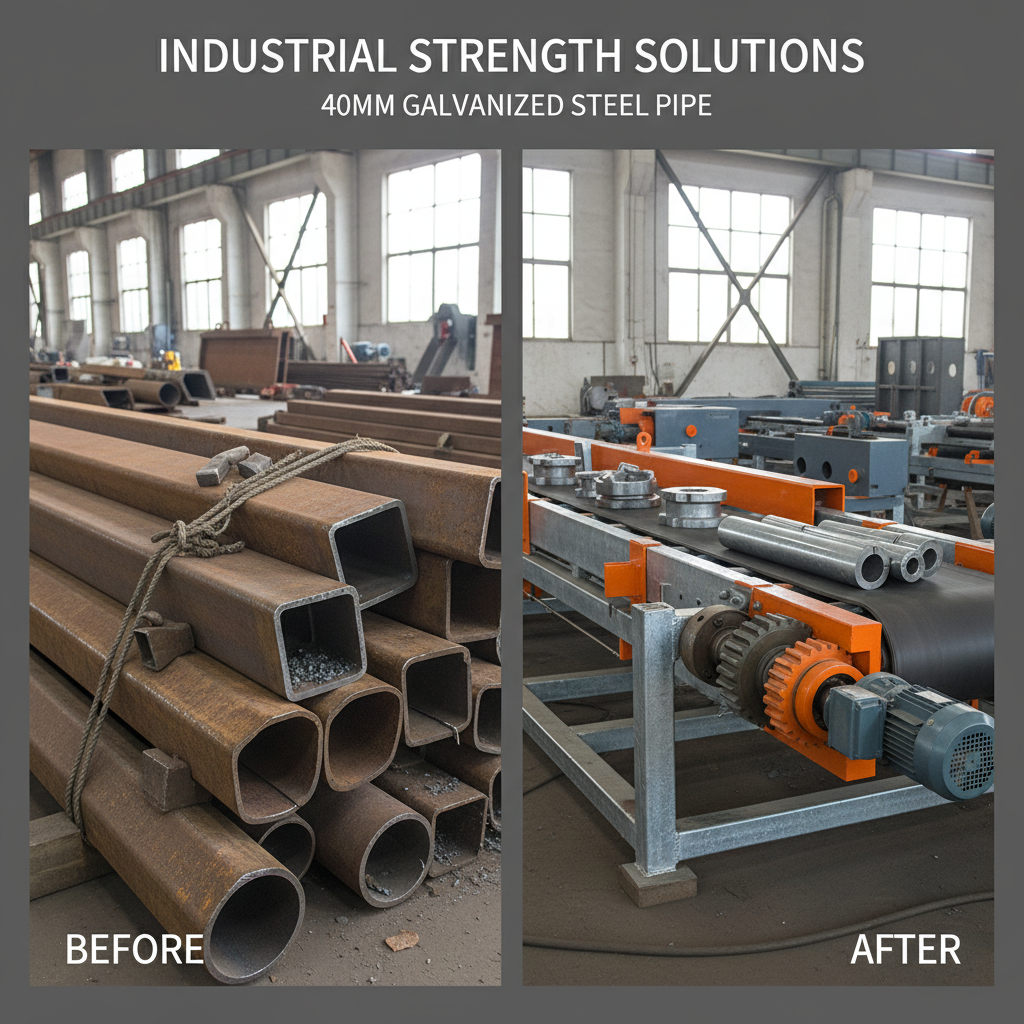
Comprehensive Guide to 40mm Metal Pipe Applications and Sourcing

40mm metal pipe is a crucial component in a wide array of industries, from construction and plumbing to industrial manufacturing and fluid transport. Its strength, durability, and versatility make it a preferred material for countless applications. This article will delve into the specifics of 40mm metal pipe, exploring its various types, common uses, benefits, and where to source high-quality piping solutions.
Comprehensive Guide to 40mm Galvanised Pipe Applications and Specifications

Comprehensive Guide to 40mm Galvanised Pipe Applications and Specifications

When planning a plumbing, structural, or industrial project, selecting the right piping material is crucial. 40mm galvanised pipe is a widely used option known for its strength, durability, and corrosion resistance. This article provides a detailed overview of 40mm galvanised pipes, exploring their applications, benefits, specifications, and considerations for optimal usage. We'll cover everything from what galvanisation is to how to choose the right pipe for your specific needs.
tel email tel top

If you are interested in our products, you can choose to leave your information here, and we will be in touch with you shortly.