tel
Email
to top

4140 Tubing for High Strength Industrial Applications 4140 Steel Tube & 2.25 Square Tubing Supplier

Jul 07 2025
share:
  • Introduction: The significance and technical properties of 4140 tubing
  • Material Analysis: Chemical composition and mechanical properties
  • Comparative Manufacturer Overview: Data-driven supplier evaluation
  • Customization Capabilities: Solutions for diverse applications
  • Case Studies: Industry applications and performance data
  • Procurement and Best Practices: Guidance on sourcing and quality assurance
  • Conclusion: Final thoughts highlighting 4140 tubing advantages

4140 tubing

(4140 tubing)


The Unmatched Versatility of 4140 Tubing in Modern Manufacturing

4140 tubing has established itself as an indispensable material in sectors where high tensile strength, fatigue endurance, and resistance to abrasion are non-negotiable. Known for its remarkable blend of molybdenum and chromium, this steel tubing offers a unique balance of toughness and workability. As engineering demands have evolved, so has the reliance on high-performance steel tube products, notably 4140 steel tube and dimensionally specialized forms such as 2.25 square tubing.

According to recent industrial consumption data, global demand for alloy steel tubes is poised to exceed 10 million tons annually, with 4140 grades accounting for nearly 15% of this volume. This trend underscores the strategic role that advanced tubing materials play in automotive, energy, mining, and heavy-equipment manufacturing. The criticality of 4140 lies not only in its raw mechanical capabilities but also in its ability to be machined and adapted, extending product lifecycles and reducing downtime in high-stress systems.

Material Analysis: Breakdown of 4140 Steel’s Superior Composition

A key driver behind the popularity of 4140 tubing is its precisely engineered alloy content. Comprising approximately 0.38-0.43% carbon, 0.75-1.00% chromium, 0.15-0.25% molybdenum, and additional elements for enhanced performance, 4140 steel achieves distinct advantages over standard carbon steels:

  • Hardness: Capable of Rockwell C32-38 after heat treatment
  • Tensile strength: Up to 100,000 psi (689 MPa)
  • Yield strength: Typically 60,200 psi (415 MPa) or higher
  • Fatigue resistance: Outstanding, supporting cyclic loading environments
  • Weldability: Maintains integrity post-weld when proper procedures are used
This composition enables a range of forming and machining procedures, making 4140 steel tube an ideal choice where both fabrication flexibility and structural reliability are required.

Comparative Manufacturer Overview: Data-Driven Supplier Evaluation

Selection of the right manufacturer is critical, as both quality consistency and after-sales service dramatically affect end-use performance. The following table compares three leading international suppliers known for their 4140 tubing offerings, focusing on physical tolerances, certifications, lead times, and customer satisfaction metrics:

Supplier Dim. Tolerance (mm) Certifications Average Lead Time (days) Customer Satisfaction (%) Value-added Options
Supplier A ±0.15 ISO 9001, ASTM, PED 18 96.2 Pre-machining, heat treatment
Supplier B ±0.10 ISO 14001, API 6A 22 92.8 Ultrasonic testing, cut-to-length
Supplier C ±0.20 EN 10204, RoHS 15 93.4 Square tubing, anti-corrosion coating

Clear differentiation emerges in their lead times and value-added services. Where dimensional precision is paramount, Supplier B stands out. For aggressive timelines, Supplier C may better suit industrial scaleups. It is worth noting Supplier A maintains the highest satisfaction score, attributed to its robust post-sale technical support and customization flexibility.

Customization Capabilities: Solutions for Diverse Applications

Modern manufacturing rarely demands "standard" solutions. Instead, engineering teams increasingly require precise dimensional tolerances, specialized heat treatments, and non-standard geometries. Manufacturers of 4140 tubing have responded accordingly. For example, requests for 2.25 square tubing—previously considered a niche size—have risen by over 30% in the past two years, driven by automation frame suppliers and precision machinery builders.

Leading 4140 steel tube suppliers now operate advanced tube mills equipped with computer-controlled forming and in-line heat treatment. These processes allow fabrication of both round and custom square/rectangular profiles, with inside diameters as precise as ±0.1 mm and wall thicknesses up to 12 mm. Secondary processes such as shot blasting, ultrasonic inspection, CNC cutting, and even powder coating are available to meet individual project specifications.

Custom consulting teams typically guide clients from material selection and finite element analysis to delivery certification, ensuring that even mission-critical projects—such as those in the aerospace or heavy-transport sectors—achieve both rigorous performance and cost objectives.

Case Studies: Industry Applications and Performance Data

The measured benefits of 4140 tubing are vividly demonstrated in real-world settings. Consider the following use cases:

Automotive Racing: An American motorsports team reported a 15% increase in vehicle frame stiffness and a 0.4 second lap time improvement after switching entirely to high-precision 4140 steel tube for chassis construction, replacing standard carbon steel material.
Oil and Gas Exploration: Custom 2.25 square tubing, with enhanced molybdenum content for corrosion resistance, prolonged drill-life cycles in deepwater rigs by 22% compared to previous alloy tubes, reducing replacement intervals and associated costs.
Hydraulic Equipment: One of the world’s leading hydraulic cylinder producers now utilizes only 4140 tubing for core components. Lab results show a 27% improvement in fatigue life under cyclic high-pressure testing (10,000 psi over 1 million cycles) against high-strength carbon alternatives.

These performance leaps not only increase productivity but also lower total lifecycle costs and carbon footprints by minimizing downtime and waste.

Procurement and Best Practices: Guidance on Sourcing and Quality Assurance

Ensuring the integrity of steel tubing in demanding applications is a multi-step process. Technical procurement specialists recommend the following best practices to maximize return-on-investment:

  • Third-Party Testing: Always require full mill test reports (MTRs) and independent verification for size, composition, and mechanical properties.
  • Supplier Audits: Conduct routine facility and process audits, especially when switching vendors, to verify continuous adherence to ISO or equivalent standards.
  • Traceability: Insist on batch-level traceability from raw steel melt to final fabrication to enable root-cause analysis in the event of a defect.
  • Inventory Planning: Hold buffer stock of critical size ranges, such as 2.25 square tubing, for projects with sensitive lead times or unpredictable usage.
  • Partnerships: Establish long-term agreements with top-rated suppliers to lock in pricing, technical support, and expedited replacement services.
Implementing these guidelines significantly reduces procurement risk and ensures that mission-critical assemblies consistently perform to specification.

Conclusion: The 4140 Tubing Solution for Next-Gen Engineering Challenges

In the landscape of high-performance steel tube products, 4140 tubing continues to surpass competing alloys on the axes of strength-to-weight ratio, machinability, and service durability. Its flexibility in both round and non-standard profiles, such as 2.25 square tubing, directly responds to evolving engineering challenges across diverse sectors. Well-established supplier networks, advanced technical support, and proven application results anchor 4140’s position as the alloy of choice for the most demanding applications. As performance requirements escalate and customization becomes the norm, forward-looking projects will increasingly leverage the superior capabilities of 4140 tubing to achieve new benchmarks in efficiency, reliability, and cost control.
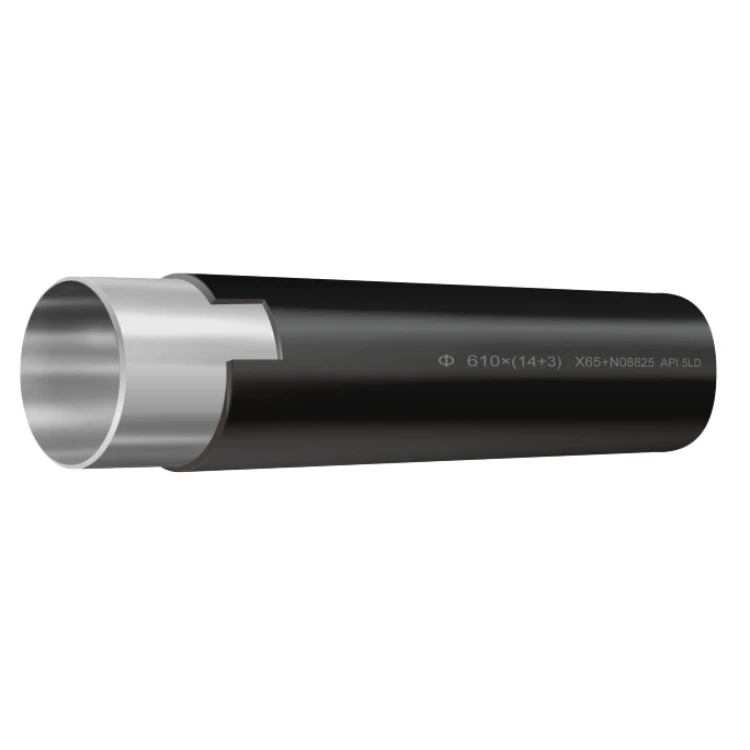

4140 tubing

(4140 tubing)


FAQS on 4140 tubing

Q: What is 4140 tubing?

A: 4140 tubing is a type of steel tube made from 4140 alloy steel. It offers high strength, toughness, and resistance to wear. It’s often used in structural and mechanical applications.

Q: What are the main benefits of using 4140 steel tube?

A: 4140 steel tube provides excellent strength-to-weight ratio and good machinability. It's also known for its toughness and fatigue resistance. These features make it popular for heavy-duty applications.

Q: What is 2.25 square tubing in the context of 4140 tubing?

A: 2.25 square tubing refers to 4140 steel tube with a square cross-section measuring 2.25 inches on each side. It's used when both strength and a specific square profile are required. This size is common in fabrication and structural projects.

Q: Can 4140 tubing be welded or machined easily?

A: Yes, 4140 tubing can be both welded and machined, though preheating may be necessary for welding. Its alloy composition allows for precise machining. Proper techniques will help maintain its mechanical properties.

Q: In what industries is 4140 tubing most commonly used?

A: 4140 tubing is widely used in automotive, aerospace, and construction industries. Its durability makes it ideal for shafts, roll cages, and hydraulic components. This material withstands high stress and heavy loads.
  • Overlay Welding Clad Steel Pipe

    Overlay Welding Clad Steel Pipe

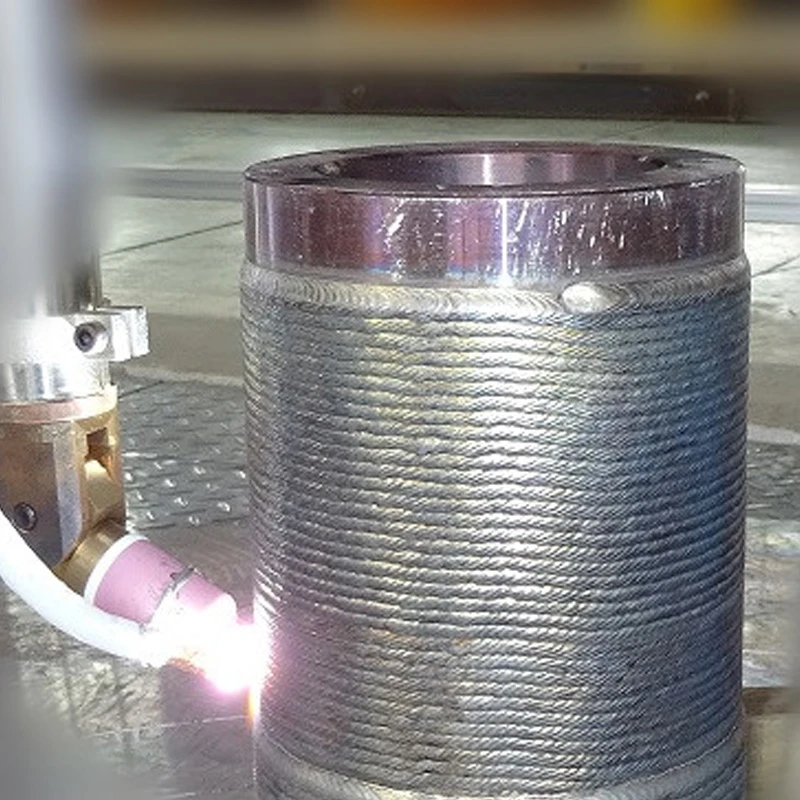
    Overlay Welding clad Steel Pipe features a high-performance welded overlay that enhances the pipe’s surface properties, providing superior resistance to corrosion, erosion, and wear. This process involves applying a wear-resistant alloy layer over a strong steel base, making it ideal for industries such as oil and gas, mining, and chemical processing, where pipes are exposed to harsh conditions. The overlay ensures extended service life, reduced maintenance costs, and reliable performance even in extreme environments. With its combination of strength, durability, and corrosion resistance, the Overlay Welding Steel Pipe is a trusted solution for critical applications.
    VIEW ALL
  • Tee Pipe

    Tee Pipe

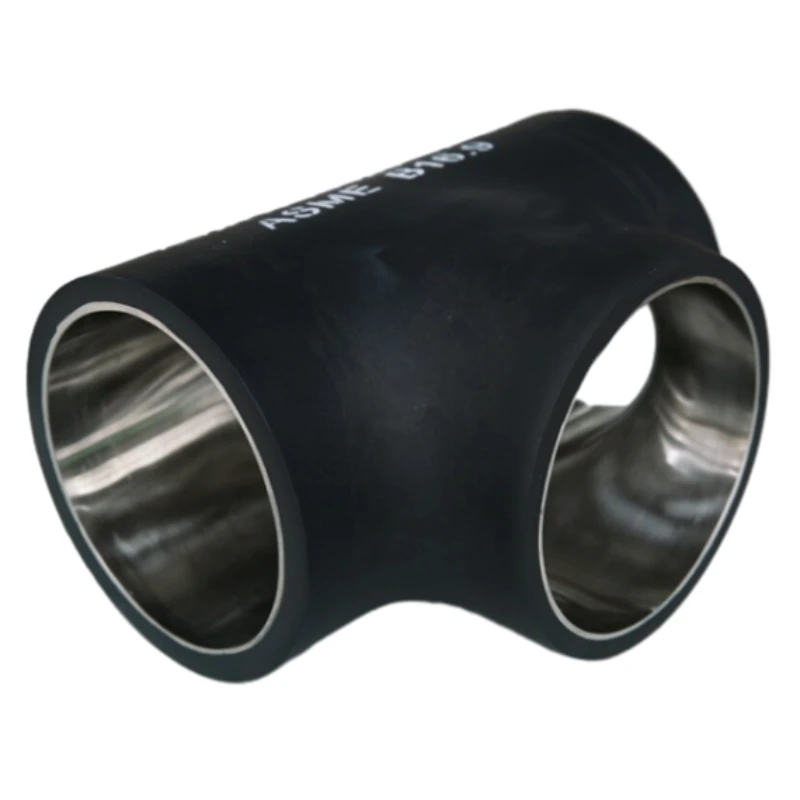
    Tee products are essential pipe fittings used to connect three sections of piping, forming a "T" shape. Available in various materials like carbon steel, stainless steel, and alloy steel, they are designed for use in systems requiring the diversion or junction of fluid flow.
    VIEW ALL
  • Flange

    Flange

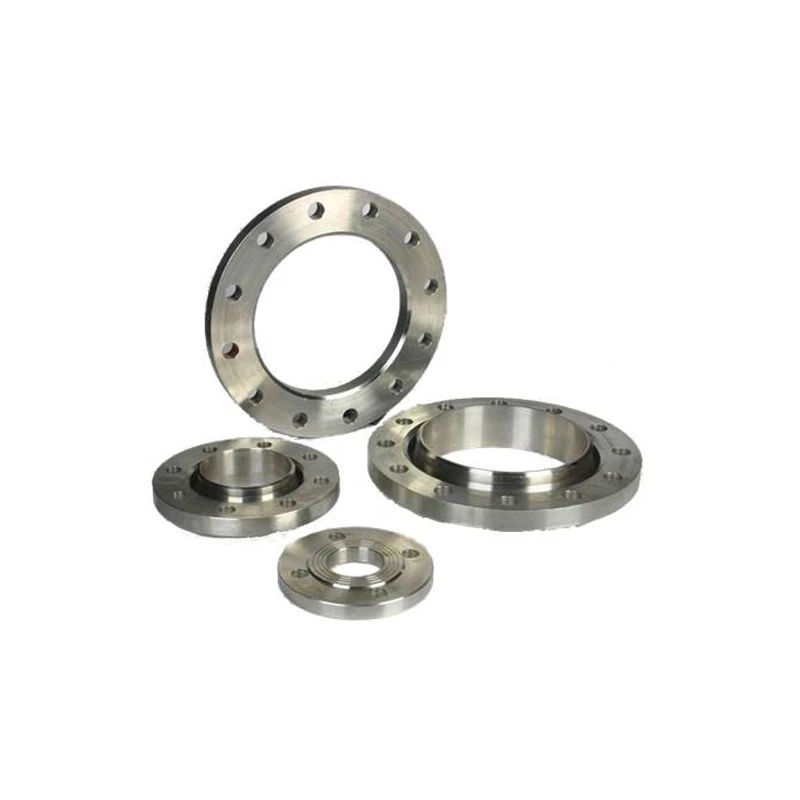
    Flange Product Introduction Flanges are used to connect pipes to pipes or pipes to equipment, ensuring a sealed and stable connection. They prevent fluid leakage and can withstand certain pressures and stresses, ensuring reliable connections. Flange nominal diameters range from DN15-DN2000 and beyond, covering various pipeline connection needs. Flanges primarily adhere to international standards such as ASME B16.5-2020, ASME B16.47-2020, and API 6A-2018.
    VIEW ALL
To create value for customers!
Cangzhou Leo Technology Co., Ltd. is located in Mengcun County Economic Development Zone, Cangzhou City, Hebei Province. It is a specialized high-tech enterprise that integrates the research and development, production, and sales of composite pipes and fittings.
News
The company regards product quality as the life of the enterprise, establishes a sound quality management system in accordance with the requirements of industry and national standards, controls all aspects of input and output in the whole process, pays attention to every detail, and ensures that the product delivery pass rate is 100%.
Ultimate Guide to 4130 Tubing Strength Performance and Applications
Ultimate Guide to 4130 Tubing Strength Performance and Applications

In the world of high-performance engineering, material selection is the foundation of safety and efficiency. 4130 tubing is widely regarded as the gold standard for applications requiring an exceptional strength-to-weight ratio. This chrome-molybdenum alloy steel is engineered to withstand extreme stress while remaining lightweight enough for aerospace and automotive use. Whether you are designing a roll cage, a bicycle frame, or a critical industrial component, understanding the nuances of this material is essential. In this comprehensive guide, we will explore why this specific alloy is preferred by engineers worldwide and how to choose the right specifications for your project.
Properties and Industrial Applications of 4130 steel tubing
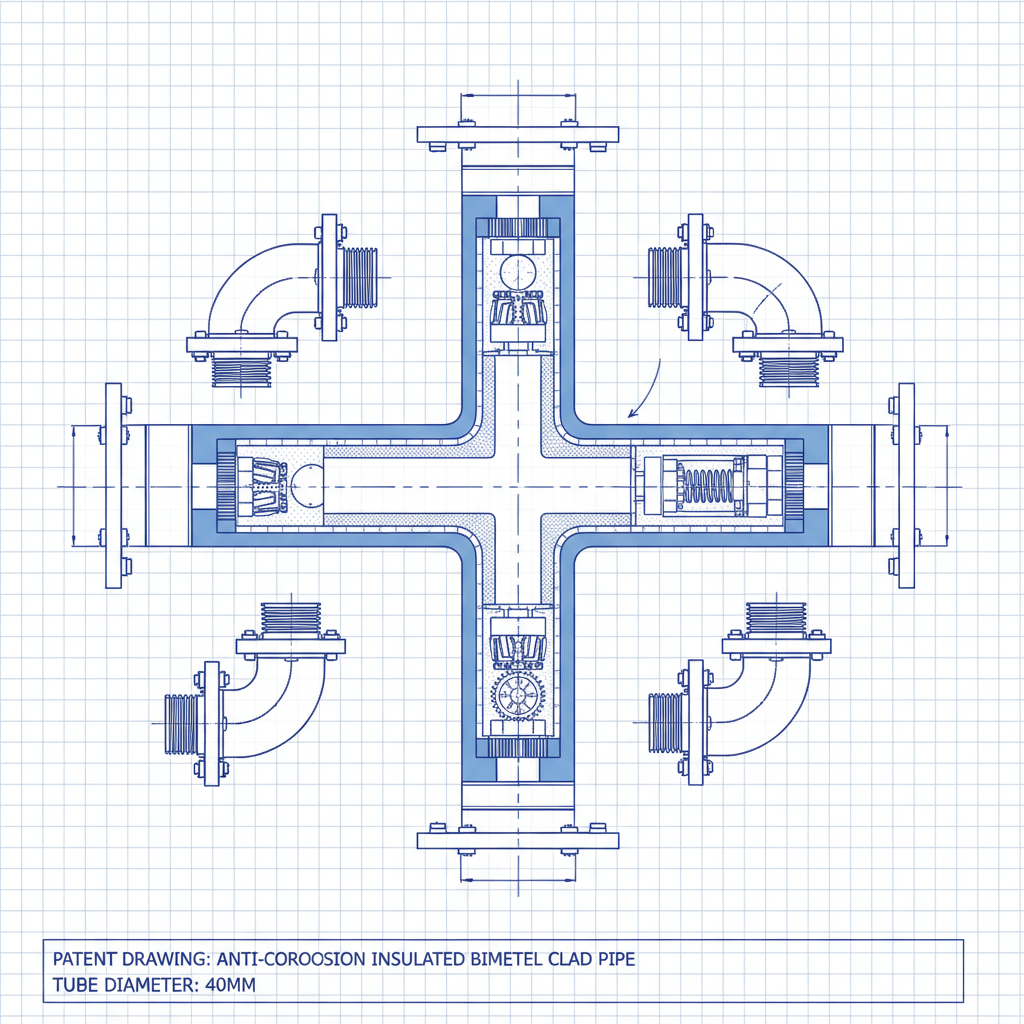
Properties and Industrial Applications of 4130 steel tubing

In the world of high-performance engineering, material selection is the foundation of safety and efficiency. 4130 steel tubing is widely recognized as the gold standard for applications requiring an exceptional strength-to-weight ratio. Known for its versatility and reliability, this chromium-molybdenum alloy is the preferred choice for everything from aircraft frames to professional roll cages. Understanding the nuances of this material allows engineers to optimize structural integrity without adding unnecessary bulk. In this comprehensive guide, we will explore why this specific alloy remains a top choice for critical industrial and aerospace components.
Comprehensive Guide to 40mm Steel Tube Applications and Material Selection
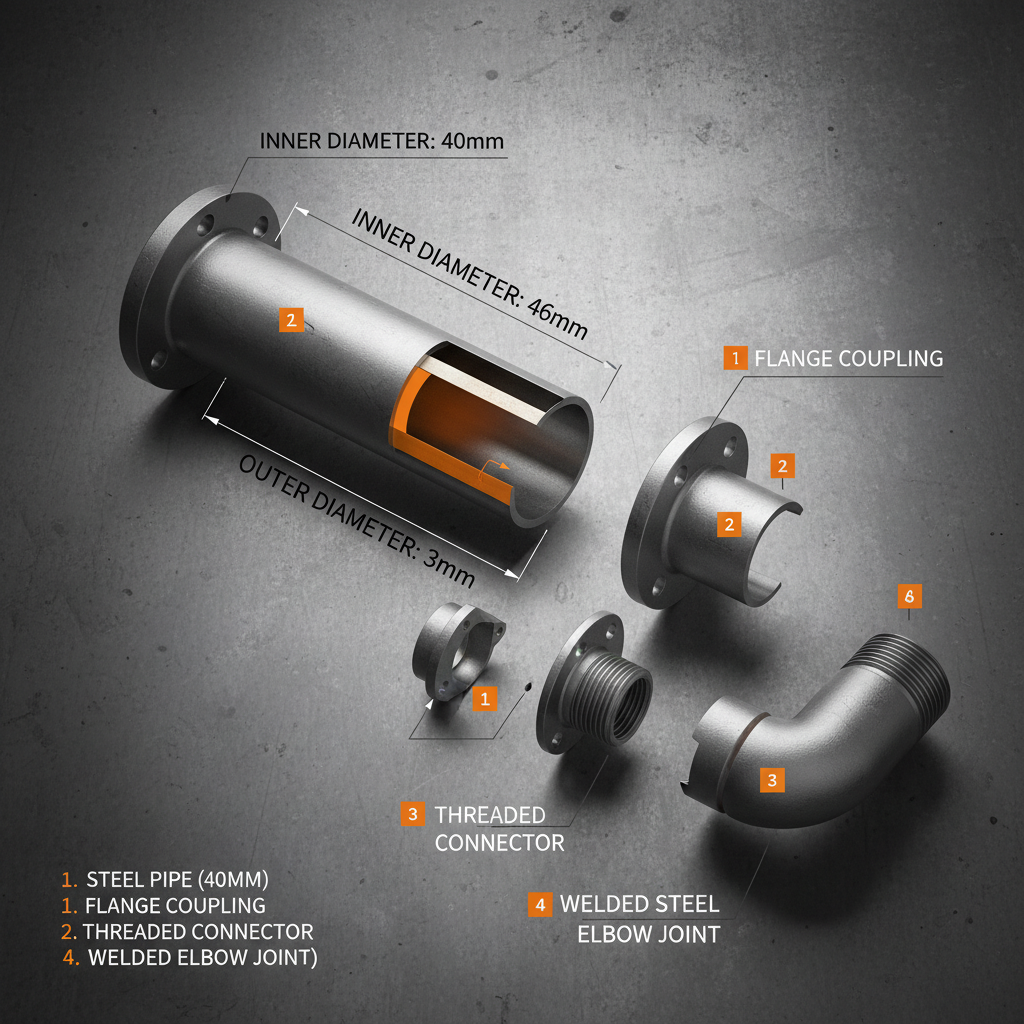
Comprehensive Guide to 40mm Steel Tube Applications and Material Selection

40mm steel tube is a versatile and widely used material in various industries, from construction and manufacturing to automotive and beyond. Its strength, durability, and cost-effectiveness make it an ideal choice for numerous applications. This article will delve into the characteristics, applications, benefits, and considerations when working with 40mm steel tube, providing a comprehensive overview for professionals and anyone interested in this essential material.
Comprehensive Guide to 40mm Steel Pipe Applications and Considerations
Comprehensive Guide to 40mm Steel Pipe Applications and Considerations

40mm steel pipe is a widely used material in various industries due to its strength, durability, and cost-effectiveness. From construction and infrastructure projects to industrial applications and fluid transportation, this pipe size offers a versatile solution. This article will delve into the properties, applications, standards, and key considerations when selecting 40mm steel pipe, helping you make informed decisions for your specific needs.
Comprehensive Guide to 40mm Metal Pipe Applications and Sourcing
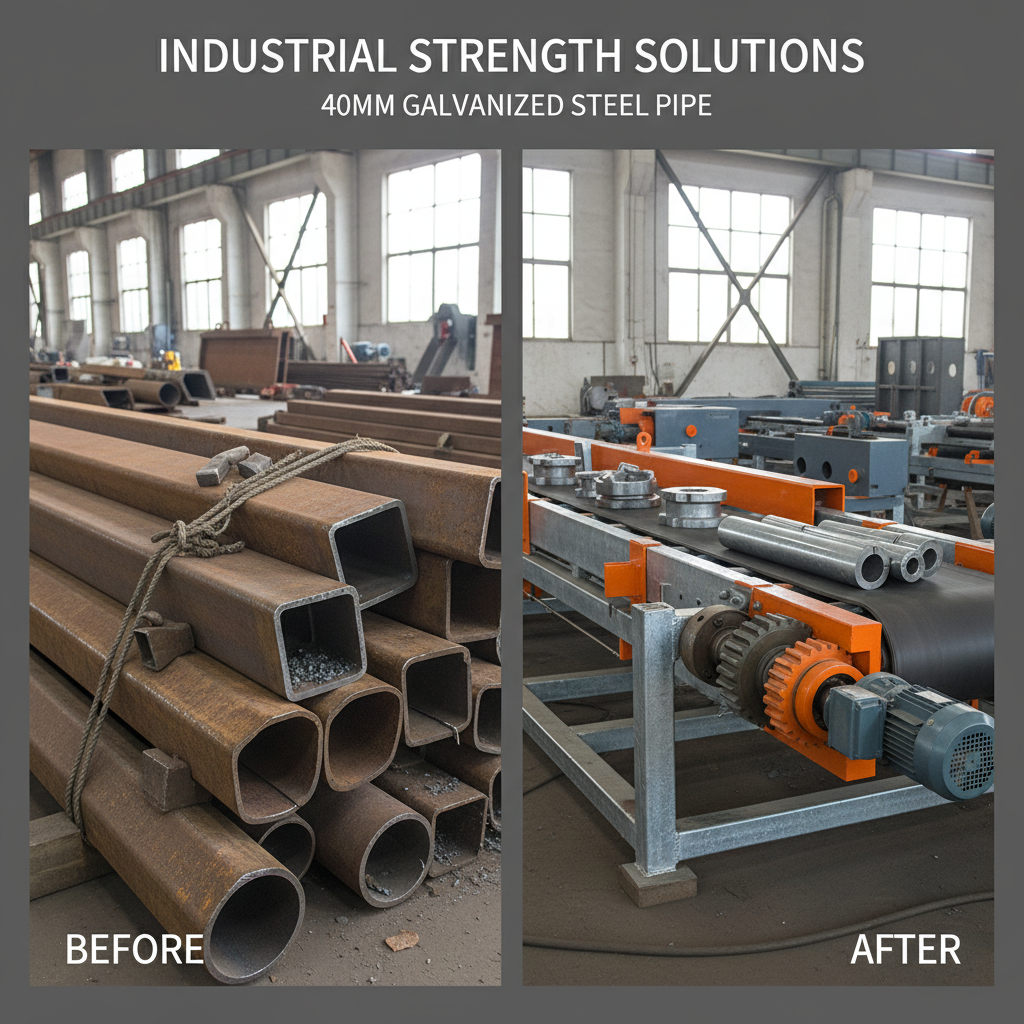
Comprehensive Guide to 40mm Metal Pipe Applications and Sourcing

40mm metal pipe is a crucial component in a wide array of industries, from construction and plumbing to industrial manufacturing and fluid transport. Its strength, durability, and versatility make it a preferred material for countless applications. This article will delve into the specifics of 40mm metal pipe, exploring its various types, common uses, benefits, and where to source high-quality piping solutions.
Comprehensive Guide to 40mm Galvanised Pipe Applications and Specifications

Comprehensive Guide to 40mm Galvanised Pipe Applications and Specifications

When planning a plumbing, structural, or industrial project, selecting the right piping material is crucial. 40mm galvanised pipe is a widely used option known for its strength, durability, and corrosion resistance. This article provides a detailed overview of 40mm galvanised pipes, exploring their applications, benefits, specifications, and considerations for optimal usage. We'll cover everything from what galvanisation is to how to choose the right pipe for your specific needs.
tel email tel top

If you are interested in our products, you can choose to leave your information here, and we will be in touch with you shortly.