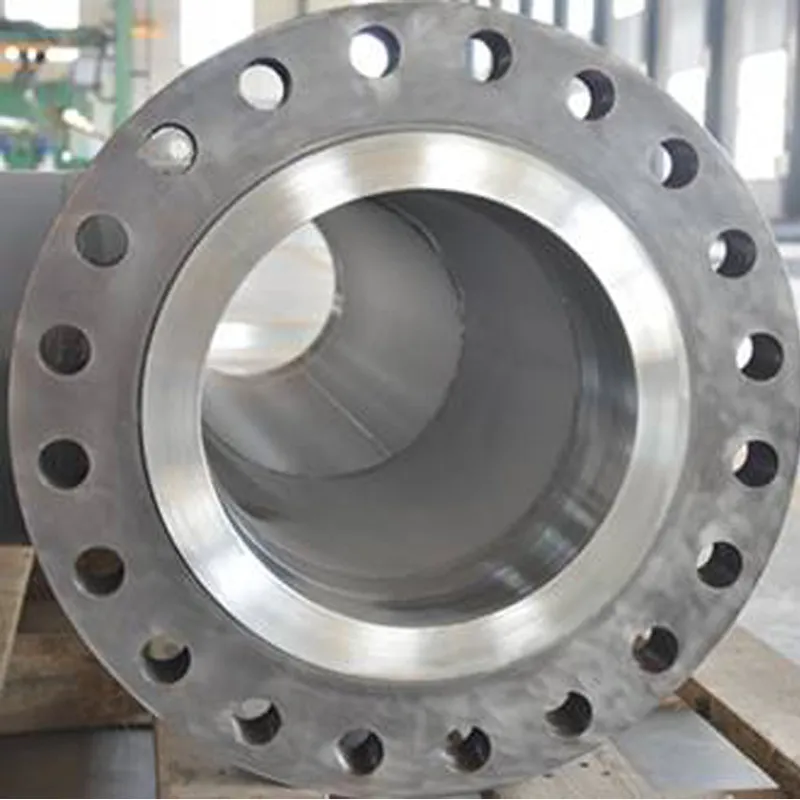
I’ve toured more than a few fabrication shops in Hebei and the Gulf, and—honestly—good flanges still feel like quiet heroes. In pipe rooms and pump skids, they simply have to work. Lion Pipeline’s Flange line, made in the Economic Development Zone of Mengcun County, Cangzhou City, Hebei Province, is one I’ve seen evolve with real-world feedback: installers grip about bolt alignment; inspectors stare at sealing faces; procurement wants traceability. All of it matters.
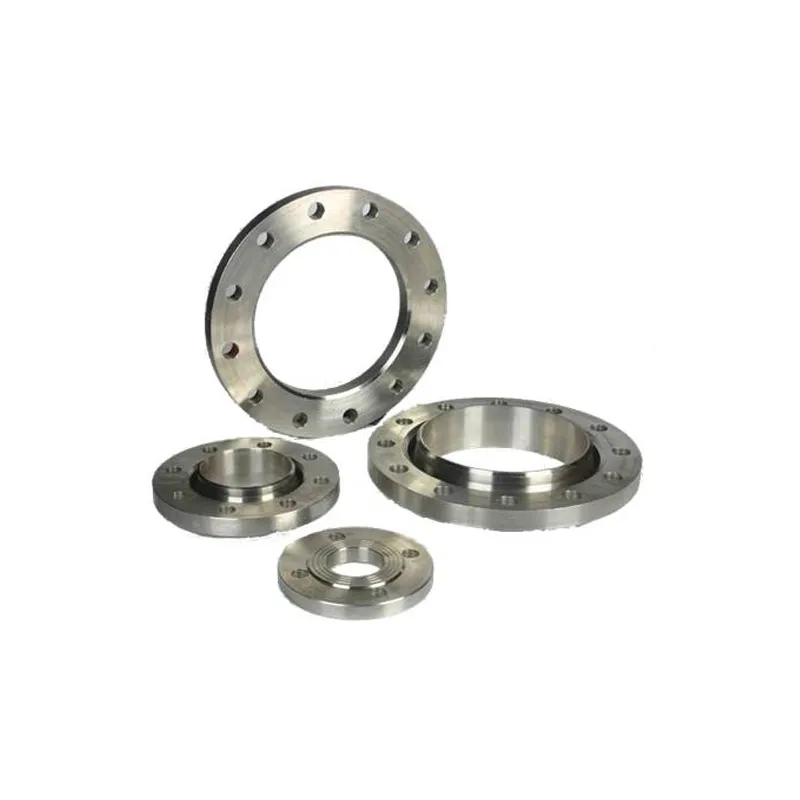
Three currents are reshaping the flange market: decarbonization projects (CCUS, hydrogen blends), the LNG build-out, and tougher documentation demands. Actually, it’s the last one that trips teams: digital MTRs, PMI records, heat-treatment charts—buyers now expect them as standard. For high-pressure lines, Metal Flange sets with RTJ faces are back in vogue; for water and district energy, RF faces dominate. Many customers say they want shorter lead times even more than lower price, which sounds obvious until a shutdown clock is ticking.
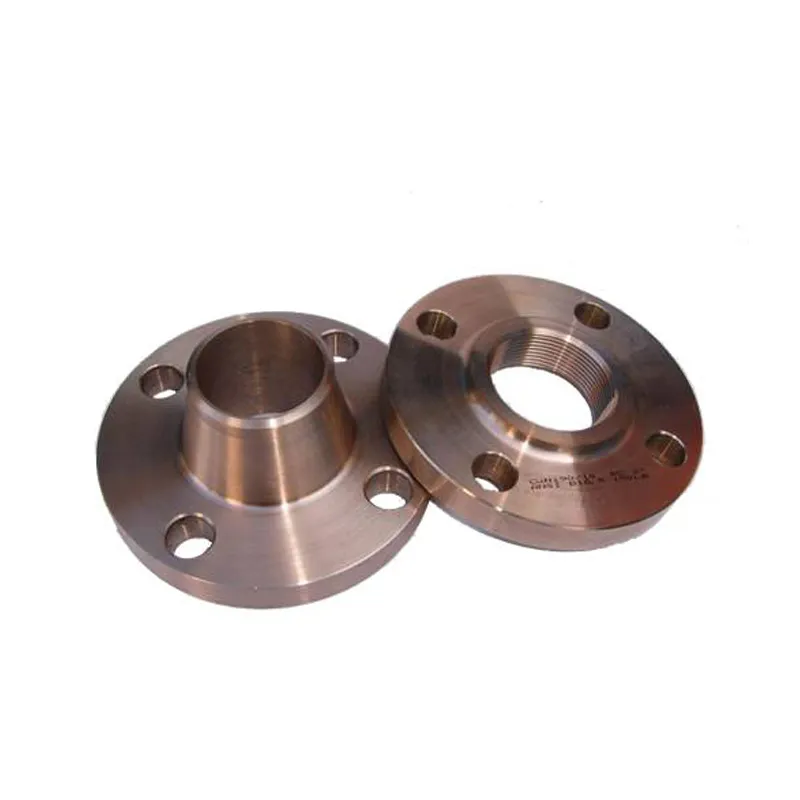
| Parameter | Typical Spec (≈, real-world use may vary) |
|---|---|
| Sealing face flatness | ≤ 0.3 mm per 300 mm |
| Bolt hole tolerance | +1.5 / 0 mm |
| Hardness (A105, normalized) | ≈ 170–207 HBW |
| Hydrotest (shop) | 1.5 × design pressure, zero visible leakage |
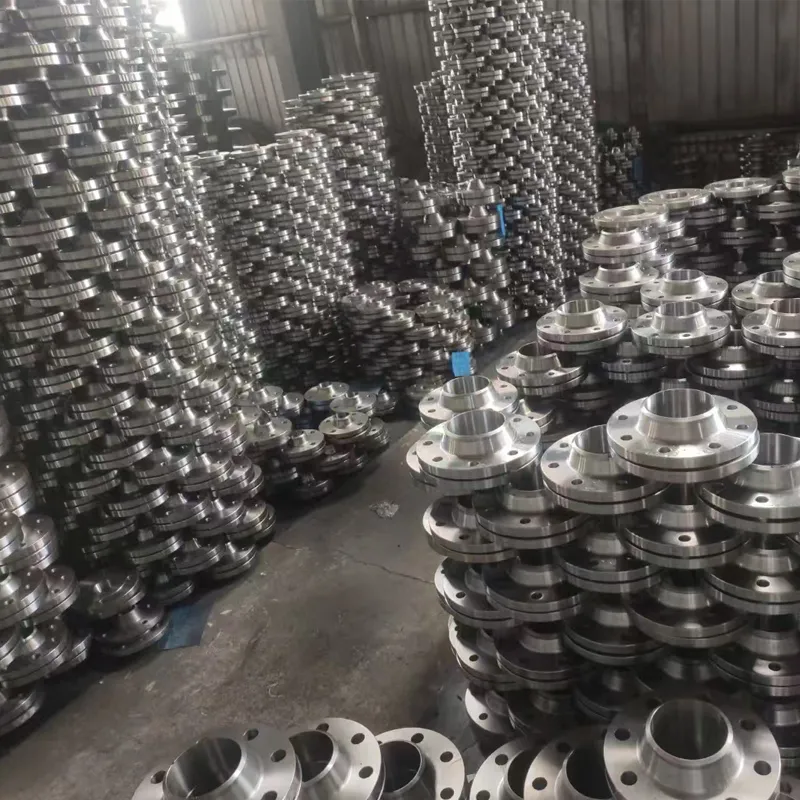
Service life? In moderate duty with proper gasket/torque, I’d say ≈ 25 years; corrosive service needs smarter metallurgy and coatings.
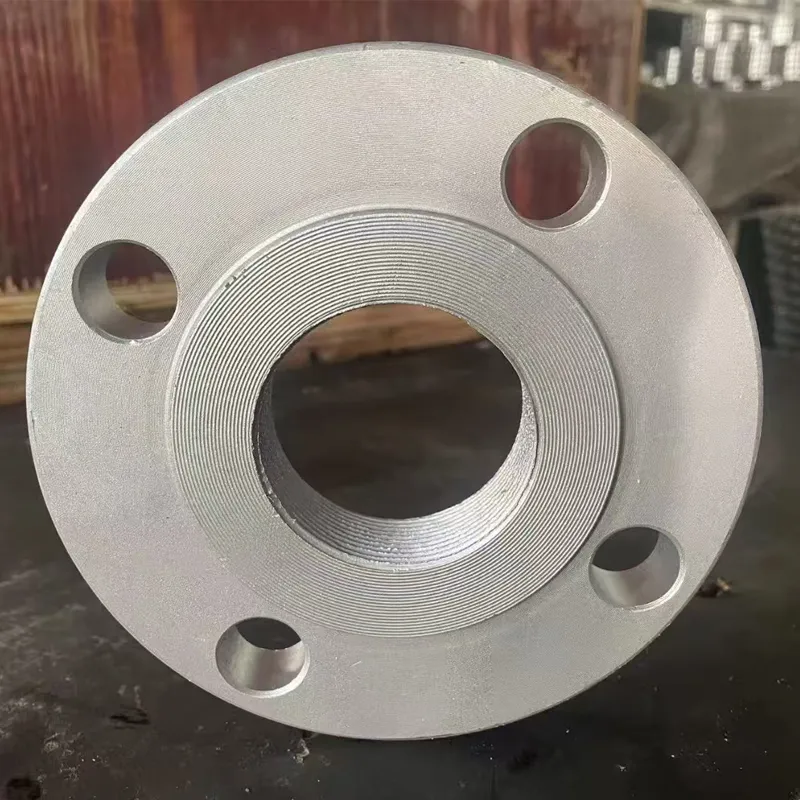
Oil & gas gathering, refinery skids, chemical dosing lines, desalination trains, firewater loops, district energy headers—the usual suspects. Two fast stories:
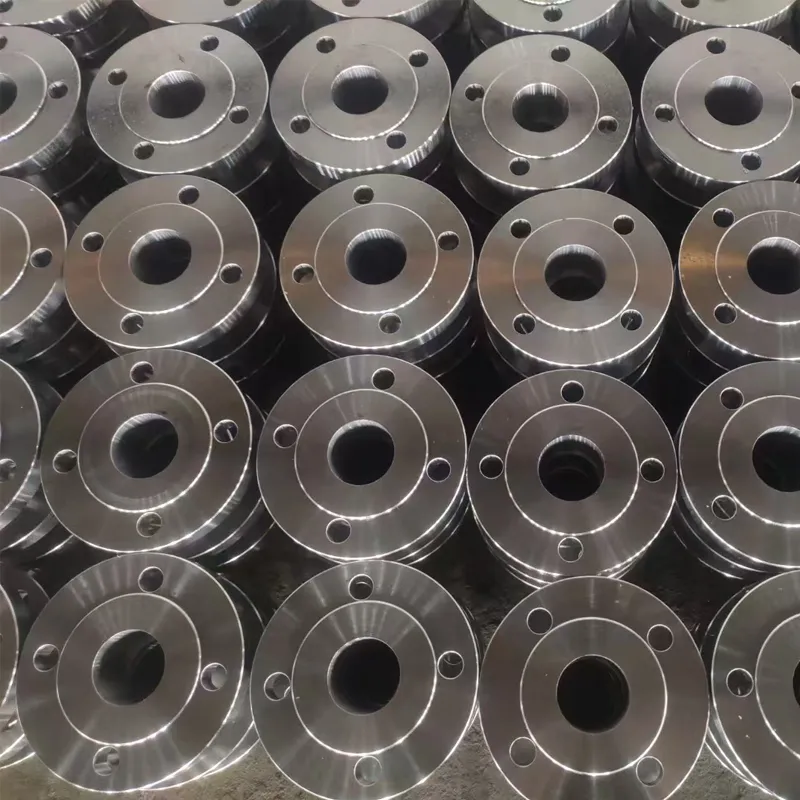
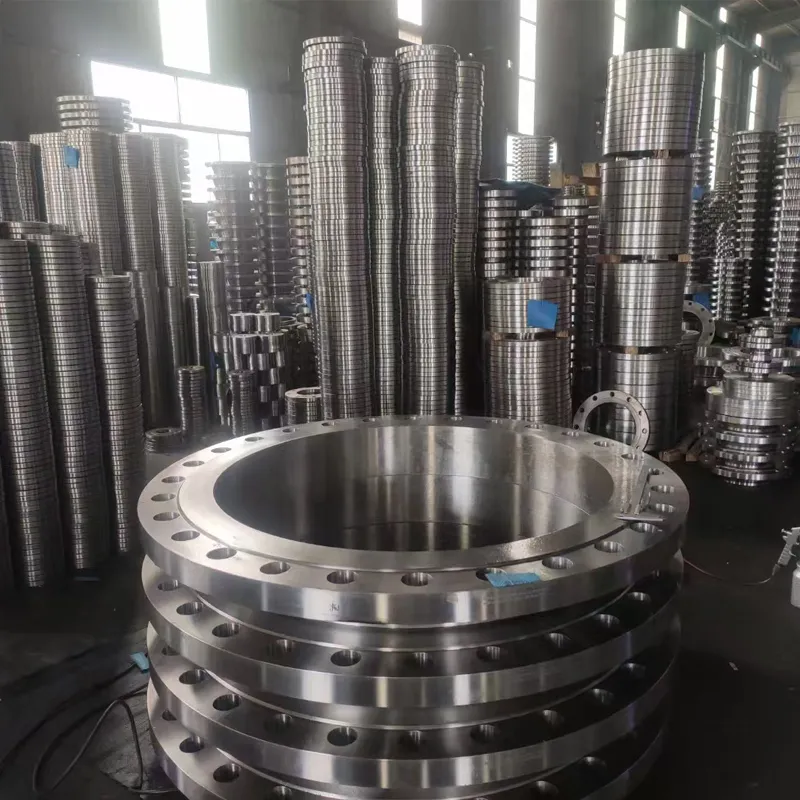
Face finish (AARH ranges), RTJ groove types, special drilling (ASME/EN crossover), corrosion coatings, preinstalled studs+nuts kits, stamping/logo, barcode labels, export crating. For hydrogen or sour, ask for Metal Flange options with duplex or NACE MR0175-compliant materials.
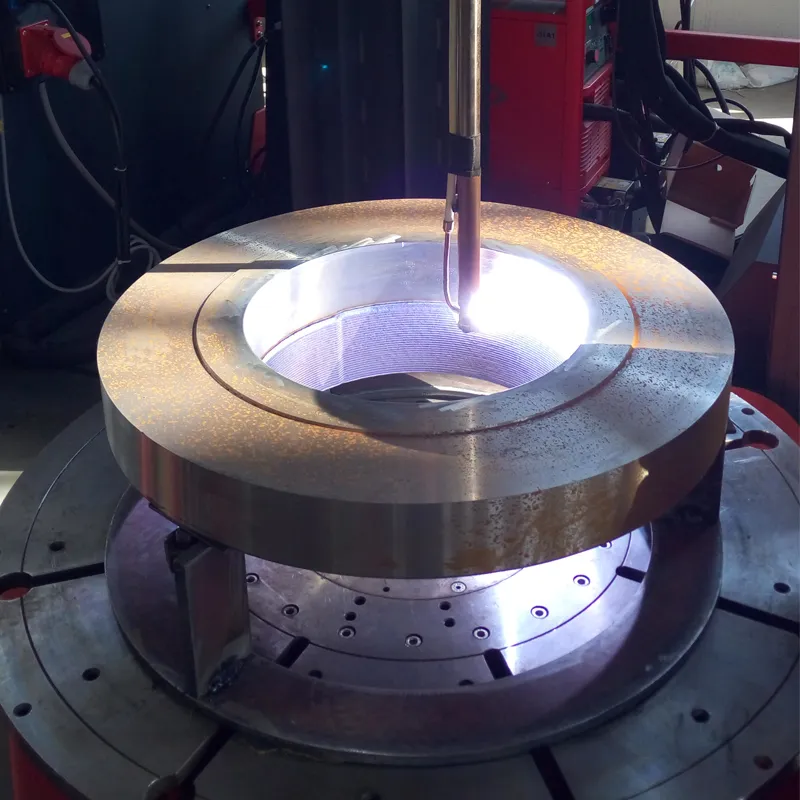
| Criteria | Lion Pipeline | Generic Trader | Local Machine Shop |
|---|---|---|---|
| Certs | ISO 9001; NDT dossiers | Varies | Limited |
| Traceability | Full heat-to-box | Partial | Job-based |
| Lead time | Competitive | Depends on source | Quick for small runs |
| Customization | Strong | Moderate | High but limited standards scope |
| Price level | Value | Varies | Higher/unit |
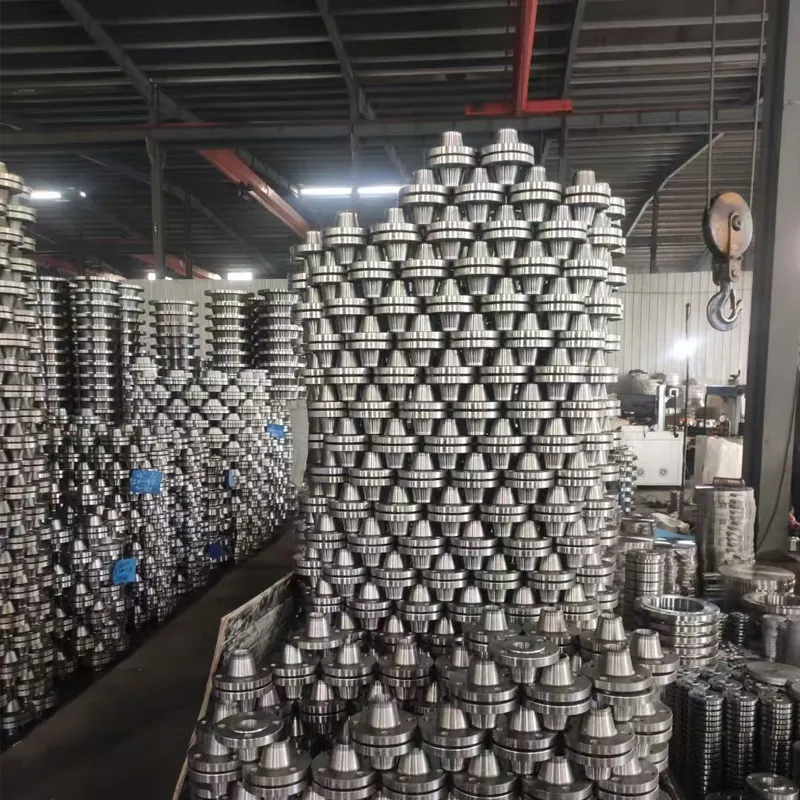
“Bolt holes lined up—no reaming.” “RTJ grooves checked out fine with our gauges.” “Documentation was refreshingly complete.” Not everyone mentions it, but consistent RF finishes save gasket headaches. It seems that small wins add up.
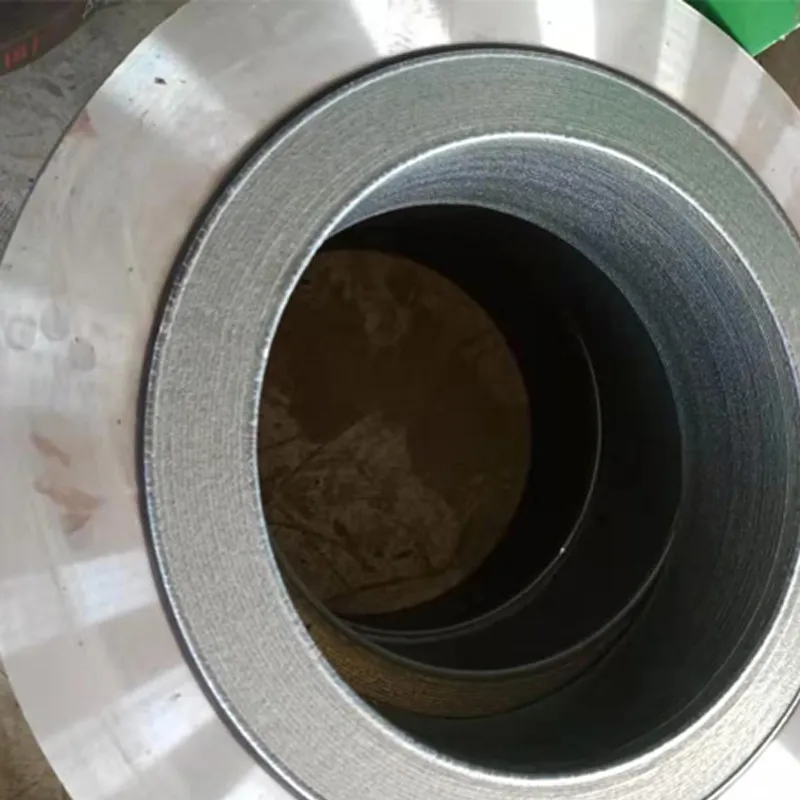
If you’re speccing a Metal Flange package, align standards early (ASME vs EN), lock face finish, and decide on NACE scope up front. For drawings or urgent lead times, the team in Cangzhou moves quickly—worth a call.
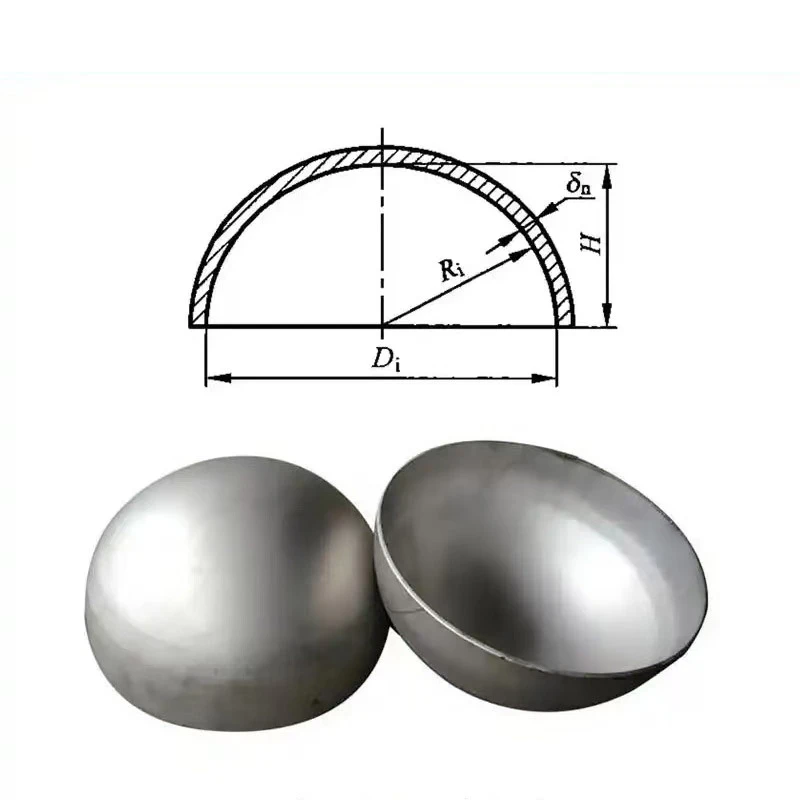

Ultimate Guide to 4130 Tubing Strength Performance and Applications
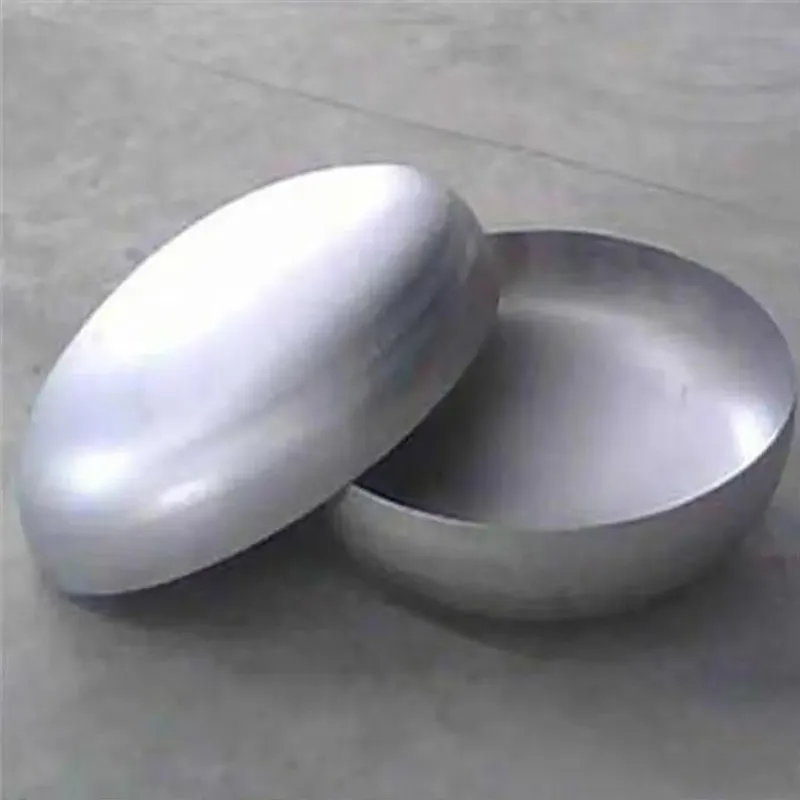
Pipe Cap-Cangzhou Lion Technology Co., Ltd.|Enhancing System Efficiency&Durability
Pipe Cap-Cangzhou Lion Technology Co., Ltd.|Enhancing System Efficiency&Durability
Pipe Cap-Cangzhou Lion Technology Co., Ltd.|Enhancing System Efficiency&Durability
Pipe Cap-Cangzhou Lion Technology Co., Ltd.|Enhancing System Efficiency&Durability
Pipe Cap-Cangzhou Lion Technology Co., Ltd.|Enhancing System Efficiency&Durability