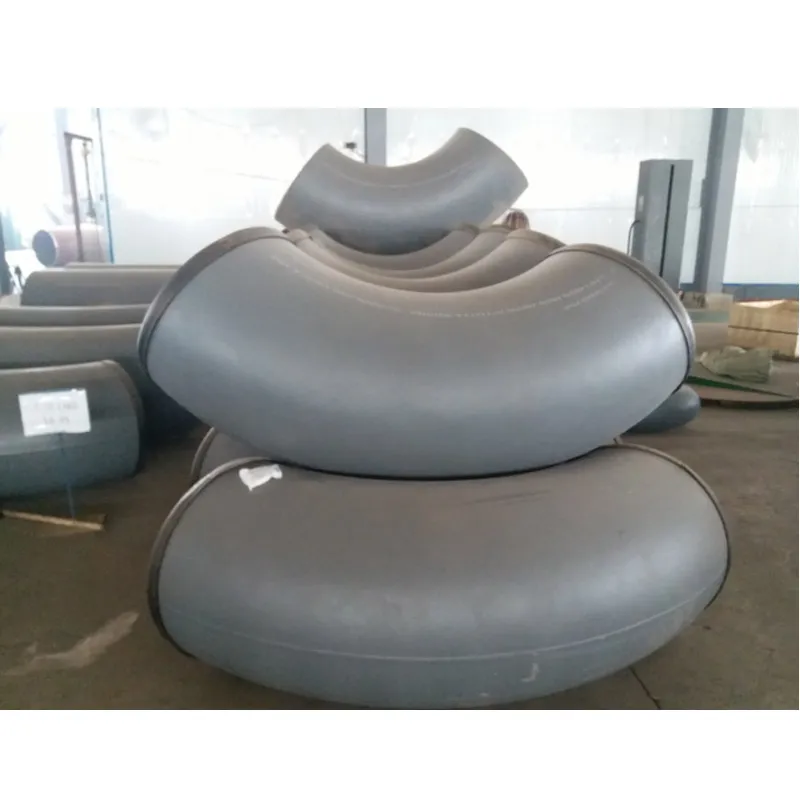
Let’s get straight to it: when I evaluate a Stainless Steel Bend, I’m thinking about flow efficiency, weldability, and how it’ll behave after a few winters in a corrosive plant room. Sounds basic, but the devil is in the bend radius. I’ve walked shop floors in Hebei and Houston, and the best shops sweat the small stuff—heat input, ovality, ferrite balance. Lion’s Bend Pipe comes out of the Economic Development Zone of Mengcun county, Cangzhou city, Hebei province, which, to be honest, has become a serious hub for formed fittings.
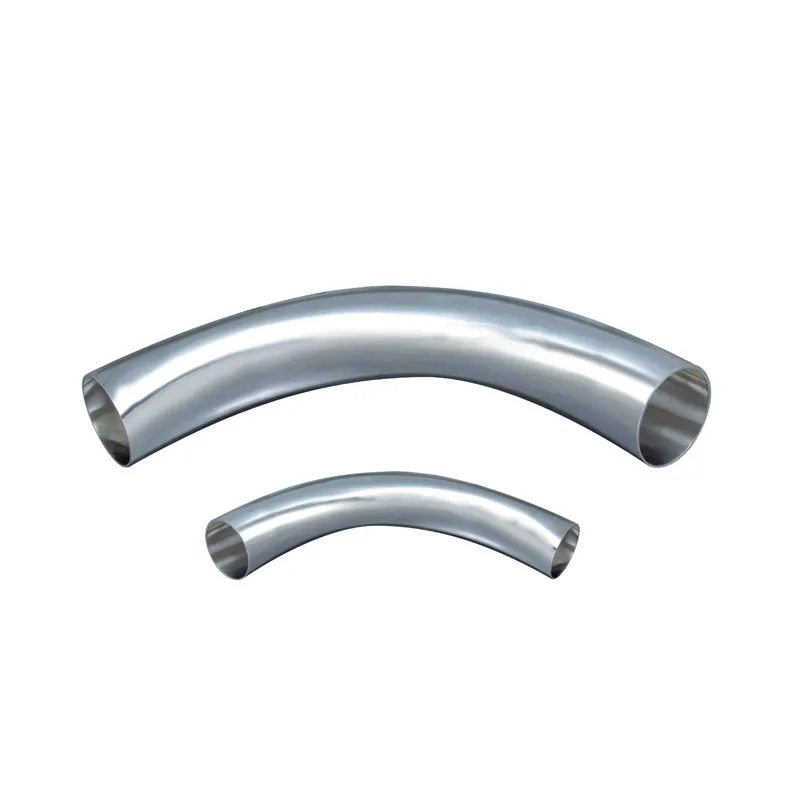
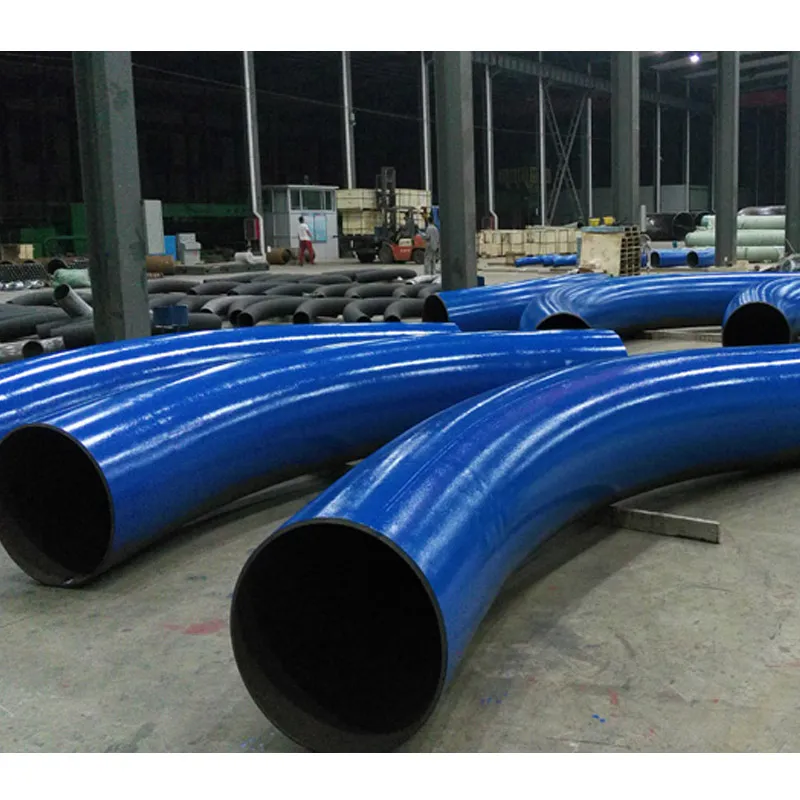
Stainless Steel Bend fittings redirect flow without the abrupt turbulence you get from sharp elbows. Think oil and gas trunk lines, petrochemical transfer skids, water treatment headers, clean steam, and HVAC risers. Many customers say a properly sized long-radius (LR) bend trims pump energy a notch—small, but over a year it’s not nothing. In brownfield retrofits, bends often solve what drawings can’t: tight clearances, odd rack geometry, and that surprise steel beam someone “forgot” to model.
| Sizes | DN15–DN1200 (≈ 1/2"–48") |
| Radius Options | LR (1.5D), 3D, 5D, custom up to 10D |
| Angles | 15°, 22.5°, 30°, 45°, 60°, 90°, 180°, or tailor-made |
| Materials | 304/304L, 316/316L, 321, 347, 904L, Duplex 2205/2507 |
| Standards | ASME B16.9, ASTM A403/A403M; MSS SP-43 (light-wall) |
| Ends | Beveled (ASME B16.25), plain, grooved on request |
| Surface | Pickled + passivated; Ra ≈ 1.6–3.2 μm (real-world use may vary) |
| Pressure Class | Up to SCH160/XH depending on size |
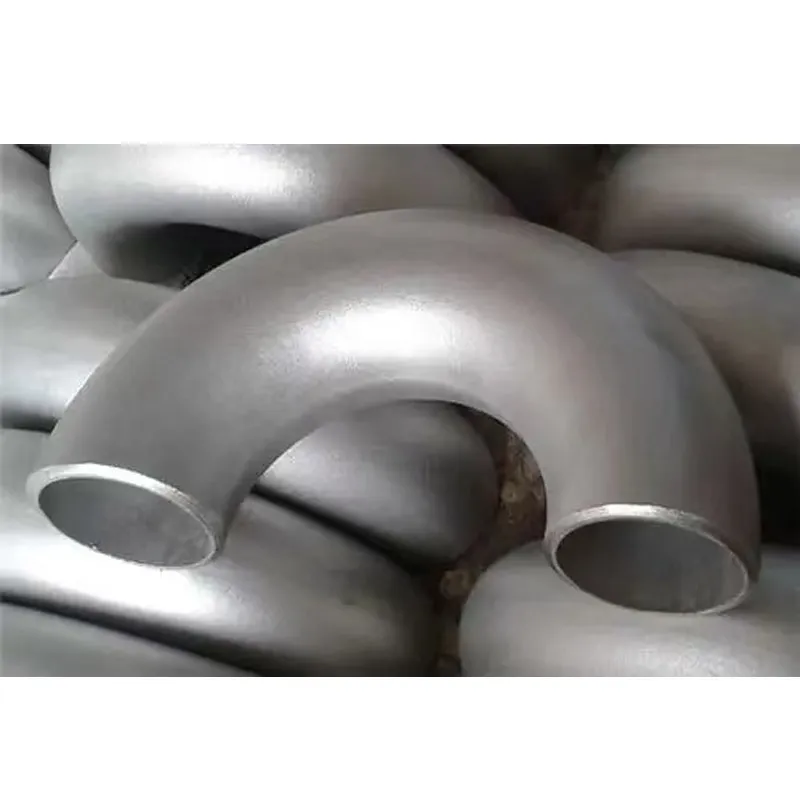
Service life? Around 20–30 years in treated water/HVAC; corrosive chlorides or sour service need upgrades like 316L or duplex and tighter controls. Actually, that’s where smart buyers save headaches.
| Vendor | Strengths | Watch-outs |
|---|---|---|
| Lion (Mengcun, Cangzhou) | Good radius control; duplex know-how; responsive docs | Lead time stretches in peak export season |
| Vendor A (EU) | Premium finish; fast prototyping | Price premium ≈ 15–25% |
| Vendor B (APAC) | Aggressive pricing; wide size range | Inconsistent documentation unless specified |
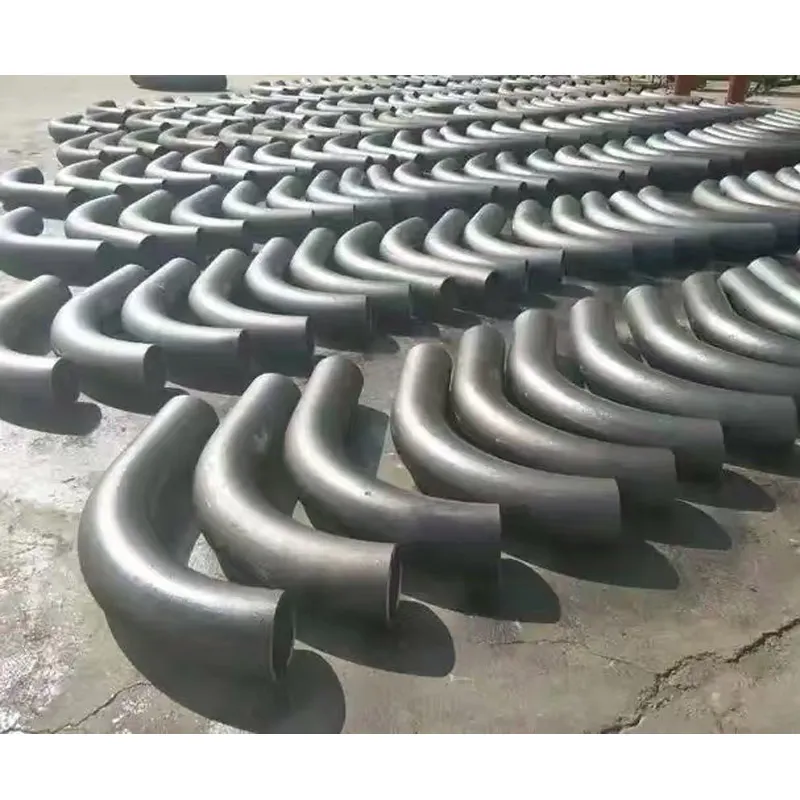
Custom angles, 5D–10D radii, clad or heavy-wall pieces, purge dams for orbital welding—easy enough if you ask early. I always request: PMI map, hydrotest record, dye-pen report, and for duplex bends, a ferrite number snapshot. Certifications like ISO 9001 and material to ASTM A403 go without saying, but I still check heat numbers. It seems fussy; it isn’t.
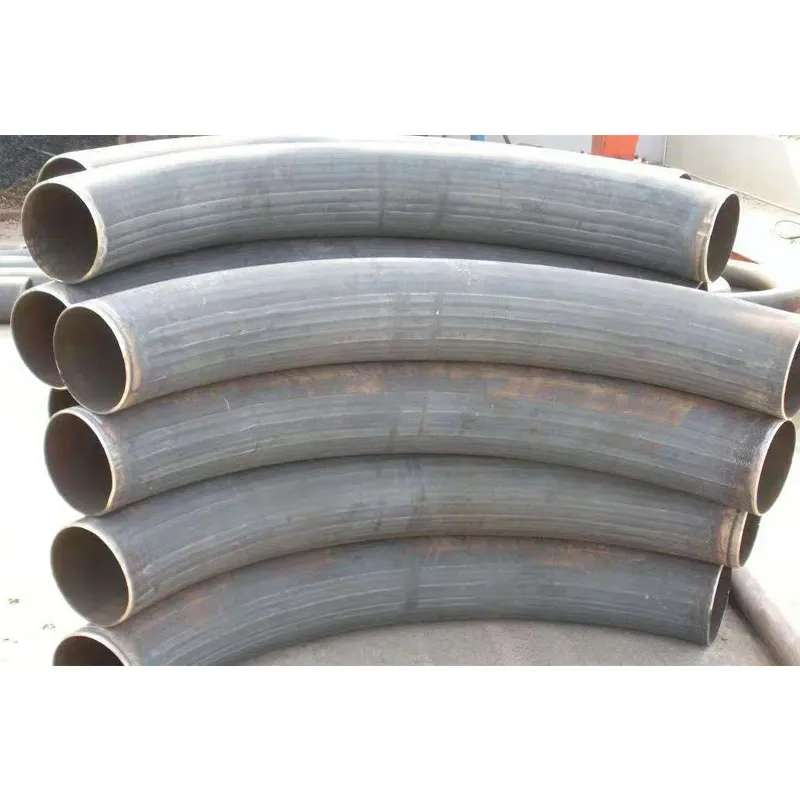
If you need a dependable Stainless Steel Bend that respects flow and welders’ time, this Bend Pipe line is a solid pick. Not perfect—none are—but the process control and documentation stack up well against the usual suspects. And in the field, that’s what keeps projects on schedule.
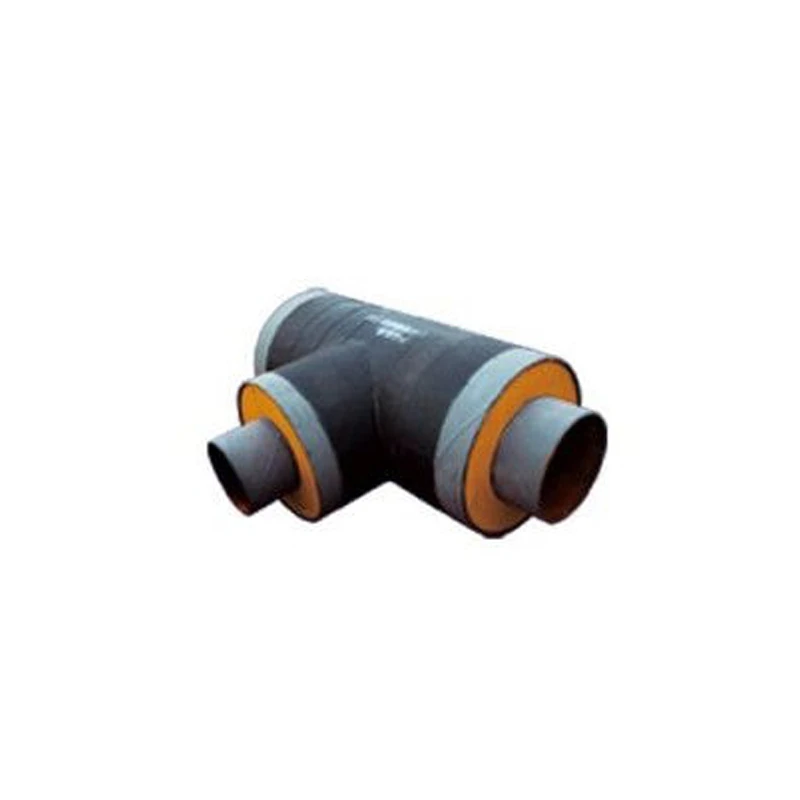
Anti Corrosion And Thermal Insulation Products
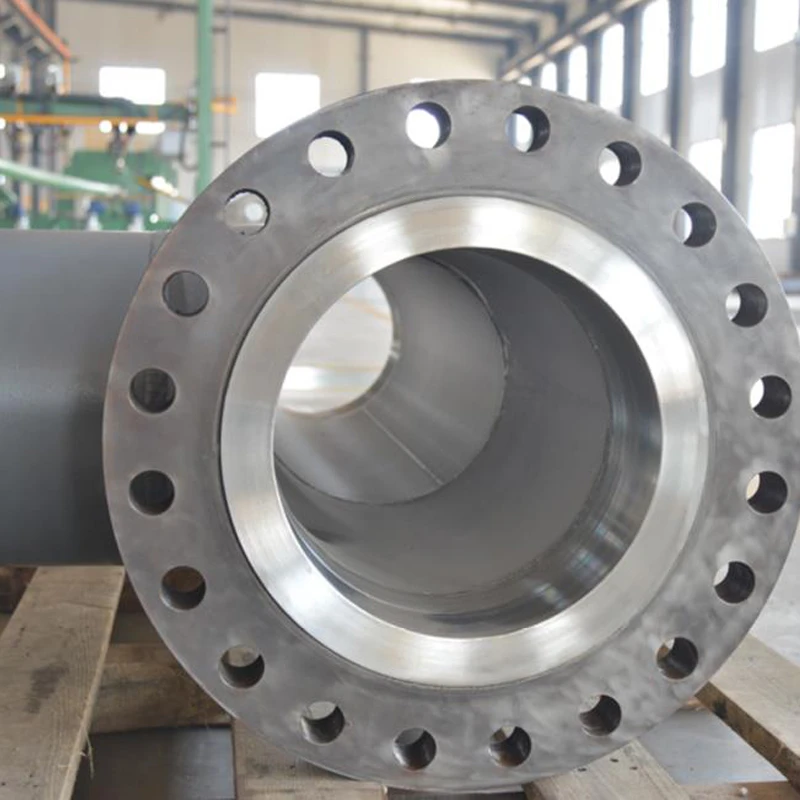
Factory Prefabricated Products

Ultimate Guide to 4130 Tubing Strength Performance and Applications
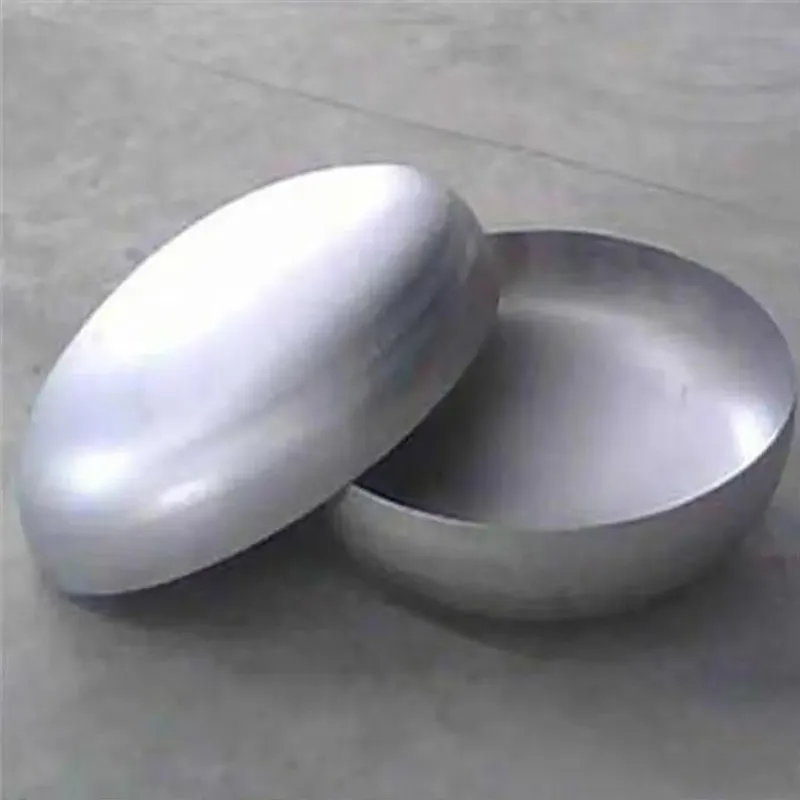
Pipe Cap-Cangzhou Lion Technology Co., Ltd.|Enhancing System Efficiency&Durability
Pipe Cap-Cangzhou Lion Technology Co., Ltd.|Enhancing System Efficiency&Durability
Pipe Cap-Cangzhou Lion Technology Co., Ltd.|Enhancing System Efficiency&Durability
Pipe Cap-Cangzhou Lion Technology Co., Ltd.|Enhancing System Efficiency&Durability
Pipe Cap-Cangzhou Lion Technology Co., Ltd.|Enhancing System Efficiency&Durability