If you’ve ever walked a construction site at 6 a.m., coffee in hand, you know the unsung hero is the humble reducer. It looks simple. It isn’t. In fact, many customers say the right spec, landing on time, can save a shutdown. Coming from the Economic Development Zone of Mengcun county, Cangzhou city, Hebei province, Lion’s reducer program has been surprisingly consistent in QA turns and packing—more on that in a minute.
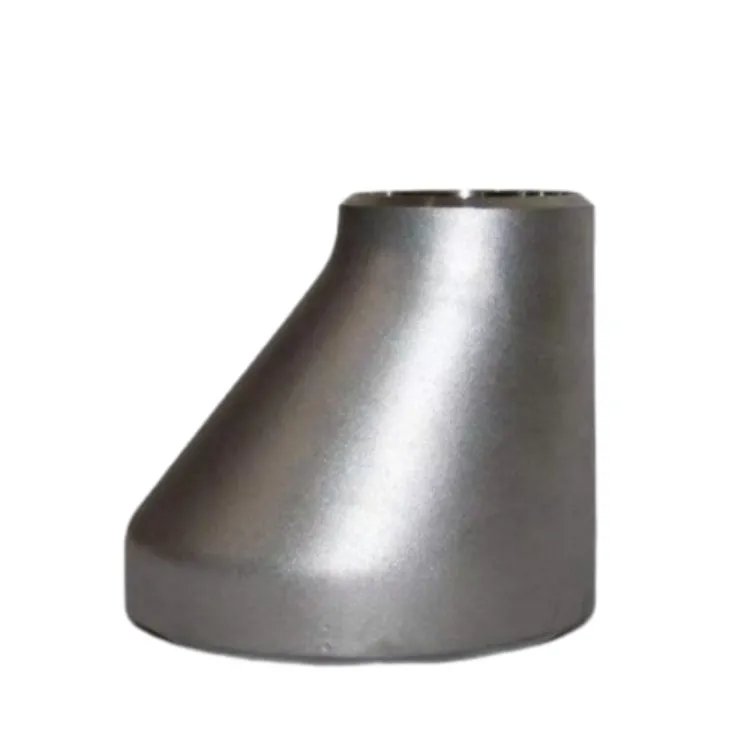
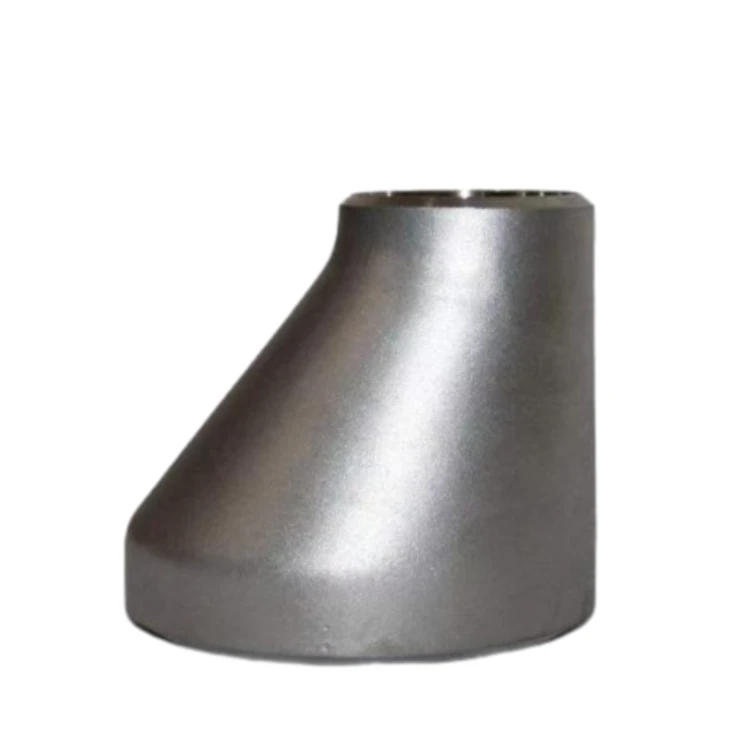
Reducer is a pipe fitting that connects different diameters—concentric for centered flow, eccentric to keep a flat top of pipe (handy for avoiding air pockets on suction lines). A well-made Carbon Steel Reducer preserves velocity profiles, reduces turbulence, and keeps pressure loss reasonable. Not glamorous, but vital.
| Material Grade | ASTM A234 WPB / WPC; optional low-temp (LTCS) per ASTM A420; alloy on request |
| Type | Concentric (C) and Eccentric (E) |
| Size Range | NPS 1/2"–48" (DN15–DN1200), larger by segmenting |
| Wall Thickness | Sch 10–XXS (or per client drawing) |
| Ends | Bevel ends per ASME B16.25; square cut on request |
| Standards | ASME B16.9, MSS SP-75 (where applicable), EN 10253 |
| Coatings | Black varnish, zinc-rich primer, FBE or 3LPE (≈ depends on service) |
| Temp/Service | Per piping code (e.g., ASME B31.3) and material rating |
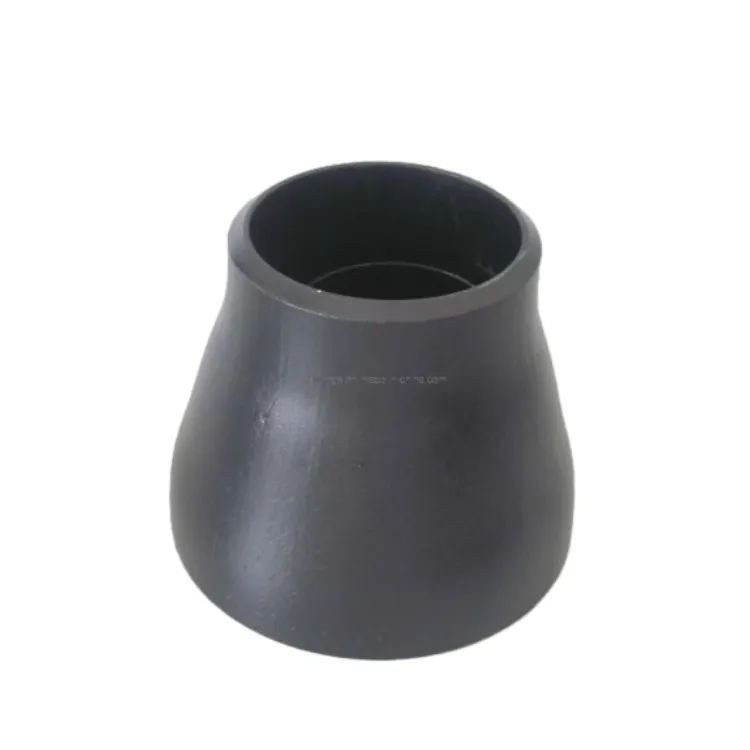
In real-world use, a Carbon Steel Reducer gives 20–30 years of service in water, longer with corrosion control; hydrocarbon service varies by medium, temperature, and corrosion allowance.
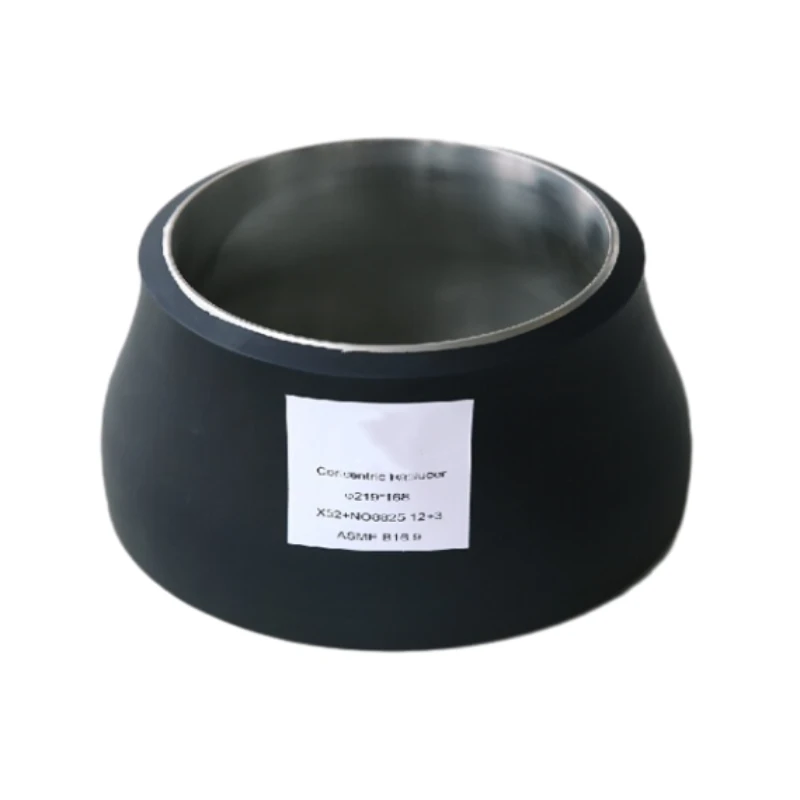
Oil & gas gathering, refinery units, chemical skids, power plant balance-of-plant, district heating, firewater lines, and even food-grade utilities (with appropriate materials). For pump suction, eccentric with flat top; for vertical lines, concentric to keep symmetry. Simple rules that save headaches.
| Vendor | Certs | Lead Time | Customization | Notes |
|---|---|---|---|---|
| Lion Pipeline (Hebei) | ISO 9001; ASME B16.9 compliance | ≈ 10–25 days typical | Sizes, coatings, LTCS, 3.1 docs | Factory control; consistent packing |
| Trading House A | Varies by mill | 15–45 days | Depends on partner | Broader sourcing, less traceability |
| Local Fabricator B | Shop-specific | Fast for small lots | High for specials | Check B16.9 tolerances carefully |
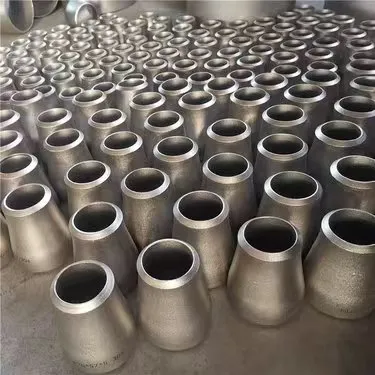
Two steady trends: thicker corrosion allowance for produced water and sour gas, plus coatings that survive laydown and coastal humidity. Clients also ask for barcode traceability and digital MTRs. A Carbon Steel Reducer with 3LPE and -46 °C impact data isn’t exotic anymore—just good practice.
“Dimensional control was tight; bevels arrived clean.” — Procurement lead, EPC (feedback, 2024)
Specify the standard, lock the MTR and test plan, and you’ll get a Carbon Steel Reducer that installs cleanly and stays out of the incident reports. That’s the whole point.
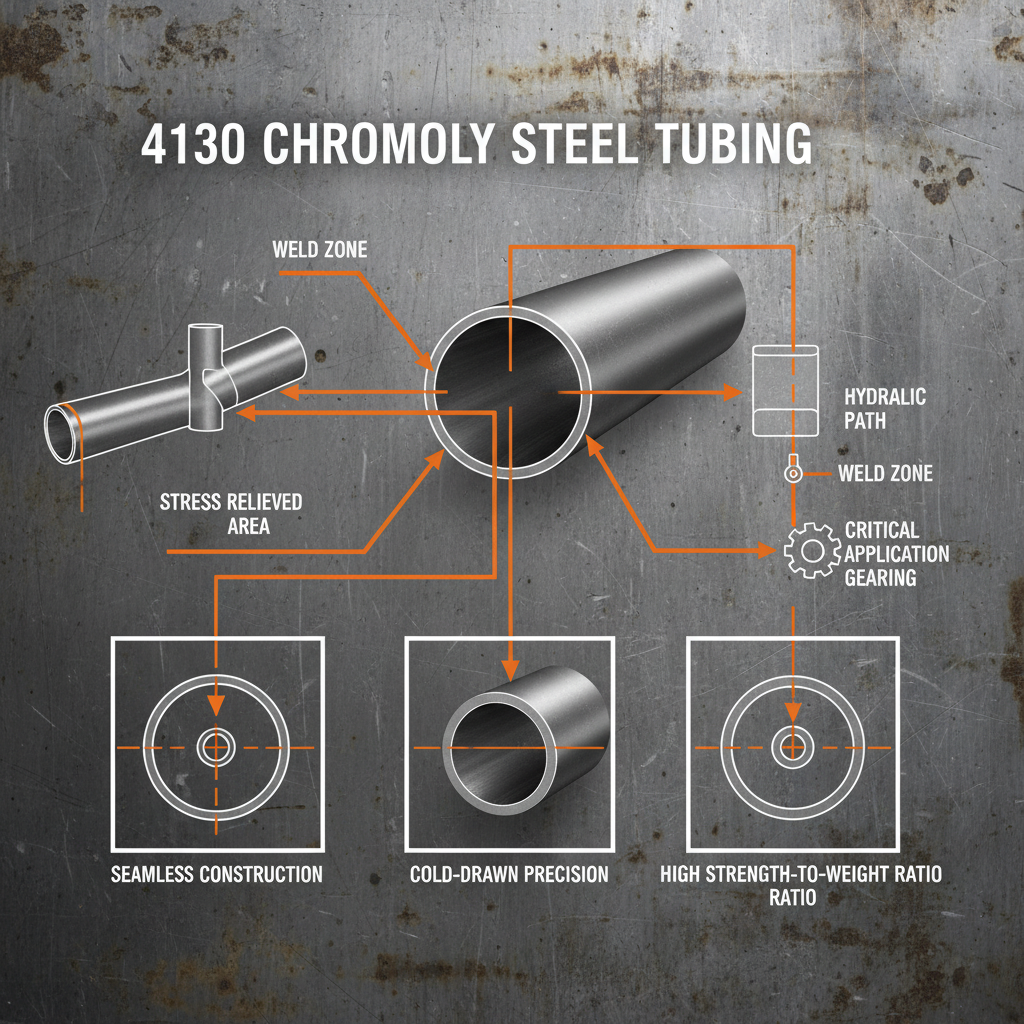
Ultimate Guide to 4130 Tubing Strength Performance and Applications
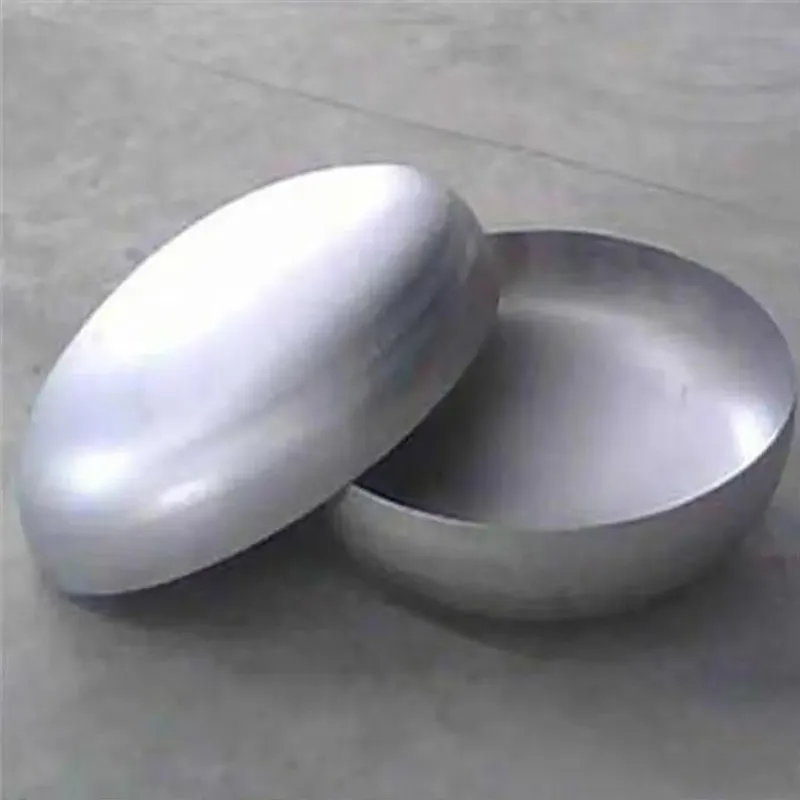
Pipe Cap-Cangzhou Lion Technology Co., Ltd.|Enhancing System Efficiency&Durability
Pipe Cap-Cangzhou Lion Technology Co., Ltd.|Enhancing System Efficiency&Durability
Pipe Cap-Cangzhou Lion Technology Co., Ltd.|Enhancing System Efficiency&Durability
Pipe Cap-Cangzhou Lion Technology Co., Ltd.|Enhancing System Efficiency&Durability
Pipe Cap-Cangzhou Lion Technology Co., Ltd.|Enhancing System Efficiency&Durability