If you've ever wondered how some of the world’s most resilient infrastructure holds up against time, weather, or downright heavy loads, you're likely touching on the silent hero: the hollow metal pipe. It might sound like a straightforward piece of metal tubing, but this humble product underpins global construction, manufacturing, and even humanitarian efforts. Understanding it isn’t just for engineers. It matters because the demand for safer, more efficient, and sustainable piping solutions cuts across industries and continents—building bridges not just physically but economically and environmentally, too.
Globally, the hollow metal pipe market is booming—expected to grow by roughly 5% annually due to urbanization and energy sector expansions (source: ISO Standards, 2023). However, scarcity of raw materials, environmental regulations, and the ever-increasing need for durability pose intriguing challenges. This article peels back the layers of hollow metal pipes, from basics to futuristic outlooks.
Think about it—whether it’s water systems in Africa or oil rigs off the coast of Brazil, hollow metal pipes transport the essentials. Data from the United Nations reveals that across developing and developed nations alike, infrastructure projects lean heavily on piping solutions that can withstand extreme conditions and long-term wear. For instance, ISO 3183 standards ensure quality for pipes used in pipeline systems worldwide.
Challenge? Corrosion and cost. Many developing regions struggle with either sourcing affordable tubes or maintaining them in salt-heavy coastal zones. On the flip side, advanced economies drive innovation to keep pipes greener and smarter.
Mini takeaway: Hollow metal pipes aren’t just components; they’re lifelines weaving global industry and essential services together.
Put simply, a hollow metal pipe is a cylindrical tube made from metal—usually steel, stainless steel, or sometimes aluminum—that’s hollow inside. The hollow core reduces weight and material without sacrificing strength. This design plays a big role in everything from plumbing and HVAC systems to structural supports.
It’s also crucial in disaster relief, where rapid setup of pipelines and frameworks saves lives. NGOs often choose these pipes for their robustness and ease of transport compared to bulkier solid metal rods.
One of the standout traits is resistance to physical and chemical wear. Coating technologies like galvanizing or epoxy paints enhance this by protecting pipes from rust and corrosion—key when pipes run underground or offshore.
Since they use less metal than a solid rod of the same length and strength, hollow pipes bring down raw material costs and transportation weight—which translates to budget savings.
Available in sizes ranging from a few millimeters to several feet in diameter, these hollow pipes scale from tiny machinery parts to massive bridge pylons. Different thicknesses and alloys suit specialized industrial environments.
Most metal pipes are recyclable, offering a second life as raw material. Plus, newer manufacturing uses less energy and lower emissions—key given commitments under global accords like the Paris Agreement.
Lightweight and available in modular sections, hollow metal pipes speed up assembly processes on-site, saving labor hours—a real plus in fast-track construction.
Mini takeaway: Wherever strength meets speed, hollow metal pipes answer the call—be it industrial jungles or challenging natural landscapes.
| Specification | Value | Notes |
|---|---|---|
| Material | Grade A500 Steel | High tensile strength |
| Diameter | 100 mm | Standard size for plumbing |
| Wall Thickness | 4 mm | Ensures pressure resistance |
| Length | 6 meters | Common shipping length |
| Coating | Hot-dip Galvanized | Corrosion resistance |
| Vendor | Specialty | Quality Standard | Lead Time | Pricing Tier |
|---|---|---|---|---|
| SteelWorks Inc. | Large diameter pipes | ISO 3183 | 4-6 weeks | Mid-high |
| PipeGlobal Ltd. | Custom alloy pipes | API 5L | 2-3 weeks | High |
| EcoPipe Solutions | Recycled materials | ISO 9001 | 5-7 weeks | Mid |
From both a practical and emotional perspective, hollow metal pipes bring more than just metal to the table. First, they save money—not just upfront but long term, thanks to reduced maintenance and longevity. Industries appreciate the trust factor as these pipes rarely fail unexpectedly.
Socially, consider how improved water pipelines built with such pipes restore dignity and health to communities previously cut off from clean water. Environmentally, recycled steel reduces landfill waste and fossil fuel consumption during production.
Mini takeaway: Hollow metal pipes combine the nuts and bolts of engineering with the very heart of sustainability and social responsibility.
There’s a noticeable push toward “smart” hollow metal pipes embedded with sensors to monitor pressure and corrosion in real time, preventing costly failures before they occur. Additive manufacturing (3D printing) also threatens to disrupt traditional pipe fabrication by allowing custom geometries and lightweight designs.
Green coatings that absorb less heat or include self-healing properties are emerging, spurred by eco-friendly policies worldwide. Digital twins—virtual replicas of pipeline systems—enable operators to simulate wear and tweak maintenance schedules.
Corrosion remains the perennial foe, especially in marine or chemical-exposed environments. However, innovations like nanocoatings or sacrificial anodes offer protective strategies. Supply chain issues during material shortages have prompted manufacturers to explore alternative alloys without compromising strength.
Experts say collaboration across industries—sharing best practices—is key to speeding up adoption of these solutions, especially in emerging markets.
What metals are commonly used to make hollow metal pipes?
Steel (carbon steel, stainless steel) is most common due to strength and availability. Aluminum and copper are used for specific applications requiring lighter weight or conductivity.
How long can hollow metal pipes last in harsh environments?
With proper coating and maintenance, lifespan can exceed 50 years, even in corrosive or industrial atmospheres.
Are hollow metal pipes recyclable?
Absolutely. Steel pipes, in particular, are highly recyclable and reused, reducing environmental impact.
Can hollow metal pipes be customized in size and thickness?
Yes, manufacturers offer a wide range of diameters and wall thicknesses to match virtually any application.
How do I select a reliable hollow metal pipe supplier?
Consider certifications like ISO standards, lead times, quality guarantees, and material traceability. Consultation with vendors can clarify technical needs.
The humble hollow metal pipe might seem like just another industrial product, but its role runs deep in global infrastructure, environmental efforts, and humanitarian aid. Its blend of cost efficiency, durability, and sustainability makes it a crucial part of tomorrow’s built world.
If you’re looking to explore high-quality, reliable hollow metal pipes for your next project, visit our website and discover tailored solutions that meet your specific needs. Because sometimes the best engineering comes in the simplest shapes—like a hollow cylinder holding the world together.
References:
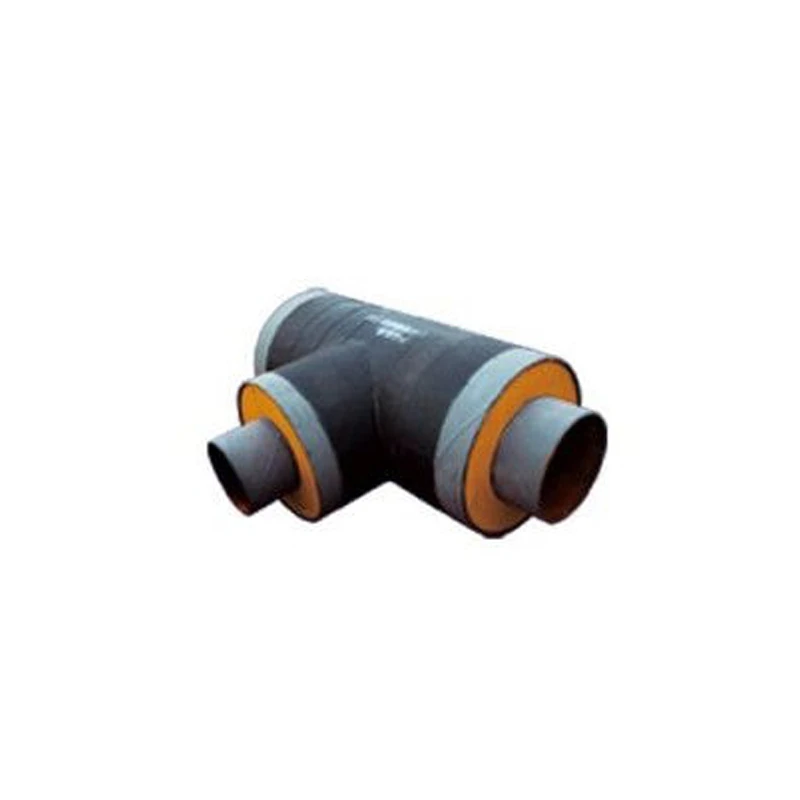
Anti Corrosion And Thermal Insulation Products
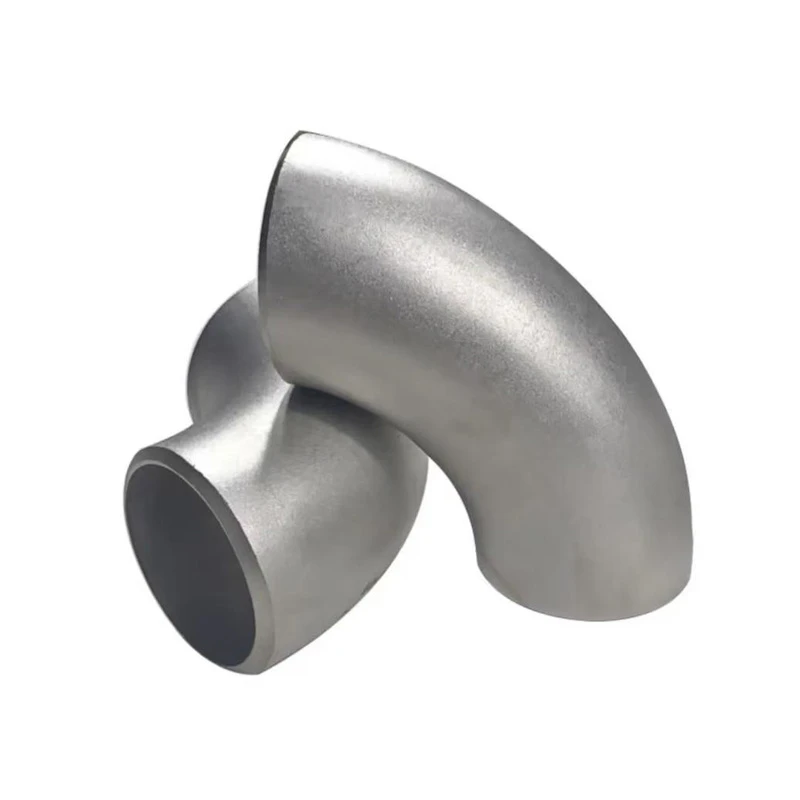
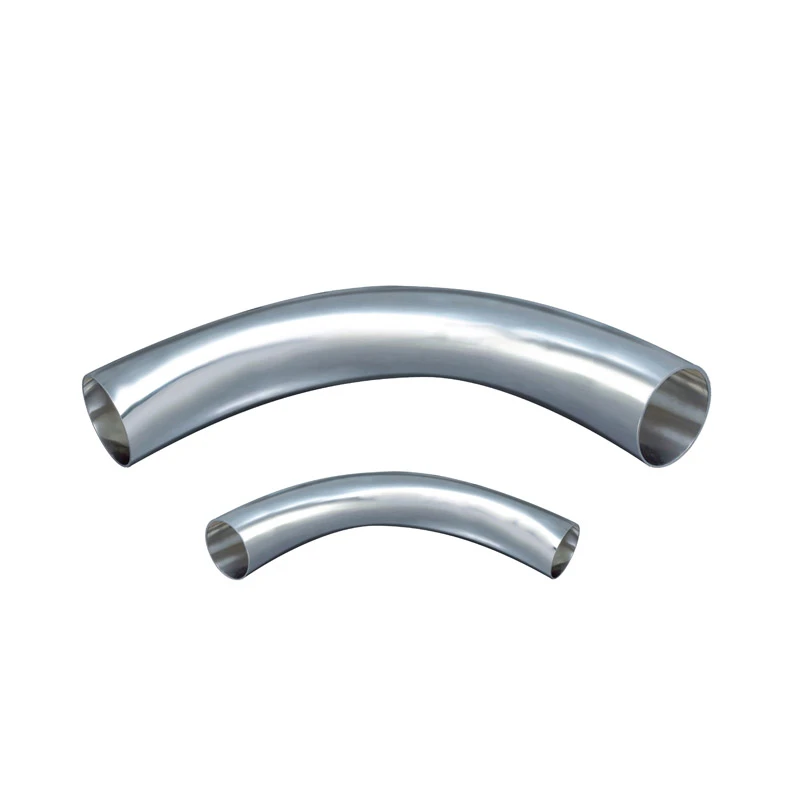
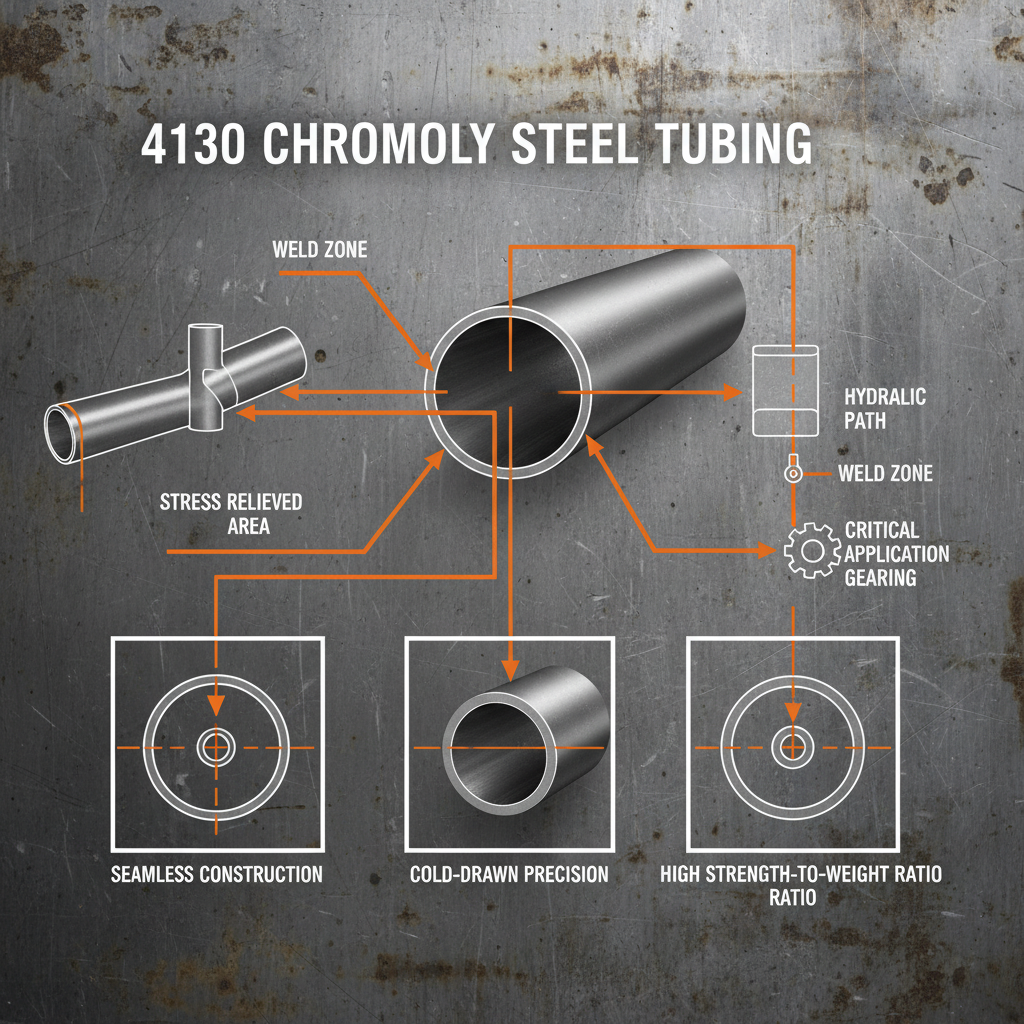
Ultimate Guide to 4130 Tubing Strength Performance and Applications
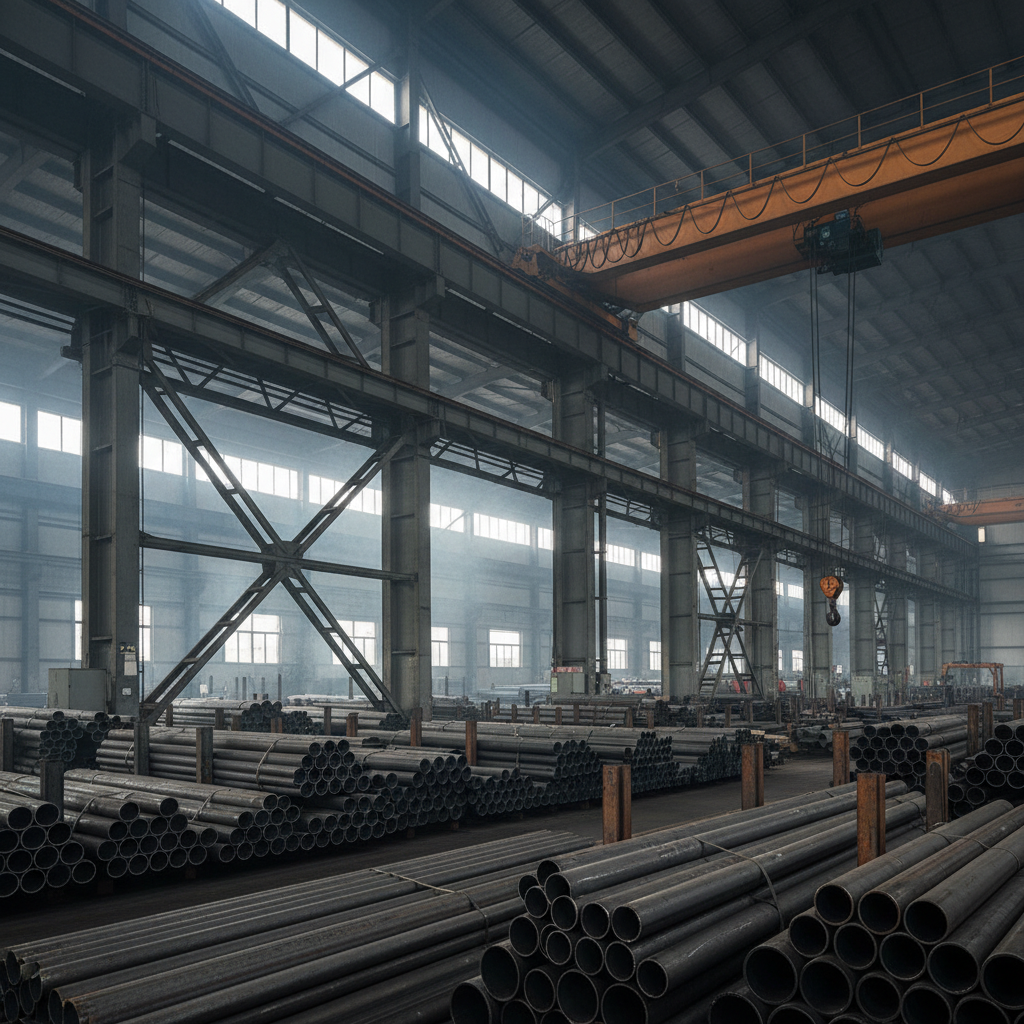
Properties and Industrial Applications of 4130 steel tubing
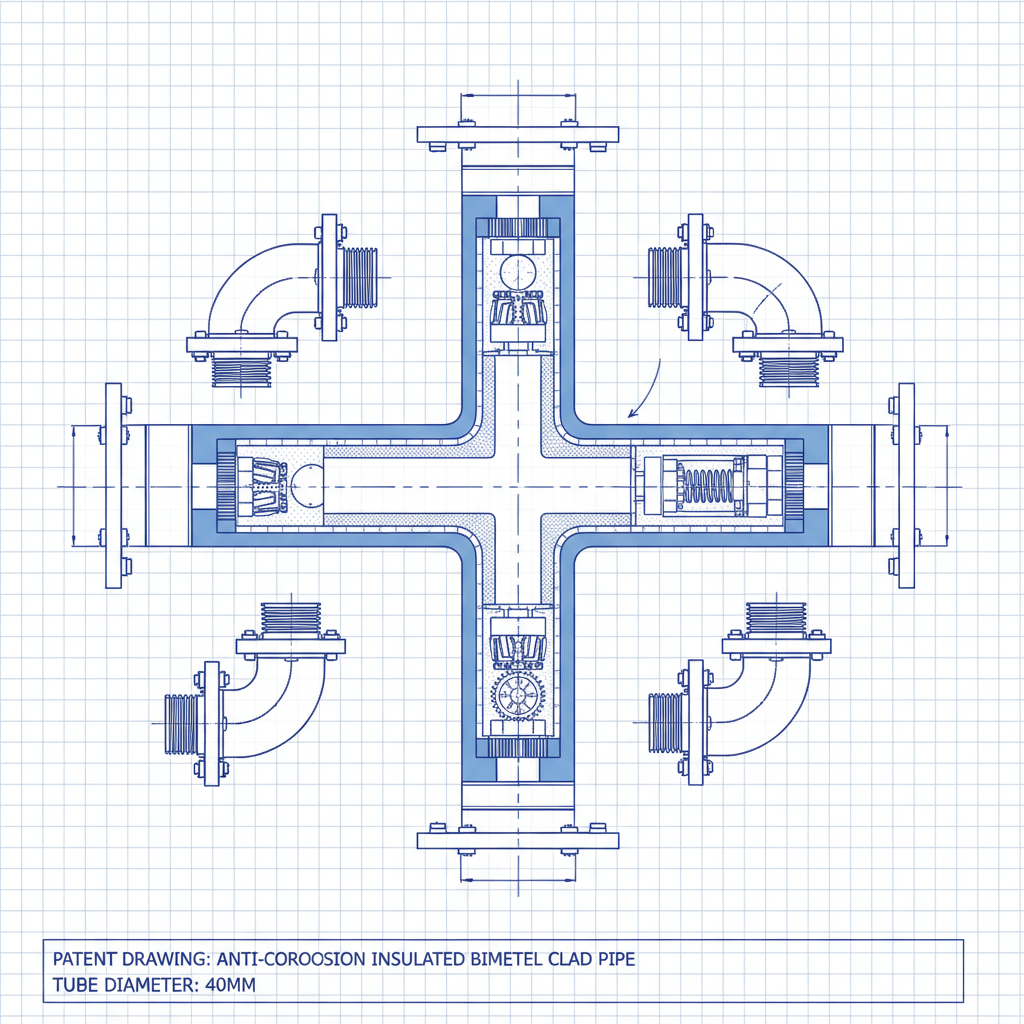
Comprehensive Guide to 40mm Steel Tube Applications and Material Selection
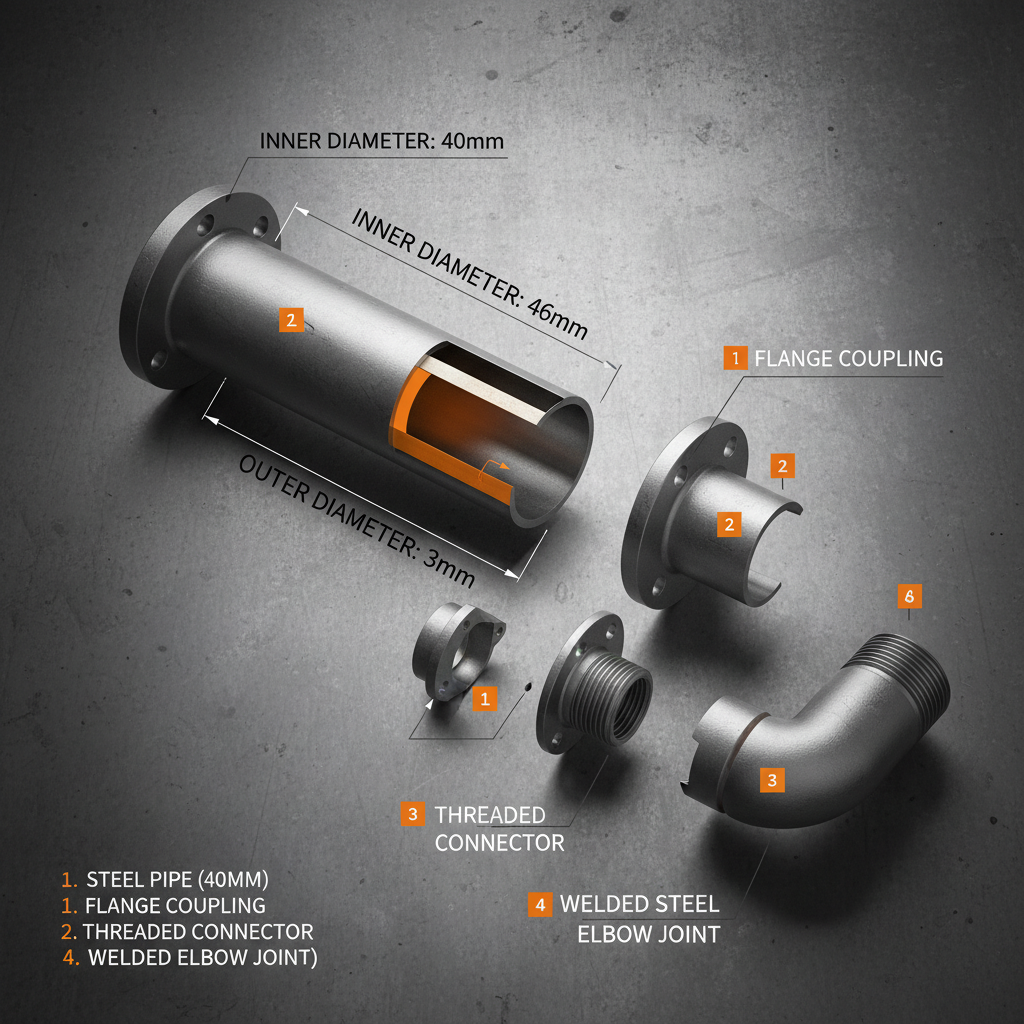
Comprehensive Guide to 40mm Steel Pipe Applications and Considerations
Comprehensive Guide to 40mm Metal Pipe Applications and Sourcing
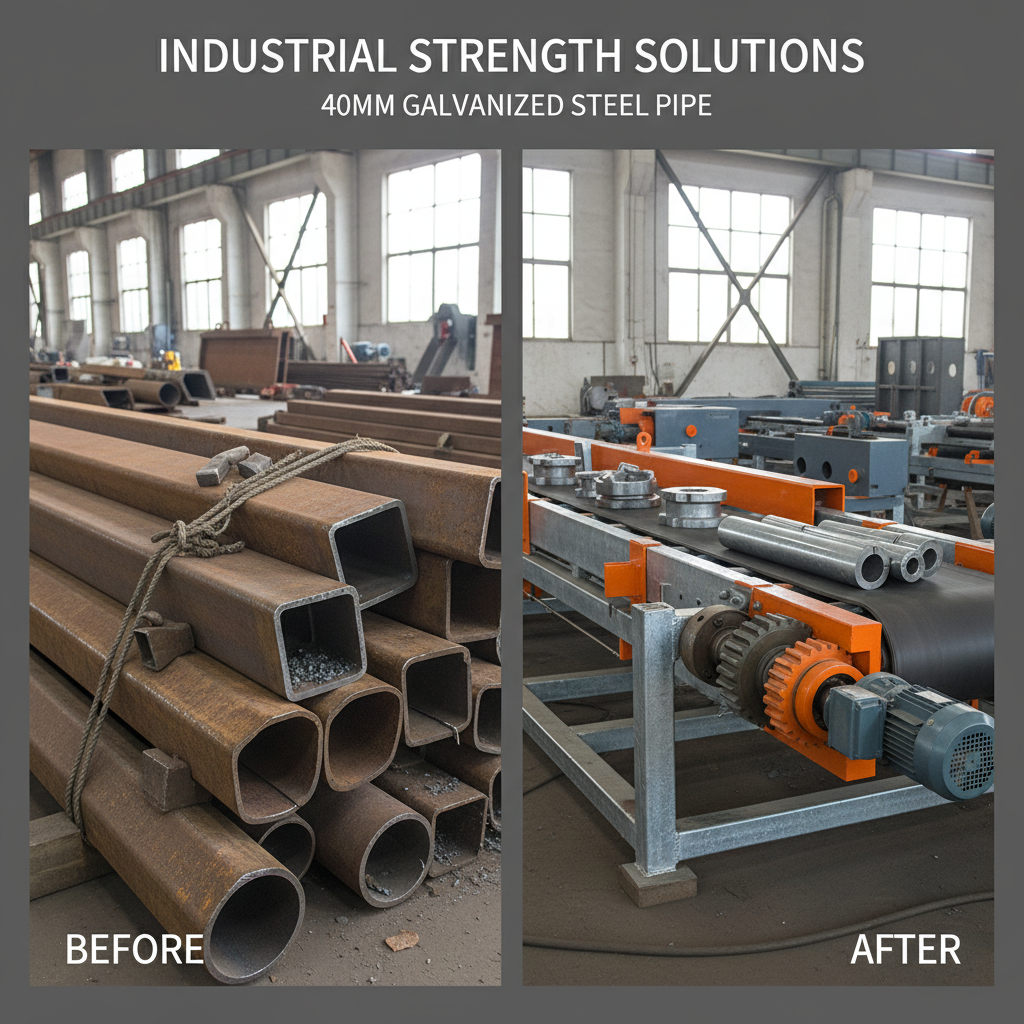
Comprehensive Guide to 40mm Galvanised Pipe Applications and Specifications