In a world increasingly dependent on robust infrastructure, the humble high pressure steel pipe often operates behind the scenes but plays a vital role in supporting everything from energy networks to water systems. If you work in construction, engineering, or any industrial setting, chances are you've encountered these pipes — though maybe not noticed their full impact.
Why does this matter globally? Simple — with urban populations booming and energy demands skyrocketing, reliable pipeline technology is the backbone of sustainable growth. As countries commit to modernizing infrastructure (supported by data from the International Energy Agency and ISO standards), understanding the nuts and bolts of high pressure steel pipes lets businesses and governments plan smarter, safer projects.
Takeaway: High pressure steel pipes aren’t just industrial gear; they’re fundamental enablers of global development and resilience.
Across continents, high pressure steel pipes transport oil, gas, water, and even chemicals under extreme conditions. According to the United Nations Environment Programme, the energy sector alone accounts for a significant chunk of the demand for reliable piping systems worldwide.
Yet, challenges loom — from aging networks in developed nations to rapid expansion in emerging economies. The World Bank estimates nearly $6 trillion will be invested globally over the next two decades to upgrade energy and water infrastructure, emphasizing materials that can endure high pressure and temperature fluctuations.
At the heart of this demand lies a problem: pipes must be durable enough to withstand hazardous environments without breaking down or leaking, which could cause safety hazards or environmental damage. High pressure steel pipe is an answer to these multifaceted challenges.
Takeaway: The global infrastructure landscape is pushing the demand for better, tougher steel pipes — not mere luxury, but necessity.
Put simply: a high pressure steel pipe is a hollow cylinder made from steel, specifically engineered to transport fluids or gases at elevated pressures safely. Unlike regular piping, these pipes undergo strict manufacturing controls, including specific chemical compositions and heat treatments, enabling them to resist deformation, cracking, or corrosion under harsh conditions.
They are the veins of modern industry. Without them, cities couldn't deliver clean water under pressure, oil fields would struggle to export fuel, and so much of industrial production would grind to a halt.
Think of them as the unsung heroes of firefighting systems, power plants, and even humanitarian efforts that require rapid delivery of resources.
Takeaway: These pipes are more than metal tubes — they are engineered tools essential for modern life’s pressing demands.
High pressure steel pipes can withstand pressures well beyond standard pipes, sometimes exceeding 20,000 psi. This comes from advanced metallurgy and manufacturing, which make them less prone to cracks and leaks over decades.
Usually carbon steel or alloy steel, these pipes feature controlled carbon content combined with elements like manganese or chromium to balance strength and flexibility.
Treated with coatings or cathodic protection, high pressure steel pipes can resist chemical attack or oxidation, crucial when buried underground or exposed to salty seawater.
Available in varied diameters, thicknesses, and lengths, these pipes fit everything from small industrial plants to mega pipelines stretching across continents.
Each pipe batch undergoes strict testing — hydrostatic pressure, ultrasonic inspections, and x-rays ensure that they meet international standards such as API 5L or ISO 3183.
Takeaway: The devil’s in the details — manufacturing and testing define how “high pressure” these pipes truly are.
Globally, these pipes find use in many critical sectors. In the Middle East, for example, massive oil extraction fields rely on clusters of high pressure steel pipes connecting wells to refineries, withstanding extreme desert heat and pressure fluctuations.
Meanwhile, Europe’s push towards cleaner energy fuels pipelines that carry hydrogen or natural gas compressed at high pressures — requiring advanced steel pipes that don’t fail under stress.
In the humanitarian sphere, NGOs working in disaster zones employ high pressure steel pipes to quickly establish potable water lines, addressing urgent needs where plastic pipes might not sustain pressure or damage from debris.
Industries such as chemical processing, power generation, and even aerospace manufacturing utilize customized high pressure steel pipe solutions tailored to their precise demands.
Takeaway: The adaptability and robustness of high pressure steel pipes make them indispensable from deserts to disaster zones.
| Specification | Typical Range | Description |
|---|---|---|
| Material Grade | API 5L X52 - X70 | Standard steel grades for pressure pipes |
| Outer Diameter | 21.3 mm to 1,219 mm | Varies based on application |
| Wall Thickness | 2 mm to 40 mm | Greater thickness for higher pressures |
| Maximum Working Pressure | up to 20,000 psi | Dependent on pipe size and grade |
| Corrosion Protection | Fusion bonded epoxy, galvanization | Protects against environmental damage |
| Testing | Hydrostatic, ultrasonic, radiographic | Ensures integrity and safety |
When you consider investing in pipeline infrastructure, choosing high pressure steel pipes isn’t just about toughness — it’s about future-proofing your system. Data from engineering firms consistently highlight lower maintenance costs and fewer unexpected failures over decades.
On a social level, reliable pipes mean safer cities, cleaner water, and less environmental contamination — which in turn build community trust and improve quality of life.
Emotionally, there’s peace of mind knowing your infrastructure can stand up to natural disasters or unexpected surges. It’s a confidence that engineers, planners, and managers crave, especially when people’s livelihoods depend on these systems.
Takeaway: The upfront investment in high pressure steel pipes pays dividends through durability, sustainability, and social trust.
Frankly, the next decade will be exciting for pipeline technology. Innovations include:
Countries striving for net-zero emissions increasingly seek pipeline solutions fit for clean energy carriers like hydrogen — pushing the envelope further.
Takeaway: Innovation isn’t slowing down — high pressure steel pipe technology is evolving to meet modern sustainability and safety demands.
Despite the advancements, challenges remain. Corrosion still tops the list, especially in marine environments or acidic soils. Also, installation complexities and cost constraints can delay large projects.
To tackle these, engineers are turning to multi-layer coatings, cathodic protection systems, and advanced simulation software to pre-plan installations perfectly. New welding techniques and modular pipe systems allow rapid deployment with minimal risk of human error.
Sometimes, even well-made pipes fail because of poor maintenance — emphasizing that material innovation is only one side of the coin.
Takeaway: Industry knows the hurdles and is actively innovating and educating to overcome them.
| Vendor | Product Range | Certifications | Lead Time | Customer Support |
|---|---|---|---|---|
| Lion Pipeline Co. | Diameters 20-1200 mm, Grades X52-X80 | API 5L, ISO 3183 | 4-6 weeks | 24/7 Technical Assistance |
| SteelLine Global | Diameters 50-900 mm, Grades X42-X65 | ISO 9001, API 5L | 6-8 weeks | Multilingual Support, Regional HQs |
| IronWave Industrial | Custom Diameters, Alloy Steel Pipes | API 5CT, ISO 3183 | 8-10 weeks | On-site Training, Project Consulting |
A1: The maximum working pressure depends mainly on the pipe’s material grade, wall thickness, diameter, and manufacturing standards. Higher-grade steels with thicker walls resist pressure better. Testing methods (hydrostatic tests, for instance) also ensure pipes meet or exceed specified pressure limits.
A2: With proper installation and maintenance, these pipes can last 30-50 years or more. Corrosion protection and environmental conditions heavily influence lifespan. Regular inspections help catch issues before they become costly failures.
A3: Absolutely. They are increasingly popular in hydrogen pipelines, geothermal plants, and carbon capture systems due to their strength and durability under harsh conditions.
A4: While steel production has a carbon footprint, the pipes’ longevity and recyclability often make them environmentally preferable over plastics, which degrade or need replacement sooner.
A5: Partnering with certified vendors like high pressure steel pipe suppliers who comply with international standards ensures smooth import. Logistics support and documentation are key — many vendors assist with customs clearance and certification.
Over the years, investing in high pressure steel pipes has proven to be not just functional but strategic — providing the robustness, safety, and sustainability modern infrastructure demands. From energy majors to emergency water supply networks, these pipes quietly underpin countless projects, and frankly, ignoring their benefits isn’t an option anymore.
If you want to learn more, explore product options, or discuss your specific needs, feel free to visit our website: https://www.lion-pipeline.com — or just drop a line to say hi.
Until next time, keep the pressure up, but the leaks down.
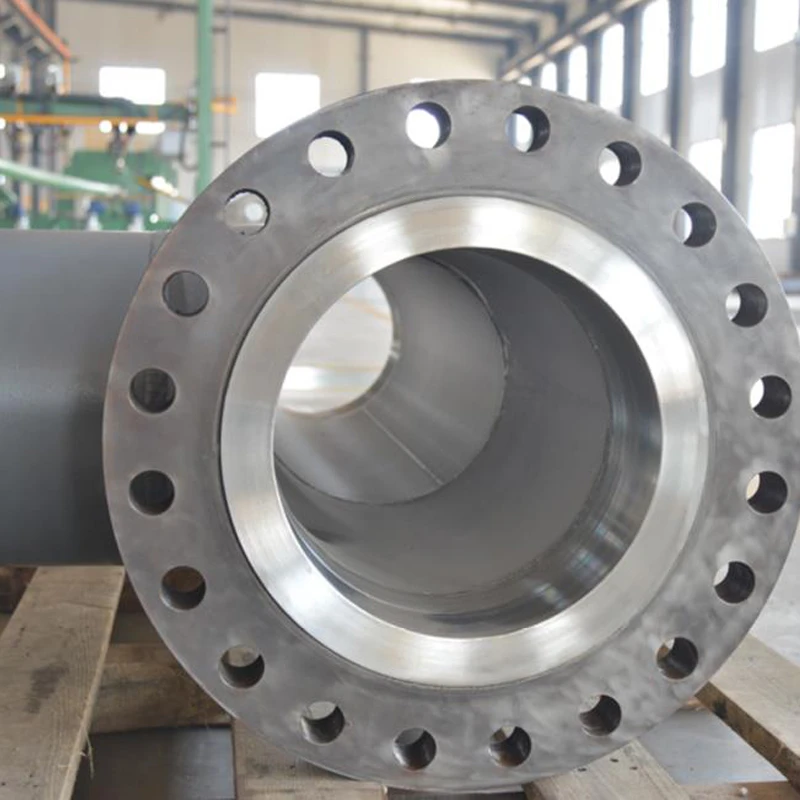
Factory Prefabricated Products
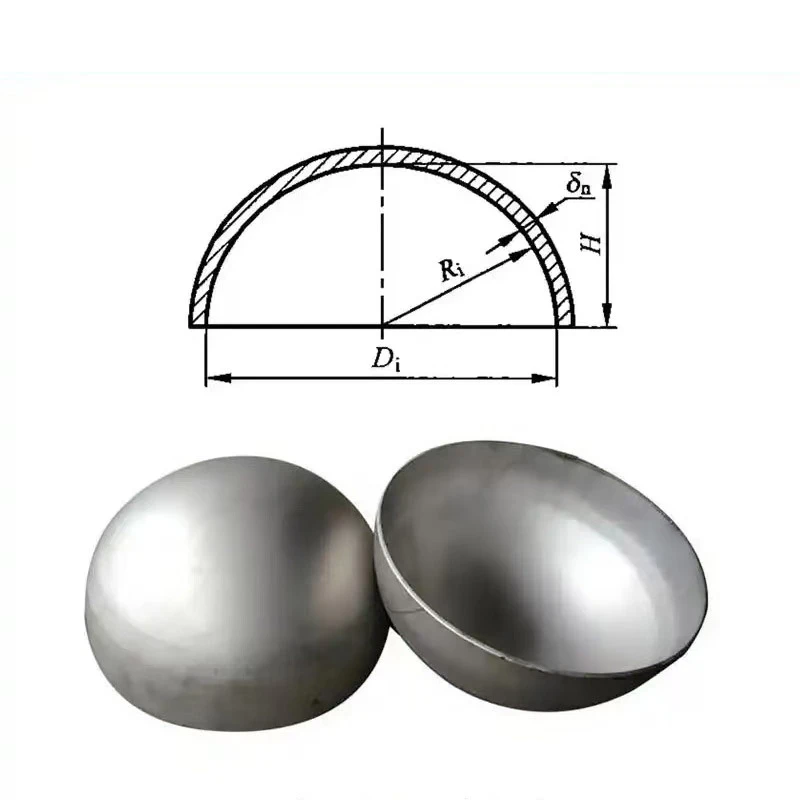
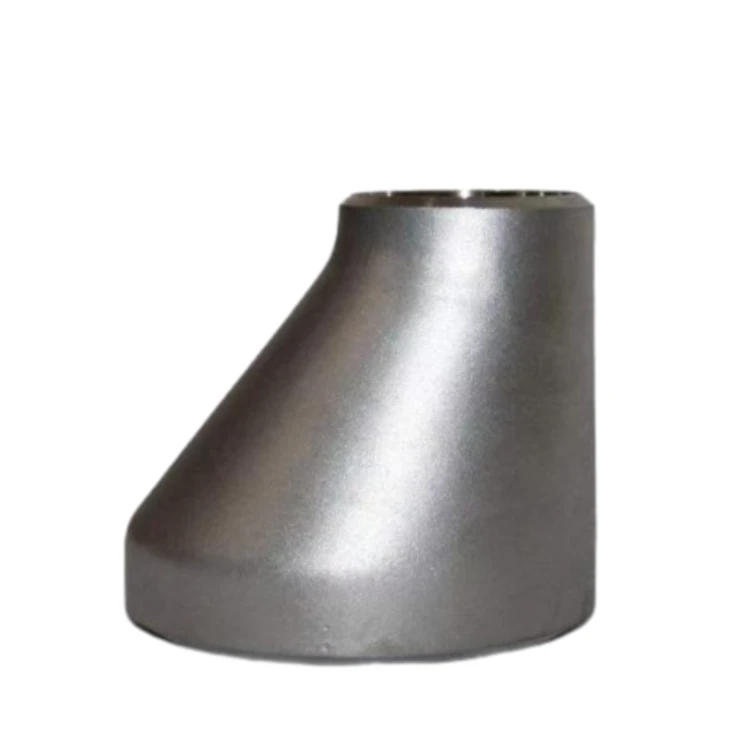
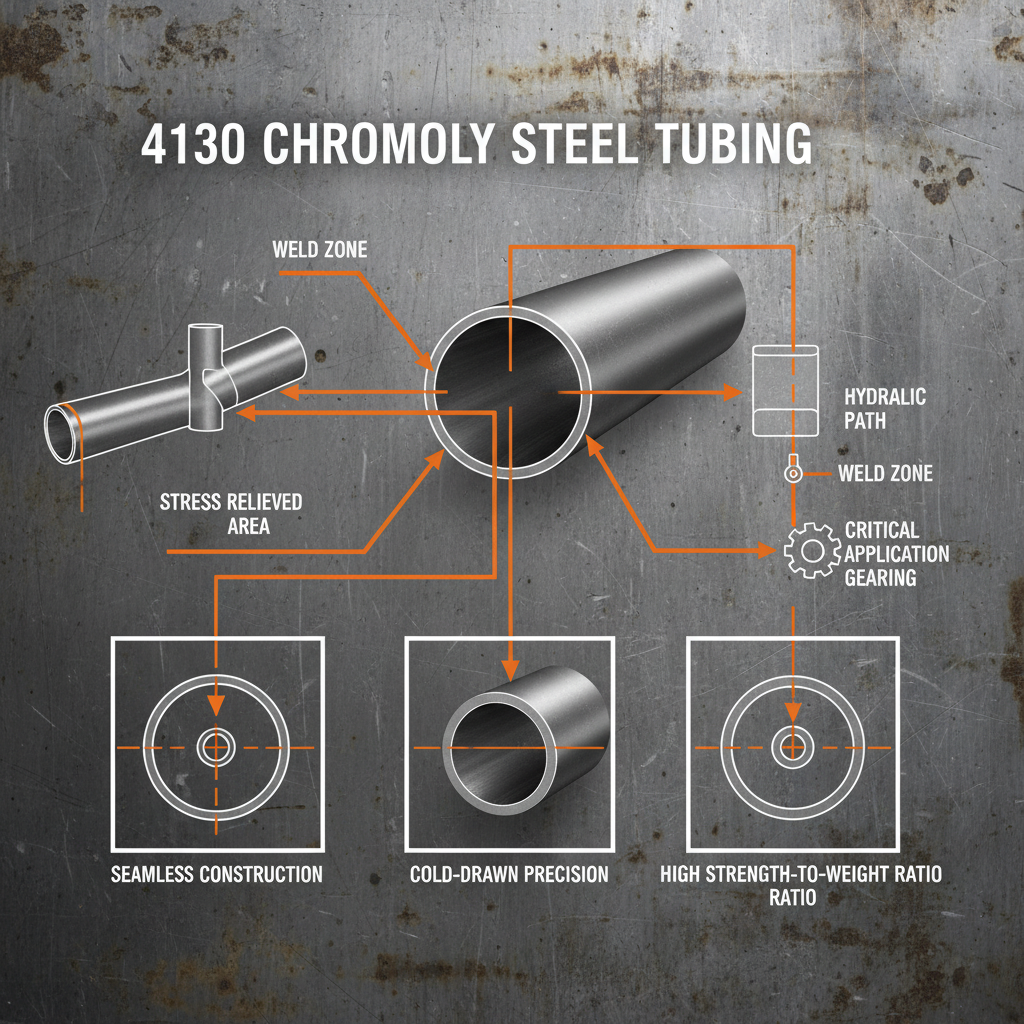
Ultimate Guide to 4130 Tubing Strength Performance and Applications
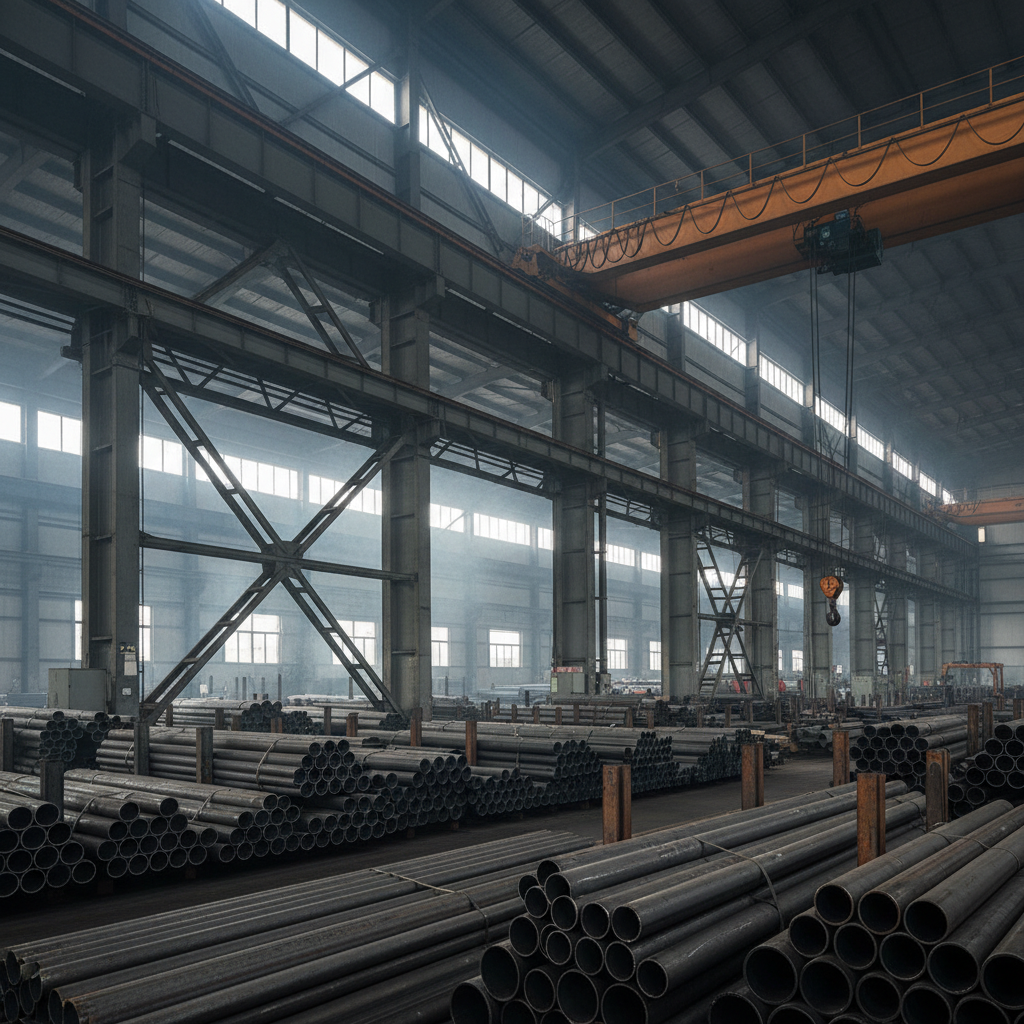
Properties and Industrial Applications of 4130 steel tubing
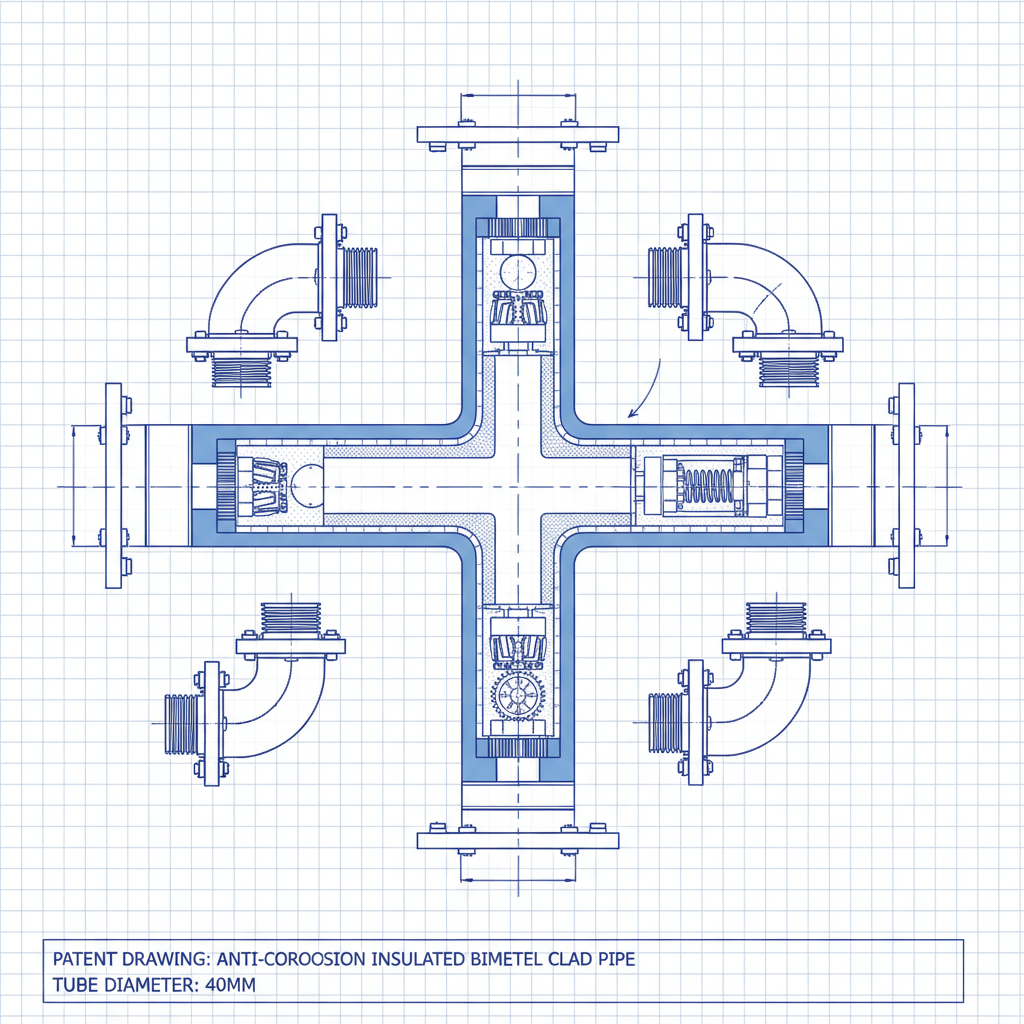
Comprehensive Guide to 40mm Steel Tube Applications and Material Selection
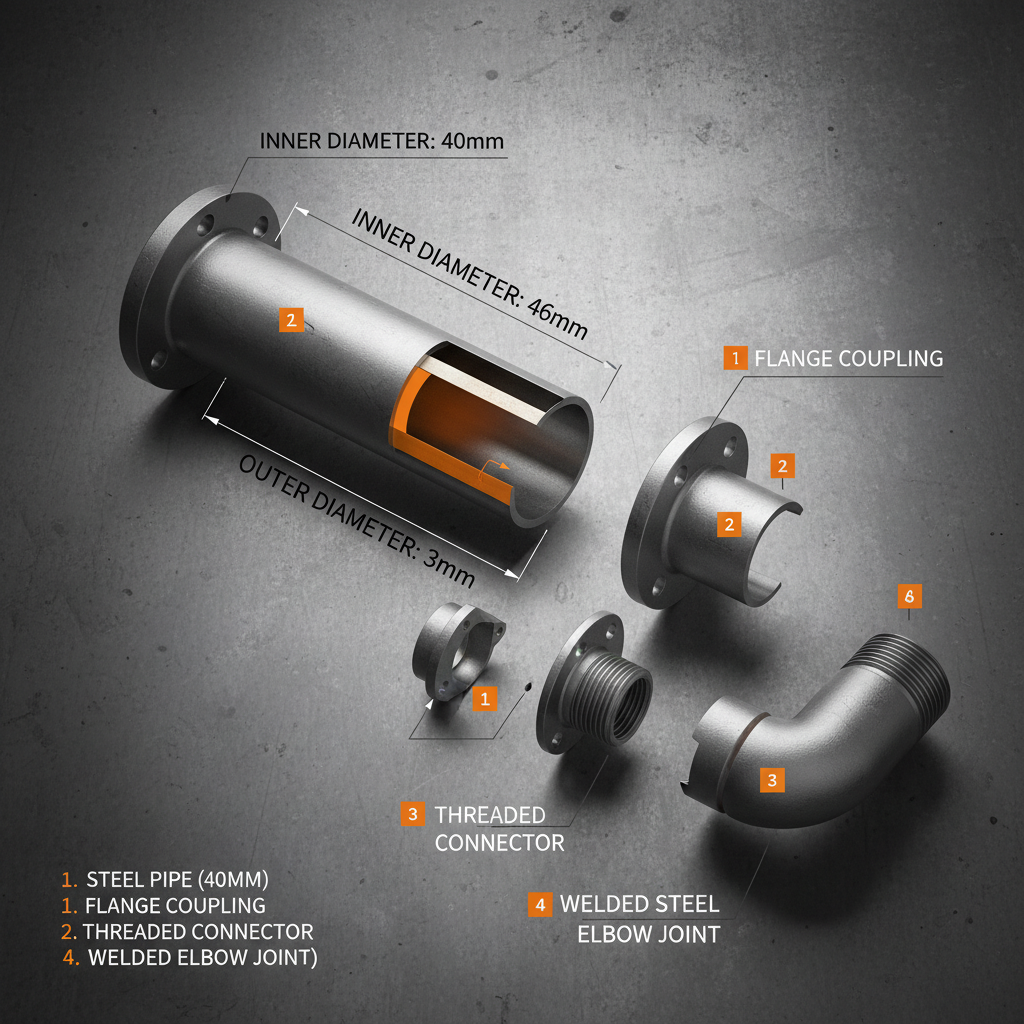
Comprehensive Guide to 40mm Steel Pipe Applications and Considerations
Comprehensive Guide to 40mm Metal Pipe Applications and Sourcing
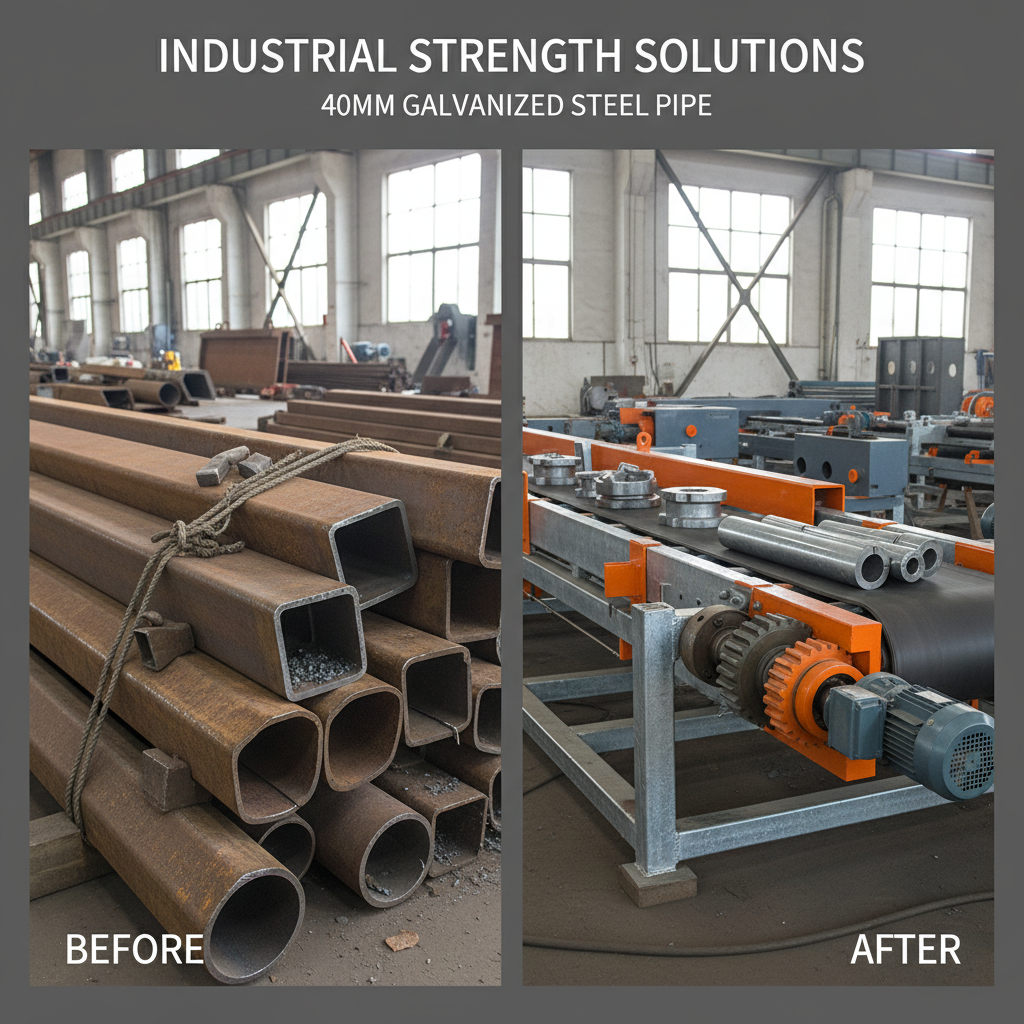
Comprehensive Guide to 40mm Galvanised Pipe Applications and Specifications