Composite pipes have become a cornerstone of the modern industrial pipeline sector. Combining the mechanical strength of metals with the durability and resistance advantages of composite materials, Mechanical Clad Steel Pipe marks a breakthrough in the offerings of advanced composite pipe technology. This article offers an in-depth analysis of composite pipe and related solutions, such as steel pipe manufacturer market trends, technical parameters, application scenarios, supplier comparison, customization, real-world case studies, and more.
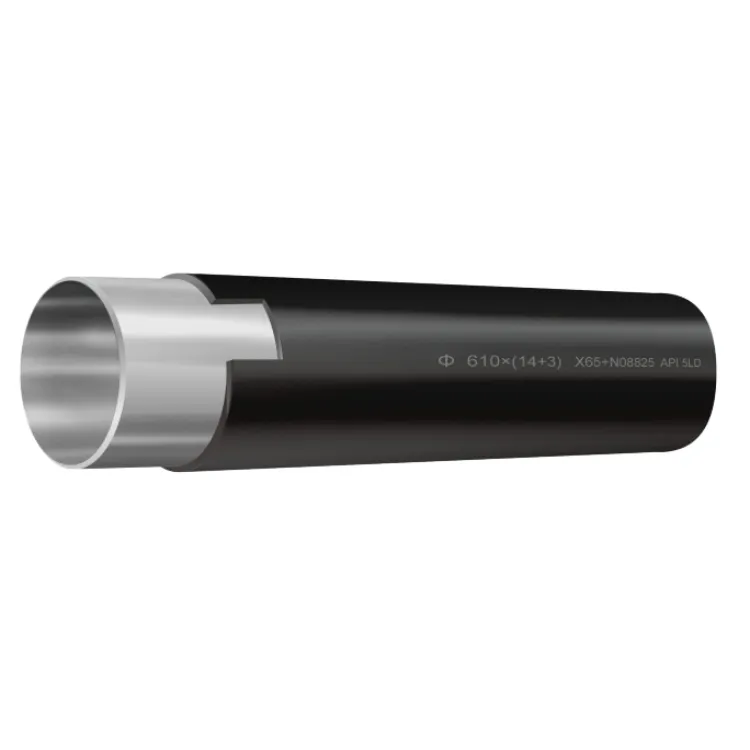
The composite pipe industry is projected to achieve a CAGR of over 6.2% between 2024 and 2030. According to MarketsandMarkets, robust demand from sectors such as oil & gas, petrochemical, municipal water supply, and industrial manufacturing is driving technological transformation and material innovation, with Mechanical Clad Steel Pipe emerging as a leading solution.
The Mechanical Clad Steel Pipe uses advanced cladding techniques—combining high-strength carbon or alloy steel with corrosion-resistant alloys (CRAs) such as stainless steel or nickel, via mechanical bonding. It achieves optimal mechanical performance, cost-efficiency, and long-term anti-corrosion capacity, outperforming conventional steel pipes in hostile environments. Learn more at the Mechanical Clad Steel Pipe official page.
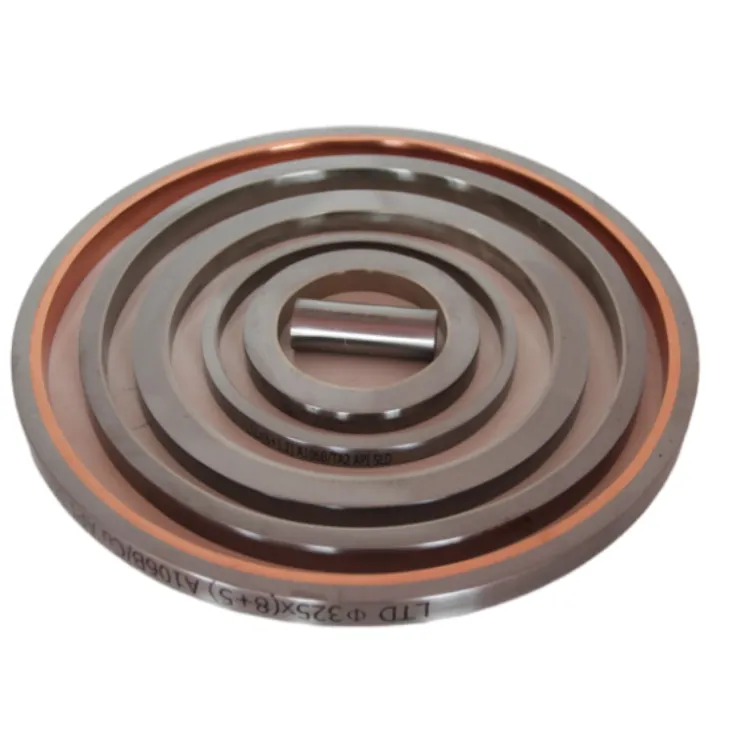

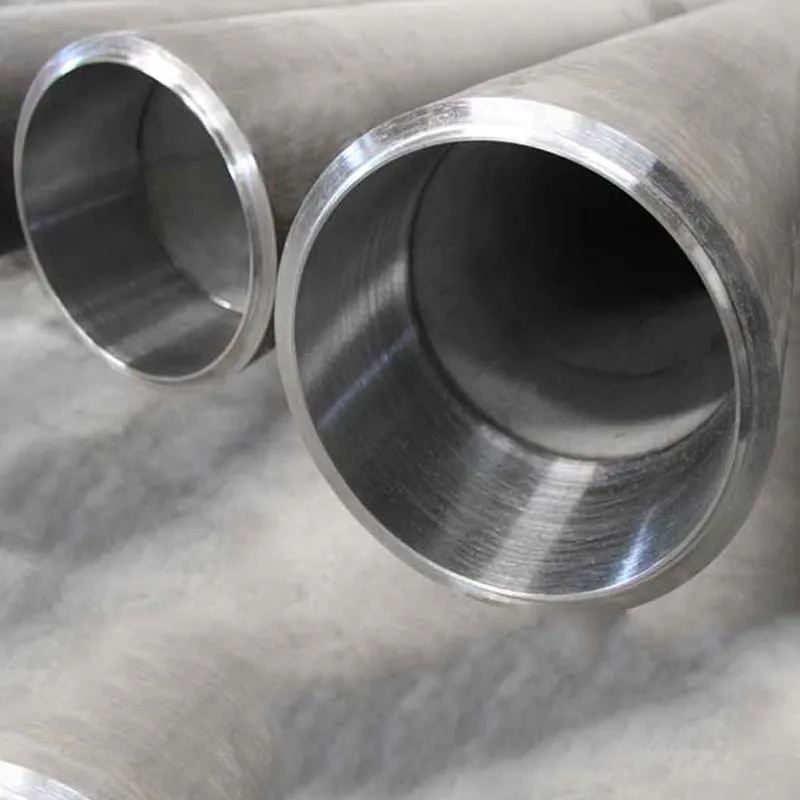
The following table aggregates and compares the major technical parameters of composite pipe from leading steel pipe manufacturers worldwide. Mechanical Clad Steel Pipe shows significant advantages in mechanical strength, corrosion resistance, and lifecycle cost.
| Parameter | Mechanical Clad Steel Pipe | Traditional Steel Pipe | Plastic Composite Pipe |
|---|---|---|---|
| Pipe Standard | ISO 3183 / API 5LD / ASME B31.8 | API 5L / ASTM A106 | ISO 4437, ASTM F714 |
| Diameters (mm) | DN 50–1200 | DN 15–1800 | DN 50–630 |
| Working Pressure (MPa) | up to 25.0 | up to 20.0 | up to 1.0 |
| Max Temperature (°C) | up to 380 | up to 340 | 80–100 |
| Corrosion Resistance | Excellent (Surface & Interface) | Poor to moderate | High (Internal), moderate(External) |
| Joining Method | Welded / Flanged | Welded | Socket / Electro-fusion |
| Life Cycle (Years) | ≥30 | 10~18 | 15~30 |
| Key Application | Oil, Gas, Petrochemical, Seawater | General Industry, HVAC | Water, Gas (low/mid pressure) |
Studies (e.g., Recent Developments on Clad & Composite Pipe) prove that composite pipe greatly reduces overall lifecycle cost despite slightly higher procurement price compared to bare steel pipe.
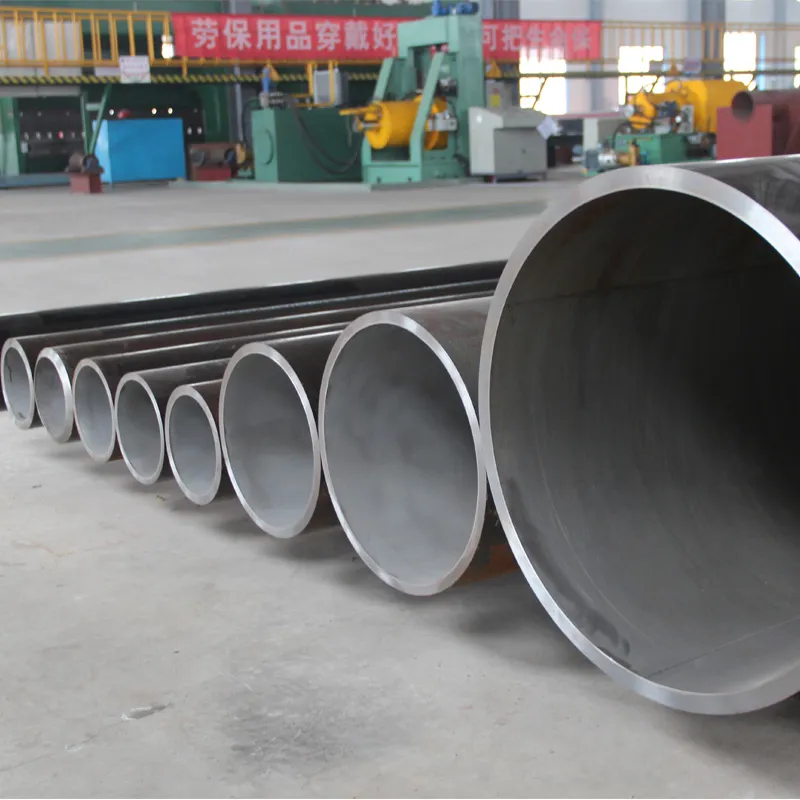
| Supplier | Product Family | Certification | Major Project | Location |
|---|---|---|---|---|
| Lion Pipeline | Mechanical Clad Steel Pipe, Lined/Overlay Pipes | ISO 3183, API 5LD, DNV-GL | CNPC CNOOC deep sea pipeline | China |
| Tenaris | Clad/CRA pipe, Welded steel pipe | ISO 9001, API Q1 | Petrobras subsea, Shell projects | Italy/Global |
| Vallourec | Mechanical alloy, Arc welded pipes | ISO 14001, EN10216 | Total offshore, ADNOC refineries | France |
| TMK | Clad, Mechanical steel pipe | ASME B31.8, GOST | Middle East, Gazprom projects | Russia |
Mechanical Clad Steel Pipe has been extensively used in offshore and onshore oilfields to transport multi-phase fluids, saline formation water, and high-pressure gas. For example, a Middle East NOC deployed 64km of 12" x 9.52mm 316L clad composite pipe, resulting in zero corrosion failure after 7 years of 150°C, 10.2 MPa operation.
World-leading refineries employed mechanical steel pipe in process lines handling H2S and organic acids. Maintenance downtime dropped by 80% after replacement of traditional carbon steel pipelines.
In Asia, a metropolitan water company selected clad composite pipelines for an 18km potable water tunnel project. This guaranteed 100% compliance with WHO water quality standards and reduced leakage by 55% compared to legacy steel pipe installations.
At a major steelworks, mechanical clad piping replaced lined carbon steel for hydrochloric acid recycling. Annual cost saving exceeding $350,000, elimination of yearly pipe changeouts.
Customer Experiences:Mechanical Clad Steel Pipe stands at the forefront of composite pipe technology—delivering performance, reliability, and sustainability across multiple industries. Backed by stringent standards, real-world project experience, and fully customizable support, it is the top choice for oil & gas, petrochemical, water, and metallurgical pipelines.
“Research in journals like International Journal of Precision Engineering and Manufacturing and Journal of Cleaner Production confirm: advanced composite pipe manufacturing,
including mechanical clad processes, is reshaping the global pipeline landscape with lower cost, higher reliability, and longer life cycles.”
- Referenced from Eng-Tips Forum and ResearchGate

Ultimate Guide to 4130 Tubing Strength Performance and Applications
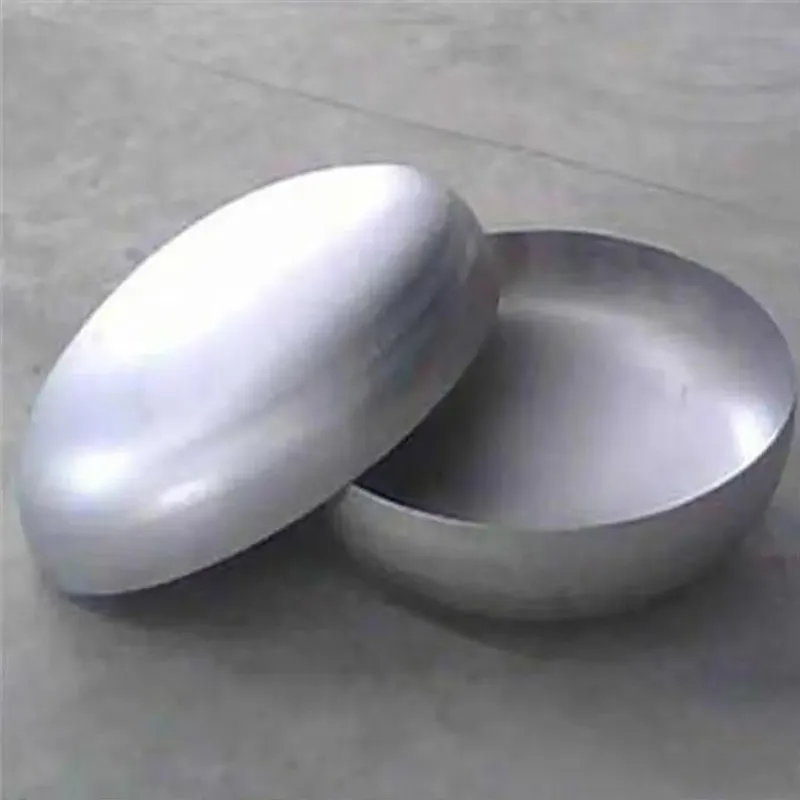
Pipe Cap-Cangzhou Lion Technology Co., Ltd.|Enhancing System Efficiency&Durability
Pipe Cap-Cangzhou Lion Technology Co., Ltd.|Enhancing System Efficiency&Durability
Pipe Cap-Cangzhou Lion Technology Co., Ltd.|Enhancing System Efficiency&Durability
Pipe Cap-Cangzhou Lion Technology Co., Ltd.|Enhancing System Efficiency&Durability
Pipe Cap-Cangzhou Lion Technology Co., Ltd.|Enhancing System Efficiency&Durability