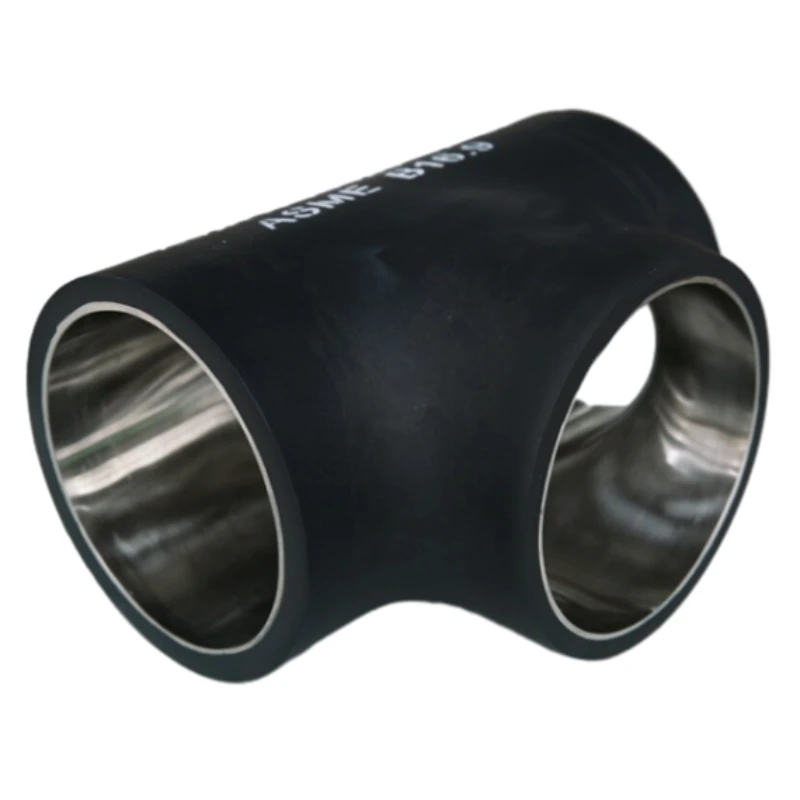
The advancement of composite pipe technologies has transformed essential industries such as petrochemical, metallurgy, water distribution, and energy infrastructure. Amid increasingly demanding application scenarios, considerations like material durability, corrosion resistance, and lifecycle cost have brought solutions like the Mechanical Clad Steel Pipe to the forefront.
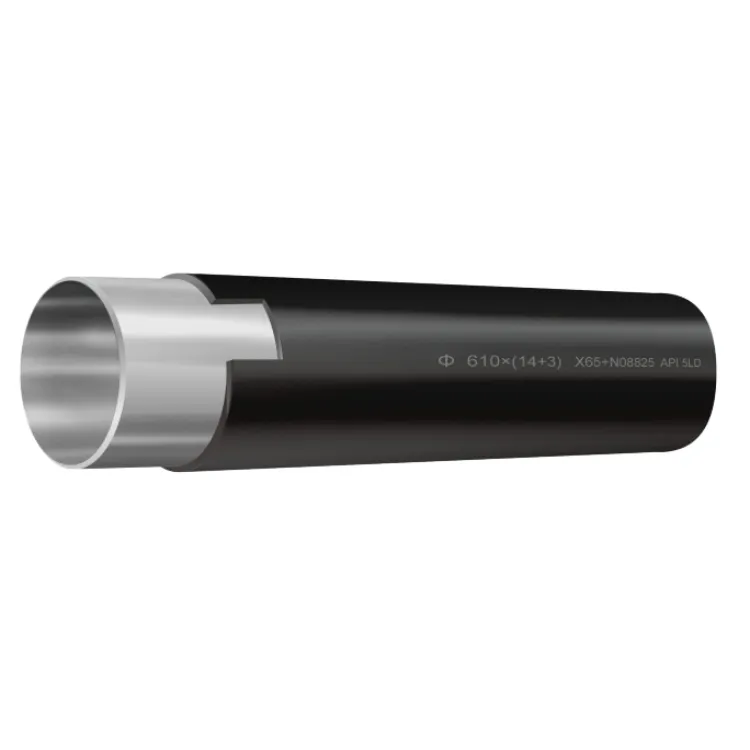
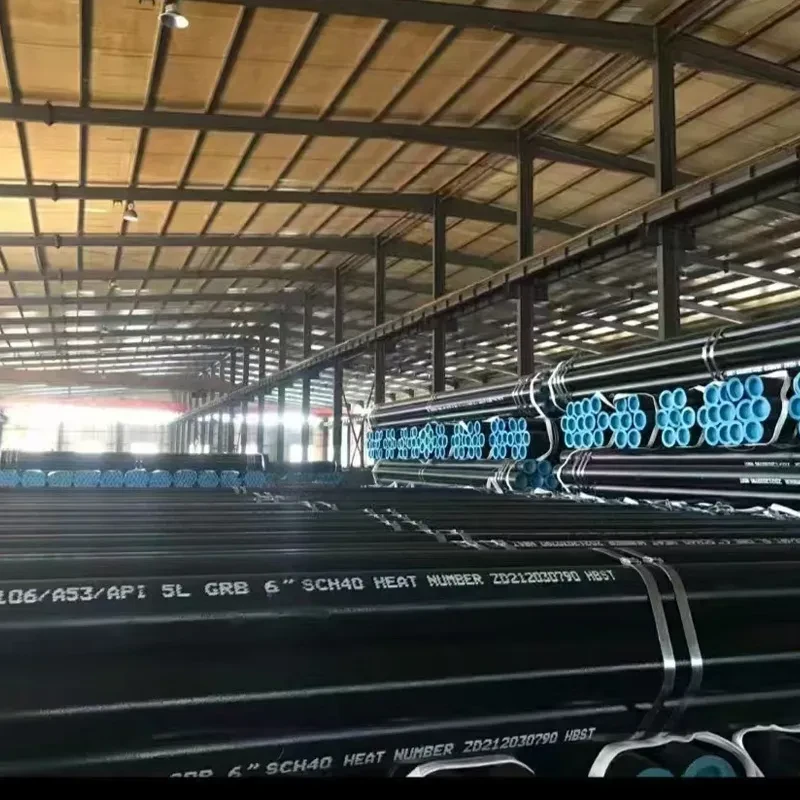
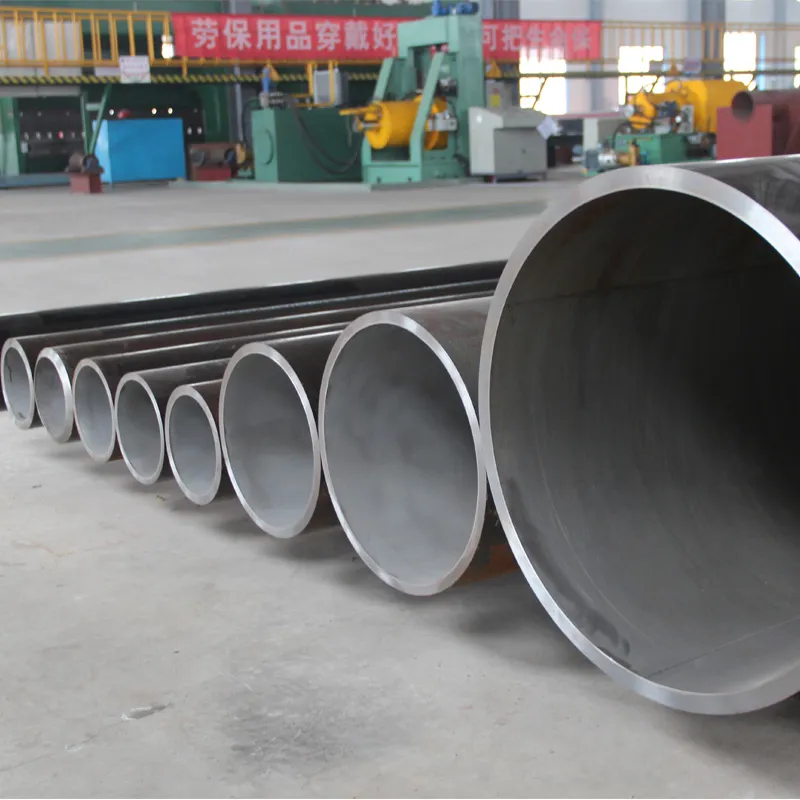
Mechanical clad steel pipe applied in a large oil & gas project
1. Industry Trends: The Rise of Composite Pipe Technology
The global demand for composite pipe composite pipe is surging. According to MarketsandMarkets research, the composite pipe market is expected to reach USD 11.5 billion by 2027, at a CAGR of 4.5% (2022-2027), driven by infrastructure upgrades, chemical processing, and offshore oil & gas developments.
Distinguished from traditional steel pipe, composite solutions, especially mechanical steel pipe, offer modularity, enhanced strength-to-weight ratios, and tailored corrosion resistance, driving their adoption worldwide.
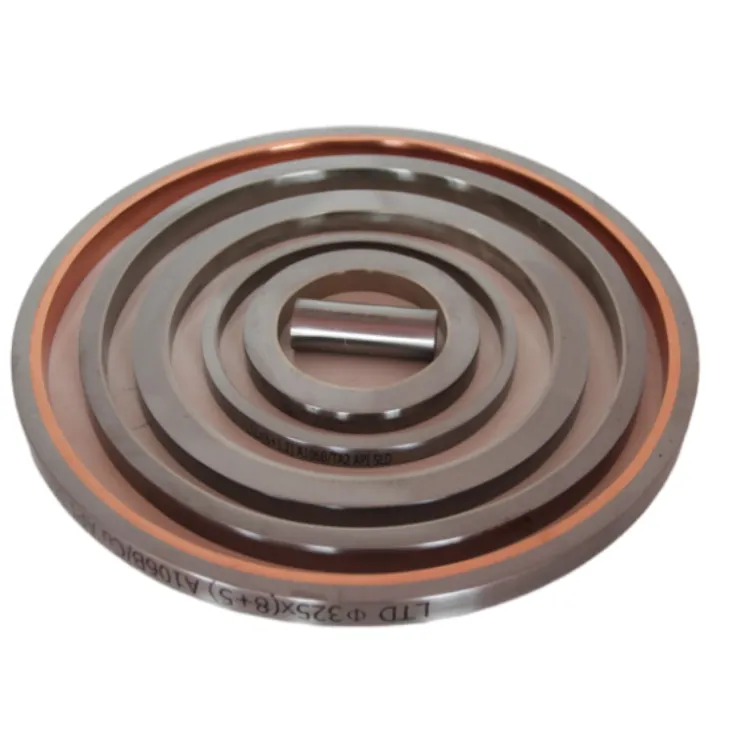
Cross-section of a composite clad pipe with corrosion-resistant alloy
2. Composite Pipe Parameters & Technology Comparison
Core Technical Parameters of Composite Pipe vs. Standard Steel Pipes
| Pipe Type |
Material Grades |
Outer Diameter (mm) |
Design Pressure (MPa) |
Corrosion Rate (mm/year) |
Lifespan (years) |
Industry Application |
| Composite Pipe |
SS316L+CS/API X65 |
89–1219 |
Up to 35 |
<0.003 |
45–60 |
Oil & Gas, Chemical, Water |
| Mechanical Steel Pipe |
Mild Steel, Alloy Steel |
21.3–609 |
Up to 25 |
0.04–0.12 |
18–35 |
Construction, Machinery |
| Stainless Steel Pipe |
SS304/SS316 |
6–1016 |
Up to 30 |
0.01 |
30–40 |
Chemical, Food, Medical |
3. Mechanical Clad Steel Pipe: Manufacturing Process Flow
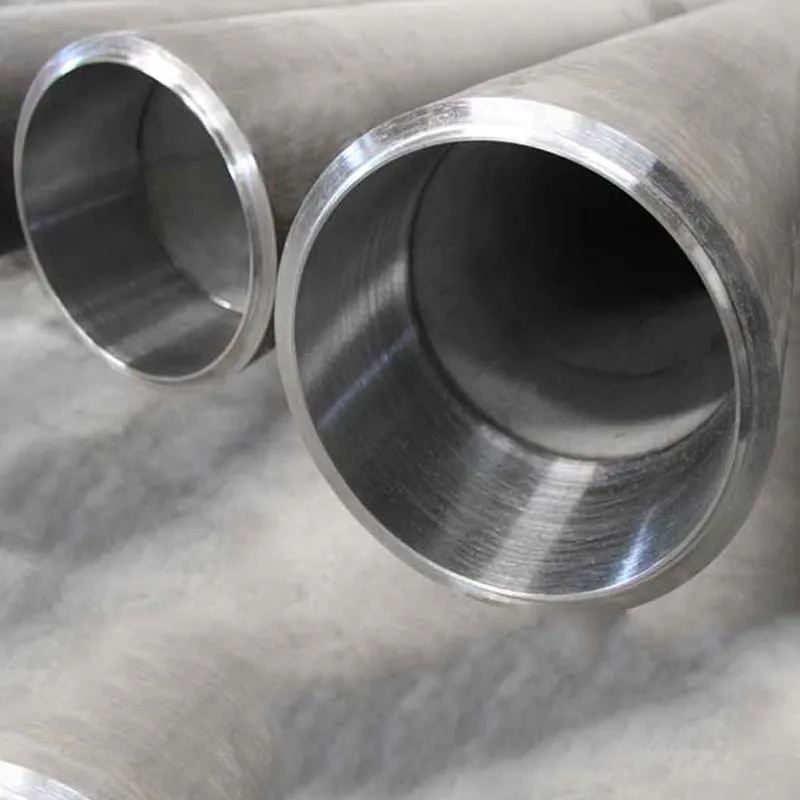
- Raw Material Preparation: Carbon steel and corrosion-resistant alloy (CRA) plates (e.g., SS316L, Inconel 625, Duplex 2205) are meticulously selected and pre-processed for uniformity.
- Surface Cleaning/Preparation: Mechanical/chemical cleaning ensures surface roughness (≤ Ra 3.2 µm) for optimal metallurgical bonding and defect prevention.
- Clad Bonding: Using mechanical cladding techniques under high pressure and controlled temperature, plates are physically pressed and optionally thermally fused to form a robust bimetallic composite.
- Pipe Forming: The composite billet is rolled or pressed into cylindrical shape (longitudinal seam or spiral seam), then welded using SAW/GTAW processes ensuring precise seam integrity (ISO 3183/ANSI B31.3).
- Heat Treatment & CNC Finishing: Stress relief and precision machining (CNC turning, ultrasonic inspection) ensure accuracy and mechanical property consistency.
- Non-Destructive Testing (NDT): Ultrasonic, X-ray, hydrostatic, and corrosion testing as per international norms (ASME/ISO/EN), guaranteeing a weld defect rate <0.2%.
- Final Inspection & Packaging: Dimensional checks, marking, and API-compliant packaging for global delivery.
4. Core Technical Specifications: Mechanical Clad Steel Pipe
Key Parameters: Mechanical Clad Steel Pipe vs. Traditional Options
| Parameter |
Mechanical Clad Steel Pipe |
Alloy Seamless Pipe |
Plastic-lined Steel Pipe |
| Outer Diameter (mm) |
89–1219 |
21.3–609 |
32–426 |
| Wall Thickness (mm) |
6–50 |
2.3–60 |
3.5–15 |
| Design Pressure (MPa) |
≤ 35 |
≤ 25 |
≤ 10 |
| Max Length (m) |
18 |
12 |
12 |
| Total Weight (kg/m) |
18–340 |
7–224 |
6–84 |
| Corrosion Resistance |
Excellent (CRA Layer) |
Moderate |
Good (internal only) |
| Estimated Lifespan (years) |
45–60 |
20–35 |
8–18 |
| ISO/API Compliance |
ISO 3183, API 5LD, EN 13480 |
API 5L, ASTM A335 |
GB/T 28897, ASTM F1545 |
5. Application Scenarios & Case Advantages
Clad pipes installed in complex refinery process units
-
Petrochemical Industry: In refineries and offshore platforms, composite pipe delivers resistance to H2S, CO2, and saline conditions. Example: Asia’s largest onshore sour-gas project (2022) chose Mechanical Clad Steel Pipe for over 200km of trunklines, reducing OPEX by 27% compared to Inconel seamless.
-
Metallurgy & Steelworks: Used for conveying corrosive slurries and chemicals, ensuring a lifetime twice as long as regular mechanical steel pipe.
-
Municipal Water & Desalination: Low-permeability alloy layers prevent chloride-induced stress corrosion, meeting ISO 24516 and AWWA C210 standards.
-
Custom Engineered Solutions: For nuclear, LNG, and critical infrastructure, hybrid composite designs provide tailored cost/performance ratios with complete third-party QA and traceability.
Case Highlight: A leading steel pipe manufacturer supplied customized composite pipe to a Middle East fertiliser process plant. The result: zero corrosion failures after 6 years, compared to typical replacement intervals of 18–22 months for conventional pipes.
6. Technical Advantages: Why Choose Mechanical Clad Composite Pipe?
-
Superior Corrosion Protection: CRA cladding prevents uniform/localized corrosion, as proven by tests meeting ISO 21457/EN 10296-2 standards—max allowable corrosion rate <0.005 mm/y.
-
Cost-Efficiency: Typical cost savings of 25–40% against full alloy pipe, due to thin CRA layer and carbon steel substrate synergy.
-
Customizability: Pipe dimensions, CRA thickness (1.5–10mm), and end connections can be tailored per ASME/EN standards or client specs.
-
Superior Structural Integrity: Dual-layer construction maintains high mechanical strength (Yield: 355–490 MPa) while allowing for thinner walls and lighter installation.
-
Third-Party Certification: Products are certified by ABS, BV, DNV, Lloyd’s Register, and meet PED/ISO/API/EN/ANSI requirements—ensuring seamless global project acceptance.
-
Sustainability: Extended lifecycle reduces environmental impact and maintenance downtime.
7. Manufacturer Comparison & Custom Service Solution
Global Leading Mechanical Clad & Composite Pipe Manufacturers
| Company |
Core Product |
Certification |
Capacity (tons/year) |
Global Clients |
Service Options |
| Lion Pipeline |
Mechanical Clad Steel Pipe
composite pipe
|
ISO 9001, API, PED, DNV |
20,000 |
Shell, Aramco, BASF, Sinopec |
Design+Custom+Onsite+Warranty |
| Butting Group |
Clad Pipe, Welded CRA |
PED, ISO 14001, OHSAS |
25,000 |
BP, ExxonMobil, Total |
Engineering+Fabrication |
| Baosteel |
CRA Clad & Mechanical Pipe |
API, ISO, BV |
32,000 |
CNOOC, Petrobras, Chevron |
Custom spec+Testing |
| Tenaris |
Mechanical & Lined Pipe |
API 5L, ISO 3183 |
30,000 |
ADNOC, Rosneft, Eni |
Integrated supply chain |
Custom Solution Workflow at Lion Pipeline
- Specification Review & Sample Drawing Confirmation
- Material Selection & Welding Procedure Qualification (WPS/PQR/ISO9648)
- Batch Pilot Production & Advanced NDT (ultrasonic, X-ray)
- Witness Testing (Customer/Third-Party Audit)
- Pack & Ship per International Standard (DNV certified)
- Onsite Installation, Supervision, and 24/7 Technical Support
8. Application Case: Large-scale Sector Deployment
Northeast Asia Refinery, 2023:
“With over 186km of composite pipe supplied and installed, project maintenance costs dropped by 31%. Annual shutdowns for internal lining checks were extended to 5 years, compared to previous 2-year cycles. Lion Pipeline’s after-sales team provided rapid on-site diagnostics during commissioning, ensuring record project delivery.”
Customer: Sinopec Engineering
Pipe Grade: CS + 316L
Project Size: 180,000 DWT
Delivered: 2023
9. FAQs: Composite Pipe & Mechanical Clad Steel Pipe
Frequently Asked Technical Questions
-
Q1. What are the main base and clad materials used in mechanical composite pipe?
A1: Base pipes are typically made from API 5L Gr X42–X70 carbon steels, while clad/alloy layers use SS316L, Inconel 625, or Duplex 2205. Selection aligns with the targeted corrosion resistance and process environment.
-
Q2. How does pipe wall thickness affect pressure rating and lifetime?
A2: Both steel and clad thicknesses (e.g., 8mm+3mm) are engineered per ASME B31.3 to handle high design pressures (eg, up to 35 MPa), with clad thickness primarily ensuring anti-corrosive performance.
-
Q3. What are the accepted international standards for manufacturing composite pipe?
A3: Standards include ISO 3183, API 5LD, EN 13480, and relevant NACE/MSS-SP norms.
-
Q4. Which industries benefit most from mechanical clad and mechanical steel pipe?
A4: Oil & Gas, Chemical/Petrochemical, Mining, Water Desalination, and Power Generation due to their requirements for enhanced durability and anti-corrosion.
-
Q5. How is installation quality ensured onsite?
A5: Installation teams adhere to ISO 15614, using prequalified welding/WPS, automated orbital welding, and ultrasonic/NDT validation.
-
Q6. What is the guaranteed lifecycle and what warranty is provided?
A6: Lion Pipeline provides a 20-year standard product warranty, with projected service lives of 45–60 years—underpinned by periodic inspection and predictive maintenance plans.
-
Q7. Can product parameters (grade, diameter, length) be fully customized?
A7: Yes, all dimensions, alloy grades, and connection standards (flanged, welded, grooved) are customizable, supported by dedicated CAD/CAE design, simulation, and full documentation.
10. Delivery Time, Warranty and After-sales Support
-
Lead Time Standard production: 35–55 days. Expedited batches: 21–29 days for urgent shutdown/outage projects.
-
Warranty 20-Year product performance guarantee, backed by full traceability and on-demand inspection.
-
After-sales 24/7 service hotline, global onsite troubleshooting, and bilingual technical documentation.
-
Quality Assurance Each batch undergoes third-party witnessing (SGS/TÜV/Intertek) and maintains ISO 9001:2015-compliant records.
11. Conclusion & References
Mechanical Clad Steel Pipe and advanced composite pipe innovations are setting new industry benchmarks for reliability, cost-effectiveness, and sustainability. With continuous upgrades in material science, process automation, and international certification, end users can maximize ROI and ensure secure, long-life service across the most demanding projects.
-
Reference 1: “Composite Pipes for Oil and Gas: Field Experience and Technical Updates”, ResearchGate
-
Reference 2: “Effect of Clad Pipe vs. Lined Pipe in Corrosive Service”, Materials Performance 2020, NACE International, Materials Performance
-
Reference 3: “Clad Pipe and CRA Lined Pipe: Market Analysis and Standards”, Offshore Technology Forum 2022,Offshore Technology
-
Reference 4: Forum Topic: Best Practice for Mechanical Clad in Sour Service Pipelines, Eng-Tips Forum