Integrating piping systems within modern buildings demands rigorous fire safety measures, particularly for insulated steel pipe networks carrying steam, hot water, or chemicals. These systems must maintain thermal efficiency while preventing fire spread and structural compromise. Fireproofing requirements for insulated steel pipe in buildings encompass material selection, passive fire protection (PFP) integration, and adherence to international safety standards. Failure to comply risks catastrophic consequences, making robust engineering and manufacturing essential for high-rise structures, industrial facilities, and energy plants.
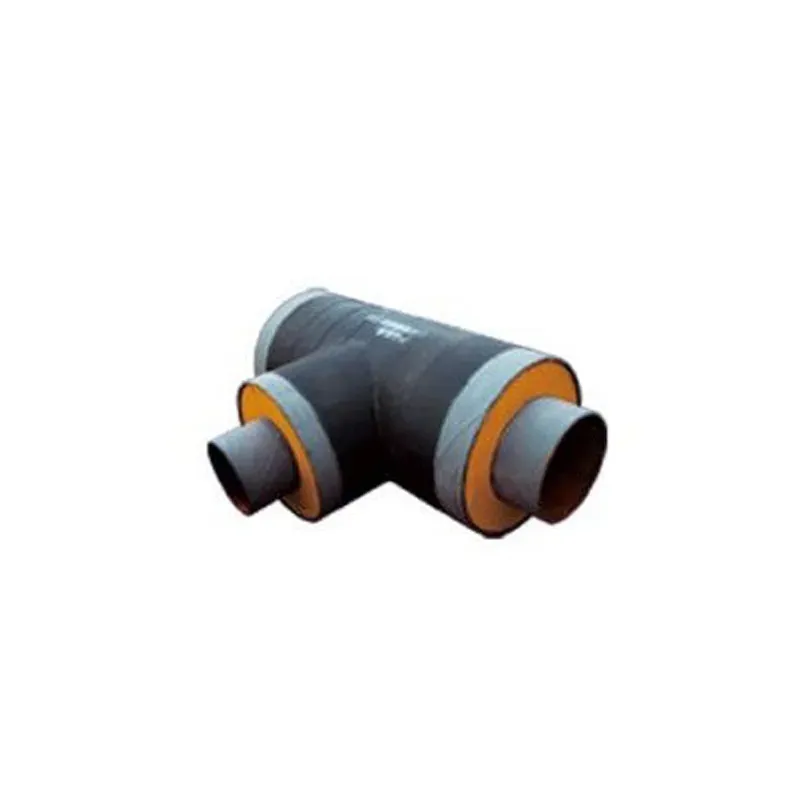
Meeting fireproofing requirements involves selecting non-combustible insulation (e.g., mineral wool), applying fire-resistive coatings or wraps, and using firestop seals at penetrations. Pre insulated steel pipe systems must be designed with these protections integral to the assembly, especially for vertical chases or plenums where fire can rapidly ascend.
Factory-applied pre insulated steel pipe offers inherent fire safety advantages over field-insulated alternatives:
Manufacturers adhering to standards like EN 14390 or ASTM E814 ensure their pre insulated steel pipe assemblies undergo rigorous fire endurance and hose stream tests.
Pre insulated carbon steel pipe remains prevalent due to its strength and cost-effectiveness. Its fireproofing relies heavily on the insulation system:
Delivering compliant insulated steel pipe systems requires advanced materials science and large-scale manufacturing precision. Cangzhou Lion Technology Co., Ltd., a premier high-tech enterprise in Hebei Province, leverages its expertise to support critical fireproofing requirements:
Key standards include ASTM E119 (fire-resistance testing), ASTM E814 (firestop systems), NFPA 90A (HVAC systems), and IBC/IFC penetration sealing requirements. Pre insulated steel pipe assemblies must be tested per these protocols.
Pre insulated steel pipe features consistent outer diameter and jacketing, allowing pre-approved firestop collars or wrap systems to be reliably installed at penetrations, reducing on-site errors compared to field-insulated pipes.
Assemblies undergo furnace tests (ASTM E119) measuring endurance (hours before failure) and hose stream tests verifying integrity post-fire. Pre insulated carbon steel pipe systems must also pass flammability (ASTM E84) and smoke density tests.
Yes. Capabilities like DN1200 forming, 6000T pressing, and 20,000-ton annual pipe capacity enable production of fire-rated pre insulated steel pipe and fittings up to DN1800 for major construction projects, adhering to international fireproofing standards.
A: firestop seals (fireproof sealing system) should be used to seal the through holes. Due to the consistency of the outer diameter and sheath of the pre insulated steel pipe, the installation of the pre-certified firestop collars can be simplified and on-site errors can be reduced.
Fireproofing requirements for insulated steel pipe in buildings mandate non-combustible materials, tested fire-resistance ratings, and secure penetration sealing. Pre insulated steel pipe, especially pre insulated carbon steel pipe with mineral-based insulation and metal jacketing, provides inherent safety advantages through factory-controlled quality. Manufacturers like Cangzhou Lion Technology Co., Ltd. play a vital role, combining material expertise (corrosion-resistant cladding), heavy forming (6000T press), precision heat treatment (±10°C), and large-scale capacity (20,000+ tons annually) to produce compliant systems. Their ability to fabricate DN15-DN1800 insulated fittings and pipes ensures critical infrastructure meets stringent fire codes, protecting lives and assets by containing fire spread and maintaining structural stability during emergencies.
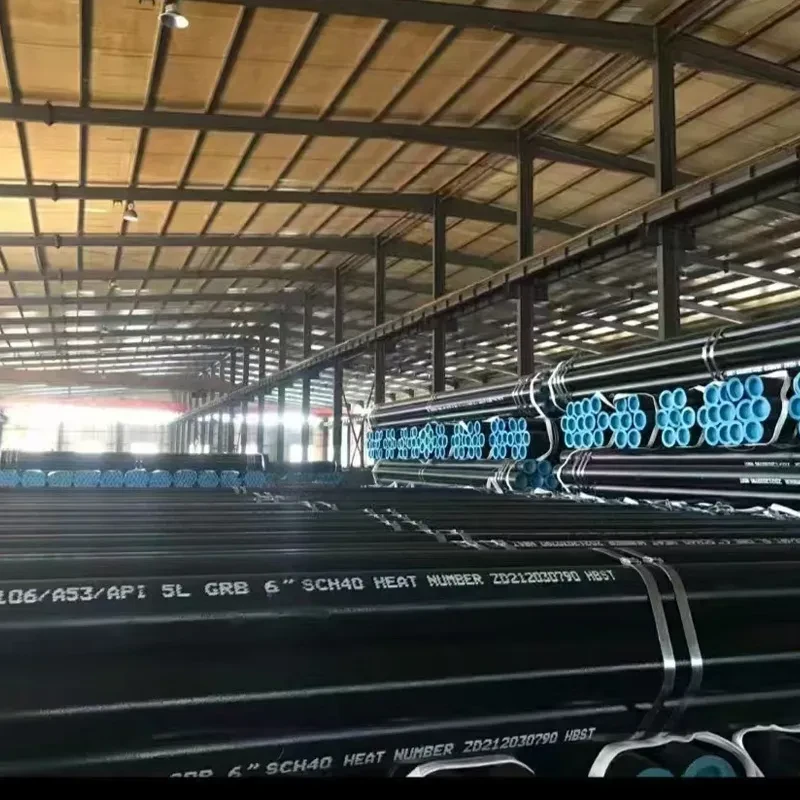
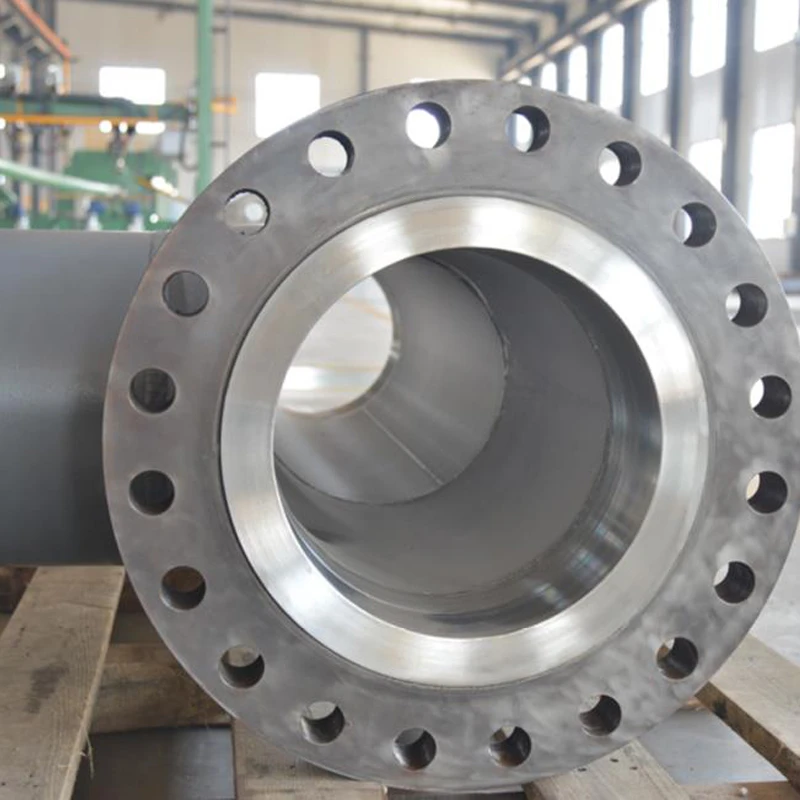
Factory Prefabricated Products
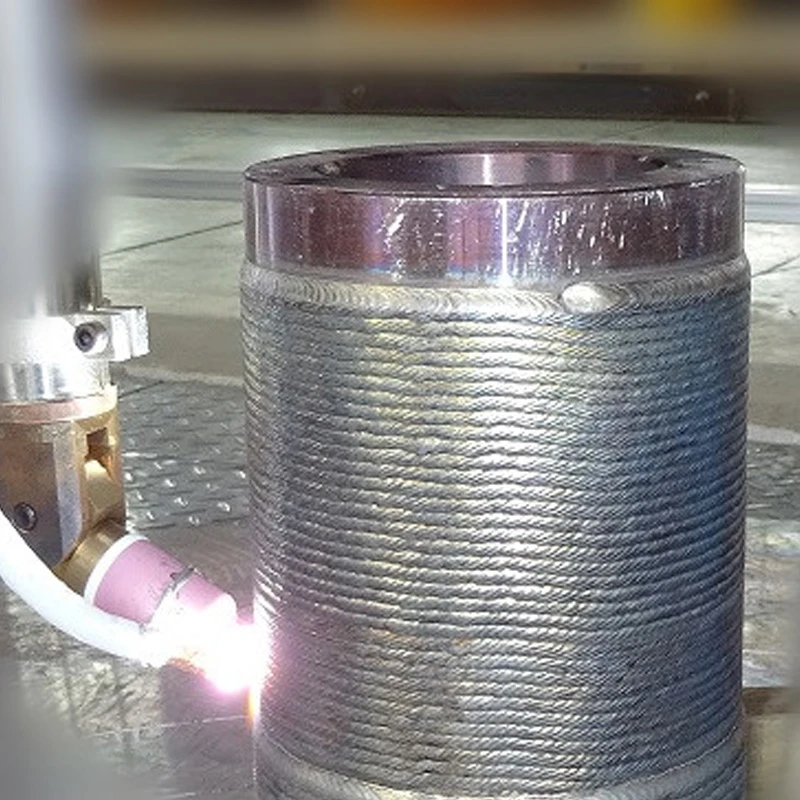
Overlay Welding Clad Steel Pipe
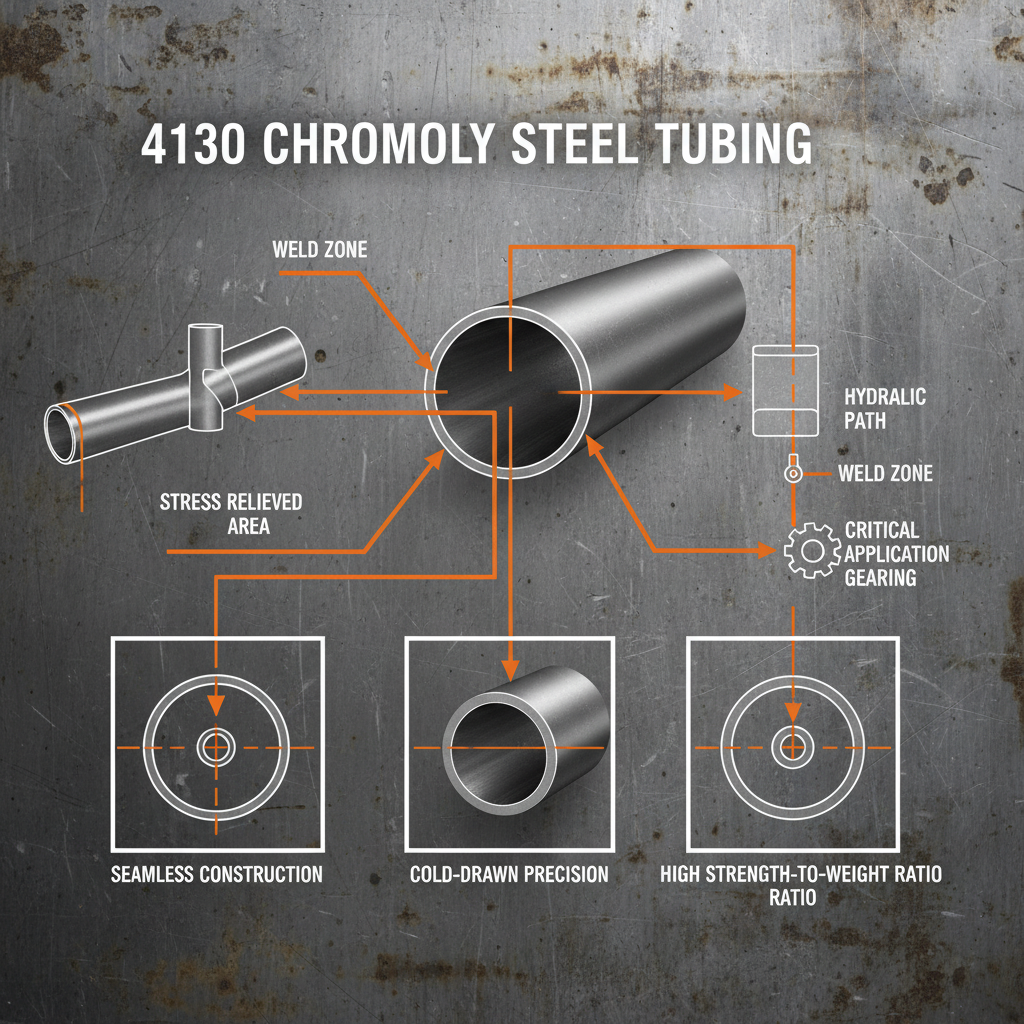
Ultimate Guide to 4130 Tubing Strength Performance and Applications
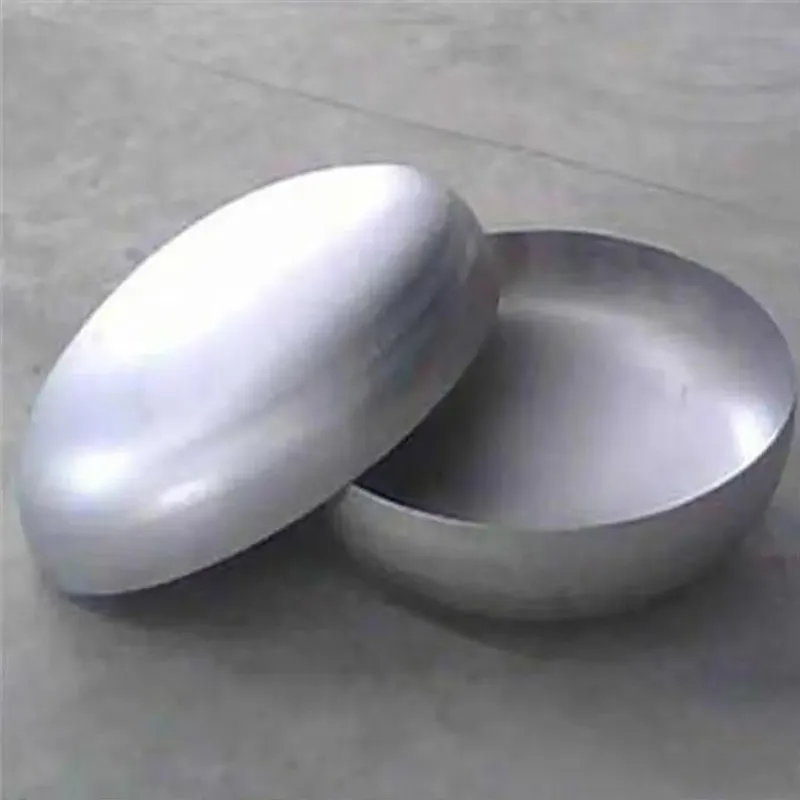
Pipe Cap-Cangzhou Lion Technology Co., Ltd.|Enhancing System Efficiency&Durability
Pipe Cap-Cangzhou Lion Technology Co., Ltd.|Enhancing System Efficiency&Durability
Pipe Cap-Cangzhou Lion Technology Co., Ltd.|Enhancing System Efficiency&Durability
Pipe Cap-Cangzhou Lion Technology Co., Ltd.|Enhancing System Efficiency&Durability
Pipe Cap-Cangzhou Lion Technology Co., Ltd.|Enhancing System Efficiency&Durability