tel
Email
to top

Fireproofing Requirements for Insulated Steel Pipe in Buildings

Zář 09 2025
podíl:

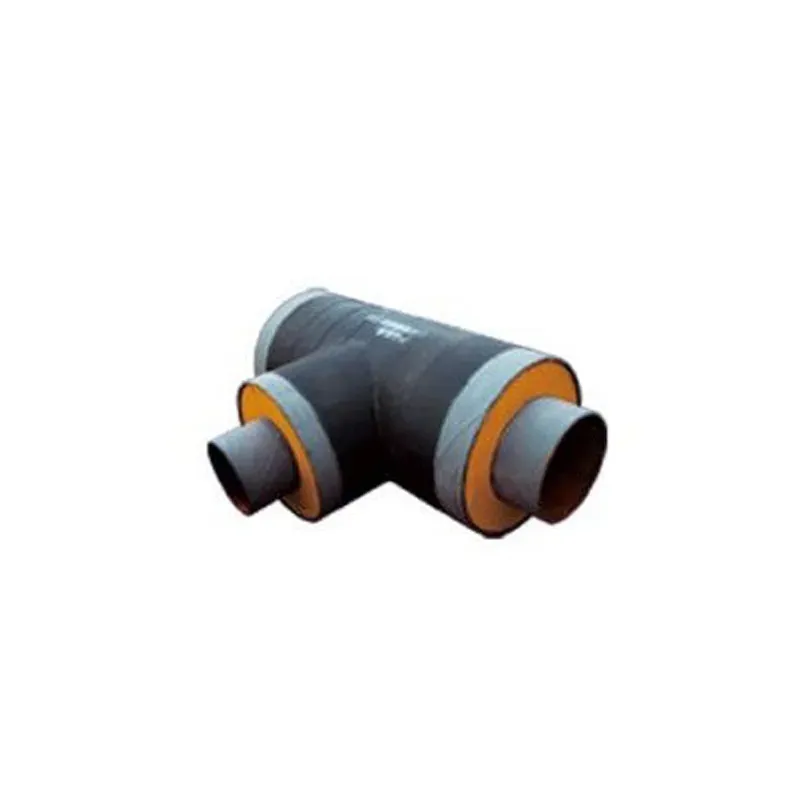
Integrating piping systems within modern buildings demands rigorous fire safety measures, particularly for insulated steel pipe networks carrying steam, hot water, or chemicals. These systems must maintain thermal efficiency while preventing fire spread and structural compromise. Fireproofing requirements for insulated steel pipe in buildings encompass material selection, passive fire protection (PFP) integration, and adherence to international safety standards. Failure to comply risks catastrophic consequences, making robust engineering and manufacturing essential for high-rise structures, industrial facilities, and energy plants.
 

Fireproofing Requirements for Insulated Steel Pipe in Buildings


Critical Fire Risks in Building-Integrated Insulated Steel Pipe Systems


  • Insulated steel pipesystems inherently concentrate thermal energy. During a fire, unprotected insulation can ignite or melt, exposing the pipe to rapid temperature rise. This risks:
  • Structural failure:Carbon steel weakens above 538°C (1000°F), potentially causing pipe collapse and fluid release.
  • Fire propagation:Combustible insulation or jacketing fuels fire spread through concealed spaces.
  • Toxic smoke:Burning polymer-based insulation generates hazardous fumes.

Meeting fireproofing requirements involves selecting non-combustible insulation (e.g., mineral wool), applying fire-resistive coatings or wraps, and using firestop seals at penetrations. Pre insulated steel pipe systems must be designed with these protections integral to the assembly, especially for vertical chases or plenums where fire can rapidly ascend.


Advantages of Pre Insulated Steel Pipe in Fire Containment


Factory-applied pre insulated steel pipe offers inherent fire safety advantages over field-insulated alternatives:

  • Controlled Quality:Insulation density, thickness, and jacketing integrity are precisely managed during manufacturing, ensuring consistent fire performance.
  • Integrated Fire Barriers:High-quality pre insulated carbon steel pipe systems incorporate non-combustible insulation (e.g., calcium silicate, aerogel) and robust metal jacketing (stainless steel, aluminum) that resists fire exposure.
  • Sealed Systems:Factory sealing minimizes gaps where fire could penetrate, simplifying the installation of supplementary firestop collars at floor/wall penetrations.

Manufacturers adhering to standards like EN 14390 or ASTM E814 ensure their pre insulated steel pipe assemblies undergo rigorous fire endurance and hose stream tests.


Material Selection: Pre Insulated Carbon Steel Pipe Performance


Pre insulated carbon steel pipe remains prevalent due to its strength and cost-effectiveness. Its fireproofing relies heavily on the insulation system:

  • Insulation Fire Rating:Must achieve minimum fire-resistance ratings (e.g., 1-3 hours) per ASTM E119 or local codes. Mineral-based insulations maintain integrity at high temperatures.
  • Jacketing Integrity:Metal jacketing on pre insulated carbon steel pipe must resist deformation and prevent insulation exposure during fire. Aluminum or stainless steel jacketing provides superior melt-point resistance.
  • Clad Options:For pipes carrying corrosive media in fire-prone zones, pre insulated carbon steel pipe with corrosion-resistant internal cladding (e.g., 304 stainless via laser additive manufacturing) ensures pipe integrity even if external insulation is compromised.
  •  

Cangzhou Lion Technology: Engineering Fire-Resistant Insulated Steel Pipe Solutions


Delivering compliant insulated steel pipe systems requires advanced materials science and large-scale manufacturing precision. Cangzhou Lion Technology Co., Ltd., a premier high-tech enterprise in Hebei Province, leverages its expertise to support critical fireproofing requirements:

  • Material & Cladding Expertise:Specializes in corrosion-resistant clad pipes (304 stainless lined, bimetallic laser/arc additive, non-metallic lined), essential for maintaining pipe integrity under fire-induced thermal stress. Their 5,000-ton additive manufacturing capacity enables precise internal cladding.
  • High-Temp Component Fabrication:Utilizes DN1200/DN600/DN350 intermediate frequency pushers and 6000T hydraulic presses for forming robust pipe fittings (elbows, tees, reducers DN15-DN1800) from carbon steel, alloy steel, and bimetallic composites.
  • Precision Heat Treatment:Three natural gas furnaces (±10°C accuracy) ensure optimal material properties for fire endurance. Rapid quenching capability enhances steel stability.
  • Scale for Building Projects:Annual capacities include 20,000 tons of clad/bimetal pipes and 10,000 tons of pressure components (insulated fittings, supports), enabling large-volume supply for skyscrapers and industrial complexes.
  • Integrated Testing:Over 200 production/testing units validate dimensional accuracy, weld integrity, and material performance – foundational for reliable fireproofing.
  •  

FAQs about Insulated Steel Pipe Fire Safety


What core fireproofing standards apply to insulated steel pipe in high-rises?


Key standards include ASTM E119 (fire-resistance testing), ASTM E814 (firestop systems), NFPA 90A (HVAC systems), and IBC/IFC penetration sealing requirements. Pre insulated steel pipe assemblies must be tested per these protocols.


How does pre insulated steel pipe simplify firestop installation?


Pre insulated steel pipe features consistent outer diameter and jacketing, allowing pre-approved firestop collars or wrap systems to be reliably installed at penetrations, reducing on-site errors compared to field-insulated pipes.


What fire tests validate pre insulated carbon steel pipe assemblies?


Assemblies undergo furnace tests (ASTM E119) measuring endurance (hours before failure) and hose stream tests verifying integrity post-fire. Pre insulated carbon steel pipe systems must also pass flammability (ASTM E84) and smoke density tests.


Can manufacturers like Cangzhou Lion produce fire-rated large-diameter insulated steel pipes? 


Yes. Capabilities like DN1200 forming, 6000T pressing, and 20,000-ton annual pipe capacity enable production of fire-rated pre insulated steel pipe and fittings up to DN1800 for major construction projects, adhering to international fireproofing standards.


How to prevent fire when Insulated steel pipes pass through walls/floors? 


A: firestop seals (fireproof sealing system) should be used to seal the through holes. Due to the consistency of the outer diameter and sheath of the pre insulated steel pipe, the installation of the pre-certified firestop collars can be simplified and on-site errors can be reduced.


Fireproofing requirements for insulated steel pipe in buildings mandate non-combustible materials, tested fire-resistance ratings, and secure penetration sealing. Pre insulated steel pipe, especially pre insulated carbon steel pipe with mineral-based insulation and metal jacketing, provides inherent safety advantages through factory-controlled quality. Manufacturers like Cangzhou Lion Technology Co., Ltd. play a vital role, combining material expertise (corrosion-resistant cladding), heavy forming (6000T press), precision heat treatment (±10°C), and large-scale capacity (20,000+ tons annually) to produce compliant systems. Their ability to fabricate DN15-DN1800 insulated fittings and pipes ensures critical infrastructure meets stringent fire codes, protecting lives and assets by containing fire spread and maintaining structural stability during emergencies.
  • Flange

    Příruba

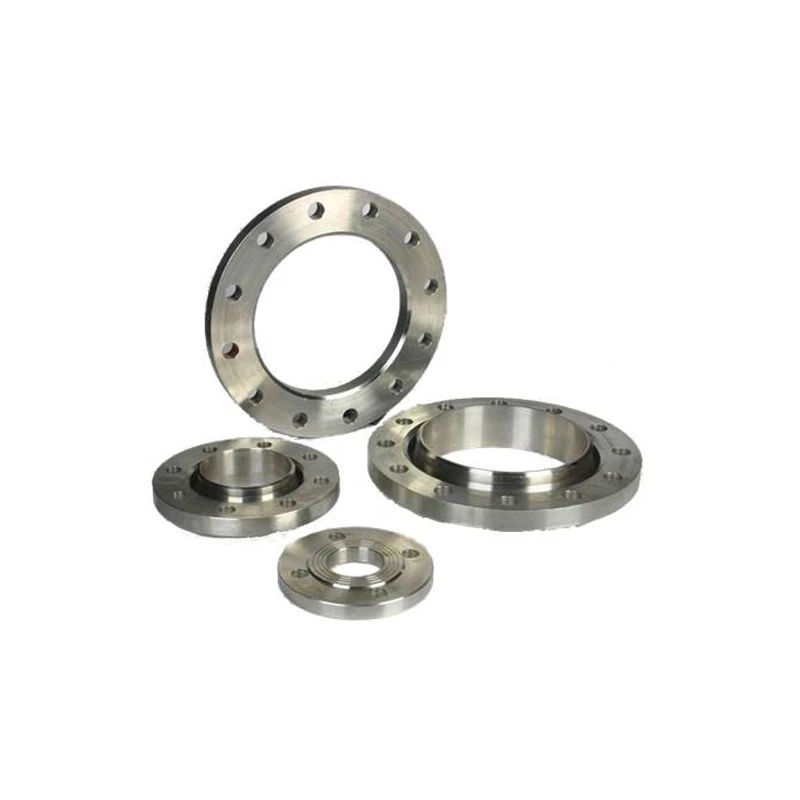
    Příruba Představení produktu Příruby se používají k připojení potrubí k potrubí nebo potrubí k zařízení, což zajišťuje utěsněné a stabilní spojení. Zabraňují úniku kapaliny a odolávají určitým tlakům a namáhání, čímž zajišťují spolehlivé spojení. Jmenovité průměry přírub se pohybují v rozmezí od DN15-DN2000 a více, čímž pokrývají různé potřeby připojení potrubí. Příruby primárně splňují mezinárodní standardy, jako jsou ASME B16.5-2020, ASME B16.47-2020 a API 6A-2018.
    ZOBRAZIT VŠE
  • Carbon Semless Steel Pipes

    Uhlíkové trubky Semless Steel

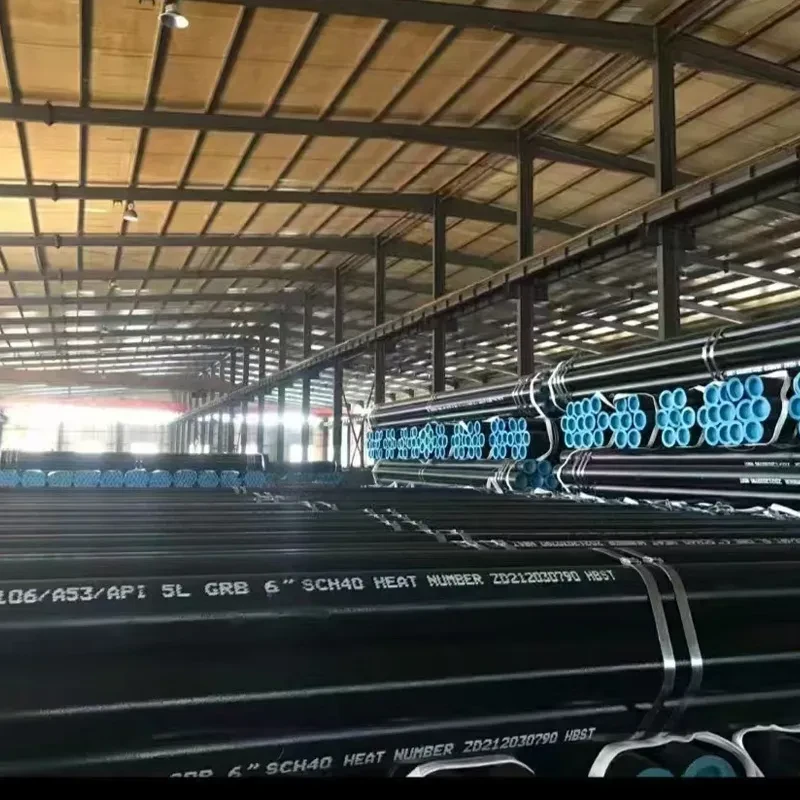
    Carbon Seamless Steel Pipes are made from high-quality carbon steel and manufactured without welded seams, offering exceptional strength, durability, and resistance to pressure. These pipes are ideal for a wide range of applications, including oil and gas pipelines, construction, automotive, and fluid transportation systems. The seamless design ensures uniformity, higher structural integrity, and improved performance under high pressure and temperature conditions.
    ZOBRAZIT VŠE
  • Anti Corrosion And Thermal Insulation Products

    Antikorozní a tepelně izolační výrobky
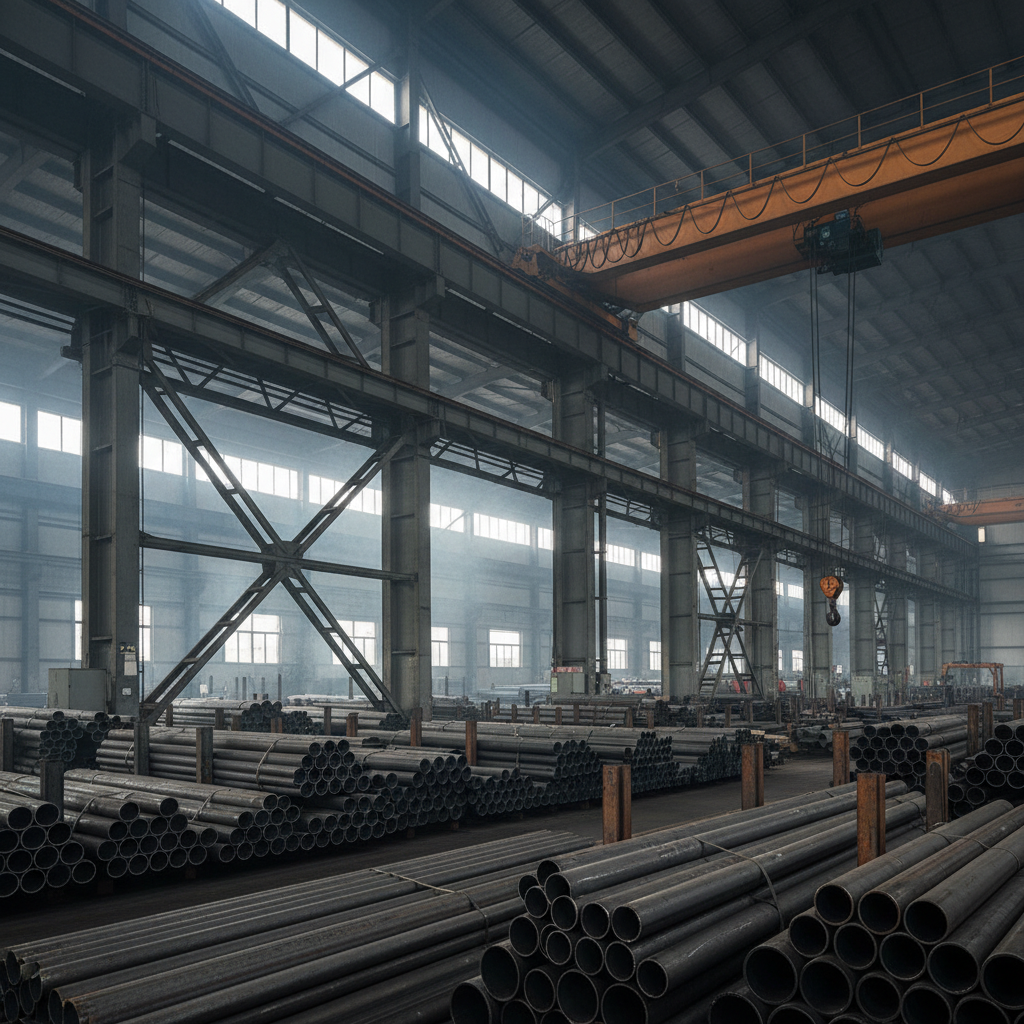
    Antikorozní a tepelně izolační výrobky, na které se zaměřujeme, hrají v průmyslovém potrubním systému klíčovou roli, zejména tepelně izolační potrubní tvarovky a ocelové trubky. Tepelně izolační potrubní tvarovky pokrývají kolena, T-kusy, redukce a podpěry potrubí se specifikacemi od DN15 do DN1800 a jsou vyrobeny z uhlíkové oceli, legované oceli, nerezové oceli, bimetalového kompozitu, slitiny na bázi niklu a dalších materiálů.
    ZOBRAZIT VŠE
Vytvářet hodnotu pro zákazníky!
Cangzhou Leo Technology Co., Ltd. se nachází v zóně hospodářského rozvoje okresu Mengcun, město Cangzhou, provincie Hebei. Jedná se o specializovaný high-tech podnik, který integruje výzkum a vývoj, výrobu a prodej kompozitních trubek a tvarovek.
Zprávy
Společnost považuje kvalitu produktů za život podniku, zavádí řádný systém řízení kvality v souladu s požadavky průmyslových a národních norem, kontroluje všechny aspekty vstupu a výstupu v celém procesu, věnuje pozornost každému detailu a zajišťuje, že rychlost dodávky produktu je 100%.
Properties and Industrial Applications of 4130 steel tubing
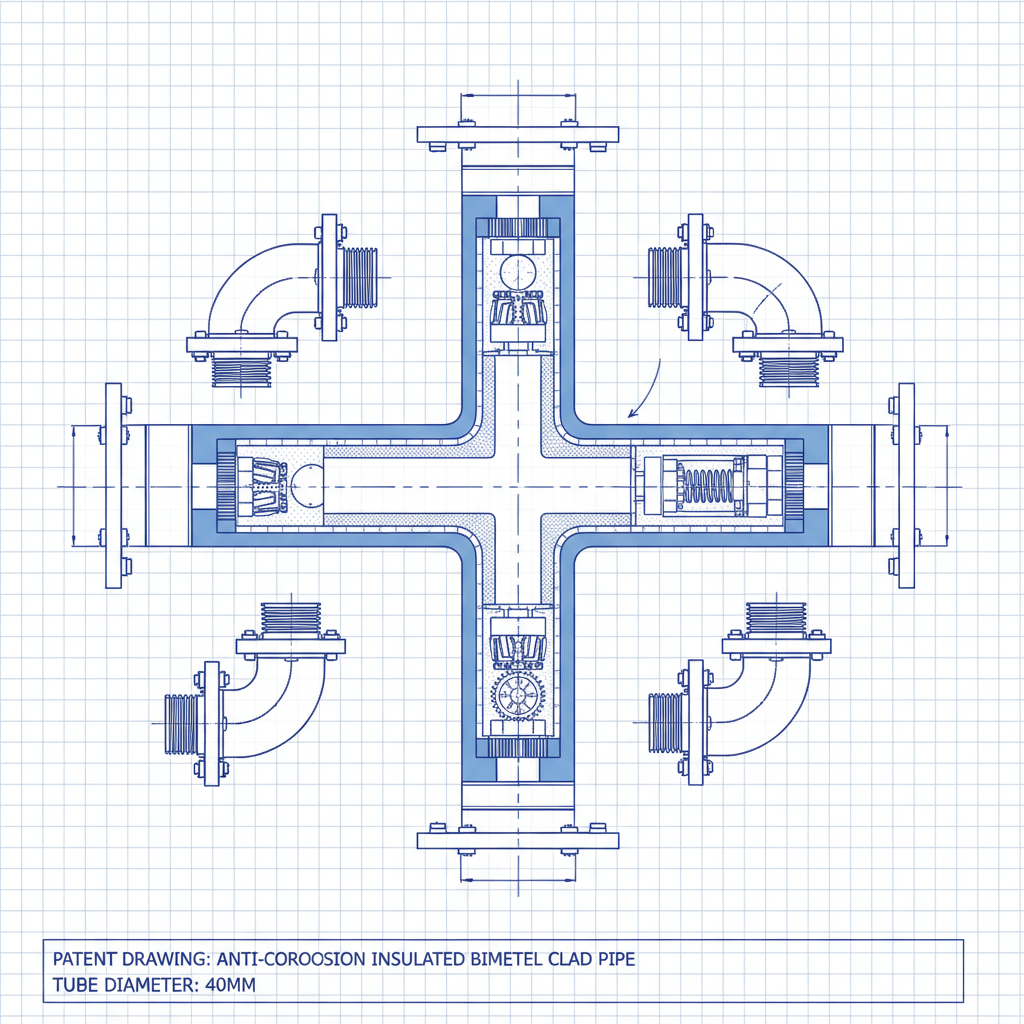
Properties and Industrial Applications of 4130 steel tubing

In the world of high-performance engineering, material selection is the foundation of safety and efficiency. 4130 steel tubing is widely recognized as the gold standard for applications requiring an exceptional strength-to-weight ratio. Known for its versatility and reliability, this chromium-molybdenum alloy is the preferred choice for everything from aircraft frames to professional roll cages. Understanding the nuances of this material allows engineers to optimize structural integrity without adding unnecessary bulk. In this comprehensive guide, we will explore why this specific alloy remains a top choice for critical industrial and aerospace components.
Comprehensive Guide to 40mm Steel Tube Applications and Material Selection
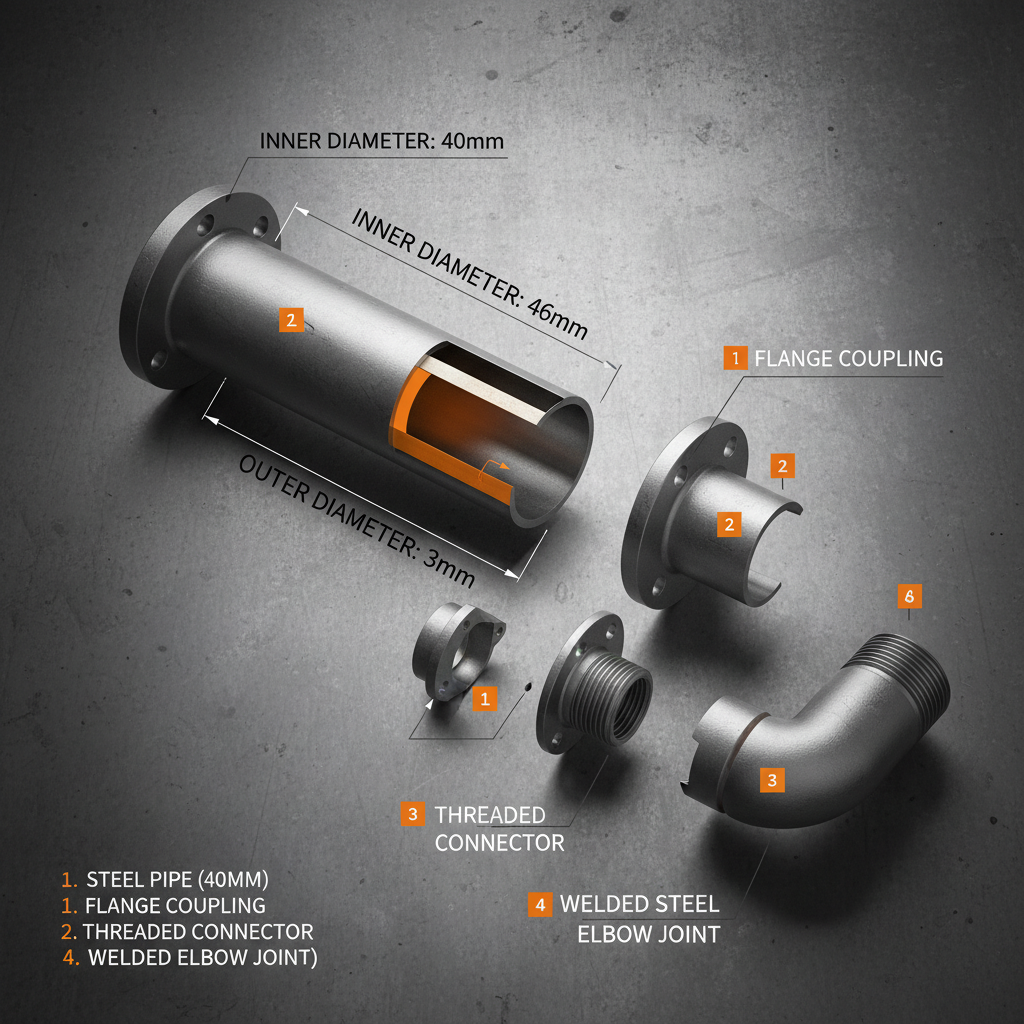
Comprehensive Guide to 40mm Steel Tube Applications and Material Selection

40mm steel tube is a versatile and widely used material in various industries, from construction and manufacturing to automotive and beyond. Its strength, durability, and cost-effectiveness make it an ideal choice for numerous applications. This article will delve into the characteristics, applications, benefits, and considerations when working with 40mm steel tube, providing a comprehensive overview for professionals and anyone interested in this essential material.
Comprehensive Guide to 40mm Steel Pipe Applications and Considerations
Comprehensive Guide to 40mm Steel Pipe Applications and Considerations

40mm steel pipe is a widely used material in various industries due to its strength, durability, and cost-effectiveness. From construction and infrastructure projects to industrial applications and fluid transportation, this pipe size offers a versatile solution. This article will delve into the properties, applications, standards, and key considerations when selecting 40mm steel pipe, helping you make informed decisions for your specific needs.
Comprehensive Guide to 40mm Metal Pipe Applications and Sourcing
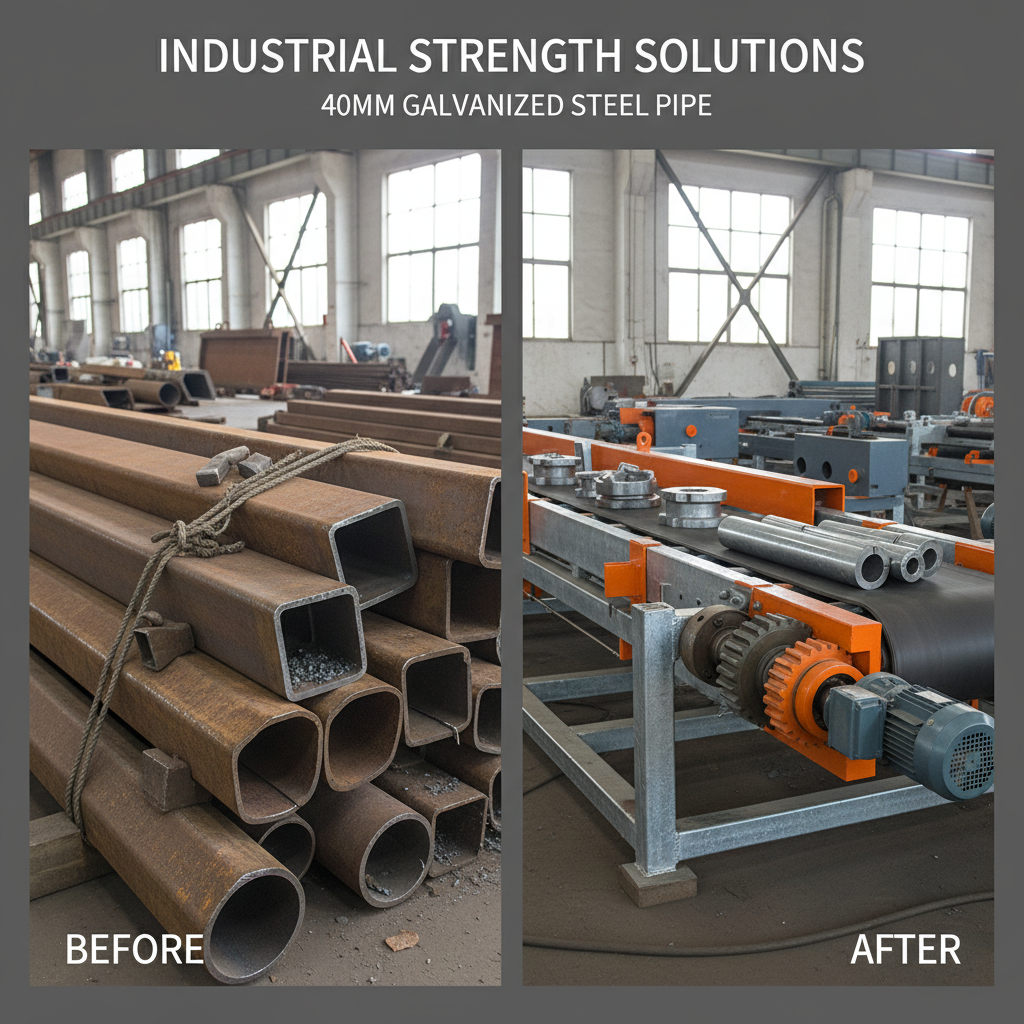
Comprehensive Guide to 40mm Metal Pipe Applications and Sourcing

40mm metal pipe is a crucial component in a wide array of industries, from construction and plumbing to industrial manufacturing and fluid transport. Its strength, durability, and versatility make it a preferred material for countless applications. This article will delve into the specifics of 40mm metal pipe, exploring its various types, common uses, benefits, and where to source high-quality piping solutions.
Comprehensive Guide to 40mm Galvanised Pipe Applications and Specifications
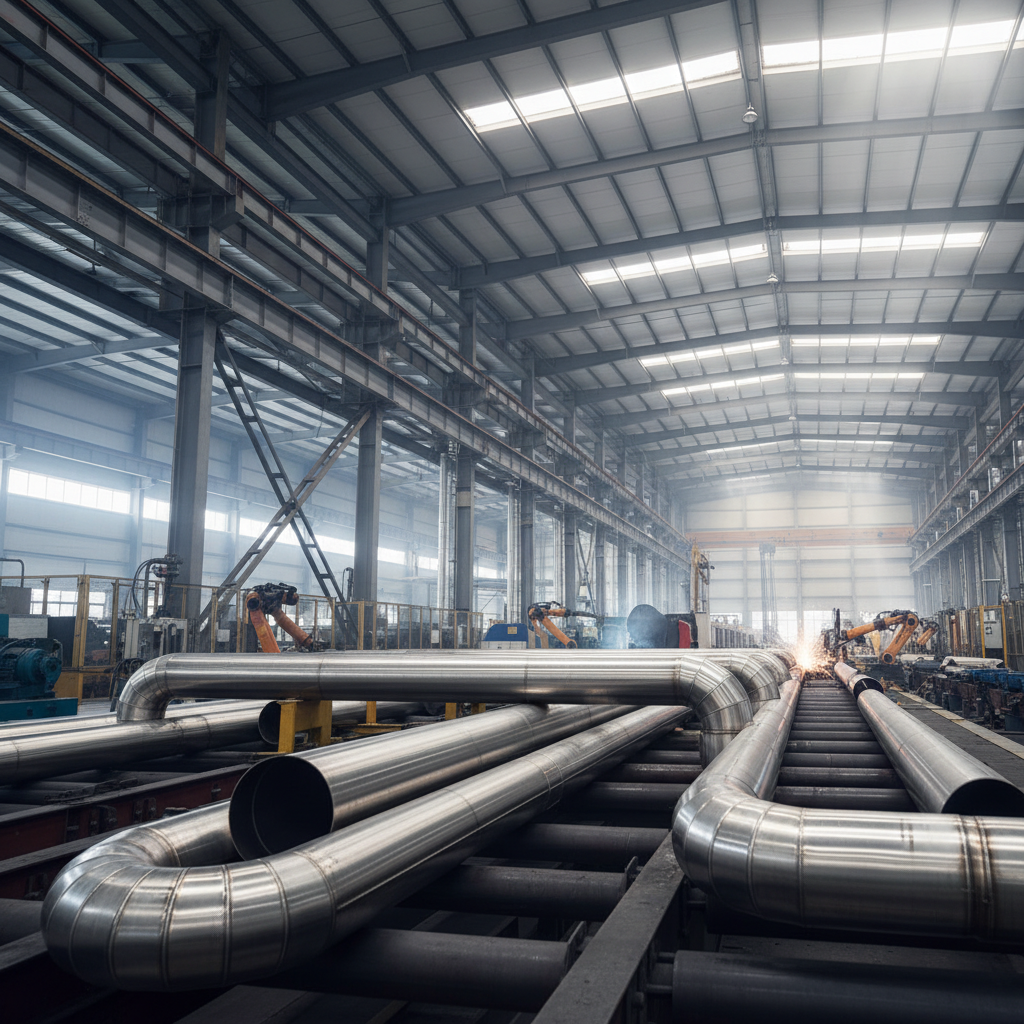
Comprehensive Guide to 40mm Galvanised Pipe Applications and Specifications

When planning a plumbing, structural, or industrial project, selecting the right piping material is crucial. 40mm galvanised pipe is a widely used option known for its strength, durability, and corrosion resistance. This article provides a detailed overview of 40mm galvanised pipes, exploring their applications, benefits, specifications, and considerations for optimal usage. We'll cover everything from what galvanisation is to how to choose the right pipe for your specific needs.
Comprehensive Guide to 409 Stainless Steel Exhaust Pipe Applications and Benefits

Comprehensive Guide to 409 Stainless Steel Exhaust Pipe Applications and Benefits

When selecting materials for exhaust systems, especially in industries demanding durability and corrosion resistance, 409 stainless steel exhaust pipe emerges as a leading solution. Known for its affordability and suitable performance in various applications, it’s a popular choice for automotive, truck, and industrial exhaust systems. This article delves into the properties, benefits, applications, and considerations when choosing 409 stainless steel exhaust pipe, providing valuable insights for engineers, purchasers, and anyone involved in exhaust system design and manufacturing. Understanding the nuances of this material is key to ensuring long-lasting and reliable exhaust solutions. 409 stainless steel is an austenitic stainless steel containing approximately 11.5% chromium. This chromium content provides excellent resistance to oxidation and corrosion, particularly in mildly corrosive environments. Unlike higher-grade stainless steels (like 304 or 316), 409 has a lower chromium content and typically includes titanium for stabilization. This stabilization prevents carbide precipitation during welding, enhancing its weldability and corrosion resistance in the heat-affected zone. It's often chosen for applications where cost-effectiveness is critical, and the extreme corrosion resistance of higher alloys isn't required.
tel email tel top

Máte-li zájem o naše produkty, můžete zde nechat své údaje a my se vám brzy ozveme.