2.5 Inch Steel Tubing is a key solution in the industry, specifically within manufacturing, construction, and pipeline sectors. This article explores how https://www.lion-pipeline.com supports professionals with durable, high-performance products, and explains why this product is an ideal choice for businesses in these sectors.
Simply put, 2.5 Inch Steel Tubing refers to hollow steel cylinders with an outer diameter of roughly 2.5 inches. These tubes are precision-engineered to deliver strength and versatility in a compact form. Frankly, they feel like the backbone of many structural and industrial frameworks, given how widely they’re used in everything from heavy machinery to oil pipelines.
| Specification | Value |
|---|---|
| Outer Diameter | 2.5 inches (63.5 mm) |
| Wall Thickness | 0.065 - 0.25 inches |
| Material | Carbon Steel (Grade ASTM A513, A106) |
| Tensile Strength | Minimum 60,000 psi |
| Finish | Hot rolled, galvanized or painted |
Oddly enough, despite being a simple product, the 2.5 Inch Steel Tubing carries a surprising amount of clout across quite a few industries. Its robust design and consistent quality make it almost indispensable for infrastructure projects. Many engineers swear by its blend of strength and weight, which often outperforms bulkier alternatives.
When compared to alternatives like PVC or aluminum, this steel tubing offers superior wear resistance and impact strength. Plus, customization options like varied wall thickness and coatings add to its competitive edge.
If you’re a decision-maker, you’ve probably asked “what’s the real cost here?” Beyond the initial price, the durability of 2.5 Inch Steel Tubing means fewer replacements and less downtime. It’s an investment that, frankly, pays off by reducing maintenance cycles. That said, it does require periodic inspection, particularly when exposed to corrosive environments, but proactive coatings and treatments can mitigate that.
Sustainability is no longer an afterthought in steel manufacturing. With newer production techniques, recycled content in steel tubing is increasing steadily. This addresses environmental concerns and regulatory pressures. It’s refreshing to see firms like https://www.lion-pipeline.com investing in greener processes, which means companies can meet compliance without compromising on quality.
Industry growth is also fueled by rising demand in energy and construction sectors worldwide, much of which hinges on reliable steel tubing. The trend toward higher-performance steel grades is expected to continue, driven by advances in alloying and heat treatment technology.
| Vendor | Quality Grade | Lead Time | Customization | Price Point |
|---|---|---|---|---|
| Lion Pipeline | ASTM A106 Grade B | 2-3 weeks | Wall thickness & coating options | Competitive |
| Competitor A | ASTM A53 Grade A | 4-6 weeks | Limited coatings | Higher |
| Competitor B | API 5L Grade B | 3-4 weeks | Standard only | Moderate |
As we’ve seen, 2.5 Inch Steel Tubing stands as a trustworthy, cost-efficient, and adaptable component for numerous industries. Whether you’re focused on pipeline integrity or construction durability, it’s a choice that won’t let you down. For detailed specs and tailored solutions, I’d recommend visiting our website.
Sometimes, a tube is just a tube... but when it’s a 2.5 Inch Steel Tubing from a trusted vendor, it really becomes the unsung hero of countless industrial successes.
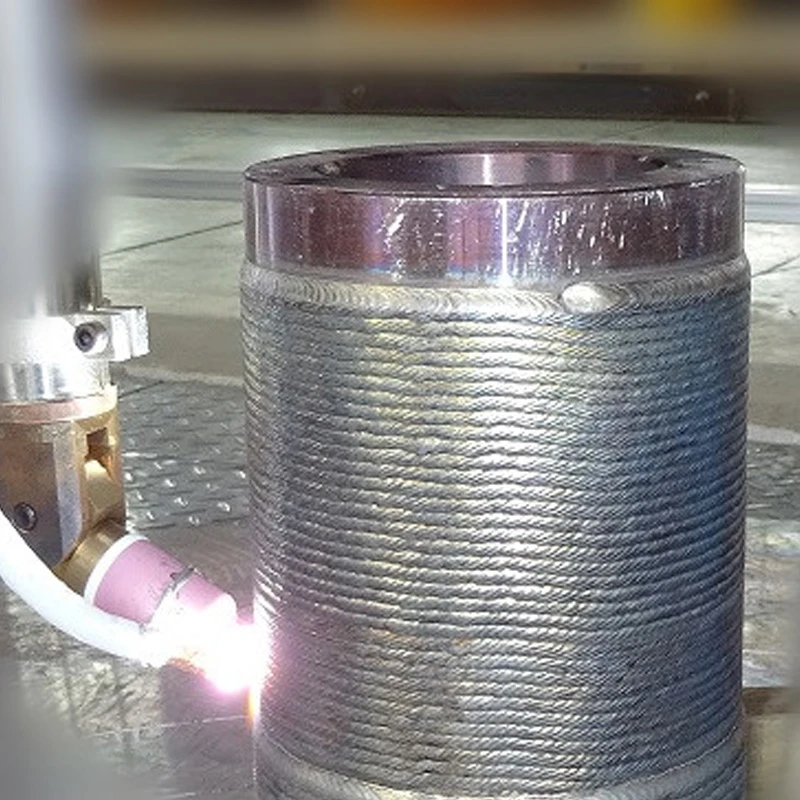
Overlay Welding Clad Steel Pipe
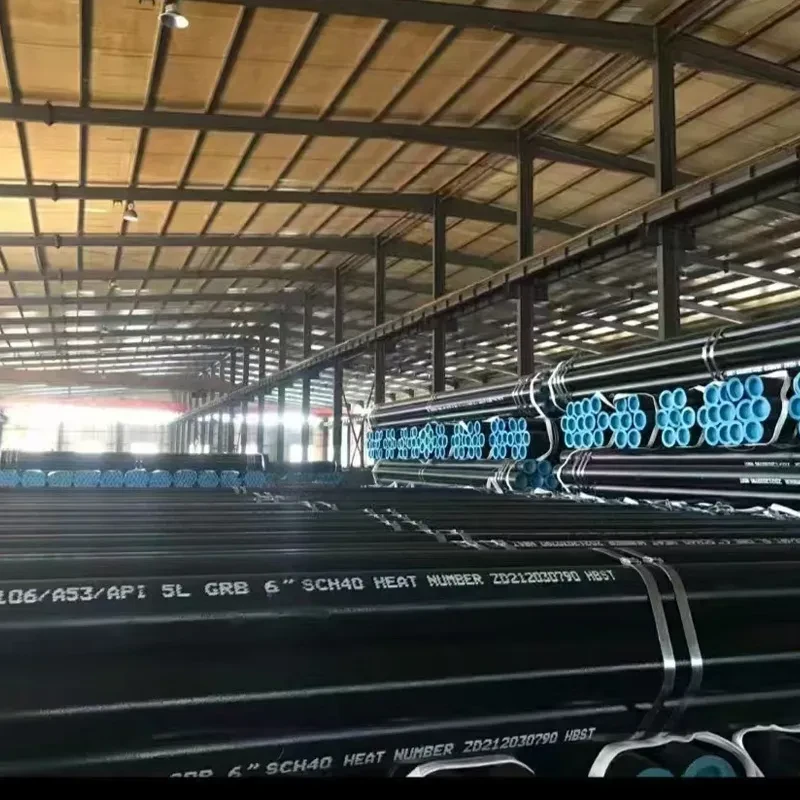
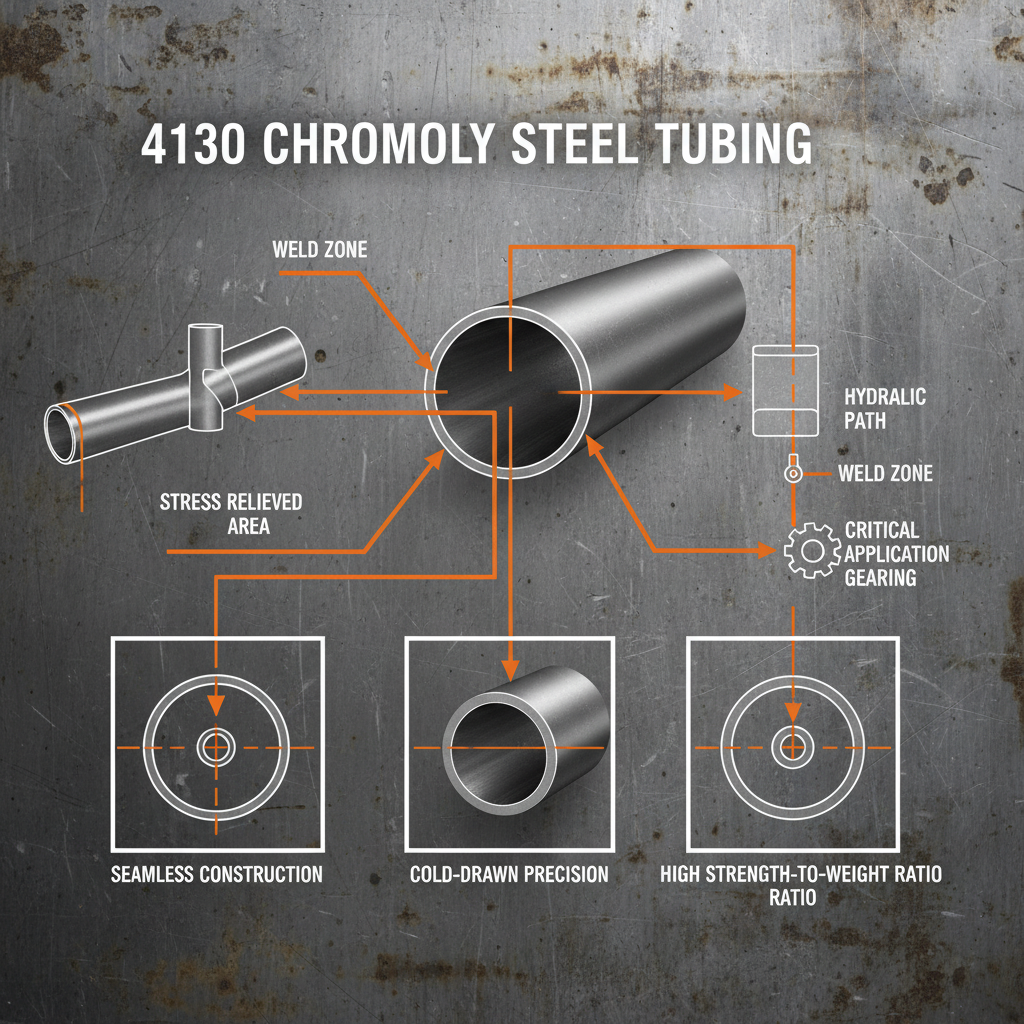
Ultimate Guide to 4130 Tubing Strength Performance and Applications
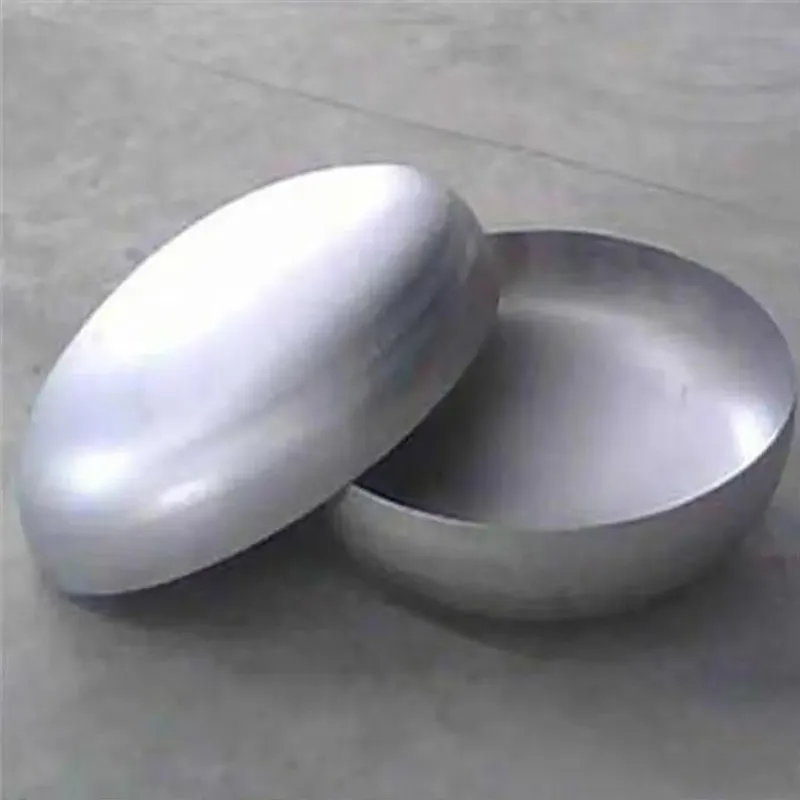
Pipe Cap-Cangzhou Lion Technology Co., Ltd.|Enhancing System Efficiency&Durability
Pipe Cap-Cangzhou Lion Technology Co., Ltd.|Enhancing System Efficiency&Durability
Pipe Cap-Cangzhou Lion Technology Co., Ltd.|Enhancing System Efficiency&Durability
Pipe Cap-Cangzhou Lion Technology Co., Ltd.|Enhancing System Efficiency&Durability
Pipe Cap-Cangzhou Lion Technology Co., Ltd.|Enhancing System Efficiency&Durability