Having spent years in the industrial equipment sector—mainly around fabrication and exhaust systems—I’ve come to appreciate the subtle art behind something as unassuming as a 2.5 mandrel bent exhaust pipe. At first glance, it’s just a section of tubing with a bend, right? But frankly, there’s a lot more going on under the surface.
The “2.5” refers to the diameter, meaning 2.5 inches across, which is a pretty common size. Perfect for balancing flow and fit in many industrial and automotive applications. What really sets mandrel bending apart is the way the pipe is formed without crushing or wrinkling—preserving smooth inner walls. That means better exhaust flow and less back pressure, crucial for performance and longevity.
Oddly enough, I remember a client once complaining about restricted exhaust flow on a custom-built machine. We swapped to a mandrel bent 2.5-inch pipe, and the improvement was almost instant—better engine response and quieter operation. It’s the kind of detail many engineers might overlook but makes a world of difference.
Manufacturing these pipes involves some precise machinery. It's not just bending metal; it’s controlling pressure inside the tube while the pipe conforms to a die. This method keeps the cross-section round and true, which is why mandrel bends are preferred to “crush bends” especially when performance is on the line. I’ve noticed that high-grade stainless steel or mild steel with heat-resistant coatings are the typical materials. Stainless, in particular, offers corrosion resistance – something you definitely want in industrial environments where exhaust gases are hot and often corrosive.
What do users care about most? Besides durability, customization options are key. Whether you need a tight-radius curve or a more gradual arc, many vendors now offer variations suited to specific machines or setups. I’ve worked on projects where a slight change in bend radius was the difference between impossible installation and a perfect fit.
| Specification | Details |
|---|---|
| Outside Diameter | 2.5 inches (63.5 mm) |
| Material | Stainless Steel 304 or Mild Steel with Coating |
| Bend Radius | Varies: Typically 3" to 6" (customizable) |
| Wall Thickness | 0.065" to 0.095" (typical for durability) |
| Bending Method | Mandrel bended to maintain shape and flow |
| Finish | Polished or coated to resist rust and heat |
When it comes to choosing a supplier, well, you do want reliability. Over the years, I’ve worked with several vendors — some better than others. It’s a competitive space, especially with the rise of CNC automated bending equipment leveling the playing field. But still, quality and customer support vary.
| Vendor | Material Options | Customization | Lead Time | Notes |
|---|---|---|---|---|
| Lion Pipeline | SS 304, Mild steel | High – custom radii and lengths | 1-2 weeks | Strong customer support; specializes in industrial exhaust |
| SteelBend Inc. | Mild steel only | Medium – standard bends only | 2-3 weeks | More affordable, but limited options |
| PipeWorks Ltd. | SS 304 & 316 | High – advanced CNC bending | 3-4 weeks | Premium pricing, excellent precision |
If you ask me, there’s something satisfying about the perfect pipe bend — it’s simultaneously functional and a bit of industrial art. I suppose it’s like many things in manufacturing: the details you can’t immediately see often govern how well it all works in the long run.
Before wrapping up, let me share a quick anecdote: A small fabrication shop I worked with once switched to mandrel bent 2.5-inch pipes for their exhaust retrofits. Production speed improved (because the pipes fit perfectly the first time), and their customers reported fewer warranty calls. Speed and reliability — the twin pillars of industrial success.
You know, for anyone involved in machine build-outs, having a reliable source for 2.5 mandrel bent exhaust pipe is a small edge that adds up over time.
Oddly enough, investing a bit more time to select the right pipe can save you far more downtime and headaches than you might think.
So, when you're next specifying parts, keep the mandrel bend in mind—it’s one of those unsung heroes.
References:
1. Industrial Pipe Fabrication Standards, ASME
2. Performance Effects of Mandrel vs Crush Bends – Journal of Industrial Engineering, 2021
3. Lion Pipeline Product Catalog and Customer Testimonials
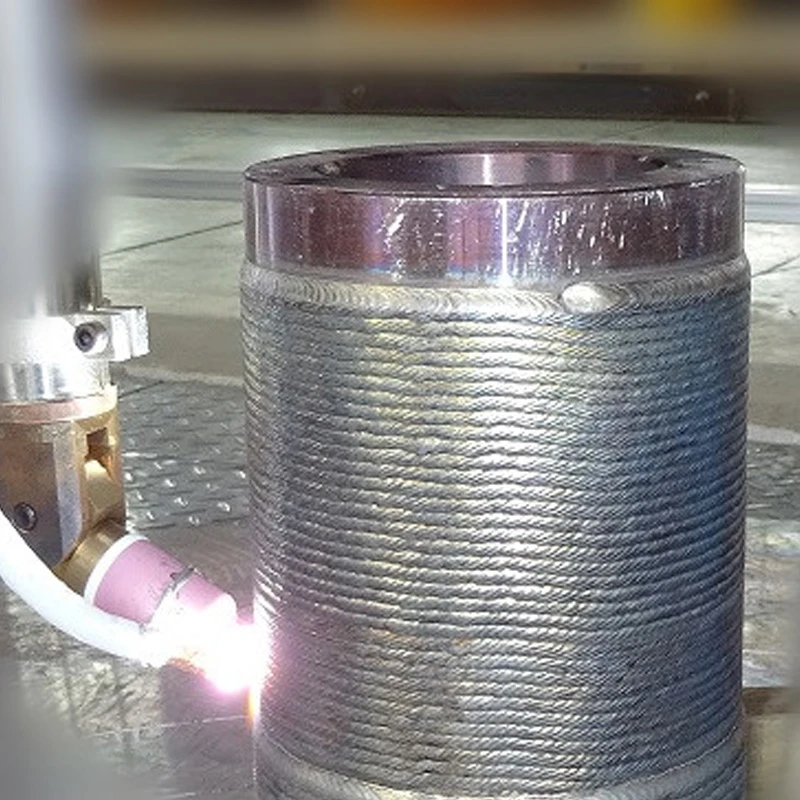
Overlay Welding Clad Steel Pipe

Ultimate Guide to 4130 Tubing Strength Performance and Applications
Properties and Industrial Applications of 4130 steel tubing
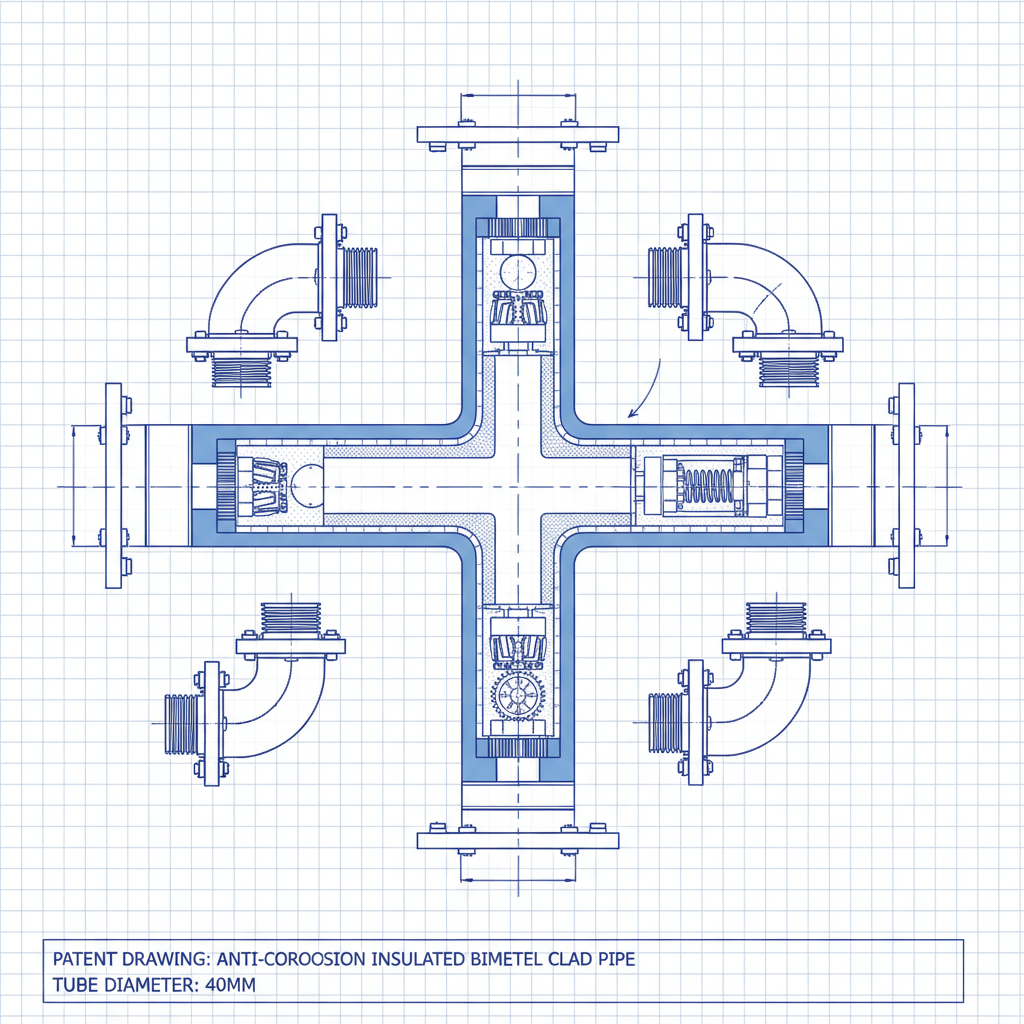
Comprehensive Guide to 40mm Steel Tube Applications and Material Selection
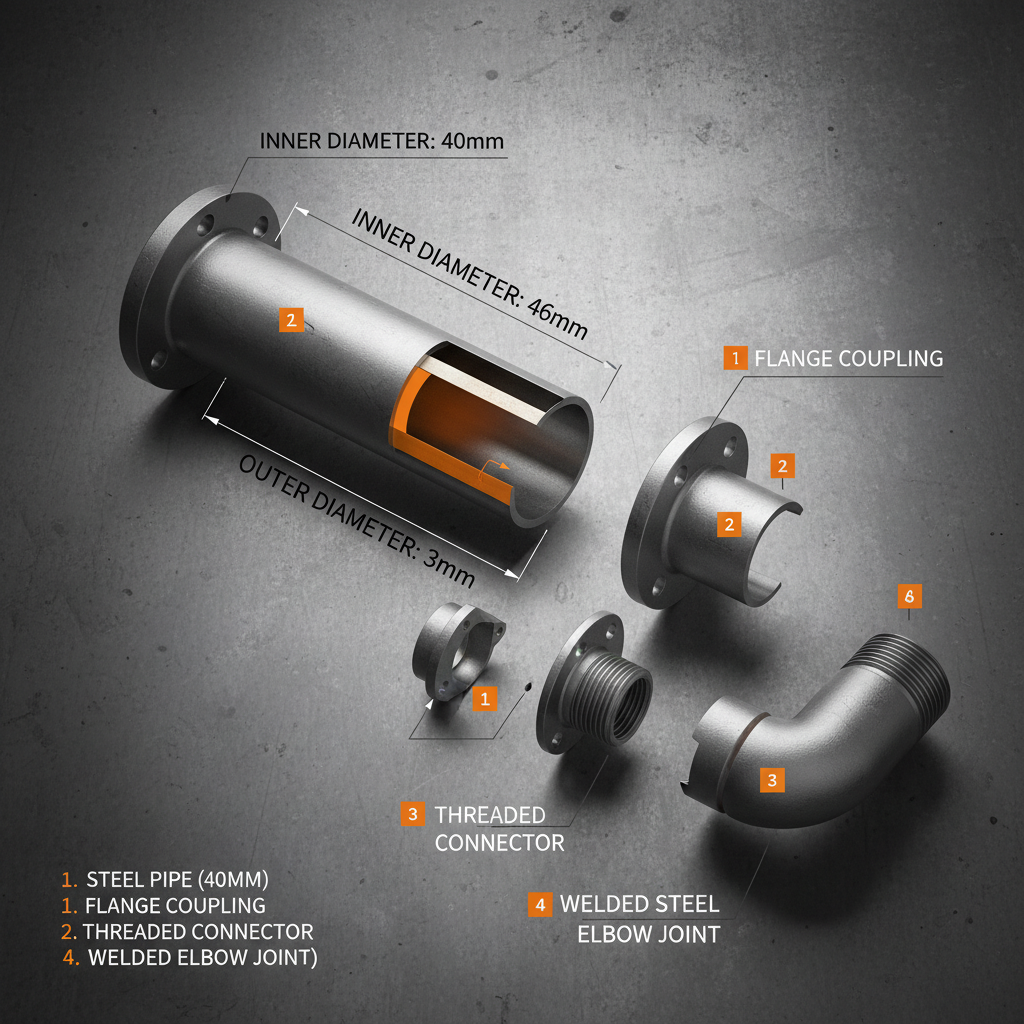
Comprehensive Guide to 40mm Steel Pipe Applications and Considerations
Comprehensive Guide to 40mm Metal Pipe Applications and Sourcing
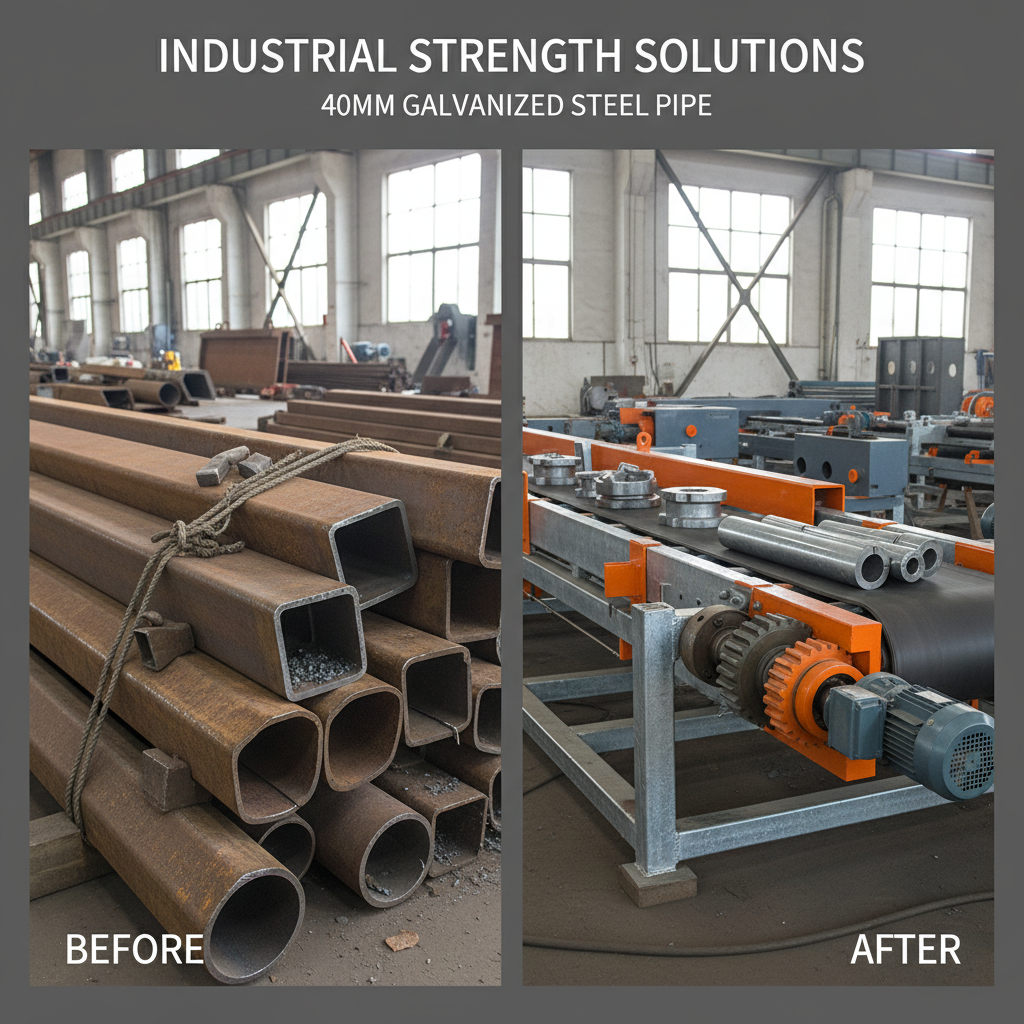
Comprehensive Guide to 40mm Galvanised Pipe Applications and Specifications