Having been in the industrial equipment sector for over a decade, I find the 2.5 inch steel pipe to be oddly versatile — quite the workhorse, really. When you think about steel piping, your mind might jump to massive pipelines crossing continents. But the 2.5 inch diameter size occupies a sweet spot in many setups, from manufacturing plants to mid-scale infrastructure projects.
In real terms, this pipe size strikes a balance between ease of handling and maintaining sufficient flow capacity. It’s not gargantuan, so handling is generally manageable on-site — whether you’re installing, maintaining, or replacing. I’ve noticed how an engineer friend of mine swears by this size when customizing parts of complex piping systems because it offers flexibility without compromising strength.
Material composition matters a lot here. Most 2.5 inch steel pipes are made from carbon steel grades that meet ASTM standards such as A53 or A106, making them robust enough to handle moderate pressure and temperature variations. There’s a lot of testing involved — ultrasonic, hydrostatic, and even magnetic particle inspection to ensure reliability and safety. This is crucial because, frankly, nobody wants downtime caused by pipe failure.
Now, customization can be a lifesaver. Whether it’s specific wall thicknesses or particular coatings to resist corrosion — like galvanizing or epoxy lining — these pipes can be tailor-made for the client’s needs. I recall a recent project where specialized coating extended the pipe’s life in a salty marine environment, saving thousands in maintenance costs over a few years.
| Specification | Details |
|---|---|
| Nominal Diameter | 2.5 inch (63.5 mm) |
| Material Grades | ASTM A53, A106, API 5L |
| Wall Thickness | Schedule 40, 80, Custom |
| Length | 6 m, 12 m, cut to length |
| Surface Finish | Black, Galvanized, Painted |
| Testing | Hydrostatic, Ultrasonic, PMI |
| Vendor | Material Quality | Customization Options | Testing & Certification | Pricing |
|---|---|---|---|---|
| Vendor A (Lion Pipeline) | High-grade ASTM A106 | Full customization | Extensive testing, ISO certified | Competitive |
| Vendor B | Standard ASTM A53 | Limited options | Basic testing | Affordable |
| Vendor C | Mixed grades | Some customization | Inconsistent certification | Varies |
Oddly enough, what surprises me most is how often the simple 2.5 inch steel pipe turns up in tricky scenarios — hot water systems, compressed air lines, even structural supports in some cases. It feels like the backbone of so many medium-scale projects, just quietly performing without much fuss. I suppose that’s why it’s a staple product for suppliers like Lion Pipeline.
If you’re on the lookout for reliable, tested, and customizable steel pipes in this size range, paying attention to material specs and vendor credibility is non-negotiable. I can’t stress enough the value of certifications and thorough inspections — they often mean the difference between a smooth-running plant and unexpected downtime.
So next time you encounter a 2.5 inch steel pipe on the shop floor or project layout, give it a bit of credit — it likely earned its place there the hard way.
References:
1. ASTM International Standards for Steel Pipes
2. Vendor product datasheets and certification documents
3. Personal experience from over 10 years in industrial piping installation and maintenance
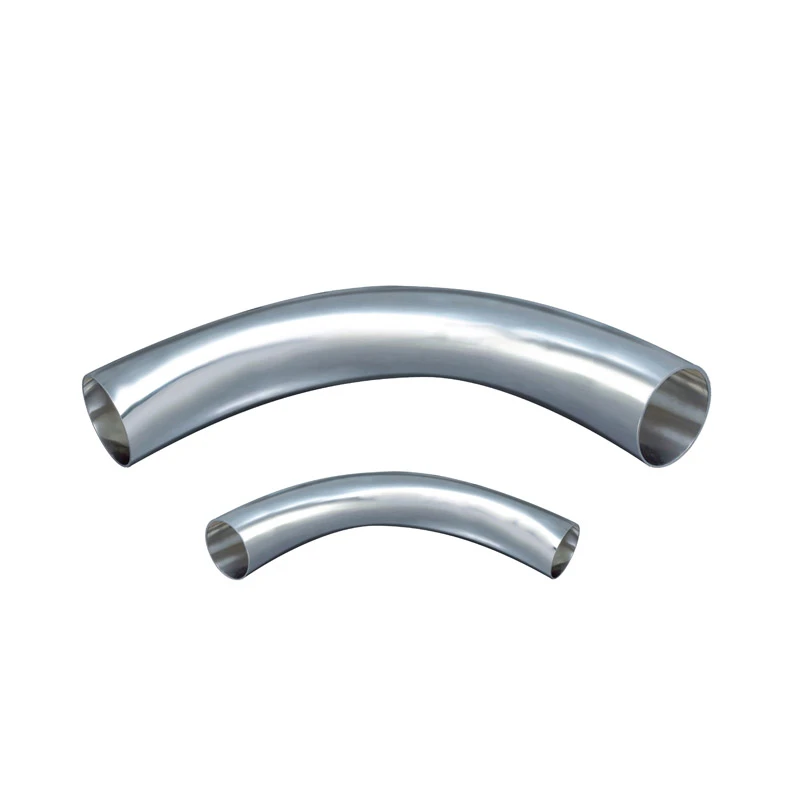
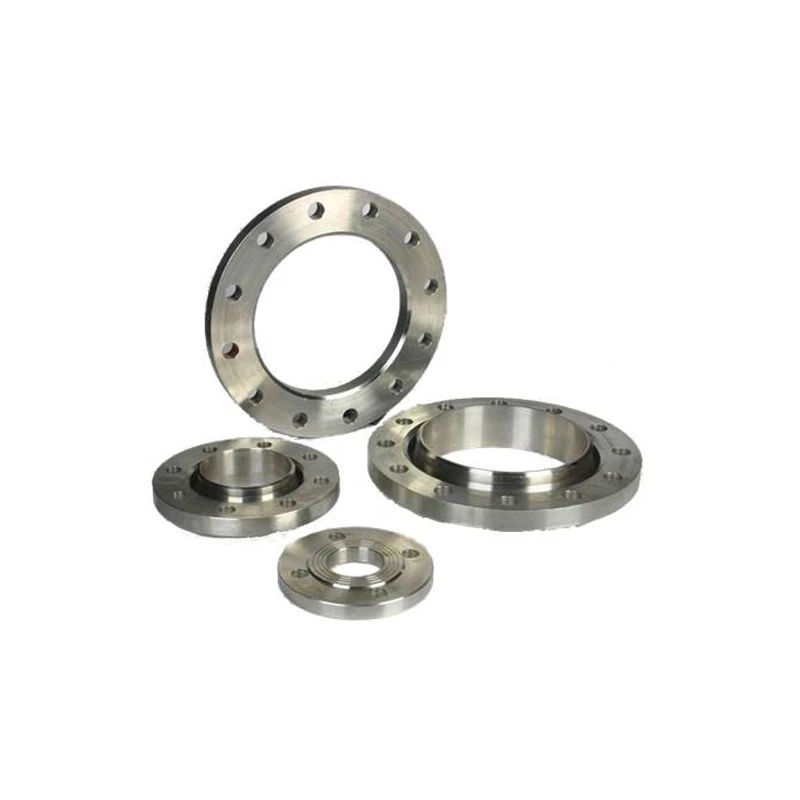
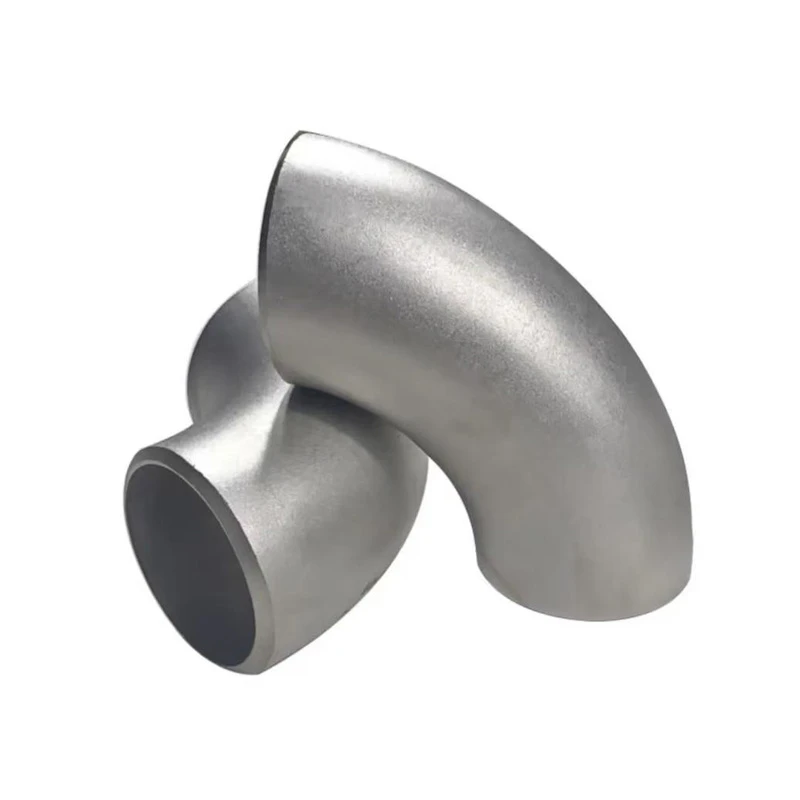

Ultimate Guide to 4130 Tubing Strength Performance and Applications
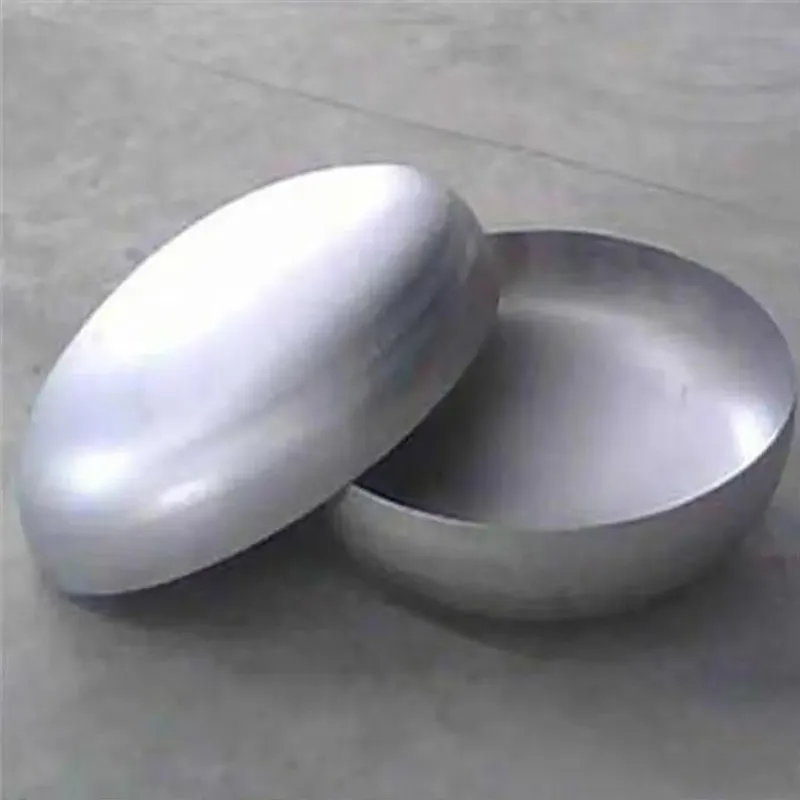
Pipe Cap-Cangzhou Lion Technology Co., Ltd.|Enhancing System Efficiency&Durability
Pipe Cap-Cangzhou Lion Technology Co., Ltd.|Enhancing System Efficiency&Durability
Pipe Cap-Cangzhou Lion Technology Co., Ltd.|Enhancing System Efficiency&Durability
Pipe Cap-Cangzhou Lion Technology Co., Ltd.|Enhancing System Efficiency&Durability
Pipe Cap-Cangzhou Lion Technology Co., Ltd.|Enhancing System Efficiency&Durability