When I first started working in the industrial equipment sector, steel tubing was always a core topic. Over the years, the 3 1/2 square tubing has stood out not just for its versatility but also for its reliability under pressure—pun intended. Oddly enough, it’s one of those materials that doesn’t get that much spotlight outside the trade, yet in practically every structural or mechanical project I’ve seen, it quietly does its job without fuss.
3 1/2 square tubing—sometimes referred to as 3.5-inch square tubing—is basically a hollow steel bar with a square cross-section, 3.5 inches on each side. Its wall thickness and alloy composition might vary, but what folks in the industry universally appreciate is its balance of strength and weight. It’s not too heavy to handle, yet it packs enough rigidity for frameworks, machinery guards, and even fencing applications.
I suppose the real art lies in understanding the trade-offs when specifying this tubing. For instance, you want something that’s durable enough to withstand stress but not so overbuilt that it turns your project into a bear to transport or weld. You know, many engineers I’ve worked with also like that it’s relatively straightforward to weld and fabricate. That makes field adjustments easier, which always helps when the gloves are off and the deadline approaches.
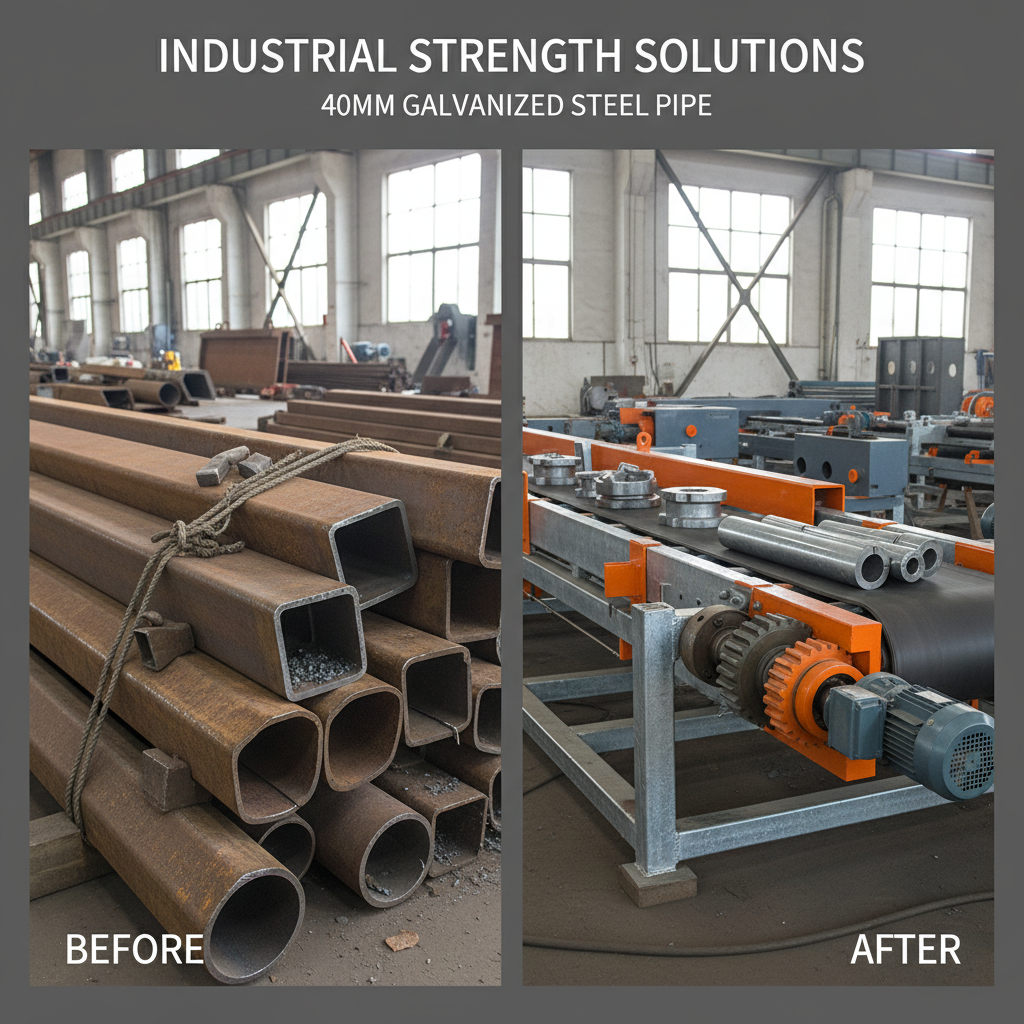
The standard material tends to be ASTM A500 Grade B or C steel, which offers excellent strength with good machinability. Now, some suppliers offer galvanized coatings for corrosion resistance, which is neat if you’re installing outdoors or in a humid environment. From a practical standpoint, corrosion protection can increase the lifespan dramatically—say, from 10 to 20 years, maybe more depending on conditions.
One little anecdote: I once saw a client choose uncoated tubing for a coastal project to save some upfront costs. A year later, we had rust creeping in, turning the tubing brittle. Moral of the story? Never skimp on specs if your project involves moisture or salt air.
| Specification | Value |
|---|---|
| Outside Dimension (inch) | 3.5 x 3.5 |
| Wall Thickness (inch) | 0.120 to 0.250 |
| Material Grade | ASTM A500 Grade B or C |
| Coating Options | Hot-dip galvanized, Painted, Untreated |
| Common Lengths | 20 to 40 feet (custom cut available) |
| Typical Weight (lbs/ft) | 5.5 to 11.4 |
Frankly, sourcing this kind of steel tubing can be a mixed bag. Some suppliers focus heavily on low cost and volume, while others prioritize customization and rapid turnaround. This table below sums up a few vendors I’ve worked with recently. The differences can be subtle, but they matter especially when you need customized cuts, certified testing, or rapid delivery:
| Vendor | Price per ft | Custom Cuts | Testing Certifications | Lead Time |
|---|---|---|---|---|
| SteelPro Supply | $4.50 | Yes | ASTM & ISO | 2 weeks |
| BulkMetals Direct | $3.90 | Limited | ASTM only | 3-4 weeks |
| Lion Pipeline | $4.75 | Yes | ASTM, ISO, API | 1 week |
Oddly enough, I noticed that vendors who offer faster lead times and more certifications often price their tubing slightly higher. But frankly, that’s the kind of investment you want to make when your project specs demand reliability and traceability. And if you want to explore detailed product options and ordering, 3 1/2 square tubing is a solid place to start looking.
In real terms, the key takeaway I’ve found over the years is: choose the tubing that fits the environment and usage, not just the sticker price. Rust prevention, certifications, and customization can save headaches down the line. It’s like buying tools—you get what you pay for.
So, the next time you encounter a draw or spec sheet calling for 3 1/2 square tubing, don’t just check a box. Reflect on the project's real demands. Think strength, durability, and practicality. That’s the advice I keep close.
References:
Overlay Welding Clad Steel Pipe
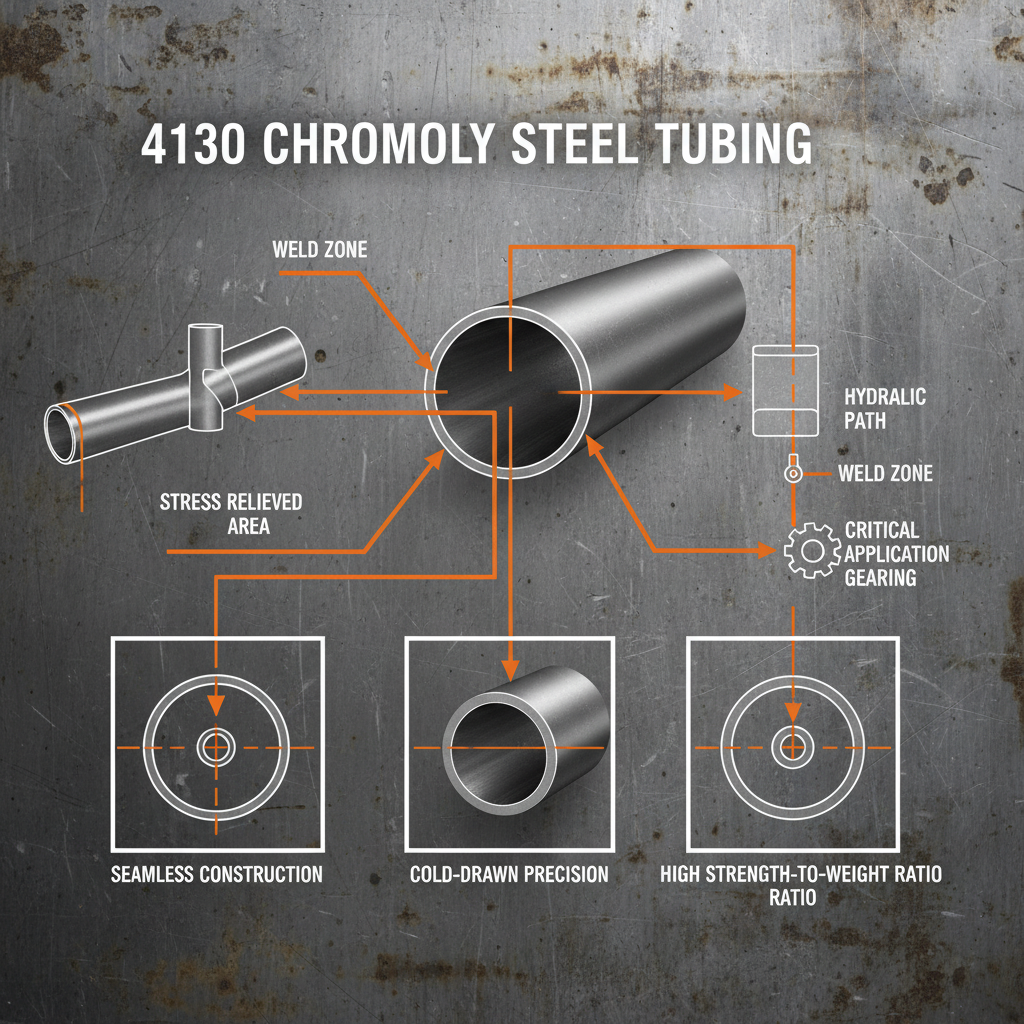
Ultimate Guide to 4130 Tubing Strength Performance and Applications
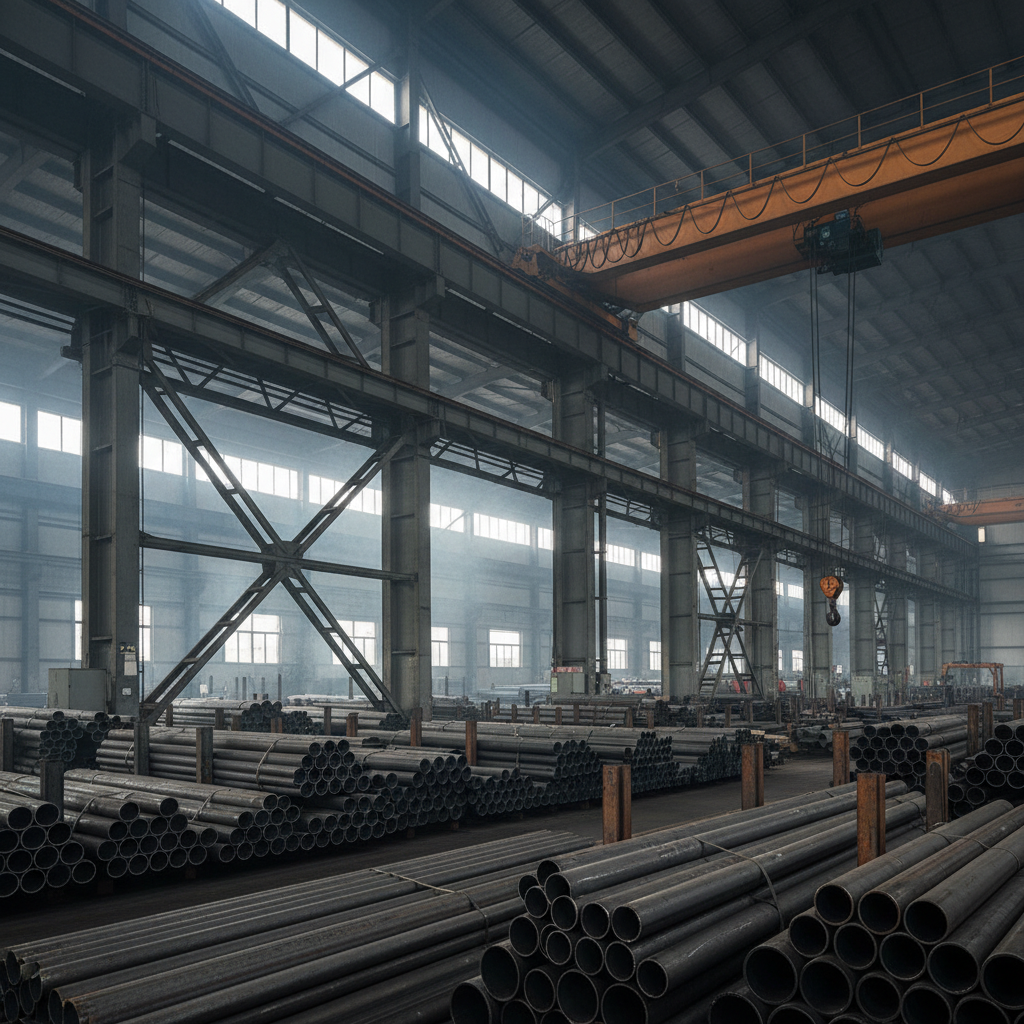
Properties and Industrial Applications of 4130 steel tubing
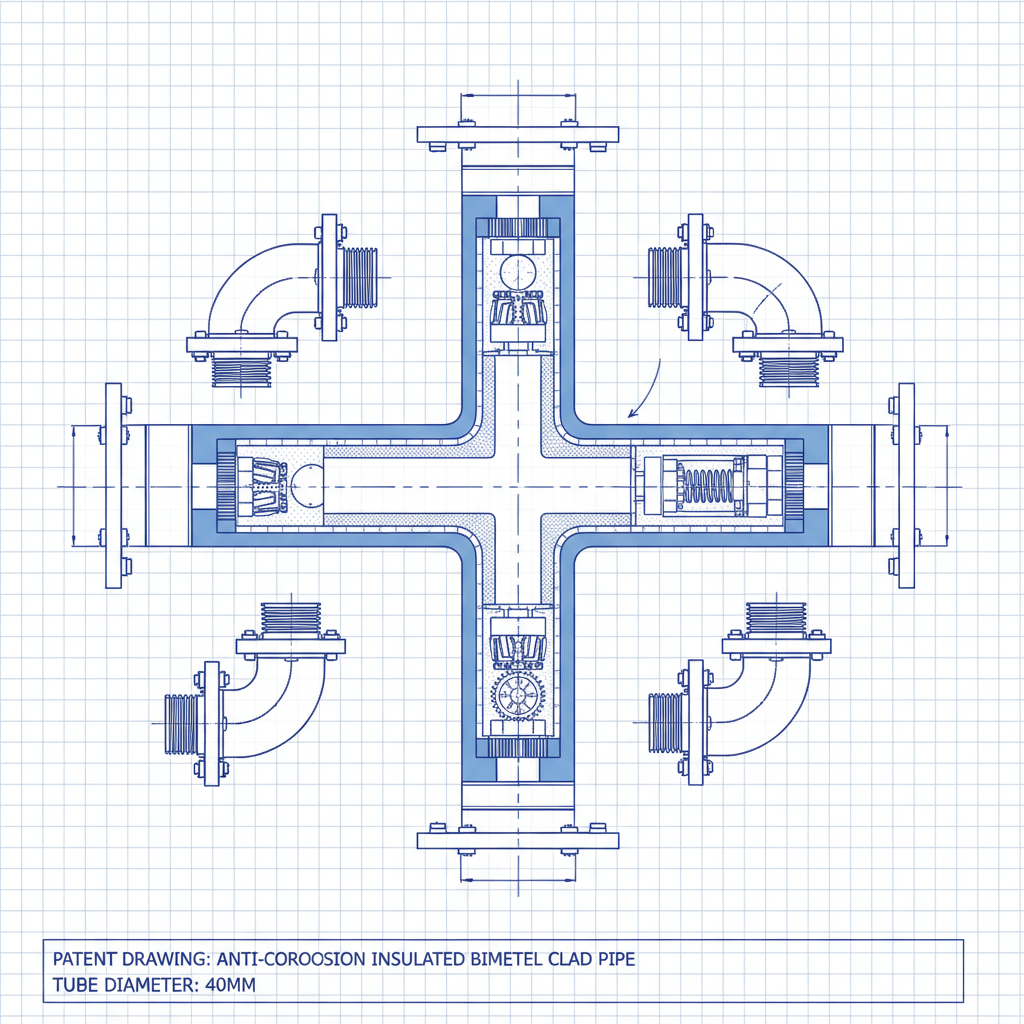
Comprehensive Guide to 40mm Steel Tube Applications and Material Selection
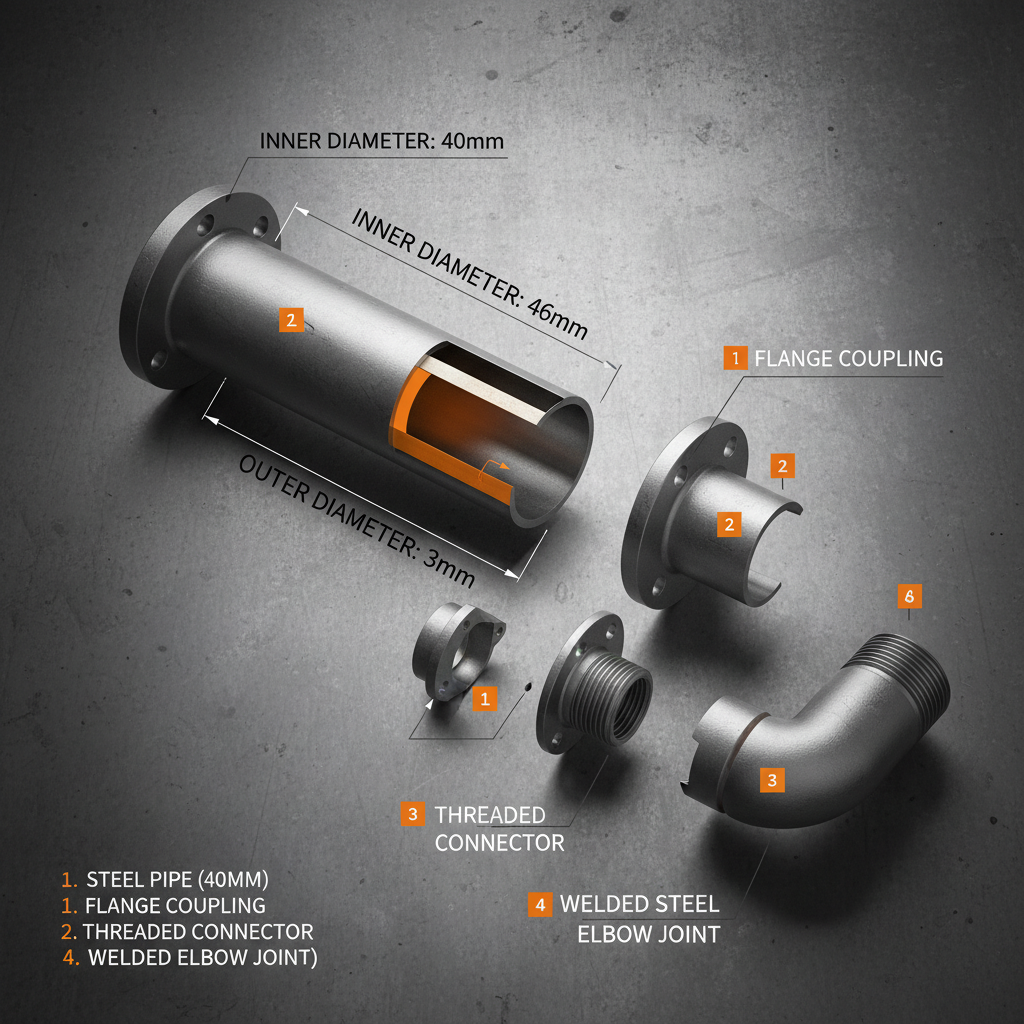
Comprehensive Guide to 40mm Steel Pipe Applications and Considerations
Comprehensive Guide to 40mm Metal Pipe Applications and Sourcing
Comprehensive Guide to 40mm Galvanised Pipe Applications and Specifications