Having been in the industrial equipment sector for well over a decade, I’ve come to appreciate certain products that quietly keep whole operations humming along. One such item—often underestimated but endlessly reliable—is the 3 1/2 steel pipe. You might think, “It’s just a pipe,” but there’s a whole world behind that simple description.
To start with, this size—3 1/2 inches in nominal diameter—is incredibly common across oil and gas, petrochemical plants, and even some construction sites. The pipe’s balance of rigidity and manageable weight makes it an ideal candidate for flowlines, casing, and structural supports where dependability is non-negotiable. Personally, I noticed how often engineers prefer this size when looking for versatility without sacrificing strength.
One thing I’ve found interesting over the years is the variety in steel grades and wall thicknesses for this diameter. Depending on where the pipe ends up, specifications can vary greatly to accommodate pressures, corrosive environments, or mechanical stresses. Speaking of which, quality control measures—like ultrasonic testing and hydrostatic pressure checks—are industry norms to avoid surprises. If you skip these steps, chances are you’ll end up with premature failures. And I’ve seen that happen too many times.
Below is a quick rundown of typical 3 1/2 steel pipe specifications, to give you a clearer snapshot:
| Specification | Details |
|---|---|
| Nominal Diameter | 3.5 inches (88.9 mm) |
| Wall Thickness Range | 0.25" to 0.5" (6.35 mm to 12.7 mm) |
| Material Grade | API 5L X42 to X65 (common) |
| Length | 20 to 24 feet (standard) |
| Finish | Black painted, galvanized, or coated |
Now, something I often mention when discussing 3 1/2 steel pipe is how different vendors stack up. It’s not just about price, although, oddly enough, that plays a huge role in project budgeting. Equally important are reliability, certifications, and customization options. For example, some suppliers offer additional heat treatment or special coatings that really make a difference in harsh environments like offshore or desert operations.
| Vendor | Price per Foot | Typical Certification | Customization | Lead Time |
|---|---|---|---|---|
| Lion Pipeline | $7.80 | API 5L, ISO | Wall thickness, coatings | 2-3 weeks |
| SteelPro Distributors | $8.50 | API 5L | Limited coatings | 4-5 weeks |
| Global Steelworks | $7.60 | ISO, ASTM | Heat treatment options | 3-4 weeks |
As a side note—customers I’ve worked with often say they appreciate vendors who understand the nuances of pipe selection for specific applications. For instance, I recall one client in West Texas who needed pipes for a new gas lift system. We ended up recommending 3 1/2 steel pipe with a slightly thicker wall and a proprietary coating to guard against sulfide stress cracking. Turns out, that single tweak saved the operation from costly downtime a year later. Details like that don’t always get the spotlight but are lifesavers in real terms.
In the current market, with increasing focus on supply chain robustness and sustainability, I see more players emphasizing recycled steel and third-party testing transparency. Frankly, it feels like the 3 1/2 steel pipe isn’t just a commodity anymore—it’s becoming a carefully engineered component, tailored for long-term performance. And that suits me just fine.
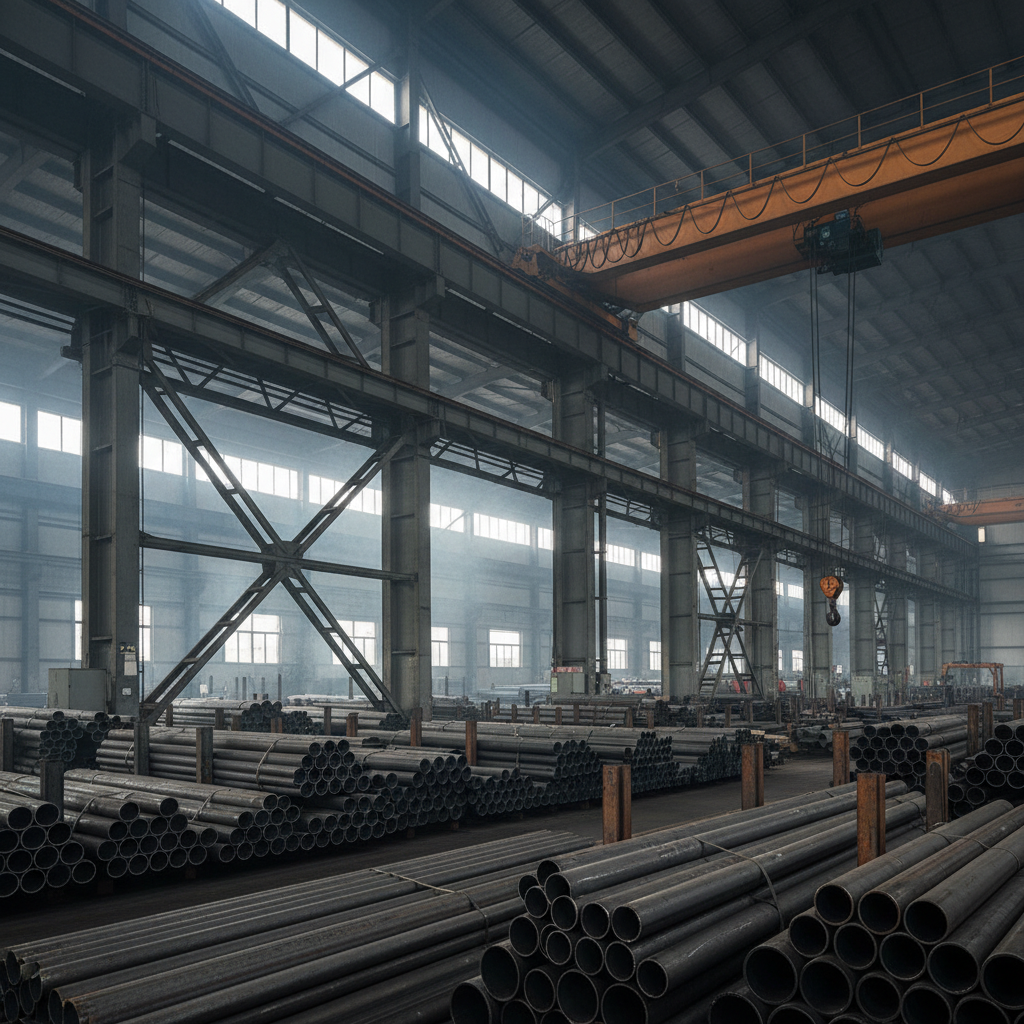
If you’re in the market, remember that understanding your project’s pressure specs, environment, and installation needs will guide your choice. And, yes, talking to suppliers ready to answer detailed technical questions will also save you headaches. So next time you see a bundle of these pipes stacked neatly in a yard, take a moment to appreciate the heavy lifting they do behind the scenes.
In short: reliable, versatile, often unsung—3 1/2 steel pipe is a cornerstone product for many industrial applications. Where durability is king, this pipe usually delivers.
References:
Ultimate Guide to 4130 Tubing Strength Performance and Applications
Properties and Industrial Applications of 4130 steel tubing
Comprehensive Guide to 40mm Steel Tube Applications and Material Selection
Comprehensive Guide to 40mm Steel Pipe Applications and Considerations
Comprehensive Guide to 40mm Metal Pipe Applications and Sourcing
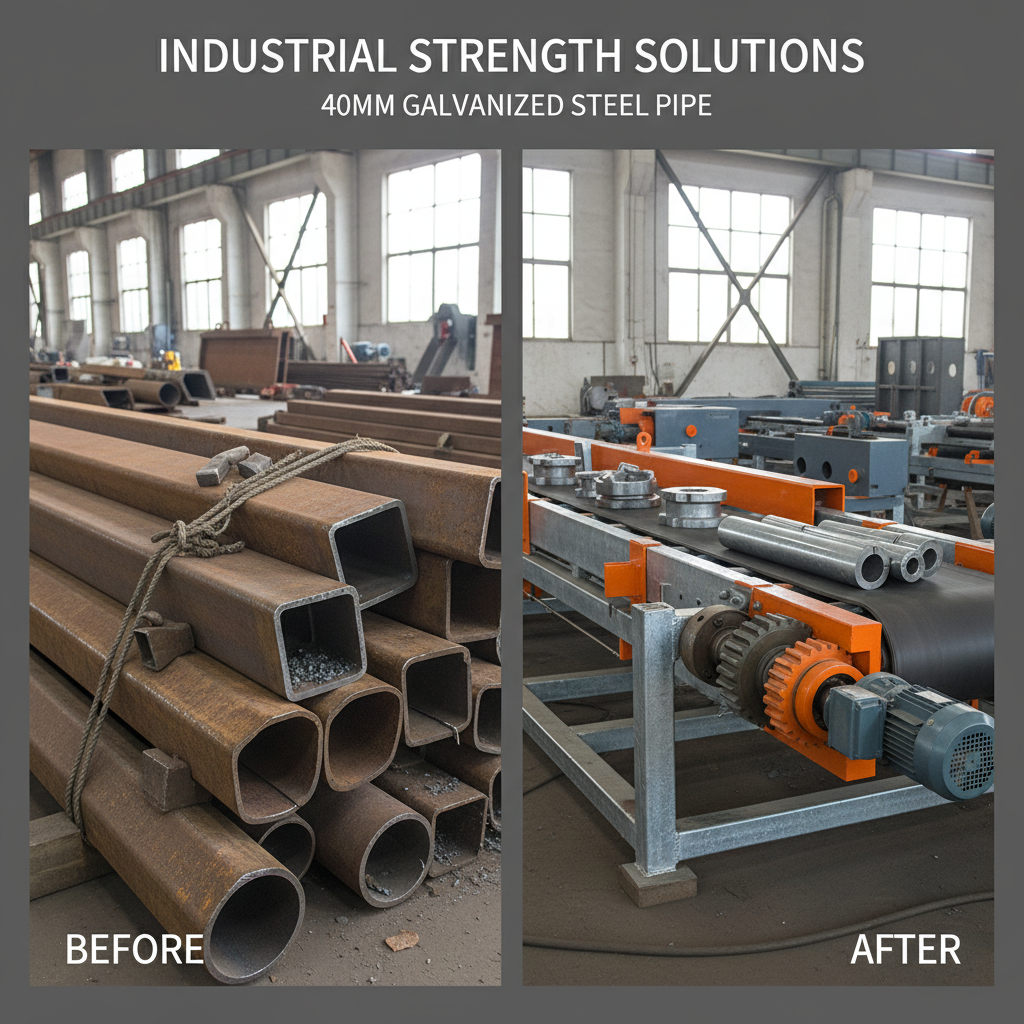
Comprehensive Guide to 40mm Galvanised Pipe Applications and Specifications