Having spent well over a decade navigating the quirks of industrial equipment — particularly in piping solutions — I can tell you that not all flex pipes are created equal. When it comes to a 2 inch stainless steel flex exhaust pipe, you’re really looking at an intersection of material science, manufacturing precision, and a little bit of engineering magic.
Now, why does stainless steel hold such a special spot for exhaust pipes? Frankly, it’s the blend of heat resistance, corrosion protection, and flexibility. I remember an installation a few years back on a commercial industrial heater system where the standard flex pipes started showing early signs of stress — cracks, rust spots — within months. But switching to stainless steel flex pipes changed the game completely; the thermal cycles and corrosive fumes just didn’t stand a chance.
In real terms, these 2 inch stainless steel flex exhaust pipes are built to handle high temperatures often exceeding 1000°F (540°C), which frankly is a hot environment for any piping. The corrugated design allows them to absorb vibration and thermal expansion — something rigid piping just can’t do without cracking or failure. That flexibility is what makes these pipes ideal for connecting exhaust outlets on engines, generators, or industrial heaters where movement or thermal growth is unavoidable.
Talking specs — here’s a neat rundown of the common features you’ll see with these pipes:
| Specification | Value / Details |
|---|---|
| Inner Diameter | 2 inches (50.8 mm) |
| Material | Stainless Steel Type 304 or 316 |
| Temperature Range | -325°F to 1200°F (-198°C to 649°C) |
| Length Options | 12” to 72” standard; custom lengths available |
| End Fittings | Flanged, clamped, or plain ends |
| Application | Exhaust ducting for generators, engines, heaters, boilers |
Oddly enough, despite all the technology behind them, I find the choice between stainless steel grades 304 and 316 depends a lot on the environment. When moisture or salty air is involved — say near coastal industrial sites — 316 with its molybdenum content offers better corrosion resistance. It’s not an expensive upgrade, and frankly, many engineers swear by specifying 316 in tougher environments to save headaches later.
Now, choosing a vendor can sometimes be a bit of a maze. I’ve seen a few suppliers claim identical specs, but the real difference often lies in manufacturing tolerances, testing protocols, and adherence to certifications like ASTM or ISO. To help you cut through the noise, here’s a quick comparison of three typical vendors I’ve worked with over the years:
| Vendor | Material Grades | Custom Lengths | Certifications | Lead Times |
|---|---|---|---|---|
| Lion Pipeline | 304, 316 | Yes | ISO 9001, ASTM Compliant | Typical 2–3 weeks |
| Vendor B | 304 only | Limited | ASTM Compliant | 4–6 weeks |
| Vendor C | 304, 316L (lower carbon) | Yes | ISO Certified, RoHS | 3–4 weeks |
On a personal note, one customer I worked with last year needed a very specific application: a compact exhaust setup for a remote generator unit, exposed to marine air and constantly subject to vibration. They settled on a 316 grade 2 inch stainless steel flex exhaust pipe from Lion Pipeline with custom lengths and flanged ends. The system’s been running solidly for nearly 18 months with zero maintenance issues — which, frankly, is exactly the kind of reliability we all want.
If you’re balancing cost, durability, and flexibility, these pipes are a compelling choice. And in my experience, spending a bit more on well-specified components almost always pays off when it comes to downtime avoidance.
For anyone in the industrial equipment sector, the 2 inch stainless steel flex exhaust pipe remains a go-to solution worth serious consideration.
As always, double-check material certifications and application specifics with your supplier to avoid surprises down the line.
To sum up with a bit of seasoned advice: quality, specifications, and supplier trust matter as much as the product itself — you’ll feel the difference in the long haul.
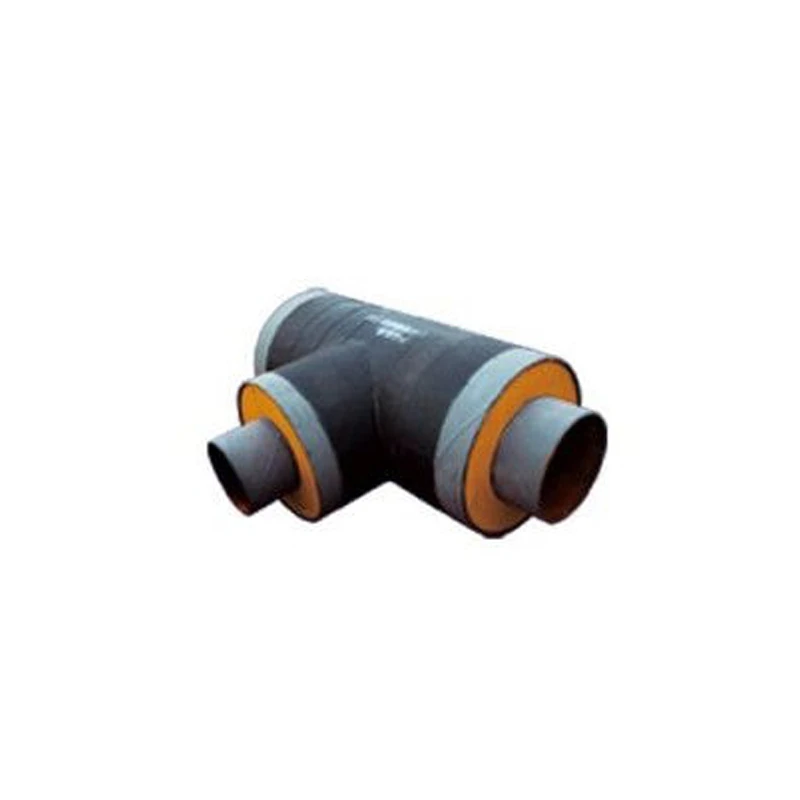
Anti Corrosion And Thermal Insulation Products
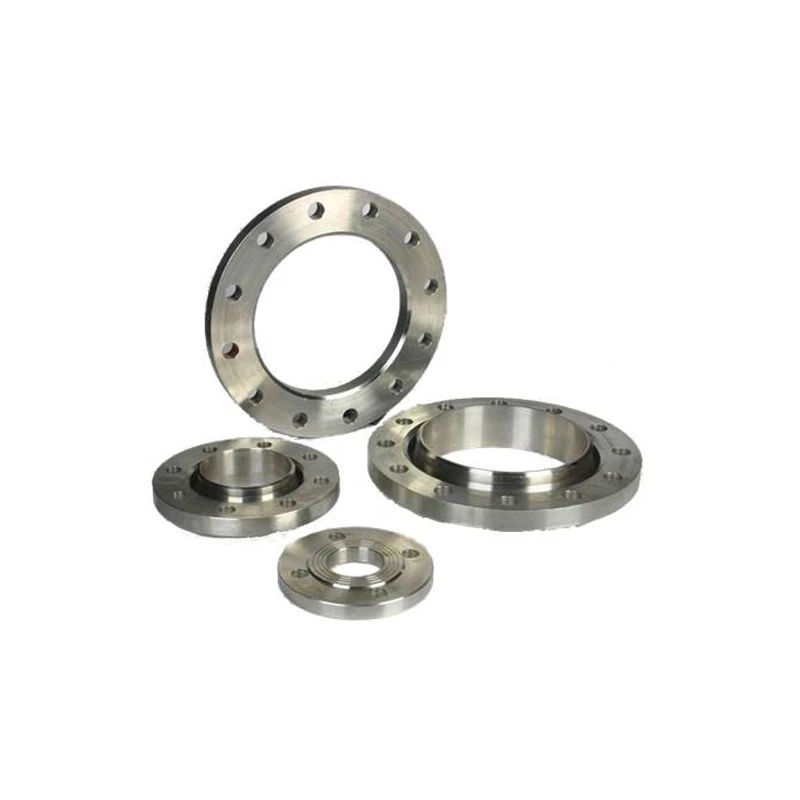
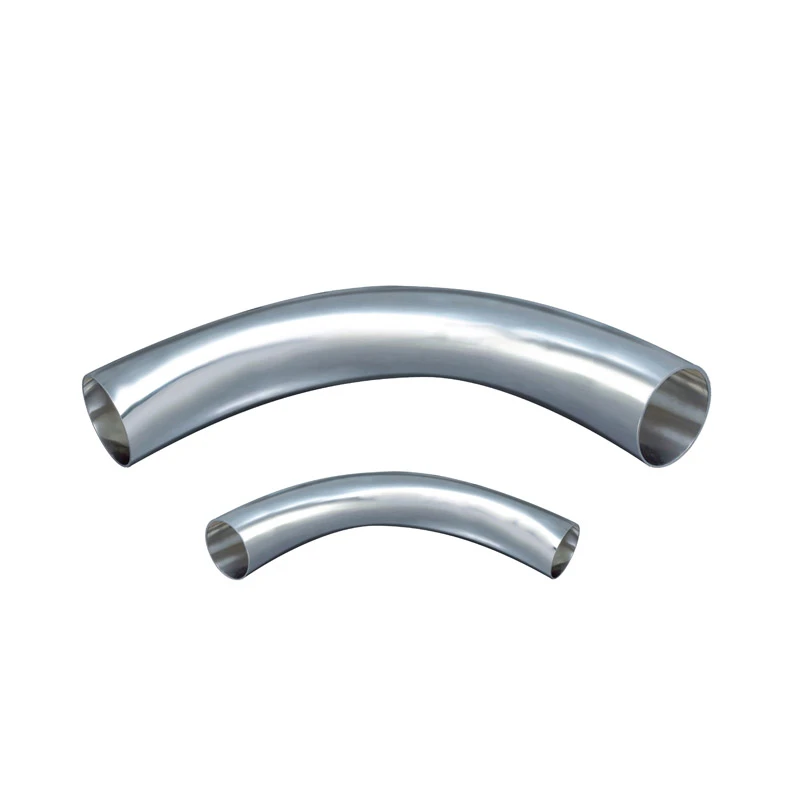
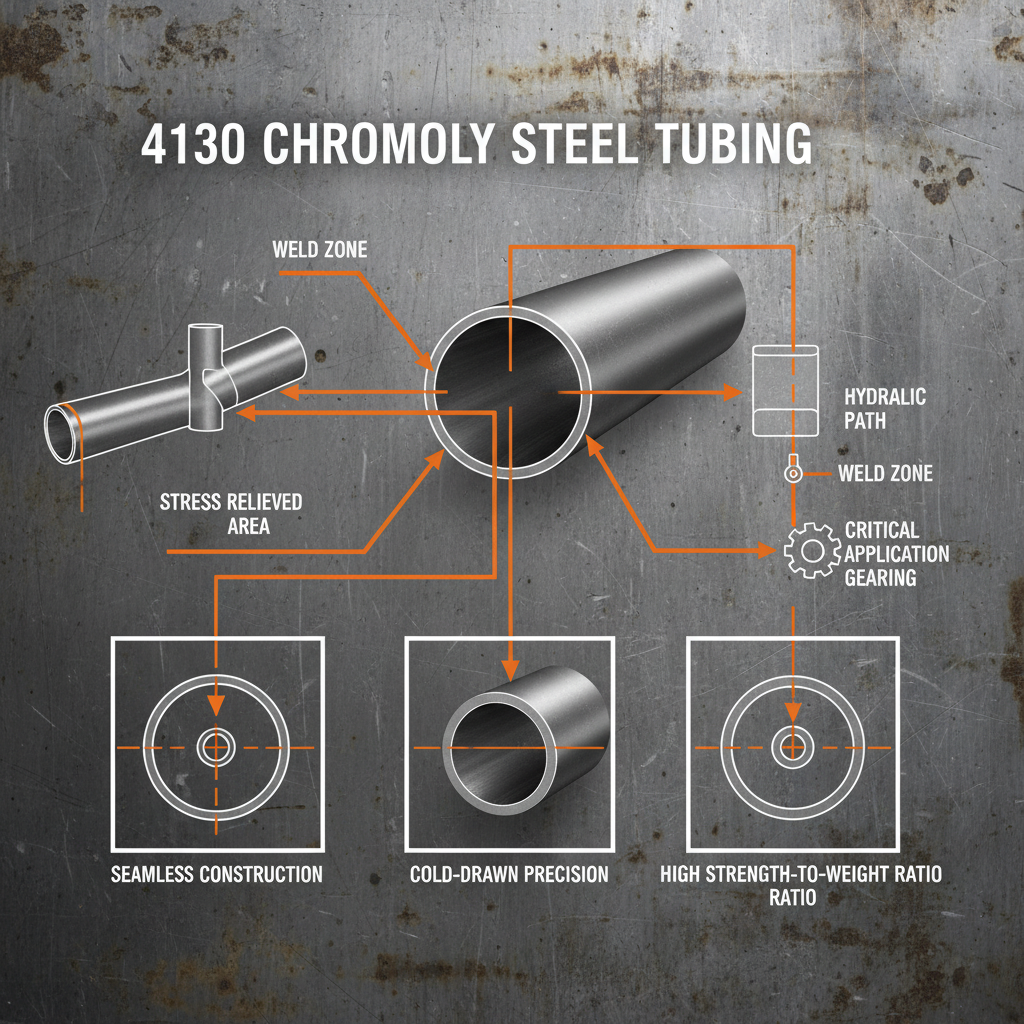
Ultimate Guide to 4130 Tubing Strength Performance and Applications
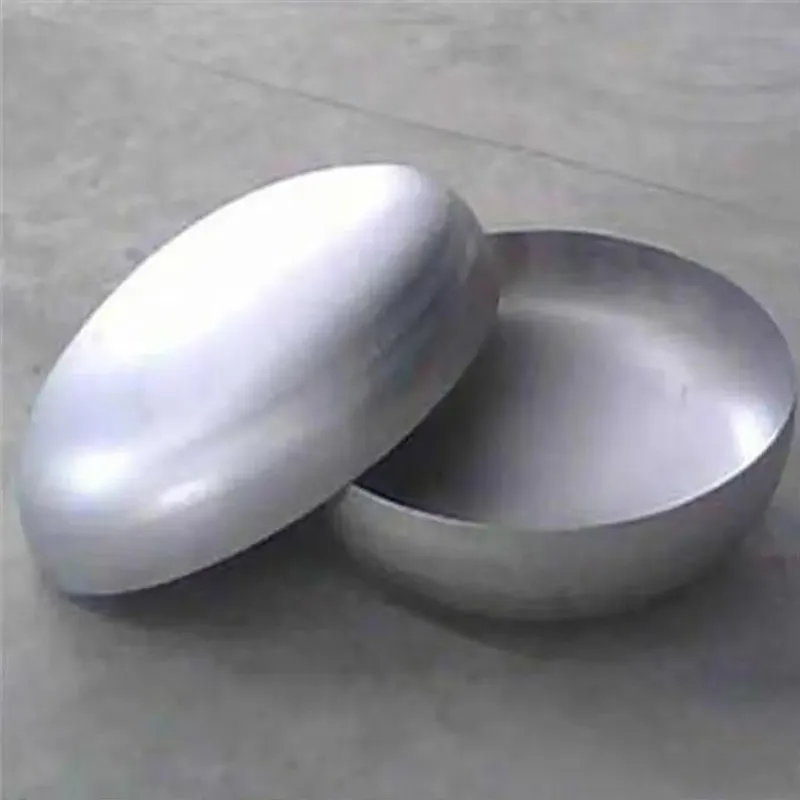
Pipe Cap-Cangzhou Lion Technology Co., Ltd.|Enhancing System Efficiency&Durability
Pipe Cap-Cangzhou Lion Technology Co., Ltd.|Enhancing System Efficiency&Durability
Pipe Cap-Cangzhou Lion Technology Co., Ltd.|Enhancing System Efficiency&Durability
Pipe Cap-Cangzhou Lion Technology Co., Ltd.|Enhancing System Efficiency&Durability
Pipe Cap-Cangzhou Lion Technology Co., Ltd.|Enhancing System Efficiency&Durability