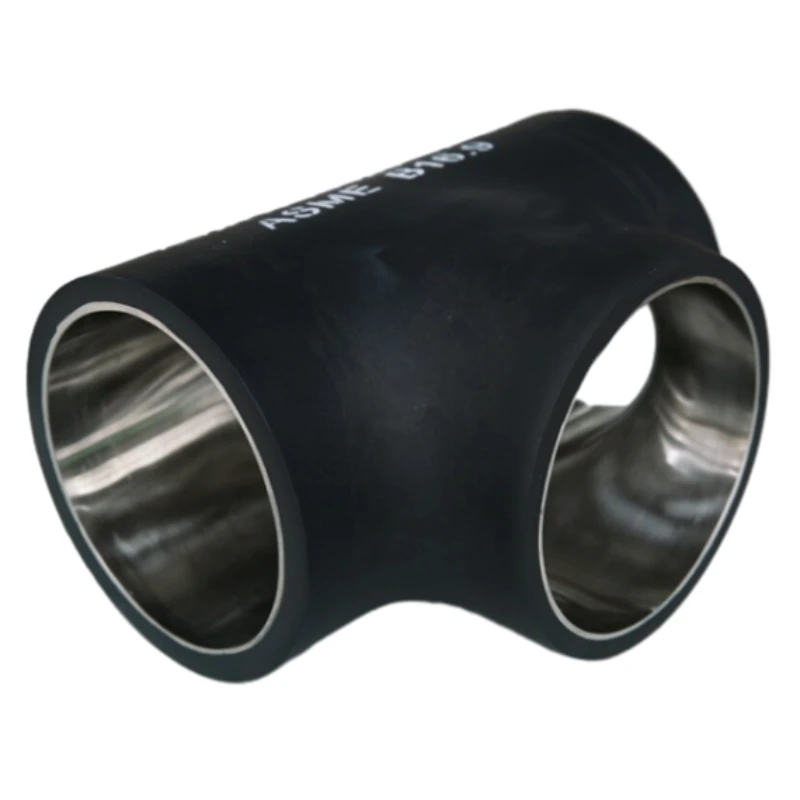
Having spent quite a few years working around industrial sites and dealing with various piping solutions from the welded to the seamless, I can safely say that 2 inch metal tubing has this sort of reliable, no-nonsense charm that keeps it relevant. You encounter it in everything from fluid transport to structural frameworks—frankly, it’s a staple.
The appeal of this size really boils down to versatility and strength. Unlike smaller diameters that limit flow or larger ones that might be clunky for certain installations, 2 inch tubing hits that sweet spot. It feels robust enough to handle demanding conditions but still manageable for fabrication and modification. Oddly enough, many engineers I've chatted with say they appreciate how uniform it tends to be in terms of wall thickness and finish, qualities that directly affect performance and longevity.
Common metals for 2 inch tubing range from carbon steel and stainless steel to sometimes aluminum or galvanized steel, depending on the environment and corrosion resistance needs. Stainless steel variants, for example, tend to come at a premium but offer superior rust protection—crucial in wet or chemical-prone environments. I remember a project where switching to stainless tubing reduced maintenance downtime noticeably, a win for any operations manager.
| Specification | Typical Value | Notes |
|---|---|---|
| Outer Diameter (OD) | 2.375 inches (60.3 mm) | Standard for 2 inch tubing |
| Wall Thickness | Varies: 0.065" to 0.154" | Depending on type (e.g. Schedule 40 or 80) |
| Material | Carbon Steel, Stainless Steel | Common industrial grades |
| Length | Up to 24 ft typical | Custom cuts available |
| Testing & Certification | ASTM A53, A312 (Stainless) | Ensures material integrity |
You know, in real terms, selecting a reliable vendor for 2 inch metal tubing isn't just about price — it's about trust, consistency, and support. I’ve seen projects snagged by delays because people ordered generic tubing without adequate specs or certification. That can cost a lot more than the tubes themselves.
| Vendor | Product Range | Certification | Custom Cutting | Delivery Speed |
|---|---|---|---|---|
| Lion Pipeline | Extensive (Carbon, Stainless) | ASTM Certified | Yes | Fast & Reliable |
| SteelCon Supply | Moderate | ASTM, ISO | Limited | Standard |
| Generic Metals | Basic | Varies | No | Slower |
I recall a plant upgrade some years back where specs for new piping called for durable, corrosion-resistant 2 inch stainless steel tubing. The contractor picked tubes from a vendor known for rapid custom cuts and proper certifications—turns out that move saved days of downtime and avoided costly rework. It’s a reminder: sometimes, the right tubing is about more than just size or material; it’s about who stands behind the product.
So, if you ask me, when it comes to 2 inch metal tubing, investing a bit of time choosing the right specs and a trustworthy supplier pays off. Whether you’re in construction, manufacturing, or maintenance, that tube is going to hold up under pressure—literally and figuratively.
References:
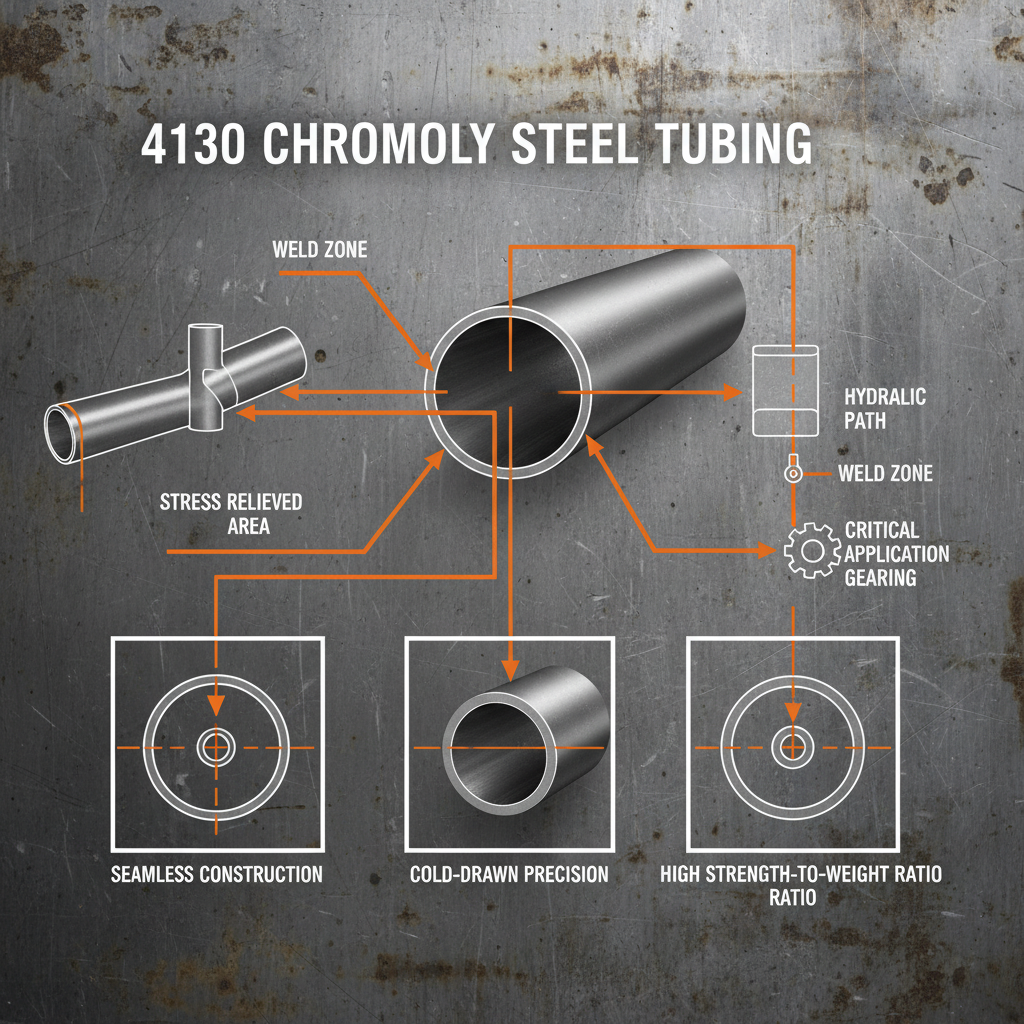
Ultimate Guide to 4130 Tubing Strength Performance and Applications
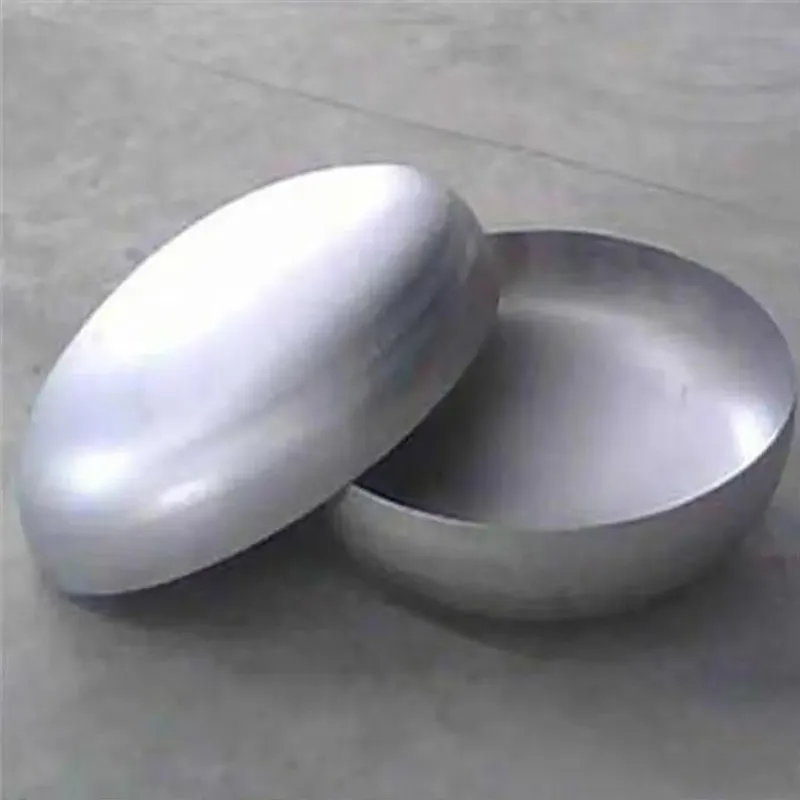
Pipe Cap-Cangzhou Lion Technology Co., Ltd.|Enhancing System Efficiency&Durability
Pipe Cap-Cangzhou Lion Technology Co., Ltd.|Enhancing System Efficiency&Durability
Pipe Cap-Cangzhou Lion Technology Co., Ltd.|Enhancing System Efficiency&Durability
Pipe Cap-Cangzhou Lion Technology Co., Ltd.|Enhancing System Efficiency&Durability
Pipe Cap-Cangzhou Lion Technology Co., Ltd.|Enhancing System Efficiency&Durability