2 Inch Galvanized Steel Pipe is a key solution in the industry, specifically within sectors like construction, plumbing, and manufacturing. This article explores how Lion Pipeline supports professionals with durable, high-performance products, and explains why this product is an ideal choice for businesses in these sectors.
When we talk about a 2 Inch Galvanized Steel Pipe, what do we really mean? Fundamentally, this is a steel pipe with a nominal diameter of two inches that’s been galvanized — meaning it’s coated with a layer of zinc to prevent rust and corrosion. This simple zinc treatment makes a world of difference, especially in environments where moisture or harsh chemicals threaten metal integrity.
Technically, these pipes conform to industry standards such as ASTM A53 or A123, ensuring reliable dimensions, tensile strength, and coating quality. For example, the wall thickness often ranges around Schedule 40, balancing sturdiness and weight. Companies like Lion Pipeline offer extensive quality control — from galvanizing thickness testing to tensile strength assessments — which frankly, reassures engineers and purchasers that these pipes will perform as promised on-site, whether underground or exposed.
| Parameter | Value | Unit |
|---|---|---|
| Nominal Diameter | 2 | Inches |
| Wall Thickness (Schedule 40) | 0.154 | Inches |
| Coating Thickness (Min.) | 85 | Microns |
| Tensile Strength | 415 | MPa |
Now, why do so many B2B decision makers favor 2 Inch Galvanized Steel Pipe? It boils down to longevity and performance. The galvanized coating protects against rusting in harsh weather or indoor environments with variable humidity. I’ve noticed that engineers continually appreciate the balance of tensile strength and corrosion resistance — it really helps reduce costly maintenance cycles.
Use cases are vast: from water distribution and gas lines to scaffolding and structural frameworks. In manufacturing plants, these pipes carry compressed air or protective fluids without degradation. The versatility is a big selling point since a single pipe type can serve many roles. Plus, compared to alternatives like plain black steel, galvanization drastically extends service life — and frankly, it just feels more reliable on site.
Cost-wise, galvanized steel pipes come with a moderate premium upfront when compared to non-galvanized or plastic alternatives. Still, when you account for the reduced need for repairs or replacement — not to mention downtime avoidance — the total cost of ownership can be surprisingly low. ROI calculations often favor galvanized steel, especially in critical infrastructure.
Customers from heavy industry often report positive feedback: durability under pressure, low instances of leaks, and consistent quality from suppliers like Lion Pipeline. In real terms, maintenance crews find these pipes easier to inspect and clean; this practicality adds to their appeal in large-scale operations where time is money. Anecdotally, I’ve heard from plant managers how having “no surprises” with pipe integrity saves them headaches and costs.
Oddly enough, galvanized steel pipes sit at an interesting crossroads of sustainability. On one hand, they are metal-based and thus recyclable at end-of-life, which fits circular economy models. On the other hand, newer regulations increasingly require supplier transparency and responsible sourcing — areas where established vendors like Lion Pipeline are actively investing in compliance certifications.
Market trends show a steady demand for galvanized pipes, driven by infrastructure upgrades and industrial expansions worldwide. Environmental factors nudge companies toward longer-lasting materials that reduce waste, and galvanized steel pipes fit nicely into this thinking. While alternatives like HDPE pipes grow in niche markets, steel remains dominant for robustness and fire safety in commercial settings.
| Feature | Lion Pipeline | Competitor A | Competitor B |
|---|---|---|---|
| Coating Thickness (microns) | 85+ | 75+ | 80+ |
| Lead Time (weeks) | 2-3 | 4-6 | 3-4 |
| Customer Support | 24/7 Dedicated | Business Hours | Business Hours |
| Customization Options | Yes | Limited | No |
In short, the 2 Inch Galvanized Steel Pipe remains a staple for good reasons: it offers resilience, longevity, and cost control, all vital for business decision makers. Sourcing from a trusted supplier like Lion Pipeline ensures quality and support that aligns with your project’s demands. I suppose if you want a pipe solution that doesn’t complicate things, this one fits that bill.
From experience, a solid galvanized pipe saves more than just material costs — it saves headaches down the line. Trends indicate more demand for durable infrastructure elements, and this product is positioned right at the heart of those needs.
References: (1) ASTM Standards for Galvanized Pipe (2) Industry Usage Reports 2023 (3) Lion Pipeline Quality Certifications
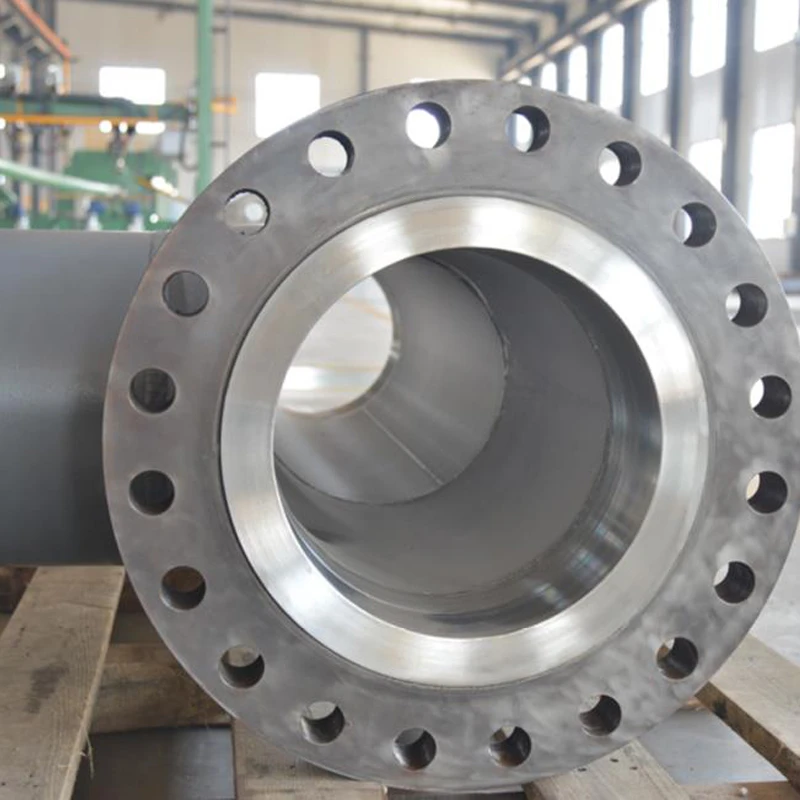
Factory Prefabricated Products
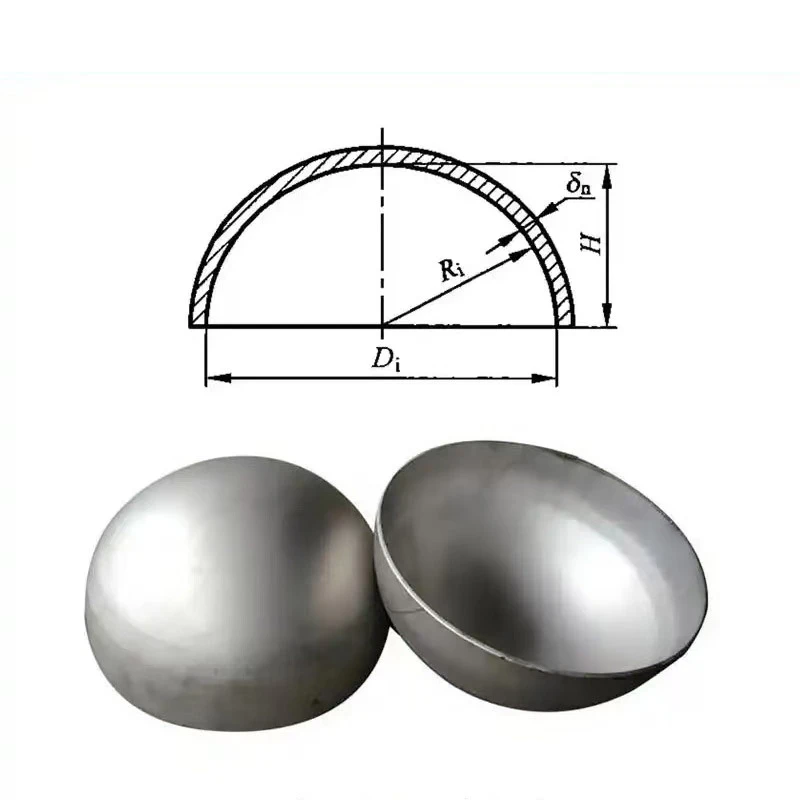
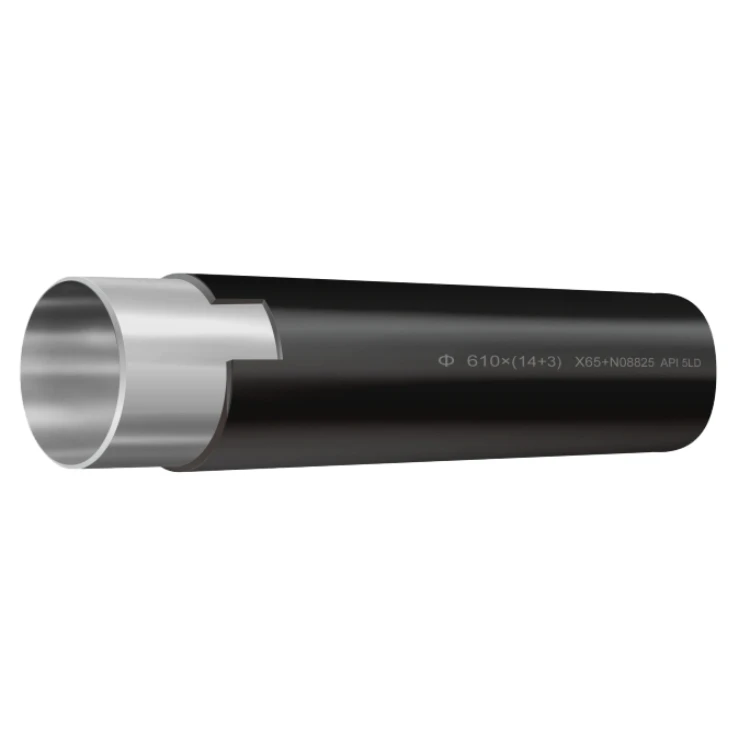
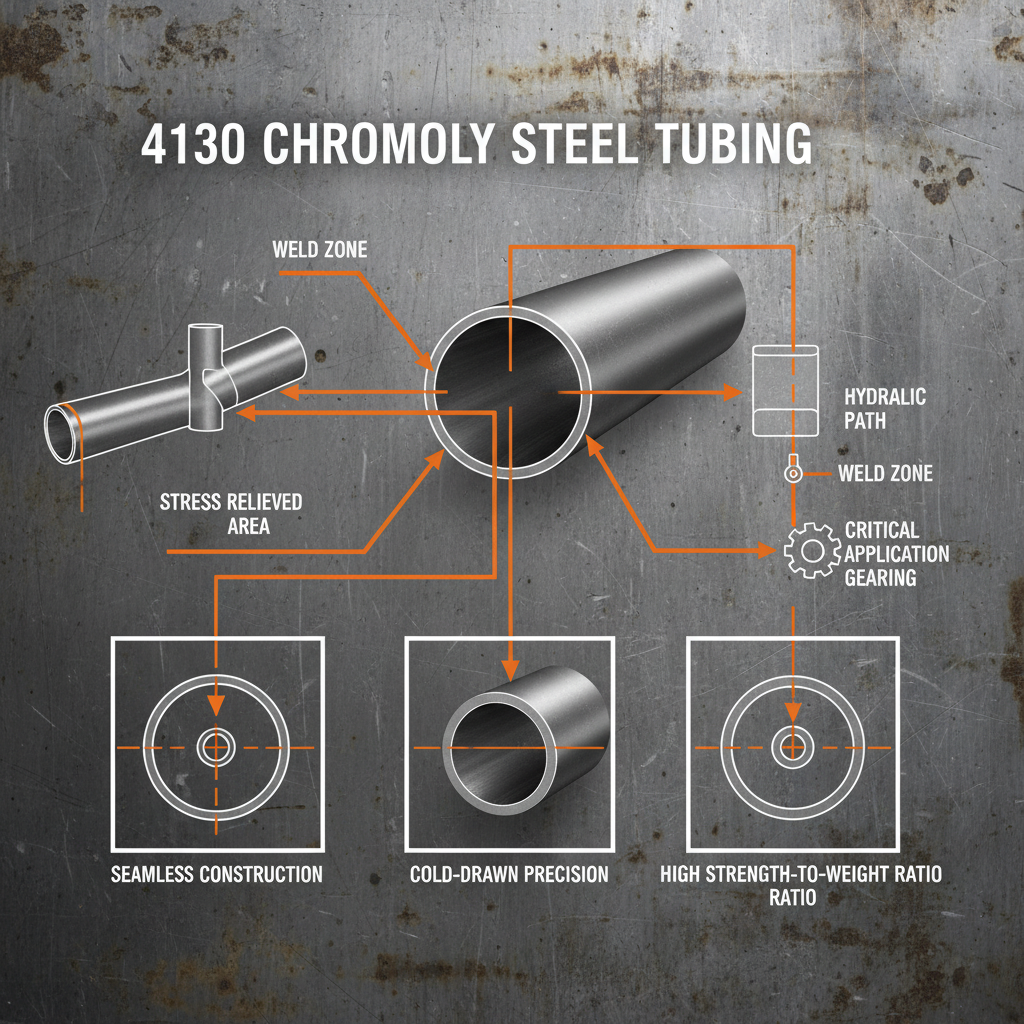
Ultimate Guide to 4130 Tubing Strength Performance and Applications
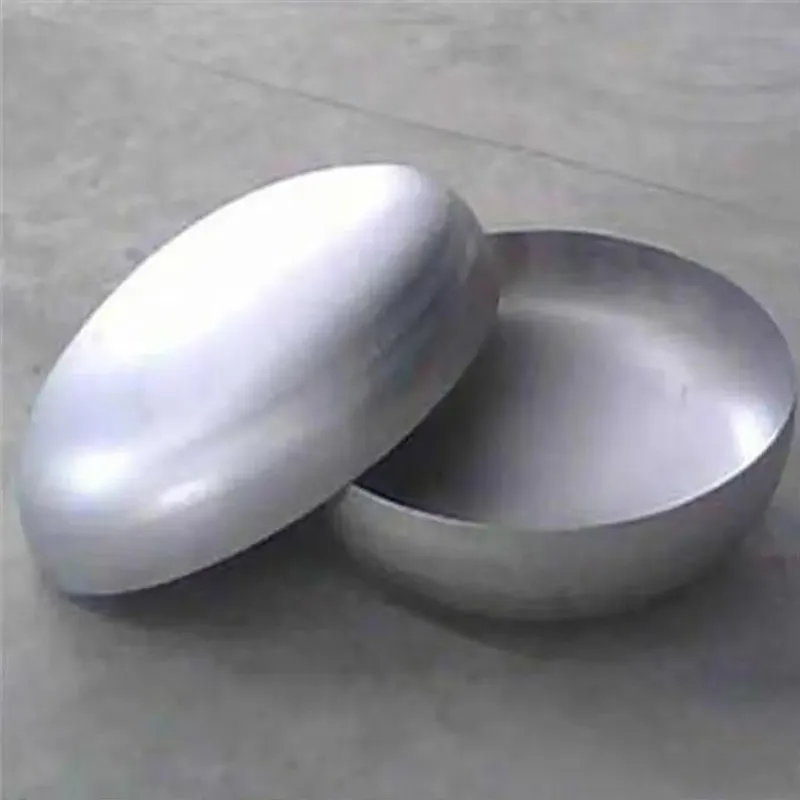
Pipe Cap-Cangzhou Lion Technology Co., Ltd.|Enhancing System Efficiency&Durability
Pipe Cap-Cangzhou Lion Technology Co., Ltd.|Enhancing System Efficiency&Durability
Pipe Cap-Cangzhou Lion Technology Co., Ltd.|Enhancing System Efficiency&Durability
Pipe Cap-Cangzhou Lion Technology Co., Ltd.|Enhancing System Efficiency&Durability
Pipe Cap-Cangzhou Lion Technology Co., Ltd.|Enhancing System Efficiency&Durability