Having spent quite a few years around industrial equipment — pipes, valves, you name it — I can tell you this: the humble 2 inch galvanized pipe 20 ft is actually a surprisingly robust piece of hardware. Oddly enough, it feels like people overlook it, but I’ve seen how it quietly holds the backbone of countless projects, from rugged construction sites to plumbing ventures.
Galvanized steel pipes have been around forever, but the 2 inch diameter and 20-foot length strikes a neat balance — you get enough length to minimize jigsaw-fitting on site, and the 2-inch bore is versatile for many flow requirements. Frankly, it’s the go-to choice for professionals who want durability paired with manageable handling.
Galvanizing, simply put, is a zinc coating that prevents rust and corrosion — which, in real terms, means longer lifespan under harsh exposure. I’ve been on job sites where unprotected steel turns orange in a couple of months, but galvanized pipes often last years without fuss. It’s especially crucial outdoors or when piping runs near moisture-heavy environments.
Another thing I noticed is the weld quality. Many vendors offer seamless and welded options, but seamless galvanizing tends to be pricier and reserved for high-pressure lines. For most standard needs, the welded 2 inch galvanized pipe is tough enough, but don’t take my word for it — always check test certifications.
| Specification | Detail |
|---|---|
| Outer Diameter | 2.375 inches (Nominal 2 inch) |
| Length | 20 feet (custom lengths possible) |
| Wall Thickness | Schedule 40 (approx. 0.154 inches) |
| Material Grade | ASTM A53 Grade B / A123 Zinc Coated |
| Coating Thickness | Minimum 45 microns zinc |
| Weight | ~38 lbs per 20 ft length |
Not all galvanized pipes are created equal — and I’ve dealt with that more than once. Here’s a little comparison table from my experience with the three main suppliers I keep an eye on:
| Vendor | Zinc Coating Durability | Certification & Testing | Pricing (per 20 ft) | Customization Options |
|---|---|---|---|---|
| Lion Pipeline | High (ASTM A123 certified, thick zinc) | Full test reports available | Mid-range | Custom lengths and threading |
| SteelWorks Co. | Moderate (basic galvanizing) | Limited certification | Low-end | Standard lengths only |
| Allied Metals | High (premium galvanizing, thicker layer) | Comprehensive QA & certifications | Premium pricing | Custom work and special orders |
A quick story — I once saw a job six months behind schedule because the pipes they ordered started rusting prematurely. Turns out, they’d gone for the cheapest galvanized pipe from a lesser-known vendor. That’s why I always push my team toward trusted suppliers like Lion Pipeline. In industrial work, you spend some extra dough upfront to avoid headaches later — it’s a lesson seared into my experience.
The 2 inch galvanized pipe’s role is pretty versatile. It’s big enough for water, gas, or compressed air lines, yet still manageable by a small crew. Many engineers say it’s a sweet spot for balancing flow capacity and ease of installation. Plus, being galvanized, it’s almost like a “fit-and-forget” kind of product when used outdoors or underground.
In custom projects, these pipes can be threaded, bent, or cut on demand. I remember a recent retrofit where onsite modifications were crucial—and having a supplier who could customize lengths saved a lot of hassle.
So yeah — the 2 inch galvanized pipe 20 ft might seem like just another metal tube at first glance, but it’s been a steadfast workhorse in my many years in industrial sectors. Durability, reliability, and ease of use make it a no-brainer for many projects.
If you’re weighing your options, I’d say prioritize quality galvanizing, reputable certification, and sensible price. It’s those factors that keep infrastructure solid, save money long-term, and avoid those ugly rust issues that can really derail schedules.
Hope this helps! And if you fancy digging deeper, vendors like Lion Pipeline offer great insights and product support — so don’t hesitate to reach out.
Cheers to solid piping!
References:
1. ASTM International, ASTM A53 / A53M-20 Standard Specification.
2. "Corrosion Protection of Steel," NACE International.
3. Lion Pipeline product guides (https://www.lion-pipeline.com).
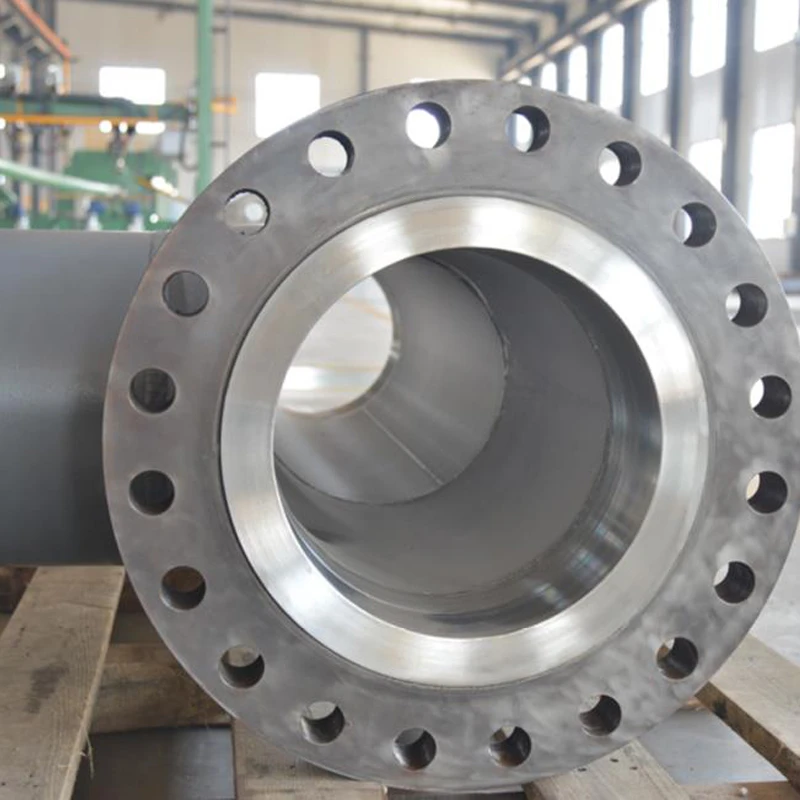
Factory Prefabricated Products
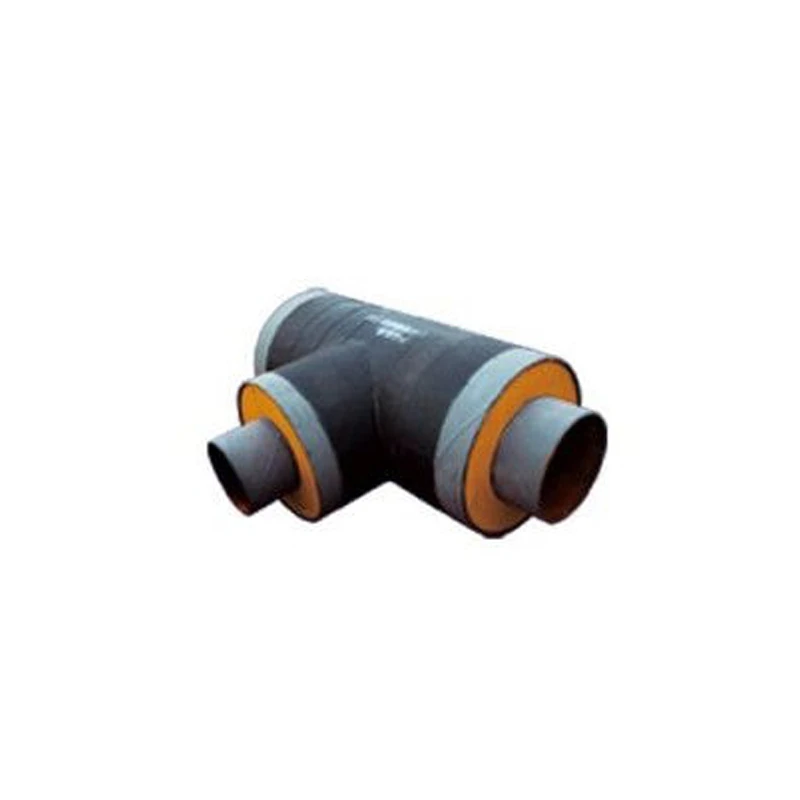
Anti Corrosion And Thermal Insulation Products
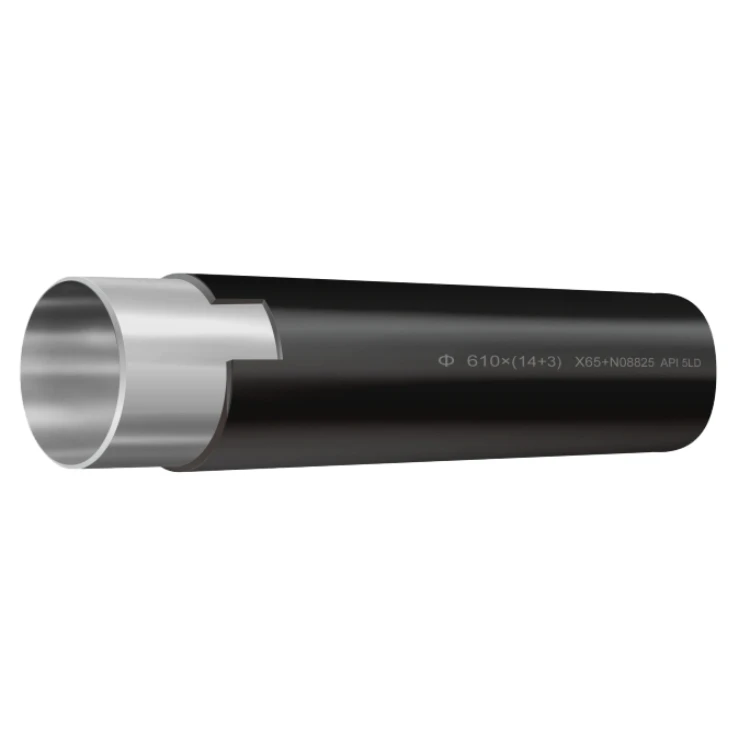
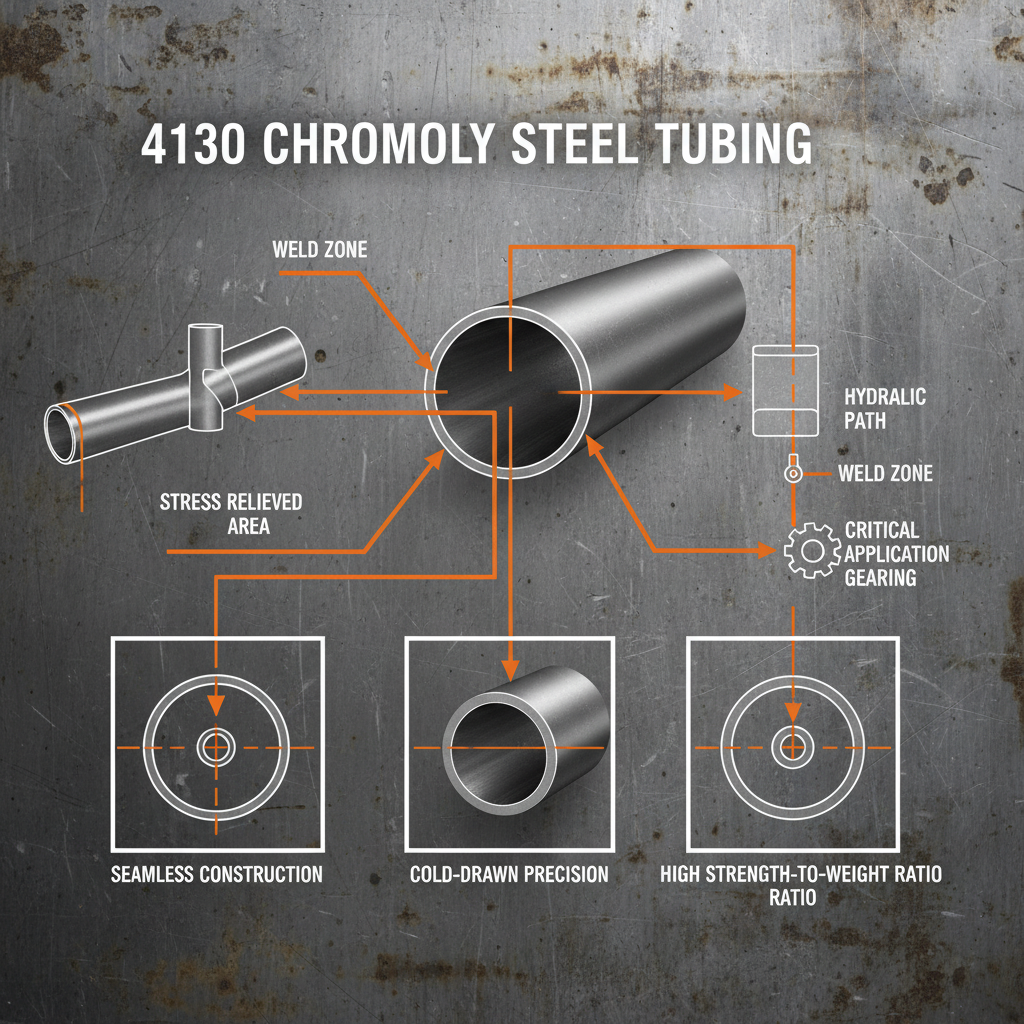
Ultimate Guide to 4130 Tubing Strength Performance and Applications
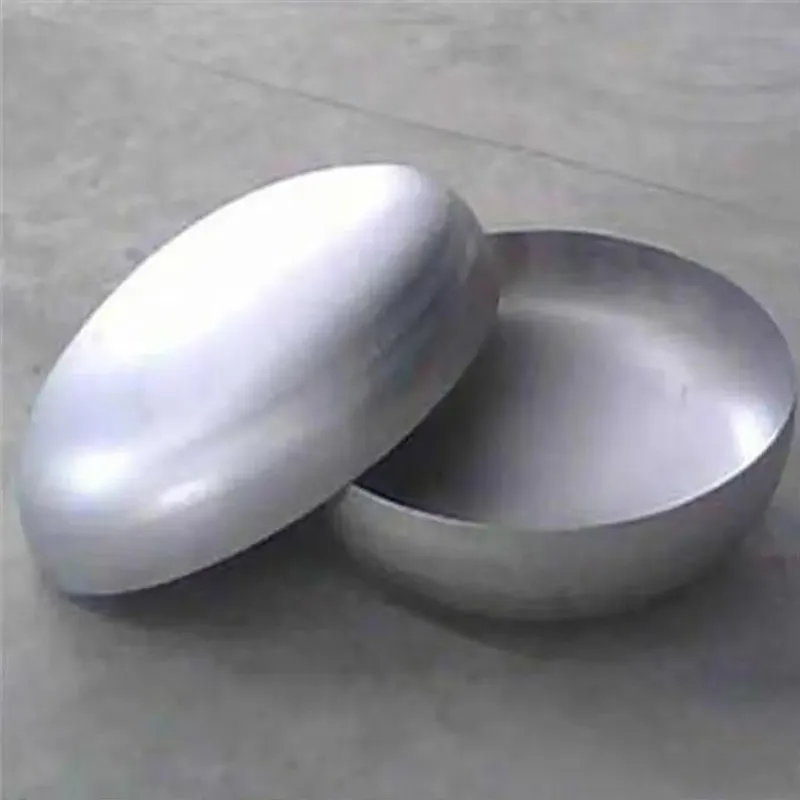
Pipe Cap-Cangzhou Lion Technology Co., Ltd.|Enhancing System Efficiency&Durability
Pipe Cap-Cangzhou Lion Technology Co., Ltd.|Enhancing System Efficiency&Durability
Pipe Cap-Cangzhou Lion Technology Co., Ltd.|Enhancing System Efficiency&Durability
Pipe Cap-Cangzhou Lion Technology Co., Ltd.|Enhancing System Efficiency&Durability
Pipe Cap-Cangzhou Lion Technology Co., Ltd.|Enhancing System Efficiency&Durability