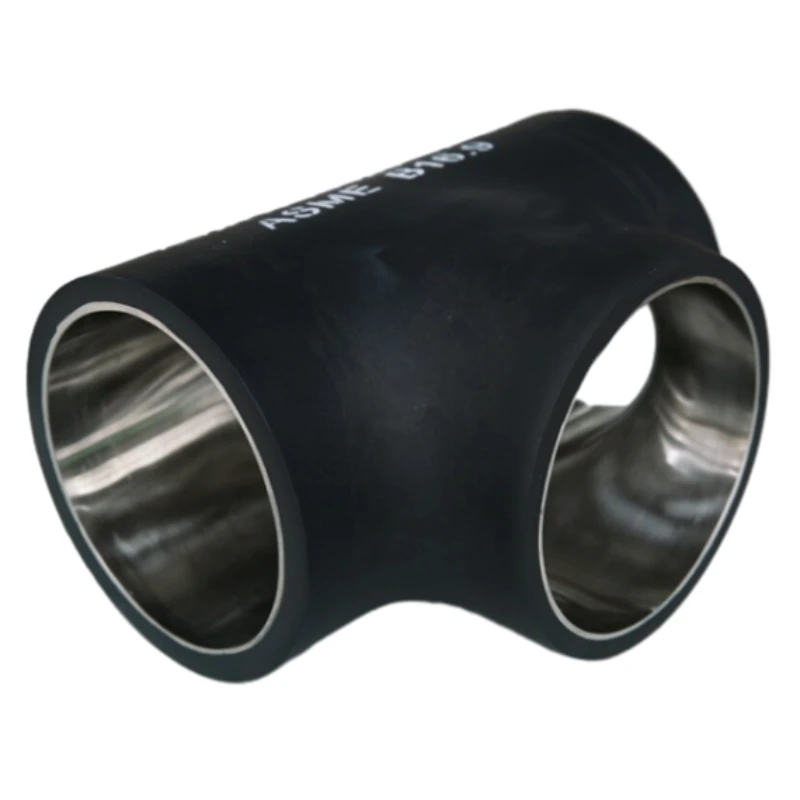
2 Inch Stainless Steel Pipe is a key solution in the industry, specifically within sectors like oil & gas, food processing, and chemical manufacturing. This article explores how https://www.lion-pipeline.com supports professionals with durable, high-performance products, and explains why this product is an ideal choice for businesses in these sectors.
To start with, a 2 Inch Stainless Steel Pipe is essentially a hollow cylindrical tube crafted primarily from stainless steel alloy, popular for its robust corrosion resistance and strength. But it’s far more than just metal tubing — it’s the backbone in countless industrial processes. Whether it's transporting chemicals safely or serving in high-pressure steam lines, its importance can’t be overstated.
Technically speaking, these pipes generally conform to ASTM standards such as A312 or A213, ensuring quality and uniformity. For example, common grades like 304 and 316 stainless steel offer different resistance profiles; 316 includes molybdenum for enhanced corrosion defense, which many engineers swear by in harsh chemical environments. Thickness and dimension tolerance are tightly controlled — for 2-inch pipes, nominal outer diameter hovers around 60.3 mm, with wall thickness options ranging typically from Schedule 10 to Schedule 40, depending on application.
| Specification | Details |
|---|---|
| Nominal Diameter | 2 Inch (Approx. 50.8 mm ID) |
| Material Grades | 304, 316, 316L |
| Length | Up to 6 meters (custom cuts available) |
| Wall Thickness Options | Schedule 10 to Schedule 40 |
| Standards | ASTM A312, ASME SA312, ISO 1127 |
Looking into the real-world use, 2 Inch Stainless Steel Pipes are quite the multitaskers. In petrochemical refineries, they transport highly reactive fluids without degrading or contaminating materials. In food and beverage processing, their hygienic surface resists bacterial buildup, making them invaluable for sanitary pipelines. And oddly enough, they’re favored in architectural projects too — think sleek handrails or water features exposed to the elements.
What makes them stand out? For one, stainless steel’s natural corrosion resistance reduces the need for extra coatings or linings. Their longevity and ability to withstand thermal fluctuations frankly save businesses time and money. Plus, these pipes are often compatible with a broad range of fittings and welding methods — and that variety of options simplifies installation tremendously.
You might wonder about costs. Admittedly, stainless steel pipes come with a higher upfront price than, say, carbon steel or PVC alternatives. But many decision makers note that the total cost of ownership often tips in favor of stainless steel because of its low maintenance and longer lifespan. It’s a bit like choosing quality boots — the initial investment is higher, but you don’t have to replace them every season.
Maintenance is pleasantly minimal: periodic inspections and cleaning typically suffice. Customers in sectors like pharmaceuticals and food processing have reported remarkable durability when sourcing from trusted vendors like Lion Pipeline. Their experience suggests downtimes drop, and installation fits seamlessly into existing systems. It’s the kind of reliability that engineers quietly appreciate.
| Vendor | Price per Meter | Material Grade Options | Lead Time |
|---|---|---|---|
| Lion Pipeline | $45 - $60 | 304, 316, 316L | 1-3 weeks |
| Competitor A | $50 - $70 | 304, 316 | 2-4 weeks |
| Competitor B | $40 - $55 | 304 only | 3-5 weeks |
Sustainability is an ever-growing consideration, and stainless steel pipes actually tick quite a few green boxes. They’re fully recyclable at end of life, and manufacturing processes have improved steadily over the years to lower emissions and waste. Regulatory pressures especially in Europe and North America drive demand for lasting, non-toxic materials that reduce environmental impact.
Market analysts suggest the stainless steel pipe segment is growing at a solid clip—thanks in part to expanding infrastructure and stricter quality demands. Industry voices often emphasize the shift toward seamless, corrosion-resistant piping to reduce leaks and hazards. If you’re in the loop, you know this isn’t just a fad but a practical response to both economic and ecological realities.
To wrap it up, the 2 Inch Stainless Steel Pipe offers a compelling blend of durability, performance, and sustainability that makes it a standout choice for sectors demanding reliability. Its usability across diverse industries and minimal maintenance demand means it’s not just a pipe, but a long-term asset for your operations.
That said, always assess your specific operational needs and consult verified suppliers to find the best fit for your project.
References:
1. ASTM International Standards for Stainless Steel Pipes.
2. Industry reports on stainless steel market trends (2023).
3. Customer feedback case studies from Lion Pipeline.
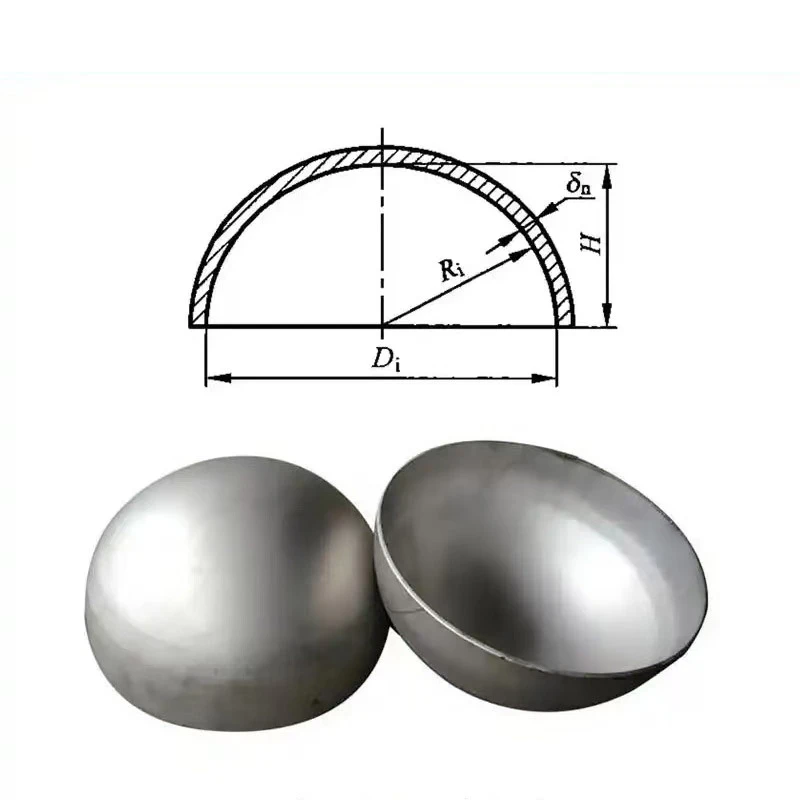
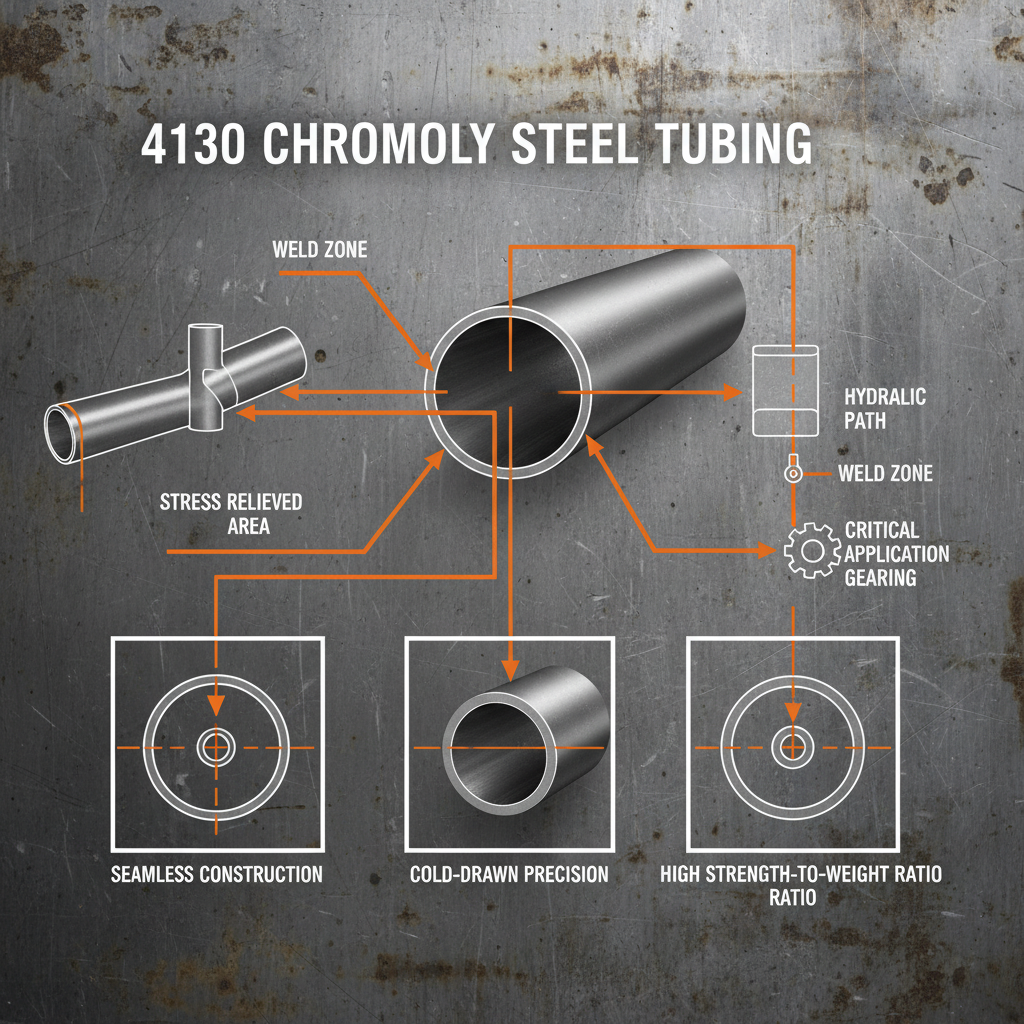
Ultimate Guide to 4130 Tubing Strength Performance and Applications
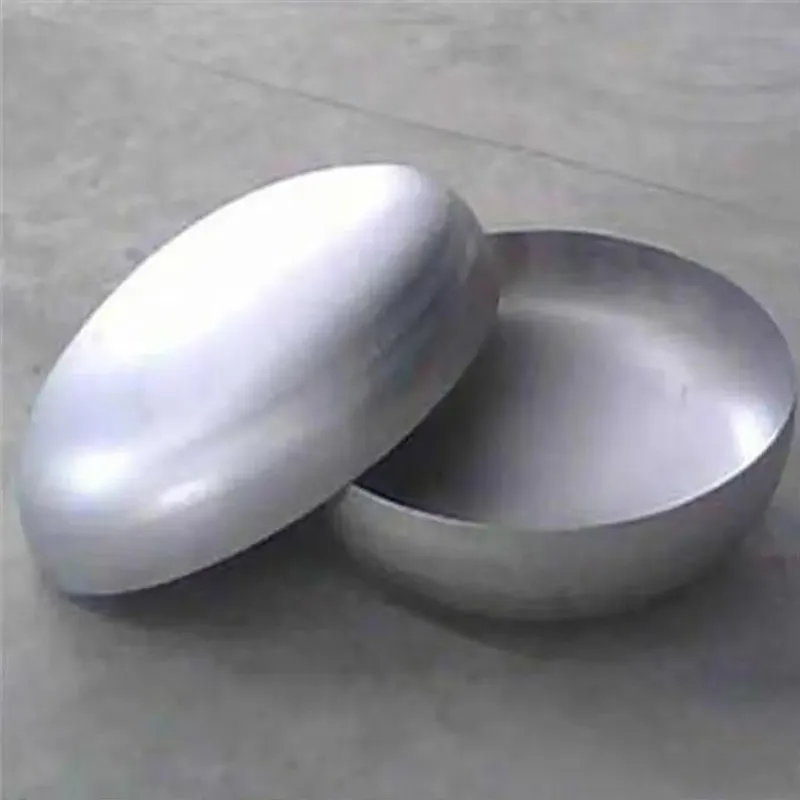
Pipe Cap-Cangzhou Lion Technology Co., Ltd.|Enhancing System Efficiency&Durability
Pipe Cap-Cangzhou Lion Technology Co., Ltd.|Enhancing System Efficiency&Durability
Pipe Cap-Cangzhou Lion Technology Co., Ltd.|Enhancing System Efficiency&Durability
Pipe Cap-Cangzhou Lion Technology Co., Ltd.|Enhancing System Efficiency&Durability
Pipe Cap-Cangzhou Lion Technology Co., Ltd.|Enhancing System Efficiency&Durability