tel
Email
to top

Durable 2 Inch Stainless Steel Tubing for Industrial Applications

Dec 05 2025
share:

2 Inch Stainless Steel Tubing: The Backbone of Durable Industrial Systems

Having spent more than a decade wrestling with pipelines and fixtures in the industrial equipment sector, I can tell you—finding reliable 2 inch stainless steel tubing is one of those foundational tasks that just makes everything else easier. You might think tubing is tubing, but frankly, the subtleties in material grade, wall thickness, and finish can make or break a project.

Oddly enough, despite all the buzz about composites and plastics, stainless steel tubing remains a classic go-to for applications demanding strength, corrosion resistance, and a sleek appearance. I recall an offshore project where a minor spec change in tubing grade saved the entire system from saltwater corrosion after a brutal winter. That’s the kind of reliability you want upfront.

Why 2 Inch Diameter?

The 2 inch size, while not the biggest in the tubing family, strikes a sweet spot. It’s robust enough for moderate flow rates, yet manageable for most assembly teams on site. Whether it’s for process piping, HVAC systems, or structural frameworks, this diameter is incredibly versatile. Many engineers swear by it because it offers a nice balance between capacity and flexibility.

Material-wise, stainless steel grades like 304 and 316 are most popular. The 316 grade, with added molybdenum, excels when you need extra corrosion protection —think chemical plants or marine environments. In contrast, 304 often fits the bill for general purpose uses indoors or less demanding outdoor settings.

Typical Specifications of 2 Inch Stainless Steel Tubing

Specification Detail
Outer Diameter (OD) 2.375 inches (60.3 mm)
Wall Thickness Varies: 0.065" to 0.120" (Schedule 10S to Schedule 40S)
Material Grades 304, 304L, 316, 316L Stainless Steel
Length Standard 20 feet; custom cuts available
Finish 2B (milled), #4 (brushed), or polished
Testing Hydrostatic test, dimensional inspection, and certification

In real terms, the wall thickness might seem like a minor detail but it affects pressure ratings, weight, and cost. I typically recommend clients carefully consider their system pressure before selecting the schedule.

Choosing the Right Supplier: A Quick Comparison

Vendor Grade Options Cut-to-Length Service Lead Time Price Range
Lion Pipeline 304, 316, and custom grades Yes, precise cuts per project specs Typically 3-5 days Competitive, volume discounts
SteelWorks Co. 304 and 316 only No 7-10 days Mid-range
Global Tubing Inc. Varied stainless + alloys Yes, but MOQ applies 5-7 days Higher end

For a quick story: A client in the food processing industry needed high-quality 2 inch tubing with hygienic finishes, promptly. Working with a trusted supplier helped meet the demanding schedule and sanitary standards without a hitch. Those quick turnaround capabilities are a godsend on tight project timelines.

In summary, 2 inch stainless steel tubing remains a quietly critical element in industrial setups, offering reliability, versatility, and longevity. It feels like a classic choice that adapts to countless challenges—whether you’re dealing with harsh chemicals or simple mechanical support. Choosing the right grade and supplier really pays off in the long run.

And honestly, having a dependable supplier who understands the nuances can make all the difference—because in this sector, details really do matter.

References:
  1. ASTM International Standards on Stainless Steel Tubing
  2. Corrosion Resistance of Stainless Steel Grades (304 vs 316)
  3. Case Studies on Industrial Tubing in Harsh Environments
  • Flange

    Flange

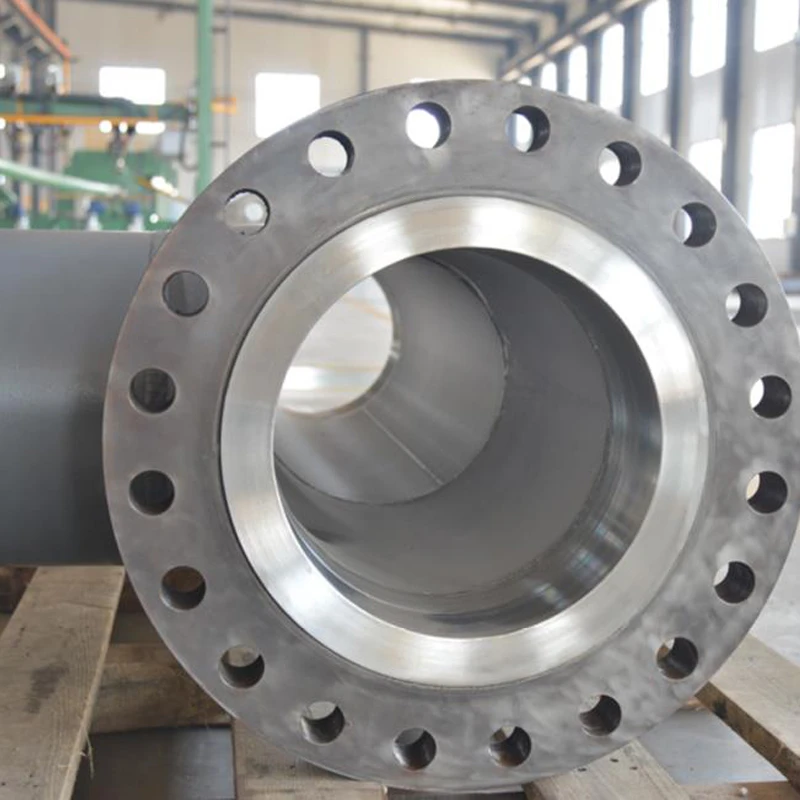
    Flange Product Introduction Flanges are used to connect pipes to pipes or pipes to equipment, ensuring a sealed and stable connection. They prevent fluid leakage and can withstand certain pressures and stresses, ensuring reliable connections. Flange nominal diameters range from DN15-DN2000 and beyond, covering various pipeline connection needs. Flanges primarily adhere to international standards such as ASME B16.5-2020, ASME B16.47-2020, and API 6A-2018.
    VIEW ALL
  • Anti Corrosion And Thermal Insulation Products

    Anti Corrosion And Thermal Insulation Products

    The anti-corrosion and thermal insulation products we focus on produce play a key role in the industrial pipeline system, especially the thermal insulation pipe fittings and steel pipes. Thermal insulation pipe fittings cover elbows, tees, reducers and pipe supports, with specifications ranging from DN15 to DN1800, and are made of carbon steel, alloy steel, stainless steel, bimetallic composite, nickel-based alloy and other materials.
    VIEW ALL
  • Elbow

    Elbow

    Carbon Steel &stainless Steel Elbow Elbows are pipe fittings used to change the direction of pipelines in piping systems, commonly employed at pipeline bends. They are widely used in industries such as petroleum, chemical, and power. The common size range for elbows is DN15-DN2000, and typical angles include 45°, 90°, and 180°.
    VIEW ALL
To create value for customers!
Cangzhou Leo Technology Co., Ltd. is located in Mengcun County Economic Development Zone, Cangzhou City, Hebei Province. It is a specialized high-tech enterprise that integrates the research and development, production, and sales of composite pipes and fittings.
News
The company regards product quality as the life of the enterprise, establishes a sound quality management system in accordance with the requirements of industry and national standards, controls all aspects of input and output in the whole process, pays attention to every detail, and ensures that the product delivery pass rate is 100%.
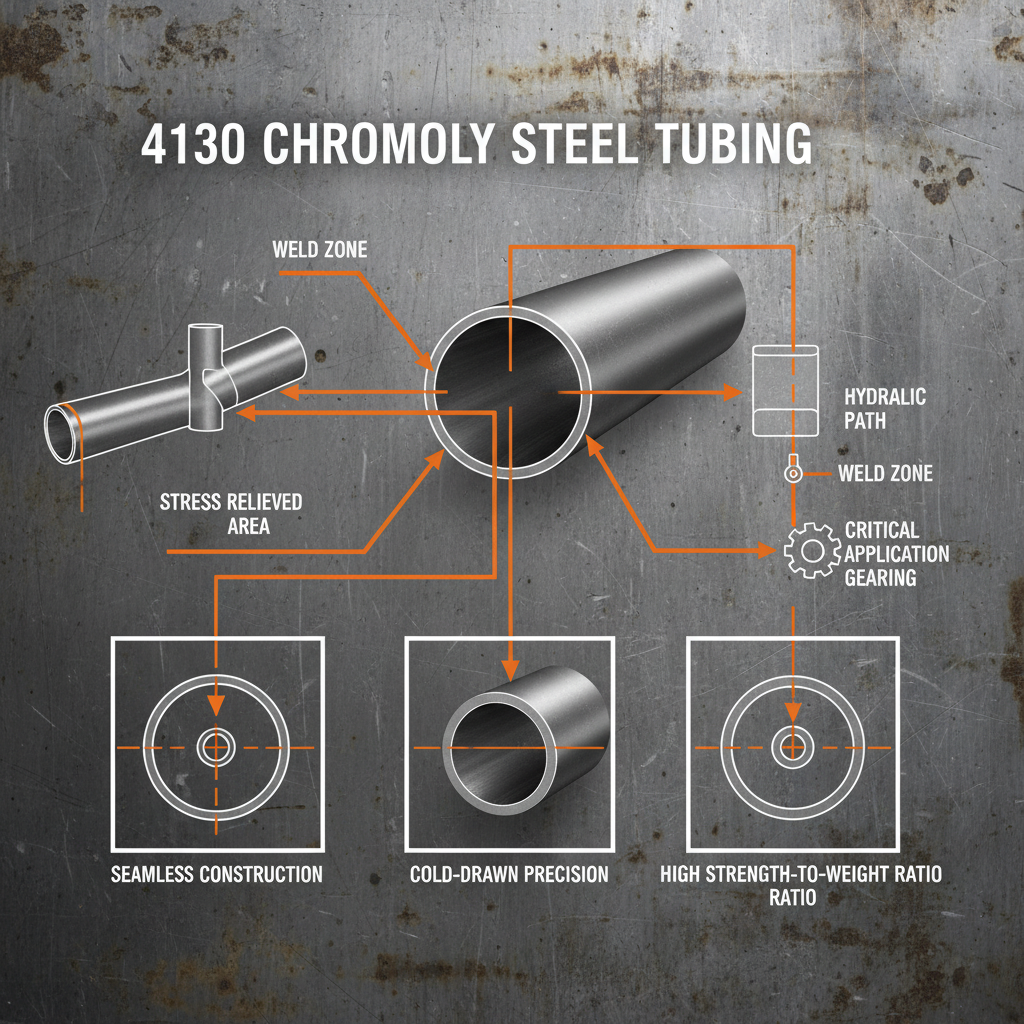
Ultimate Guide to 4130 Tubing Strength Performance and Applications
Ultimate Guide to 4130 Tubing Strength Performance and Applications

In the world of high-performance engineering, material selection is the foundation of safety and efficiency. 4130 tubing is widely regarded as the gold standard for applications requiring an exceptional strength-to-weight ratio. This chrome-molybdenum alloy steel is engineered to withstand extreme stress while remaining lightweight enough for aerospace and automotive use. Whether you are designing a roll cage, a bicycle frame, or a critical industrial component, understanding the nuances of this material is essential. In this comprehensive guide, we will explore why this specific alloy is preferred by engineers worldwide and how to choose the right specifications for your project.
Properties and Industrial Applications of 4130 steel tubing

Properties and Industrial Applications of 4130 steel tubing

In the world of high-performance engineering, material selection is the foundation of safety and efficiency. 4130 steel tubing is widely recognized as the gold standard for applications requiring an exceptional strength-to-weight ratio. Known for its versatility and reliability, this chromium-molybdenum alloy is the preferred choice for everything from aircraft frames to professional roll cages. Understanding the nuances of this material allows engineers to optimize structural integrity without adding unnecessary bulk. In this comprehensive guide, we will explore why this specific alloy remains a top choice for critical industrial and aerospace components.
Comprehensive Guide to 40mm Steel Tube Applications and Material Selection

Comprehensive Guide to 40mm Steel Tube Applications and Material Selection

40mm steel tube is a versatile and widely used material in various industries, from construction and manufacturing to automotive and beyond. Its strength, durability, and cost-effectiveness make it an ideal choice for numerous applications. This article will delve into the characteristics, applications, benefits, and considerations when working with 40mm steel tube, providing a comprehensive overview for professionals and anyone interested in this essential material.
Comprehensive Guide to 40mm Steel Pipe Applications and Considerations

Comprehensive Guide to 40mm Steel Pipe Applications and Considerations

40mm steel pipe is a widely used material in various industries due to its strength, durability, and cost-effectiveness. From construction and infrastructure projects to industrial applications and fluid transportation, this pipe size offers a versatile solution. This article will delve into the properties, applications, standards, and key considerations when selecting 40mm steel pipe, helping you make informed decisions for your specific needs.
Comprehensive Guide to 40mm Metal Pipe Applications and Sourcing

Comprehensive Guide to 40mm Metal Pipe Applications and Sourcing

40mm metal pipe is a crucial component in a wide array of industries, from construction and plumbing to industrial manufacturing and fluid transport. Its strength, durability, and versatility make it a preferred material for countless applications. This article will delve into the specifics of 40mm metal pipe, exploring its various types, common uses, benefits, and where to source high-quality piping solutions.
Comprehensive Guide to 40mm Galvanised Pipe Applications and Specifications

Comprehensive Guide to 40mm Galvanised Pipe Applications and Specifications

When planning a plumbing, structural, or industrial project, selecting the right piping material is crucial. 40mm galvanised pipe is a widely used option known for its strength, durability, and corrosion resistance. This article provides a detailed overview of 40mm galvanised pipes, exploring their applications, benefits, specifications, and considerations for optimal usage. We'll cover everything from what galvanisation is to how to choose the right pipe for your specific needs.
tel email tel top

If you are interested in our products, you can choose to leave your information here, and we will be in touch with you shortly.