In the rapidly evolving landscape of industrial infrastructure, the adoption of prefabricated pipework has emerged as a critical driver for efficiency, safety, and cost-effectiveness. This innovative approach to pipeline construction involves the off-site manufacturing of pipe spools, modules, and complex assemblies in a controlled factory environment, significantly mitigating the challenges associated with traditional on-site fabrication. The shift towards prefabricated pipe solutions is not merely a trend but a strategic imperative, driven by the escalating demand for expedited project timelines, enhanced quality control, and reduced exposure to hazardous on-site conditions. Industries such as petrochemicals, power generation, oil & gas, water treatment, and metallurgy are increasingly recognizing the inherent advantages of leveraging factory-built components. The ability to precisely control welding parameters, apply advanced non-destructive testing (NDT) methodologies, and implement superior surface treatments in a dedicated facility translates directly into pipelines with extended service life, reduced maintenance requirements, and superior operational integrity. Furthermore, the global drive towards sustainability and optimized resource utilization places prefab pipework at the forefront of modern engineering practices, as it minimizes material waste, lowers energy consumption during production, and reduces the carbon footprint associated with on-site construction logistics. This comprehensive overview delves into the technical intricacies, compelling benefits, and diverse applications of these advanced piping solutions, providing decision-makers and technical professionals with the insights necessary to harness their full potential in complex industrial projects. The transition from field-intensive construction to modular, pre-assembled systems represents a fundamental paradigm shift, ensuring projects are delivered on time, within budget, and to the highest standards of quality and safety.
The production of Factory Prefabricated Products, encompassing highly advanced customized steel pipe and prefabricated pipe assemblies, follows a rigorous, multi-stage process designed to ensure unparalleled precision, quality, and performance. This begins with meticulous design and engineering, where advanced 3D modeling and stress analysis software are utilized to translate project specifications into detailed fabrication drawings, ensuring optimal material selection and structural integrity. Material sourcing is critical, involving the procurement of high-grade raw materials such as carbon steel (e.g., ASTM A106 Gr.B, API 5L Gr.B), stainless steel (e.g., ASTM A312 TP304/316L, Duplex, Super Duplex), and alloy steel (e.g., ASTM A335 P11/P22), all strictly compliant with international standards like ASTM, ASME, and API. The manufacturing process typically involves precise cutting and beveling of pipes using CNC machinery, followed by highly controlled welding procedures (e.g., TIG, MIG, SAW) performed by certified welders in a controlled environment, which significantly reduces the risk of defects common in field welding. Post-weld heat treatment (PWHT) is applied as required to relieve residual stresses and restore material properties, particularly for alloy steels. Comprehensive quality control is embedded at every stage, including dimensional checks, visual inspections, and a battery of non-destructive testing (NDT) methods such as ultrasonic testing (UT), radiographic testing (RT), magnetic particle testing (MT), and liquid penetrant testing (PT), all performed to stringent standards like ISO 9001 and ANSI B31.3. Surface treatment, including sandblasting, priming, and application of specialized coatings (e.g., Fusion Bond Epoxy, 3LPE, industrial paint systems), provides enhanced corrosion resistance, extending the product's lifespan significantly. Finally, hydrostatic testing is conducted to verify the integrity and leak-tightness of the entire assembly before final packaging and dispatch. This meticulous approach ensures that each piece of prefabricated pipework meets or exceeds the most demanding industry specifications, offering a typical service life that can span several decades, even in corrosive or high-pressure environments, while offering superior advantages in terms of energy efficiency due to optimized flow paths and reduced pressure drops. These solutions are vital across sectors like petrochemicals, metallurgy, and water supply, where reliability and longevity are paramount.
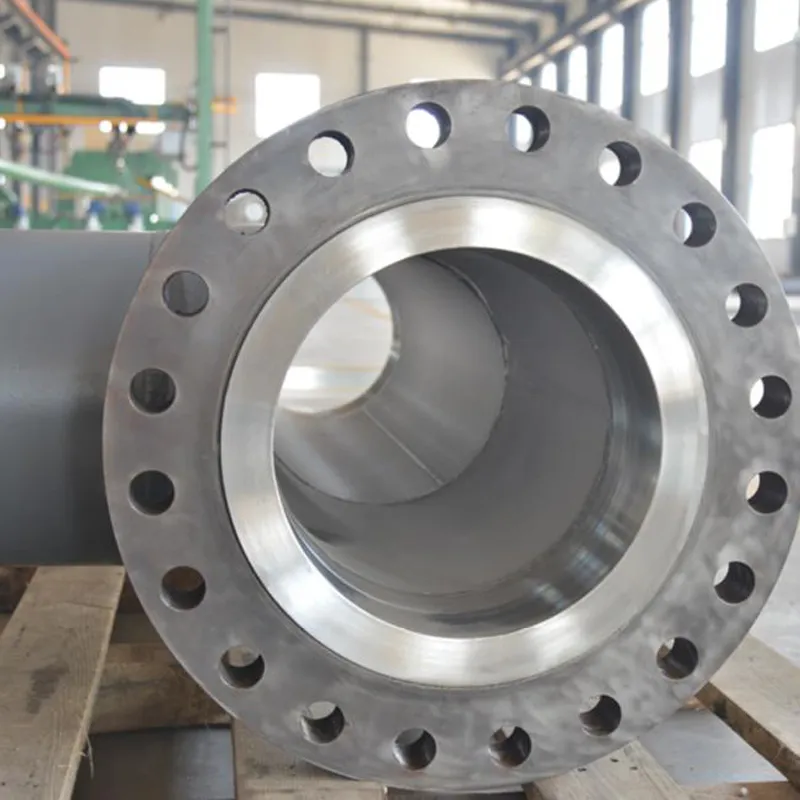
The performance and reliability of prefabricated pipework are fundamentally defined by a rigorous set of technical parameters and strict adherence to international industry standards. Our Factory Prefabricated Products are designed and manufactured to comply with critical specifications, ensuring their suitability for diverse and demanding operational environments. Typical pipe diameters range from NPS 1/2" to NPS 48" (DN15 to DN1200), accommodating a wide spectrum of flow rates and pressure requirements. Wall thicknesses are specified according to schedules such as Sch 10, Sch 40, Sch 80, Sch 160, and even XXS, determined by the anticipated operating pressure and temperature conditions, in accordance with ASME B36.10M and B36.19M. Material grades are selected based on process fluid characteristics, temperature, and pressure; common selections include various grades of carbon steel (e.g., A106 Gr.B, API 5L X42/X52/X60), stainless steel (e.g., 304/304L, 316/316L, 321, Duplex S31803, Super Duplex S32750), and alloy steels (e.g., A335 P5, P9, P11, P22, P91) for high-temperature or corrosive applications. End connections are customizable, including beveled ends for butt-welding, various flange types (Raised Face, Ring Type Joint, Flat Face) compliant with ASME B16.5 and B16.47, threaded ends (NPT, BSPT), and grooved ends. Crucially, all fabrication processes, including welding, bending, and assembly, strictly conform to international codes such as ASME B31.1 (Power Piping), B31.3 (Process Piping), B31.4 (Pipeline Transportation Systems for Liquids and Slurries), and B31.8 (Gas Transmission and Distribution Piping Systems). This commitment to global standards like ISO 9001 for quality management, API Q1 for oil and gas industry quality, and specific material standards ensures that every piece of prefab pipe delivers exceptional integrity and performance, minimizing risks and maximizing operational uptime for the end-user. The meticulous calculation of parameters such as maximum allowable working pressure (MAWP) and design temperature ensures that each prefab pipework assembly is fit for purpose, providing a robust and reliable solution for long-term operations.
| Parameter | Description / Range | Applicable Standards |
|---|---|---|
| Material Grades | Carbon Steel (ASTM A106 Gr.B, API 5L Gr.B, A53 Gr.B), Stainless Steel (ASTM A312 TP304/304L, TP316/316L, Duplex, Super Duplex), Alloy Steel (ASTM A335 P11/P22/P91), Copper Alloys, Nickel Alloys | ASTM, ASME, API, EN |
| Nominal Pipe Size (NPS) | 1/2" (DN15) to 48" (DN1200) and above | ASME B36.10M, B36.19M |
| Wall Thickness Schedules | Sch 10, Sch 20, Sch 30, Sch 40, Sch 60, Sch 80, Sch 100, Sch 120, Sch 140, Sch 160, STD, XS, XXS | ASME B36.10M, B36.19M |
| End Connections | Beveled (BW), Flanged (RF, FF, RTJ), Threaded (NPT, BSPT), Grooved, Socket-Weld | ASME B16.5, B16.47, B1.20.1 |
| Design Pressure | Up to ANSI Class 2500# (PN420) or higher, custom engineered | ASME B31.1, B31.3, B31.4, B31.8 |
| Design Temperature | Cryogenic to 650°C (1200°F) or more depending on material | ASME B31.3, Material Specific |
| Surface Treatment / Coating | FBE (Fusion Bond Epoxy), 3LPE (3-Layer Polyethylene), Liquid Epoxy, Coal Tar Epoxy, Galvanization, Primer/Finish Coat (DFT as per specs) | AWWA C213, C210, NACE, ISO 12944 |
| Testing & Inspection | Hydrostatic Test, Pneumatic Test, Radiographic Test (RT), Ultrasonic Test (UT), Magnetic Particle Test (MT), Liquid Penetrant Test (PT), PMI (Positive Material Identification), Visual Inspection, Dimensional Check | ASME B31.3, API 1104, ASTM E-Series, ISO 17638, ISO 17640 |
| Quality Certifications | ISO 9001:2015, ASME U/S/PP Stamps (if applicable), CE Mark | ISO, ASME, CE |
The versatility and inherent advantages of prefabricated pipework make it an indispensable solution across a multitude of industrial sectors. In the oil and gas industry, from upstream exploration and production facilities to midstream pipelines and downstream refineries, prefab pipe reduces on-site labor requirements and accelerates project completion, crucial for time-sensitive energy projects. The petrochemical sector benefits immensely from the high integrity of factory-welded pipe spools, which are essential for handling corrosive and high-pressure media, ensuring long-term operational safety and minimizing costly shutdowns. Power generation plants, including thermal, nuclear, and renewable energy facilities, leverage these solutions for boiler feed water lines, steam systems, and cooling water circuits, where precise fabrication and material traceability are paramount. The metallurgy industry, with its demanding processes involving high temperatures and abrasive materials, relies on the durability and specific material compositions available through customized steel pipe prefabrication. Furthermore, in municipal water treatment and distribution systems, prefab pipework offers superior corrosion resistance through advanced linings and coatings, significantly extending infrastructure lifespan and reducing maintenance costs, while also preventing leakage and enhancing water purity. Beyond these core industries, applications extend to HVAC systems in large commercial and institutional buildings, shipbuilding, and pharmaceutical manufacturing, where cleanliness and precision are non-negotiable. The tangible advantages include a significant reduction in project schedules by up to 30-50% compared to traditional stick-built methods, leading to lower overall project costs due to decreased on-site labor, equipment rentals, and accommodation expenses. Quality control is dramatically enhanced in a controlled factory environment, allowing for superior weld quality, precise dimensions, and comprehensive non-destructive testing, which translates into fewer field modifications and reduced defect rates. Safety is another paramount benefit; by moving hazardous activities like hot work (welding, cutting) off-site, the risk of accidents and injuries on congested construction sites is significantly lowered. The environmental impact is also reduced through minimized material waste and optimized logistics. For example, a major chemical processing plant in the Gulf Coast region reported a 25% reduction in project costs and a 40% acceleration in construction time after adopting a fully prefabricated pipework approach for its expansion project. This comprehensive approach ensures that assets are operational faster, with higher reliability, providing a competitive edge in today's demanding industrial landscape.
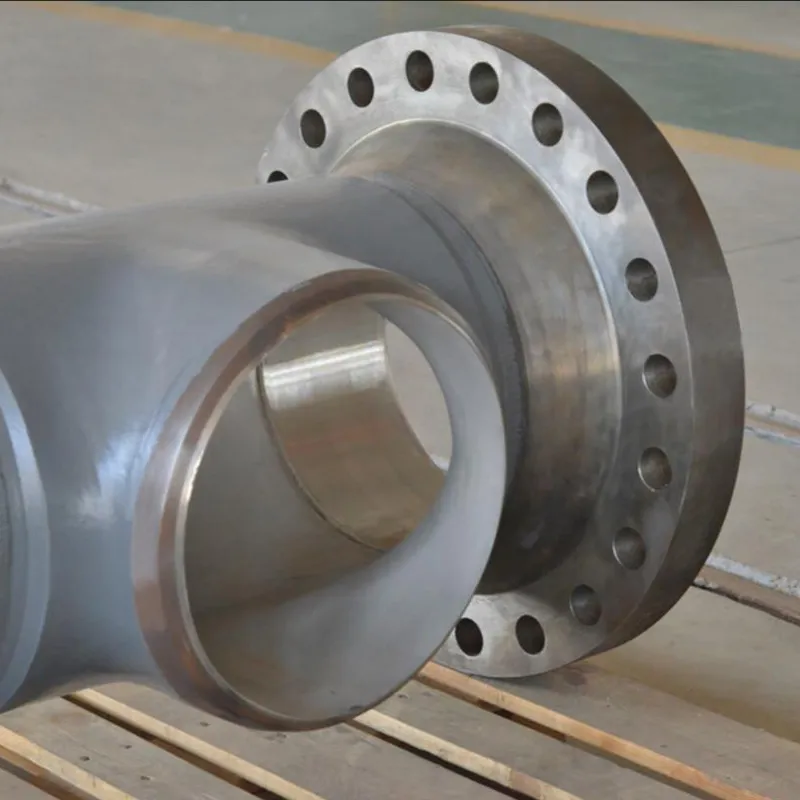
When evaluating piping solutions, a comparative analysis between traditional on-site fabrication and prefabricated pipework clearly illustrates the latter's superior value proposition. Traditional methods, while offering perceived flexibility, are plagued by inefficiencies: reliance on highly skilled on-site labor (which is increasingly scarce), vulnerability to adverse weather conditions, limited access to advanced fabrication tools and testing equipment, and inherent challenges in maintaining consistent quality in uncontrolled environments. These factors often lead to project delays, cost overruns, and higher defect rates, necessitating extensive rework and prolonging commissioning phases. In contrast, prefab pipework offers a centralized, streamlined, and quality-controlled approach. Factory settings provide optimal conditions for automated welding, precision cutting, and advanced NDT, ensuring consistent dimensional accuracy and weld integrity. This drastically reduces on-site man-hours, minimizes equipment rental costs, and accelerates overall project timelines. For instance, studies by the Construction Industry Institute (CII) indicate that modularization and prefabrication can reduce total project costs by up to 15% and schedule by up to 25%. Our capabilities extend to providing highly tailored customization solutions for every customized steel pipe and assembly, starting from the conceptual design phase. We collaborate closely with clients to understand their specific process requirements, fluid characteristics, pressure-temperature ratings, and spatial constraints. Our engineering team leverages advanced software for detailed engineering, isometric drawing generation, and Bill of Material (BOM) optimization. Whether it's complex manifold systems for process plants, intricate pipe racks for refineries, or large-bore cooling water lines for power stations, our expertise in various material grades (including exotic alloys like Hastelloy or Inconel for extreme applications), coating systems, and connection types ensures a precise fit for purpose. This bespoke approach includes accommodating specialized fittings, valving, instrumentation, and insulation requirements, all integrated seamlessly into the prefab pipework modules. The result is a solution that not only meets but exceeds operational expectations, offering enhanced long-term reliability and significant reductions in lifecycle costs, ultimately boosting project profitability and operational safety.
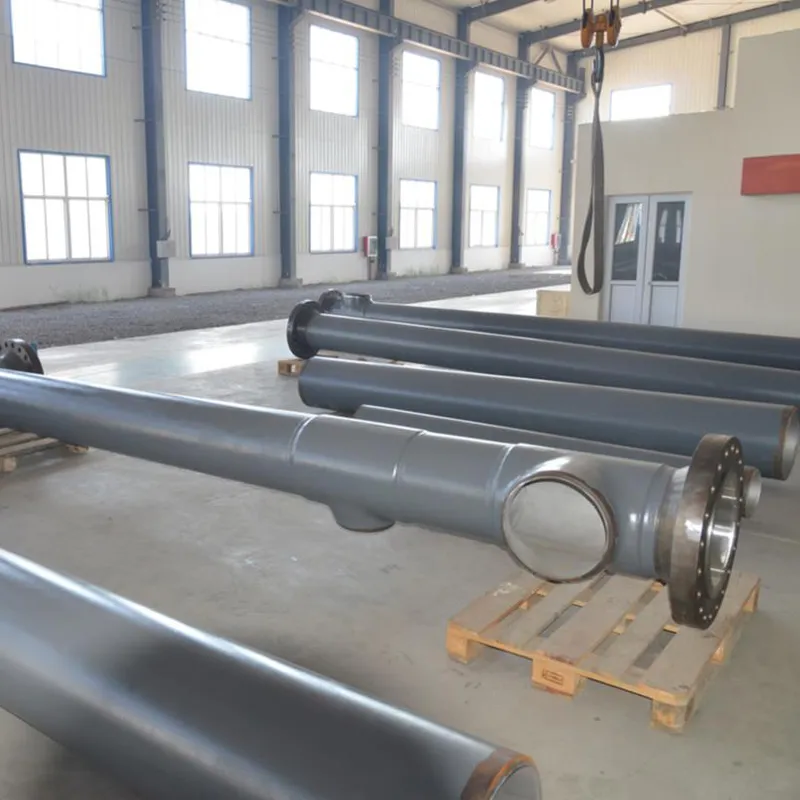
Our extensive experience in delivering Factory Prefabricated Products, including intricate prefab pipework, is underscored by a robust portfolio of successful projects across diverse industrial sectors. For instance, in a recent large-scale petrochemical expansion project in Southeast Asia, our team successfully delivered over 500 tons of customized steel pipe spools and pipe racks. By leveraging our advanced factory prefabrication capabilities, the client was able to reduce on-site welding man-hours by over 60% and achieve project mechanical completion three months ahead of schedule. This acceleration directly translated into substantial cost savings from reduced labor, equipment rental, and avoidance of penalty clauses. Another notable case involved the supply of high-pressure steam piping for a new biomass power plant in Europe. Due to the critical nature of steam lines, demanding stringent material traceability, precise welding, and extensive NDT, our factory-controlled environment proved invaluable. All prefabricated pipework passed 100% radiographic inspection, ensuring zero defects upon installation and contributing to the plant's rapid and smooth commissioning. Furthermore, for a major water treatment facility upgrade in North America, we supplied corrosion-resistant pipeline modules featuring specialized internal linings. The uniform application of these linings, achieved only in a factory setting, enhanced the long-term durability and operational efficiency of the system, addressing the client's core need for extended service life in a highly corrosive environment. Our partnership approach extends beyond mere fabrication; it encompasses comprehensive project management, from initial design review and material procurement to logistics and final delivery. We ensure full compliance with client specifications, local regulations, and international standards like ISO 9001:2015, ASME, and API. Our commitment to quality is further evidenced by our impressive safety record and sustained relationships with leading Engineering, Procurement, and Construction (EPC) firms globally. These success stories not only highlight the technical superiority of our prefab pipe solutions but also underscore the tangible economic and operational benefits that clients achieve through strategic collaboration with a trusted and experienced fabricator like us. Our proven track record provides authoritative proof of our capabilities and commitment to delivering projects of the highest calibre.
Q1: What are the typical delivery lead times for prefabricated pipework?
Delivery lead times for prefab pipework can vary significantly depending on the project's complexity, material availability, volume, and current factory workload. For standard carbon steel spools, lead times might range from 4-8 weeks, while projects involving specialized alloys, intricate designs, or very large volumes could extend to 12-20 weeks or more. Our project management team provides a detailed production schedule upon project initiation, ensuring transparent communication and adherence to agreed-upon timelines. We employ lean manufacturing principles and robust supply chain management to optimize production flows and minimize delays, providing consistent updates throughout the fabrication process to ensure our clients are fully informed from order placement through to final delivery.
Q2: How do you ensure the quality and dimensional accuracy of customized steel pipe assemblies?
Quality and dimensional accuracy are paramount in prefabricated pipework. We achieve this through a multi-faceted approach. Firstly, we utilize advanced 3D modeling and CAD/CAM software to generate precise fabrication drawings. Secondly, all manufacturing processes, including cutting, bending, and welding, are performed using state-of-the-art CNC machinery and automated welding equipment in a controlled factory environment. Thirdly, a comprehensive Quality Control (QC) plan is implemented at every stage, including stringent material receiving inspection, in-process dimensional checks using laser scanning and traditional metrology tools, visual inspection of welds, and a full suite of NDT methods (RT, UT, MT, PT) conducted by certified personnel. Finally, a detailed final inspection and hydrostatic pressure testing confirm the integrity and dimensional compliance of the finished prefab pipe assembly before shipment. Our adherence to ISO 9001 quality management systems underscores our commitment to excellence.
Q3: What kind of warranty and after-sales support do you offer for your Factory Prefabricated Products?
We stand behind the quality and craftsmanship of our Factory Prefabricated Products with a comprehensive warranty against defects in materials and workmanship, typically for a period of 12-24 months from the date of shipment or project completion, depending on the specific contract. Our commitment extends to robust after-sales support. This includes technical assistance for installation and commissioning, troubleshooting guidance, and prompt resolution of any unforeseen issues. We maintain a dedicated customer support team accessible for inquiries and support, ensuring seamless project execution and long-term operational reliability of the prefabricated pipework. Our goal is to build lasting partnerships based on trust and consistent performance, demonstrating our unwavering support throughout the lifecycle of our products.
Q4: Can you accommodate design changes during the fabrication of prefab pipework?
While our process aims for precision based on approved designs, we understand that project requirements can evolve. We strive to accommodate design changes for prefabricated pipework assemblies with minimal disruption. Early communication of any potential changes is crucial. Our project management team works closely with clients to assess the impact of changes on schedule and cost, providing clear, transparent feedback and revised project plans. Early phase design changes are often easier to integrate. Late-stage changes might incur additional costs and affect timelines due to material re-procurement or rework. Our flexible approach and close collaboration with clients ensure that we adapt to project needs while maintaining quality and delivery commitments.
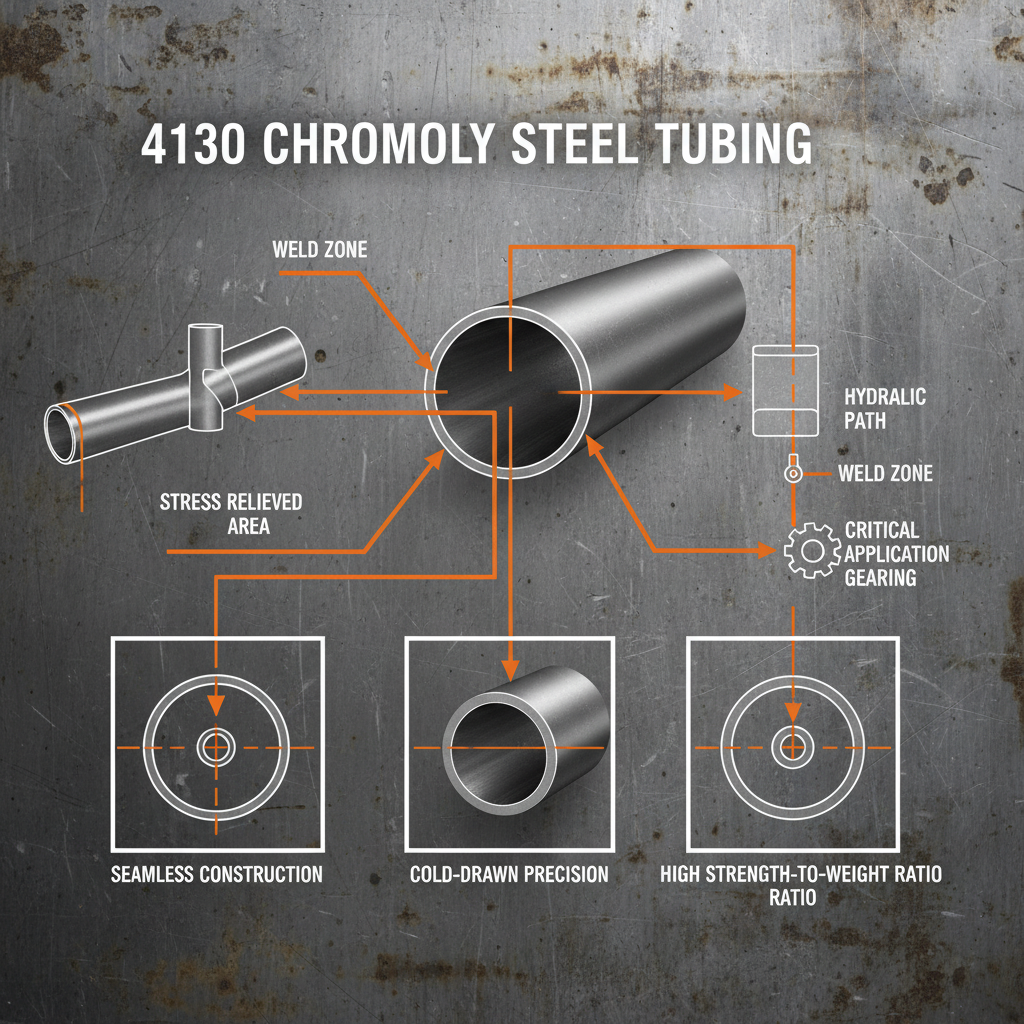
Ultimate Guide to 4130 Tubing Strength Performance and Applications
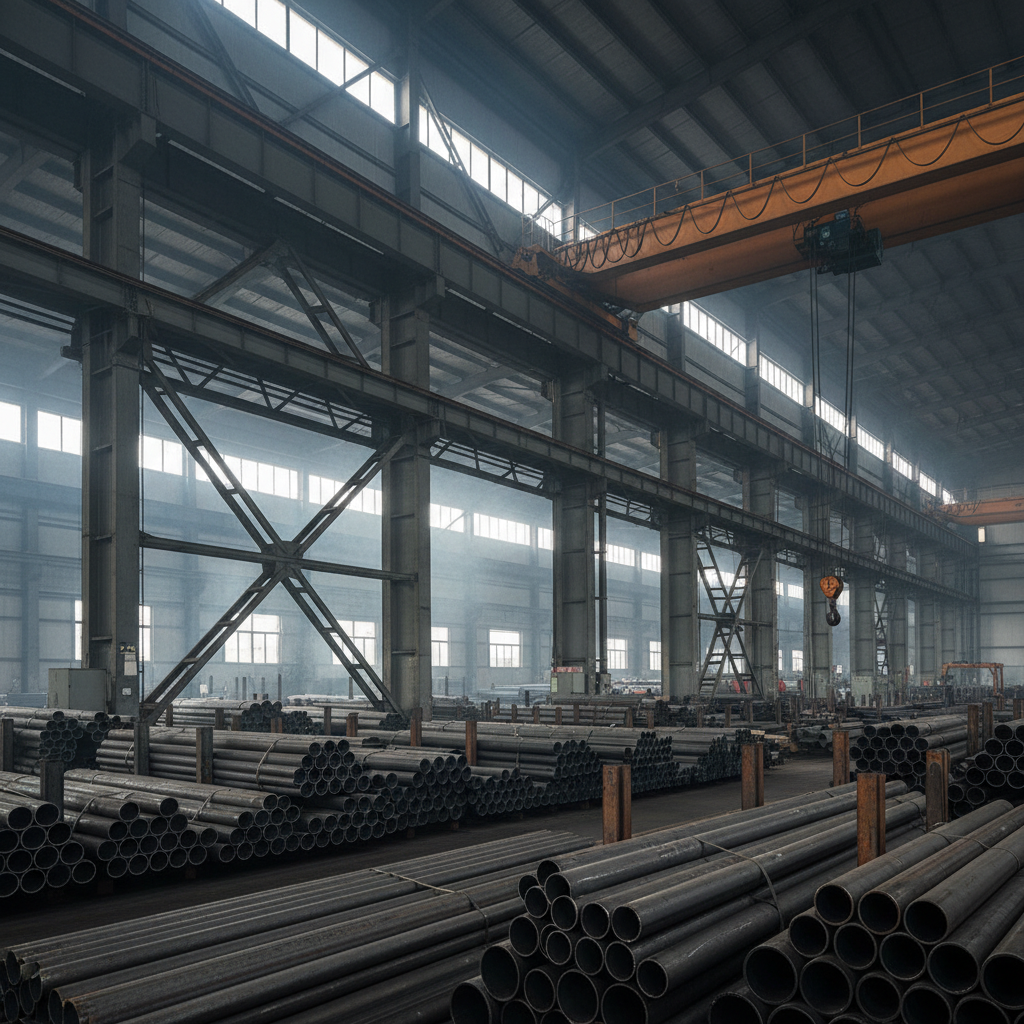
Properties and Industrial Applications of 4130 steel tubing
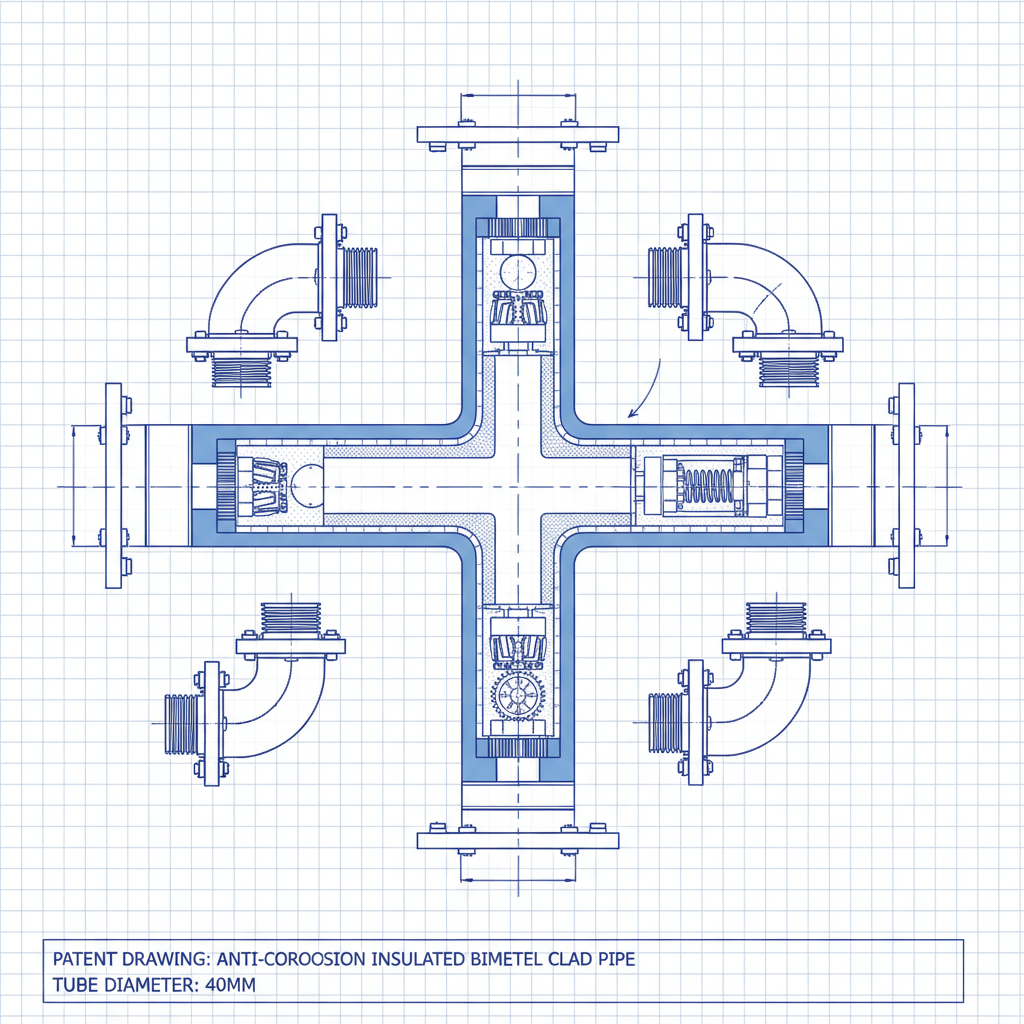
Comprehensive Guide to 40mm Steel Tube Applications and Material Selection
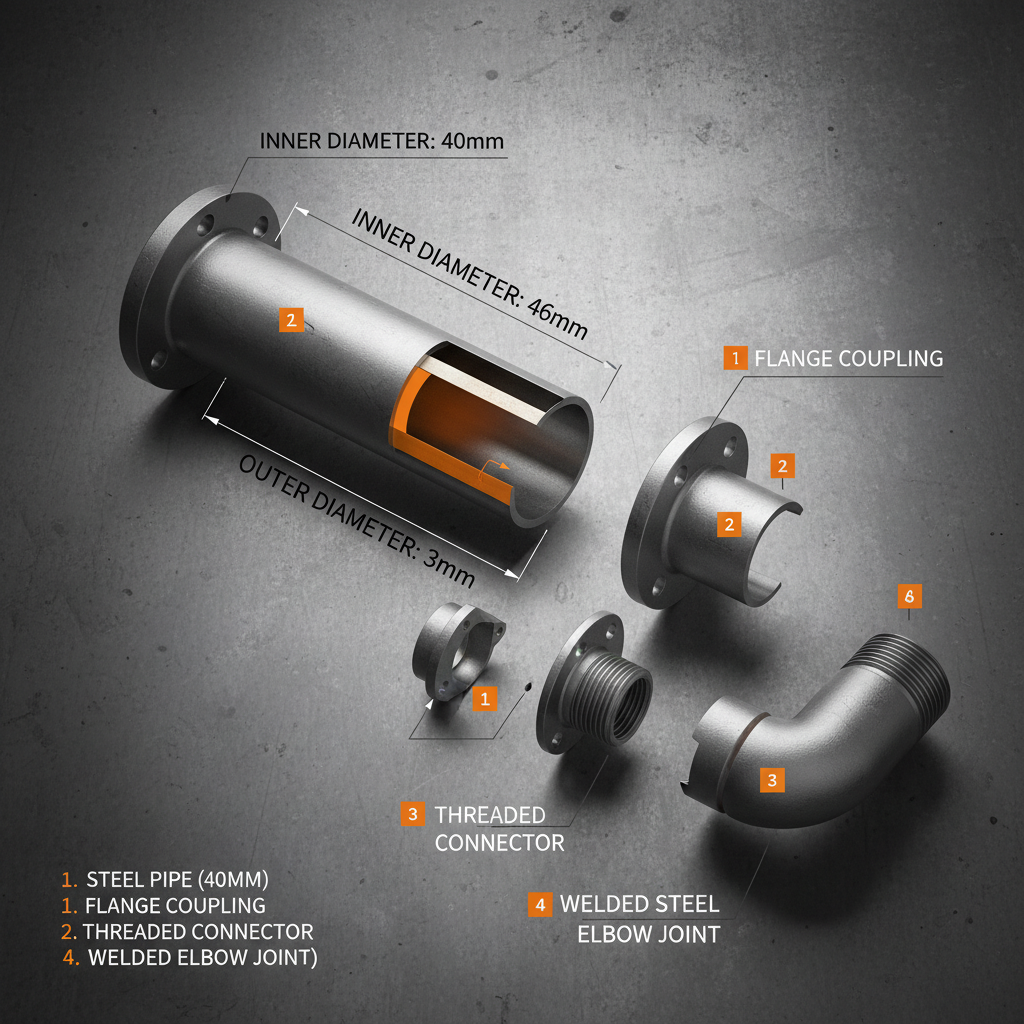
Comprehensive Guide to 40mm Steel Pipe Applications and Considerations
Comprehensive Guide to 40mm Metal Pipe Applications and Sourcing
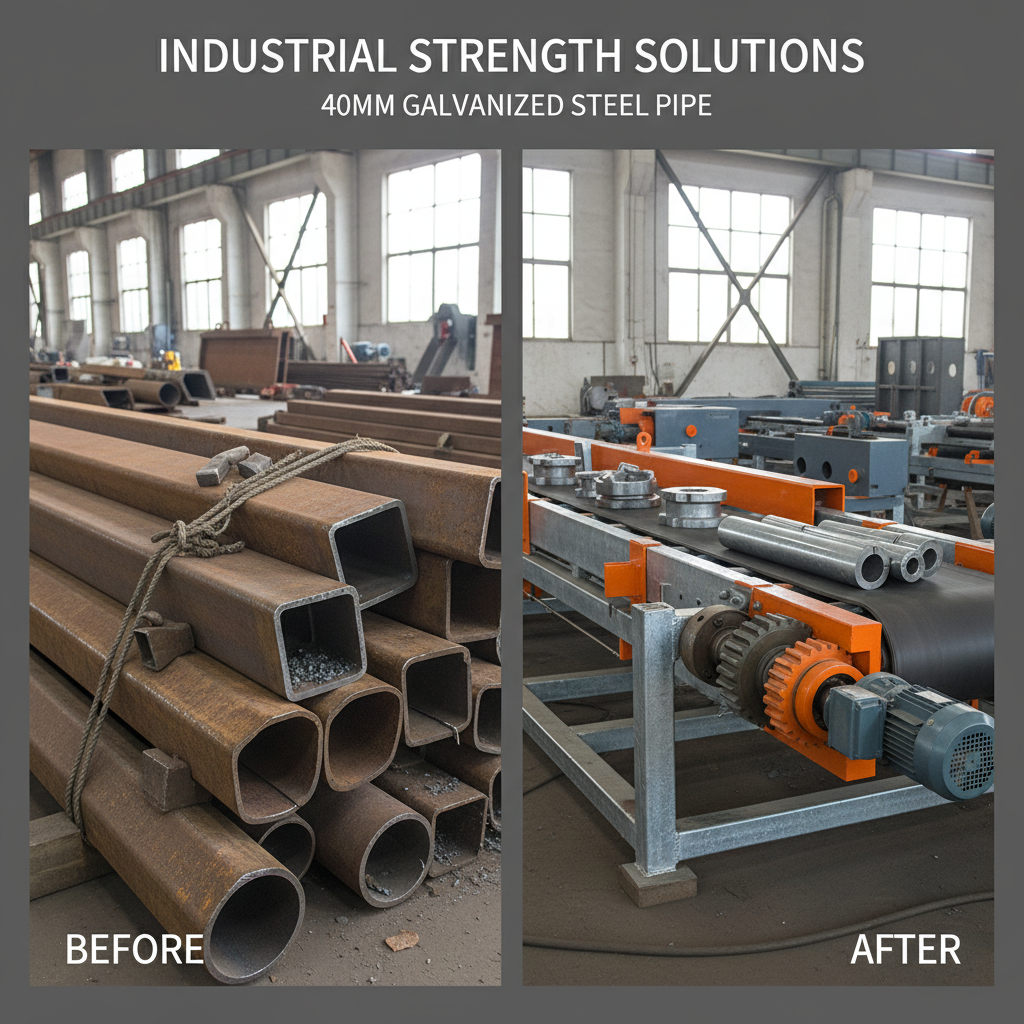
Comprehensive Guide to 40mm Galvanised Pipe Applications and Specifications