If you’ve ever wondered what keeps engines running smoothly while minimizing environmental impact, metal exhaust pipes play a surprisingly vital role. Often overlooked, these pipes channel harmful combustion byproducts safely away from engines and living spaces, in industries ranging from automotive to manufacturing. Understanding their design and use is not just a technical curiosity—it matters globally. With rising emissions regulations and an ever-growing need for sustainability, the metal exhaust pipe remains a quietly evolving hero in industrial and environmental engineering.
Worldwide, transportation and industry contribute approximately 21% of global greenhouse gas emissions, according to the Intergovernmental Panel on Climate Change (IPCC). Metal exhaust pipes serve as critical components in emission control systems, improving air quality and fulfilling increasingly stringent standards set by bodies like the International Organization for Standardization (ISO). Without reliable exhaust systems, engines would emit pollutants directly into environments where people work and live.
Yet, the challenge remains: how to balance durability, cost, and environmental safety in ever-demanding industrial contexts? This question is what drives innovation around the metal exhaust pipe.
Simply put, a metal exhaust pipe is a tube—usually made from stainless steel, aluminized steel, or other alloys—that directs exhaust gases from engines or industrial processes out into the atmosphere or scrubber systems. It’s more than just a hollow cylinder; it’s engineered to withstand harsh chemical corrosion, extreme temperatures, and mechanical stress.
In modern industry, metal exhaust pipes connect engines to mufflers, catalytic converters, or filters, constituting essential links in emission reduction technologies. In humanitarian settings, like emergency power generators post-disaster, they also ensure safe venting—protecting people’s health.
Metal exhaust pipes must endure constant heat cycling and exposure to corrosive gases. Materials like stainless steel resist rust and maintain shape over thousands of operational hours, extending the pipe’s life and cutting replacement costs.
They handle temperatures that can exceed 600°C (1112°F), so thermal stability isn’t a luxury; it’s a necessity to prevent failures that could lead to dangerous leaks.
Exhaust gases contain sulfur compounds and moisture, which are corrosive. High-quality metal alloys and protective coatings help pipes withstand these conditions longer.
Manufacturers can produce metal exhaust pipes in various sizes and shapes to fit different engines and industrial machinery. This scalability allows them to serve applications from small motorcycles to massive power plants.
While premium materials may have higher upfront costs, their longevity and reduced maintenance usually lead to overall savings. For many industries, it’s better to invest in quality initially than face frequent downtime.
| Specification | Typical Metric | Typical Imperial |
|---|---|---|
| Material | 304 Stainless Steel / Aluminized Steel | — |
| Outer Diameter | 50mm - 200mm | 2" - 8" |
| Wall Thickness | 1.2mm - 3.0mm | 0.047" - 0.118" |
| Max Operating Temperature | 650°C | 1202°F |
| Corrosion Resistance | High (Grade 304 SS) | — |
| Typical Lifespan | 5-10 years (varies) | — |
| Vendor | Material Quality | Customization Options | Lead Time | Price Range |
|---|---|---|---|---|
| GlobalMetalWorks | Grade 304/316 SS | Flexible sizes, coatings | 3-4 weeks | $$$ |
| RapidPipes Inc. | Aluminized Steel Standard | Limited (standard sizes) | 1-2 weeks | $$ |
| LionExhaust Solutions | 304 SS with custom alloys | Highly customizable | 2-3 weeks | $$$ |
| EcoPipe Systems | Recycled Stainless Steel Blend | Mid-size focus | 4+ weeks | $$ |
From bustling metropolises in Europe to remote mining sites in Australia, metal exhaust pipes form an indispensable part of emission management systems. In automotive, they connect internal combustion engines to catalytic converters, ensuring cleaner air. In industrial plants, they link exhaust stacks to filtration units that capture particulate matter—sometimes in highly regulated zones like California or the EU.
Post-disaster recovery operations often deploy mobile generators equipped with metal exhaust pipes engineered for rapid setup. These pipes safely vent fumes away from temporary shelters—a small but critical detail protecting vulnerable communities.
The benefits extend beyond mere compliance with regulations. A high-quality metal exhaust pipe ensures:
On a human level, this translates to cleaner air in cities, safer workplaces, and often, greater trust in machinery and infrastructure.
Oddly enough, the metal exhaust pipe industry is quietly riding the wave of green innovation. One exciting development is the integration of sensor technology within exhaust systems—allowing real-time monitoring of emissions and pipe integrity. Another promising trend is the use of advanced alloys and coatings that can further reduce corrosion while being lighter weight.
Also, digital manufacturing methods like 3D printing are beginning to influence pipe customization, speeding up delivery and reducing waste. Meanwhile, stricter emissions laws continue to push manufacturers to innovate: pushing metal exhaust pipes beyond mere conduits towards active components in emission scrubbing.
Despite their strengths, metal exhaust pipes come with issues like weight and cost. Some lower-grade pipes corrode prematurely, especially in salty or acidic environments. Fortunately, engineering firms work on hybrid designs that combine metals with ceramic or composite linings—cutting corrosion risks while keeping costs manageable.
Maintenance remains critical. Routine inspections and protective coatings can significantly extend lifespan. Partnering with reputable vendors also matters—you want metal exhaust pipes made to spec, not just “off the shelf” ones.
Q1: What materials are best for metal exhaust pipes in heavy industry?
A1: Stainless steel grades 304 and 316 are typically preferred for their excellent corrosion resistance and durability. In highly corrosive environments, specialized alloys or coatings may be necessary to extend lifespan.
Q2: How long do metal exhaust pipes usually last before needing replacement?
A2: Lifespan varies by application but generally ranges from 5 to 10 years. Factors like operating temperature, exposure to corrosive gases, and maintenance quality can influence durability.
Q3: Can metal exhaust pipes be customized for different engine sizes or installations?
A3: Absolutely. Vendors frequently offer pipes in various diameters, lengths, and bends to accommodate diverse engines and machinery, crucial for both OEMs and retrofit scenarios.
Q4: How do metal exhaust pipes support environmental regulations?
A4: By providing durable, heat-resistant pathways for exhaust gases, these pipes allow integration with catalytic converters and filters that reduce harmful emissions, critical for meeting standards like Euro 6 or EPA Tier 4.
Q5: Are recycled materials used in producing metal exhaust pipes?
A5: Yes, some manufacturers increasingly use recycled stainless steel alloys to reduce environmental footprint, though this requires strict quality control to maintain performance.
Understanding metal exhaust pipes means appreciating an often-invisible linchpin of safe, efficient, and eco-friendly industrial operation. Whether you’re an engineer, procurement manager, or sustainability consultant, selecting the right exhaust pipe delivers long-term value—cutting costs, boosting reliability, and protecting communities.
If you’d like to explore a range of customizable, high-quality metal exhaust pipe solutions, visit our website and discover options tailored to your needs. After all, innovation in something as “simple” as a pipe can have a global ripple effect.
Mini takeaway: Metal exhaust pipes may seem mundane, but they’re fundamental to cleaner air, safer machines, and a greener future.
References:
1. Intergovernmental Panel on Climate Change (IPCC), https://www.ipcc.ch
2. International Organization for Standardization (ISO), https://www.iso.org
3. “Exhaust system”, Wikipedia, https://en.wikipedia.org/wiki/Exhaust_system
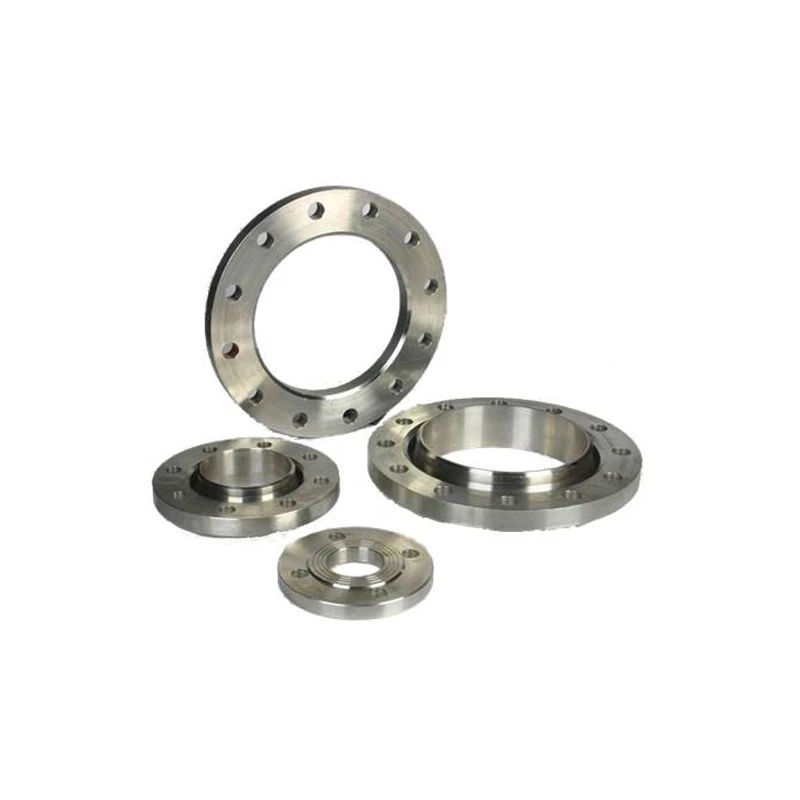
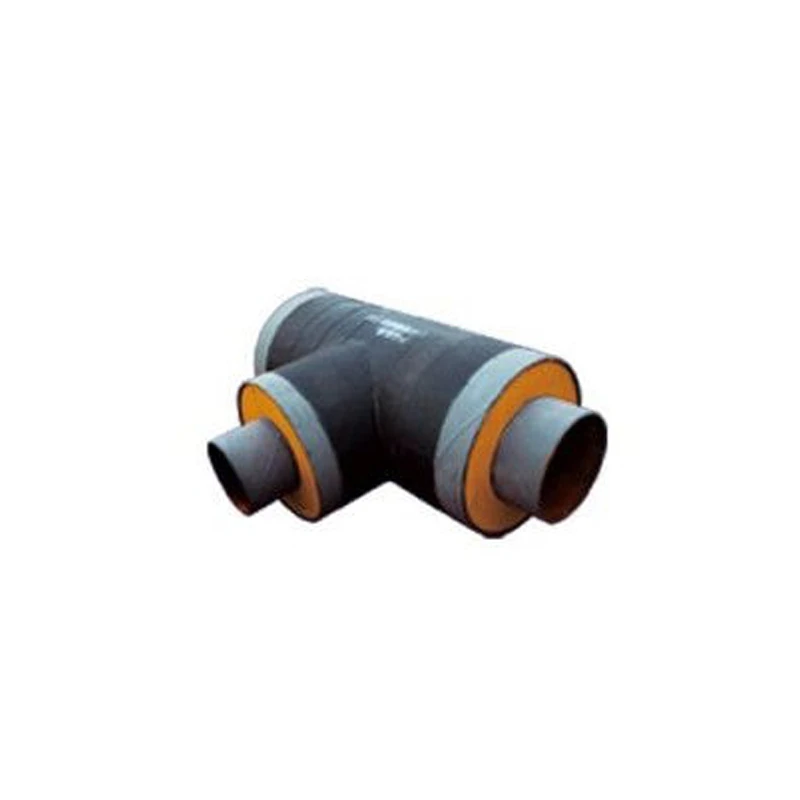
Anti Corrosion And Thermal Insulation Products
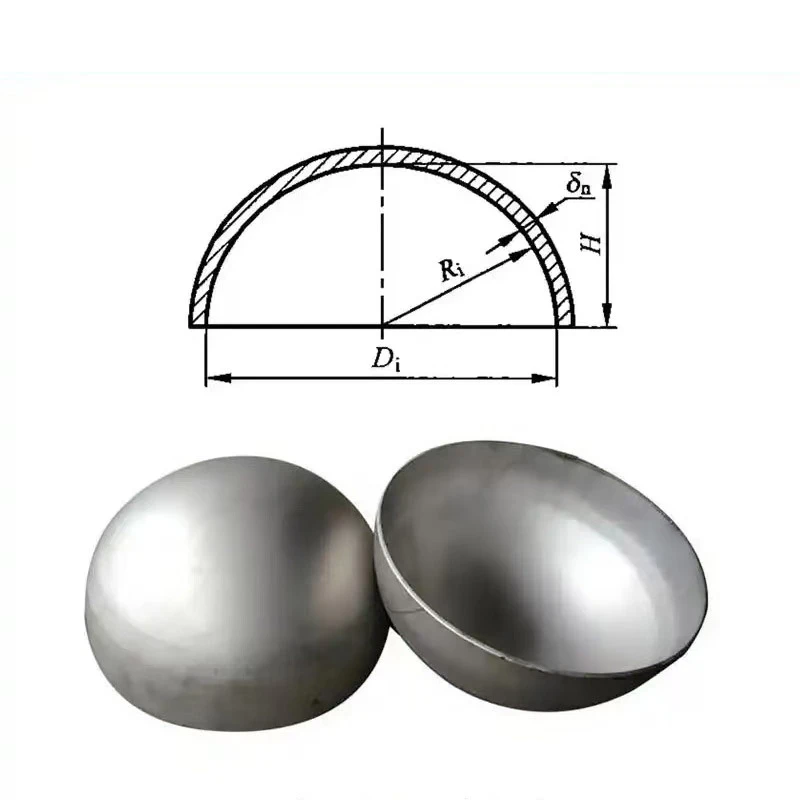

Ultimate Guide to 4130 Tubing Strength Performance and Applications
Properties and Industrial Applications of 4130 steel tubing
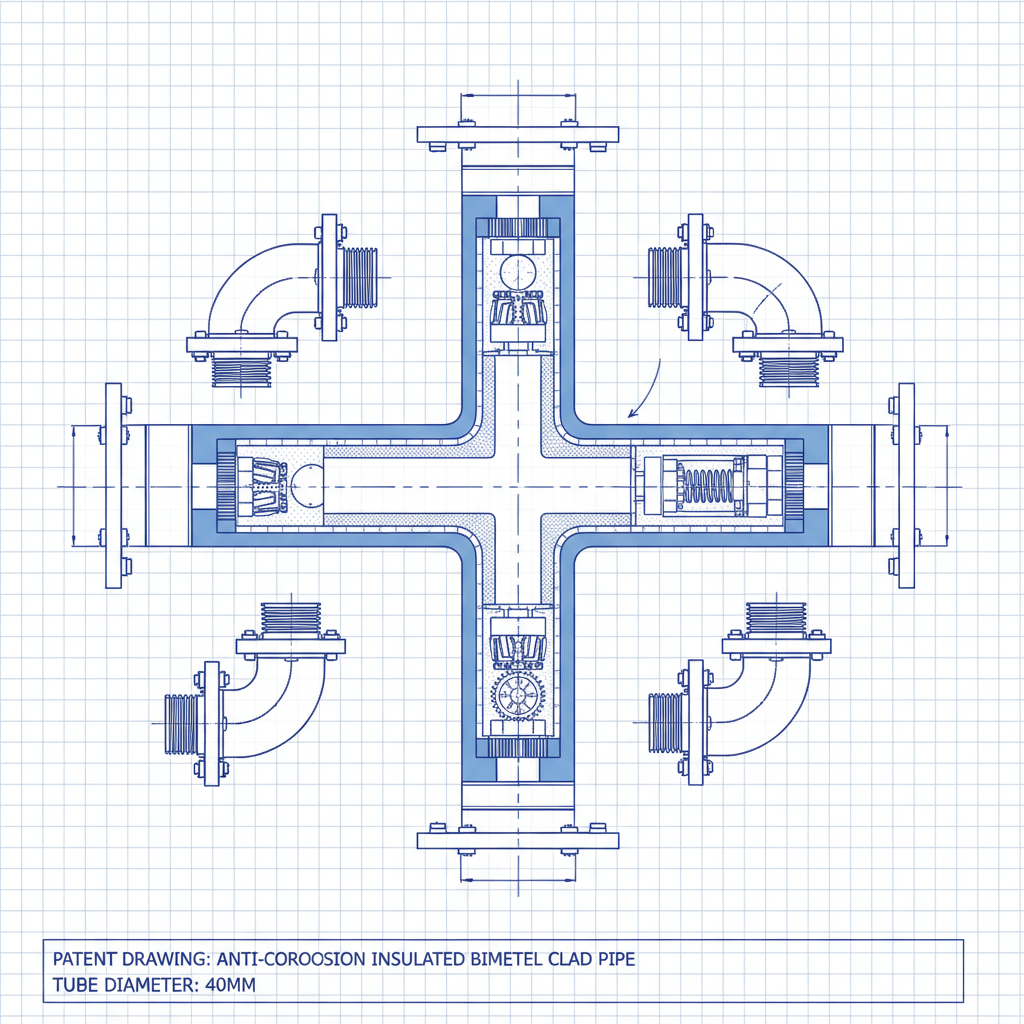
Comprehensive Guide to 40mm Steel Tube Applications and Material Selection
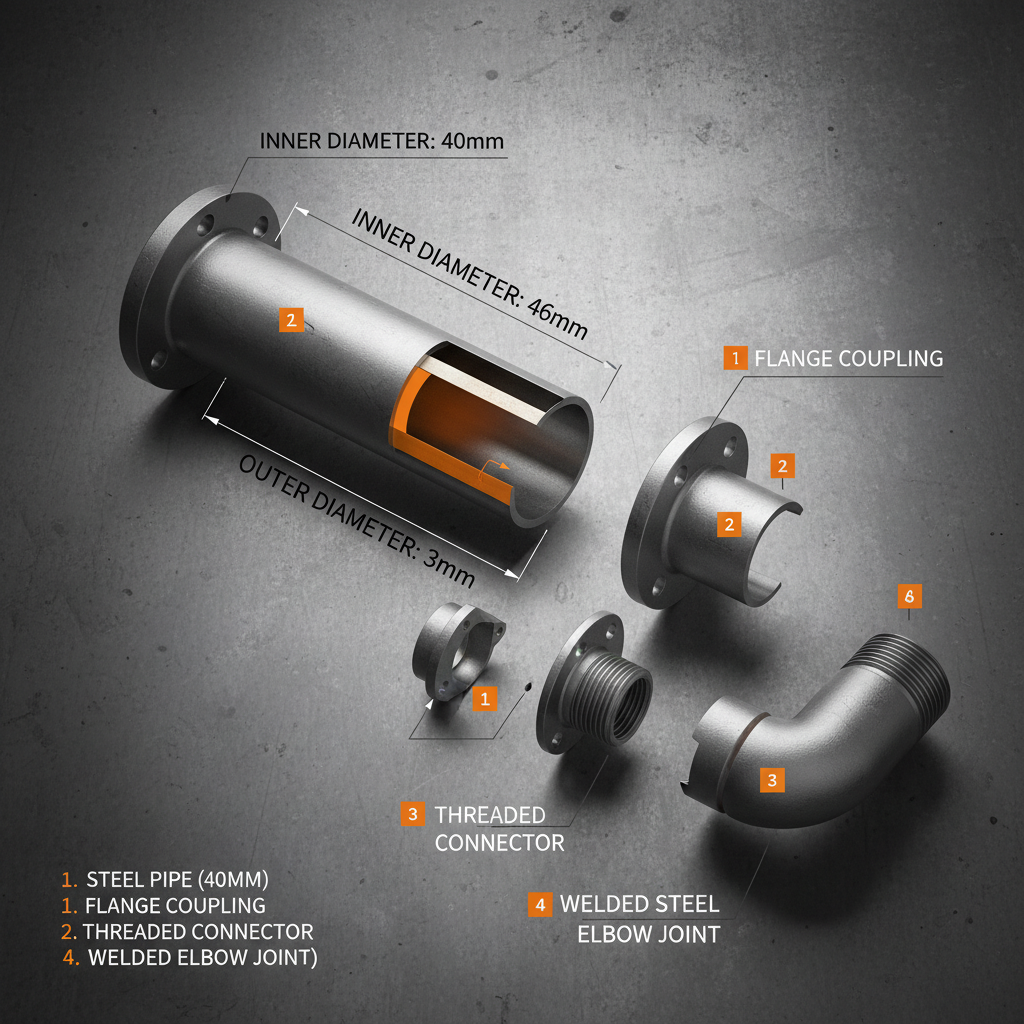
Comprehensive Guide to 40mm Steel Pipe Applications and Considerations
Comprehensive Guide to 40mm Metal Pipe Applications and Sourcing
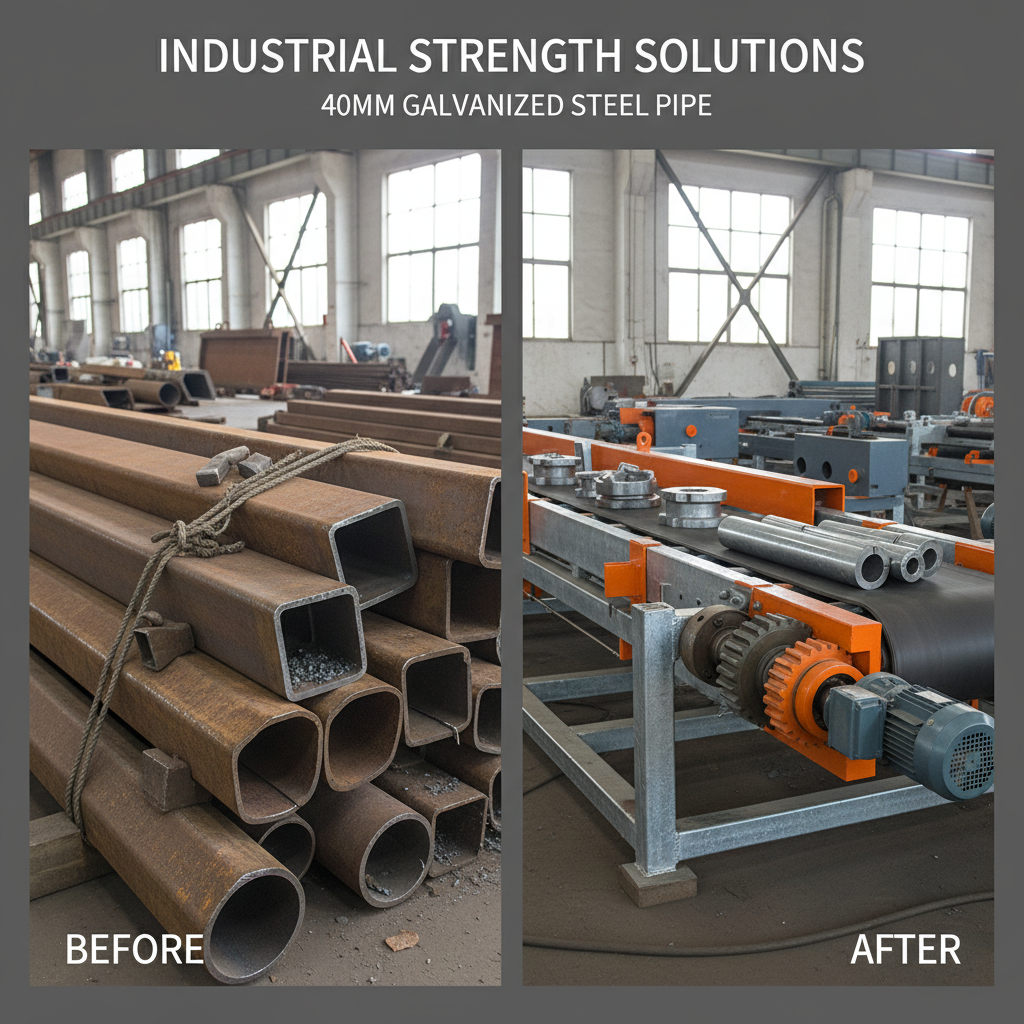
Comprehensive Guide to 40mm Galvanised Pipe Applications and Specifications