If you’ve ever paused to wonder about the quiet giants holding up industries around the world, the metal cylinder tube deserves a special mention. These seemingly simple tubes are surprisingly pivotal in many industrial and humanitarian processes. From gas storage to infrastructure, their role transcends borders and sectors, impacting global economies, safety standards, and sustainability trajectories. Understanding them is more than just technical curiosity — it is fundamental to appreciating how modern industry solves complex problems through simple yet sturdy components.
Globally, metal cylinder tubes aren’t just steel or aluminum shells; they’re the backbone of a system designed for strength, scalability, and safety. In a world that values precision manufacturing and dependable supply lines, the need to optimize these tubes touches everything from shipping pipelines to renewable energy storage.
According to ISO standards and World Bank trade reports, the industrial metal tube market has expanded by nearly 5% annually over the past decade. This steady growth points to a rising reliance on these components in emerging economies, especially across Asia and Africa.
The challenge? Industries face the dilemma of balancing cost efficiency with durability and sustainability. Metal cylinder tubes, if not designed or manufactured adequately, can become liabilities—causing of leaks, failures, or environmental hazards. That's why experts emphasize high-spec designs and stringent testing protocols.
Put simply, a metal cylinder tube is a hollow, cylindrical metal structure often used to contain or transport gases, liquids, or structural loads. Materials vary between steel, aluminum, or specialized alloys depending on the application. From compressed natural gas (CNG) cylinders to structural tubing in construction, their geometric simplicity masks complex engineering challenges.
In industrial terms, these tubes must balance strength, corrosion resistance, and lightweight design. Humanitarian uses, such as temporary shelters or water storage in disaster zones, highlight their modular and reusable nature.
Durability is non-negotiable. Metal cylinder tubes face constant pressure, varying temperatures, and chemical exposure. Choosing the right alloy and manufacturing process limits fatigue and crack propagation—ensuring safety over decades.
From small scale cylinders in medical oxygen tanks to massive pipeline segments, scalability in dimension and volume is critical. Manufacturers often utilize modular designs for ease of transport and onsite assembly.
Cost is always a factor, especially for large projects. Raw material sourcing, production speed, and maintenance cycle costs can make or break a project’s budget.
The long-term exposure to moisture and chemicals requires coatings or alloy formulations that resist corrosion, extending their lifespan and minimizing failure risks.
Adhering to ISO or ASTM standards is a must for acceptance in many markets. This ensures that each metal cylinder tube meets minimum required pressure tolerances and quality benchmarks.
| Specification | Typical Range | Units |
|---|---|---|
| Material | Steel (AISI 4140), Aluminum Alloy 6061 | N/A |
| Diameter | 50 - 500 | mm |
| Wall Thickness | 2 - 20 | mm |
| Pressure Rating | 200 - 350 | bar |
| Weight per meter | 5 - 40 | kg |
Mini takeaway: The variety of metal cylinder tubes available shows their versatility but also emphasizes the importance of selecting specs that fit the intended application.
Oddly enough, these cylinders are quietly everywhere: you find them in aerospace, manufacturing, construction, and energy sectors. One interesting use case is in post-disaster relief. For example, after earthquakes or floods, portable metal cylinder tubes are used to store and transport LPG to remote areas quickly and efficiently.
In emerging markets such as India and sub-Saharan Africa, the tubes enable infrastructure projects by providing lightweight but strong pipelines for water and gas transport. They've even been essential in remote oil drilling rigs, where durability and safety are paramount.
| Vendor | Materials Offered | Compliance Certifications | Lead Time | Special Features |
|---|---|---|---|---|
| Lion Pipeline Inc. | Steel (AISI 4140), Custom Alloys | ISO 9001, API 5CT | 4 weeks | Custom welded, corrosion resistant coatings |
| Global Metal Tubes Ltd. | Aluminum 6061, Carbon Steel | ISO 14001, ASTM A519 | 6 weeks | Lightweight options, eco-friendly manufacturing |
| SteelPro Components | Heat-treated steel alloys | API 5L, ISO 45001 | 3 weeks | Rapid production, customized test reports |
Mini takeaway: Depending on your needs—speed, certification, or customization—different vendors provide niche strengths in metal cylinder tubes.
When you think about long-lasting investments, metal cylinder tubes score high on reliability. They offer consistent performance even under extreme conditions, which saves significant costs on replacements or repairs.
Beyond the tangible, there’s a social dimension. Safer transportation of hazardous gases means protecting communities from accidents. The trust placed on these components often reflects the integrity of an entire supply chain or industry.
Plus, their inherent recyclability and compatibility with green coatings make them an environmentally favorable choice, increasingly sought after in today’s sustainability-conscious markets.
The future of metal cylinder tubes is fascinating. Advancements are happening in nanocoatings for corrosion resistance and smart sensors embedded in tubes for real-time pressure and integrity monitoring.
Automation in manufacturing is driving down costs while increasing precision and safety. Also, the rise of hydrogen as a green fuel is pushing manufacturers to develop specialized cylinder tubes capable of handling H2 storage safely.
Challenges persist—welding defects, inconsistencies in material thickness, and sourcing eco-friendly alloys can slow down production or increase costs. Many engineers advocate for adopting advanced ultrasonic testing and AI-driven quality control systems.
Another challenge is supply chain disruptions, especially for specialized alloys. Building redundancy and partnering with diverse vendors is a commonly suggested mitigation strategy.
In real terms, metal cylinder tubes are unsung heroes in modern infrastructure and technology. Whether enabling safe energy transport or supporting humanitarian aid delivery, their durability, adaptability, and evolving innovation keep industries moving forward.
For businesses and organizations looking to invest in reliable and compliant components, learning about metal cylinder tubes is a smart start. To explore specialized options and get tailored support, visit https://www.lion-pipeline.com and discover how these critical components can fit your project’s needs.
I suppose it’s remarkable how something so fundamental can have such a broad global impact—not flashy, but absolutely essential.
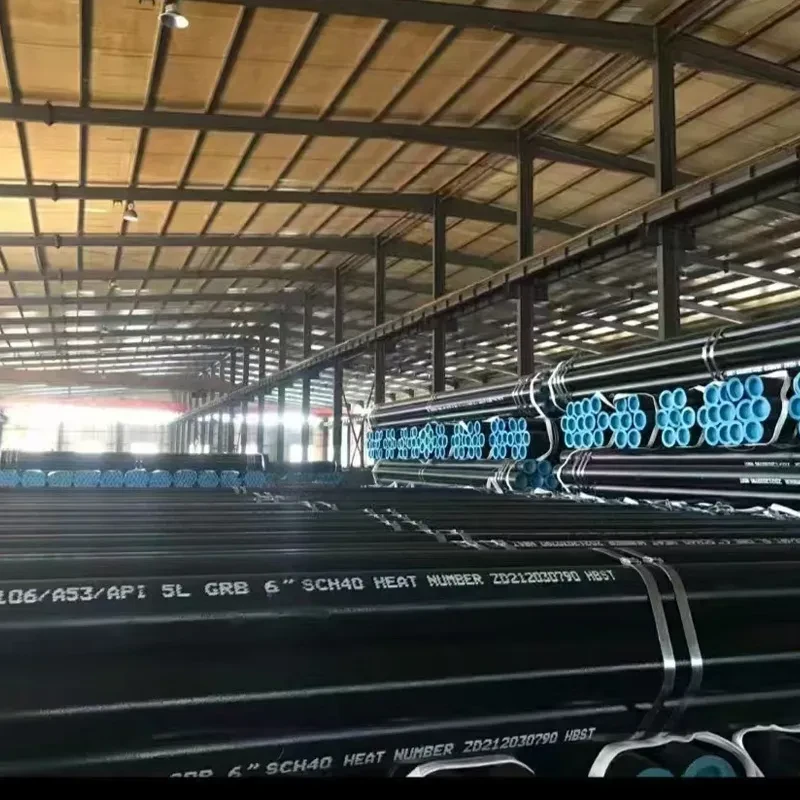
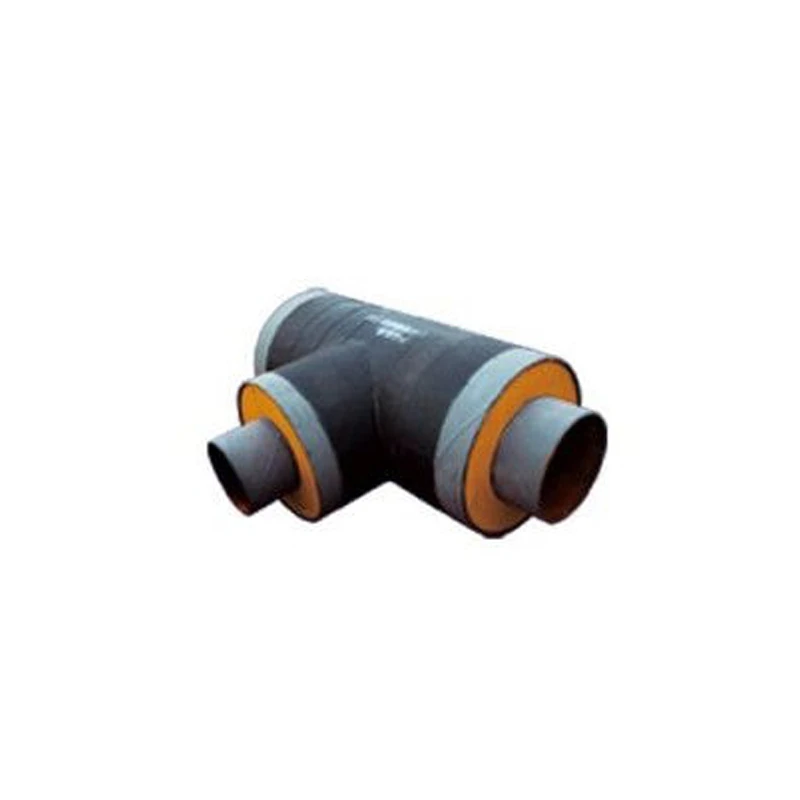
Anti Corrosion And Thermal Insulation Products
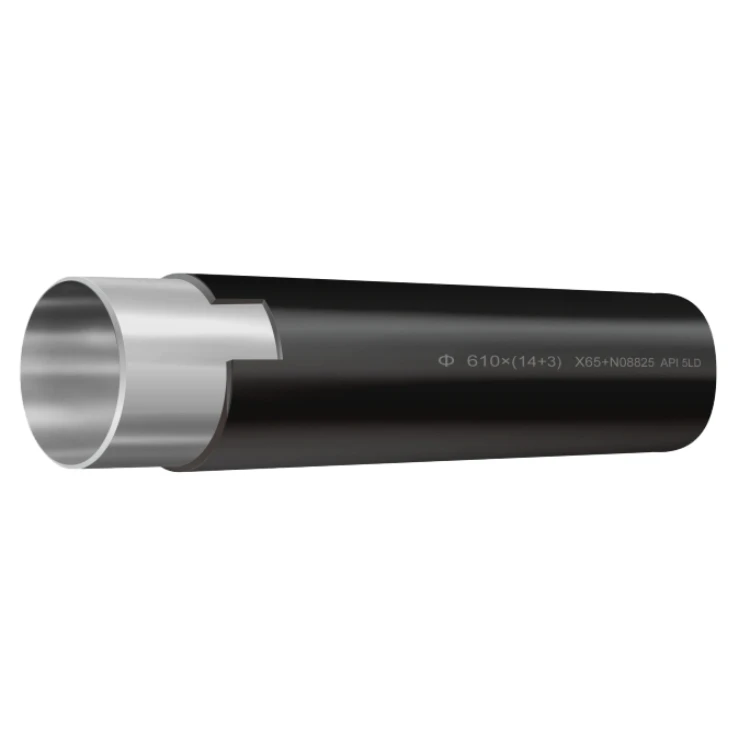

Ultimate Guide to 4130 Tubing Strength Performance and Applications
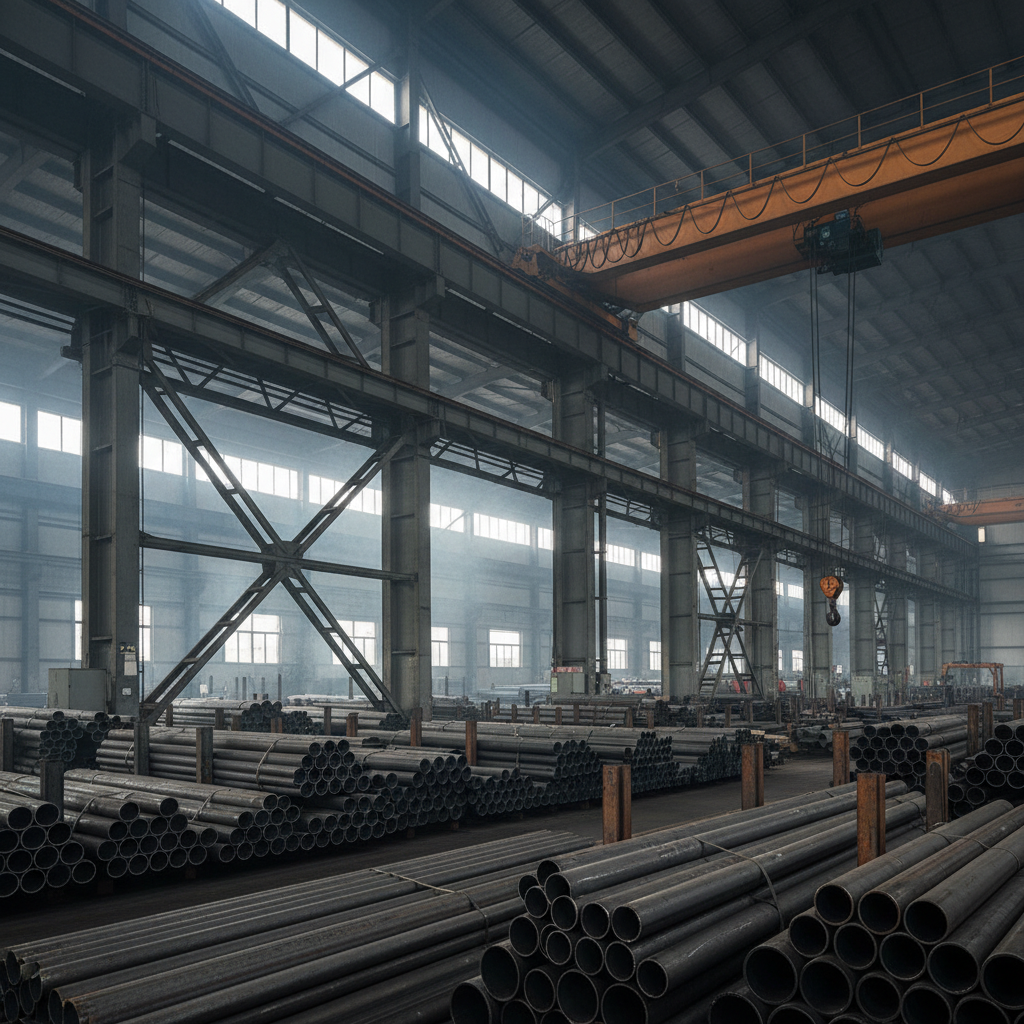
Properties and Industrial Applications of 4130 steel tubing
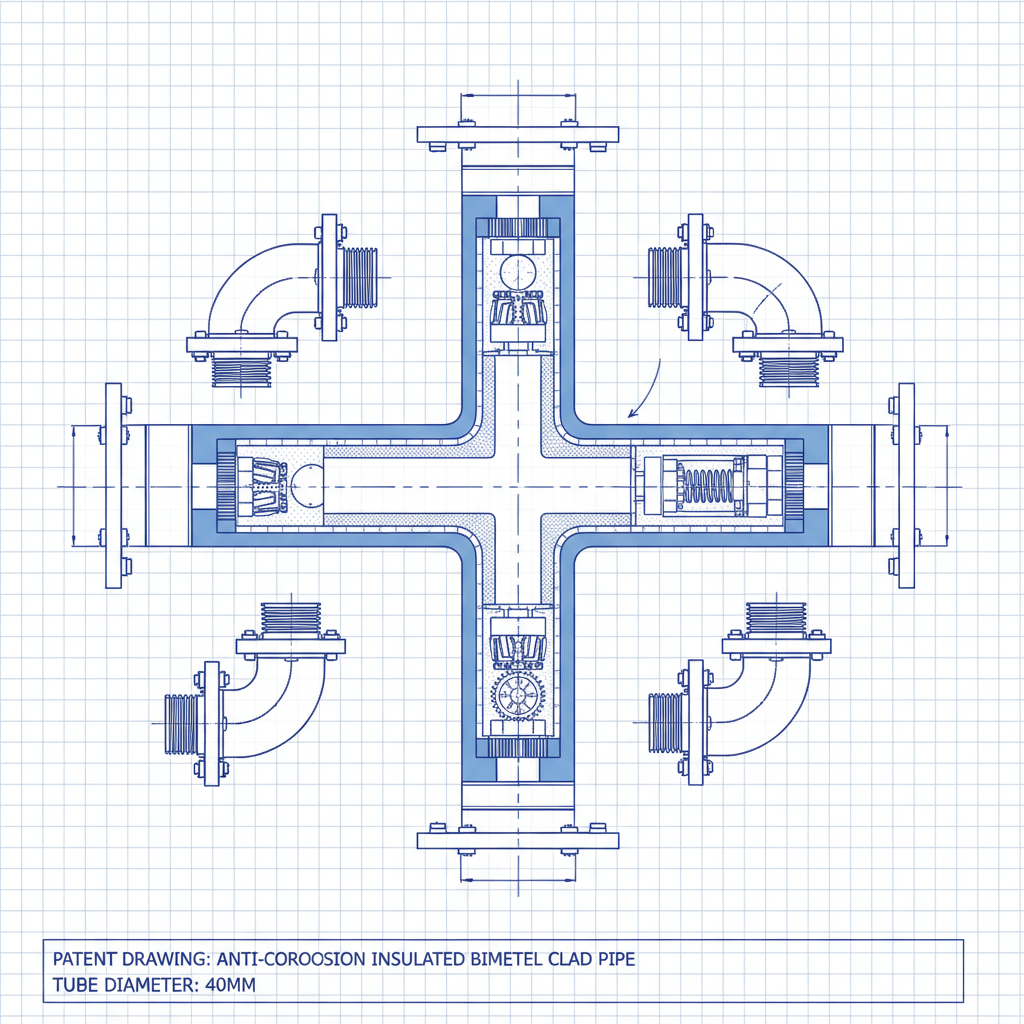
Comprehensive Guide to 40mm Steel Tube Applications and Material Selection
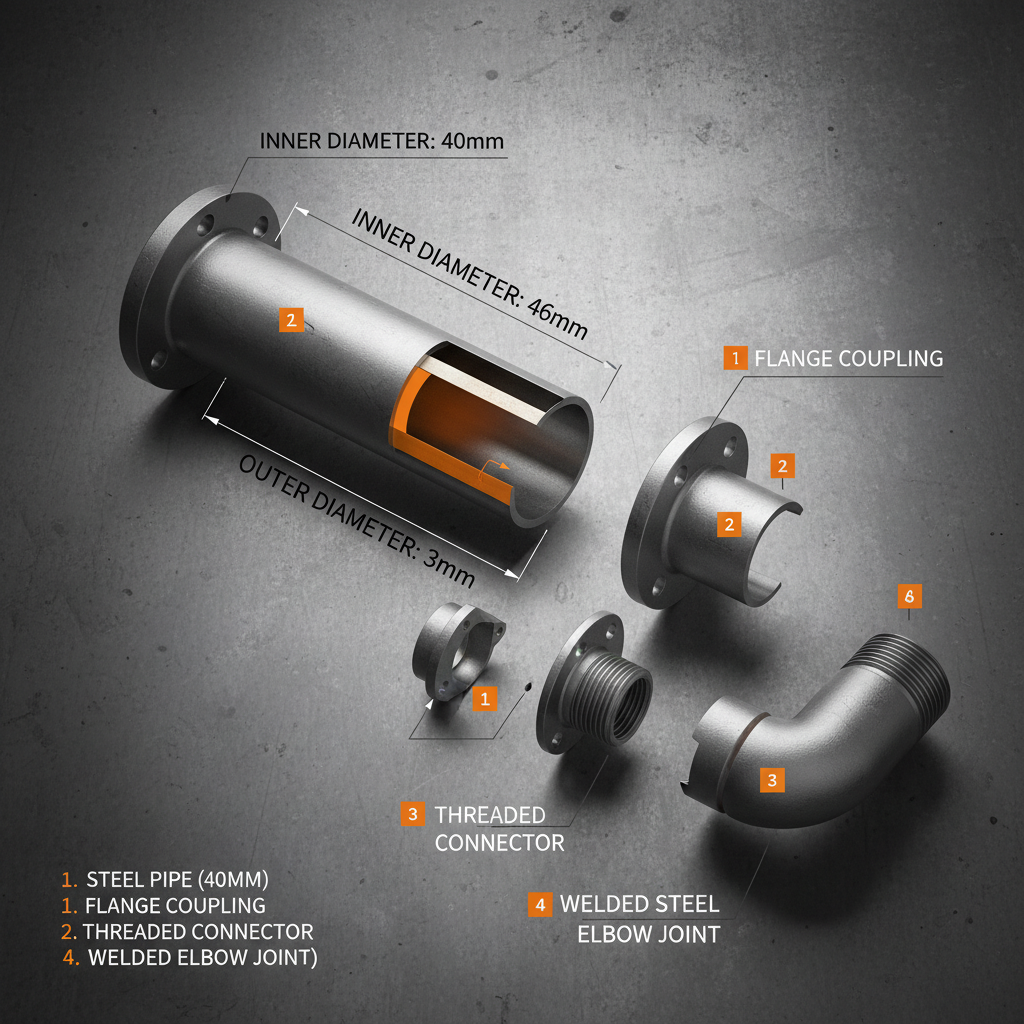
Comprehensive Guide to 40mm Steel Pipe Applications and Considerations
Comprehensive Guide to 40mm Metal Pipe Applications and Sourcing
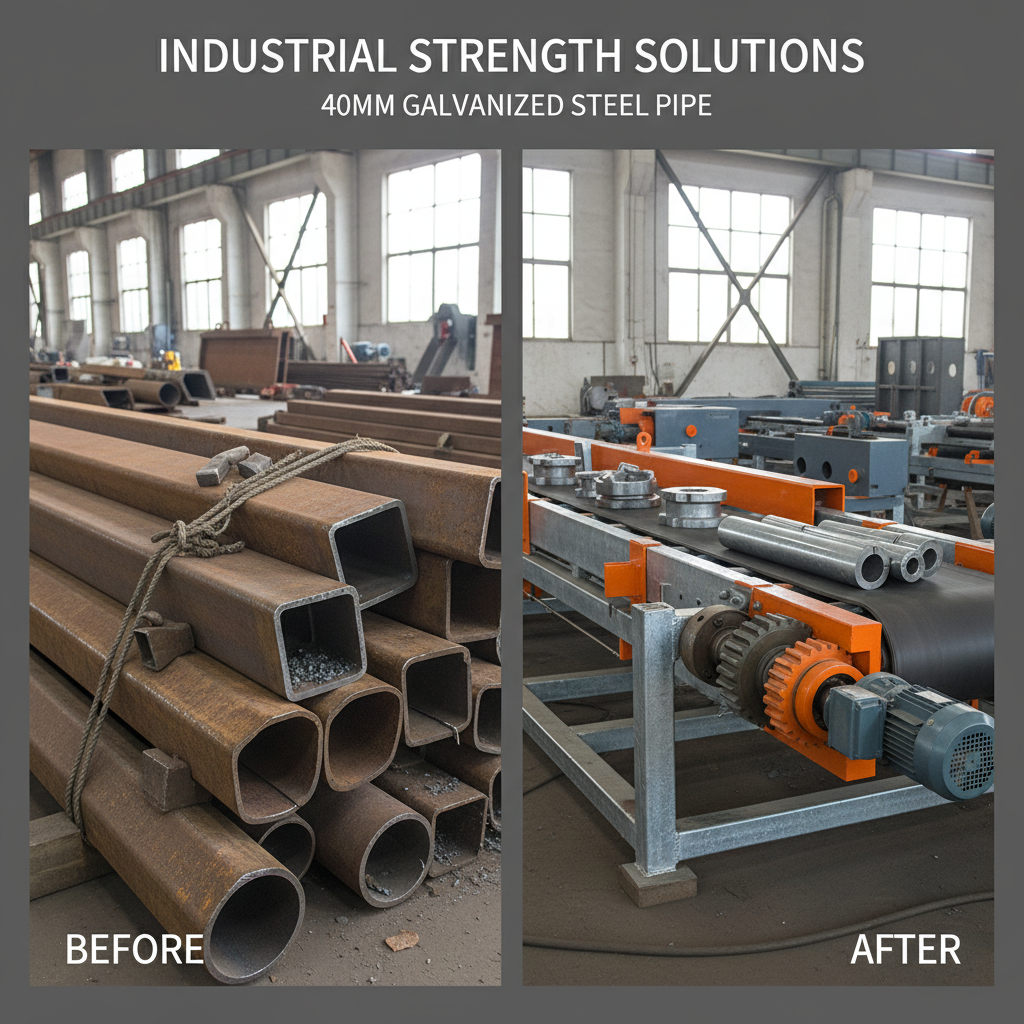
Comprehensive Guide to 40mm Galvanised Pipe Applications and Specifications