The 19mm steel tube may seem like just another component in the vast world of construction and engineering, but its applications ripple across continents and industries with notable impact. Essentially, this modest-diameter steel pipe fulfills crucial roles—whether in delivering structural strength, enabling water and gas transport, or serving as the backbone in manufacturing and humanitarian setups. Globally, understanding the versatile nature of the 19mm steel tube unlocks efficiencies, sustainability benefits, and even humanitarian solutions.
Steel remains one of the most widely produced and utilized materials worldwide, with per capita consumption averaging about 220 kg according to the World Steel Association. Within this enormous spectrum, the 19mm steel tube serves as a staple item in sectors ranging from infrastructure to medical equipment. Oddly enough, despite its relatively small size, this tube is a linchpin in construction and fluid transport systems, particularly in emerging markets where modular and scalable solutions are critical.
One key challenge facing industries today is balancing durability and cost-effectiveness, especially in developing regions. The 19mm steel tube offers a compelling compromise—robust strength combined with the flexibility to adapt to needs like rapid deployment housing or scalable water systems. In humanitarian crises or disaster relief, for example, the availability of reliable, standardized steel components can simplify logistics and improve response times.
Simply put, a 19mm steel tube is a hollow cylindrical metal pipe whose external diameter measures 19 millimeters. These tubes are fabricated typically from carbon steel or stainless steel, offering varying grades to match specific tensile strength, corrosion resistance, or welding requirements.
While “pipe” and “tube” can sometimes be used interchangeably, tubes tend to be manufactured with tighter dimensional tolerances and smoother finishes—a key factor when precision fittings or fluid dynamics come into play. In practice, the 19mm steel tube is an elegant solution linking modern industrial demands to age-old techniques of metalworking and fabrication.
Durability is the obvious headline—steel’s tensile strength ensures these tubes maintain structural integrity under stress, whether in high-pressure gas pipelines or in load-bearing frameworks. A 19mm tube strikes a good balance, being sturdy without excessive weight, thus easing transport and installation.
Depending on material grade—like galvanization or stainless steel alloys—19mm tubes resist rust and environmental degradation. This factor is crucial for outdoor infrastructure, marine applications, or areas prone to humidity.
The relatively small size means less raw material usage, reducing costs, yet it retains versatility across applications. Plus, its modularity allows easy integration into larger assemblies or scalable systems, such as irrigation frameworks or scaffolding.
Because of tight manufacturing tolerances, these tubes fit well with standardized connectors and fittings. This precision supports rapid assembly in industrial or emergency settings without the headaches of trial-and-error adjustments.
Many manufacturers are now exploring recycled steel sources and greener production processes. In real terms, the 19mm steel tube’s lifecycle can be extended significantly through maintenance and material recovery, aligning with sustainability goals.
The 19mm steel tube’s blend of strength, precision, and efficiency make it an indispensable connective element across industries—and an underappreciated hero in global infrastructure development.
The world over, from bustling Asian mega-cities to remote African water projects, the 19mm steel tube features heavily in public works and private industry. For example:
Regions actively deploying these tubes include Southeast Asia, where infrastructure development is rapid; parts of Eastern Europe capitalizing on refurbishment; and even North American specialty manufacturing, where precision is paramount.
| Specification | Detail |
|---|---|
| Outer Diameter | 19 mm |
| Wall Thickness | 1.0 - 3.0 mm (depending on grade) |
| Material | Carbon steel / Stainless steel |
| Length | Typically 6 meters standard |
| Surface Finish | Galvanized, Painted, or Bare |
| Standard Compliance | ISO 65 - Steel Tubes |
| Vendor | Material Options | Price Range (per m) | Delivery Time | Certifications |
|---|---|---|---|---|
| SteelPro Ltd. | Carbon, Galvanized | $5 - $7 | 1 Week | ISO 9001 |
| Metro Tubes Inc. | Stainless Steel, Painted | $6 - $9 | 2-3 Weeks | ISO 9001 |
| Global Steel Supply | Carbon, Stainless | $4.50 - $7.50 | 1-2 Weeks | ISO 14001 |
The 19mm steel tube might be one of the simplest products to overlook, yet it quietly propels diverse industries and critical infrastructure forward. It feels like a reminder that sometimes the smallest elements, when well crafted and thoughtfully applied, make the biggest difference.
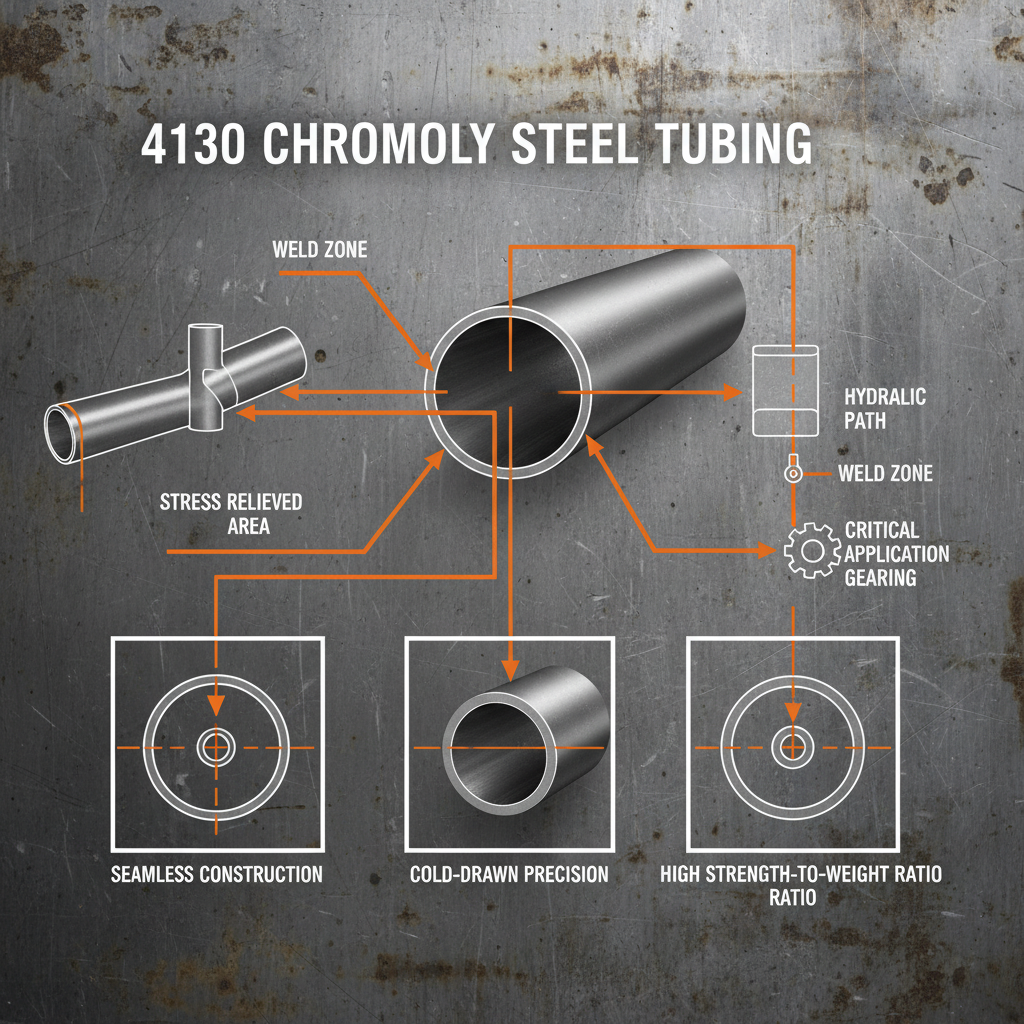
Ultimate Guide to 4130 Tubing Strength Performance and Applications
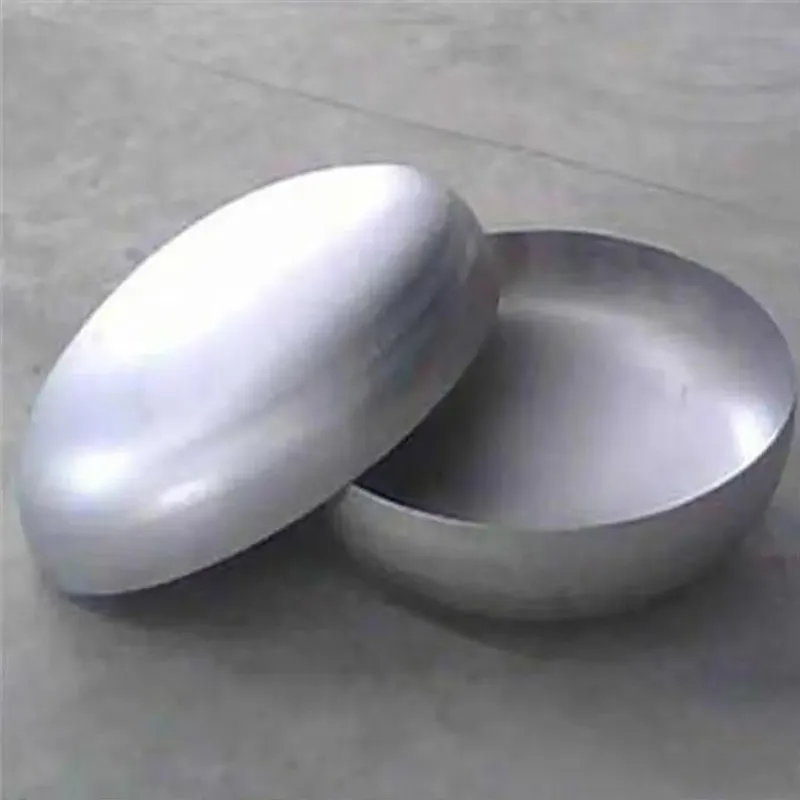
Pipe Cap-Cangzhou Lion Technology Co., Ltd.|Enhancing System Efficiency&Durability
Pipe Cap-Cangzhou Lion Technology Co., Ltd.|Enhancing System Efficiency&Durability
Pipe Cap-Cangzhou Lion Technology Co., Ltd.|Enhancing System Efficiency&Durability
Pipe Cap-Cangzhou Lion Technology Co., Ltd.|Enhancing System Efficiency&Durability
Pipe Cap-Cangzhou Lion Technology Co., Ltd.|Enhancing System Efficiency&Durability