1mm Pipe is a key solution in the industry, specifically within sectors that demand robust, precise pipeline systems. This article explores how https://www.lion-pipeline.com supports professionals with durable, high-performance products, and explains why this product is an ideal choice for businesses in these sectors.
When we talk about 1mm Pipe, we're essentially dealing with a pipeline solution defined by its 1 millimeter wall thickness. Sounds thin? Perhaps, but don’t underestimate its strength or versatility. This type of pipe often uses high-grade carbon steel or stainless steel, depending on the application.
Technically, a 1mm pipe holds up well under pressure due to precise manufacturing standards—often adhering to international ASTM or ISO certifications. In one case study from an industrial plant, switching from a heavier pipeline to a 1mm variant saved weight yet maintained durability, which reduced overall project costs without sacrificing safety. It almost feels like the perfect balance between material efficiency and reliability — quite clever, really.
| Specification | Details |
|---|---|
| Wall Thickness | 1 mm (±0.05 mm) |
| Material | Carbon Steel / Stainless Steel |
| Diameter Range | 10 mm to 100 mm |
| Pressure Rating | Up to 16 bar |
| Certifications | ASTM A249, ISO 9001 |
The initial appeal of the 1mm pipe, especially among engineers and procurement managers, is its lightweight design coupled with impressively high performance. Because it's thinner, it lends itself well to projects where space and weight are significant constraints, like in HVAC systems, industrial automation, or even food and beverage processing lines.
Oddly enough, despite its slim profile, the product excels in corrosion resistance, particularly when manufactured from stainless steel varieties. This feature means industries like chemical processing or pharmaceuticals can rely on these pipes in environments that are otherwise demanding.
The competitive edge often comes down to durability combined with the convenience of installation – businesses often report shorter lead times and less intensive labor when handling 1mm pipe compared to bulkier alternatives.
Discussing cost-effectiveness, many decision-makers note that the 1mm pipe’s total cost of ownership (TCO) is surprisingly favorable. While initial material cost might be on par with traditional pipes, savings emerge over time via lower material usage, reduced shipping fees due to lighter weight, and faster installation.
Maintenance? It’s less frequent than you might imagine. A lot of clients from the oil & gas and water treatment sectors have shared feedback emphasizing less downtime and fewer corrosion-related repairs. That definitely adds up to increased ROI when summed over long-term project horizons.
From a sustainability standpoint, thinner pipes like the 1mm variety align well with modern eco-practices because they consume less raw material and tend to have a smaller carbon footprint during transportation. Lion Pipeline also emphasizes recyclable materials and energy-efficient manufacturing processes, which resonates well in regulated markets.
Interestingly, the industry trend is leaning towards optimizing infrastructure while minimizing environmental impact, so 1mm pipe products are likely to see rising demand, especially as governments ramp up regulatory pressure on emissions and waste. It’s a strategic move to get ahead now.
| Vendor | Material Quality | Pricing | Certification | Lead Time |
|---|---|---|---|---|
| Lion Pipeline | High-grade Stainless Steel | Competitive | ISO 9001, ASTM | 2-3 weeks |
| Competitor A | Standard Carbon Steel | Lower | ISO Certified | 4-6 weeks |
| Competitor B | Premium Alloy | Premium | ASTM, API | 3-4 weeks |
To wrap it up, the 1mm Pipe stands out as a lean yet tough pipeline choice in many industries. Its proven durability, combined with cost and environmental benefits, makes it the kind of product that savvy businesses will want on their projects. If you are weighing options for your next pipeline system, it’s definitely worth considering. Visit our website: https://www.lion-pipeline.com for more detailed specs and inquiries.
It’s always good to keep an eye on how materials evolve; the 1mm Pipe feels like a smart, future-facing choice right now.
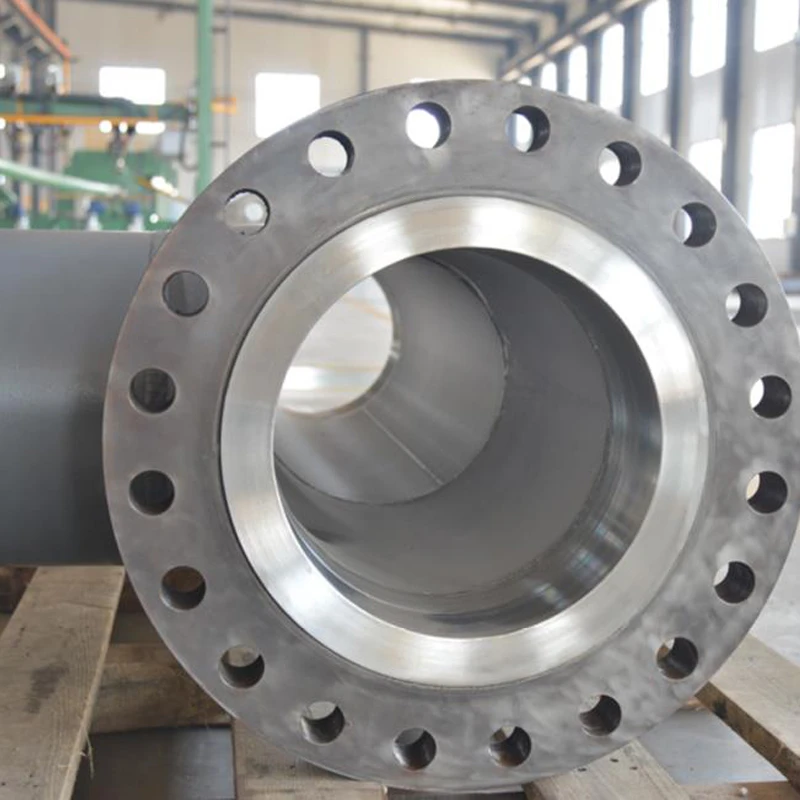
Factory Prefabricated Products
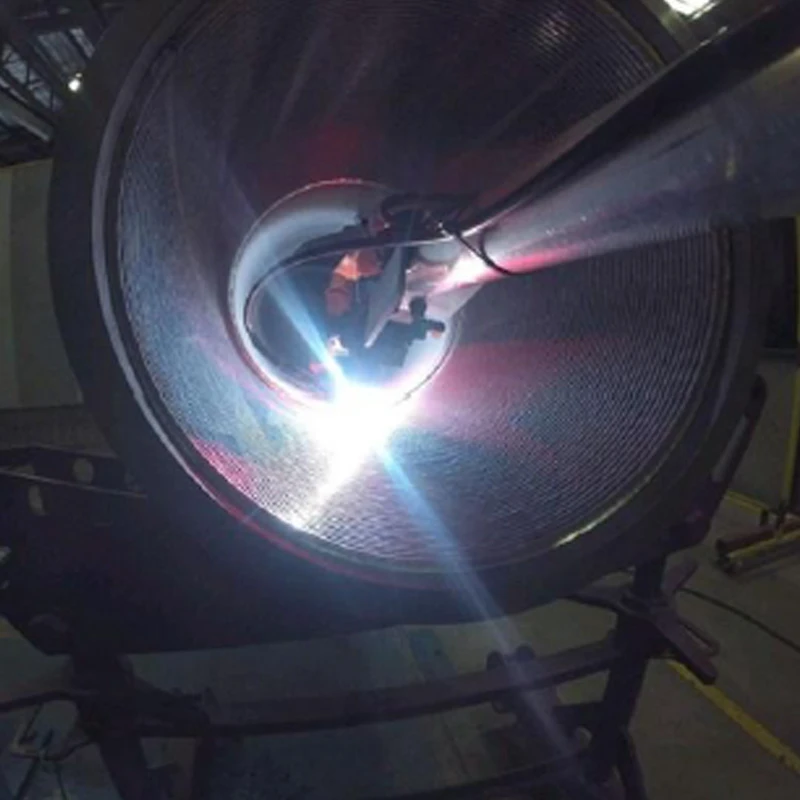
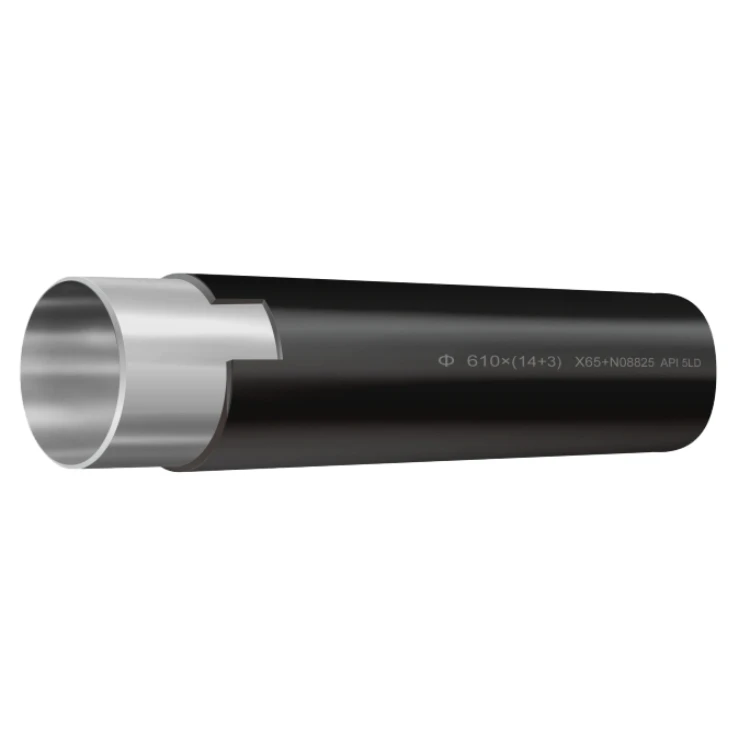
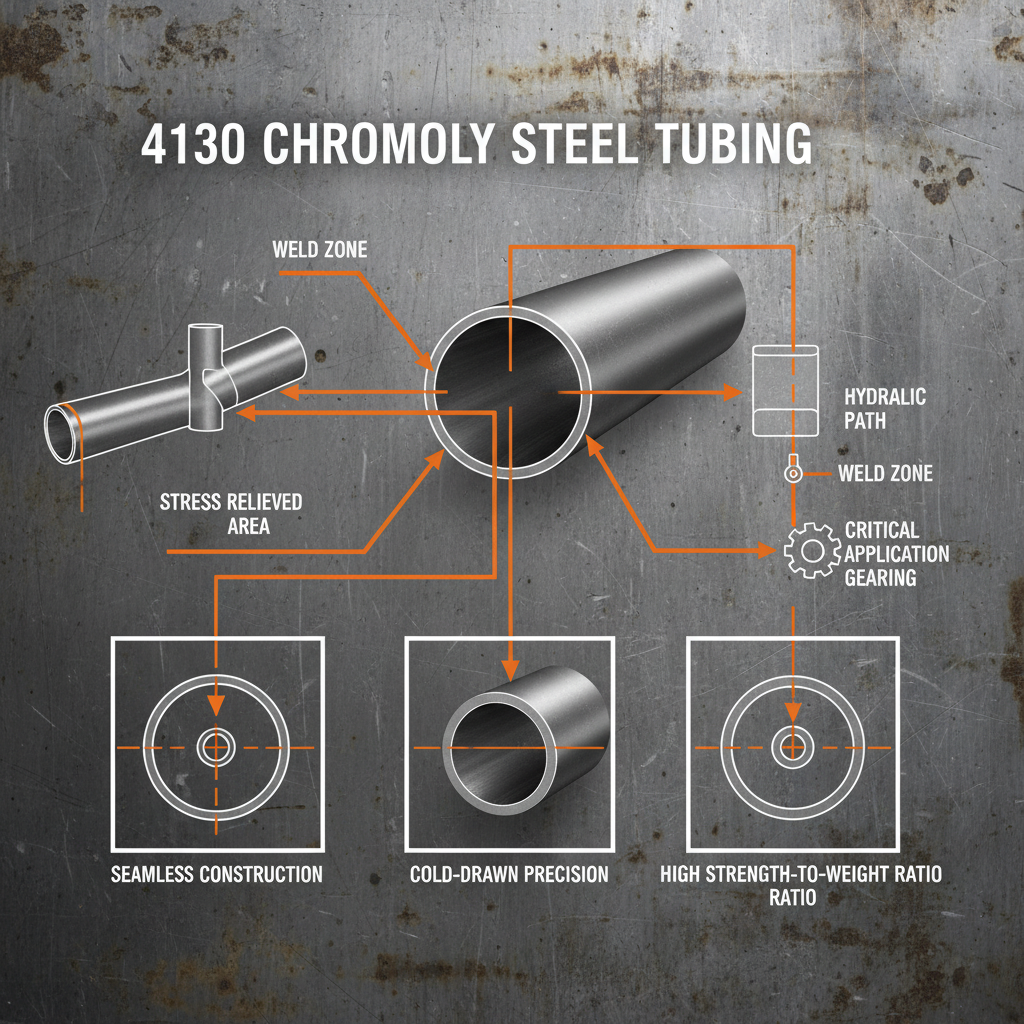
Ultimate Guide to 4130 Tubing Strength Performance and Applications
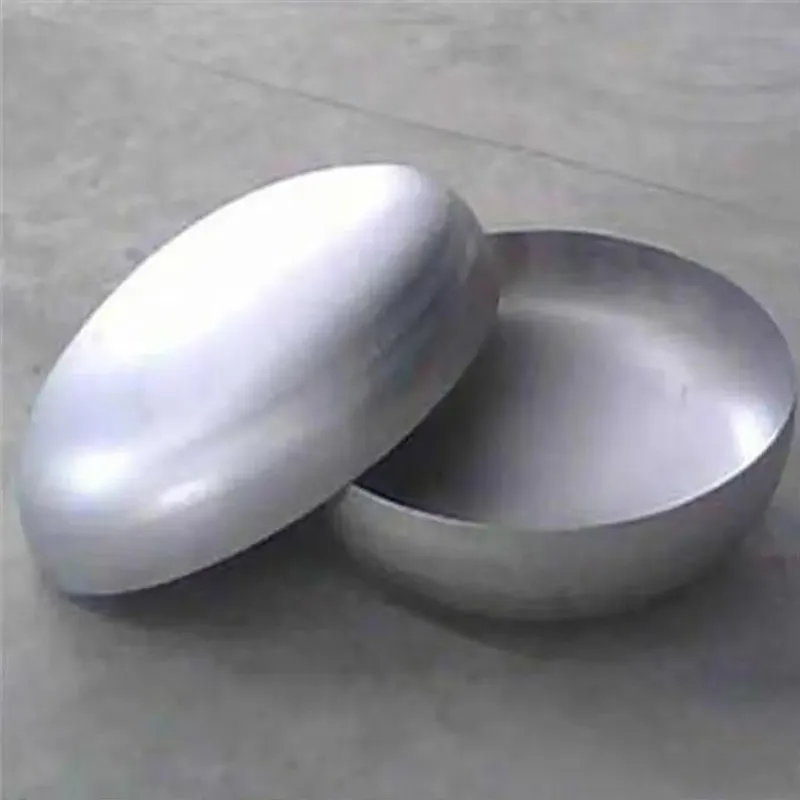
Pipe Cap-Cangzhou Lion Technology Co., Ltd.|Enhancing System Efficiency&Durability
Pipe Cap-Cangzhou Lion Technology Co., Ltd.|Enhancing System Efficiency&Durability
Pipe Cap-Cangzhou Lion Technology Co., Ltd.|Enhancing System Efficiency&Durability
Pipe Cap-Cangzhou Lion Technology Co., Ltd.|Enhancing System Efficiency&Durability
Pipe Cap-Cangzhou Lion Technology Co., Ltd.|Enhancing System Efficiency&Durability