Steel pipes measuring 19mm in diameter might seem like just another industrial component at first glance, but honestly, they form the backbone of countless critical infrastructures worldwide. In practical terms, these 19mm steel pipes enable everything from water transportation and oil drilling to robust frameworks in construction and manufacturing. Their global importance is driven by their durability, cost efficiency, and versatility, which directly affect how societies build, sustain, and improve vital services.
Consider the fact that as of 2022, the global steel pipe market size was valued at over $80 billion and projected to grow steadily in the coming years (source: World Bank data on industrial steel consumption). This growth speaks volumes about the ongoing reliance on products like 19mm steel pipes to meet industrial, humanitarian, and environmental goals—for instance, delivering clean water to remote communities or maintaining pipelines that power cities.
Mini takeaway: The 19mm steel pipe is an unassuming yet crucial player in real-world engineering solutions impacting millions globally.
Put simply, a 19mm steel pipe is a cylindrical tube made primarily of steel, with an outer diameter of approximately 19 millimeters. Its size is ideal for applications that require a balance between manageable flow capacity and strength. Oddly enough, while it sounds like a small measurement, this diameter fits perfectly within many systems where space constraints and pressure ratings are critical.
These pipes connect deeply with modern industry—they’re key in plumbing for urban infrastructure, oil and gas drilling, mechanical constructions, and even humanitarian efforts where temporary shelters or hydration systems rely on reliable pipework. It's practically a quiet hero in many setups.
Steel’s inherent robustness ensures 19mm pipes withstand considerable pressure, temperature changes, and mechanical wear. This makes them preferable for pipelines transporting liquids, gases, or chemicals without leakage or deformation.
Many 19mm steel pipes come galvanized or treated with specialized coatings, enhancing their lifespan in harsh environments like seawater exposure or industrial plants. This prolongs maintenance intervals and reduces downtime.
Compared to larger diameters, 19mm pipes strike an excellent balance between material cost and functional capacity—important for projects on budgets or needing extensive piping networks.
Because they're relatively small and lightweight, 19mm steel pipes are easy to transport, install, and configure in complex piping systems. This flexibility is a boon in disaster relief setups or tight construction sites.
| Specification | Detail |
|---|---|
| Outer Diameter | 19 mm (±0.2 mm) |
| Wall Thickness | 2.5 mm to 3.5 mm |
| Material | Carbon Steel (Galvanized option available) |
| Length | 6 meters (standard), customizable |
| Operating Pressure | Up to 25 MPa (depending on wall thickness & coating) |
| Common Uses | Water pipelines, mechanical supports, gas transport |
Regionally, from the deserts of the Middle East to the cold climates of Northern Europe, 19mm steel pipes serve myriad industries. For instance, in South Asia, where infrastructure is rapidly expanding, these pipes are favored for water distribution networks due to their light weight and installation ease.
In the oil and gas sector, companies running extraction and transportation operations use 19mm steel pipes for smaller ancillary systems like pressure relief and monitoring equipment. That said, if you've followed post-disaster humanitarian efforts—say, after earthquakes or floods—NGOs often opt for modular shelter frameworks using these pipes because they’re practical, easy to ship, and durable under rough conditions.
Mini takeaway: The 19mm steel pipe’s adaptability lets it transcend industries and geographies, proving its global indispensability.
It's interesting to note the emotional value too—reliability in infrastructure literally means safety and dignity for people depending on it daily. When you rely on these pipes in disaster-prone zones or industrial plants, the stakes feel incredibly tangible.
Frankly, the future looks bright. Recent developments in alloy compositions and nano-coatings increase corrosion resistance even further, reducing environmental degradation and extending pipeline service life. Add to that digital monitoring through IoT sensors embedded in pipe systems, and operators can now anticipate maintenance needs before failures occur.
Moreover, the green energy shift means 19mm steel pipes are increasingly part of sustainable projects, like hydrogen fuel infrastructure and solar thermal plant piping, where lightweight yet high-strength materials are essential.
Naturally, no material or product is perfect. Some challenges with 19mm steel pipes include vulnerability to extreme chemical environments without proper coating and logistical complications when supplying remote regions.
Experts recommend advanced treatment methods, such as epoxy coatings or cathodic protection, to combat corrosion. Additionally, modular supply chains backed by local partnerships, an approach many engineers support, resolve transportation hurdles efficiently.
| Vendor | Material Quality | Product Range | Pricing | Lead Time |
|---|---|---|---|---|
| Lion Pipeline Co. | High-grade Carbon Steel (ISO 3183 certified) | Extensive (sizes from 10mm to 60mm) | Competitive | 2-4 weeks |
| SteelWorks Ltd. | Certified Carbon Steel, galvanized options | Moderate | Mid-range | 3-5 weeks |
| Metallix Pipes | Premium Alloy Steel Blend | Wide (custom orders accepted) | Higher-end | 4-6 weeks |
In summary, 19mm steel pipes stand out as versatile, durable, and cost-effective solutions integral to global infrastructure—from urban water supply to emergency relief operations. Their evolving technologies and multi-industry applications continue to reinforce their essential role in sustainable development.
If you’re seeking trusted suppliers or detailed technical info on 19mm steel pipes, I encourage you to visit our website today. It’s frankly a great starting point for both newcomers and seasoned engineers alike.
A tiny pipe with a massive impact—sometimes, the little things are all it takes.
References:
1. World Bank: Steel Production and Consumption Data, 2023.
2. ISO 3183: Standards for Pipeline Pipes.
3. Wikipedia: Steel Pipe - https://en.wikipedia.org/wiki/Steel_pipe
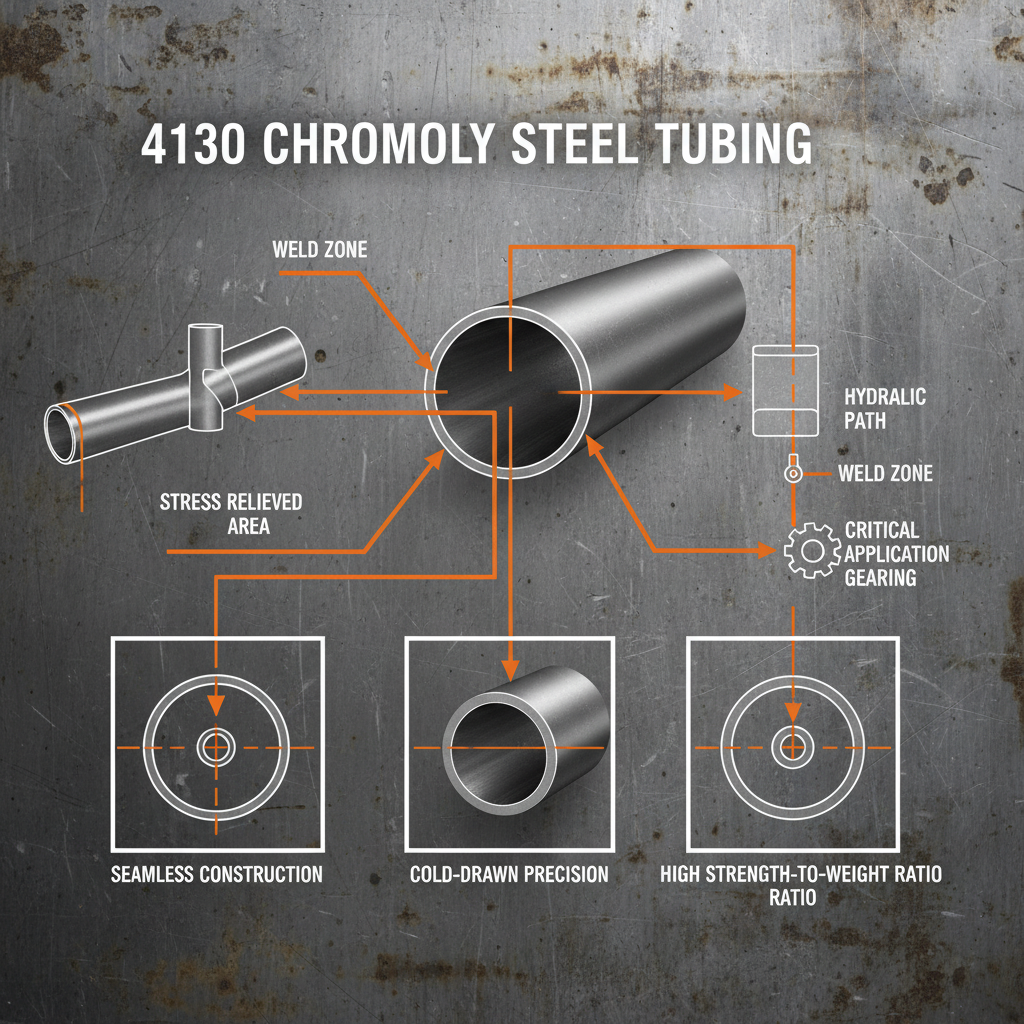
Ultimate Guide to 4130 Tubing Strength Performance and Applications
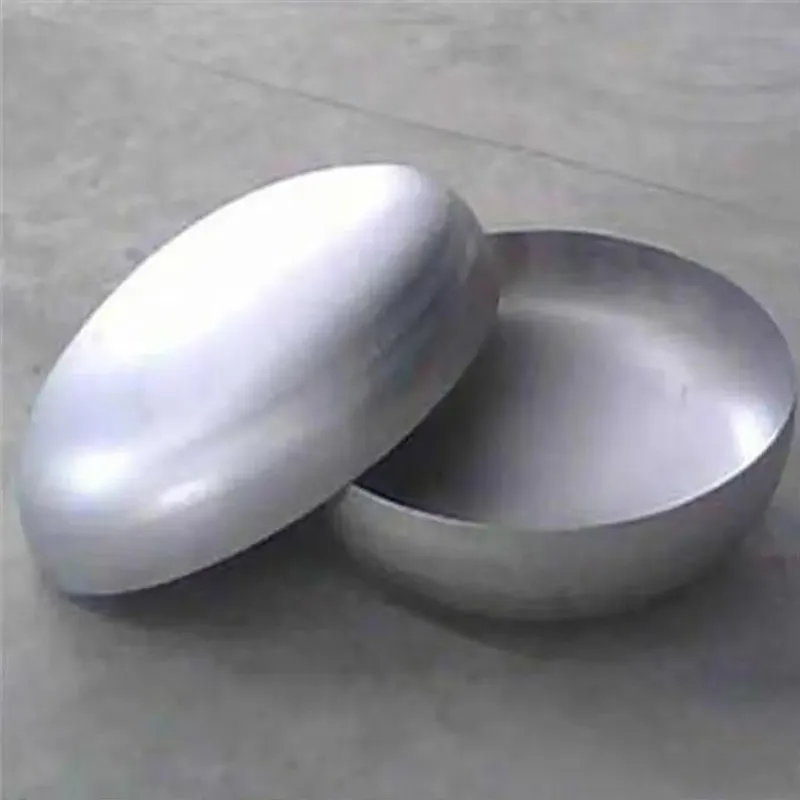
Pipe Cap-Cangzhou Lion Technology Co., Ltd.|Enhancing System Efficiency&Durability
Pipe Cap-Cangzhou Lion Technology Co., Ltd.|Enhancing System Efficiency&Durability
Pipe Cap-Cangzhou Lion Technology Co., Ltd.|Enhancing System Efficiency&Durability
Pipe Cap-Cangzhou Lion Technology Co., Ltd.|Enhancing System Efficiency&Durability
Pipe Cap-Cangzhou Lion Technology Co., Ltd.|Enhancing System Efficiency&Durability