When you hear “19mm stainless steel tube,” you might picture some shiny pipe tucked away in a factory corner. But this component is quietly pivotal in industries worldwide. It blends precision, durability, and versatility—qualities that make it a go-to for engineers, manufacturers, and innovators alike. On a larger scale, understanding the value and specifications of the 19mm stainless steel tube touches everything from infrastructure resilience to humanitarian efforts.
Globally, industries are tasked with sourcing materials that are both robust and sustainable. According to ISO standards, stainless steel tubes meet rigorous specifications, ensuring that products like these can withstand everything from corrosive environments to extreme pressure. The 19mm size is a sweet spot for applications demanding a balance between strength and flexibility.
The demand for stainless steel tubes has been rising sharply — estimated to grow at over 5% annually worldwide, influenced by expanding infrastructure and renewable energy projects (World Bank). The 19mm stainless steel tube is a common size for pipelines, structural framing, and even medical equipment. Yet, challenges such as material shortages and environmental concerns push manufacturers towards better designs and sourcing.
In sectors ranging from petrochemical plants to aerospace, opting for the right tube thickness and stainless grade can mean the difference between premature failure and decades of service. The ongoing transition toward green technologies underscores the importance of corrosion-resistant, recyclable materials—making stainless steel more than just a sturdy pipe.
Simply put, a 19mm stainless steel tube is a hollow cylindrical metal piece with an outer diameter of 19 millimeters, made primarily from chromium-nickel steel alloys. Its stainless quality means it resists rust and tarnishing, which is critical when exposed to moisture or harsh chemicals.
These tubes serve in piping, construction, and even in precision instruments. You might find them channeling water in urban projects or forming the skeleton of modular housing in disaster zones. Oddly enough, their seemingly simple design belies their critical connection to both modern industry demands and humanitarian infrastructure.
The chromium content in stainless steel forms a passive film that protects the tube from corrosion, even in acidic or marine environments. For a 19mm tube, this means long-term reliability in harsh conditions.
Thanks to its standard dimension, the 19mm tube integrates seamlessly into modular systems, enabling scalable assembly lines and rapid deployment structures.
Balancing strength and material usage, the 19mm size reduces waste while delivering essential structural support—making it a cost-effective choice for many industries.
Used in everything from automotive exhausts to handrails and medical devices, its adaptability is impressive—a single size, multiple roles.
Stainless steel is 100% recyclable, reducing environmental footprint. Plus, its durability extends product lifespans, an often-overlooked sustainability factor.
| Specification | Details |
|---|---|
| Outer Diameter | 19mm |
| Wall Thickness | 1.5mm - 3mm (varies by model) |
| Material Grade | 304, 316 (common) |
| Length Availability | 1m, 2m, 3m, custom cuts |
| Finish | Polished, matte, brushed |
The ubiquitous 19mm stainless steel tube finds roles in a variety of real-world scenarios:
For example, in Southeast Asia's flood-prone areas, deploying stainless steel framing ensures shelters can endure multiple wet seasons without corrosion.
| Vendor | Material Grades | Customization | Delivery Lead Time | Sustainability Certifications |
|---|---|---|---|---|
| Lion Pipeline | 304, 316 | Custom cuts & finishes | 2-3 weeks | ISO 14001 |
| Delta Metals | 304 only | Limited sizes | 4-5 weeks | None |
| Global Steel Solutions | 304, 316, 321 | Wide range, including custom alloys | 3-4 weeks | ISO 14001, LEED Compatible |
Using 19mm stainless steel tubes means investing in:
On an emotional level, it feels comforting to know that the shelters or equipment relying on these tubes can withstand time and elements without faltering—a subtle, yet impactful reassurance.
The industry is looking forward to new stainless steel alloys that improve tensile strength while reducing weight. Couple that with digital production techniques like laser cutting and 3D printing, and you get ultra-precise, customized tubes ready for smart infrastructure.
Policy-wise, environmental regulations are tightening. Expect a surge in tubes certified for reduced carbon footprint and possibly hybrid tubes incorporating bio-based materials. Oddly enough, this "old" material keeps reinventing itself.
While 19mm stainless steel tubes shine in durability, sourcing high-quality materials can be tricky amid global supply chain disruptions. Additionally, improper installation risks compromising their corrosion resistance.
Expert tips include engaging suppliers with sustainability certifications and providing rigorous employee training on handling stainless steel tubes. Testing using non-destructive methods ensures defects don’t slip through.
Long story short, the 19mm stainless steel tube is more than just a pipe. It’s a durable, versatile, and increasingly sustainable solution that supports countless industries and communities worldwide. Its balance of cost efficiency, reliability, and adaptability makes it smart for current and future projects.
If you want to explore professional-grade 19mm stainless steel tubes with customization options, visit our website: https://www.lion-pipeline.com and discover how this simple tube can elevate your project.
Takeaway: Even a small diameter like 19mm packs a punch when material science meets thoughtful design — a classic example of how the details shape the big picture.
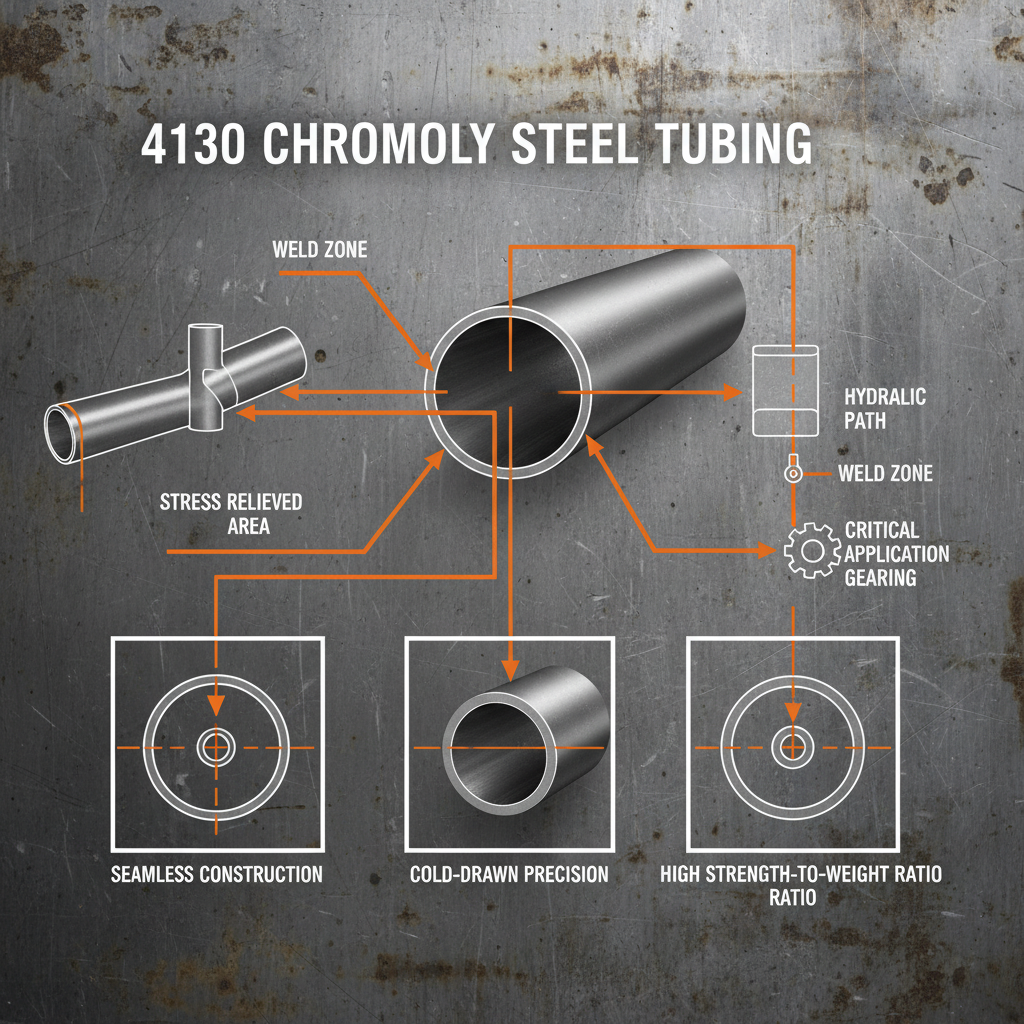
Ultimate Guide to 4130 Tubing Strength Performance and Applications
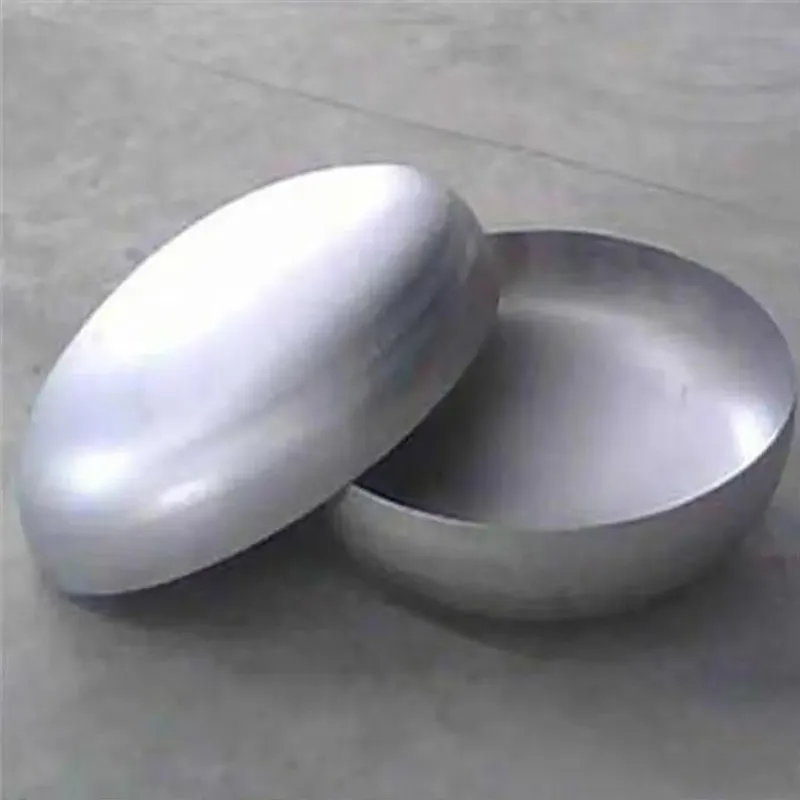
Pipe Cap-Cangzhou Lion Technology Co., Ltd.|Enhancing System Efficiency&Durability
Pipe Cap-Cangzhou Lion Technology Co., Ltd.|Enhancing System Efficiency&Durability
Pipe Cap-Cangzhou Lion Technology Co., Ltd.|Enhancing System Efficiency&Durability
Pipe Cap-Cangzhou Lion Technology Co., Ltd.|Enhancing System Efficiency&Durability
Pipe Cap-Cangzhou Lion Technology Co., Ltd.|Enhancing System Efficiency&Durability