tel
Email
to top

Innovative Composite Tube Design Solutions Advanced Composite Flange & Steel Tube Design Experts

Jul 08 2025
share:
  • Introduction to composite tube design
    and its importance in modern engineering
  • Technical advancements propelling composite and steel tube development
  • Comparative evaluation of composite, composite flange, and steel tube designs
  • Market-leading manufacturers and their product offerings overview
  • Customized design solutions for specific industry requirements
  • Application case studies and real-world performance analysis
  • Future trends in composite tube design: Innovation, sustainability, and performance

composite tube design

(composite tube design)


Introduction to Composite Tube Design: New Engineering Possibilities

Modern engineering disciplines demand materials and solutions that push boundaries while balancing weight, strength, and cost-effectiveness. Composite tube design has emerged as a central focus, especially in sectors like aerospace, automotive, marine, and industrial infrastructure. By leveraging advanced fiber-reinforced polymers, such as carbon fiber and glass fiber composites, engineers are achieving up to 60% weight reduction compared to traditional steel tubes, according to a 2023 survey by the Composite Materials Association.

Composite flange design, a closely related technology, augments joint efficiency and leak prevention, especially in corrosive or high-pressure pipelines. Meanwhile, steel tube design still plays a critical role due to its cost accessibility, thermal expansion properties, and recyclability. The synergy between these approaches leads to a more robust material selection and design process for any critical application.

The following article explores technical breakthroughs, provides manufacturer comparisons, discusses customized solutions, and showcases real-world results—equipping decision-makers with the knowledge to make optimal design and procurement choices.

Technical Breakthroughs in Composite Tube and Flange Engineering

Composite technology capitalizes on the anisotropic properties of fibers positioned in resin matrices, achieving strength-to-weight ratios as high as 18:1 compared to conventional alloys. For instance, carbon fiber composite tubes can attain tensile strengths exceeding 3,500 MPa, whereas typical mild steel tubes reach approximately 400-550 MPa.

Advanced resin infusion techniques allow seamless integration of tubes with composite flanges, minimizing stress points and increasing fatigue resistance by over 20%, based on tests published in the Journal of Advanced Structural Engineering (2022). Automated winding systems enable computer-controlled fiber placement, ensuring consistent wall thickness, custom layering profiles, and the inclusion of embedded sensors for real-time health monitoring.

Conversely, steel tube design innovations focus on improved corrosion resistance—with advances in coatings such as hot-dip galvanizing and fusion bonded epoxy, service lives have been extended from around 15 years up to 40 years under aggressive environmental exposure. Thermal expansion and vibration dampening remain superior in composites, presenting clear advantages in dynamic and high-temperature scenarios.

Comparative Table: Composite Tube, Composite Flange, and Steel Tube Design Performance

Understanding the pros and cons of each material and design is essential for cost-effective, long-lasting engineering. The table below outlines core performance metrics.

Design Type Mean Density
(kg/m3)
Tensile Strength
(MPa)
Fatigue Life
(Cycles x106)
Corrosion Resistance Cost (USD/ft) Manufacturing Lead Time (weeks)
Composite Tube 1,650 3,500 12.4 Excellent 110-140 5-8
Composite Flange 1,700 3,100 10.8 Excellent 135-175 6-9
Steel Tube 7,850 400-550 7.6 Moderate/Requires Coating 40-62 2-3

Data indicates that although composite solutions demand higher up-front investment, their lower density, mechanical superiority, and intrinsic corrosion resistance translate to reduced lifetime costs, lighter structures, and less downtime for maintenance.

Manufacturer Comparison and Product Portfolio Analysis

In the global marketplace, several key manufacturers have established themselves as leaders in tube and flange engineering. Key players include Technocomp (Germany), ResinWorks (USA), Toray Composites (Japan), and traditional steel giants such as ArcelorMittal and Nippon Steel.

For composite tubes, Technocomp leads with proprietary automated filament winding, permitting wall thickness tolerances as tight as ±0.1mm. ResinWorks offers fully traceable, aerospace-grade epoxy matrices, suitable for ultra-high-pressure and critical temperature applications.

When it comes to composite flange design, Toray Composites provides custom flange-tube assemblies that exceed API and ASME leak-proofing standards in 96-hour salt spray tests. In contrast, traditional steel tube manufacturers are extensively invested in scalability, with ArcelorMittal maintaining output capacities surpassing 15 million tons annually, ensuring unmatched supply chain reliability and cost competitiveness.

Ultimately, selection depends on required feeder stock, tolerance, compliance standards, and delivery timeframes, making supplier partnerships and technical compatibility crucial.

Custom Design Solutions: Engineering Beyond the Standard

Every project brings unique requirements, often necessitating tailor-made composite tube or steel tube assemblies. For example, applications in chemical processing require custom resin systems resistant to pH 1-14 environments and compatibility with chlorinated hydrocarbons and oxidizers. In aerospace, custom layup schedules ensure that tubes withstand load cycles exceeding 15 million cycles without structural failure.

Advanced manufacturers collaborate with clients to specify non-circular geometries, integrated service ports, or multi-material hybrid layers. Acoustic dampening and embedded fiber optic sensors are also increasingly incorporated, delivering not only mechanical strength but also real-time diagnostics.

Steel tube design, while historically standardized, is increasingly subject to customization. Clients specify bespoke diameters, wall profiles, and advanced coatings, such as zinc-aluminum-magnesium (ZAM) for marine use, where residual life is a critical safety factor.

Industry Application Cases: Achievements and Insights

Composite and steel tube solutions enjoy widespread deployment, each suited to specific sectors based on application needs. Notable examples include:

  • Offshore Wind Energy: Composite tubes utilized as cable conduits at Dogger Bank Wind Farm (UK) demonstrated 40% lower installation weight and 75% corrosion-related maintenance reduction over 5 years, compared to initial steel designs.
  • Oil & Gas Pipelines: Composite flanged tubes in the Permian Basin, Texas improved leak resistance by 38% and doubled operational uptime in sour gas environments (2021 study by Pipeline Integrity Institute).
  • Automotive Lightweighting: German OEMs integrated hybrid composite-steel tubes in electric vehicles, contributing to a 12% overall weight reduction and an additional 22km range per charge.
  • Chemical Processing: Custom glass-fiber composite tubes outperformed stainless steel in acid alkali service lines, reducing unplanned shutdown rates from 9 annually to 2 over a 4-year period.
These case studies underscore tangible ROI through extended service life, lower operating expense, and elevated safety, confirming composite tubes’ disruptive impact—especially when properly matched to the operational regimen.

Future Trends in Composite Tube Design and Industrial Adoption

Looking ahead, the future of composite tube design is defined by the confluence of sustainability, digitalization, and ongoing performance enhancement. Research into bio-derived resins and recyclable fibers is accelerating, aiming to reduce total lifecycle emissions by more than 50% by 2030. Digital twin technology and integrated sensor arrays promise predictive maintenance, delivering cost savings and improving reliability.

The regulatory environment is also evolving, with new international standards driving both composite and steel tube producers towards transparent lifecycle assessments and increased use of recycled content. Simultaneously, the proliferation of simulation-driven design is shortening prototyping cycles and enabling rapid customization.

Whether for critical infrastructure, transportation, or emerging sectors such as hydrogen storage, material innovation will remain central. As manufacturers and users increasingly align on performance-driven, eco-conscious priorities, composite tube design is set to redefine the limits of industrial engineering in the coming decade.

composite tube design

(composite tube design)


FAQS on composite tube design

Q: What is composite tube design?

A: Composite tube design involves engineering tubes made from multiple materials, typically blending fibers and resins, to optimize strength and weight. This design is commonly used in aerospace, automotive, and industrial applications. The goal is to outperform single-material tubes in specific mechanical properties.

Q: What are the key considerations in composite flange design?

A: Composite flange design requires careful attention to load distribution, joint integrity, and compatibility with mating components. Designers must also consider the material's anisotropic properties and potential for delamination. Proper design ensures strength and durability at connection points.

Q: How does composite tube design differ from traditional steel tube design?

A: Composite tube design uses layered materials for tailored strength and reduced weight, while steel tube design relies on homogenous metal properties. Composites allow for optimized performance in specific directions. Steel tubes are often chosen for cost-effectiveness and ease of fabrication.

Q: What are the advantages of using composite tubes over steel tubes?

A: Composite tubes offer a superior strength-to-weight ratio, corrosion resistance, and customizable mechanical properties. This makes them ideal for high-performance or weight-sensitive applications. Steel tubes, while robust, are usually heavier and can corrode over time.

Q: What testing is required for verifying composite tube and flange designs?

A: Composite tube and flange designs are typically validated through mechanical testing such as tensile, compression, and fatigue tests. Non-destructive testing methods like ultrasound or X-ray may also be used. These ensure safety, strength, and adherence to design specifications.
  • Laser Clad  Pipe

    Laser Clad Pipe

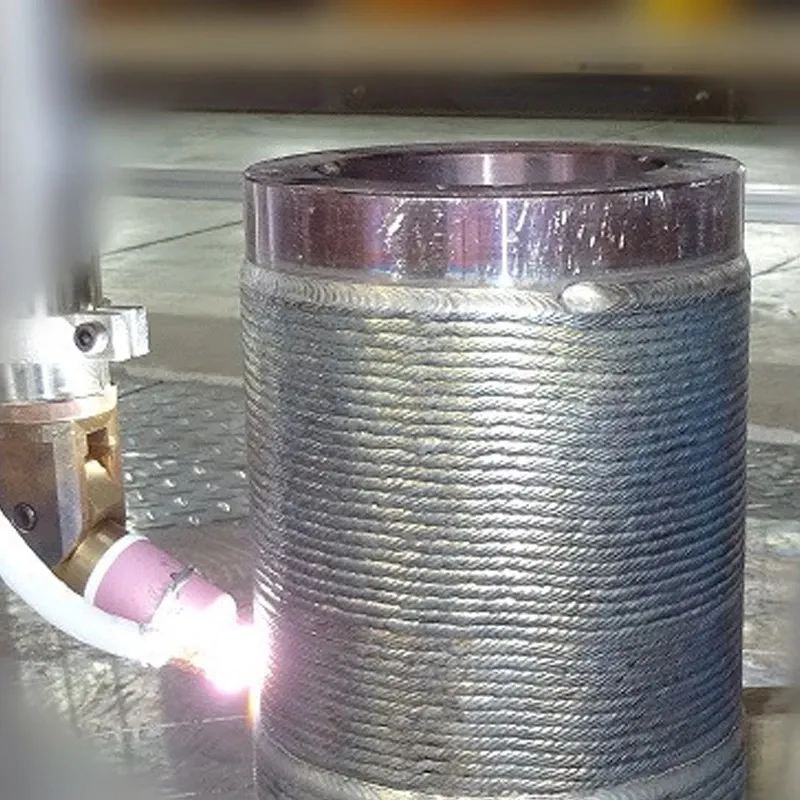
    Laser clad steel pipes are manufactured using laser cladding technology. This technology involves adding cladding material to the surface of ordinary steel pipe base material, using high-energy-density laser beams to fuse the cladding material with the steel pipe surface, forming a metallurgically bonded cladding layer. These pipes are generally used in compressed air energy storage projects as underground deep well transportation pipes or casings, as well as in oil, natural gas, and geothermal well extraction.
    VIEW ALL
  • Flange

    Flange

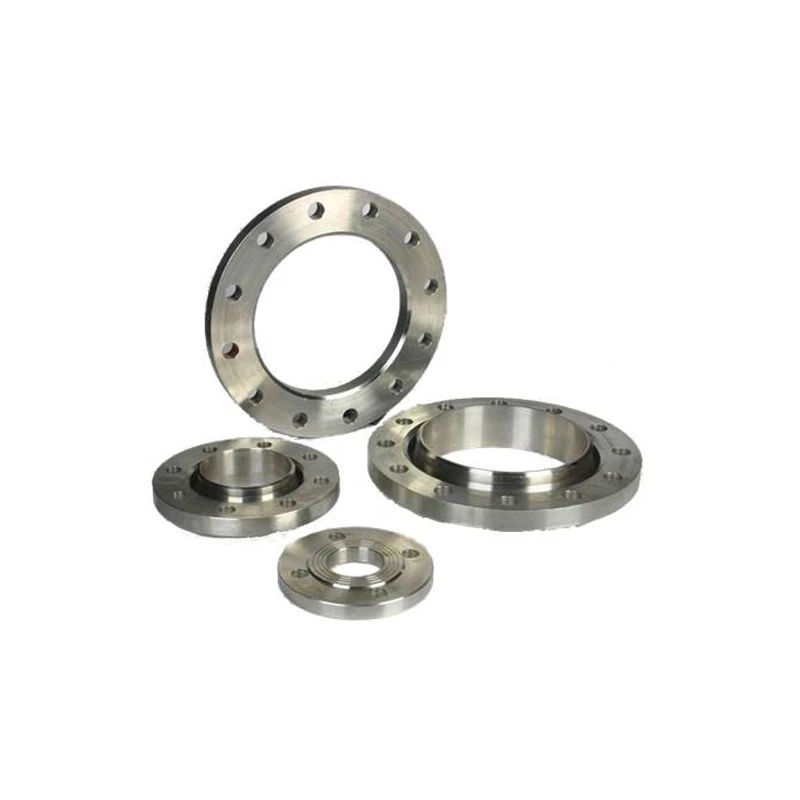
    Flange Product Introduction Flanges are used to connect pipes to pipes or pipes to equipment, ensuring a sealed and stable connection. They prevent fluid leakage and can withstand certain pressures and stresses, ensuring reliable connections. Flange nominal diameters range from DN15-DN2000 and beyond, covering various pipeline connection needs. Flanges primarily adhere to international standards such as ASME B16.5-2020, ASME B16.47-2020, and API 6A-2018.
    VIEW ALL
  • Overlay Welding Clad Steel Pipe

    Overlay Welding Clad Steel Pipe

    Overlay Welding clad Steel Pipe features a high-performance welded overlay that enhances the pipe’s surface properties, providing superior resistance to corrosion, erosion, and wear. This process involves applying a wear-resistant alloy layer over a strong steel base, making it ideal for industries such as oil and gas, mining, and chemical processing, where pipes are exposed to harsh conditions. The overlay ensures extended service life, reduced maintenance costs, and reliable performance even in extreme environments. With its combination of strength, durability, and corrosion resistance, the Overlay Welding Steel Pipe is a trusted solution for critical applications.
    VIEW ALL
To create value for customers!
Cangzhou Leo Technology Co., Ltd. is located in Mengcun County Economic Development Zone, Cangzhou City, Hebei Province. It is a specialized high-tech enterprise that integrates the research and development, production, and sales of composite pipes and fittings.
News
The company regards product quality as the life of the enterprise, establishes a sound quality management system in accordance with the requirements of industry and national standards, controls all aspects of input and output in the whole process, pays attention to every detail, and ensures that the product delivery pass rate is 100%.
High Performance Sink Pipe Steel Guide for Industrial Piping

High Performance Sink Pipe Steel Guide for Industrial Piping

High-Performance Sink Pipe Steel: The Ultimate Guide to Industrial Piping In the demanding world of industrial manufacturing and pressure vessel construction, the selection of materials for piping systems is critical. Utilizing high-quality sink pipe steel ensures that systems can withstand extreme pressures, corrosive media, and mechanical stress. Whether it is for chemical processing, oil and gas, or construction, the right steel grade and fitting geometry can mean the difference between seamless operation and costly system failure. This guide explores the technical nuances of steel elbows and specialized clad materials designed for the most rigorous environments.
Ultimate Guide to Industrial Seamless Steel Pipe for Piping

Ultimate Guide to Industrial Seamless Steel Pipe for Piping

In the realm of modern industrial infrastructure, the integrity of piping systems is non-negotiable. The seamless steel pipe stands as the gold standard for transporting high-pressure fluids and gases. Unlike welded alternatives, seamless pipes are manufactured without a longitudinal seam, eliminating the most common point of failure and ensuring superior structural consistency. This makes them indispensable in sectors where safety and reliability are paramount, such as petroleum, nuclear power, and thermal energy. In this comprehensive guide, we will explore the technical advantages, material specifications, and critical applications of these high-performance components to help you make an informed procurement decision.
High Performance Seamless Steel Pipes for Industrial Piping

High Performance Seamless Steel Pipes for Industrial Piping

In the world of industrial fluid transportation and pressure vessel manufacturing, the choice of piping material can determine the safety and longevity of an entire system. Seamless steel pipes are engineered to withstand extreme conditions without the risk of weld-line failure, making them the gold standard for high-pressure environments. From oil and gas pipelines to hydraulic systems, these pipes offer unmatched structural integrity. In this comprehensive guide, we will explore the technical specifications, benefits, and diverse applications of carbon seamless steel solutions to help you make an informed procurement decision for your next engineering project.
High Performance Seamless Stainless Steel Pipe for Industrial Use

High Performance Seamless Stainless Steel Pipe for Industrial Use

The Ultimate Guide to Seamless Stainless Steel Pipe for Industrial Applications In the demanding world of oil and gas extraction, particularly in fields characterized by high hydrogen sulfide and carbon dioxide levels, the integrity of transportation infrastructure is critical. While traditional carbon steel often fails due to insufficient corrosion resistance, the seamless stainless steel pipe emerges as a premium solution. By eliminating weld seams, these pipes provide superior structural integrity and a seamless barrier against corrosive media. For industries operating under extreme pressure and chemical aggression, choosing the right piping material is not just about efficiencyit is about safety and long-term economic viability.
Industrial Piping Solutions Using Durable sch 40 steel pipe

Industrial Piping Solutions Using Durable sch 40 steel pipe

Optimizing Industrial Piping with SCH 40 Steel Pipe Solutions In the demanding world of industrial manufacturing and fluid transport, selecting the right piping specification is critical for safety and efficiency. The sch 40 steel pipe serves as a global standard for versatility, balancing wall thickness with internal flow capacity. Whether used in petrochemical plants, marine environments, or construction, this pipe grade provides the structural reliability needed to handle moderate pressures. However, as industries evolve, the integration of advanced technologies like laser cladding is transforming how we enhance these pipes to resist extreme corrosion and wear, extending the lifecycle of critical infrastructure.
Industrial 5 inch steel tubing Guide for High Pressure Systems

Industrial 5 inch steel tubing Guide for High Pressure Systems

The Ultimate Guide to 5 Inch Steel Tubing for Industrial Applications When designing high-pressure piping systems or structural frameworks, selecting the right material dimensions is critical for safety and efficiency. The 5 inch steel tubing serves as a versatile midpoint in industrial piping, offering a perfect balance between flow capacity and structural rigidity. Whether it is used in oil and gas transport, water management, or architectural support, the quality of the steel determines the longevity of the entire project. In this comprehensive guide, we will explore the technical specifications, material grades, and strategic advantages of utilizing this specific tubing size
tel email tel top

If you are interested in our products, you can choose to leave your information here, and we will be in touch with you shortly.