tel
Email
to top

Composite Pipeline Welding Process Requirements

Jul 15 2025
share:

In the field of industrial pipeline solutions, Cangzhou Lion Technology Co., Ltd. has established itself as a leading provider of high-quality composite pipe products. A critical aspect of ensuring the reliability and performance of these pipelines is the welding process, which demands precision and expertise. This article delves into the specific welding process requirements for our composite pipelines, highlighting how meticulous techniques and strict quality control measures guarantee the durability and safety of our products for diverse industrial applications.


The Significance of Welding in Composite Pipeline Manufacturing 


  • Welding is crucial in the manufacturing of composite pipelinesystems at Cangzhou Lion Technology Co., Ltd.
  • Since composite pipescombine different materials to achieve superior properties, the welding process must join these materials seamlessly without compromising their integrity.
  • Proper welding ensures that composite pipe products retain their corrosion resistance, pressure tolerance, and structural stability.
  • This makes them suitable for harsh environments in industries like oil and gas, chemical processing, and water transportation.


Key Challenges and Solutions in Composite Pipe Welding 


Cangzhou Lion Technology Co., Ltd. addresses unique challenges in composite pipe welding to ensure optimal performance. The primary challenge lies in joining dissimilar materials with different thermal expansion coefficients and mechanical properties. Our solution involves using specialized welding techniques and custom-tailored filler materials that match the composite structure. This approach minimizes stress concentrations and prevents cracks, ensuring that the welded joints in  composite tube systems remain strong and leak-free under varying operational conditions.


Technical Requirements for Composite Tube Welding


Our composite tube welding processes adhere to strict technical requirements:


  • Material Compatibility: Filler metals and welding consumables are selected to match the base materials of the composite structure.
  • Precision Temperature Control: Welding temperatures are carefully regulated to avoid damaging the composite layers or causing material degradation.
  • Joint Design Optimization: Weld joints are designed to distribute stress evenly, enhancing the overall strength of the composite pipeline.
  • Post-Weld Treatment:Heat treatment or surface finishing may be applied to relieve internal stresses and improve corrosion resistance.


Seamless Global Procurement of Welded Composite Pipelines 


Cangzhou Lion Technology Co., Ltd. offers comprehensive global procurement solutions for our welded composite pipeline products. We provide detailed welding procedure specifications (WPS), material certificates, and test reports to assist clients in making informed decisions. For international orders, our logistics team arranges secure container shipping and provides ocean bills of lading, ensuring seamless cross-border delivery. Our after-sales support includes welding technical guidance and on-site installation assistance, guaranteeing customer satisfaction worldwide.


Question

Answer

What are the main application areas of bimetallic composite pipes?

Widely used in petroleum, natural gas, chemical, power, and water treatment industries. Suitable for environments requiring corrosion resistance, wear resistance, high temperature resistance, and high pressure resistance, such as pipeline systems for corrosive liquids, gases, and high - temperature fluids.

How long is the service life of bimetallic composite pipes?

Usually much longer than traditional pipes, especially in strongly corrosive or severely worn environments. Overall service life can reach over 20 years; specific service life depends on the working environment and maintenance status of the pipeline.

How to maintain bimetallic composite pipes to ensure their long - term stable operation?

Regularly inspect the pipeline's appearance for abnormal conditions like corrosion and deformation. For pipelines transporting corrosive media, monitor the corrosive parameters of the media to ensure they are within the pipeline's tolerance range.


Composite Pipeline Welding FAQS 


Why is specialized welding needed for composite pipeline systems? 


Specialized welding is essential for composite pipeline systems because composite materials have unique properties that differ from traditional metals. Cangzhou Lion Technology Co., Ltd. uses tailored welding techniques to join dissimilar materials in composite pipe products, ensuring joint strength and preventing material degradation that could compromise performance.


What factors affect the welding quality of composite pipe? 


Welding quality for composite pipe is influenced by material compatibility, temperature control, and joint design. Our experts carefully select filler materials and optimize welding parameters to match the composite structure, minimizing stress and ensuring that welded joints in composite pipeline systems maintain their corrosion resistance and pressure tolerance.


How do we ensure composite pipe joint durability? 


We ensure durability by subjecting composite pipe welds to rigorous testing, including non-destructive inspections and hydrostatic pressure tests. These tests verify that weld joints can withstand operational stresses and environmental factors, ensuring long-term reliability in harsh industrial settings.


Can composite pipeline welding be customized for specific projects?


Yes, we can customize the welding process for composite pipeline projects. Our team works closely with clients to understand their specific requirements, adjusting welding techniques, materials, and quality control measures to meet the unique needs of each application.


How does the company ensure safe international shipping of welded composite pipelines? 


For international shipping of welded composite pipeline products, Cangzhou Lion Technology Co., Ltd. uses protective packaging to prevent damage to weld joints during transit. We partner with reliable carriers and provide ocean bills of lading for customs clearance, ensuring that our composite pipes and tubes arrive in optimal condition for immediate installation.
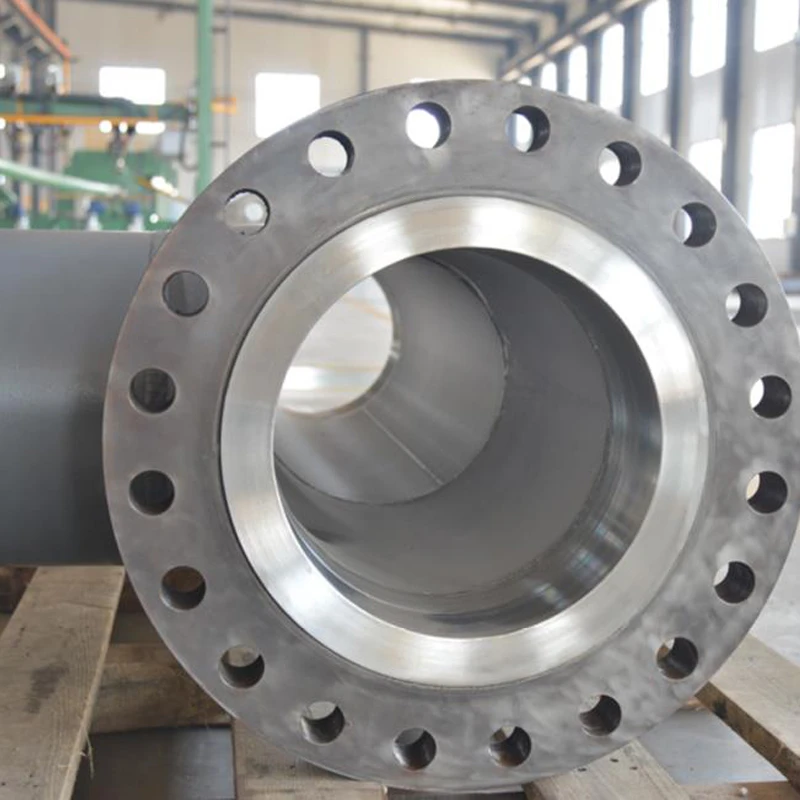
  • Laser Clad  Pipe

    Laser Clad Pipe

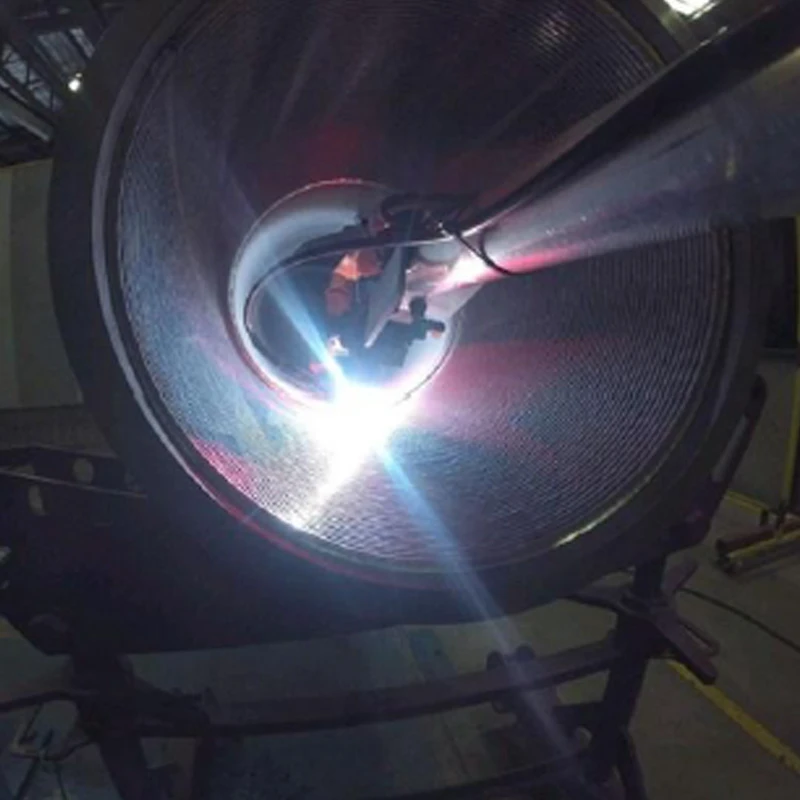
    Laser clad steel pipes are manufactured using laser cladding technology. This technology involves adding cladding material to the surface of ordinary steel pipe base material, using high-energy-density laser beams to fuse the cladding material with the steel pipe surface, forming a metallurgically bonded cladding layer. These pipes are generally used in compressed air energy storage projects as underground deep well transportation pipes or casings, as well as in oil, natural gas, and geothermal well extraction.
    VIEW ALL
  • Pipe Cap

    Pipe Cap

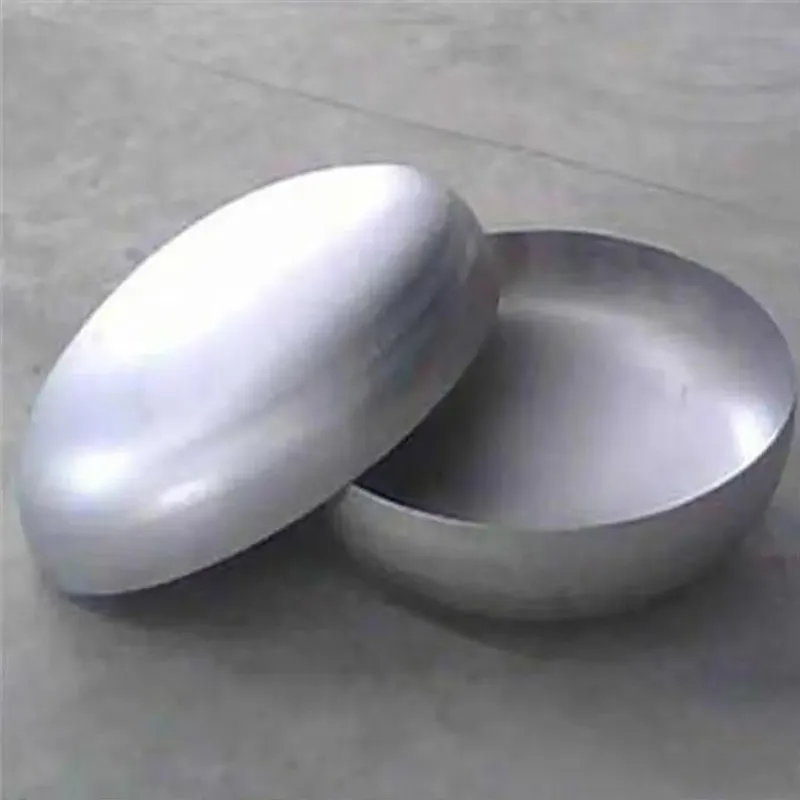
    Pipe caps come in different shapes, including round, square, and oval, and can be designed for both threaded and welded connections. They ensure the integrity of piping systems during transportation, storage, and installation by protecting the pipe ends from dirt, debris, and environmental factors. Durable and easy to install, pipe caps are critical for maintaining system efficiency and safety.
    VIEW ALL
  • Anti Corrosion And Thermal Insulation Products

    Anti Corrosion And Thermal Insulation Products

    The anti-corrosion and thermal insulation products we focus on produce play a key role in the industrial pipeline system, especially the thermal insulation pipe fittings and steel pipes. Thermal insulation pipe fittings cover elbows, tees, reducers and pipe supports, with specifications ranging from DN15 to DN1800, and are made of carbon steel, alloy steel, stainless steel, bimetallic composite, nickel-based alloy and other materials.
    VIEW ALL
To create value for customers!
Cangzhou Leo Technology Co., Ltd. is located in Mengcun County Economic Development Zone, Cangzhou City, Hebei Province. It is a specialized high-tech enterprise that integrates the research and development, production, and sales of composite pipes and fittings.
News
The company regards product quality as the life of the enterprise, establishes a sound quality management system in accordance with the requirements of industry and national standards, controls all aspects of input and output in the whole process, pays attention to every detail, and ensures that the product delivery pass rate is 100%.
High Performance Sink Pipe Steel Guide for Industrial Piping

High Performance Sink Pipe Steel Guide for Industrial Piping

High-Performance Sink Pipe Steel: The Ultimate Guide to Industrial Piping In the demanding world of industrial manufacturing and pressure vessel construction, the selection of materials for piping systems is critical. Utilizing high-quality sink pipe steel ensures that systems can withstand extreme pressures, corrosive media, and mechanical stress. Whether it is for chemical processing, oil and gas, or construction, the right steel grade and fitting geometry can mean the difference between seamless operation and costly system failure. This guide explores the technical nuances of steel elbows and specialized clad materials designed for the most rigorous environments.
Ultimate Guide to Industrial Seamless Steel Pipe for Piping

Ultimate Guide to Industrial Seamless Steel Pipe for Piping

In the realm of modern industrial infrastructure, the integrity of piping systems is non-negotiable. The seamless steel pipe stands as the gold standard for transporting high-pressure fluids and gases. Unlike welded alternatives, seamless pipes are manufactured without a longitudinal seam, eliminating the most common point of failure and ensuring superior structural consistency. This makes them indispensable in sectors where safety and reliability are paramount, such as petroleum, nuclear power, and thermal energy. In this comprehensive guide, we will explore the technical advantages, material specifications, and critical applications of these high-performance components to help you make an informed procurement decision.
High Performance Seamless Steel Pipes for Industrial Piping

High Performance Seamless Steel Pipes for Industrial Piping

In the world of industrial fluid transportation and pressure vessel manufacturing, the choice of piping material can determine the safety and longevity of an entire system. Seamless steel pipes are engineered to withstand extreme conditions without the risk of weld-line failure, making them the gold standard for high-pressure environments. From oil and gas pipelines to hydraulic systems, these pipes offer unmatched structural integrity. In this comprehensive guide, we will explore the technical specifications, benefits, and diverse applications of carbon seamless steel solutions to help you make an informed procurement decision for your next engineering project.
High Performance Seamless Stainless Steel Pipe for Industrial Use

High Performance Seamless Stainless Steel Pipe for Industrial Use

The Ultimate Guide to Seamless Stainless Steel Pipe for Industrial Applications In the demanding world of oil and gas extraction, particularly in fields characterized by high hydrogen sulfide and carbon dioxide levels, the integrity of transportation infrastructure is critical. While traditional carbon steel often fails due to insufficient corrosion resistance, the seamless stainless steel pipe emerges as a premium solution. By eliminating weld seams, these pipes provide superior structural integrity and a seamless barrier against corrosive media. For industries operating under extreme pressure and chemical aggression, choosing the right piping material is not just about efficiencyit is about safety and long-term economic viability.
Industrial Piping Solutions Using Durable sch 40 steel pipe

Industrial Piping Solutions Using Durable sch 40 steel pipe

Optimizing Industrial Piping with SCH 40 Steel Pipe Solutions In the demanding world of industrial manufacturing and fluid transport, selecting the right piping specification is critical for safety and efficiency. The sch 40 steel pipe serves as a global standard for versatility, balancing wall thickness with internal flow capacity. Whether used in petrochemical plants, marine environments, or construction, this pipe grade provides the structural reliability needed to handle moderate pressures. However, as industries evolve, the integration of advanced technologies like laser cladding is transforming how we enhance these pipes to resist extreme corrosion and wear, extending the lifecycle of critical infrastructure.
Industrial 5 inch steel tubing Guide for High Pressure Systems

Industrial 5 inch steel tubing Guide for High Pressure Systems

The Ultimate Guide to 5 Inch Steel Tubing for Industrial Applications When designing high-pressure piping systems or structural frameworks, selecting the right material dimensions is critical for safety and efficiency. The 5 inch steel tubing serves as a versatile midpoint in industrial piping, offering a perfect balance between flow capacity and structural rigidity. Whether it is used in oil and gas transport, water management, or architectural support, the quality of the steel determines the longevity of the entire project. In this comprehensive guide, we will explore the technical specifications, material grades, and strategic advantages of utilizing this specific tubing size
tel email tel top

If you are interested in our products, you can choose to leave your information here, and we will be in touch with you shortly.