If you're evaluating a composite pipe for corrosive or high-pressure duty, the short version is this: mechanical cladding has matured fast. I visited a line in the Economic Development Zone of Mengcun county, Cangzhou, Hebei—not flashy, but serious. Their Mechanical Clad Steel Pipe (MCSP) blends a carbon steel backbone with a corrosion-resistant alloy liner, pushed together by precision mechanical expansion. The result, when it’s done right, is a tough, economical alternative to solid CRA.
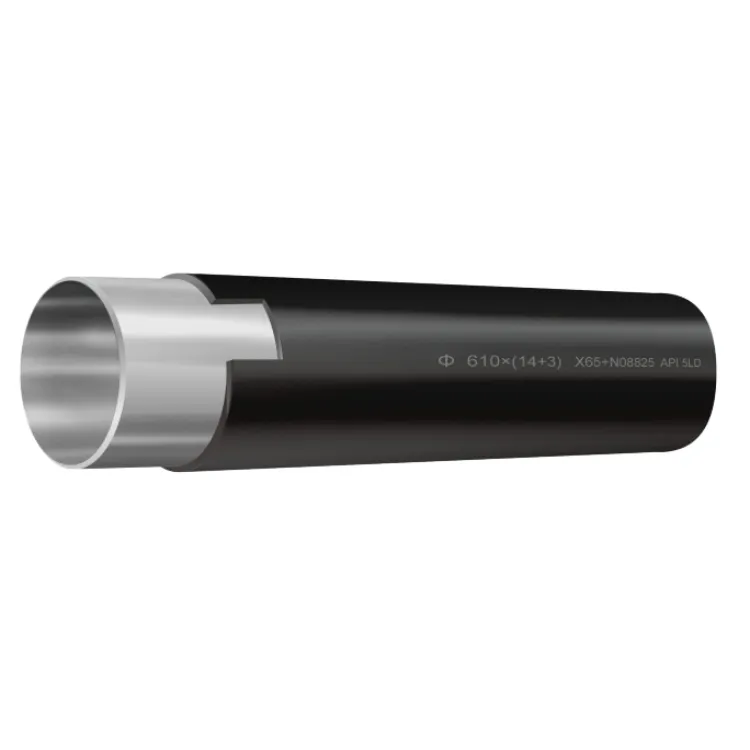
Three currents are converging: sour service expansion (more H2S/CO2), inflation on nickel-based alloys, and decarbonization infrastructure (CO2 gathering, geothermal). Many customers say they’re seeing 20–40% capex savings vs solid CRA, with life-cycle benefits if your fabrication controls are tight. To be honest, the biggest surprise is how repeatable bond integrity has become with modern hydro-expansion and controlled surface prep.
| Base/Backer Steel | API 5L (X52–X70), ASTM A106/A333 (as specified) |
| Liner/Clad Alloy | 316L, 904L, Alloy 825, Alloy 625 (others by request) |
| OD Range | 2"–24" (≈ DN50–DN600); larger by project |
| Wall/Clad Thickness | Total WT up to ≈ 25 mm; clad layer ≈ 2–6 mm (real-world use may vary) |
| Standards | API 5LD, ASME B31.3/B31.4, NACE MR0175/ISO 15156, DNV-ST-F101 (as applicable) |
| Testing | Hydrotest 1.5× design; UT C-scan of bond; peel/shear tests per API 5LD; PMI on CRA |
| Service Life | ≈ 25–50 years depending on media, temperature, and weld procedures |
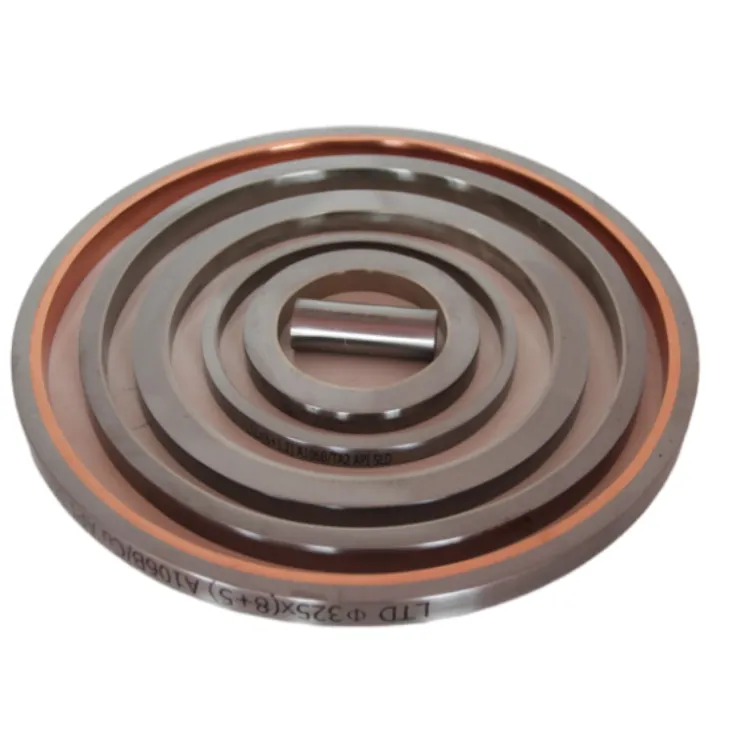
Materials verification (MTC + PMI) → grit blasting and chemically activated surfaces → liner insertion → controlled mechanical expansion (hydraulic) to achieve intimate contact → trimming and end processing → weld end buttering (CRA overlay) → NDE (UT bond map, dimensional) → hydrotest → documentation pack.
Typical bond shear strength targets ≥ ≈35 MPa; corrosion checks use ASTM G48 for pitting on stainless and ISO 15156 conformance for sour. I guess the key is surface cleanliness before expansion; every veteran QA will harp on that.
| Vendor | Core Strength | Alloy Range | Lead Time | Certs |
|---|---|---|---|---|
| Lion Pipeline (Cangzhou, Hebei) | Balanced price/quality, strong bond QA | 316L/904L/825/625 | ≈ 6–12 weeks after PO | ISO 9001/14001/45001 |
| Global Brand A | Large OD, offshore track record | 316L/825/625/CRA specials | ≈ 12–20 weeks | API/ISO full suite |
| Regional Fabricator B | Agile small-batch jobs | 316L/904L | ≈ 4–10 weeks | ISO 9001 |
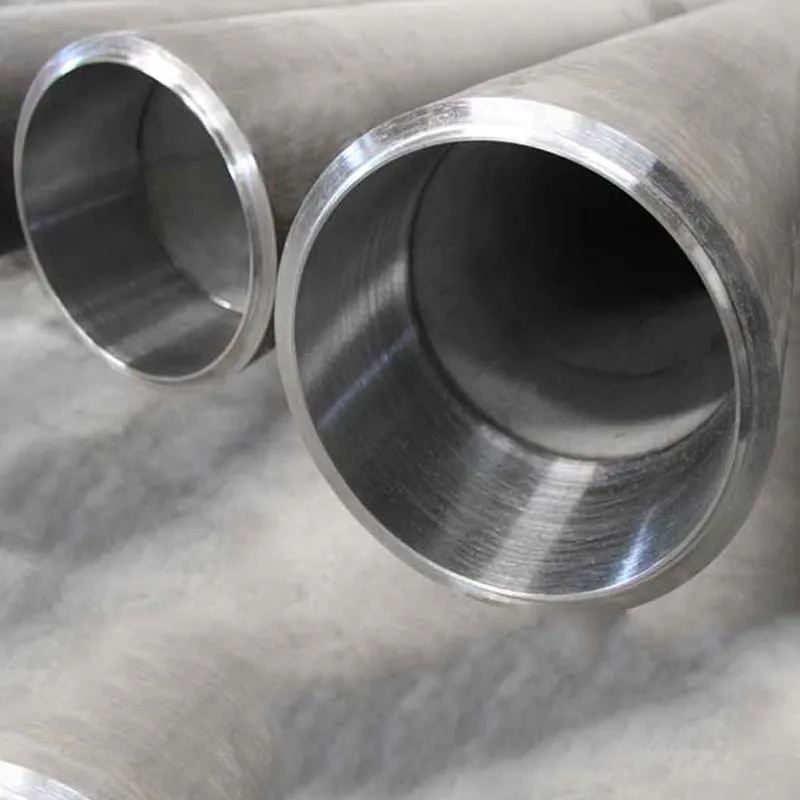
Bevels to ASME B16.25, CRA buttering at ends to protect the liner, lengths 6–12 m, internal roughness targets Ra ≈ 3.2 μm (process-dependent). Field bending is fine within controlled radii; qualify WPS with dilution control to keep CRA integrity. For composite pipe systems, I always advise mock-up welds and a peel test coupon—cheap insurance.
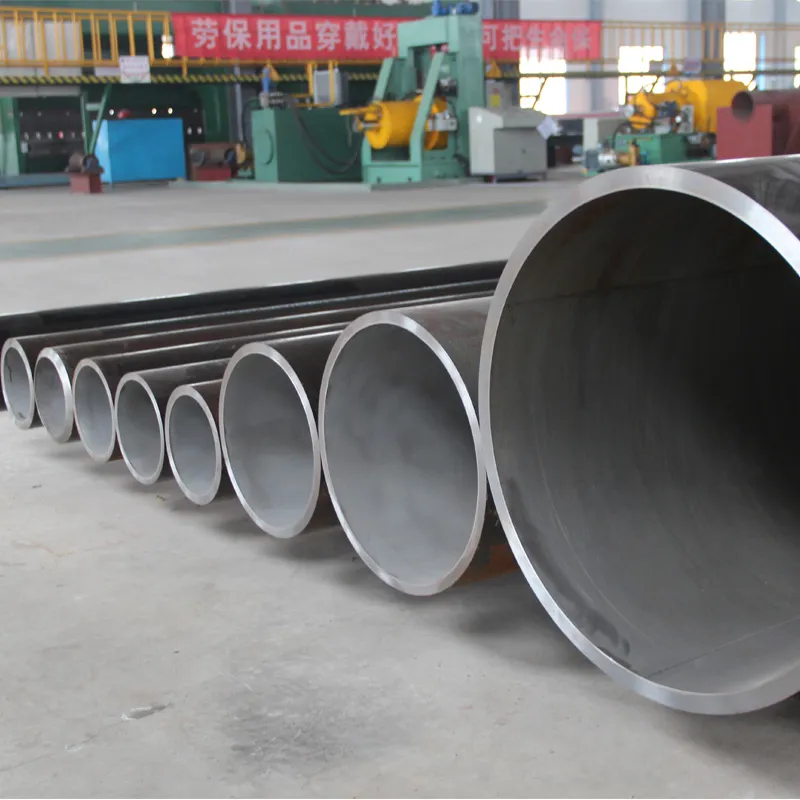
North China sour-water reinjection: X65 + 316L liner, 10" × 9.5 mm WT. UT bond maps 100% acceptance; hydrotest at 1.5× design. After 12 months, reported corrosion rate below 0.05 mm/y; no blister indications.
CO2 dehydration outlet header: X52 + Alloy 825. ASTM G48 pitting test showed mass loss below 1 g/m² at 22°C. Operators noted “clean weld roots” and fewer post-weld touch-ups. Feedback sounds modest, but that’s a win.
Factory certifications include ISO 9001/14001/45001; welding to ASME IX; materials per ASTM/EN. Test dossier typically includes MTRs, UT bond C-scans, hydrotest charts, peel/shear records, and PMI logs. It seems basic, but that traceability is what keeps composite pipe projects on schedule—and out of trouble.
Origin: Economic Development Zone of Mengcun county, Cangzhou city, Hebei province.
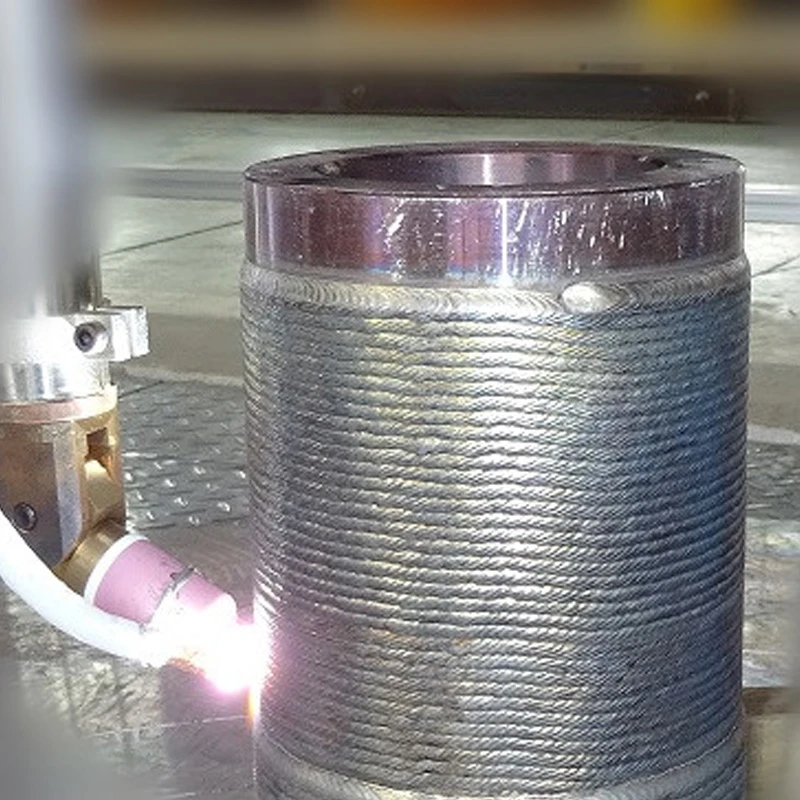
Overlay Welding Clad Steel Pipe
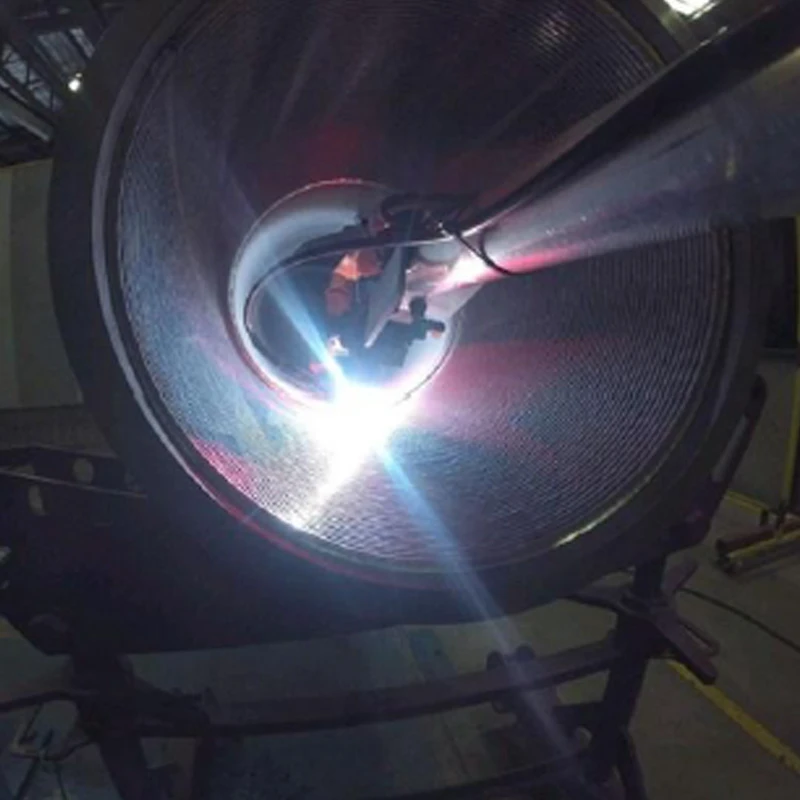
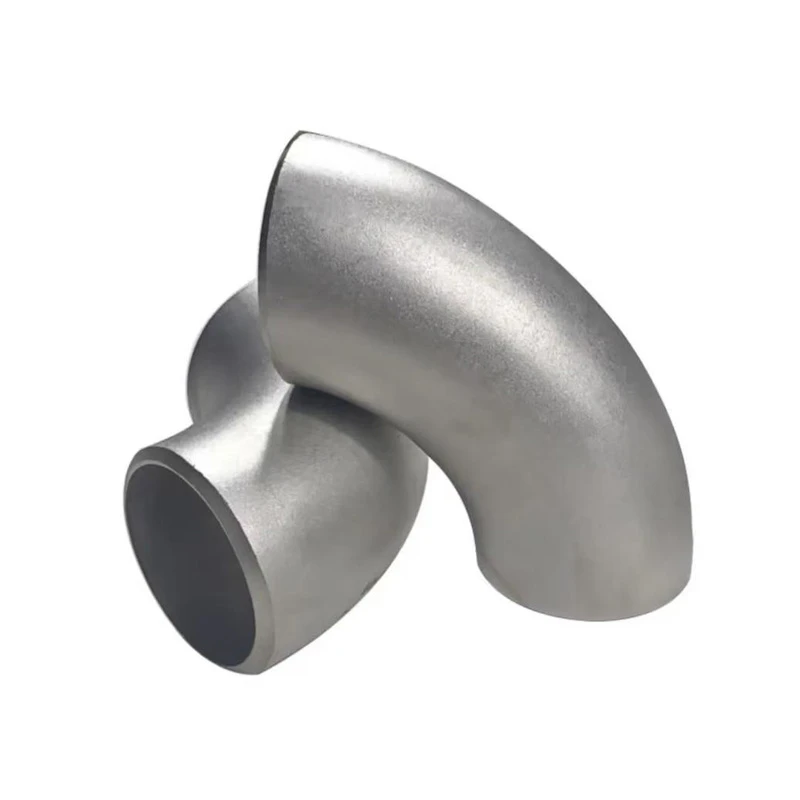

Ultimate Guide to 4130 Tubing Strength Performance and Applications
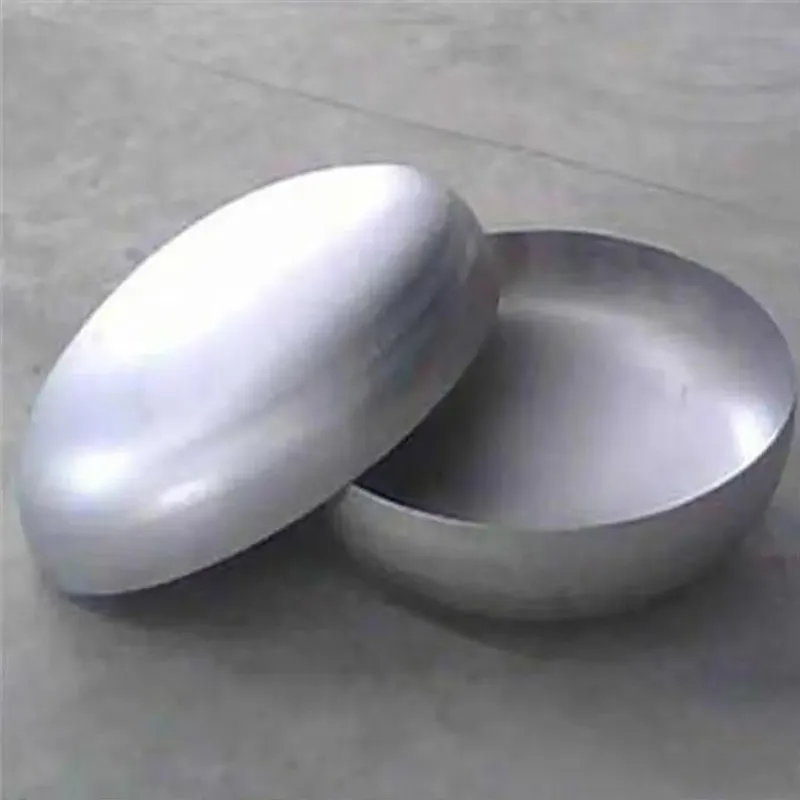
Pipe Cap-Cangzhou Lion Technology Co., Ltd.|Enhancing System Efficiency&Durability
Pipe Cap-Cangzhou Lion Technology Co., Ltd.|Enhancing System Efficiency&Durability
Pipe Cap-Cangzhou Lion Technology Co., Ltd.|Enhancing System Efficiency&Durability
Pipe Cap-Cangzhou Lion Technology Co., Ltd.|Enhancing System Efficiency&Durability
Pipe Cap-Cangzhou Lion Technology Co., Ltd.|Enhancing System Efficiency&Durability