tel
Email
to top

Steel Tee Fittings—ISO Certified, In Stock, Custom Sizes?

Oct 16 2025
share:

Tee Pipe Deep-Dive: What Matters When You Specify a steel tee

Every piping engineer I know has a story about tees—usually about the one that seemed ordinary until it carried the whole project on its back. Tee fittings look simple, but the details (materials, forming, testing) decide whether your system runs smooth—or leaks on a Sunday night. I’ve spent enough time on shop floors and at site punch lists to say this with confidence.
Steel Tee Fittings—ISO Certified, In Stock, Custom Sizes?

What is it and where is it used?

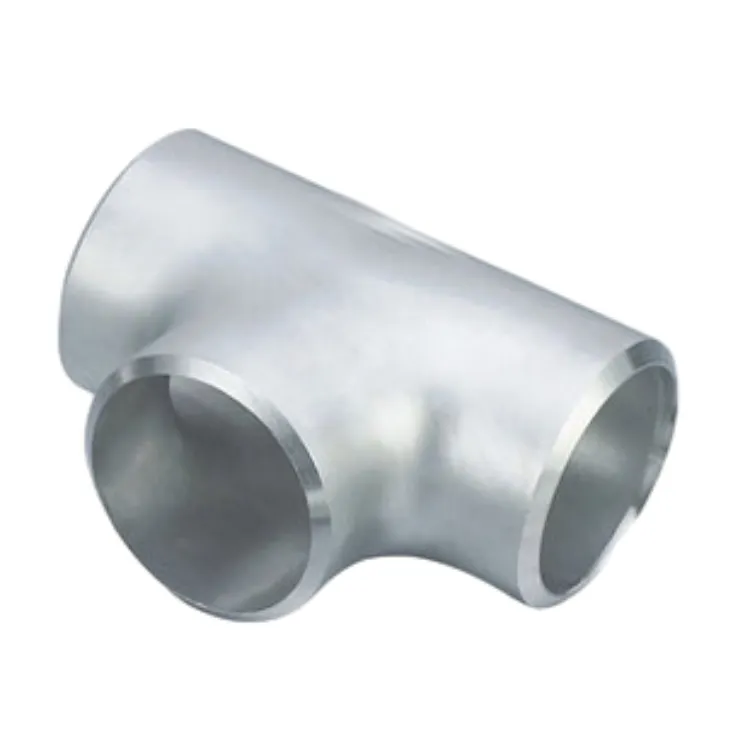
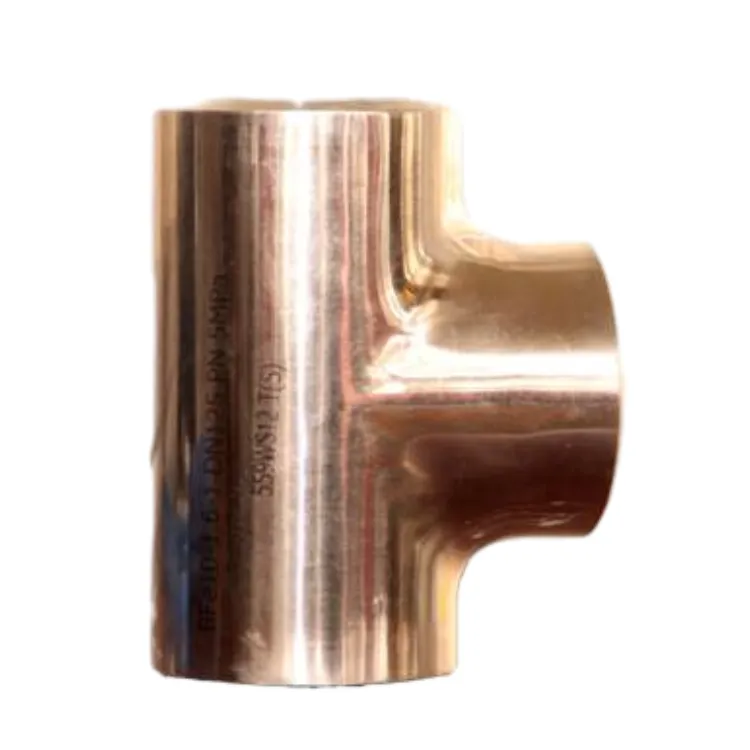
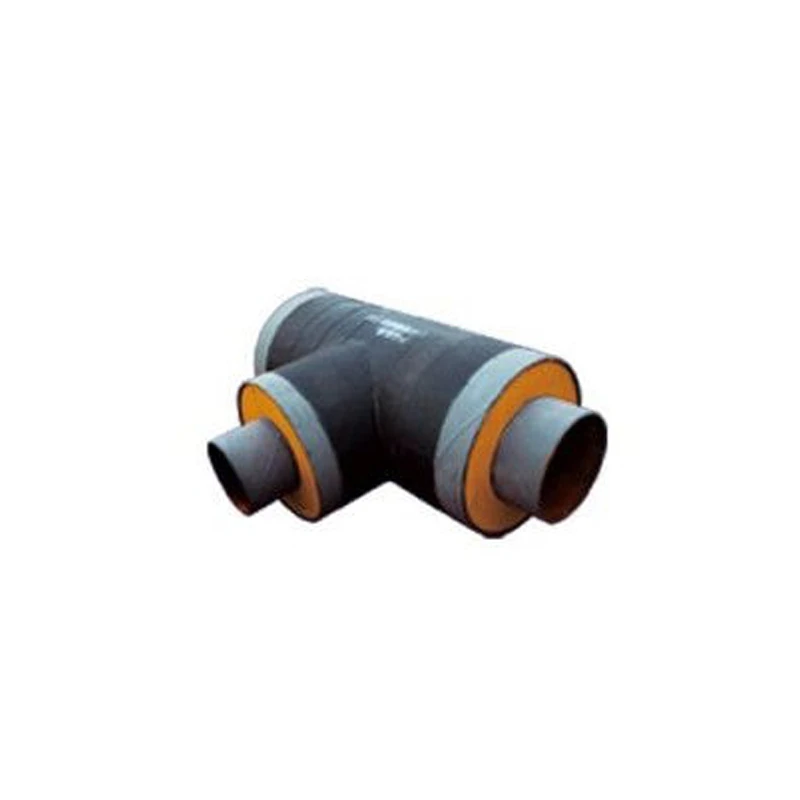
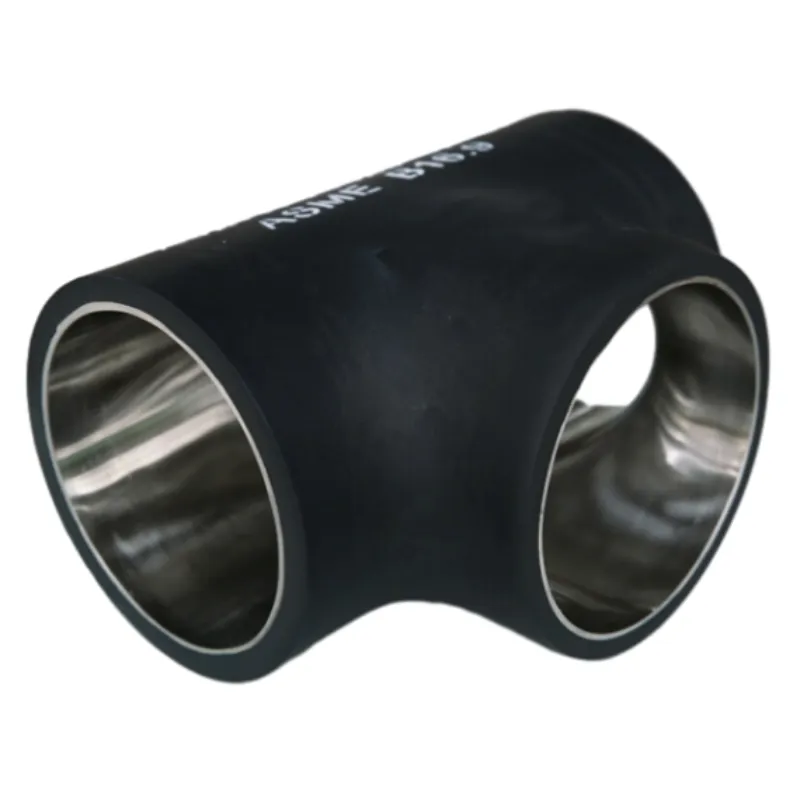
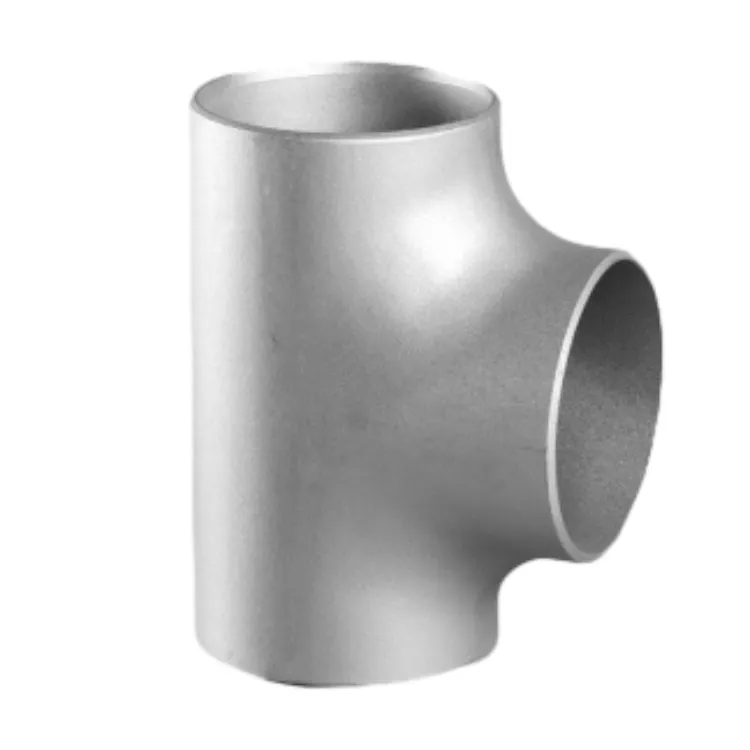
A steel tee connects three pipe sections in a “T” configuration—equal or reducing. You’ll see it in oil & gas manifolds, chemical dosing lines, district heating, firewater loops, power plant condensate, and even food-grade utilities (stainless). Many customers say the key is consistency across sizes and schedules, not just the alloy stamp.
Steel Tee Fittings—ISO Certified, In Stock, Custom Sizes?

Quick specifications (real-world selection guide)

Sizes1/2"–48" (DN15–DN1200), equal & reducing
MaterialsCarbon steel (ASTM A234 WPB), stainless (ASTM A403 304/316), alloy grades on request
SchedulesSCH 10–XXS; PN16–PN160 (≈)
EndsButt-weld (ASME B16.9), bevel per ASME B16.25
ManufactureHot-formed, extruded, or welded; solution anneal/normalizing as required
TestingHydrotest (≈1.5× design), PMI, UT/RT, MT/PT; hardness checks
StandardsASME B16.9, MSS SP-75 (heavy duty), EN 10253 (EU)
Service lifeAround 20–30 years (carbon steel), up to 40–50 (stainless)—environment dependent

Process flow that actually matters

  • Material sourcing: mill certificates for ASTM A234/A403; HIC/NACE options for sour service.
  • Forming: hot-press or extrusion to control branch reinforcement; welded types for large diameters.
  • Heat treatment: normalizing (WPB), solution anneal (304/316); hardness ≈ 170–200 HB typical.
  • Machining & beveling: ASME B16.25; dimensional tolerance per ASME B16.9 gauges.
  • NDE: UT/RT on weld zones; MT/PT on surfaces; PMI verifies Cr/Ni on stainless.
  • Coating/finish: black varnish, pickled/passivated stainless; marking + traceability.
Steel Tee Fittings—ISO Certified, In Stock, Custom Sizes?

On-the-ground performance and feedback

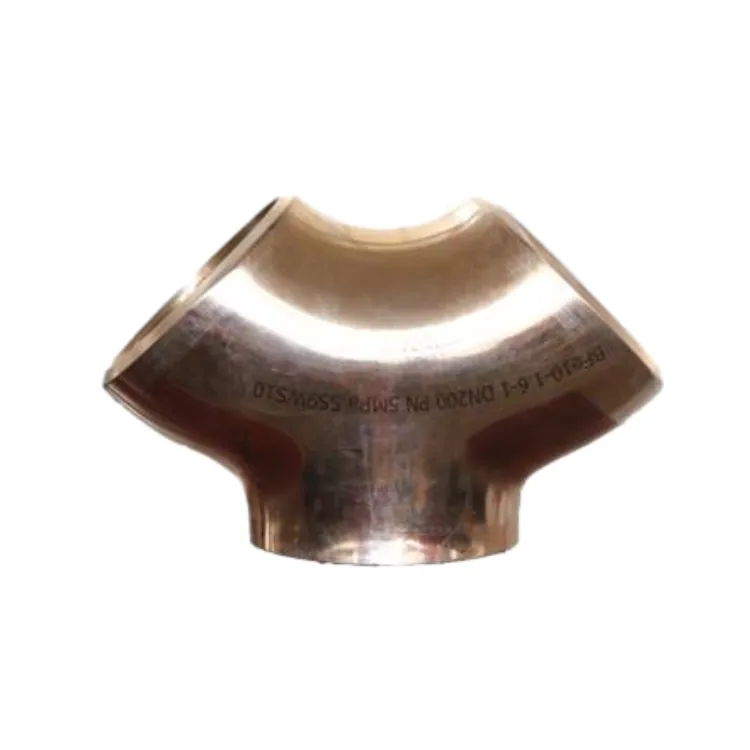
From the Economic Development Zone of Mengcun county, Cangzhou, Hebei, I’ve seen production runs where a steel tee for 8"×6"×8" SCH80 firewater branches hydrotested clean at 1.5× design with zero weeps. PMI confirmed 316 with Ni ≈10.2%. A refinery maintenance team reported smoother fit-up thanks to consistent branch ovality, which—surprisingly—reduced weld repair rates by about 12% over a previous batch.
Steel Tee Fittings—ISO Certified, In Stock, Custom Sizes?

Where it’s used (and why)

  • Oil & Gas: manifolds, test headers—go for MSS SP-75 or thicker schedules.
  • Chemical: corrosion-sensitive lines—pick 316/316L; check NACE MR0175 if sour.
  • HVAC & District Energy: chilled/thermal loops; SCH40 often fine, but verify velocities.
  • Power: steam condensate and demin lines—watch chloride stress cracking on 304.
  • Water/Fire: epoxy-lined carbon or stainless depending on spec culture.

Vendor snapshot (selection at a glance)

Vendor Lead time (≈) Customization Certs Price level
Lion Pipeline (Hebei) 7–20 days, stock-assisted Equal/reducing, NACE, special bevels, heavy wall ISO 9001; ASME B16.9 compliance Competitive
Vendor A (Global) 3–6 weeks Standard ranges; limited specials ISO 9001; PED/CE (varies) Mid
Vendor B (Regional) 2–8 weeks Project-based fabrication ISO 9001; EN 10253 Varies
Steel Tee Fittings—ISO Certified, In Stock, Custom Sizes?

Customization tips

When you specify a steel tee, call out: corrosive media, design pressure/temperature, preferred forming method, NDE level, and any coating. If sour service is even “possible,” say it upfront and request NACE MR0175 compliance plus hardness control. Your future self will thank you.

Mini case study

A midstream operator swapped legacy tees for 12"×4" reducing stainless units on a methanol injection header. After switching to solution-annealed 316L with full PMI and UT on branches, leaks dropped to zero over 18 months. Not flashy, just disciplined spec work.
References

  1. ASME B16.9 – Factory-Made Wrought Butt-Welding Fittings
  2. ASTM A234/A234M – Carbon Steel Fittings and ASTM A403 – Stainless Steel Fittings
  3. ISO 9001 – Quality Management Systems
  4. NACE MR0175/ISO 15156 – Materials for H2S Service
  5. MSS SP-75 – High-Strength Butt-Welding Fittings
  • Tee Pipe

    Tee Pipe

    Tee products are essential pipe fittings used to connect three sections of piping, forming a "T" shape. Available in various materials like carbon steel, stainless steel, and alloy steel, they are designed for use in systems requiring the diversion or junction of fluid flow.
    VIEW ALL
  • Bend Pipe

    Bend Pipe

    Bend is a crucial pipe fitting used to change the direction of flow in a piping system. It allows for smooth transitions between sections of pipe, accommodating layout constraints, avoiding obstacles, and optimizing flow paths. Bends are designed to maintain the fluid's velocity and minimize pressure loss while providing the necessary angle of deviation. They are commonly used in various industries, including oil and gas, petrochemicals, water supply, and HVAC systems.
    VIEW ALL
  • Reducer

    Reducer

    Reducer is a pipe fitting used to connect pipes of different diameters, facilitating smooth transitions between varying flow capacities in piping systems. Available in concentric and eccentric designs, reducers help maintain optimal flow efficiency while minimizing pressure loss and turbulence.
    VIEW ALL
To create value for customers!
Cangzhou Leo Technology Co., Ltd. is located in Mengcun County Economic Development Zone, Cangzhou City, Hebei Province. It is a specialized high-tech enterprise that integrates the research and development, production, and sales of composite pipes and fittings.
News
The company regards product quality as the life of the enterprise, establishes a sound quality management system in accordance with the requirements of industry and national standards, controls all aspects of input and output in the whole process, pays attention to every detail, and ensures that the product delivery pass rate is 100%.
High Performance Sink Pipe Steel Guide for Industrial Piping

High Performance Sink Pipe Steel Guide for Industrial Piping

High-Performance Sink Pipe Steel: The Ultimate Guide to Industrial Piping In the demanding world of industrial manufacturing and pressure vessel construction, the selection of materials for piping systems is critical. Utilizing high-quality sink pipe steel ensures that systems can withstand extreme pressures, corrosive media, and mechanical stress. Whether it is for chemical processing, oil and gas, or construction, the right steel grade and fitting geometry can mean the difference between seamless operation and costly system failure. This guide explores the technical nuances of steel elbows and specialized clad materials designed for the most rigorous environments.
Ultimate Guide to Industrial Seamless Steel Pipe for Piping

Ultimate Guide to Industrial Seamless Steel Pipe for Piping

In the realm of modern industrial infrastructure, the integrity of piping systems is non-negotiable. The seamless steel pipe stands as the gold standard for transporting high-pressure fluids and gases. Unlike welded alternatives, seamless pipes are manufactured without a longitudinal seam, eliminating the most common point of failure and ensuring superior structural consistency. This makes them indispensable in sectors where safety and reliability are paramount, such as petroleum, nuclear power, and thermal energy. In this comprehensive guide, we will explore the technical advantages, material specifications, and critical applications of these high-performance components to help you make an informed procurement decision.
High Performance Seamless Steel Pipes for Industrial Piping

High Performance Seamless Steel Pipes for Industrial Piping

In the world of industrial fluid transportation and pressure vessel manufacturing, the choice of piping material can determine the safety and longevity of an entire system. Seamless steel pipes are engineered to withstand extreme conditions without the risk of weld-line failure, making them the gold standard for high-pressure environments. From oil and gas pipelines to hydraulic systems, these pipes offer unmatched structural integrity. In this comprehensive guide, we will explore the technical specifications, benefits, and diverse applications of carbon seamless steel solutions to help you make an informed procurement decision for your next engineering project.
High Performance Seamless Stainless Steel Pipe for Industrial Use

High Performance Seamless Stainless Steel Pipe for Industrial Use

The Ultimate Guide to Seamless Stainless Steel Pipe for Industrial Applications In the demanding world of oil and gas extraction, particularly in fields characterized by high hydrogen sulfide and carbon dioxide levels, the integrity of transportation infrastructure is critical. While traditional carbon steel often fails due to insufficient corrosion resistance, the seamless stainless steel pipe emerges as a premium solution. By eliminating weld seams, these pipes provide superior structural integrity and a seamless barrier against corrosive media. For industries operating under extreme pressure and chemical aggression, choosing the right piping material is not just about efficiencyit is about safety and long-term economic viability.
Industrial Piping Solutions Using Durable sch 40 steel pipe

Industrial Piping Solutions Using Durable sch 40 steel pipe

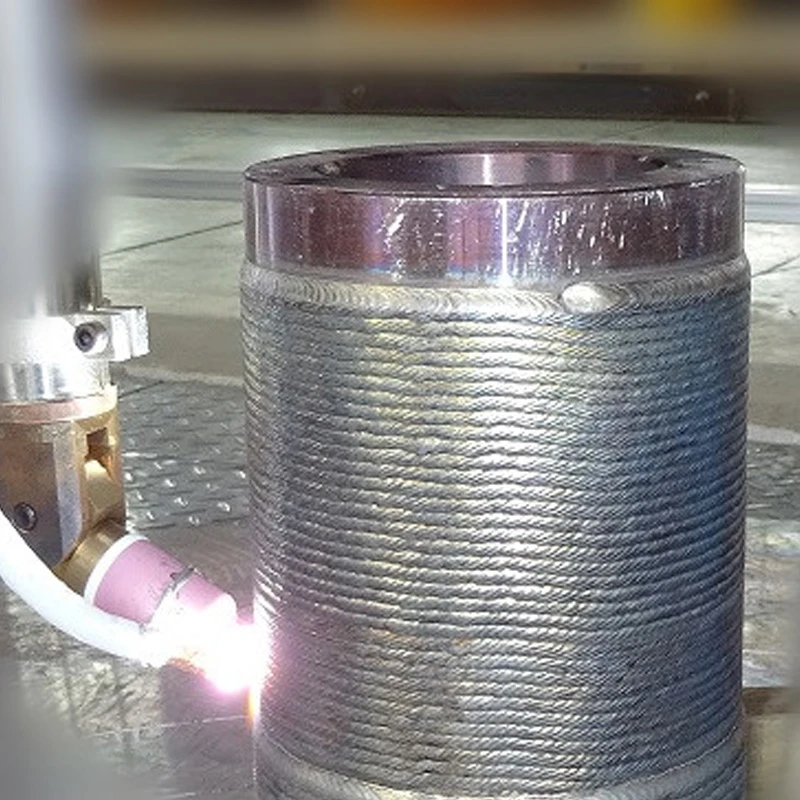
Optimizing Industrial Piping with SCH 40 Steel Pipe Solutions In the demanding world of industrial manufacturing and fluid transport, selecting the right piping specification is critical for safety and efficiency. The sch 40 steel pipe serves as a global standard for versatility, balancing wall thickness with internal flow capacity. Whether used in petrochemical plants, marine environments, or construction, this pipe grade provides the structural reliability needed to handle moderate pressures. However, as industries evolve, the integration of advanced technologies like laser cladding is transforming how we enhance these pipes to resist extreme corrosion and wear, extending the lifecycle of critical infrastructure.
Industrial 5 inch steel tubing Guide for High Pressure Systems

Industrial 5 inch steel tubing Guide for High Pressure Systems

The Ultimate Guide to 5 Inch Steel Tubing for Industrial Applications When designing high-pressure piping systems or structural frameworks, selecting the right material dimensions is critical for safety and efficiency. The 5 inch steel tubing serves as a versatile midpoint in industrial piping, offering a perfect balance between flow capacity and structural rigidity. Whether it is used in oil and gas transport, water management, or architectural support, the quality of the steel determines the longevity of the entire project. In this comprehensive guide, we will explore the technical specifications, material grades, and strategic advantages of utilizing this specific tubing size
tel email tel top

If you are interested in our products, you can choose to leave your information here, and we will be in touch with you shortly.