If you spend enough time in pump rooms and pipe corridors, you start to appreciate the humble carbon steel reducer. It’s the small, stoic fitting that makes uneven systems flow like they were born that way. I’ve watched crews debate concentric vs. eccentric at 2 a.m. before a startup; sounds dramatic, but flow stability and NPSH have no patience for guesswork.
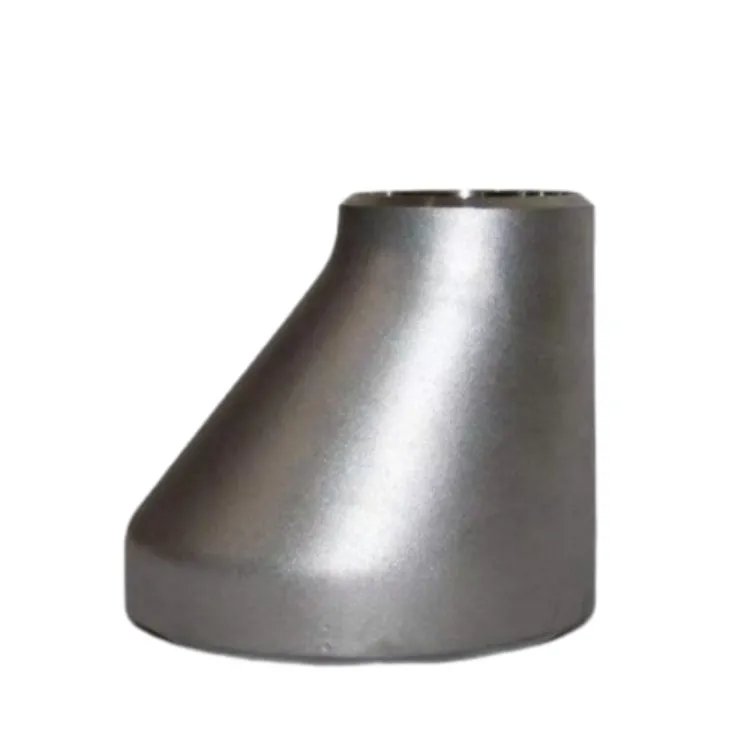
Three things: faster lead times (projects don’t wait), traceable steel chemistry (auditors insist), and better surface prep for coatings. Surprisingly, carbon steel still dominates midstream and water despite the stainless buzz—cost curves win. From Hebei’s Economic Development Zone of Mengcun county (Cangzhou, China) to Gulf Coast fab shops, reducers are getting smarter QC without getting pricier.
| Product name | Reducer (concentric / eccentric) |
| Materials | ASTM A234 WPB/WPC; others on request (≈ real-world projects may vary) |
| Standards | ASME B16.9, ASME B16.25 (bevels), EN 10253; NACE MR0175 option |
| Size range | DN15–DN1200 (1/2"–48"), larger by custom die |
| Wall schedules | SCH 10–XXS; match to pipe design per ASME B31.x |
| Finish | Black varnish, epoxy coat, or bare; bevel ends 30° (+5/−0) |
| Service temp | ≈ −20 to 425 °C (material dependent) |
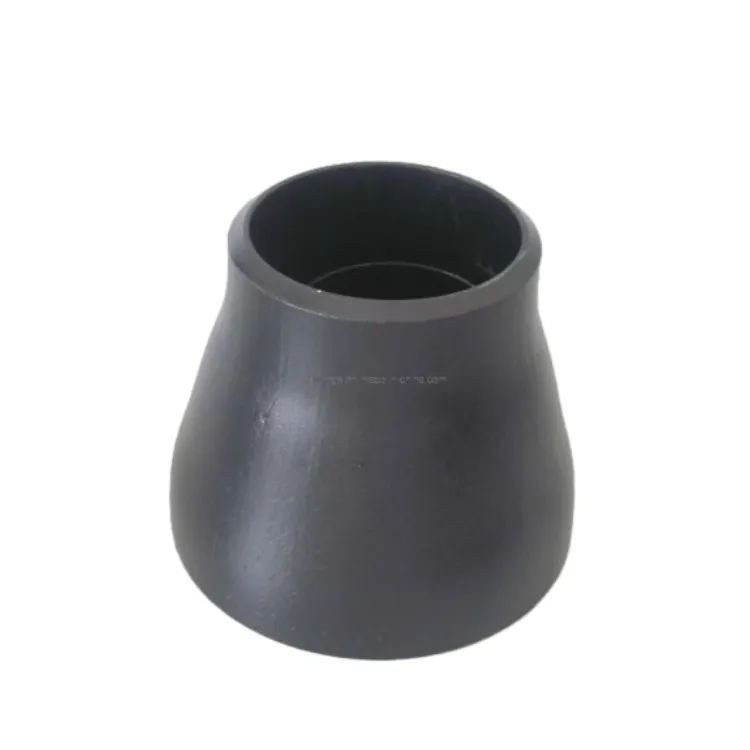
Materials: certified carbon steel billets/pipe (heat numbers traceable). Methods: hot pushing or press-forming, then trimming and beveling per ASME B16.25. Heat treatment: normalizing or stress relief (project spec driven). Surface: shot-blast SA 2.5, coat if requested. Testing: chemistry per ASTM A751, mechanicals per ASTM A370, dimensional check to ASME B16.9 gauges, NDT (UT/MPI) per ASME Section V for critical services, hardness ≈ 135–190 HBW typical for WPB. Many customers ask about hydro—fittings aren’t always hydrotested by code, but I’ve seen optional hydro or pneumatic leak checks used on high-risk lines.
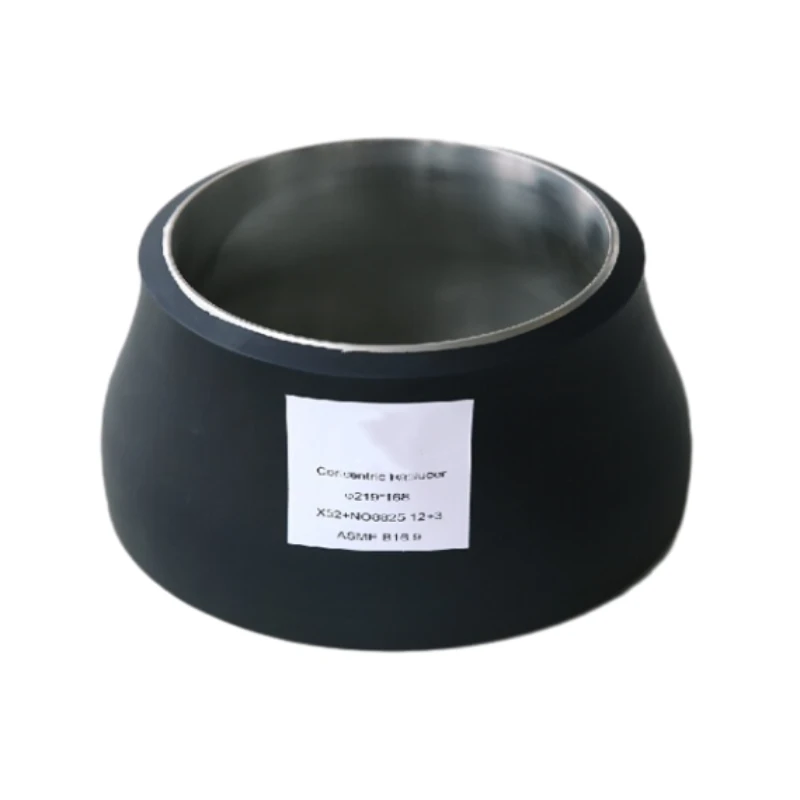
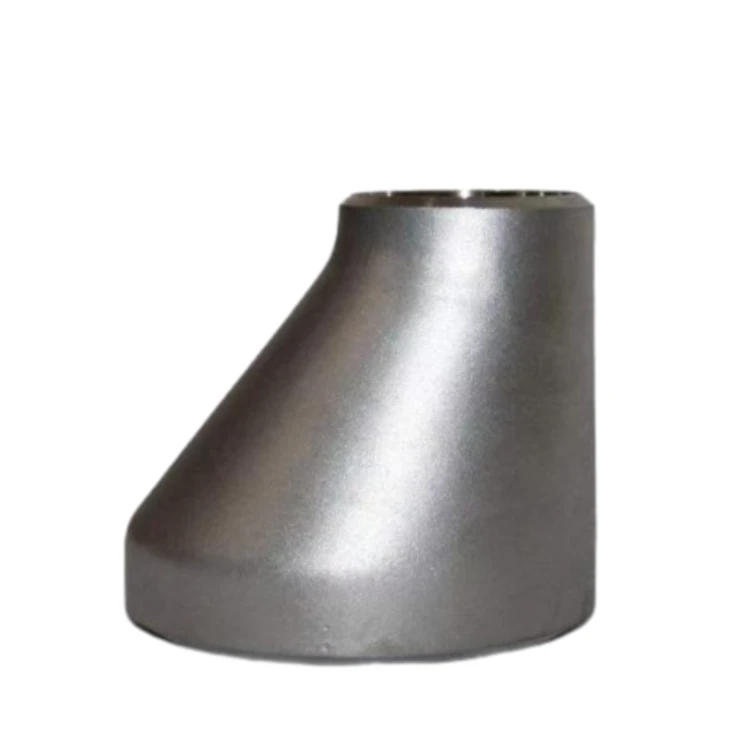
Oil & gas gathering, refinery units, power plant BOP, firewater mains, mining slurries, desalination headers. Concentric for vertical lines and balanced flow; eccentric (flat-top) for pump suctions to avoid vapor pockets—engineers swear by it. The big advantage of a carbon steel reducer is cost-to-reliability: low turbulence, controlled pressure drop, and easy weldability.
| Vendor | Traceability | Lead time | Certs | QC scope |
|---|---|---|---|---|
| Lion Pipeline (Mengcun, Cangzhou, Hebei) | Heat-to-piece, MTC EN 10204 3.1 | ≈ 7–20 days stock/standard | ISO 9001; PED/CE on request | Dimensional + NDT; coating DFT logs |
| Vendor A | Batch level | 3–5 weeks | ISO 9001 | Dimensional only (typ.) |
| Vendor B | Heat level | 2–4 weeks | ISO 9001; limited PED | Dimensional + spot NDT |
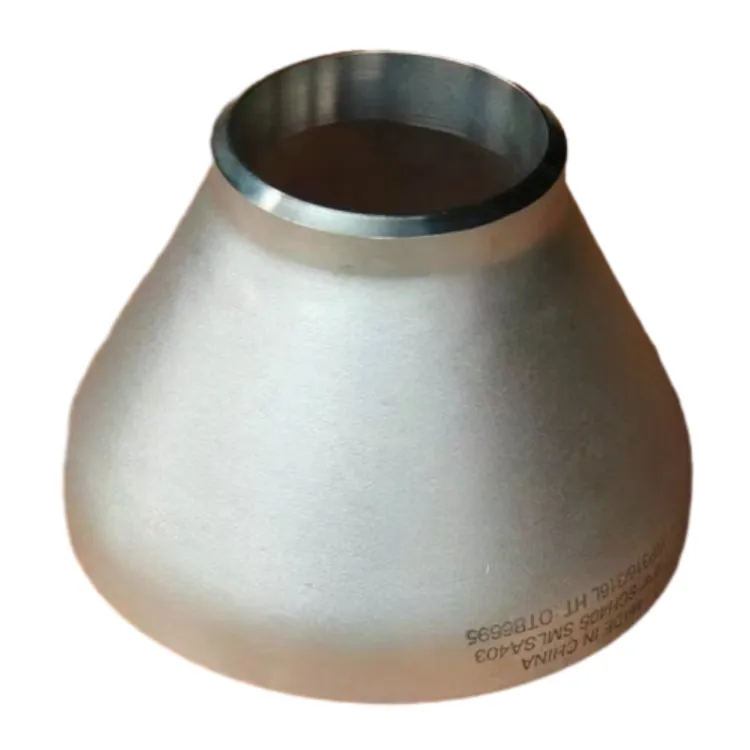
Custom OD/ID transitions, heavy-wall SCH 160/XXS, corrosion allowances, coated ID for brine, and NACE-compliant material for sour service—these are common asks. One midstream operator swapped 12"×8" eccentric, SCH 80 carbon steel reducer units on pump suction lines and reported steadier NPSHa and a small but real power drop. Another water utility used epoxy-lined concentric reducers to tame turbulence on a UV disinfection skid; fewer nuisance alarms, according to the maintenance chief.
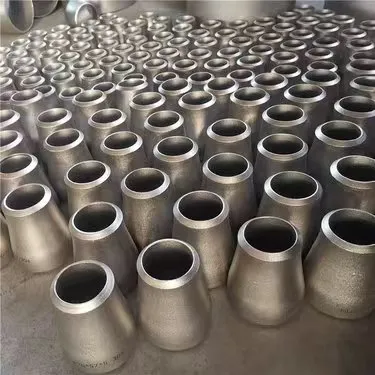
Look for MTCs, ASME B16.9 dimensional reports, and NDT records. For sour/CO2 lines, ask for hardness control and MR0175 statements. In typical water or hydrocarbon service, a carbon steel reducer lasts ≈ 20–30 years, longer with proper coating and cathodic protection. Weld fit-up matters more than folks admit—bad hi-lo kills service life faster than material grade, in my experience.
Authoritative citations
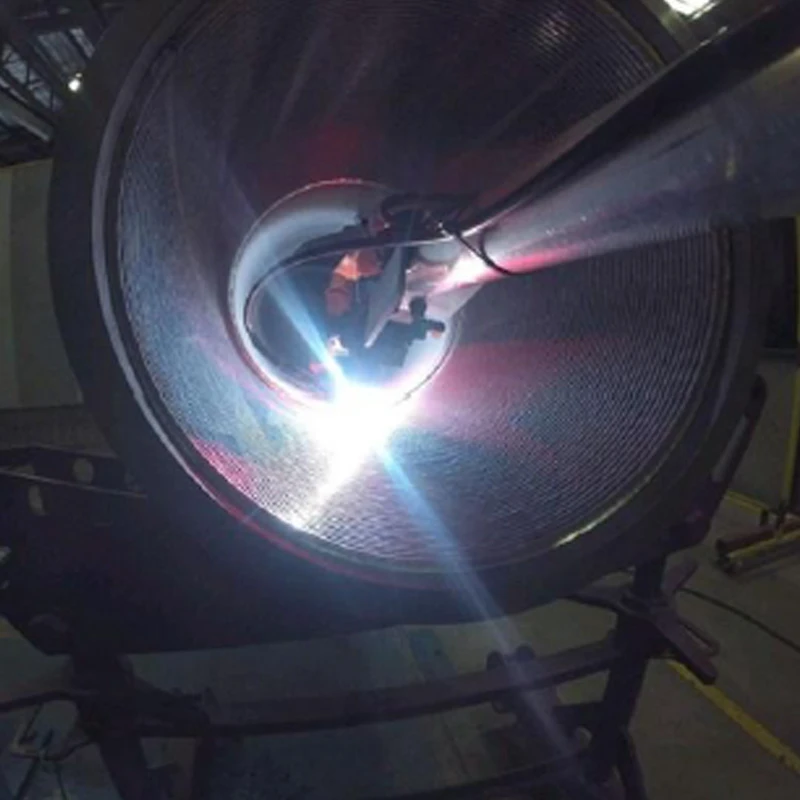
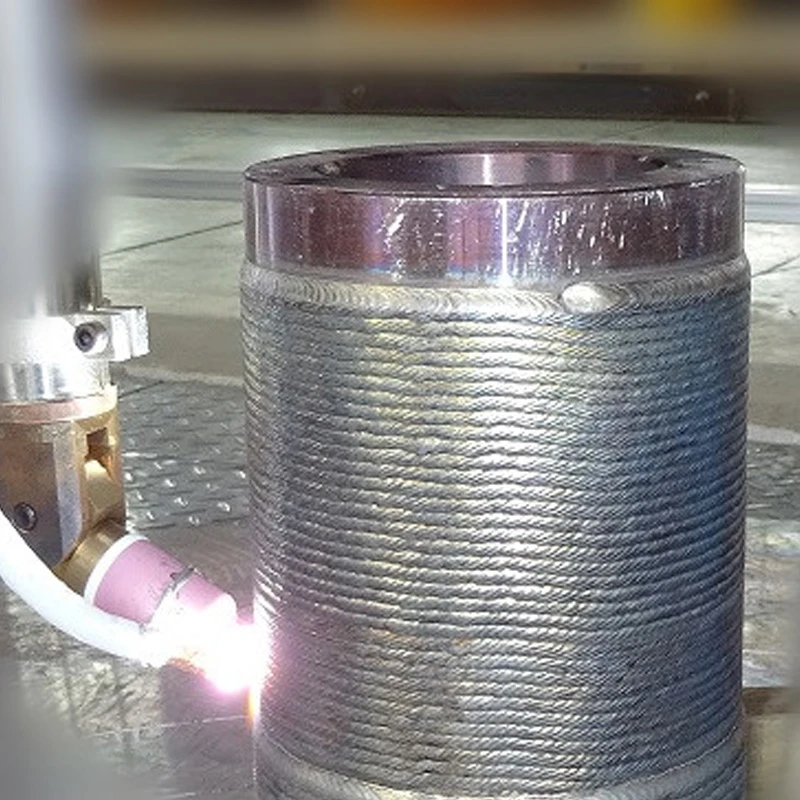
Overlay Welding Clad Steel Pipe
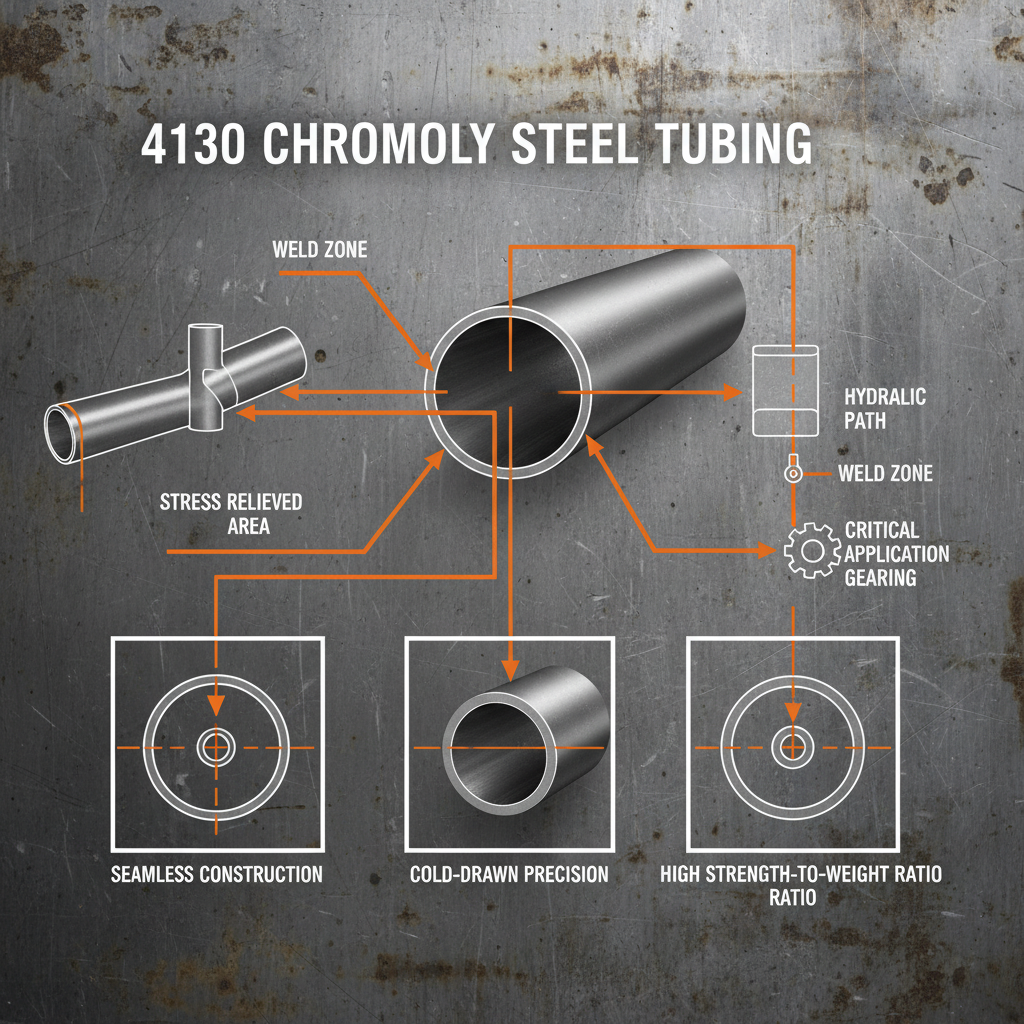
Ultimate Guide to 4130 Tubing Strength Performance and Applications
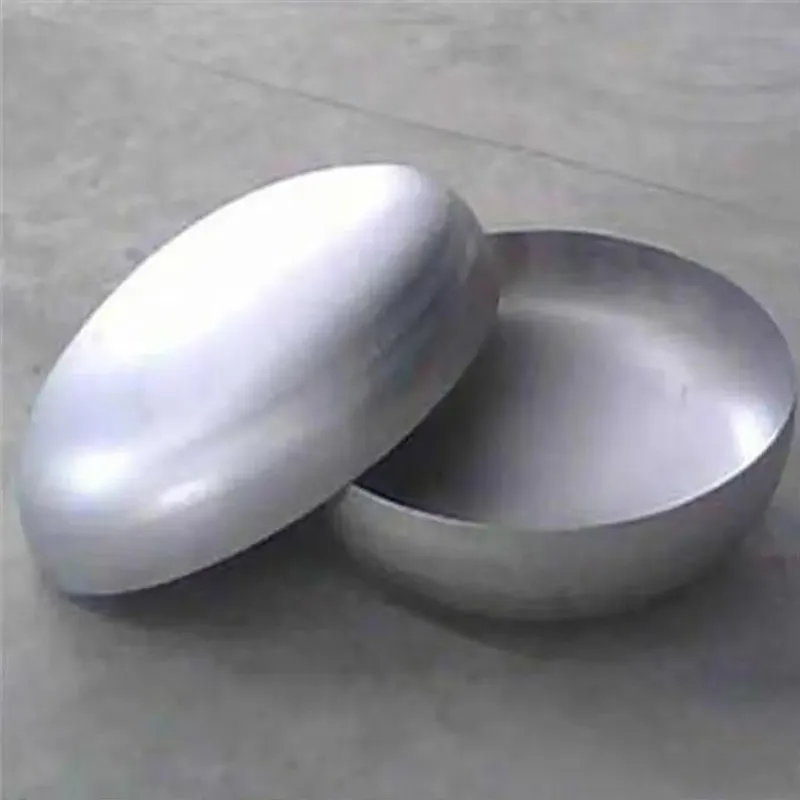
Pipe Cap-Cangzhou Lion Technology Co., Ltd.|Enhancing System Efficiency&Durability
Pipe Cap-Cangzhou Lion Technology Co., Ltd.|Enhancing System Efficiency&Durability
Pipe Cap-Cangzhou Lion Technology Co., Ltd.|Enhancing System Efficiency&Durability
Pipe Cap-Cangzhou Lion Technology Co., Ltd.|Enhancing System Efficiency&Durability
Pipe Cap-Cangzhou Lion Technology Co., Ltd.|Enhancing System Efficiency&Durability