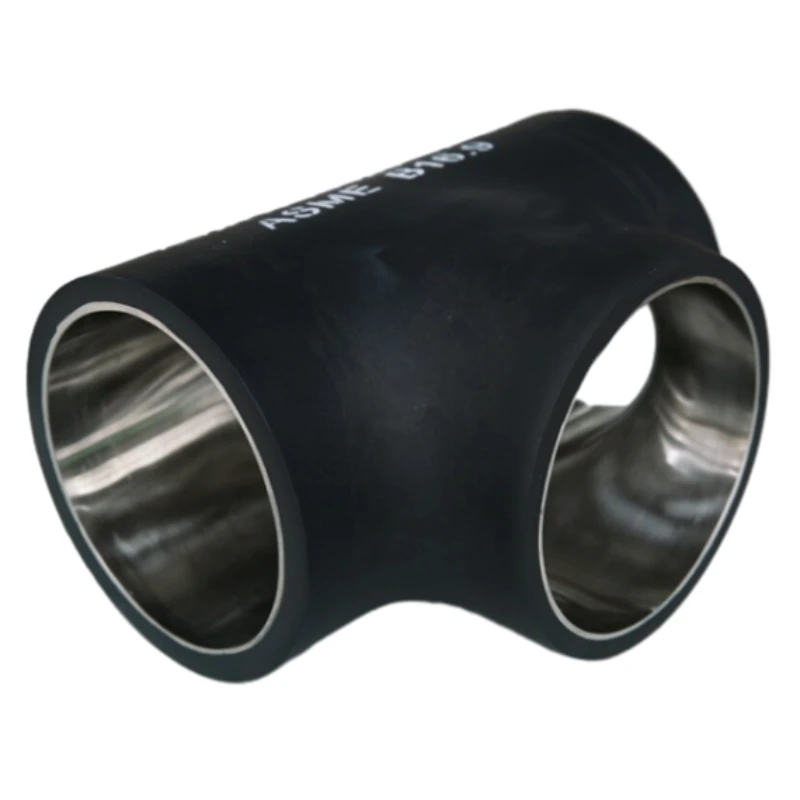
If you’re vetting a composite pipe for corrosive service, here’s the straight story from the shop floor to the right-of-way. Mechanical Clad Steel Pipe (MCSP) blends a carbon-steel backbone with a corrosion-resistant alloy (CRA) liner—think strength plus longevity. The set-up has been gaining traction in oil, gas, chemicals, and, increasingly, CCUS loops where CO₂ + H₂S would shred plain carbon steel. The product here is manufactured in the Economic Development Zone of Mengcun county, Cangzhou city, Hebei province—an area that, to be honest, knows its way around heavy-wall pipe.
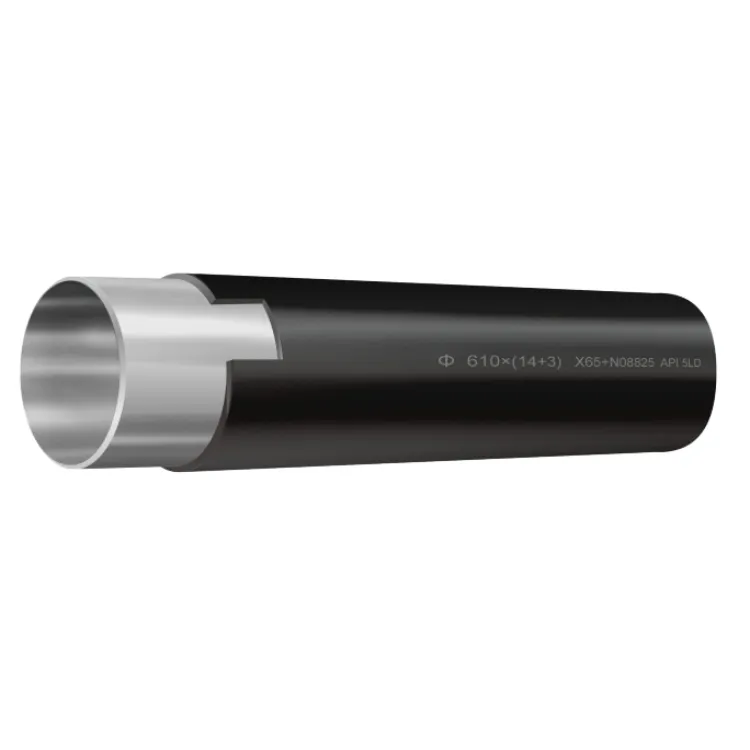
Sour service specs, higher chloride content, and life-cycle calculations are pushing more projects to composite pipe. I’m seeing midstream operators mix MCSP into brownfield upgrades to dodge recurring corrosion downtime. Chemical plants are doing the same—particularly in brine and amine loops. Hydrogen? Cautious optimism: nickel-based liners (e.g., 625) are being qualified under ASME B31.12 methods, but real-world use may vary.
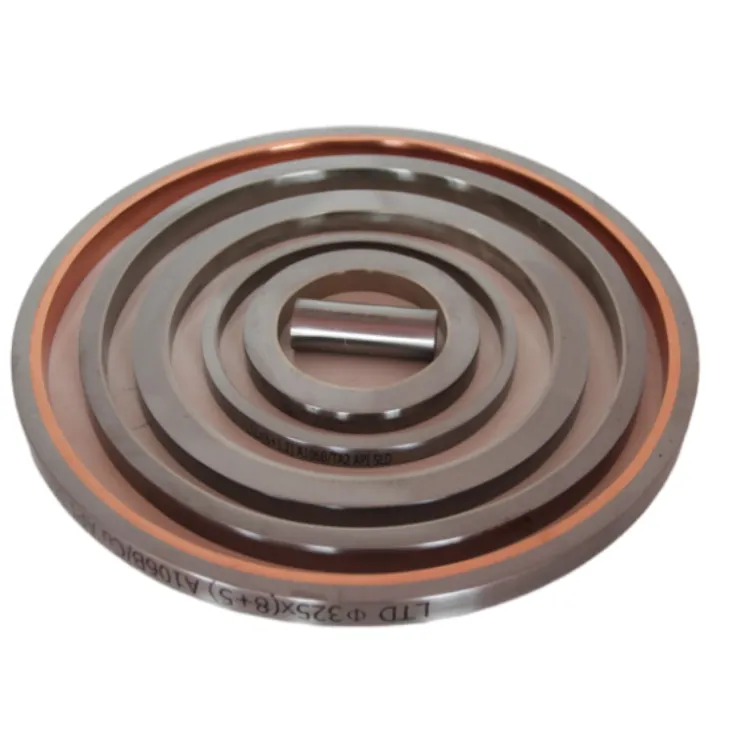
| Parameter | Range/Detail (≈) | Notes |
|---|---|---|
| OD | 2"–28" | Larger sizes on request |
| Wall (Total) | 6–35 mm | CRA liner 2–6 mm typical |
| Pressure rating | ASME B31.3/B31.4 calc based | Burst tested to design factor |
| Temperature | -40°C to 250°C | Alloy-dependent |
| Standards | API 5L, ISO 3183, NACE MR0175 | Project specs may add DNV-ST-F101 |
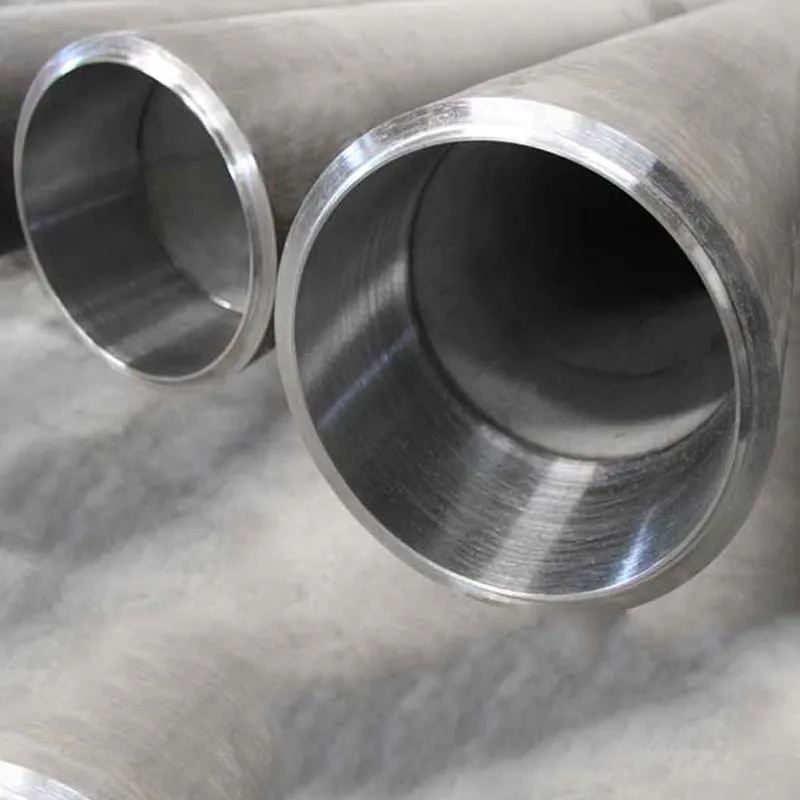
| Solution | Corrosion resistance | Capex | Lead time | Notes |
|---|---|---|---|---|
| MCSP (this composite pipe) | High (alloy-dependent) | Medium | ≈6–12 weeks | Balanced cost/performance |
| Solid CRA pipe | Very high | High | Longer | Premium, but pricey |
| Coated carbon steel (3LPE) | Medium (external only) | Low | Short | Internal corrosion risk remains |
| Lined pipe (HDPE/PTFE) | High (chemicals) | Medium | ≈4–10 weeks | Temp/pressure limits |
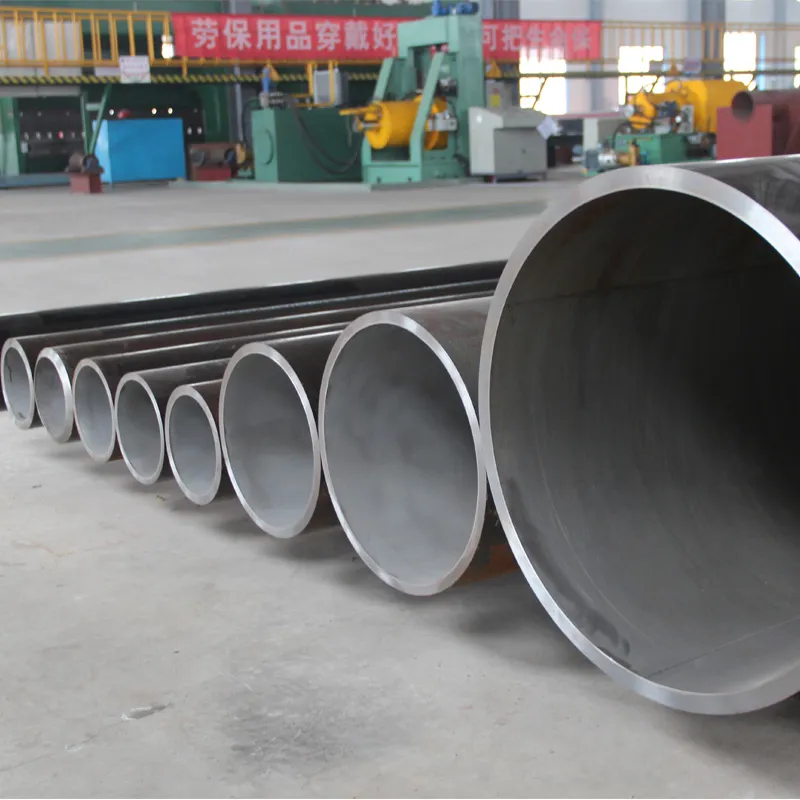
A North China refinery swapped several sour-water spools to MCSP (316L liner). After 24 months, UT readings showed no measurable wall loss on the CRA, and operators reported fewer clamp leaks. One maintenance superintendent joked, “For once, my weekend was quiet.” It’s anecdotal, sure, but it lines up with lab results.
Final thought: if your medium is borderline nasty and downtime is brutal, a well-made composite pipe like MCSP is a rational middle ground between coated carbon steel and solid CRA.
Pipe Cap-Cangzhou Lion Technology Co., Ltd.|Enhancing System Efficiency&Durability
Pipe Cap-Cangzhou Lion Technology Co., Ltd.|Enhancing System Efficiency&Durability
Pipe Cap-Cangzhou Lion Technology Co., Ltd.|Enhancing System Efficiency&Durability
Pipe Cap-Cangzhou Lion Technology Co., Ltd.|Enhancing System Efficiency&Durability
Pipe Cap-Cangzhou Lion Technology Co., Ltd.|Enhancing System Efficiency&Durability
Pipe Cap-Cangzhou Lion Technology Co., Ltd.|Enhancing System Efficiency&Durability