tel
Email
to top

5 Square Tubing for Strong Structural Support High Quality & Durable Solutions

Jul 05 2025
share:
  • Introduction to 5 square tubing
    and Overview of Related Types
  • Technical Specifications and Performance Benchmarks
  • Manufacturer Comparison with Data Overview
  • Advantages and Innovations in Tubing Manufacturing
  • Customization Options for Diverse Requirements
  • Real-World Applications and Project Case Studies
  • Summary of 5 square tubing and Related Solutions in Today’s Market

5 square tubing

(5 square tubing)


Comprehensive Overview: 5 Square Tubing in Structural Applications

Structural tubing, especially the 5 square tubing, continues to play a pivotal role in today’s construction and engineering landscapes. With increasing demands for durability, flexibility, and efficiency, architects and engineers consistently search for tubing solutions that combine strength with adaptability. Besides 5 square tubing, related products such as 2 square tubing, 2.5 inch square tubing, and 2.25 square tubing have gained significant attention in structural design, fabrication, automotive frames, and machinery. Proper selection among these variants ensures project integrity, cost efficiency, and longevity of results.

Technical Specifications and Performance Benchmarks

The technical properties of square steel tubing vary according to size and wall thickness, directly affecting load-bearing capacity, resistance to environmental factors, and versatility in structural frameworks. Typically, industrial-grade 5 square tubing features dimensions of 5" x 5", available in multiple wall thicknesses ranging from 0.120" to 0.500" (3mm to 12.7mm). Yield strengths for carbon steel variants often exceed 46,000 psi, supporting both static and dynamic loading scenarios. In contrast, 2 square tubing is commonly supplied with wall thicknesses from 0.083" to 0.250" (2.1mm to 6.4mm), suitable for lighter frameworks or decorative elements.

The 2.5 inch and 2.25 square tubing options are renowned for balancing strength and weight, making them ideal for vehicle chassis, floor systems, and agricultural implements. Comparative analysis indicates:

Product Nominal Size (inches) Wall Thickness Range (inches) Material Yield Strength (psi) Weight per Foot (lbs)
5 Square Tubing 5 x 5 0.120 – 0.500 46,000+ 12 – 46
2 Square Tubing 2 x 2 0.083 – 0.250 42,000+ 2.3 – 6.6
2.25 Square Tubing 2.25 x 2.25 0.083 – 0.187 43,000+ 2.7 – 5.8
2.5 Inch Square Tubing 2.5 x 2.5 0.083 – 0.250 44,000+ 3.1 – 8.1

Selecting the optimal tubing profile should account for both structural load and environmental exposure, maximizing resource efficiency while minimizing material waste and maintenance cycles.

Market Landscape: Manufacturer Comparison

A wide variety of manufacturers compete globally, each offering extensive size and grade options, proprietary coatings, and value-added services. Key industry suppliers include Atlas Tube, Nucor Tubular, Maruichi Leavitt, and Vallourec. These companies provide comprehensive support across standard and custom profiles, competitive lead times, and certified quality control.

Manufacturer Available Sizes Standard Lengths (ft) Coating Options Min. Order (tons) Lead Time (weeks)
Atlas Tube 2"-10" (Square) 20, 24, 40, 60 Uncoated, Galvanized, Powder 1 2-3
Nucor Tubular 2"-12" (Square) 20, 40, 60 Black, Hot-dip Galvanized 3 3-5
Maruichi Leavitt 1.5"-5" (Square) 20, 26, 52 Painted, Galvanized 2 2-6
Vallourec 2"-7" (Square) 20, 40 Epoxy, Zinc-rich 1 4-7

The diversity in supply options helps end-users match project specifications, budgets, and timelines efficiently, while maintaining strict compliance with regional building codes and industry standards.

Advanced Manufacturing and Technical Advantages

Recent advances in steel processing technologies have significantly improved the consistency and performance of structural tubing. Hot-rolled and cold-formed square tubes now achieve tighter dimensional tolerances and superior surface finishes. Progressive control systems monitor wall thickness variations down to tolerances of ±0.005 inches, while online eddy-current testing enhances weld seam integrity for critical applications.

Beyond dimensional accuracy, the introduction of high-strength low-alloy (HSLA) steels has enabled manufacturers to reduce wall thickness without sacrificing structural performance. Anti-corrosion coatings—including hot-dip galvanization, zinc-aluminum overlays, and advanced powder coatings—extend lifespan, particularly in outdoor infrastructure, bridges, and industrial installations. Automated cutting and robotic welding further ensure assembly precision, reducing downtime and costly on-site work.

Tailored Solutions: Customizing Square Tubing Profiles

Customization is essential for industries that require tubing to specific mechanical, dimensional, or aesthetic criteria. Leading suppliers offer cut-to-length tubing, precision punching, slotting, and notching according to customer drawings. Specialized coatings, pre-drilled holes, and non-standard wall thicknesses are increasingly common requests. For example, custom 2.5 inch square tubing can be produced in lengths up to 72 feet, facilitating large-scale truss, rafter, or column construction with minimal jointing.

Additionally, engineering consultancies collaborate with manufacturers to optimize section modulus, weight, and load paths, creating cost-effective frameworks for stadiums, airports, or solar panel mounts. Design software integration and rapid prototyping shorten the cycle from concept to installation. Tubing is now engineered for advanced connectivity: seamless connection with fittings, modular assembly kits, and compatibility with a wide range of fasteners and hardware.

Real-World Applications and Solution Case Studies

The implementation of square tubing, from 2 square tubing to robust 5 square profiles, spans diverse industries. Infrastructure projects deploy these tubes for bridge railings, pedestrian walkways, and lighting gantries owing to superior mechanical stability. Commercial and institutional buildings prefer square tubing for curtain wall supports, handrails, and security fencing, balancing aesthetics with performance.

In the renewable energy sector, 2.5 inch square tubing supports photovoltaic panel arrays, providing corrosion resistance and structural rigidity even in coastal environments. Case studies have shown a 28% increase in structural lifespan for galvanized tubing over uncoated steel in high-salinity atmospheres. Similarly, custom-fabricated 2.25 square tubing is often chosen in automotive roll cage production, owing to its favorable strength-to-weight ratio—reducing chassis weight by up to 18% versus standard round tubes while maintaining crash safety ratings.

Modular furniture, agricultural machinery, and logistics systems exploit tailored square tubing for its ease of integration, rapid assembly, and reduced material waste. Reports from manufacturing plants cite assembly time reductions of up to 35% when switching from traditional welded plate frames to modular tubing-based designs.

Market Outlook: Summary of 5 Square Tubing and Companion Profiles

In conclusion, 5 square tubing and its related products remain indispensable to a spectrum of modern engineering, architectural, and industrial applications. When deliberating among 2 square tubing, 2.5 inch square tubing, and 2.25 square tubing, understanding comparative material properties, manufacturing standards, and the availability of tailored solutions is essential for project success. Recent technological advancements and expanding manufacturer capabilities ensure that each project, regardless of complexity or scale, can benefit from optimal performance, cost management, and lifecycle longevity. Organizations are encouraged to explore direct supplier partnerships to maximize product consistency, compliance, and value.
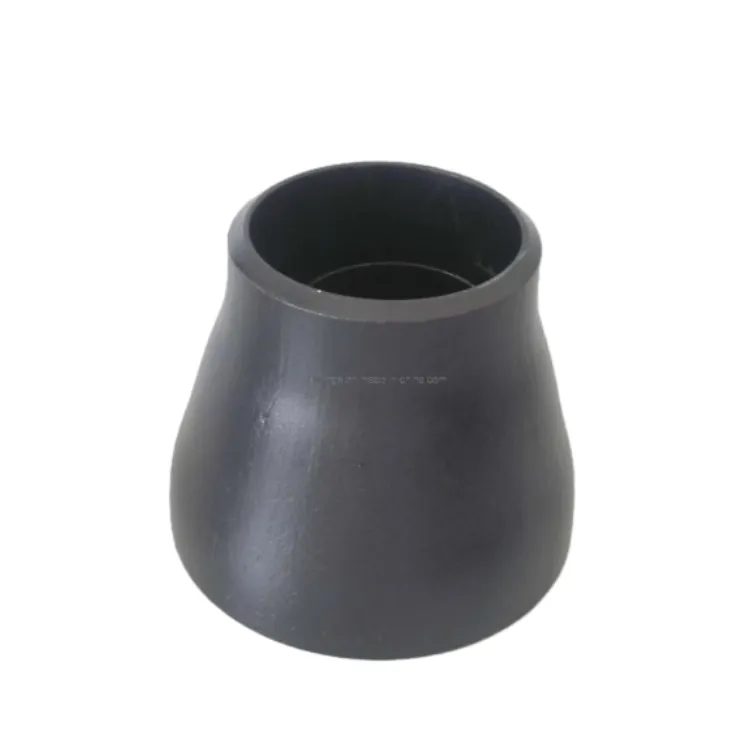

5 square tubing

(5 square tubing)


FAQS on 5 square tubing

Q: What is 5 square tubing commonly used for?

A: 5 square tubing is widely used in heavy-duty construction, structural frameworks, and industrial applications. Its large size provides excellent strength and stability. It's ideal for projects requiring robust support.

Q: What are the most frequent uses for 2 square tubing?

A: 2 square tubing is popular in furniture, fencing, and light structures. Its versatility and manageable size make it a common choice for both DIY and professional projects. It offers a good balance between strength and weight.

Q: Is 2.5 inch square tubing suitable for outdoor structures?

A: Yes, 2.5 inch square tubing is often used for outdoor frameworks like pergolas, gates, and railings. Its durability and corrosion resistance make it a practical choice for exterior applications. Make sure to select galvanized or coated tubing for extra weather protection.

Q: What distinguishes 2.25 square tubing from other sizes?

A: 2.25 square tubing provides a unique size option for designs requiring a bit more strength than 2-inch tubing but less bulk than 2.5-inch. It's often selected for custom fabrication projects. This mid-range size offers flexibility in various structural uses.

Q: Can you weld 5 square tubing to smaller sizes like 2 square tubing?

A: Yes, 5 square tubing can be welded to 2 square tubing, but careful preparation and proper welding techniques are required. Size differences may require additional support or transition fittings. Consulting a professional fabricator ensures a strong and safe connection.
  • Laser Clad  Pipe

    Laser Clad Pipe

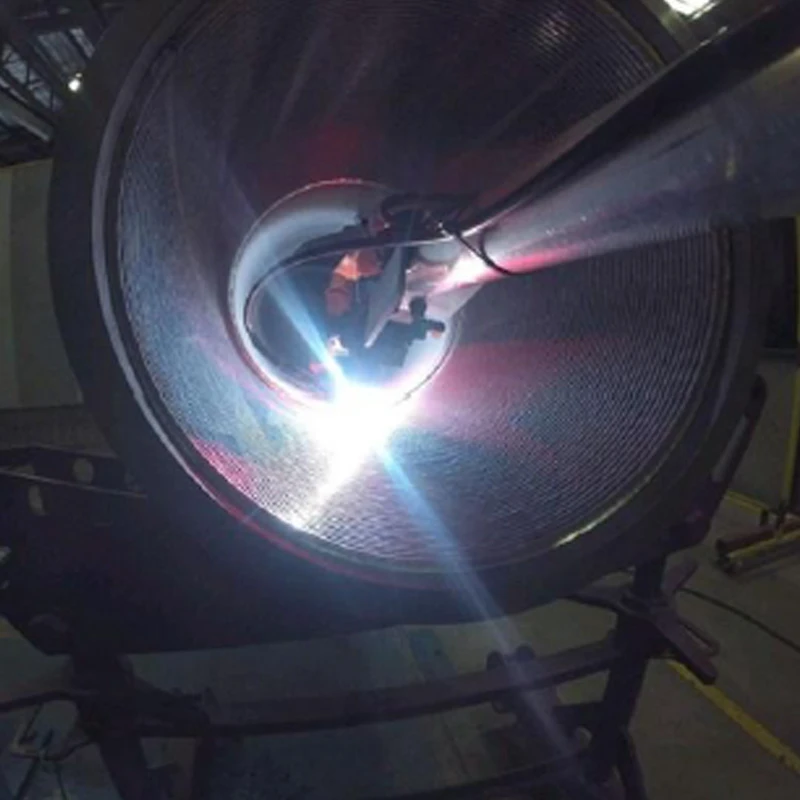
    Laser clad steel pipes are manufactured using laser cladding technology. This technology involves adding cladding material to the surface of ordinary steel pipe base material, using high-energy-density laser beams to fuse the cladding material with the steel pipe surface, forming a metallurgically bonded cladding layer. These pipes are generally used in compressed air energy storage projects as underground deep well transportation pipes or casings, as well as in oil, natural gas, and geothermal well extraction.
    VIEW ALL
  • Tee Pipe

    Tee Pipe

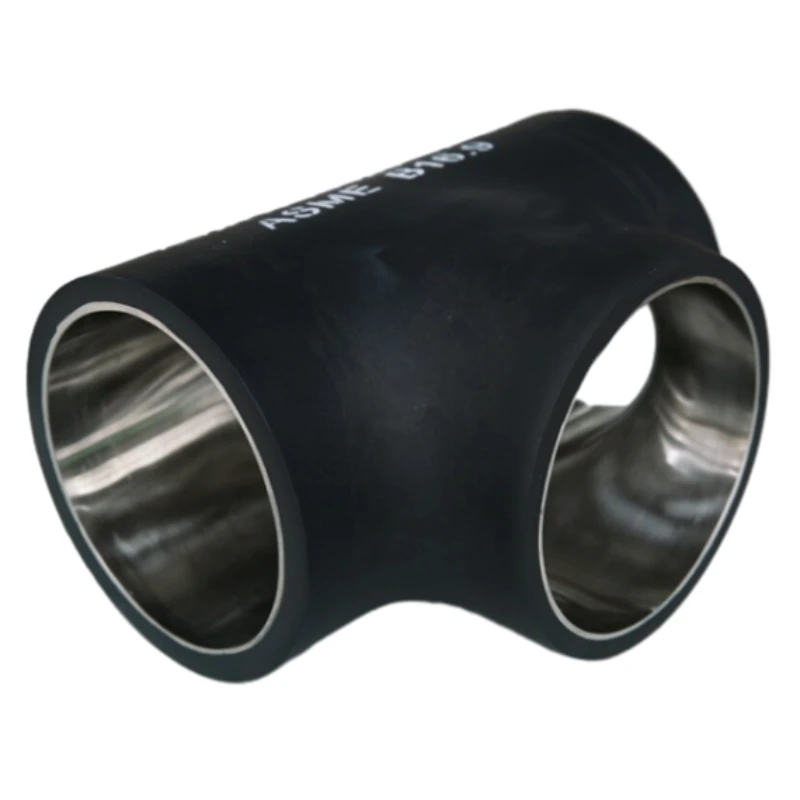
    Tee products are essential pipe fittings used to connect three sections of piping, forming a "T" shape. Available in various materials like carbon steel, stainless steel, and alloy steel, they are designed for use in systems requiring the diversion or junction of fluid flow.
    VIEW ALL
  • Anti Corrosion And Thermal Insulation Products
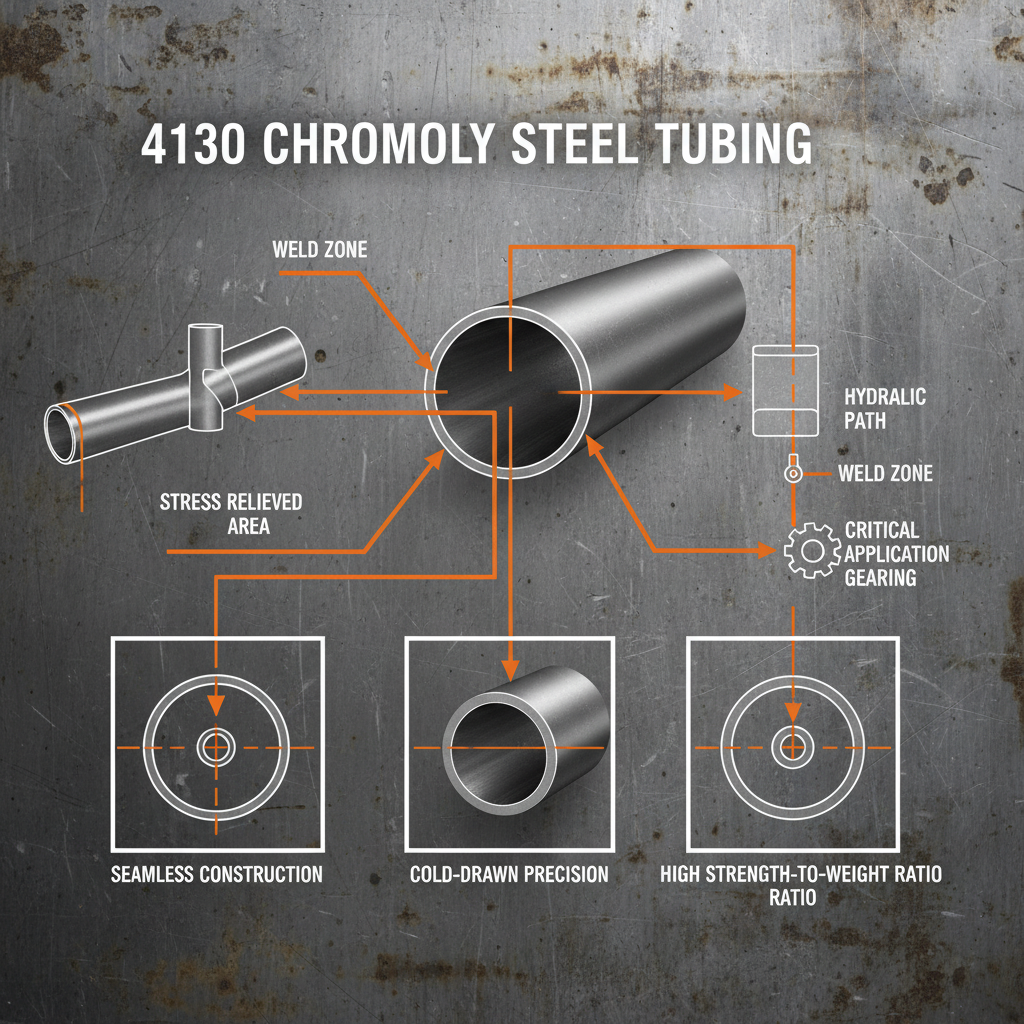
    Anti Corrosion And Thermal Insulation Products

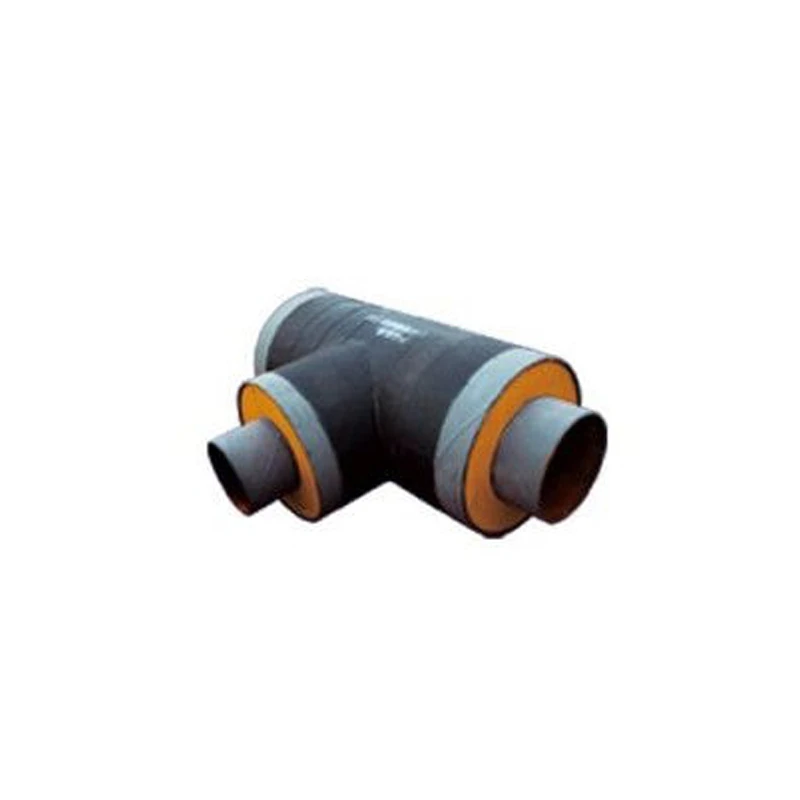
    The anti-corrosion and thermal insulation products we focus on produce play a key role in the industrial pipeline system, especially the thermal insulation pipe fittings and steel pipes. Thermal insulation pipe fittings cover elbows, tees, reducers and pipe supports, with specifications ranging from DN15 to DN1800, and are made of carbon steel, alloy steel, stainless steel, bimetallic composite, nickel-based alloy and other materials.
    VIEW ALL
To create value for customers!
Cangzhou Leo Technology Co., Ltd. is located in Mengcun County Economic Development Zone, Cangzhou City, Hebei Province. It is a specialized high-tech enterprise that integrates the research and development, production, and sales of composite pipes and fittings.
News
The company regards product quality as the life of the enterprise, establishes a sound quality management system in accordance with the requirements of industry and national standards, controls all aspects of input and output in the whole process, pays attention to every detail, and ensures that the product delivery pass rate is 100%.
Ultimate Guide to 4130 Tubing Strength Performance and Applications
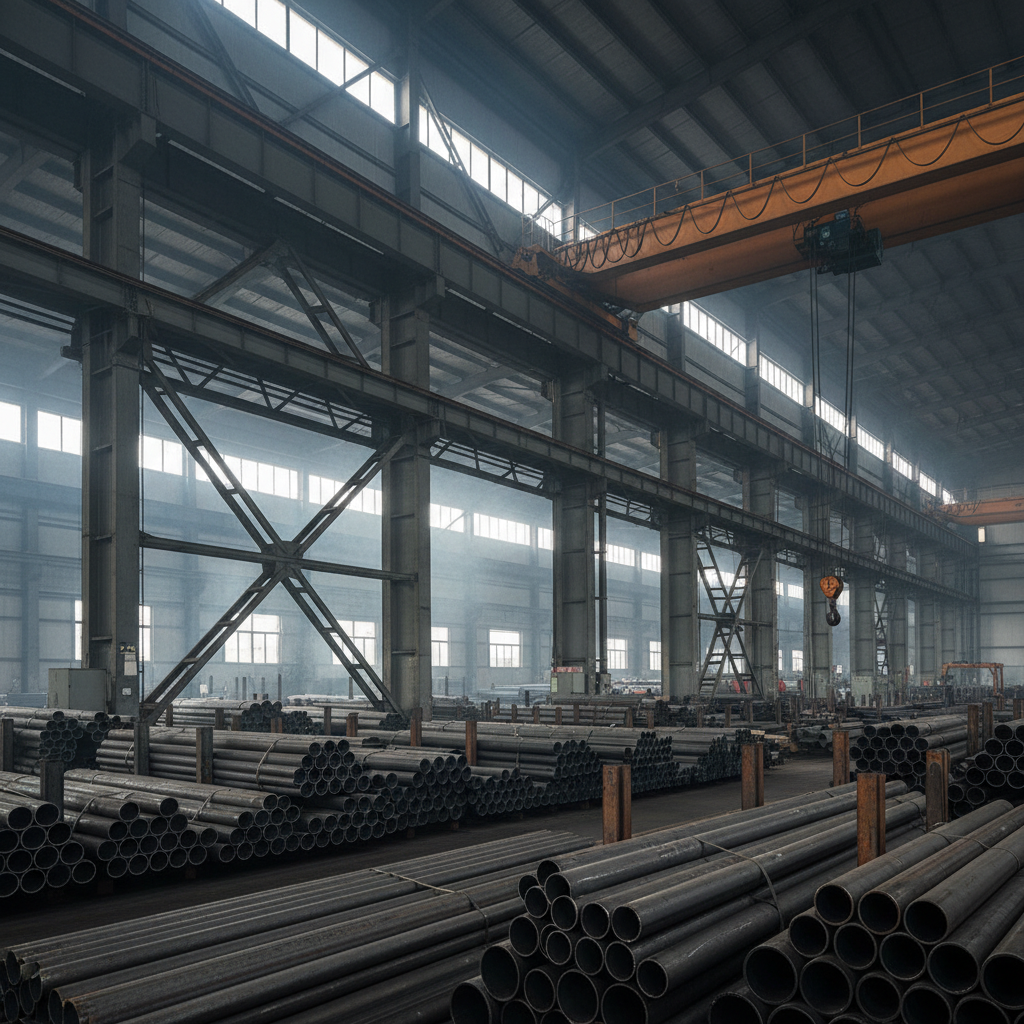
Ultimate Guide to 4130 Tubing Strength Performance and Applications

In the world of high-performance engineering, material selection is the foundation of safety and efficiency. 4130 tubing is widely regarded as the gold standard for applications requiring an exceptional strength-to-weight ratio. This chrome-molybdenum alloy steel is engineered to withstand extreme stress while remaining lightweight enough for aerospace and automotive use. Whether you are designing a roll cage, a bicycle frame, or a critical industrial component, understanding the nuances of this material is essential. In this comprehensive guide, we will explore why this specific alloy is preferred by engineers worldwide and how to choose the right specifications for your project.
Properties and Industrial Applications of 4130 steel tubing
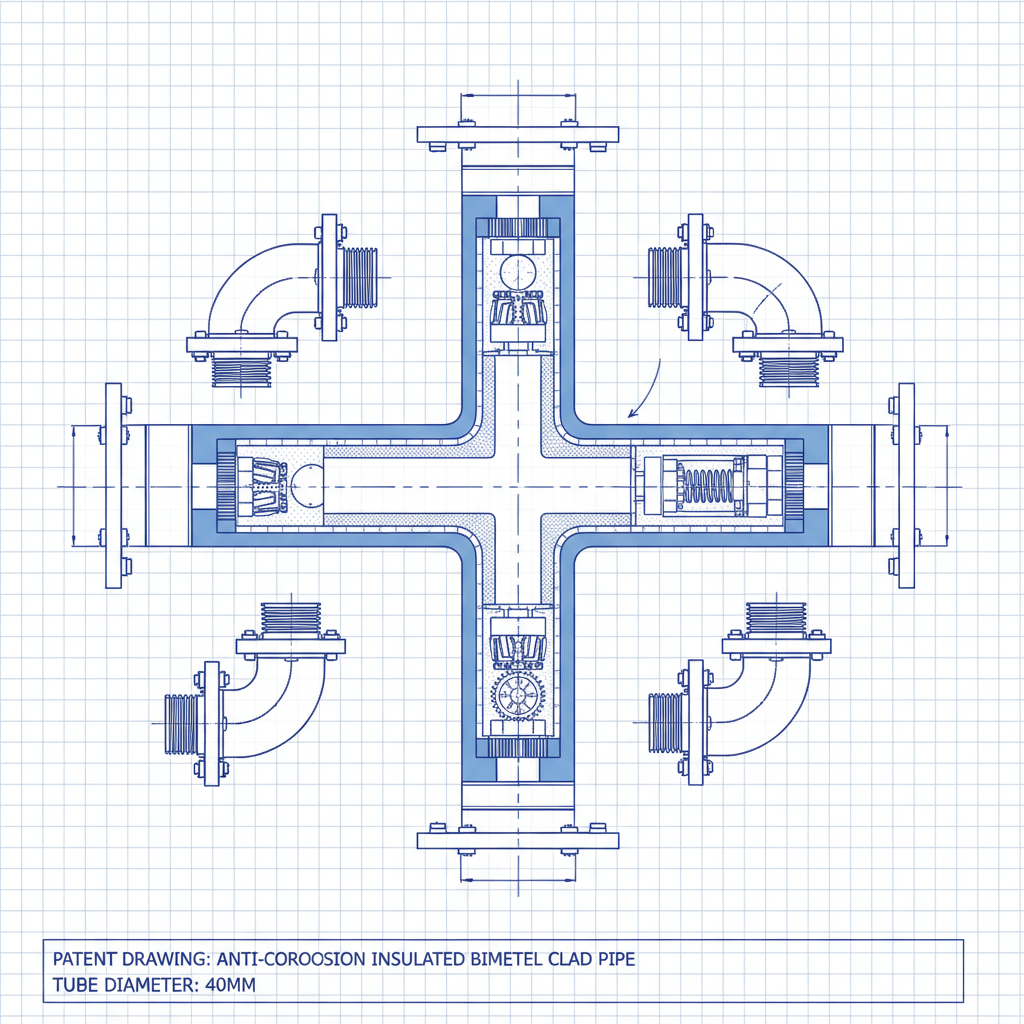
Properties and Industrial Applications of 4130 steel tubing

In the world of high-performance engineering, material selection is the foundation of safety and efficiency. 4130 steel tubing is widely recognized as the gold standard for applications requiring an exceptional strength-to-weight ratio. Known for its versatility and reliability, this chromium-molybdenum alloy is the preferred choice for everything from aircraft frames to professional roll cages. Understanding the nuances of this material allows engineers to optimize structural integrity without adding unnecessary bulk. In this comprehensive guide, we will explore why this specific alloy remains a top choice for critical industrial and aerospace components.
Comprehensive Guide to 40mm Steel Tube Applications and Material Selection
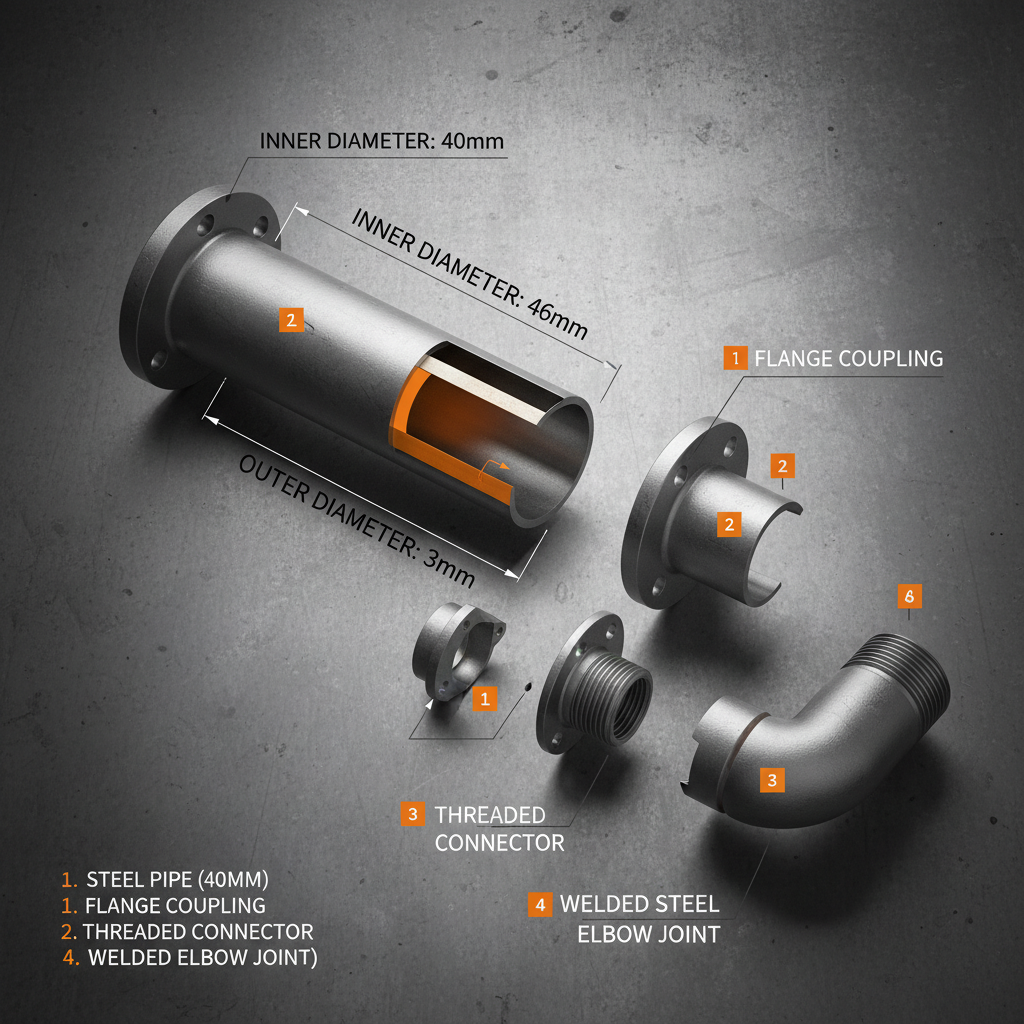
Comprehensive Guide to 40mm Steel Tube Applications and Material Selection

40mm steel tube is a versatile and widely used material in various industries, from construction and manufacturing to automotive and beyond. Its strength, durability, and cost-effectiveness make it an ideal choice for numerous applications. This article will delve into the characteristics, applications, benefits, and considerations when working with 40mm steel tube, providing a comprehensive overview for professionals and anyone interested in this essential material.
Comprehensive Guide to 40mm Steel Pipe Applications and Considerations
Comprehensive Guide to 40mm Steel Pipe Applications and Considerations

40mm steel pipe is a widely used material in various industries due to its strength, durability, and cost-effectiveness. From construction and infrastructure projects to industrial applications and fluid transportation, this pipe size offers a versatile solution. This article will delve into the properties, applications, standards, and key considerations when selecting 40mm steel pipe, helping you make informed decisions for your specific needs.
Comprehensive Guide to 40mm Metal Pipe Applications and Sourcing
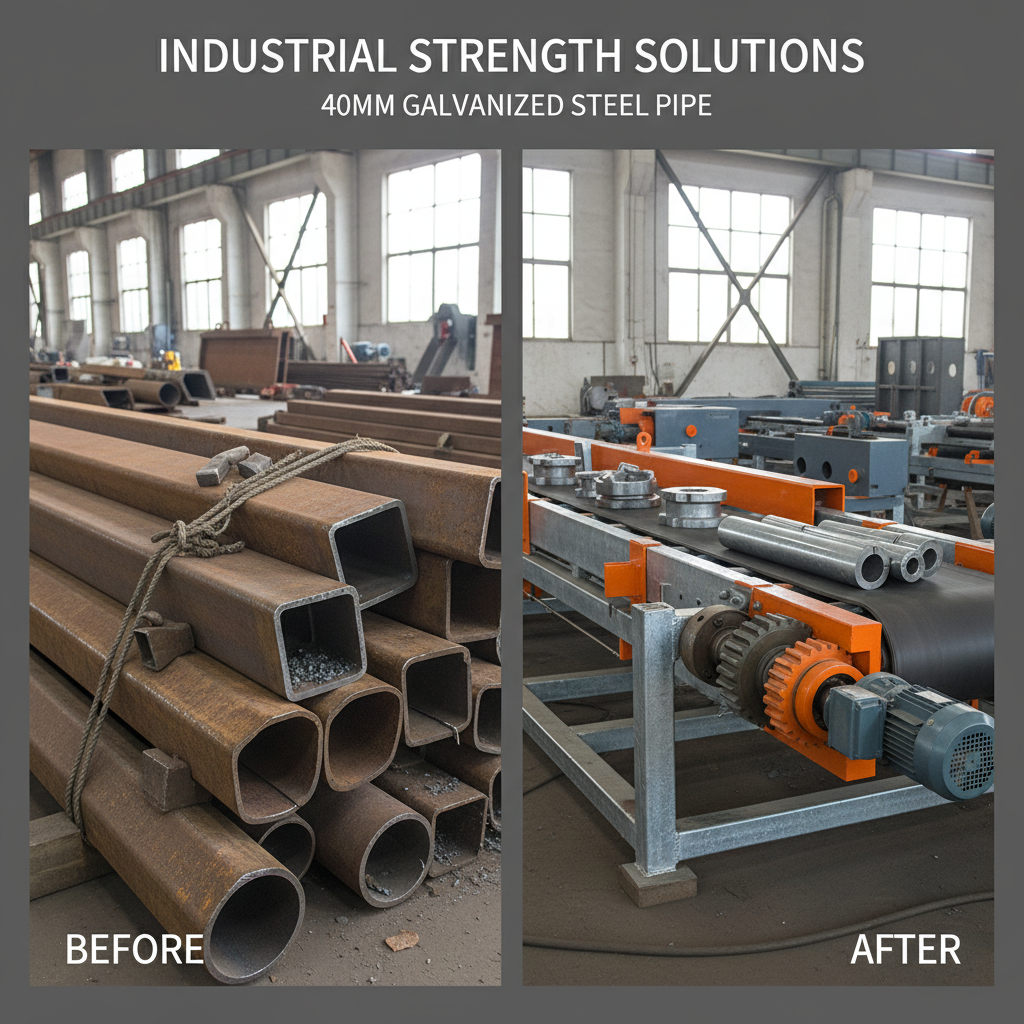
Comprehensive Guide to 40mm Metal Pipe Applications and Sourcing

40mm metal pipe is a crucial component in a wide array of industries, from construction and plumbing to industrial manufacturing and fluid transport. Its strength, durability, and versatility make it a preferred material for countless applications. This article will delve into the specifics of 40mm metal pipe, exploring its various types, common uses, benefits, and where to source high-quality piping solutions.
Comprehensive Guide to 40mm Galvanised Pipe Applications and Specifications

Comprehensive Guide to 40mm Galvanised Pipe Applications and Specifications

When planning a plumbing, structural, or industrial project, selecting the right piping material is crucial. 40mm galvanised pipe is a widely used option known for its strength, durability, and corrosion resistance. This article provides a detailed overview of 40mm galvanised pipes, exploring their applications, benefits, specifications, and considerations for optimal usage. We'll cover everything from what galvanisation is to how to choose the right pipe for your specific needs.
tel email tel top

If you are interested in our products, you can choose to leave your information here, and we will be in touch with you shortly.