tel
Email
to top

16 Gauge Square Tubing for Durable Construction Multiple Gauge Options

Jul 04 2025
share:
  • Introduction and Overview of 16 Gauge Square Tubing
  • Material Composition and Technical Advantages
  • Comparative Data: 12, 11, and 18 Gauge Square Tubing
  • Industry Suppliers and Manufacturer Comparison
  • Customization Options and Engineering Solutions
  • Real-World Applications Across Industries
  • Conclusion: Selecting the Right 16 Gauge Square Tubing

16 gauge square tubing

(16 gauge square tubing)


Introduction and Overview of 16 Gauge Square Tubing

16 gauge square tubing
is a vital structural component used in a broad spectrum of industries, ranging from construction and automotive to furniture and agricultural machinery. Produced primarily from high-strength, cold-rolled steel, this tubing balances formability with durability, making it a preferred choice where weight, strength, and versatility are key criteria. Featuring a nominal wall thickness of 0.065 inches (1.65 mm), 16 gauge square tubing offers outstanding mechanical properties suitable for load-bearing frameworks. In this article, the role of 16 gauge, alongside comparable materials such as 12 gauge square tubing (thicker), 11 gauge square tubing (the thickest), and 18 gauge square tubing (thinner), is explored in-depth to showcase their unique strengths, technical data, customization capabilities, and market options.

Material Composition and Technical Advantages

The composition of 16 gauge square tubing largely defines its performance. Leading manufacturers utilize cold-formed steel grades like ASTM A500 or A513, which guarantee dimensional precision, uniform wall thickness, and robust weldability. Key advantages include:

  • Strength-to-weight ratio: 16 gauge provides excellent support while keeping structural dead load minimal, supporting approximately 18,000 to 21,000 psi yield strength depending on the grade.
  • Formability: Mild steel content ensures ease of cutting, drilling, and welding, suiting complex assembly requirements.
  • Corrosion Resistance: Options include galvanized or pre-painted coatings, resisting oxidation in outdoor or humid environments.
  • Precision: Manufacturing processes and tight tolerances deliver straightness and clean edges, reducing downstream fabrication waste.
  • Sustainability: Steel square tubing is highly recyclable, with over 70% being produced from recycled materials according to the World Steel Association’s 2022 report.
These factors collectively deliver technical reliability in dynamically loaded structures as well as aesthetics for visible building elements.

Comparative Data: 12, 11, and 18 Gauge Square Tubing

The choice between 16 gauge, 12 gauge, 11 gauge, and 18 gauge square tubing ultimately depends on the required balance between structural load, wall thickness, and weight. Here’s a table highlighting critical dimensions, weight, and mechanical specifications:

Property 18 Gauge Square Tubing 16 Gauge Square Tubing 12 Gauge Square Tubing 11 Gauge Square Tubing
Wall Thickness (in) 0.049 0.065 0.109 0.120
Weight per Ft (1" x 1") 0.58 lbs 0.83 lbs 1.31 lbs 1.44 lbs
Yield Strength (psi) ~17,000 ~20,000 ~24,000 ~25,000
Typical Application Load Light bracing, displays Medium-duty frames Heavy-duty supports Maximum load posts
Minimum Radius Bend (in) 1.5 2 3 3.5
Cost Index (USD/lb) 0.92 0.88 0.84 0.82

Thinner gauges, such as 18 gauge, are optimal for light fabrication, while 11 and 12 gauge tubes are chosen for demanding, load-bearing applications. The 16 gauge is recognized for its all-purpose versatility and moderate cost, making it an industry mainstay.

Industry Suppliers and Manufacturer Comparison

Sourcing quality square tubing involves evaluating international and domestic manufacturers on multiple fronts, including certification, consistency, lead times, and service. The following table summarizes key benchmarks among leading suppliers:

Supplier Primary Region MOQ (feet) Lead Time (days) Certifications Customization
Allied Tube & Conduit USA 400 7-12 ASTM, ISO 9001 Yes (sizes, coatings, lengths)
Valmont Tubing USA 1000 10-14 ASTM, CSA, ISO Yes (profiling, strength grades)
JFE Steel Japan 500 14-18 JIS, ISO Yes (surface, precision)
Tianjin Youfa China 3000 18-24 EN, ISO, API Yes (large volumes, overseas shipping)

Domestic suppliers typically offer tighter tolerances and faster delivery for custom orders, while international manufacturers excel in volume pricing and specialized coatings or finishes. Certifications such as ASTM A500 and ISO 9001 should be prioritized for guaranteed material quality and traceability.

Customization Options and Engineering Solutions

To address specific engineering requirements, manufacturers offer a wide variety of customization services for square tubing. This includes alterations in dimensions (from ¾" to 8" square profiles), wall thickness (16 gauge to 7 gauge), and length (cut-to-size from 1’ to 24’). Beyond physical dimensions, users can specify different steel grades for enhanced strength (up to 50 ksi yield or higher), as well as surface treatments:

  • Galvanizing for marine and outdoor corrosion resistance
  • Powder coating or painting for aesthetic integration
  • Pre-punched or slotted holes for rapid on-site assembly
Advanced fabrication can also involve laser cutting, robotic welding, and CNC bending to support intricate frame assemblies for end-users in transportation, architecture, or energy. For construction contractors, pre-engineered kits lessens on-site labor and improves overall project efficiency.

Real-World Applications Across Industries

The adaptability of 16 gauge square tubing is demonstrated across many critical industrial sectors:

  • Construction: Used in window frames, railings, scaffold bracing, and lightweight roof trusses. In North America, square tubing supports millions of linear feet annually.
  • Automotive: Chassis frames and support brackets leverage 16 gauge for impact resistance and manufacturing ease. According to the U.S. Bureau of Transportation Statistics (2023), 70% of light vehicle frame designs specified 16 or 12 gauge tubing.
  • Agricultural: Implements including animal pens, trellises, and greenhouse frameworks use square tubing for weather-resistant durability.
  • Furniture Manufacturing: Modern minimalist and industrial-style designs often require high-strength, low-profile square tubing for desks, chairs, and shelving.
  • Renewable Energy: Mounting racks for solar panels benefit from a balance of cost, strength, and corrosion protection achievable with galvanized 16 gauge profiles.
These cases prove that this material not only meets, but exceeds, rigorous specification demands across disciplines.

Conclusion: Selecting the Right 16 Gauge Square Tubing

Choosing the optimal 16 gauge square tubing integrates both engineering demands and cost-efficiency. With wall thicknesses, consistent grade options, and broad availability, it stands out as a structural staple alongside alternatives like 12, 11, or 18 gauge square tubing. Whether for demanding load-bearing frames or cost-sensitive project prototypes, precise selection based on yield strength, fabrication preferences, and supplier value is essential. When supported by reputable manufacturing partners and tailored custom solutions, 16 gauge square tubing ensures resilient, future-ready infrastructure across an array of modern industries.

16 gauge square tubing

(16 gauge square tubing)


FAQS on 16 gauge square tubing

Q: What is 16 gauge square tubing commonly used for?

A: 16 gauge square tubing is often used in lightweight structural applications like frames, racks, and furniture. Its moderate thickness offers a balance between strength and weight. It's also popular in automotive and DIY projects.

Q: How does 12 gauge square tubing compare to 16 gauge in terms of strength?

A: 12 gauge square tubing is thicker and stronger than 16 gauge tubing. It is ideal for heavy-duty structural projects requiring greater load-bearing capacity. This makes it a preferred choice for construction and industrial frameworks.

Q: Can 18 gauge square tubing be welded easily?

A: Yes, 18 gauge square tubing can be welded, but its thinner walls require careful handling. Lower heat settings and appropriate techniques help prevent burn-through. It's best suited for projects with low-stress requirements.

Q: What are the main applications for 11 gauge square tubing?

A: 11 gauge square tubing is used in applications demanding superior strength, such as support columns and trailer frames. Its thick walls provide excellent resistance to deformation and high loads. It's commonly found in heavy equipment and construction.

Q: How do you choose the right gauge for your square tubing project?

A: Consider the load requirements and intended use to determine the appropriate gauge—for light projects, 16 or 18 gauge may suffice. For heavy duty or structural purposes, opt for 12 or 11 gauge. Thicker tubing offers more strength but adds weight and cost.
  • Flange

    Flange

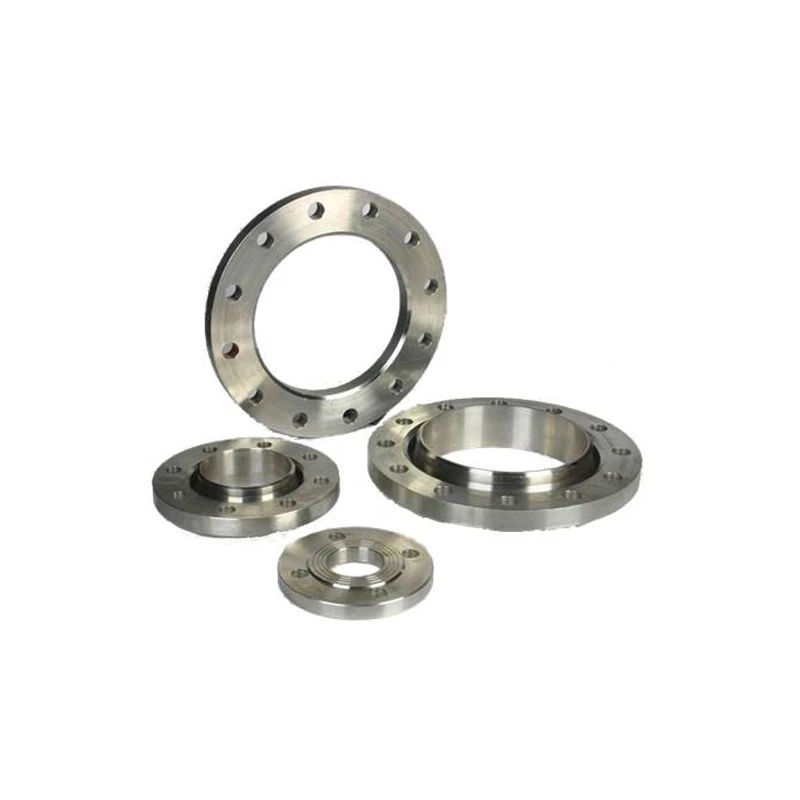
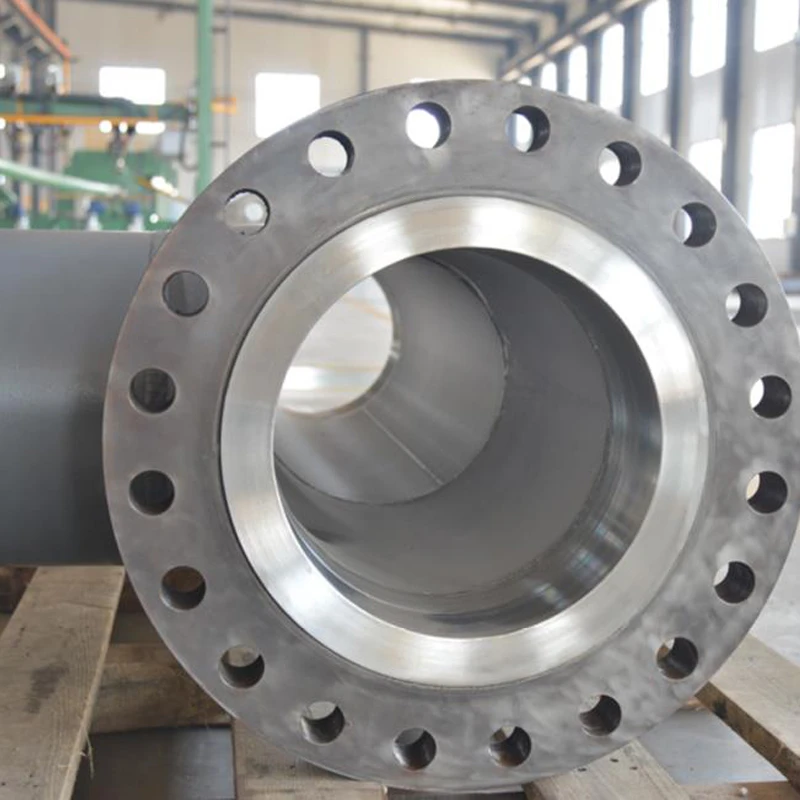
    Flange Product Introduction Flanges are used to connect pipes to pipes or pipes to equipment, ensuring a sealed and stable connection. They prevent fluid leakage and can withstand certain pressures and stresses, ensuring reliable connections. Flange nominal diameters range from DN15-DN2000 and beyond, covering various pipeline connection needs. Flanges primarily adhere to international standards such as ASME B16.5-2020, ASME B16.47-2020, and API 6A-2018.
    VIEW ALL
  • Anti Corrosion And Thermal Insulation Products
    Anti Corrosion And Thermal Insulation Products

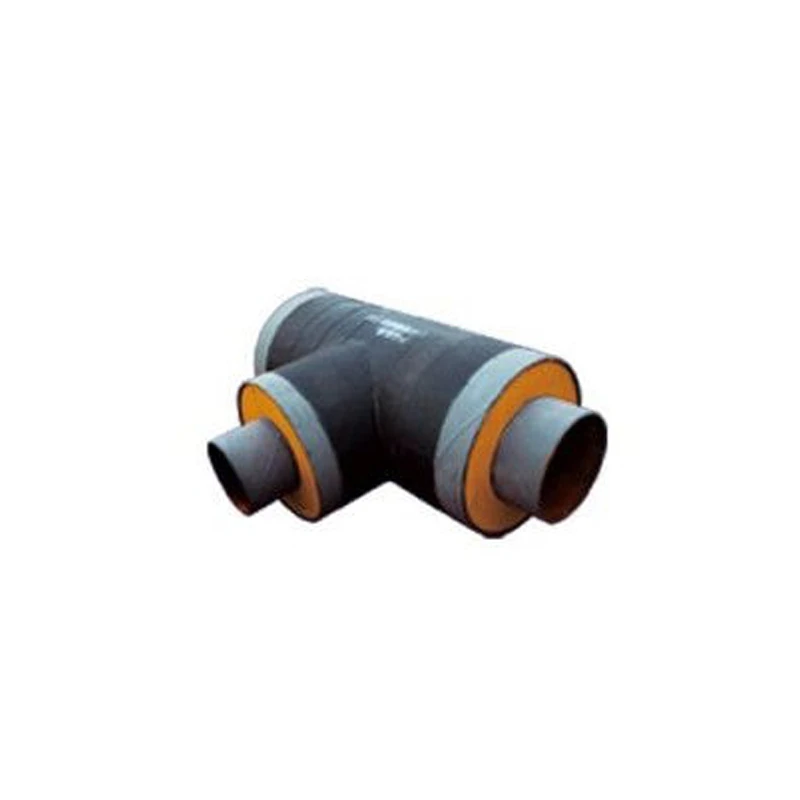
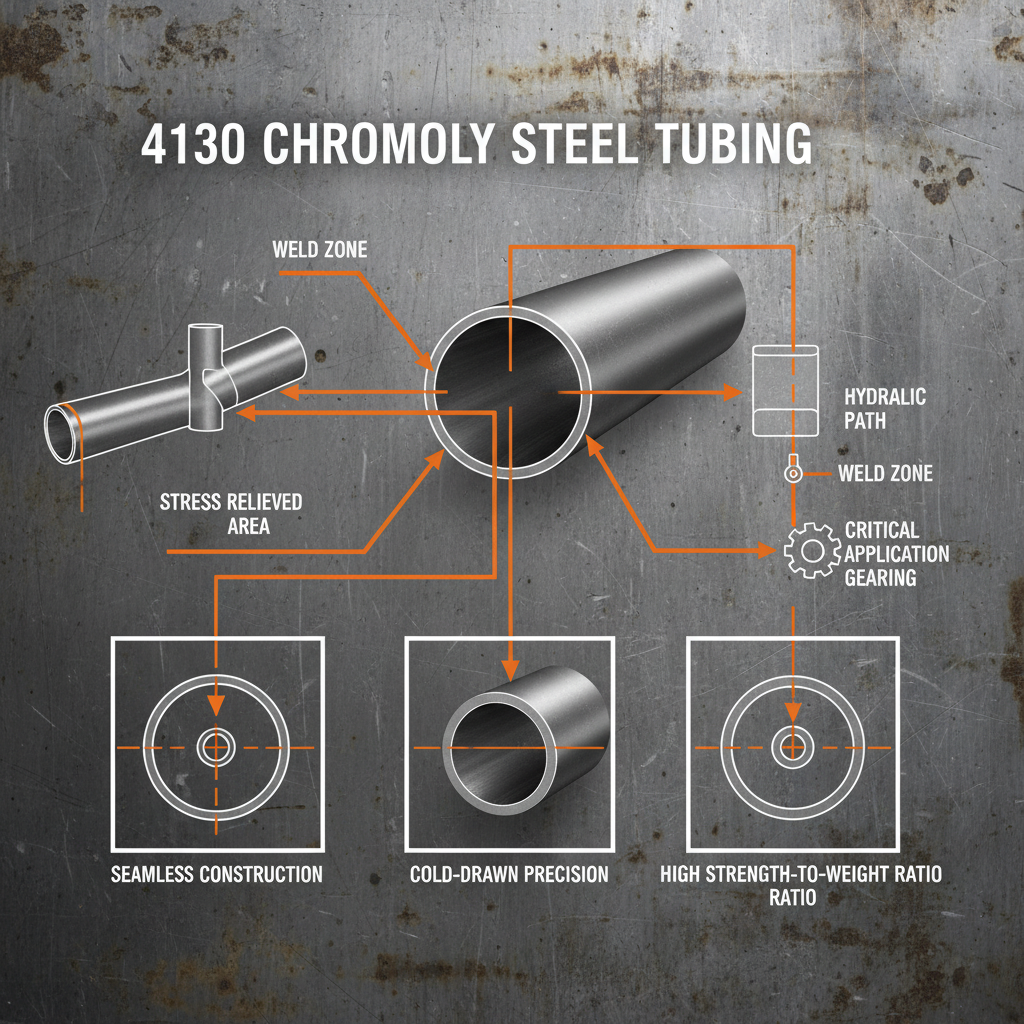
    The anti-corrosion and thermal insulation products we focus on produce play a key role in the industrial pipeline system, especially the thermal insulation pipe fittings and steel pipes. Thermal insulation pipe fittings cover elbows, tees, reducers and pipe supports, with specifications ranging from DN15 to DN1800, and are made of carbon steel, alloy steel, stainless steel, bimetallic composite, nickel-based alloy and other materials.
    VIEW ALL
  • Factory Prefabricated Products

    Factory Prefabricated Products
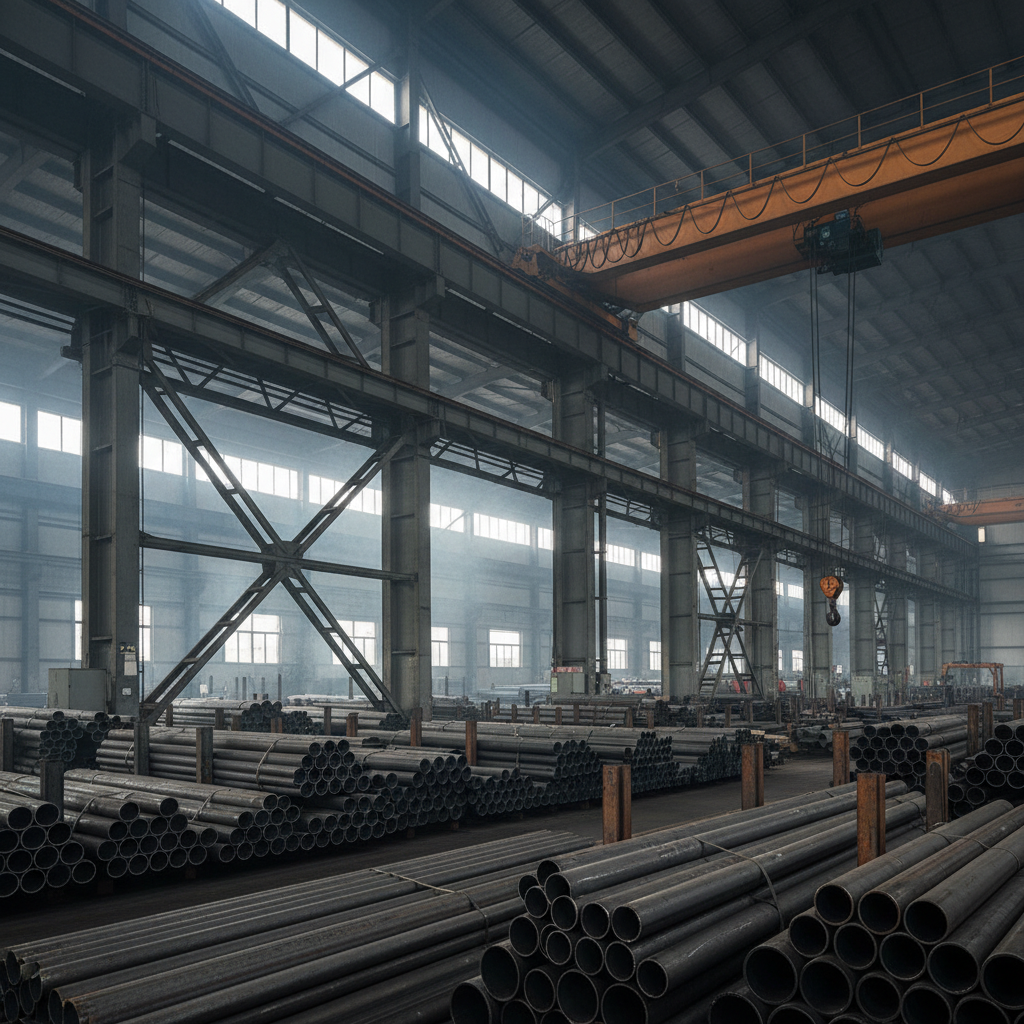
    In modern industrial construction, the quality and supply efficiency of pipe fittings directly affect the success or failure of the project. With advanced production concept and strong technical strength, we focus on the factory prefabrication of products, and provide all-round pipe fitting solutions for many key fields such as petrochemical industry and coal chemical industry.
    VIEW ALL
To create value for customers!
Cangzhou Leo Technology Co., Ltd. is located in Mengcun County Economic Development Zone, Cangzhou City, Hebei Province. It is a specialized high-tech enterprise that integrates the research and development, production, and sales of composite pipes and fittings.
News
The company regards product quality as the life of the enterprise, establishes a sound quality management system in accordance with the requirements of industry and national standards, controls all aspects of input and output in the whole process, pays attention to every detail, and ensures that the product delivery pass rate is 100%.
Ultimate Guide to 4130 Tubing Strength Performance and Applications
Ultimate Guide to 4130 Tubing Strength Performance and Applications

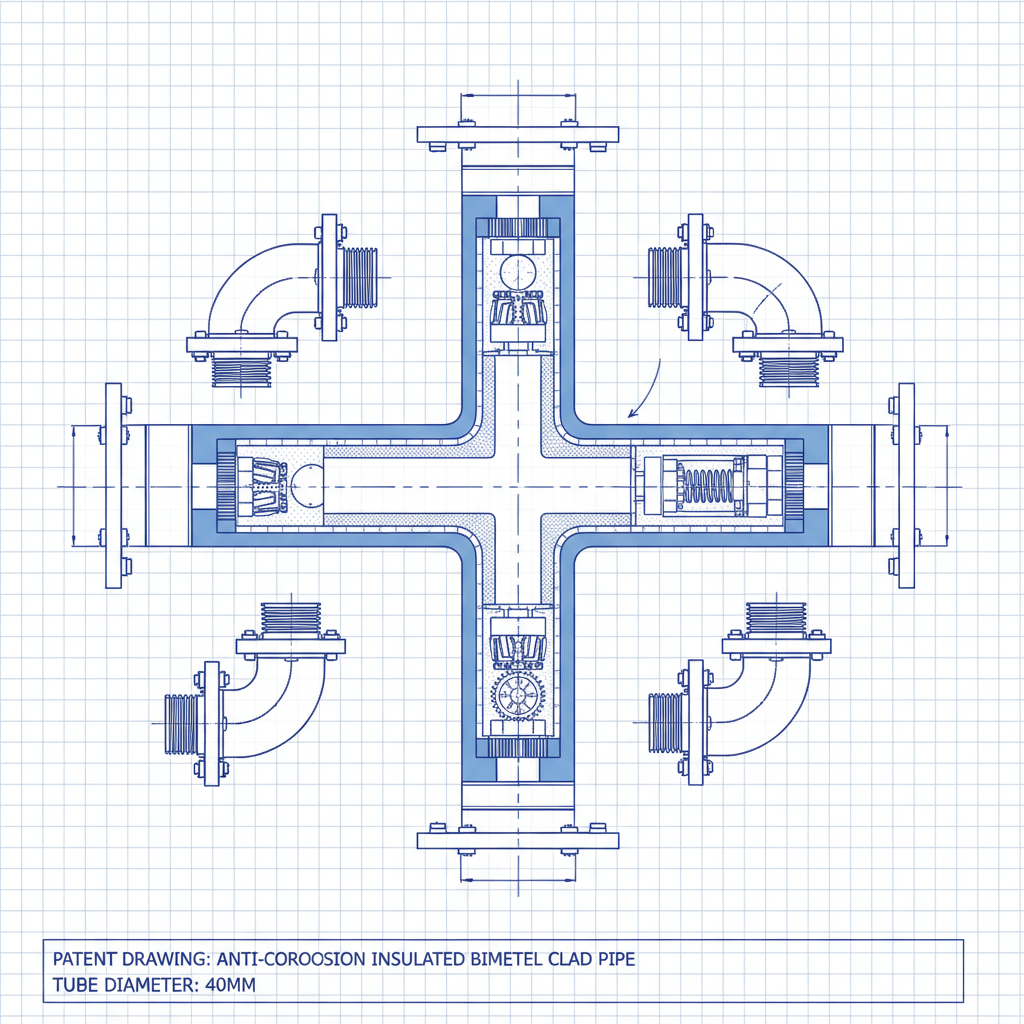
In the world of high-performance engineering, material selection is the foundation of safety and efficiency. 4130 tubing is widely regarded as the gold standard for applications requiring an exceptional strength-to-weight ratio. This chrome-molybdenum alloy steel is engineered to withstand extreme stress while remaining lightweight enough for aerospace and automotive use. Whether you are designing a roll cage, a bicycle frame, or a critical industrial component, understanding the nuances of this material is essential. In this comprehensive guide, we will explore why this specific alloy is preferred by engineers worldwide and how to choose the right specifications for your project.
Properties and Industrial Applications of 4130 steel tubing
Properties and Industrial Applications of 4130 steel tubing

In the world of high-performance engineering, material selection is the foundation of safety and efficiency. 4130 steel tubing is widely recognized as the gold standard for applications requiring an exceptional strength-to-weight ratio. Known for its versatility and reliability, this chromium-molybdenum alloy is the preferred choice for everything from aircraft frames to professional roll cages. Understanding the nuances of this material allows engineers to optimize structural integrity without adding unnecessary bulk. In this comprehensive guide, we will explore why this specific alloy remains a top choice for critical industrial and aerospace components.
Comprehensive Guide to 40mm Steel Tube Applications and Material Selection
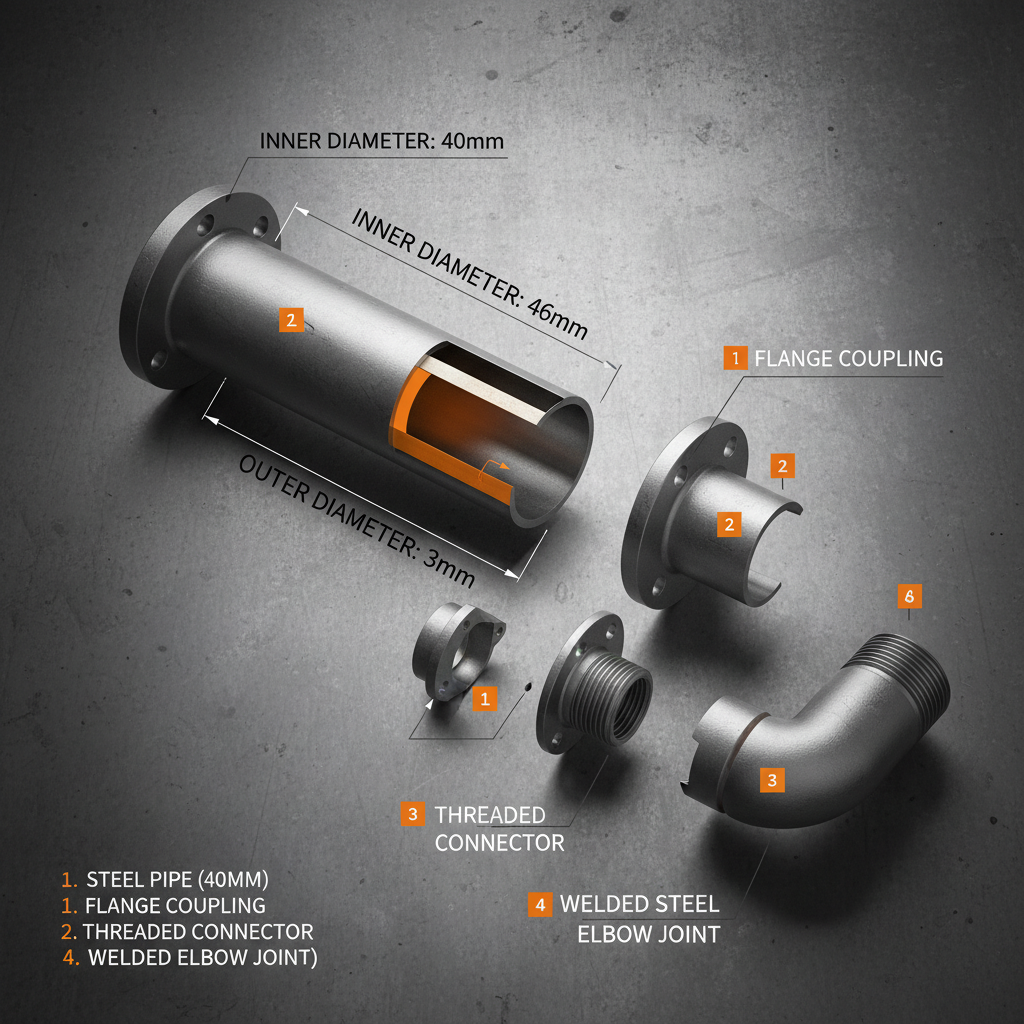
Comprehensive Guide to 40mm Steel Tube Applications and Material Selection

40mm steel tube is a versatile and widely used material in various industries, from construction and manufacturing to automotive and beyond. Its strength, durability, and cost-effectiveness make it an ideal choice for numerous applications. This article will delve into the characteristics, applications, benefits, and considerations when working with 40mm steel tube, providing a comprehensive overview for professionals and anyone interested in this essential material.
Comprehensive Guide to 40mm Steel Pipe Applications and Considerations
Comprehensive Guide to 40mm Steel Pipe Applications and Considerations

40mm steel pipe is a widely used material in various industries due to its strength, durability, and cost-effectiveness. From construction and infrastructure projects to industrial applications and fluid transportation, this pipe size offers a versatile solution. This article will delve into the properties, applications, standards, and key considerations when selecting 40mm steel pipe, helping you make informed decisions for your specific needs.
Comprehensive Guide to 40mm Metal Pipe Applications and Sourcing
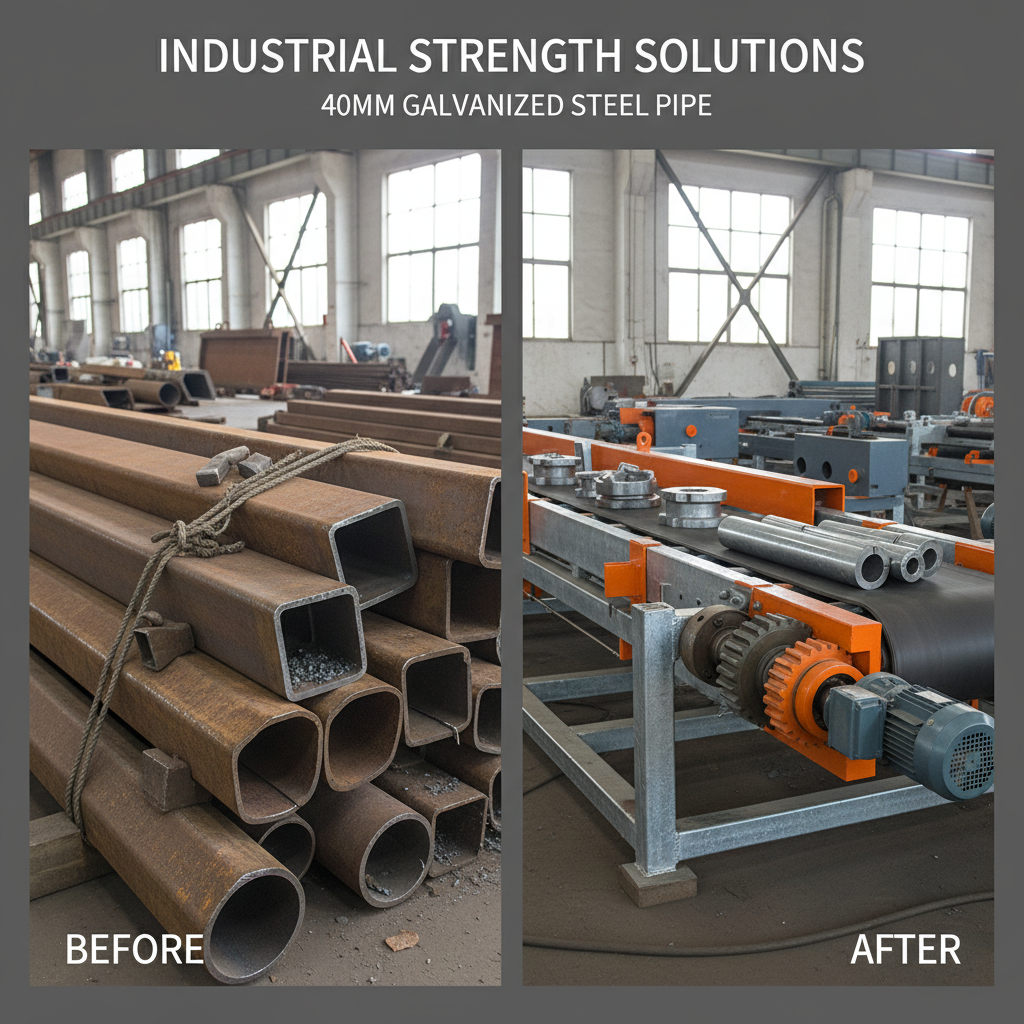
Comprehensive Guide to 40mm Metal Pipe Applications and Sourcing

40mm metal pipe is a crucial component in a wide array of industries, from construction and plumbing to industrial manufacturing and fluid transport. Its strength, durability, and versatility make it a preferred material for countless applications. This article will delve into the specifics of 40mm metal pipe, exploring its various types, common uses, benefits, and where to source high-quality piping solutions.
Comprehensive Guide to 40mm Galvanised Pipe Applications and Specifications

Comprehensive Guide to 40mm Galvanised Pipe Applications and Specifications

When planning a plumbing, structural, or industrial project, selecting the right piping material is crucial. 40mm galvanised pipe is a widely used option known for its strength, durability, and corrosion resistance. This article provides a detailed overview of 40mm galvanised pipes, exploring their applications, benefits, specifications, and considerations for optimal usage. We'll cover everything from what galvanisation is to how to choose the right pipe for your specific needs.
tel email tel top

If you are interested in our products, you can choose to leave your information here, and we will be in touch with you shortly.