Body flanges are critical components in piping systems, serving as connection points for mechanical steel pipe sections, valves, and other equipment. This article explores the role, types, and applications of body flange components, with a focus on materials such as carbon steel seamless pipes and customized steel pipe solutions. The discussion covers design considerations, industry standards, and practical uses, concluding with key takeaways for selecting the right flange for specific needs.
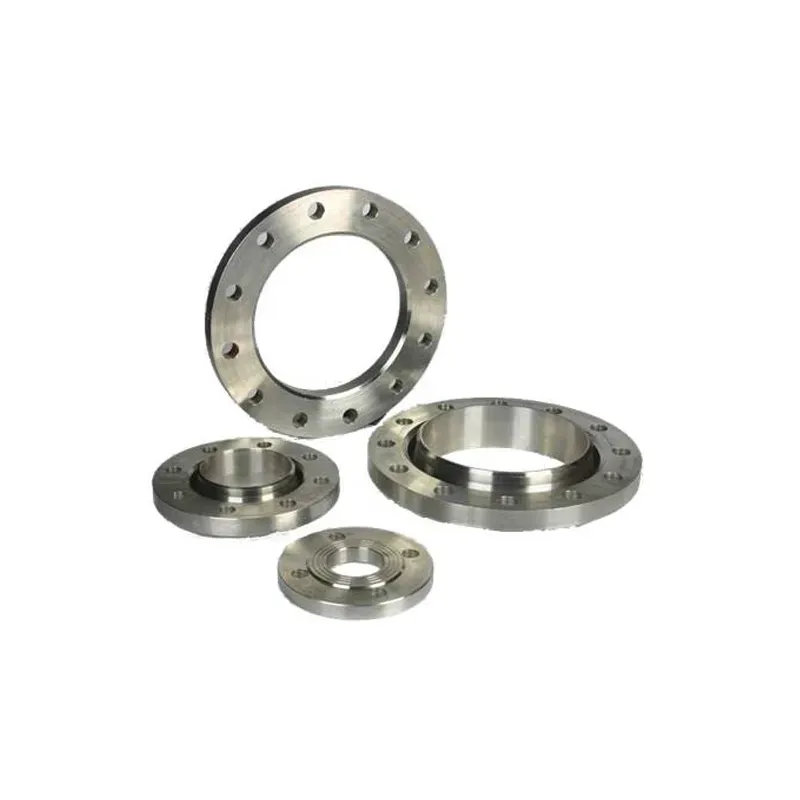
Body flanges come in various designs to accommodate different piping requirements. The most common types include weld neck, slip-on, and threaded flanges, each serving specific connection needs in mechanical steel pipe networks. Weld neck flanges provide the strongest connection for high-pressure systems, while slip-on variants offer easier installation for less demanding applications. Threaded flanges are typically used in smaller diameter pipes where welding is impractical.
The butterfly flange represents a specialized category designed for quick-disconnect applications. These flanges feature a unique clamping mechanism that allows rapid assembly and disassembly without compromising seal integrity. They are commonly used in conjunction with carbon seamless pipe systems in industries requiring frequent maintenance access or temporary piping configurations. Their design makes them particularly valuable in food processing and pharmaceutical applications where sanitation is critical.
In industrial settings, body flanges serve as crucial junction points in complex piping networks. Oil refineries utilize them extensively to connect different processing units, while power plants rely on them for steam and coolant line connections. The versatility of customized steel pipe solutions allows engineers to specify flanges with exact dimensional requirements to fit existing infrastructure, reducing modification costs during system upgrades or expansions.
The manufacturing process for body flanges follows strict quality protocols to ensure reliability in demanding applications. Carbon steel seamless flanges undergo precision forging or machining to achieve the required dimensional tolerances and surface finishes. Advanced manufacturing techniques, including computer-controlled machining centers, guarantee consistency across production batches, which is critical for maintaining interchangeability in large-scale piping projects.
Material selection plays a pivotal role in flange performance. Carbon seamless variants offer superior strength-to-weight ratios compared to cast alternatives, making them ideal for high-pressure applications. For corrosive environments, manufacturers may apply specialized coatings or recommend alloy steel compositions. The butterfly flange, while often made from standard carbon steel, may incorporate stainless steel components in its clamping mechanism to enhance durability and prevent galling during repeated use.
International standards govern every aspect of flange production, from dimensional specifications to material properties. ASME B16.5 and EN 1092-1 are among the most widely recognized standards, ensuring compatibility across global markets. These standards specify not only physical dimensions but also pressure-temperature ratings, helping engineers select appropriate body flange configurations for specific operating conditions. Third-party certification bodies frequently audit manufacturing facilities to verify compliance with these critical standards.
Proper installation begins with the thorough preparation of mating surfaces. Technicians must remove all contaminants and verify surface flatness using precision measuring tools. The selection of appropriate gasket materials is equally important, with choices ranging from compressed fiber for low-pressure applications to spiral-wound metal for high-temperature services. Proper bolt selection and torque application are critical to achieving uniform compression across the entire body flange interface.
Ongoing maintenance programs should include regular visual inspections and torque checks. In carbon steel seamless piping systems, particular attention must be paid to potential corrosion at flange joints, which can compromise structural integrity. Advanced inspection techniques, such as ultrasonic thickness testing, help detect material loss before it becomes critical. For butterfly flange installations, maintenance routines should include lubrication of moving parts and verification of clamping force to prevent leaks.
Documentation plays a vital role in effective flange management. Maintenance records should detail installation dates, torque values, and any replacement components used. For customized steel pipe configurations, keeping as-built drawings and material certifications on file ensures proper maintenance and simplifies future modifications. Many industrial facilities implement digital asset management systems to track the performance history of critical flange connections throughout their service life.
Selecting the appropriate body flange requires careful consideration of material, pressure requirements, and environmental conditions. Carbon steel seamless options provide reliability for heavy-duty applications, while customized steel pipe solutions offer flexibility for unique project demands. The butterfly flange remains a practical choice for systems requiring frequent modifications. By adhering to industry standards and evaluating operational needs, engineers can ensure optimal performance and safety in piping systems.
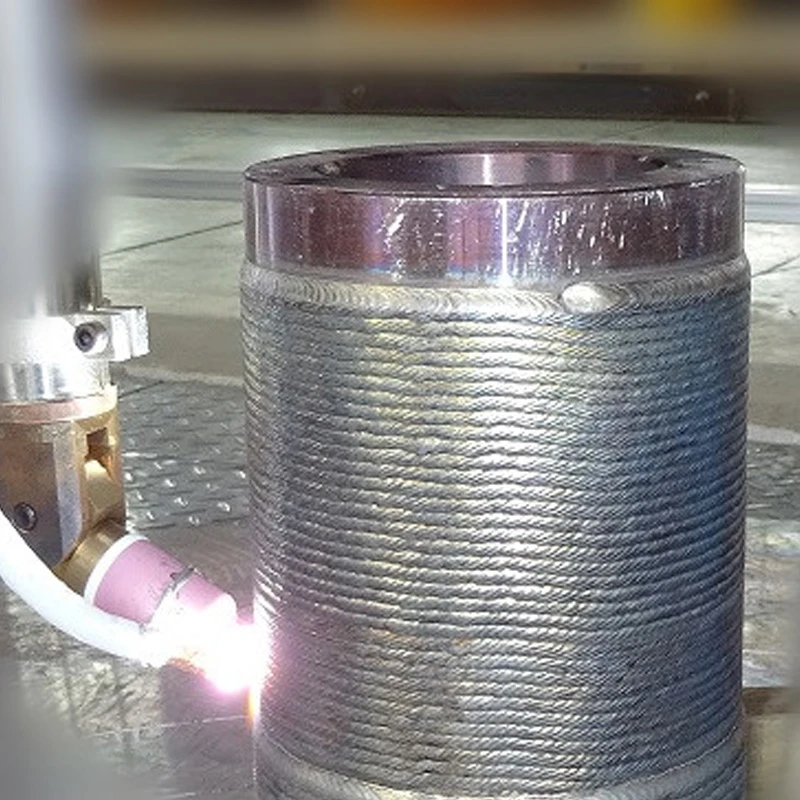
Overlay Welding Clad Steel Pipe
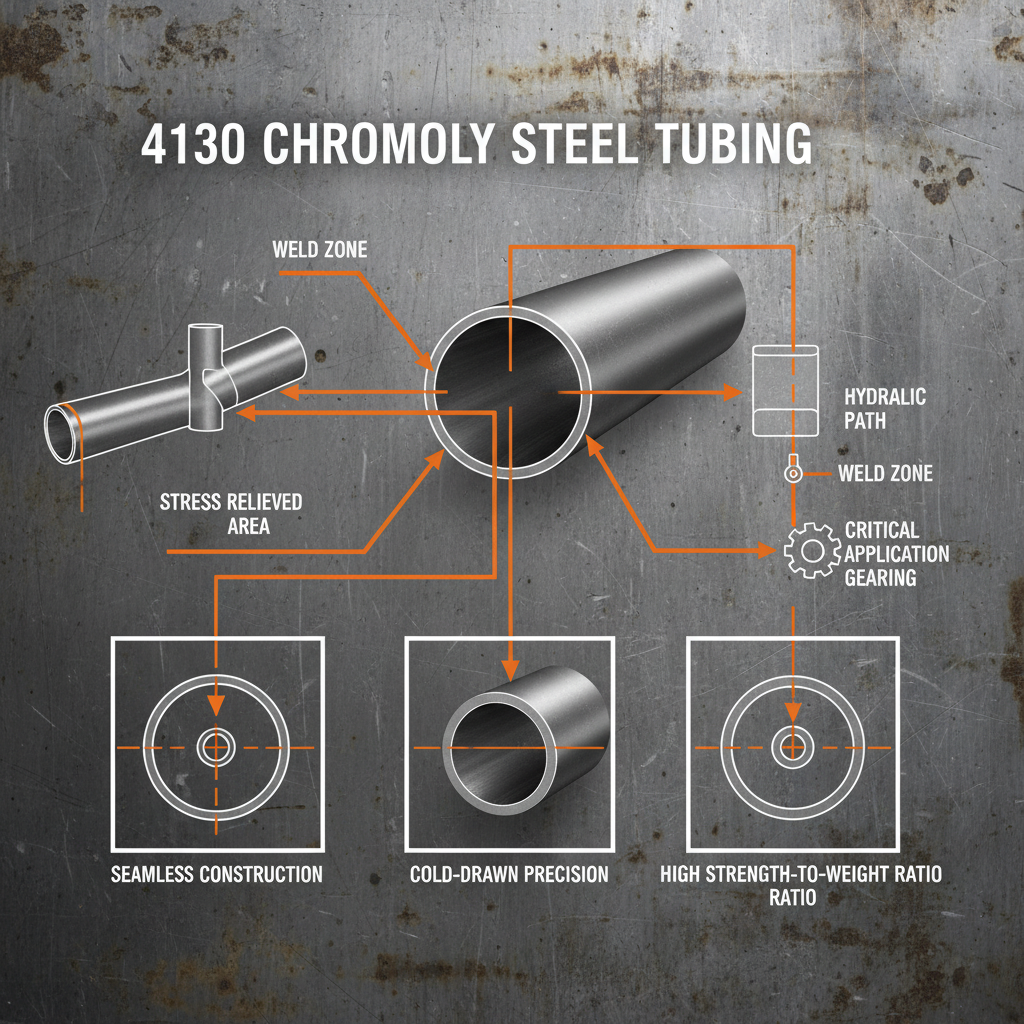
Ultimate Guide to 4130 Tubing Strength Performance and Applications
Properties and Industrial Applications of 4130 steel tubing
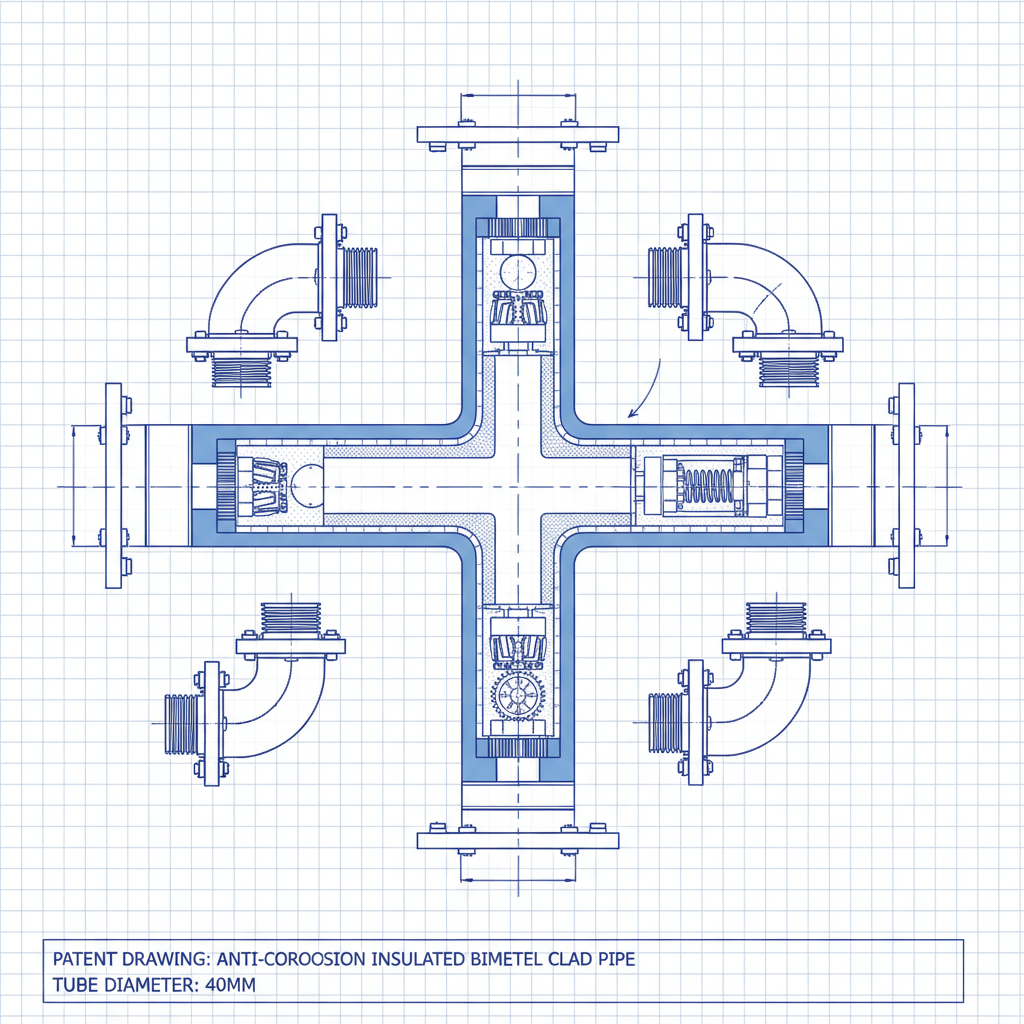
Comprehensive Guide to 40mm Steel Tube Applications and Material Selection
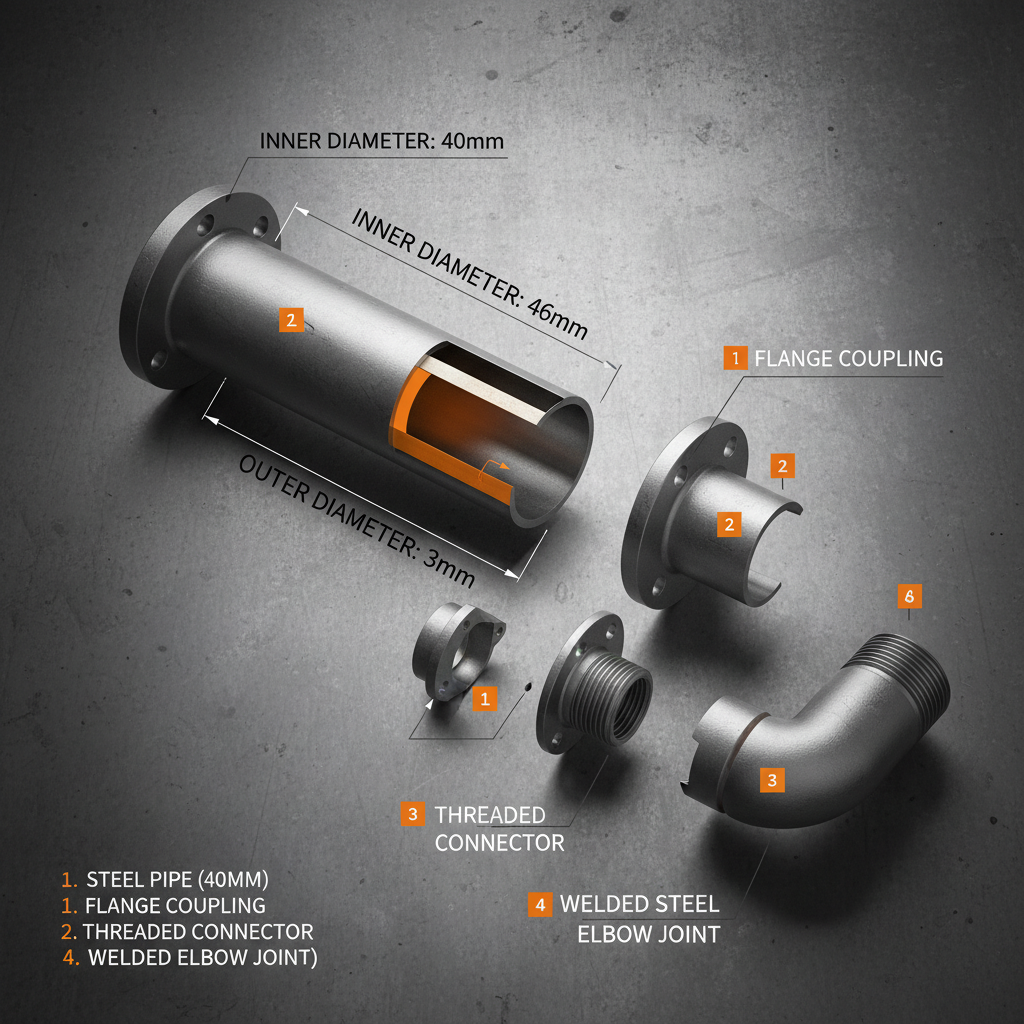
Comprehensive Guide to 40mm Steel Pipe Applications and Considerations
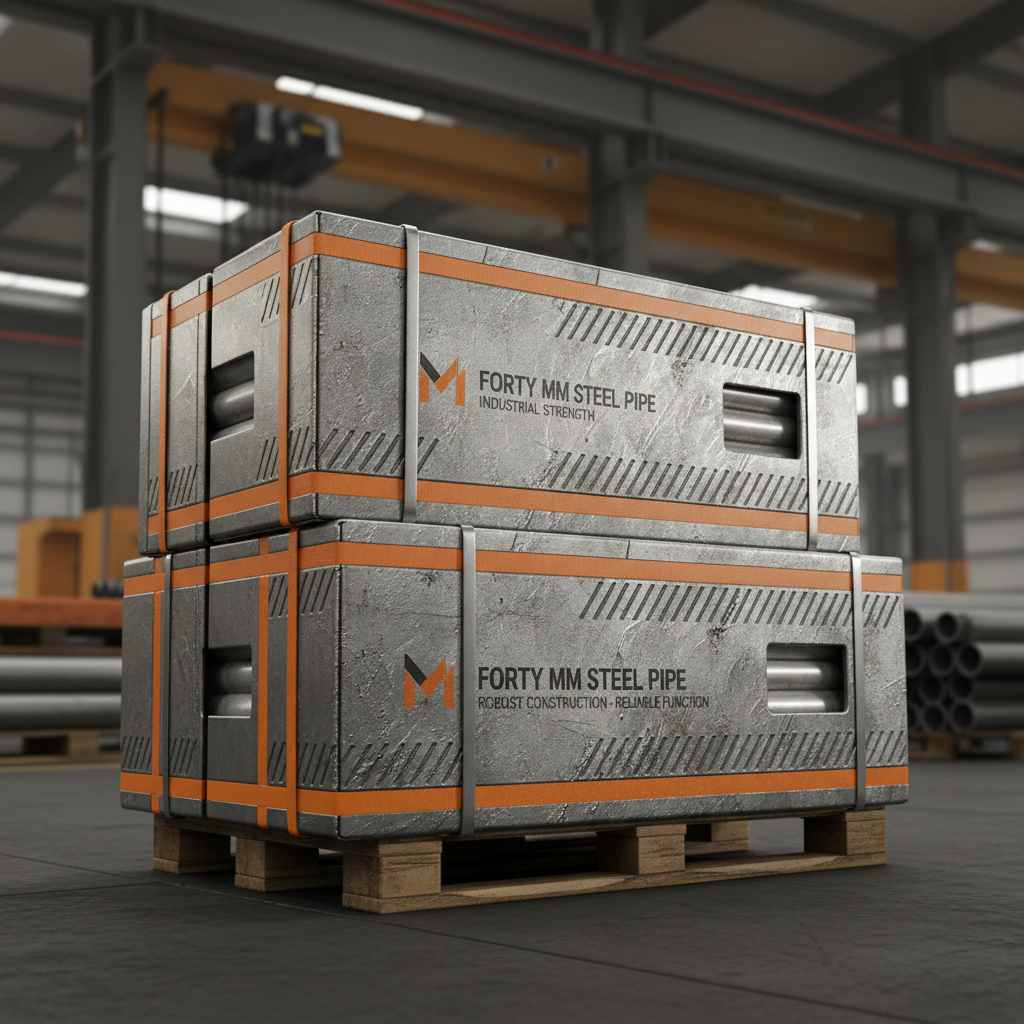
Comprehensive Guide to 40mm Metal Pipe Applications and Sourcing
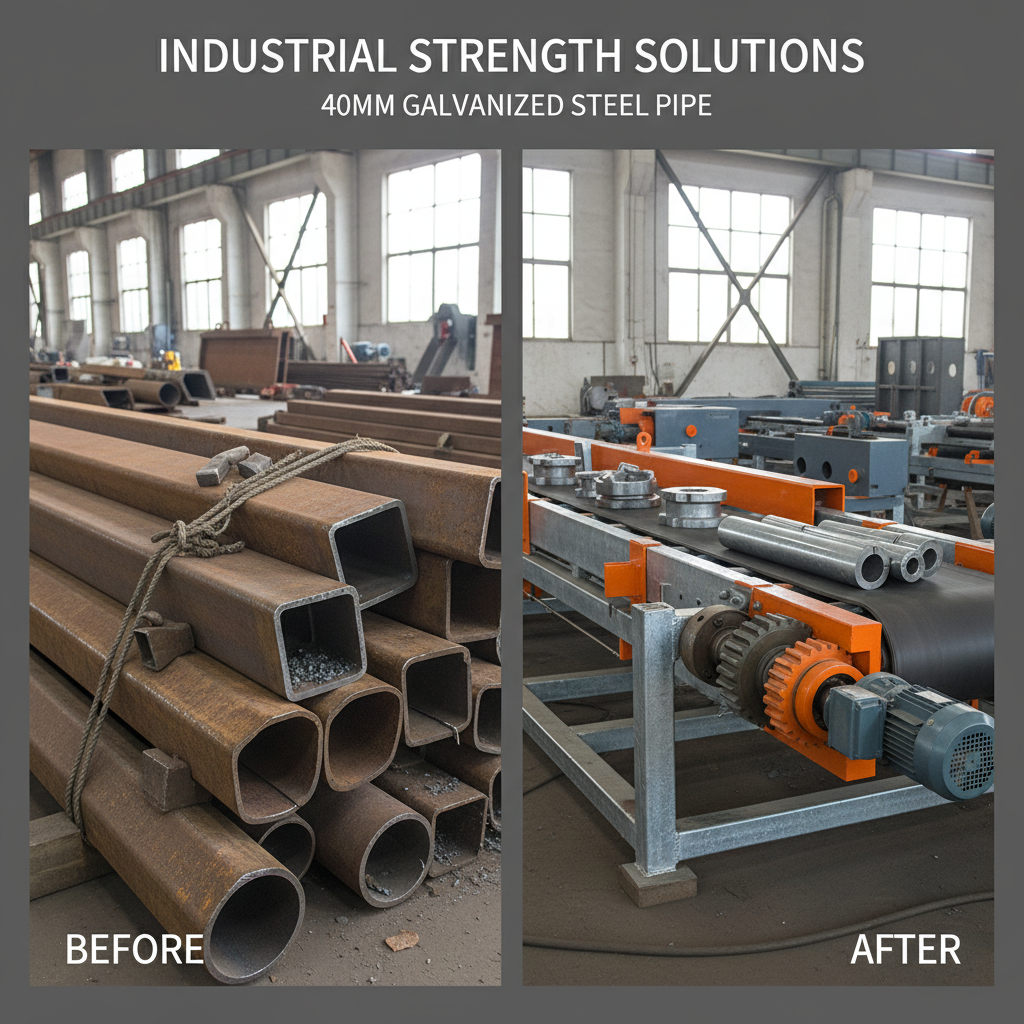
Comprehensive Guide to 40mm Galvanised Pipe Applications and Specifications