tel
Email
to top

Comprehensive Guide to 40mm Galvanised Pipe Applications and Specifications

Mar 28 2026
share:

Understanding 40mm Galvanised Pipe: A Comprehensive Guide

When planning a plumbing, structural, or industrial project, selecting the right piping material is crucial. 40mm galvanised pipe is a widely used option known for its strength, durability, and corrosion resistance. This article provides a detailed overview of 40mm galvanised pipes, exploring their applications, benefits, specifications, and considerations for optimal usage. We'll cover everything from what galvanisation is to how to choose the right pipe for your specific needs.
Comprehensive Guide to 40mm Galvanised Pipe Applications and Specifications

What is Galvanisation and Why is it Important?

Galvanisation is the process of applying a protective zinc coating to steel or iron, preventing rusting. This is achieved through hot-dip galvanisation, electrogalvanisation, or other methods. The zinc coating acts as a barrier against corrosive elements, sacrificing itself to protect the underlying steel. This significantly extends the lifespan of the pipe, even in harsh environments. Without galvanisation, steel pipes would rapidly corrode, leading to leaks, structural failures, and costly repairs. This protective layer is particularly vital for outdoor applications and those exposed to moisture or chemicals.

Key Benefit: Galvanisation dramatically increases the lifespan of steel pipes by protecting them from rust and corrosion, reducing maintenance and replacement costs.

Common Applications of 40mm Galvanised Pipe

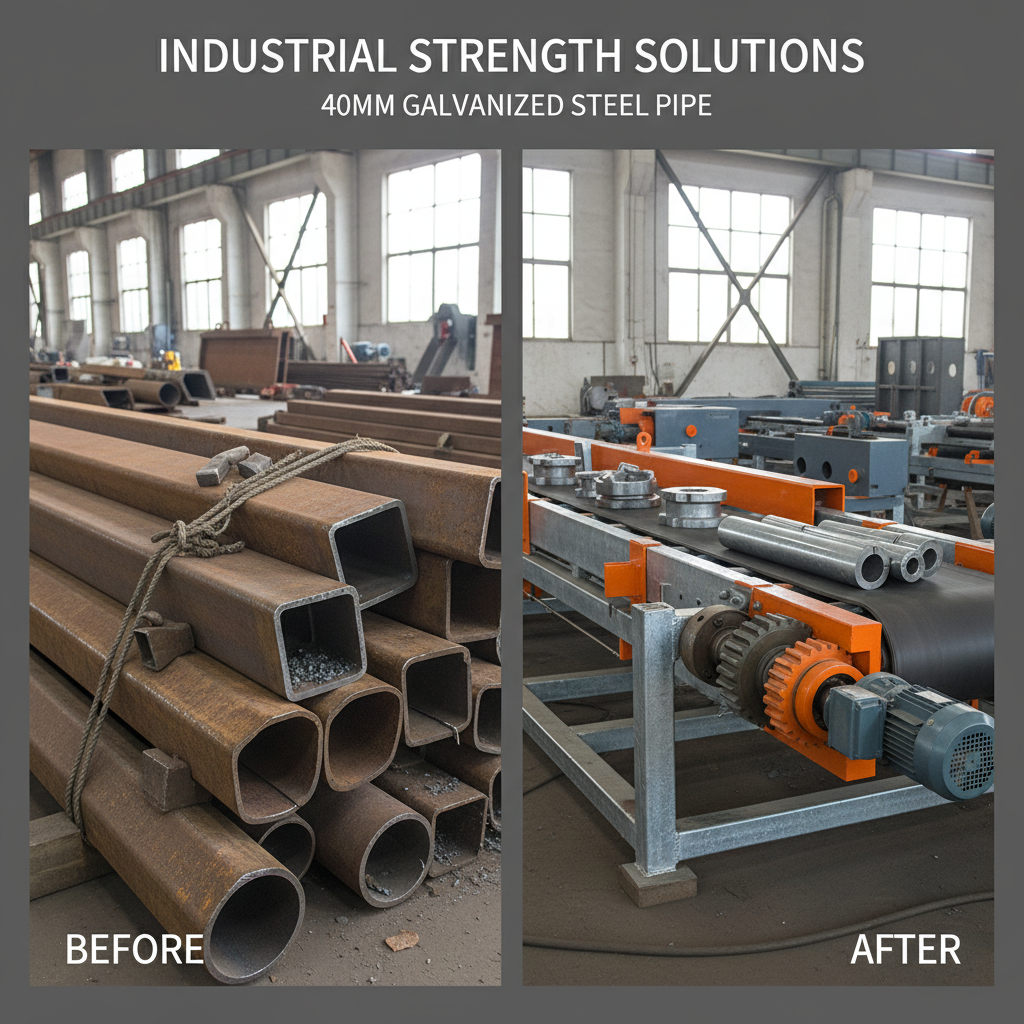
40mm galvanised pipe finds extensive use across various industries and applications. These include: plumbing systems for water supply, fire sprinkler systems, structural support for fencing and handrails, industrial pipelines for transporting fluids, and irrigation systems. Its robust nature makes it suitable for both high-pressure and gravity-fed applications. The 40mm diameter is a popular size, offering a balance between flow capacity and cost-effectiveness. It’s frequently used in both residential and commercial construction projects.

Key Application Areas:

• Plumbing & Water Supply

• Fire Sprinkler Systems

• Structural Support (Fencing, Handrails)

• Industrial Pipelines

• Irrigation Systems

40mm Galvanised Pipe: Specifications and Standards

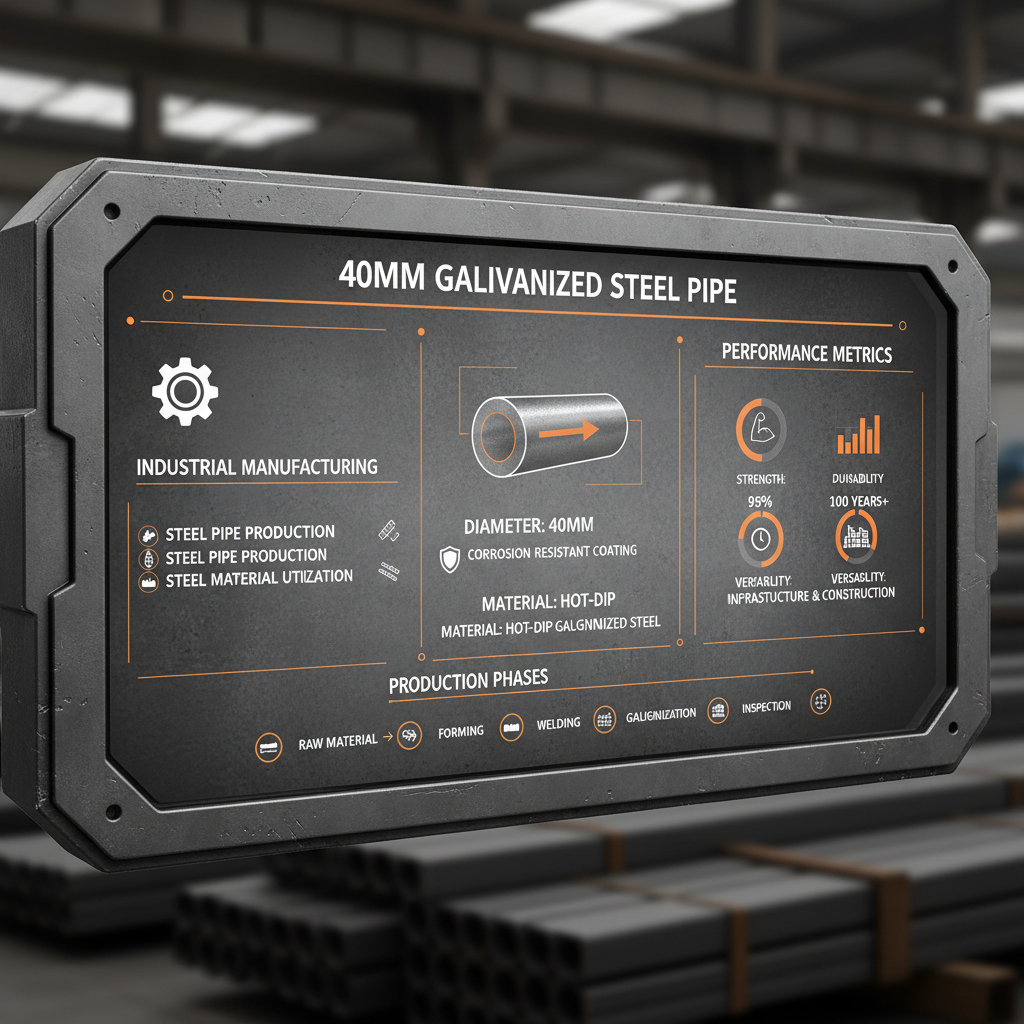
Understanding the specifications of 40mm galvanised pipe is crucial for ensuring its suitability for a particular application. Key specifications include outside diameter, wall thickness, and material grade. Common standards governing galvanised steel pipes include ASTM A53 and BS EN 10255. These standards dictate the manufacturing process, material composition, and testing requirements. Wall thickness is classified by schedule numbers (e.g., Schedule 40, Schedule 80), with higher numbers indicating thicker walls and greater pressure resistance. Lion Pipeline provides pipes compliant with these industry standards.

Specification Schedule 40 Schedule 80
Outside Diameter (mm) 40 40
Wall Thickness (mm) 2.38 3.37
Weight per Meter (kg) 1.84 2.43

Advantages of Choosing 40mm Galvanised Pipe

Opting for 40mm galvanised pipe offers numerous advantages. These include its affordability compared to other materials like stainless steel or copper, its high tensile strength, its resistance to corrosion, and its relatively simple installation process using threaded connections. It's also readily available from suppliers globally, ensuring project timelines aren't delayed.
Comprehensive Guide to 40mm Galvanised Pipe Applications and Specifications
Selecting the correct galvanised pipe will yield a cost-effective and reliable solution for your piping requirements.

Considerations When Using 40mm Galvanised Pipe

While highly durable, 40mm galvanised pipe does have certain considerations. The zinc coating can be damaged during cutting or welding, requiring re-galvanisation of affected areas. Also, galvanised pipes can, over time, develop a buildup of zinc scale which can affect water quality. Finally, in some highly acidic or alkaline environments, the galvanisation may degrade faster. Regular inspection and proper maintenance are vital to ensure long-term performance. Lion Pipeline can provide guidance on optimal usage for your specific application.

Conclusion: A Reliable Piping Solution

40mm galvanised pipe remains a popular and effective piping solution for a wide range of applications. Its combination of strength, durability, and corrosion resistance, coupled with its affordability, makes it a wise choice for many projects. By understanding its specifications, benefits, and considerations, you can ensure optimal performance and longevity. Invest in quality galvanised pipe from a trusted supplier like Lion Pipeline for a reliable and long-lasting solution.

Frequently Asked Questions (FAQs)

What is the typical lifespan of 40mm galvanised pipe?

The lifespan of 40mm galvanised pipe varies depending on the environment and exposure to corrosive elements. However, a properly installed and maintained galvanised pipe can last anywhere from 40 to 70 years or even longer. Factors that can affect lifespan include soil conditions (for buried pipes), exposure to salt spray (in coastal areas), and the pH level of the fluids being transported. Regular inspections and maintenance, such as applying protective coatings when necessary, can help extend the lifespan.

Can 40mm galvanised pipe be used for drinking water?

While historically used for potable water, there are concerns about the potential for lead leaching and zinc contamination, especially in older systems. Modern manufacturing processes have reduced these risks, but it’s crucial to check local plumbing codes and regulations. Many jurisdictions now require the use of lead-free materials for drinking water systems. Lion Pipeline offers alternative piping materials specifically designed for potable water applications, ensuring compliance with safety standards.

What is the best way to connect 40mm galvanised pipes?

The most common method for connecting 40mm galvanised pipes is through threaded connections, using pipe fittings such as elbows, tees, and couplings. Proper threading and the use of pipe dope or Teflon tape are essential to ensure a leak-proof seal. Welding is also possible but requires skilled welders and precautions to avoid damaging the galvanisation. For larger diameter pipes, flanged connections may be preferred. It is imperative to follow industry best practices and local building codes for all connections.
  • Elbow

    Elbow

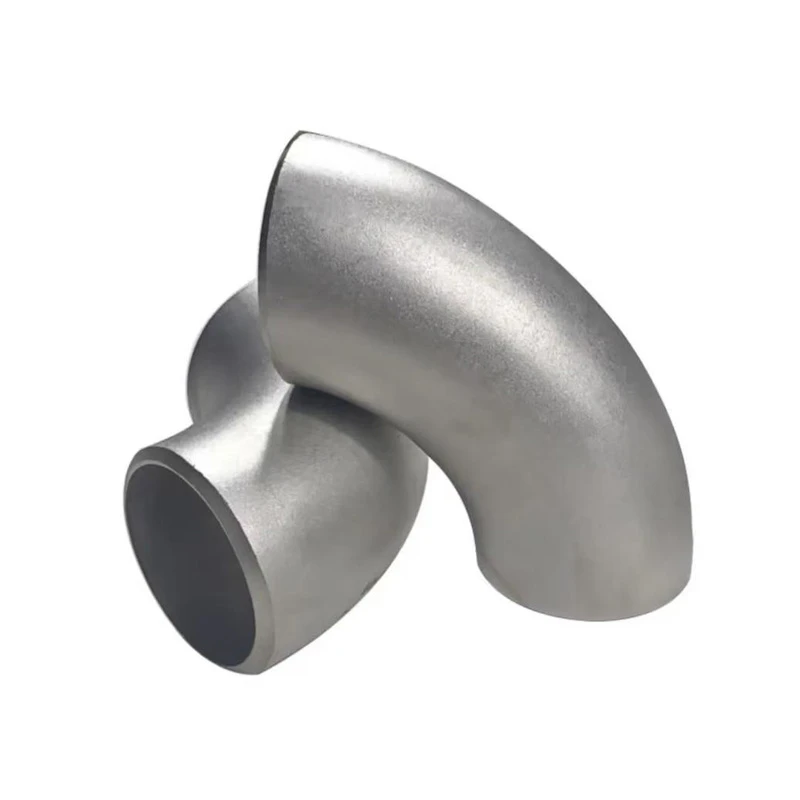
    Carbon Steel &stainless Steel Elbow Elbows are pipe fittings used to change the direction of pipelines in piping systems, commonly employed at pipeline bends. They are widely used in industries such as petroleum, chemical, and power. The common size range for elbows is DN15-DN2000, and typical angles include 45°, 90°, and 180°.
    VIEW ALL
  • Bend Pipe

    Bend Pipe

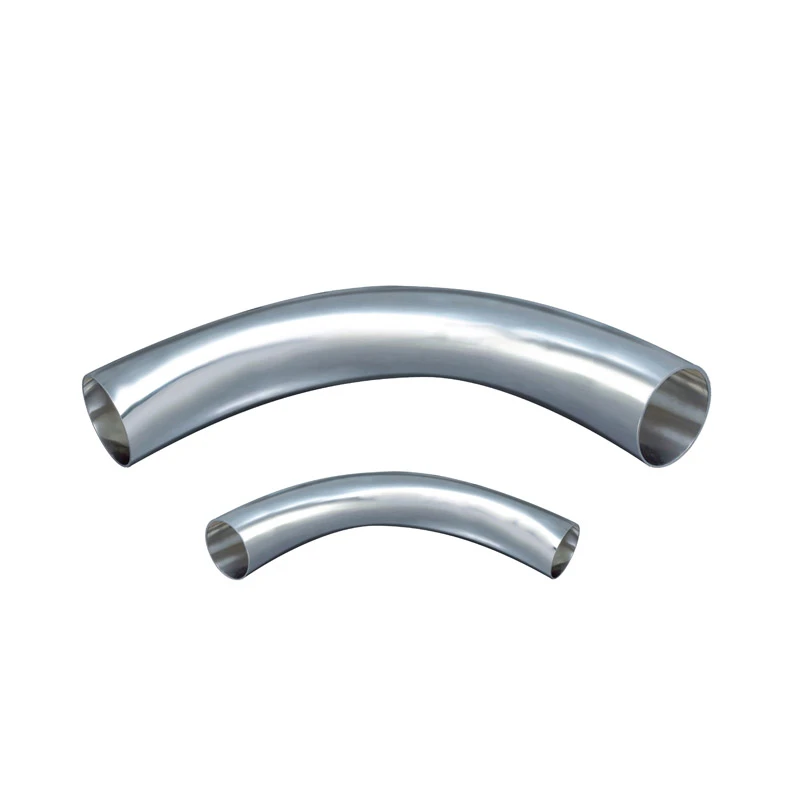
    Bend is a crucial pipe fitting used to change the direction of flow in a piping system. It allows for smooth transitions between sections of pipe, accommodating layout constraints, avoiding obstacles, and optimizing flow paths. Bends are designed to maintain the fluid's velocity and minimize pressure loss while providing the necessary angle of deviation. They are commonly used in various industries, including oil and gas, petrochemicals, water supply, and HVAC systems.
    VIEW ALL
  • Pipe Cap

    Pipe Cap

    Pipe caps come in different shapes, including round, square, and oval, and can be designed for both threaded and welded connections. They ensure the integrity of piping systems during transportation, storage, and installation by protecting the pipe ends from dirt, debris, and environmental factors. Durable and easy to install, pipe caps are critical for maintaining system efficiency and safety.
    VIEW ALL
To create value for customers!
Cangzhou Leo Technology Co., Ltd. is located in Mengcun County Economic Development Zone, Cangzhou City, Hebei Province. It is a specialized high-tech enterprise that integrates the research and development, production, and sales of composite pipes and fittings.
News
The company regards product quality as the life of the enterprise, establishes a sound quality management system in accordance with the requirements of industry and national standards, controls all aspects of input and output in the whole process, pays attention to every detail, and ensures that the product delivery pass rate is 100%.
Ultimate Guide to 4130 Tubing Strength Performance and Applications
Ultimate Guide to 4130 Tubing Strength Performance and Applications

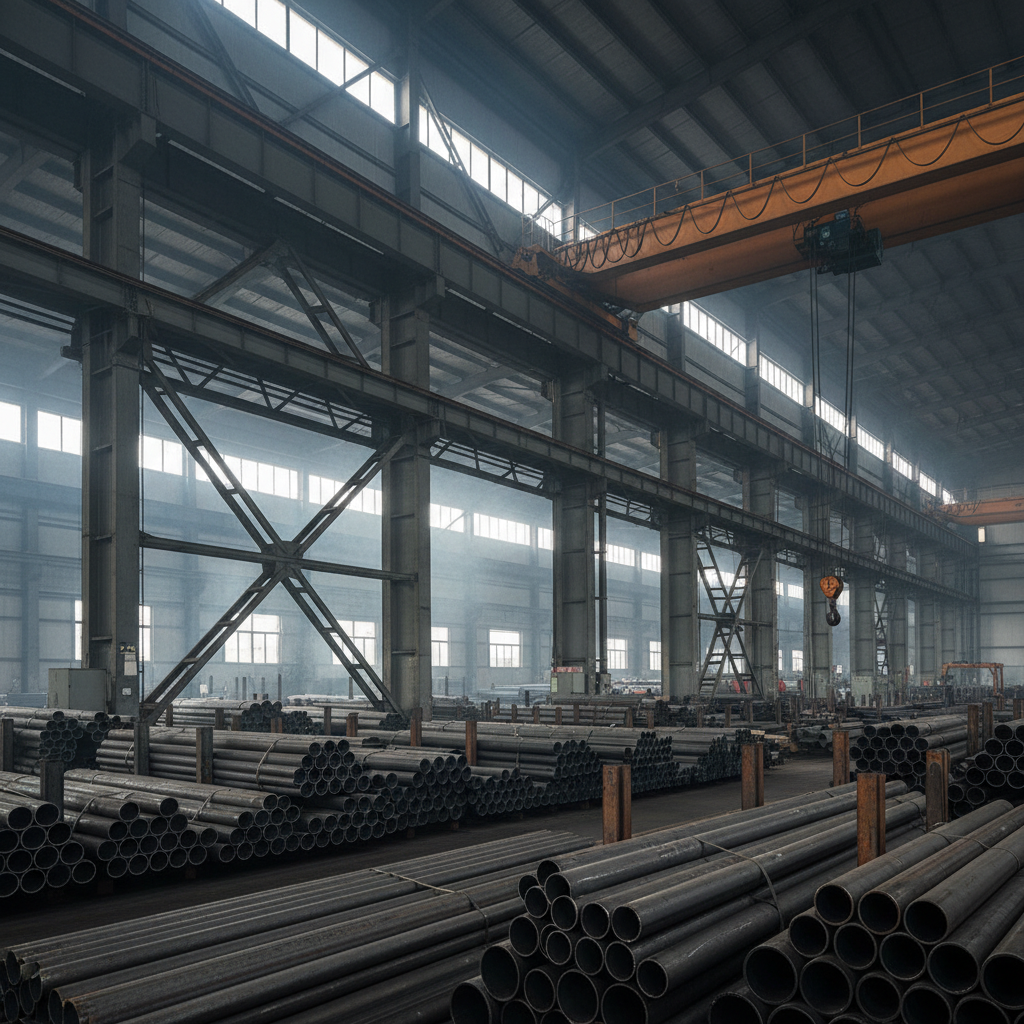
In the world of high-performance engineering, material selection is the foundation of safety and efficiency. 4130 tubing is widely regarded as the gold standard for applications requiring an exceptional strength-to-weight ratio. This chrome-molybdenum alloy steel is engineered to withstand extreme stress while remaining lightweight enough for aerospace and automotive use. Whether you are designing a roll cage, a bicycle frame, or a critical industrial component, understanding the nuances of this material is essential. In this comprehensive guide, we will explore why this specific alloy is preferred by engineers worldwide and how to choose the right specifications for your project.
Properties and Industrial Applications of 4130 steel tubing
Properties and Industrial Applications of 4130 steel tubing

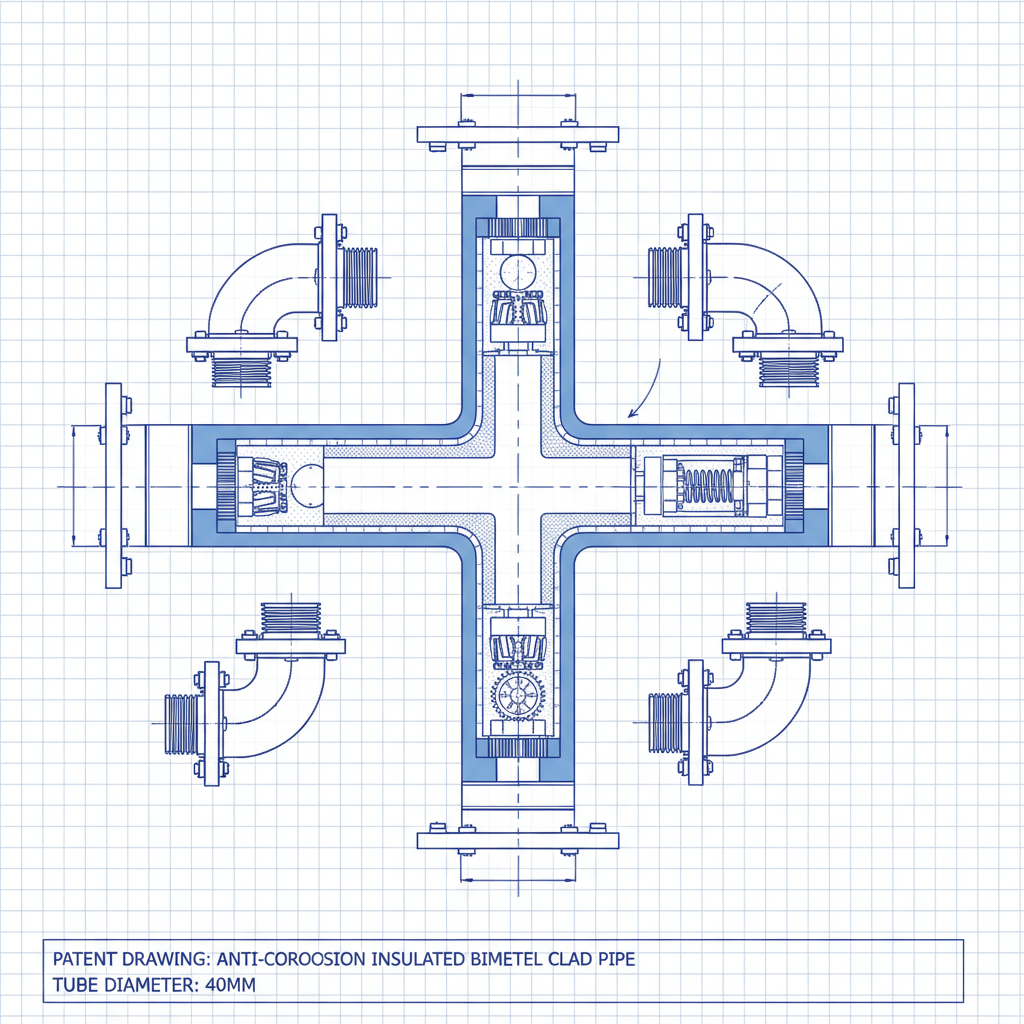
In the world of high-performance engineering, material selection is the foundation of safety and efficiency. 4130 steel tubing is widely recognized as the gold standard for applications requiring an exceptional strength-to-weight ratio. Known for its versatility and reliability, this chromium-molybdenum alloy is the preferred choice for everything from aircraft frames to professional roll cages. Understanding the nuances of this material allows engineers to optimize structural integrity without adding unnecessary bulk. In this comprehensive guide, we will explore why this specific alloy remains a top choice for critical industrial and aerospace components.
Comprehensive Guide to 40mm Steel Tube Applications and Material Selection
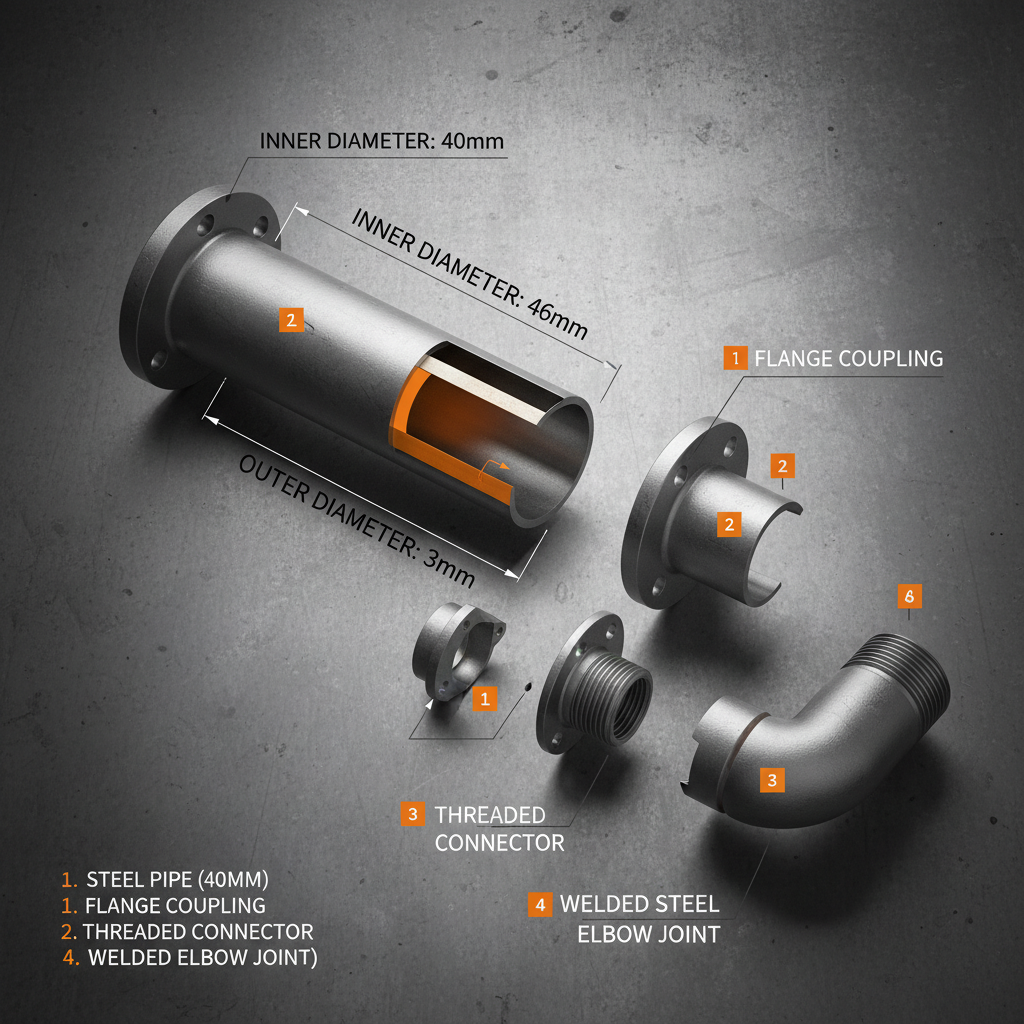
Comprehensive Guide to 40mm Steel Tube Applications and Material Selection

40mm steel tube is a versatile and widely used material in various industries, from construction and manufacturing to automotive and beyond. Its strength, durability, and cost-effectiveness make it an ideal choice for numerous applications. This article will delve into the characteristics, applications, benefits, and considerations when working with 40mm steel tube, providing a comprehensive overview for professionals and anyone interested in this essential material.
Comprehensive Guide to 40mm Steel Pipe Applications and Considerations
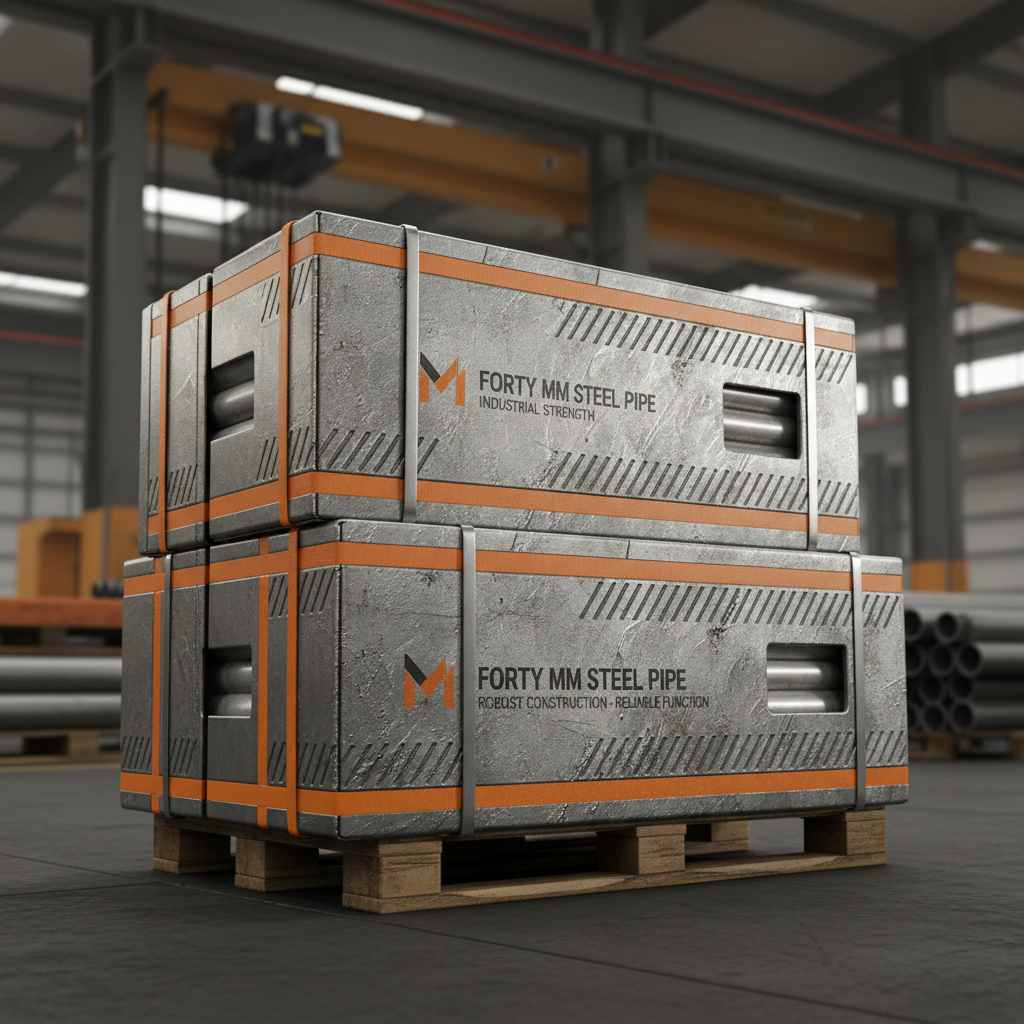
Comprehensive Guide to 40mm Steel Pipe Applications and Considerations

40mm steel pipe is a widely used material in various industries due to its strength, durability, and cost-effectiveness. From construction and infrastructure projects to industrial applications and fluid transportation, this pipe size offers a versatile solution. This article will delve into the properties, applications, standards, and key considerations when selecting 40mm steel pipe, helping you make informed decisions for your specific needs.
Comprehensive Guide to 40mm Metal Pipe Applications and Sourcing

Comprehensive Guide to 40mm Metal Pipe Applications and Sourcing

40mm metal pipe is a crucial component in a wide array of industries, from construction and plumbing to industrial manufacturing and fluid transport. Its strength, durability, and versatility make it a preferred material for countless applications. This article will delve into the specifics of 40mm metal pipe, exploring its various types, common uses, benefits, and where to source high-quality piping solutions.
tel email tel top

If you are interested in our products, you can choose to leave your information here, and we will be in touch with you shortly.