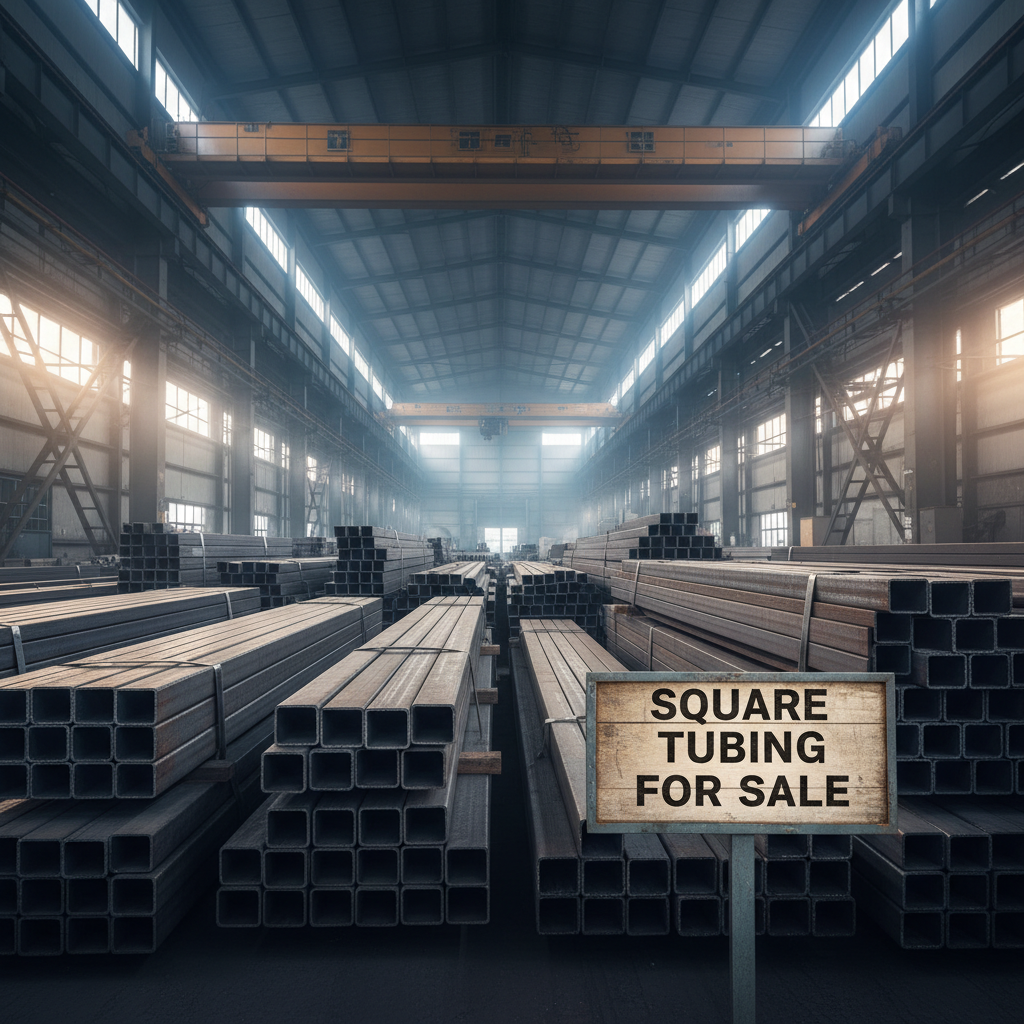
Steel tube material – it's more than just pipes and beams, it's the backbone of modern infrastructure. From the towering skyscrapers reshaping city skylines to the intricate networks delivering vital resources, steel tubes are everywhere. Understanding the nuances of this material, its properties, and its applications is crucial, not just for engineers and architects, but for anyone involved in construction, resource management, and even disaster relief. We’re talking about a material that impacts nearly every facet of the built environment, and getting it right directly translates to safety, efficiency, and long-term sustainability.
Globally, the demand for steel tube material is skyrocketing. The World Steel Association reports consistently rising production and consumption, driven primarily by growth in emerging economies and increasing investment in infrastructure projects. This demand, however, isn't just about quantity; it's about quality and suitability. Poorly specified or substandard steel tubes can lead to catastrophic failures, as we’ve seen all too often in poorly regulated construction zones. There’s a real challenge here: balancing cost with performance and ensuring compliance with increasingly stringent international standards (ISO certifications are key, trust me).
Simply put, steel tube material refers to a hollow structural steel section, manufactured from steel. It's distinguished from solid steel bars by its hollow cross-section, which gives it a higher strength-to-weight ratio. It comes in various shapes – round, square, rectangular, and more specialized profiles – and is produced through processes like seamless extrusion or welding. For me, walking a job site, understanding the specific alloy used, the wall thickness, and the manufacturing process is just as important as the blueprints. It’s what keeps things from going sideways.
The Global Importance of Steel Tube Material
Steel tube material isn’t just about buildings. Think about oil and gas pipelines, the structures supporting renewable energy farms, and even the scaffolding keeping workers safe at height. The reliability of these systems directly impacts economies and communities worldwide. From a practical standpoint, I’ve seen firsthand how choosing the right steel tube grade – considering corrosion resistance, pressure capacity, and seismic activity – can make or break a project.
It's easy to underestimate the sheer volume of this material in circulation. According to industry reports, global steel tube production exceeds hundreds of millions of tons annually. The demand is directly tied to infrastructure development, particularly in rapidly urbanizing countries, and the transition to more sustainable energy sources. We’re increasingly seeing demands for higher-strength, lightweight tubes to reduce material costs and environmental impact.
Defining Steel Tube Material
At its core, steel tube material is a versatile construction component. Unlike solid steel bars, the hollow design offers a superior strength-to-weight ratio, making it ideal for structures where minimizing weight is critical. This isn’t just a theoretical benefit; it directly translates to reduced foundation costs and easier handling on site. I’ve spent enough days wrestling with heavy materials to appreciate every pound saved.
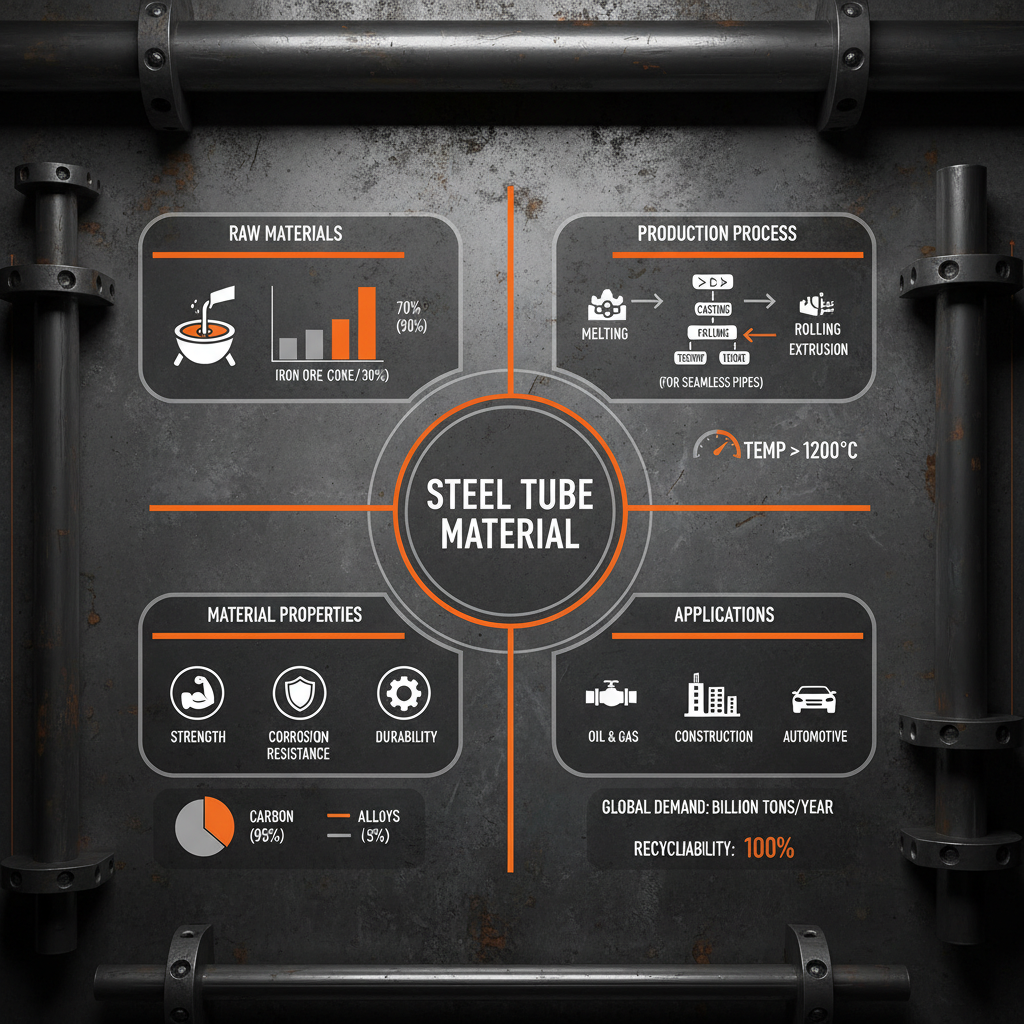
The manufacturing process varies – seamless tubes are created by extruding a solid billet through a die, while welded tubes are formed by rolling steel plates and welding the seam. Each method yields different properties and is suited to specific applications. Seamless tubes generally offer higher strength and are preferred for high-pressure applications, while welded tubes are often more cost-effective for general structural use. Knowing which method was used is crucial for quality control.
Beyond the basic definition, it's the alloy composition that truly defines the material’s characteristics. Carbon steel is the most common, but you’ll also find alloy steels containing chromium, molybdenum, and other elements to enhance properties like corrosion resistance and tensile strength. Selecting the right alloy is paramount, considering the intended environment and load conditions.
Key Properties of Steel Tube Material
Durability is probably the first thing that comes to mind when discussing steel tube material, and rightfully so. Properly specified and maintained, these tubes can withstand decades of harsh conditions. This is often overlooked – it’s not just about the initial cost, but the lifecycle cost of the material. I've seen structures built decades ago still standing strong, testament to the longevity of quality steel.
Another critical property is weldability. Most steel tube materials can be easily welded, facilitating complex fabrication and on-site modifications. However, the specific welding process and filler metal must be carefully selected to maintain the material’s strength and integrity. I’ve seen projects delayed and compromised by improper welding procedures – it’s a detail that can’t be skipped.
Formability is also important. Steel tubes can be bent, flared, and shaped to meet various design requirements. This versatility simplifies construction and reduces the need for complex joints. Understanding the material’s ductility – its ability to deform without fracturing – is key to successful forming operations.
Practical Applications Across Industries
You see steel tube material everywhere in construction. It’s used for structural framing in buildings, bridges, and warehouses. But it goes way beyond that. In the oil and gas industry, it forms the pipelines that transport vital resources across continents. In the automotive sector, it’s used for chassis components and safety cages. And increasingly, it's becoming crucial in renewable energy projects, like wind turbine towers and solar panel mounting structures.
I’ve worked on projects ranging from high-rise buildings in major cities to remote infrastructure developments in challenging environments. In disaster relief, steel tubes are often used for rapid deployment shelters and temporary hospitals because of their strength and ease of assembly. The ability to quickly erect a safe and stable structure is paramount in those situations.
Steel Tube Material Application Ratings
Advantages and Long-Term Value
The cost-effectiveness of steel tube material is a major draw. While the initial material cost might be higher than some alternatives, the reduced weight, faster construction times, and longer lifespan often result in lower overall project costs. It’s about looking at the big picture, not just the upfront price tag.
From a sustainability standpoint, steel is highly recyclable, which reduces its environmental footprint. Plus, the durability of steel structures minimizes the need for frequent repairs and replacements. There’s also a huge safety factor – properly engineered steel structures are incredibly resilient, providing peace of mind for building occupants.
Future Trends and Innovations
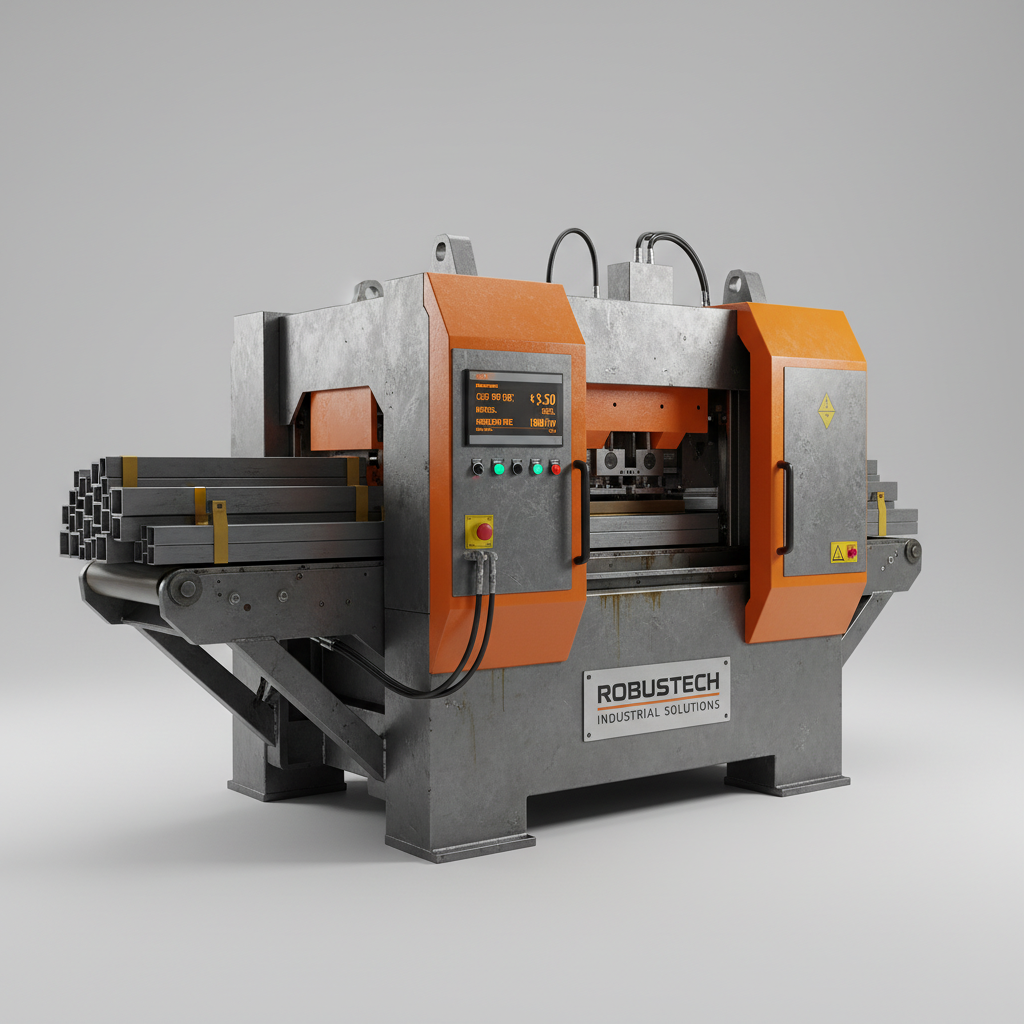
We’re seeing a growing trend towards high-strength, low-alloy (HSLA) steel tubes, offering increased strength and corrosion resistance without significantly increasing weight or cost. Digital fabrication technologies, like robotic welding and laser cutting, are also revolutionizing the way steel tubes are manufactured and assembled, improving precision and efficiency.
The integration of sensors and data analytics into steel structures is another exciting development. These “smart” structures can monitor their own health, detect potential problems early on, and optimize performance. This is particularly important for critical infrastructure like bridges and pipelines.
And, of course, there's a strong focus on developing more sustainable steel production processes, reducing carbon emissions and minimizing waste. These advancements are crucial for aligning the steel industry with global climate goals.
Common Challenges and Practical Solutions
Corrosion is a persistent challenge, especially in harsh environments. Protective coatings, like galvanizing and epoxy paints, are essential for mitigating corrosion, but they require regular inspection and maintenance. I’ve seen too many projects fail because of neglected corrosion prevention.
Another issue is ensuring consistent quality control throughout the manufacturing and fabrication process. Strict adherence to industry standards, rigorous testing, and qualified personnel are critical. We’ve started using more non-destructive testing methods, like ultrasonic inspection, to detect hidden flaws.
Finally, the cost of steel can fluctuate significantly, impacting project budgets. Careful material planning, long-term contracts, and exploring alternative steel grades can help mitigate this risk. It’s all about being proactive and staying ahead of the market.
Summary of Solutions to Common Challenges in Steel Tube Material Application
| Challenge |
Severity (1-10) |
Proposed Solution |
Implementation Cost (Estimate) |
| Corrosion |
9 |
Protective Coatings & Regular Inspection |
$5 - $15/sq. meter |
| Quality Control Issues |
8 |
Strict Adherence to Standards & NDT |
$2 - $10/unit |
| Material Cost Volatility |
7 |
Long-Term Contracts & Alternative Grades |
Variable - $5-20% of material cost |
| Welding Defects |
6 |
Certified Welders & Robotic Welding |
$10 - $30/weld |
| Transportation Damage |
5 |
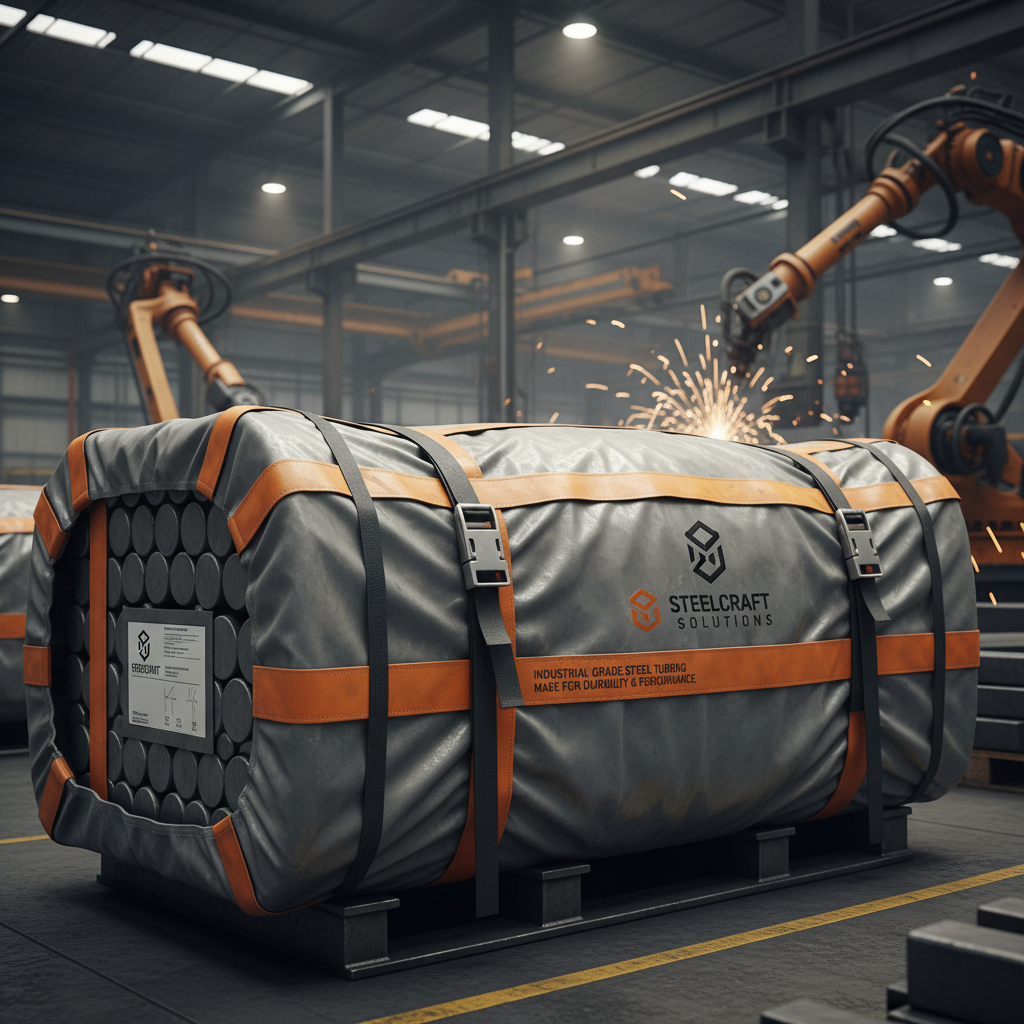
Secure Packaging & Handling Procedures |
$1 - $5/unit |
| Supply Chain Disruptions |
7 |
Diversified Suppliers & Inventory Management |
Variable - Contingency Planning Costs |
FAQS
A36 carbon steel is a staple for general structural applications due to its balance of strength and weldability. A500 provides higher strength, commonly used for columns and load-bearing members. For corrosive environments, A572 Grade 50 with its added manganese content is frequently chosen. We also see specialized grades like X70 for high-pressure pipelines. Understanding the specific requirements of the project determines the best choice.
Simply put, a thicker wall means a greater resistance to bending and buckling. Load-bearing capacity increases dramatically with even a small increase in wall thickness. However, it’s not a linear relationship. Beyond a certain point, the added cost of thicker material might not justify the marginal gain in strength. Engineering calculations are crucial to determine the optimal wall thickness for a given application.
Seamless tubes are made from a single billet of steel, offering consistent strength and no weld seam vulnerability. Welded tubes are more cost-effective as they’re created by rolling and welding steel plates. While modern welding techniques are robust, seamless tubes are generally preferred for critical applications involving high pressure or fatigue loading. We typically use welded tubes for less demanding structural components.
Corrosion prevention starts with material selection – choosing corrosion-resistant alloys when possible. Applying protective coatings like galvanizing, epoxy paints, or specialized coatings is essential. Regular inspection and maintenance, including repairing any damage to the coating, are also critical. In highly corrosive environments, cathodic protection systems can provide additional safeguards.
Proper weld preparation is paramount. Cleaning the surfaces, using the correct filler metal, and employing the appropriate welding technique are crucial. Qualified and certified welders are a must. Post-weld inspection, including visual inspection and non-destructive testing, is essential to ensure the weld's integrity. Incorrect welding can drastically reduce the tube’s strength.
While steel is highly recyclable, research is ongoing into alternative materials like fiber-reinforced polymer (FRP) composites. These materials offer high strength-to-weight ratios and corrosion resistance but currently come with a higher cost. Using recycled steel and optimizing designs to minimize material usage are also important steps towards sustainability.
Conclusion
Steel tube material remains the cornerstone of modern construction and infrastructure, providing strength, durability, and versatility. Understanding its properties, applications, and emerging trends is vital for engineers, architects, and construction professionals. From optimizing material selection to implementing robust corrosion prevention strategies, a thorough grasp of these concepts translates to safer, more efficient, and more sustainable projects.
Looking ahead, continued innovation in materials science, fabrication techniques, and digital technologies will further enhance the performance and sustainability of steel tube structures. By embracing these advancements and prioritizing quality control, we can ensure that steel tube material continues to serve as a reliable and essential building block for a resilient future. For all your steel tube material needs and expert guidance, visit our website: steel tube material.