Flange wholesale plays a crucial role in the global industrial landscape, facilitating the efficient and reliable connection of piping systems across numerous sectors. From oil and gas infrastructure to water treatment plants and power generation facilities, the demand for high-quality flanges is consistently high. Understanding the intricacies of flange wholesale – encompassing materials, standards, and sourcing – is paramount for businesses seeking to optimize their supply chains and ensure the integrity of their operations. This understanding directly impacts project costs, timelines, and ultimately, safety.
The complexities surrounding flange wholesale are often underestimated. Factors such as fluctuating material costs, diverse international standards (ANSI, DIN, JIS), and the need for specialized alloys contribute to a challenging procurement process. Effective flange wholesale strategies involve not only securing competitive pricing but also ensuring adherence to stringent quality control measures and timely delivery. A robust understanding of these factors is critical for mitigating risk and maintaining operational efficiency.
Ultimately, successful flange wholesale translates to reduced downtime, minimized maintenance costs, and enhanced safety in critical infrastructure projects worldwide. The ability to source the right flange, at the right price, from a reliable supplier is a key determinant of success in a vast array of industrial applications.
The Significance of Flange Wholesale
Flange wholesale is critical for maintaining the integrity of piping systems globally, impacting industries from energy to pharmaceuticals. The efficient supply of flanges is inextricably linked to the smooth operation of essential infrastructure and manufacturing processes. Without reliable access to quality flanges, projects face delays, increased costs, and potential safety hazards.
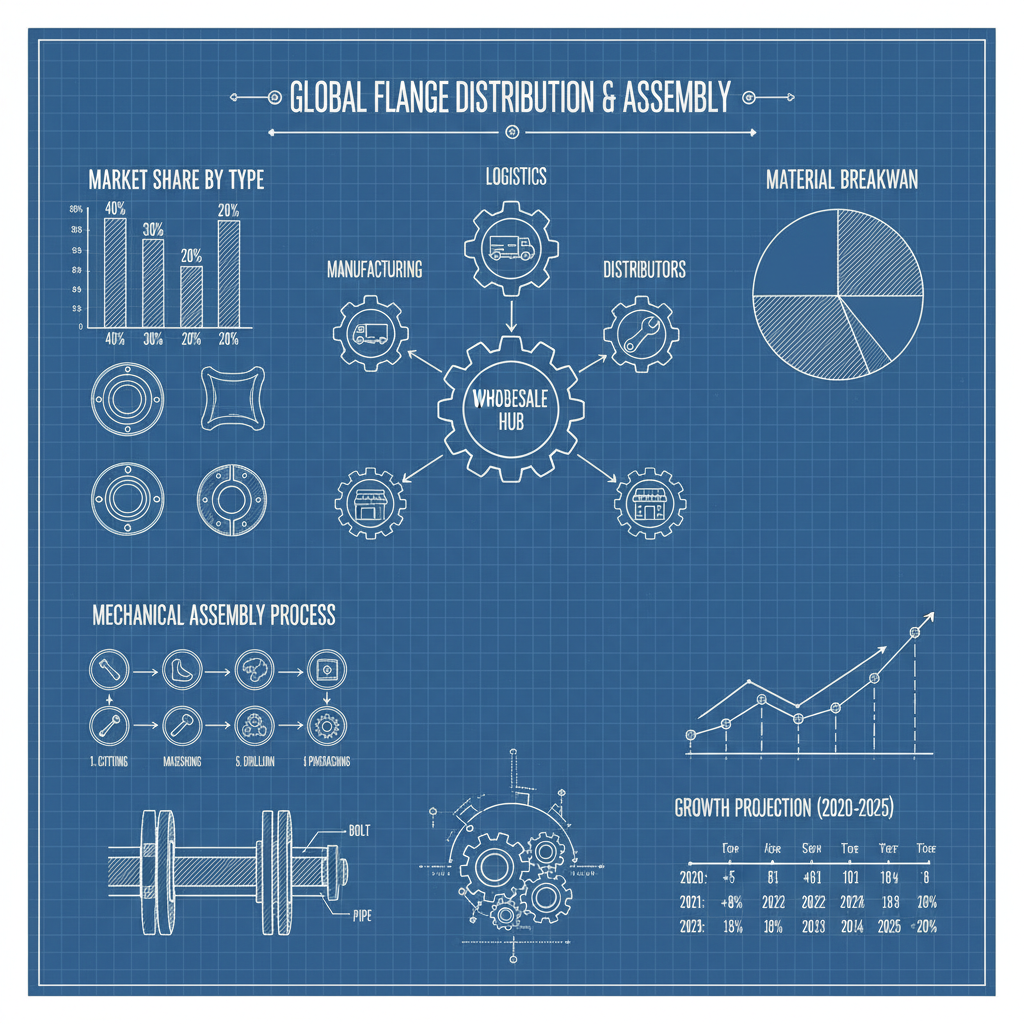
The sheer volume of flanges required across industries necessitates a robust wholesale market. This market serves as a central hub for manufacturers, distributors, and end-users, streamlining the procurement process and ensuring a consistent supply of diverse flange types and materials. A well-functioning flange wholesale system is a cornerstone of modern industrial activity.
Defining Flange Wholesale
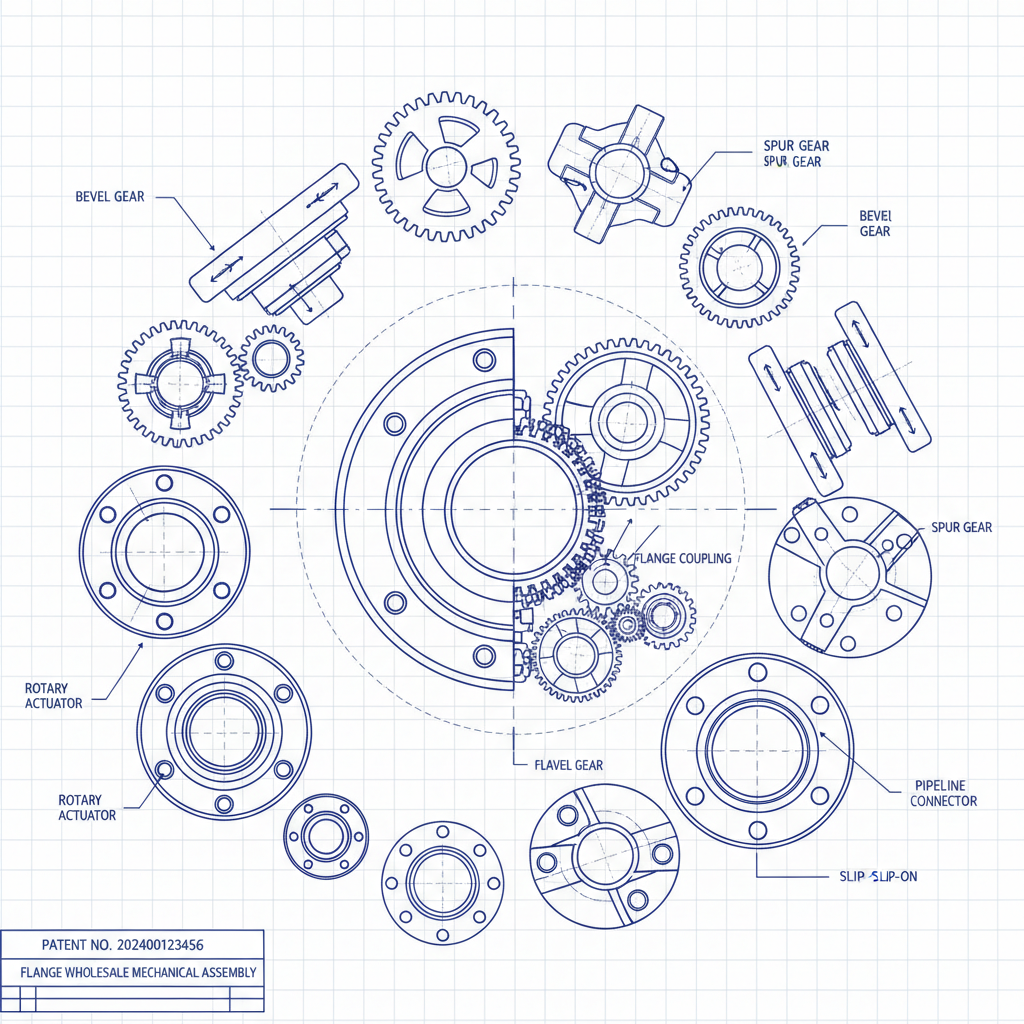
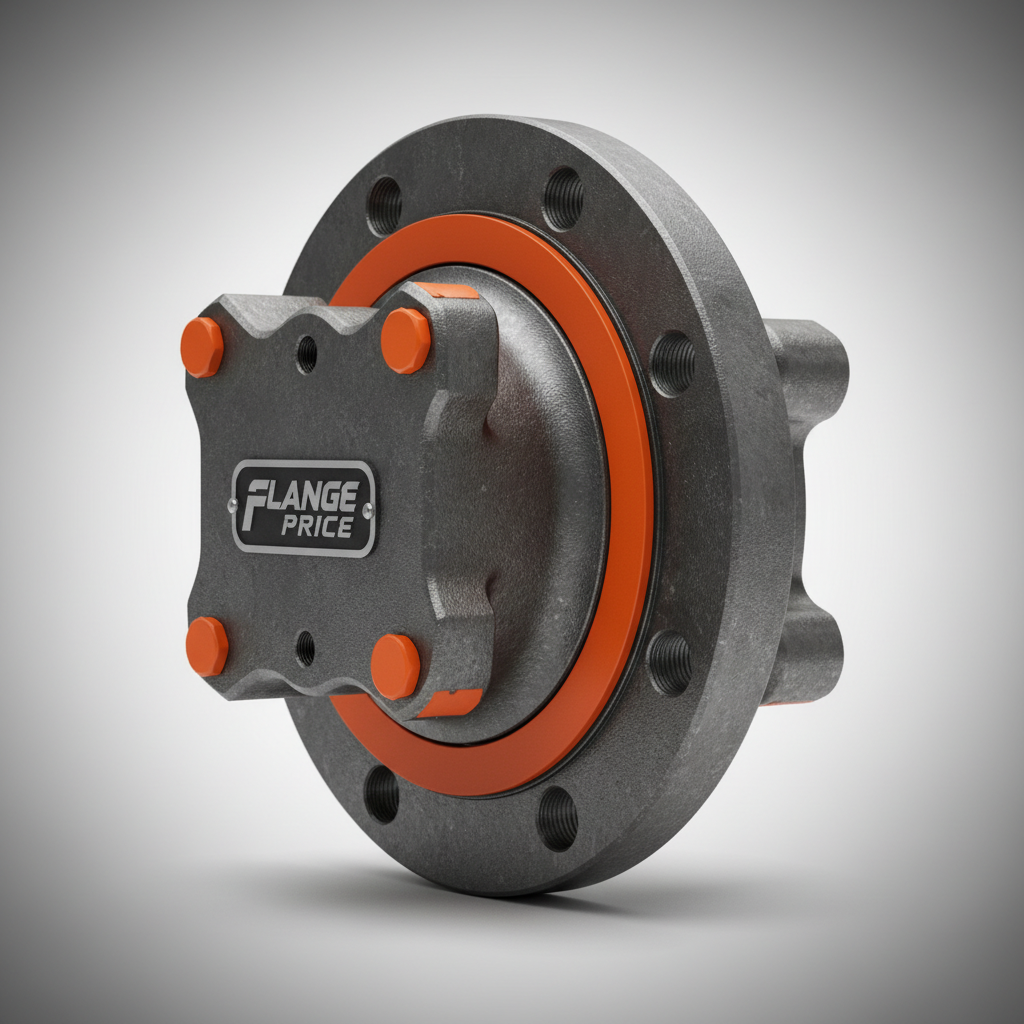
Flange wholesale refers to the bulk sale of flanges – mechanical components used to connect pipes, valves, pumps, and other equipment. Unlike retail sales focused on individual units, wholesale focuses on large quantities, typically to businesses involved in construction, manufacturing, or infrastructure projects. This includes a wide range of flange types, such as weld neck, slip-on, blind, and threaded flanges, available in various materials like carbon steel, stainless steel, and alloy steel.
The process involves a distributor or manufacturer selling flanges directly to businesses, often at discounted rates based on volume. Flange wholesale goes beyond simply selling products; it encompasses services like material certification, custom fabrication, and logistical support to ensure customers receive the right flanges for their specific applications.
This is vital to countless industries: the oil and gas industry relies on specialized flanges designed to withstand extreme pressures and temperatures, while the water treatment industry needs corrosion-resistant options. Effective flange wholesale addresses these diverse needs with a tailored approach.
Key Aspects of Effective Flange Wholesale
Material Quality: The foundation of any reliable flange is the quality of its material. Effective flange wholesale prioritizes sourcing materials that meet or exceed industry standards (ASTM, ASME, EN) and provides comprehensive material test reports (MTRs) for traceability. This ensures that the flanges can withstand the intended operating conditions.
Adherence to Standards: Compliance with international standards is non-negotiable. Flange wholesale suppliers must demonstrate a thorough understanding of relevant standards – ANSI, DIN, JIS, and others – and ensure that all flanges meet the required specifications for pressure rating, dimensions, and bolting patterns.
Supply Chain Reliability: A consistent and reliable supply chain is essential to avoid project delays and disruptions. Effective flange wholesale involves building strong relationships with reputable manufacturers and maintaining adequate inventory levels to meet fluctuating demand.
Global Applications of Flange Wholesale
Flange wholesale supports critical infrastructure across the globe. In the energy sector, flanges are fundamental to oil and gas pipelines, refineries, and power plants, ensuring the safe and efficient transport of energy resources. The water treatment industry relies heavily on flange wholesale for connecting pipes and equipment in purification plants, wastewater treatment facilities, and irrigation systems.
Chemical processing plants utilize flanges in complex piping networks to handle corrosive and hazardous materials. The pharmaceutical industry demands high-purity, sanitary flanges for maintaining sterile environments. Furthermore, in remote industrial zones, reliable flange wholesale is essential for establishing and maintaining vital infrastructure, even in challenging logistical environments.
Flange Wholesale Demand by Industry
Advantages and Long-Term Value
Investing in quality flange wholesale delivers substantial cost savings over the long term. By procuring durable, reliable flanges, businesses minimize the risk of leaks, failures, and costly repairs. Reduced downtime and increased operational efficiency contribute to significant financial benefits.
Beyond cost considerations, flange wholesale plays a crucial role in safety and environmental responsibility. Using certified flanges that meet industry standards ensures the integrity of piping systems, reducing the potential for hazardous leaks and environmental contamination. This builds trust with stakeholders and demonstrates a commitment to sustainable practices.
Future Trends in Flange Wholesale
Digitalization is transforming the flange wholesale industry. Online marketplaces, e-procurement platforms, and data analytics are streamlining the sourcing process and providing greater transparency. The adoption of digital twins – virtual representations of physical assets – will enable predictive maintenance and optimized flange management.
Sustainability is also driving innovation. The demand for eco-friendly flanges made from recycled materials or with reduced carbon footprints is growing. Furthermore, advancements in materials science are leading to the development of corrosion-resistant alloys that extend the lifespan of flanges and reduce the need for replacements.
Automation in flange manufacturing and logistics will further improve efficiency and reduce costs. These technological advancements will redefine the landscape of flange wholesale.
Challenges and Solutions in Flange Sourcing
One of the primary challenges in flange wholesale is managing supply chain disruptions, particularly in the face of global events or geopolitical instability. Diversifying sourcing options and building strong relationships with multiple suppliers are crucial strategies for mitigating this risk.
Ensuring consistent quality across different manufacturers can also be difficult. Implementing rigorous quality control procedures, including third-party inspections and material testing, is essential. Utilizing suppliers with robust quality management systems (ISO 9001) provides an added layer of assurance.
Another challenge is navigating complex international regulations and trade barriers. Working with experienced flange wholesale partners who have a deep understanding of import/export procedures and compliance requirements is highly recommended.
Summary of Key Challenges and Solutions in Flange Sourcing
| Challenge |
Impact on Operations |
Proposed Solution |
Implementation Complexity (1-10) |
| Supply Chain Disruptions |
Project Delays, Increased Costs |
Diversify Sourcing, Build Supplier Relationships |
7 |
| Inconsistent Quality |
Equipment Failure, Safety Hazards |
Rigorous Quality Control, Third-Party Inspections |
8 |
| Material Cost Volatility |
Budget Overruns, Reduced Profit Margins |
Long-Term Contracts, Strategic Inventory Management |
6 |
| International Regulations |
Import/Export Delays, Compliance Issues |
Partner with Experienced Flange Wholesale Experts |
5 |
| Lack of Transparency |
Difficulty Tracking Orders, Limited Visibility |
Utilize Digital Procurement Platforms |
4 |
| Communication Barriers |
Misunderstandings, Order Errors |
Clear Communication Protocols, Multilingual Support |
3 |
FAQS
Lead times for large flange wholesale orders can vary significantly depending on the quantity, material, and manufacturing complexity. Generally, standard flanges in common materials (carbon steel) might have a lead time of 4-6 weeks. However, specialized alloys, large diameters, or custom fabrication can extend lead times to 8-12 weeks or more. It's crucial to discuss your specific requirements with your supplier to obtain an accurate estimate.
Ensuring compliance with industry standards starts with selecting a reputable flange wholesale supplier. Verify that the supplier has a robust quality control system and can provide Material Test Reports (MTRs) for each batch of flanges. These reports should confirm that the material meets the specified ASTM, ASME, or EN standards. Consider independent third-party inspections for added assurance.
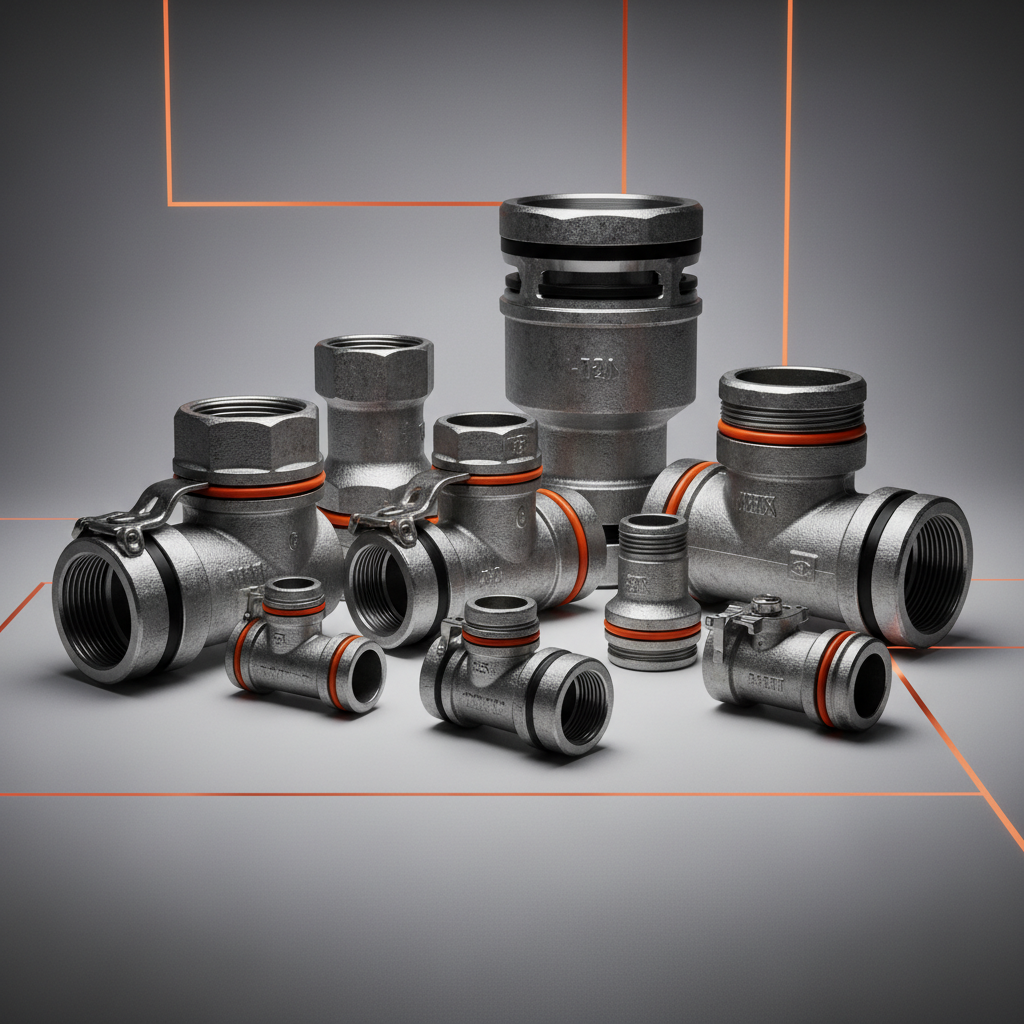
Common flange materials available through wholesale suppliers include carbon steel (A105, A516), stainless steel (304/304L, 316/316L), alloy steel (A182 F304, F316), and various other alloys like Inconel and Monel for specialized applications. The choice of material depends on factors like pressure, temperature, corrosion resistance, and the fluid being handled.
Flange facings determine how two flanges seal against each other. Common facing types include Raised Face (RF), Flat Face (FF), Ring Type Joint (RTJ), and Tongue and Groove (T&G). RF is the most common and requires a gasket. FF is used with flat-faced flanges and a full-face gasket. RTJ utilizes a metallic ring for a high-pressure seal, and T&G creates a mechanical seal. The correct facing type is critical for a leak-proof connection.
Many flange wholesale suppliers offer custom fabrication services, including machining, drilling, and modification of flanges to meet specific customer requirements. This can be particularly useful for unique applications or when standard flanges don't quite fit the need. Be sure to discuss your custom requirements with the supplier during the quoting process.
Shipping costs for flange wholesale orders are typically calculated based on the weight, dimensions, and destination of the shipment. Suppliers may offer various shipping options, including LTL (Less Than Truckload) and FTL (Full Truckload). Freight quotes should include all applicable charges, such as fuel surcharges and insurance. Obtain a detailed shipping quote before placing your order.
Conclusion
Flange wholesale is an indispensable component of global infrastructure and manufacturing. Its effectiveness relies on a commitment to quality materials, adherence to industry standards, reliable supply chains, and increasingly, the adoption of digital technologies. Understanding these critical aspects empowers businesses to optimize procurement processes, mitigate risk, and ensure the long-term integrity of their operations.
Looking ahead, proactive engagement with evolving industry trends – such as sustainable materials and automated logistics – will be crucial for success in the flange wholesale market. By prioritizing innovation and building strong partnerships with reliable suppliers, organizations can unlock significant cost savings, enhance safety, and contribute to a more sustainable future. Visit our website: www.lion-pipeline.com to learn more about our flange wholesale solutions.