Threaded steel tubes might not be the first thing that springs to mind when thinking about global industrial infrastructure, but understanding what they are and why they matter is surprisingly important. At its core, a threaded steel tube is a hollow steel pipe with external threads allowing it to be screwed securely into fittings, joints, or other pipes. This simple but highly effective design helps build everything from oil rigs to potable water systems and even disaster relief shelters.
Given that our modern world relies heavily on seamless and durable piping solutions—whether for energy, water, or construction—the value of these tubes can't be overstated. Moreover, with the push towards sustainability and infrastructure resilience around the globe, it’s worth “zooming in” on the practical advantages and the future of threaded steel tubes.
Globally, industries such as oil and gas, construction, and utilities depend on piping systems that can withstand harsh environments and deliver reliability over time. According to the International Organization for Standardization (ISO), steel tubes represent a significant share of global steel consumption—roughly 20%—and threaded variants play a critical role where leak-proof, fast assembly and disassembly are needed (ISO 3183:2019).
In more human terms, think of a disaster relief scenario. Speedy deployment of water lines or temporary shelters often sculpts how effective the entire response can be. Threaded steel tube systems often form the spine of these systems, allowing rapid connections without specialized welding tools—a problem solved, and lives potentially saved.
Put simply, it’s a hollow cylindrical steel pipe that's been threaded along its external surface. This threading means the tube can be twisted into compatible fittings or coupling nuts, creating a tight, secure joint without welding. The steel itself can be carbon steel, stainless steel, or various alloys depending on the environment where it’s used.
This technology might sound straightforward, but it’s deeply connected to modern industry's ever-rising demands for modularity, durability, and efficiency. Whether you’re laying down pipeline infrastructure or building scaffolding, having a reliable tube that fits snugly and can be easily replaced or adjusted is key.
Steel itself is known for its toughness, but when threaded properly, it maintains impressive integrity even under vibration, stress, or exposure to harsh chemicals. In the oil industry, for example, threaded steel tubes resist corrosion and offer high tensile strength, critical for deep drilling environments.
The threads must match industry standards—usually API or ANSI—to ensure compatibility with other equipment. Precision machining means fewer leaks and safer operations. Oddly enough, a poorly cut thread can be the weak link in a whole pipeline.
One big advantage is how easily sections can be added, swapped, or repaired without special machinery. This modularity is especially valued in temporary setups or remote expansions, where welding isn’t practical or safe.
While thicker, seamless steel tubes can get pricey, threaded tubes often balance upfront costs with long-term savings on installation labor and maintenance. This balance makes them a favorite for many mid-sized to large projects.
Suitable for fluids like water, oil, or gas, and even as structural elements, threaded steel tubes find their way into multiple settings—from offshore platforms to urban plumbing.
Threaded steel tubes turn up all over the world, often quietly supporting infrastructure. For example:
In real terms, one NGO in the Philippines was able to reduce shelter assembly time by 30% after switching to threaded steel tube frameworks—something that frankly changes the pace of aid delivery under pressure.
| Property | Typical Value | Notes |
|---|---|---|
| Material | Carbon Steel (A53 Grade B) | Common industry standard |
| Thread Type | API 5B or NPT | Varies by application |
| Outer Diameter | 0.5–12 inches (12.7–304.8 mm) | Wide size range |
| Wall Thickness | 0.065–0.5 inch (1.65–12.7 mm) | Thickness affects pressure rating |
| Operating Pressure | Up to 10,000 psi (~700 bar) | Depends on material & threading |
| Corrosion Resistance | Moderate to high (with coatings) | Coatings extend lifespan |
| Vendor | Material Grades | Certifications | Customization | Typical Lead Time |
|---|---|---|---|---|
| SteelCo Global | A53, A106, API 5L | ISO 9001, API Q1 | Tailored threading & lengths | 4–6 weeks |
| PipeMasters Ltd. | Carbon & Stainless Steel | API 5B, NACE MR0175 | High-volume standard sizes | 2–3 weeks |
| Global Tubing Inc. | Marine-grade steel alloys | ISO 14001, API 5CT | Custom anti-corrosion coatings | 5–7 weeks |
For engineers and project managers, the ‘feel’ of a properly connected threaded steel tube is kind of like a well-made handshake: firm, reliable, and ready to hold under pressure.
Innovation in this sector often revolves around materials that boost corrosion resistance without sacrificing strength. New coatings derived from nanotechnology or eco-friendly polymers are entering the fray. Automated thread cutting machines now provide unparalleled precision in volume production.
Digital “smart” tubes embedded with sensors for pressure, temperature, and corrosion detection are another buzzworthy trend. Imagine being able to monitor the health of an entire subsea pipeline from a tablet. It sounds a bit Sci-Fi but is becoming more real, driven by Industry 4.0 initiatives worldwide.
Despite their advantages, threaded steel tubes aren’t a one-size-fits-all solution. Challenges include:
Many engineers rely on protective covers during transport and strict quality inspections before installation. Plus, adopting universal thread standards is a push amongst industry bodies to lower misfit risks.
A: While welded pipes create permanent joints with high strength, threaded tubes offer easier installation and maintenance but can be more susceptible to leakage if threads aren’t precise. For many applications, the strength difference is negligible when tubes are properly specified and threaded.
A: Oil and gas, water utilities, construction, and disaster relief sectors use threaded steel tubes extensively. Anywhere rapid assembly, modularity, or ease of repair are priorities, these tubes shine.
A: Yes, many threaded steel tubes are rated for pressures exceeding 10,000 psi, especially those manufactured to API or ANSI standards. Material choice and threading quality strongly influence allowable pressure.
A: Absolutely. Their reusability lowers waste, and coatings can be eco-friendly. Plus, easier assembly reduces onsite emissions and energy use.
In the end, threaded steel tubes remain a quiet but powerful component of global infrastructure. They combine durability, modularity, and cost-effectiveness in a world that increasingly demands flexibility and sustainability. Whether powering a remote oil rig, delivering clean water in a growing city, or enabling rapid disaster relief, their role is tough to replace. Curious to explore more? Visit our website at threaded steel tube for detailed product info and expert guidance.
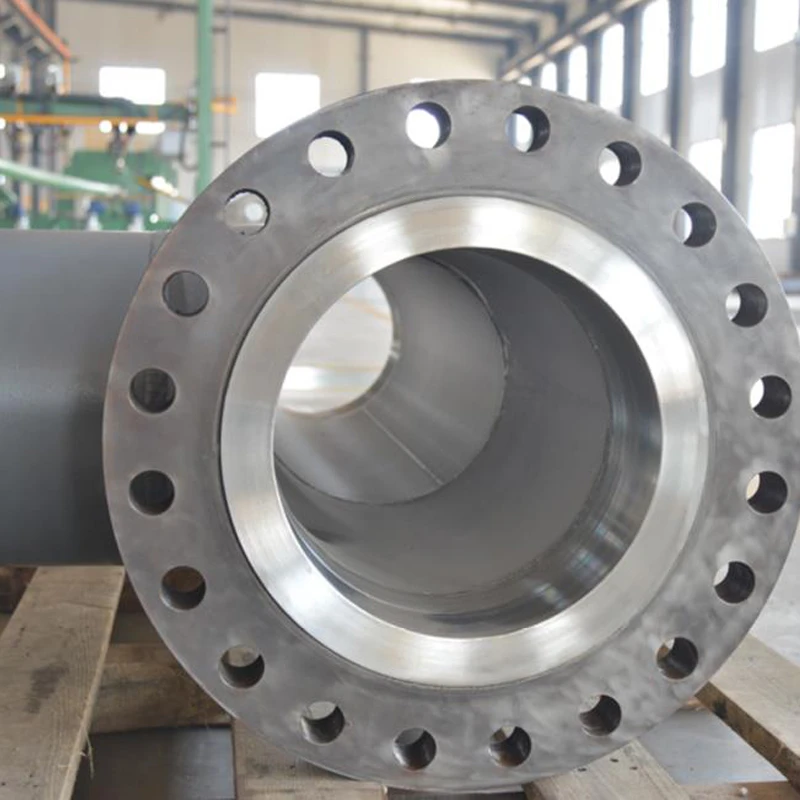
Factory Prefabricated Products
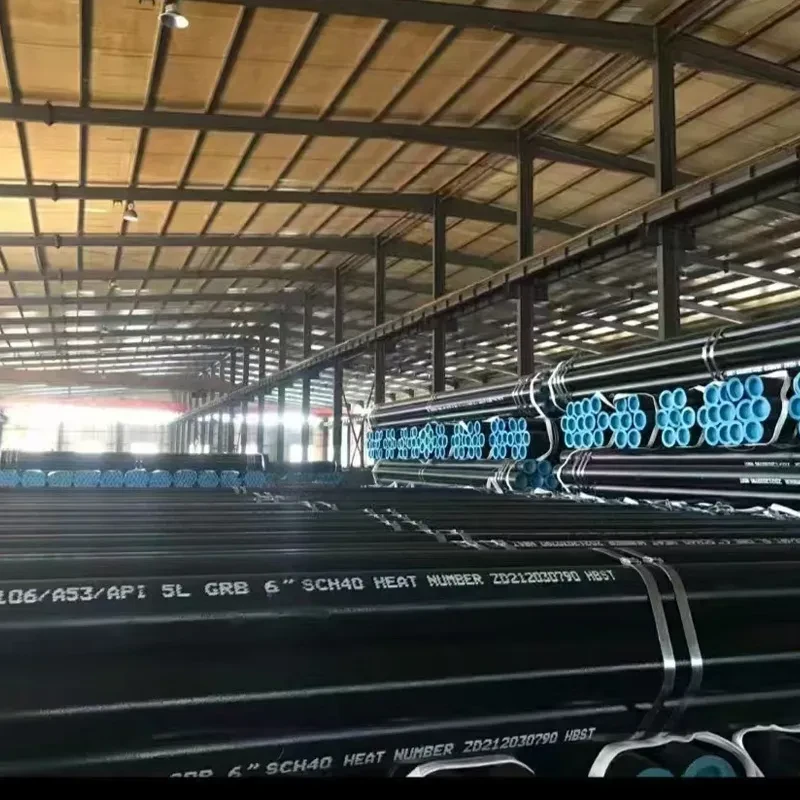
Anti Corrosion And Thermal Insulation Products
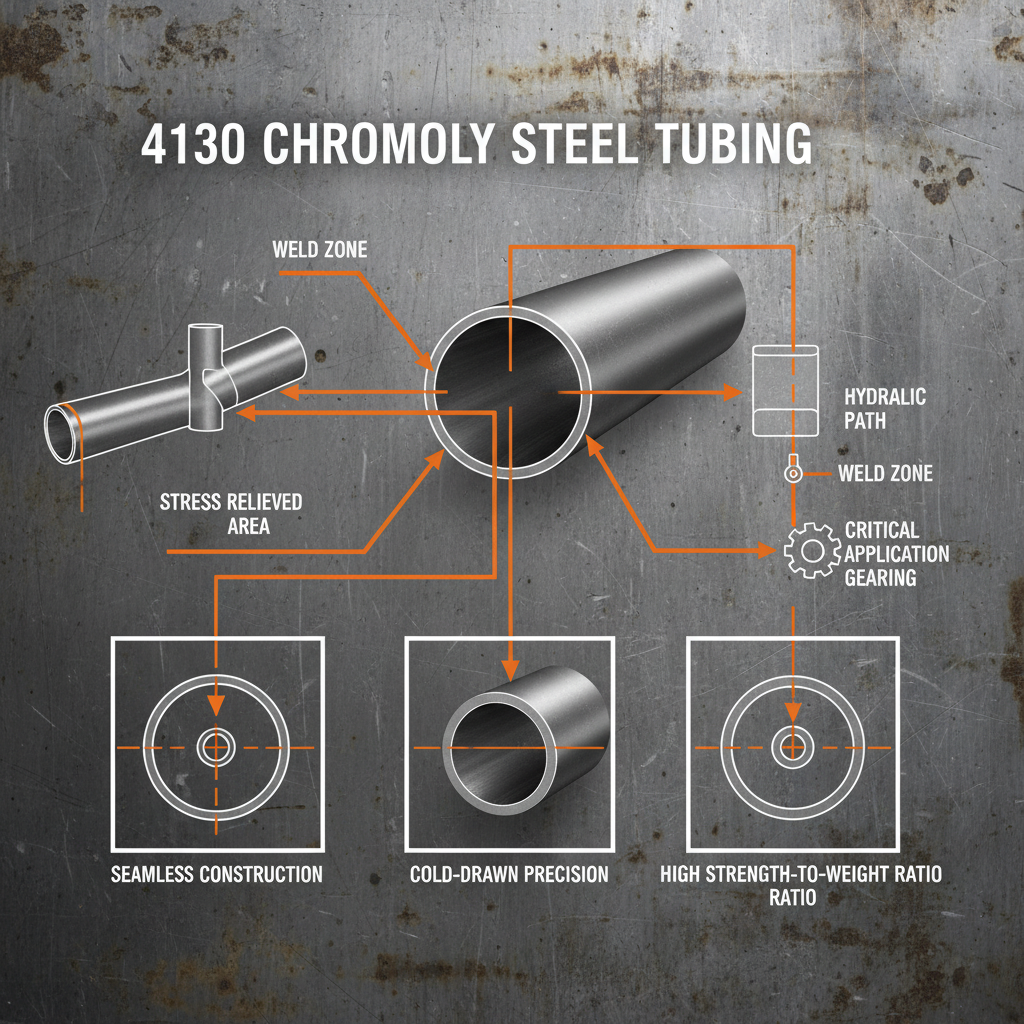
Ultimate Guide to 4130 Tubing Strength Performance and Applications
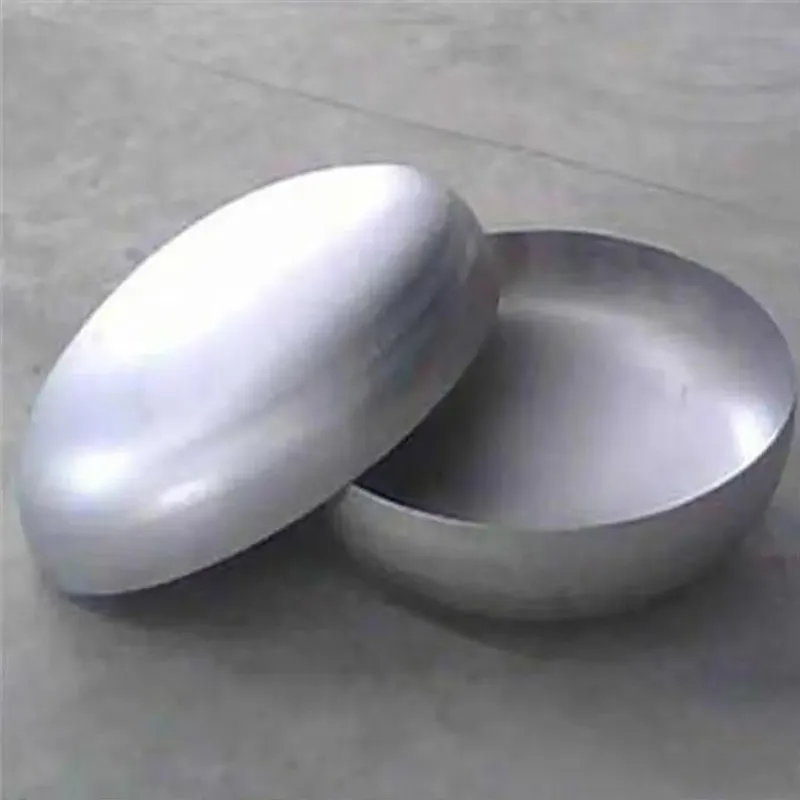
Pipe Cap-Cangzhou Lion Technology Co., Ltd.|Enhancing System Efficiency&Durability
Pipe Cap-Cangzhou Lion Technology Co., Ltd.|Enhancing System Efficiency&Durability
Pipe Cap-Cangzhou Lion Technology Co., Ltd.|Enhancing System Efficiency&Durability
Pipe Cap-Cangzhou Lion Technology Co., Ltd.|Enhancing System Efficiency&Durability
Pipe Cap-Cangzhou Lion Technology Co., Ltd.|Enhancing System Efficiency&Durability