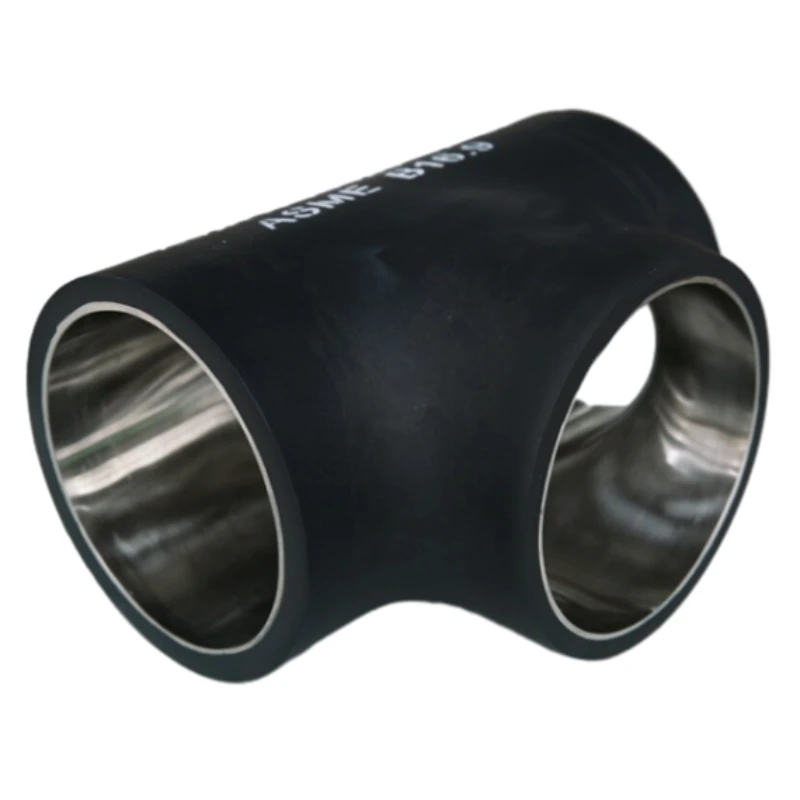
Threaded steel pipes might sound like a niche industrial topic, but their role stretches far beyond factories and construction sites. Simply put, these are pipes with screw-threaded ends, allowing for secure connections without welding or clamping — a game changer for fluid transport, gas delivery, and even emergency infrastructure setups worldwide.
Why should you care? Because their versatility and ease of assembly help industries from oil & gas to water supply keep running smoothly, often in the most challenging environments. Plus, in a global push towards infrastructural resilience and sustainability, knowing what threaded steel pipes bring to the table isn’t just useful — it’s essential.
The demand for threaded steel pipes is rising globally, driven by expanding energy sectors, urbanization, and infrastructure upgrades, especially in Asia-Pacific and the Middle East. According to the International Energy Agency, oil and gas pipelines alone account for a massive portion of steel pipe consumption, much of it relying on threaded connections for rapid deployment and maintenance.
Yet, challenges persist — such as corrosion in harsh environments and logistical hurdles in remote regions. Threaded steel pipes address these with modularity and robustness that welding sometimes struggles to match, which explains their growing preference in developing and disaster-prone areas.
At its core, a threaded steel pipe is just what it says — a hollow steel tube with threads machined on its ends. These threads interlock with matching fittings, creating tight seals that can handle pressure and temperature variations.
Modern industry depends on these pipes not just for their strength, but because they simplify installation and disassembly. Think of oil rigs, water treatment plants, or even emergency shelters needing quick water hookups — threaded steel pipes make those connections speedy and reliable.
If you’re dealing with fluid transport or gas distribution, understanding threaded steel pipes equips you with a versatile building block — one that balances strength, convenience, and broad applicability.
One of the biggest draws is their impressive lifespan. Steel, often galvanized or coated, resists corrosion better than many alternatives. The threaded connection means no welds or adhesives that might crack or fail under stress or vibration.
Just like Lego blocks for engineers, pipes can be added, removed, or replaced swiftly to suit changing needs. This comes in handy in remote oil fields or disaster zones where speed and reliability matter.
In real terms, installation costs drop because no special welding equipment or skilled welders are required in the field. Plus, maintenance or modification work becomes less invasive and thus cheaper.
Threaded steel pipes follow international standards (like ISO 49), ensuring they fit with widely-used equipment and parts, no matter where you source them from.
These pipes accommodate a range of operating conditions — from chilled water lines to high-temperature steam — making them practical for chemical plants as well as municipal utilities.
From skyscraper water systems in Dubai to sprawling oil pipelines in Alberta, these pipes are everywhere. In post-disaster relief operations — say an earthquake-damaged city — the ability to rapidly deploy water distribution networks using threaded steel pipes can be lifesaving. Similarly, remote industrial zones like offshore oil platforms or mining sites rely on modular piping solutions that threaded pipes excel at providing.
Governments and large utilities in Africa and South America also increasingly adopt these pipes for reliable urban water distribution, often chosen for their easy maintenance and long service life.
| Specification | Value |
|---|---|
| Material | Carbon Steel (ASTM A53 / A106) |
| Thread Type | NPT (National Pipe Thread) |
| Diameter Range | 1/2" to 12" |
| Pressure Rating | Up to 3000 psi |
| Coating | Galvanized or black oxide |
| Typical Use | Oil & gas transport, water lines, air and gas piping |
| Vendor | Material Quality | Customization | Pricing | Lead Time |
|---|---|---|---|---|
| Lion Pipeline | High-grade ASTM standards | Wide range of threading & coatings | Competitive | 2-4 weeks |
| SteelPipe Co. | Standard ASTM compliance | Limited threading options | Mid-tier | 3-6 weeks |
| GlobalTube Inc. | Premium with extras (anti-corrosive) | Highly customizable | Premium | 4-5 weeks |
Threaded steel pipes aren’t just about metal tubes joining together — they’re about reliability and trust. Think of critical infrastructure like municipal water lines: a leak or failure doesn’t just cost money, it disrupts millions of lives. These pipes’ durability and ease of repair help maintain continuous service.
On an emotional level, many engineers tell me that working with threaded pipe systems feels reassuring — knowing you can quickly tighten or replace parts during an emergency brings real peace of mind. Plus, sustainable coatings and recyclable steel add to their eco-credentials, which is no small thing in an age when industry’s carbon impact is under the microscope.
The obvious next step is marrying traditional steel pipes with smart technology — sensors embedded on pipes that monitor pressure, corrosion, or leaks in real time. There's a growing interest in integrating green coatings that resist biofouling or self-heal tiny cracks.
Automation in pipe-laying also promises a faster, safer jobsite, while modular designs with standardized threads help global supply chains keep up with demand. Ultimately, these innovations aim to extend pipe lifespans and cut operational costs — good news all around.
Of course, no technology is perfect. Threaded steel pipes can face issues such as thread galling (wear during tightening), or corrosion if coatings fail. In salty marine environments, for example, regular inspection regimes and advanced anti-corrosion treatments are essential.
Innovations like specialized lubricants during assembly and more uniform thread production help reduce thread damage. Also, hybrid pipe systems combining threaded joints and modern welding optimize both strength and flexibility.
At the end of the day, threaded steel pipes blend strength, flexibility, and cost-effectiveness into a simple yet powerful engineering solution — think about all those complex global systems they quietly keep running. Whether you’re tackling infrastructure, energy, or humanitarian projects, understanding their value equips you for smarter decisions.
Curious to pick high-quality threaded steel pipes that stand the test of time? Visit our website to explore reliable options tailored to your needs.
These pipes may not be glamorous, but they’re the unsung workhorses of countless essential services worldwide. As technology advances, expect them to get smarter, tougher, and even easier to work with — an industrial mainstay quietly evolving beneath the surface.
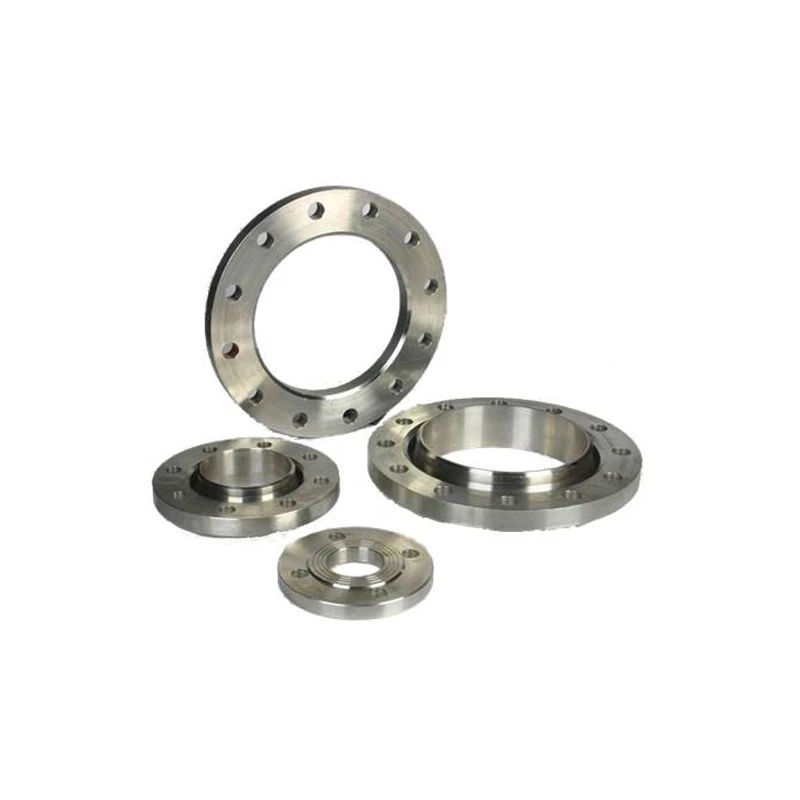
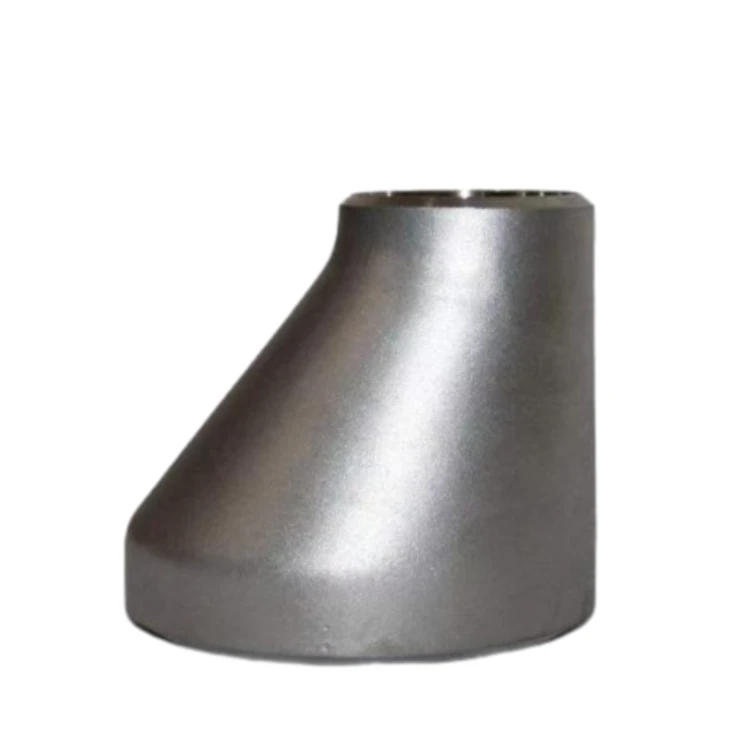
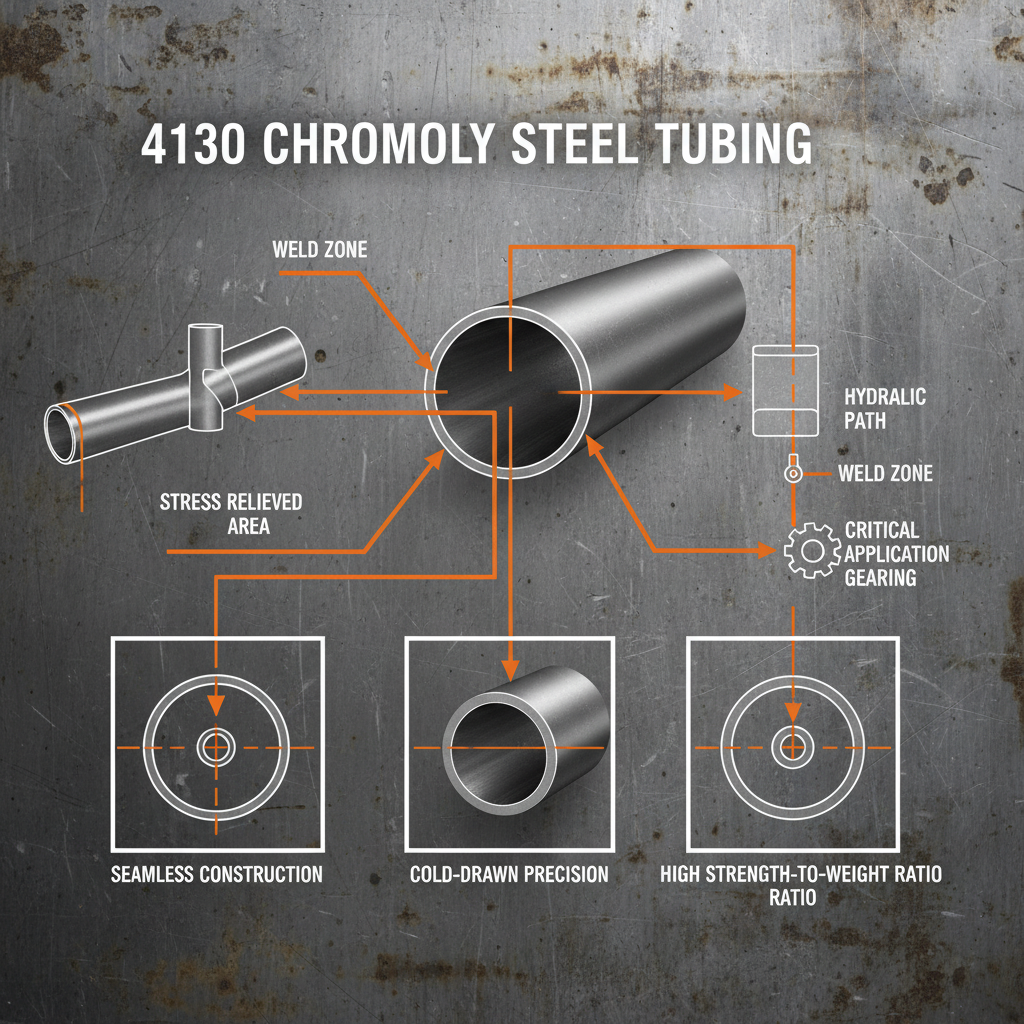
Ultimate Guide to 4130 Tubing Strength Performance and Applications
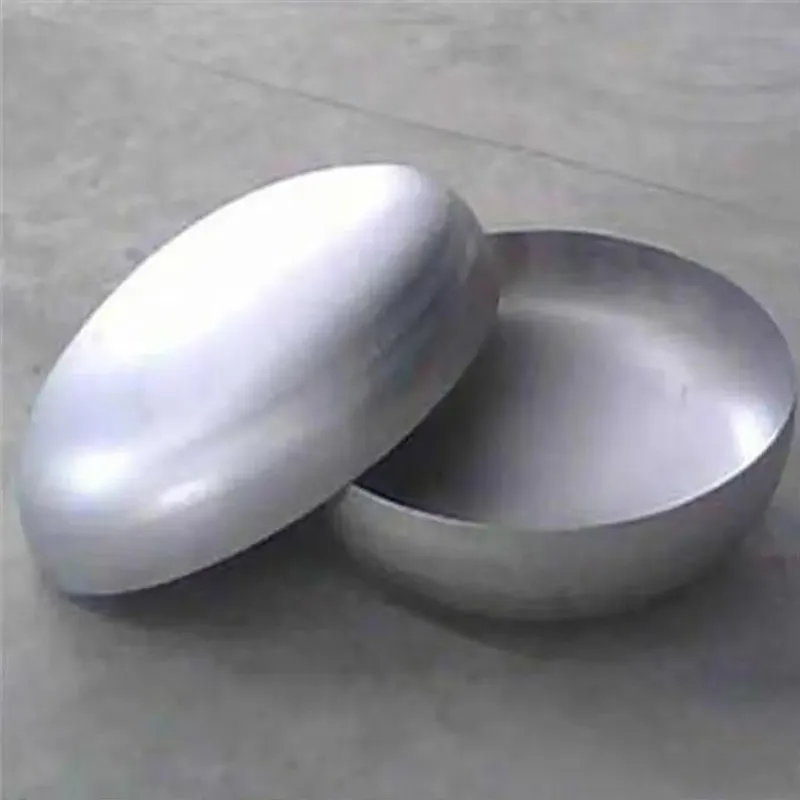
Pipe Cap-Cangzhou Lion Technology Co., Ltd.|Enhancing System Efficiency&Durability
Pipe Cap-Cangzhou Lion Technology Co., Ltd.|Enhancing System Efficiency&Durability
Pipe Cap-Cangzhou Lion Technology Co., Ltd.|Enhancing System Efficiency&Durability
Pipe Cap-Cangzhou Lion Technology Co., Ltd.|Enhancing System Efficiency&Durability
Pipe Cap-Cangzhou Lion Technology Co., Ltd.|Enhancing System Efficiency&Durability