tel
Email
to top

The Definitive Guide to 25mm Stainless Tube for Industrial Use | Lion Pipeline

Dec 31 2025
share:

25mm Stainless Tube is a key solution in the industry, specifically within piping and structural framework sectors. This article explores how https://www.lion-pipeline.com supports professionals with durable, high-performance products, and explains why this product is an ideal choice for businesses in these sectors.

Table of Contents

25mm Stainless Tube Overview

The 25mm Stainless Tube, to put it simply, is a precision-engineered stainless steel pipe with a 25-millimeter outer diameter that finds wide adoption in industrial piping, machinery frames, and structural supports. Its relevance stems from the perfect balance it strikes between size, strength, and corrosion resistance. When you’re dealing with environments that demand reliable performance — say, in chemical plants or food-grade processing lines — this tube is honestly a go-to component.

Technically, these tubes are often made from grades like 304 or 316 stainless steel. The 316 variant, in particular, contains molybdenum which boosts resistance to chlorides — a must-have for marine or pharmaceutical applications. I noticed that Lion Pipeline’s offering includes hot-rolled and cold-drawn finishes to suit different requirements, which is a nice touch if you want something rugged or, frankly, a bit sleeker for precision assembly. One user from an automotive components firm mentioned they appreciated the tight dimensional tolerances, which kept their assembly lines humming without hiccups.

25mm Stainless Tube - Key Specifications
Specification Details
Outer Diameter 25mm
Wall Thickness 1.0mm - 3.0mm (varies by order)
Material Grades 304, 316L Stainless Steel
Surface Finish Mill, Ground, Polished
Length Up to 6 meters (custom cuts available)
Testing Standard ISO 9001, ASTM A268

Benefits & Use Cases of 25mm Stainless Tube

When it comes to actual use, the 25mm Stainless Tube is a bit of a Swiss Army knife. I suppose one could say it shines in settings where toughness, hygiene, and chemical inertness are non-negotiable. Think pharmaceutical plants where sanitation is king, or food manufacturing lines where contamination can’t be tolerated. It’s also extensively used in HVAC systems and architectural frameworks.

What really sets these tubes apart is their resistance to corrosion combined with strength-to-weight efficiency. Because stainless steel forms a passive oxide layer, these tubes don’t just look sleek — they last. Many engineers have told me that using 316L stainless, in particular, means fewer replacements and less downtime. Plus, from a handling perspective, the moderate 25mm size balances ease of installation with high flow or load capacity.

Competitive advantages that customers rave about include customization ability—like tailored length cuts and finishing options—and that consistent wall thickness which makes welding or mechanical fastening a breeze. In one recent case study, a beverage production facility switched to Lion Pipeline’s 25mm tubes and reported a 15% increase in production uptime, partly due to reduced tube failure rates.

Cost, Maintenance & User Experience

Let’s talk money and maintenance — because, frankly, that’s what B2B decision makers weigh heavily. While upfront, 25mm Stainless Tubes can be pricier than standard carbon steel pipes, their total cost of ownership often ends up being better. How? For one, they resist rust and degradation far longer, meaning less frequent replacements. This adds up when downtime or labor for maintenance also carries a cost premium.

Another factor is user experience. From what Lion Pipeline’s clients say, these tubes are relatively light and easy to maneuver onsite, which means faster installation and fewer workplace injuries. The smooth interior finish also reduces friction loss in fluid systems — little things that can quietly boost operational efficiency over time.

Notably, one food processing plant shared that post-installation, their cleaning cycles shortened thanks to the non-porous tube surface — an unexpected bonus. These tubes take a bit more initial investment, but I’d say they pay back in durability and user convenience more than many alternatives.

Vendor Comparison - 25mm Stainless Tube
Feature Lion Pipeline Competitor A Competitor B
Material Grade Options 304, 316L 304 Only 316L Only
Customization (Length/Finish) Extensive Limited Moderate
Quality Certifications ISO 9001, ASTM A268 ISO 9001 None
Lead Time 2–3 Weeks 4–6 Weeks 3–4 Weeks
Price Level Competitive Lower Higher

Sustainability & Market Trends

Sustainability in stainless steel tubing, including the 25mm variety, is becoming increasingly front and center. Oddly enough, though stainless steel production involves significant energy use, it’s one of the most recyclable materials globally — with over 90% of stainless steel being recycled at the end of its life cycle.

Regulatory pressures on industries like food processing and pharmaceuticals have nudged manufacturers to adopt more corrosion-resistant, hygienic piping — thus driving demand. Lion Pipeline’s focus on quality and environmentally conscious manufacturing aligns well with these market shifts.

The broader market for 25mm Stainless Tubes is growing steadily, thanks to expanding infrastructure and industrial modernization worldwide. Also, the trend toward modular and compact designs favors a tube size that balances robustness and agility in installation, such as 25mm diameter tubes. If you’re in procurement, watching these trends might pay off.

Frequently Asked Questions about 25mm Stainless Tube

What is 25mm Stainless Tube and how does it work?
It’s a steel tube with a 25mm outside diameter made from stainless steel alloys, used to transport fluids or provide structural support. Its corrosion-resistant properties come from a protective chromium-oxide layer that naturally forms on the surface, helping it withstand harsh environments.
What are the main benefits of using 25mm Stainless Tube in industrial applications?
Key benefits include corrosion resistance, longevity, strength-to-weight advantage, and hygienic surfaces ideal for food or pharma industries. It reduces maintenance needs and can handle pressure and temperature variations well.
How does 25mm Stainless Tube compare to traditional alternatives?
Compared to carbon steel or PVC, stainless steel tubes are more durable, corrosion-resistant, and safer for sanitary applications. While upfront costs are higher, the lifecycle cost is often lower due to less replacement and downtime.
What industries can benefit most from 25mm Stainless Tube implementation?
Industries like pharmaceuticals, food and beverage, chemical processing, marine transport, and HVAC systems find these tubes particularly beneficial, thanks to stringent hygiene standards and corrosive environments.

Conclusion on 25mm Stainless Tube from china

To wrap it up, the 25mm Stainless Tube stands out as a durable, versatile, and efficient choice for many industrial framer- and pipe-related applications. Its blend of performance, corrosion resistance, and customization options means it’s well worth considering for your next project. For tailored solutions and reliable supply, you might want to visit our website: https://www.lion-pipeline.com.


Reflecting on stainless steel’s role, it’s clear that even small diameter tubes can wield big influence in industrial success. Picking the right supplier and grade really makes a difference. Lion Pipeline’s offerings capture that balance nicely.
  1. ASTM International – Standards on Stainless Steel Tubing
  2. American Iron and Steel Institute – Stainless Steel Production & Recycling Data
  3. Industry Case Study: Beverage Plant Efficiency, 2023
  • Flange

    Flange

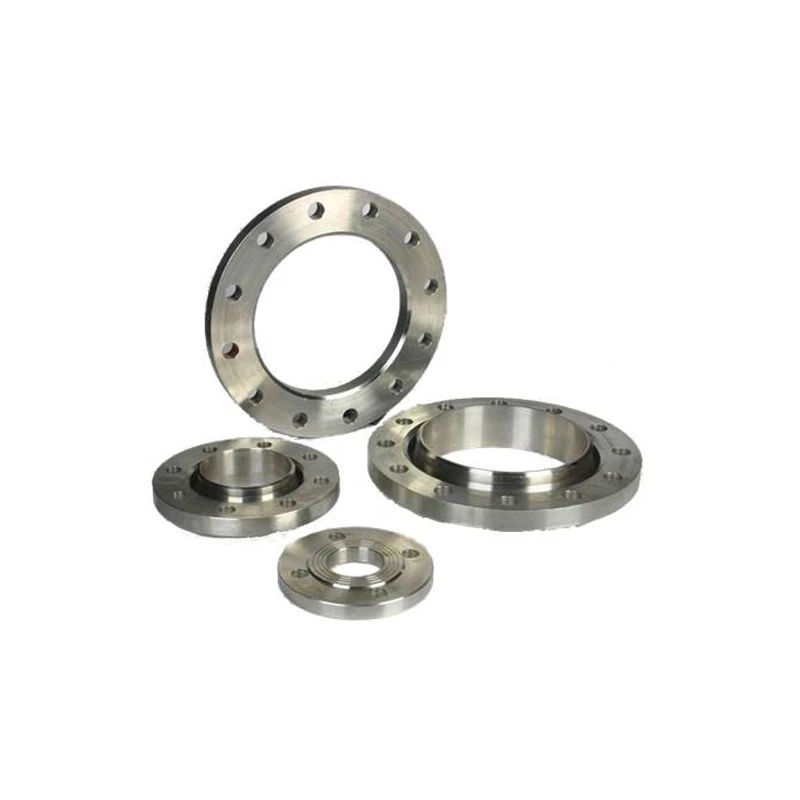
    Flange Product Introduction Flanges are used to connect pipes to pipes or pipes to equipment, ensuring a sealed and stable connection. They prevent fluid leakage and can withstand certain pressures and stresses, ensuring reliable connections. Flange nominal diameters range from DN15-DN2000 and beyond, covering various pipeline connection needs. Flanges primarily adhere to international standards such as ASME B16.5-2020, ASME B16.47-2020, and API 6A-2018.
    VIEW ALL
  • Elbow

    Elbow

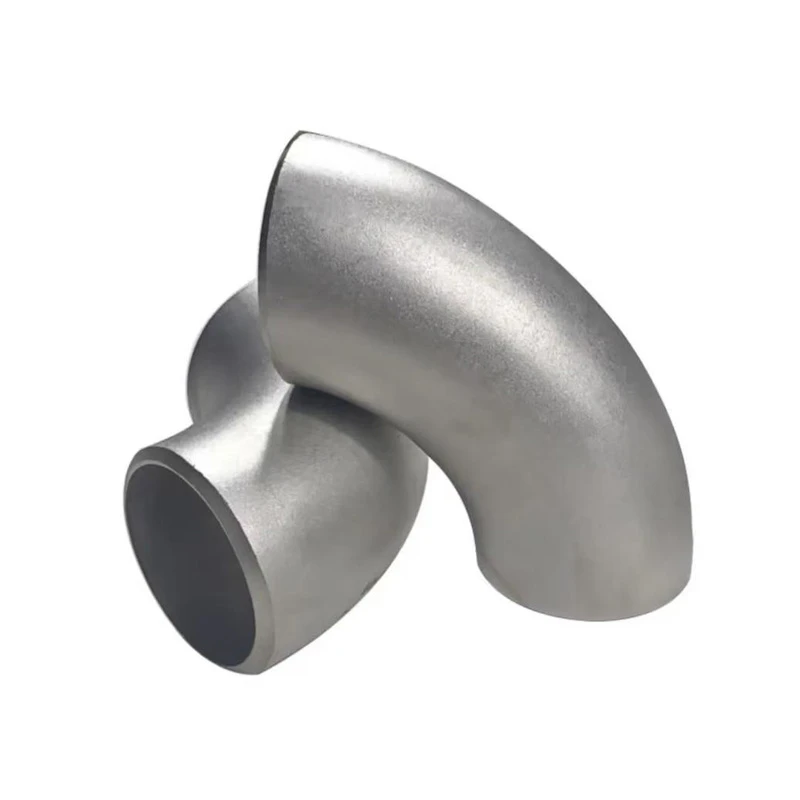
    Carbon Steel &stainless Steel Elbow Elbows are pipe fittings used to change the direction of pipelines in piping systems, commonly employed at pipeline bends. They are widely used in industries such as petroleum, chemical, and power. The common size range for elbows is DN15-DN2000, and typical angles include 45°, 90°, and 180°.
    VIEW ALL
  • Bend Pipe

    Bend Pipe

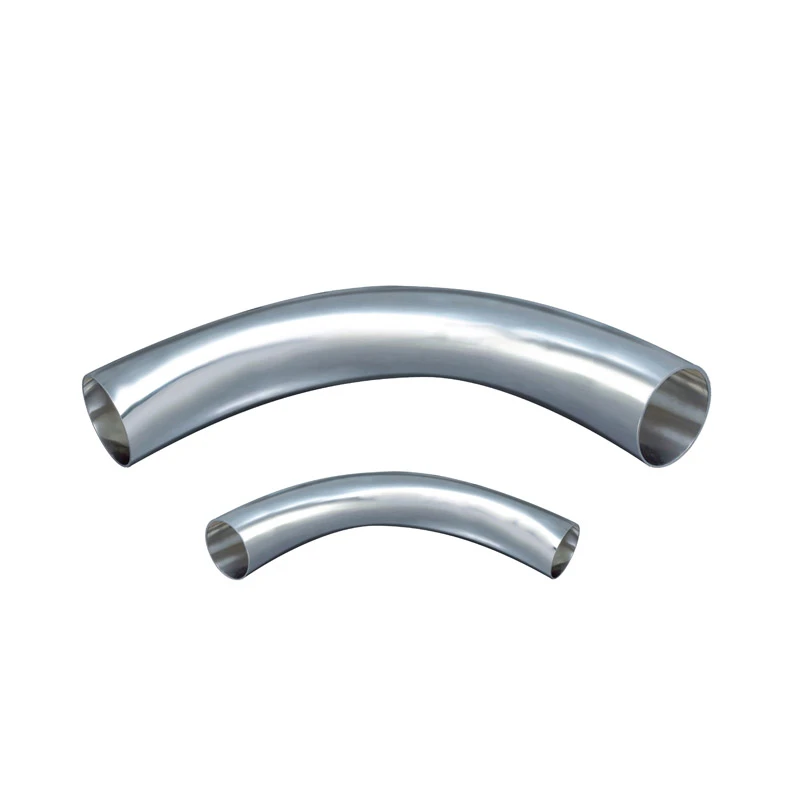
    Bend is a crucial pipe fitting used to change the direction of flow in a piping system. It allows for smooth transitions between sections of pipe, accommodating layout constraints, avoiding obstacles, and optimizing flow paths. Bends are designed to maintain the fluid's velocity and minimize pressure loss while providing the necessary angle of deviation. They are commonly used in various industries, including oil and gas, petrochemicals, water supply, and HVAC systems.
    VIEW ALL
To create value for customers!
Cangzhou Leo Technology Co., Ltd. is located in Mengcun County Economic Development Zone, Cangzhou City, Hebei Province. It is a specialized high-tech enterprise that integrates the research and development, production, and sales of composite pipes and fittings.
News
The company regards product quality as the life of the enterprise, establishes a sound quality management system in accordance with the requirements of industry and national standards, controls all aspects of input and output in the whole process, pays attention to every detail, and ensures that the product delivery pass rate is 100%.
Ultimate Guide to 4130 Tubing Strength Performance and Applications
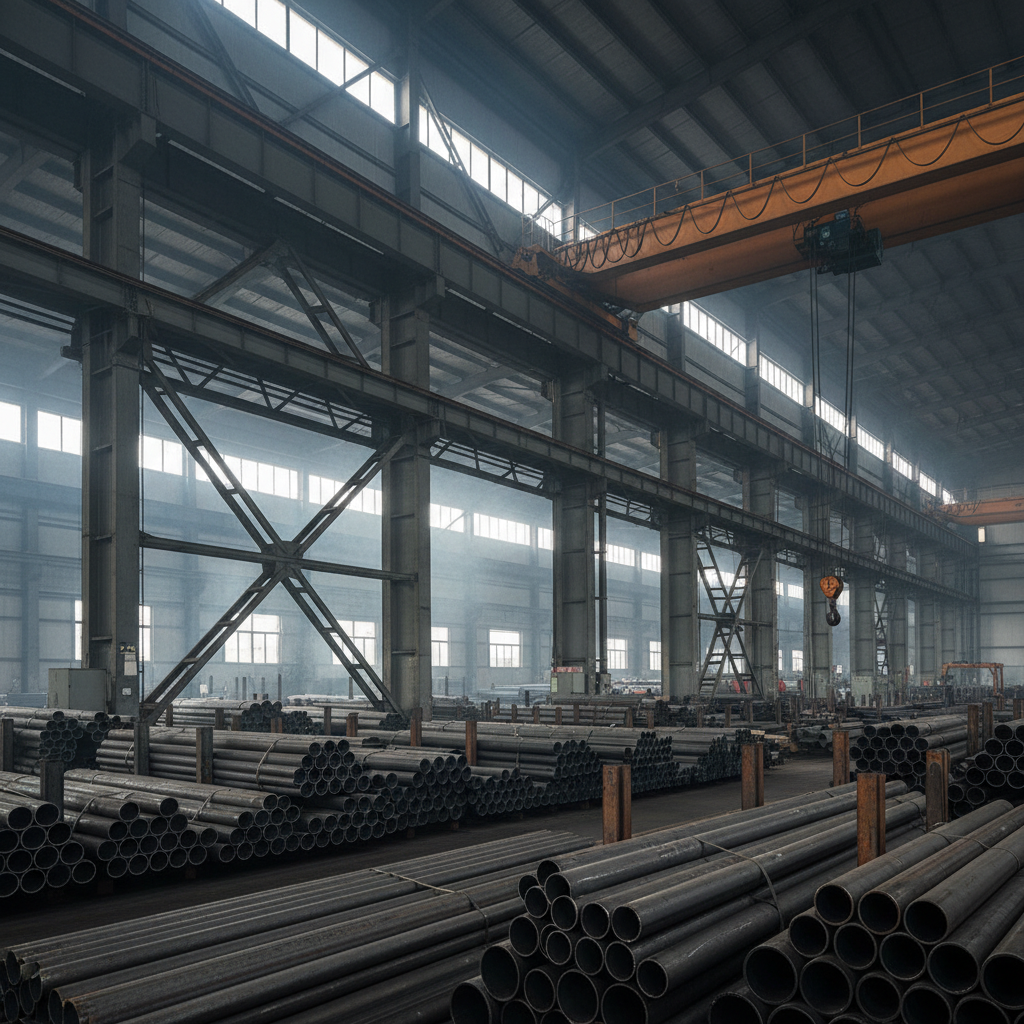
Ultimate Guide to 4130 Tubing Strength Performance and Applications

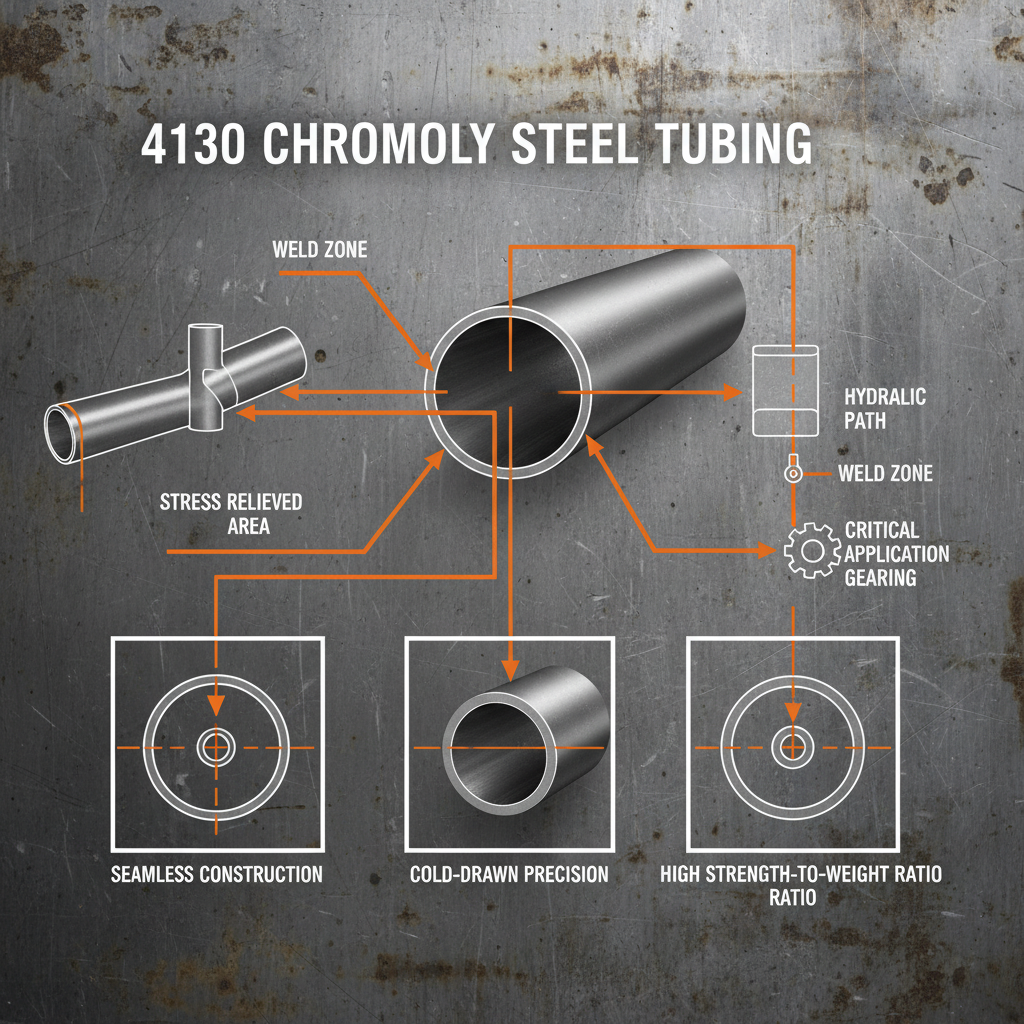
In the world of high-performance engineering, material selection is the foundation of safety and efficiency. 4130 tubing is widely regarded as the gold standard for applications requiring an exceptional strength-to-weight ratio. This chrome-molybdenum alloy steel is engineered to withstand extreme stress while remaining lightweight enough for aerospace and automotive use. Whether you are designing a roll cage, a bicycle frame, or a critical industrial component, understanding the nuances of this material is essential. In this comprehensive guide, we will explore why this specific alloy is preferred by engineers worldwide and how to choose the right specifications for your project.
Properties and Industrial Applications of 4130 steel tubing
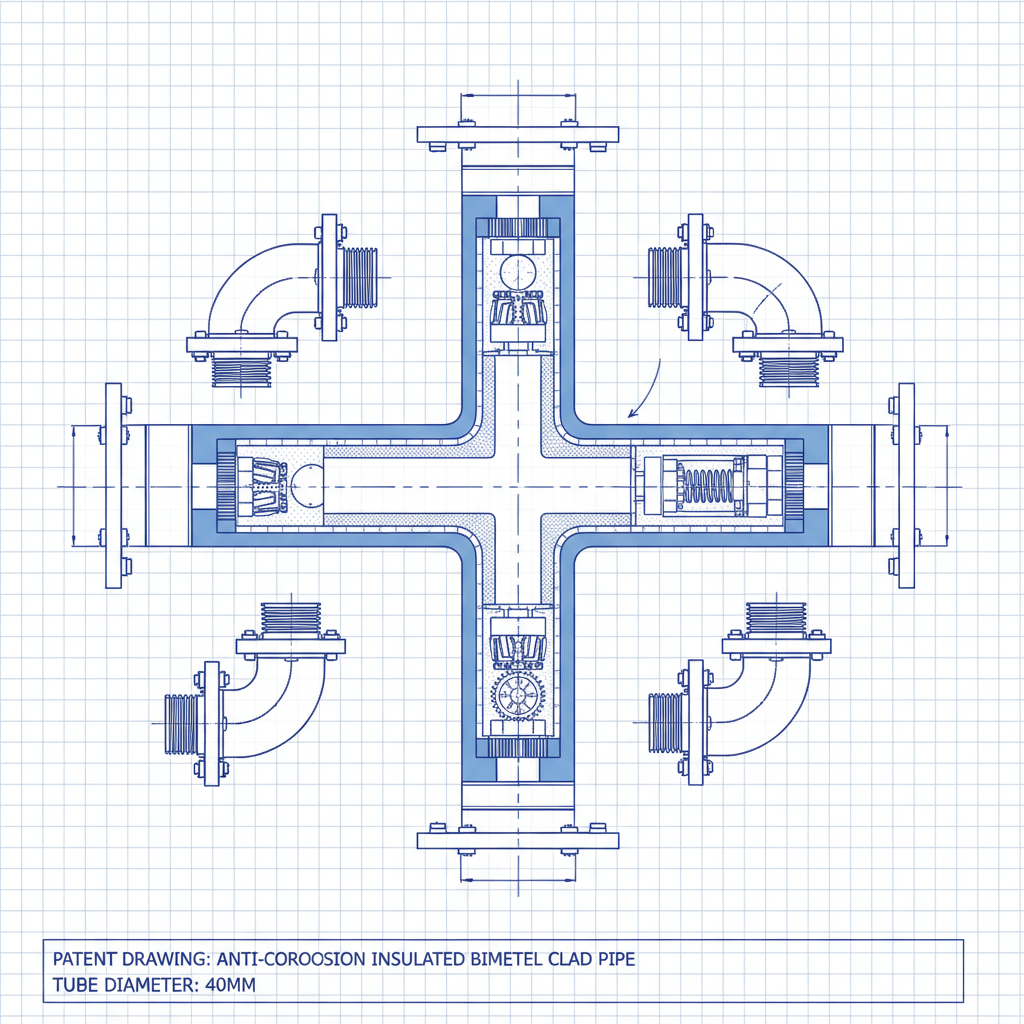
Properties and Industrial Applications of 4130 steel tubing

In the world of high-performance engineering, material selection is the foundation of safety and efficiency. 4130 steel tubing is widely recognized as the gold standard for applications requiring an exceptional strength-to-weight ratio. Known for its versatility and reliability, this chromium-molybdenum alloy is the preferred choice for everything from aircraft frames to professional roll cages. Understanding the nuances of this material allows engineers to optimize structural integrity without adding unnecessary bulk. In this comprehensive guide, we will explore why this specific alloy remains a top choice for critical industrial and aerospace components.
Comprehensive Guide to 40mm Steel Tube Applications and Material Selection
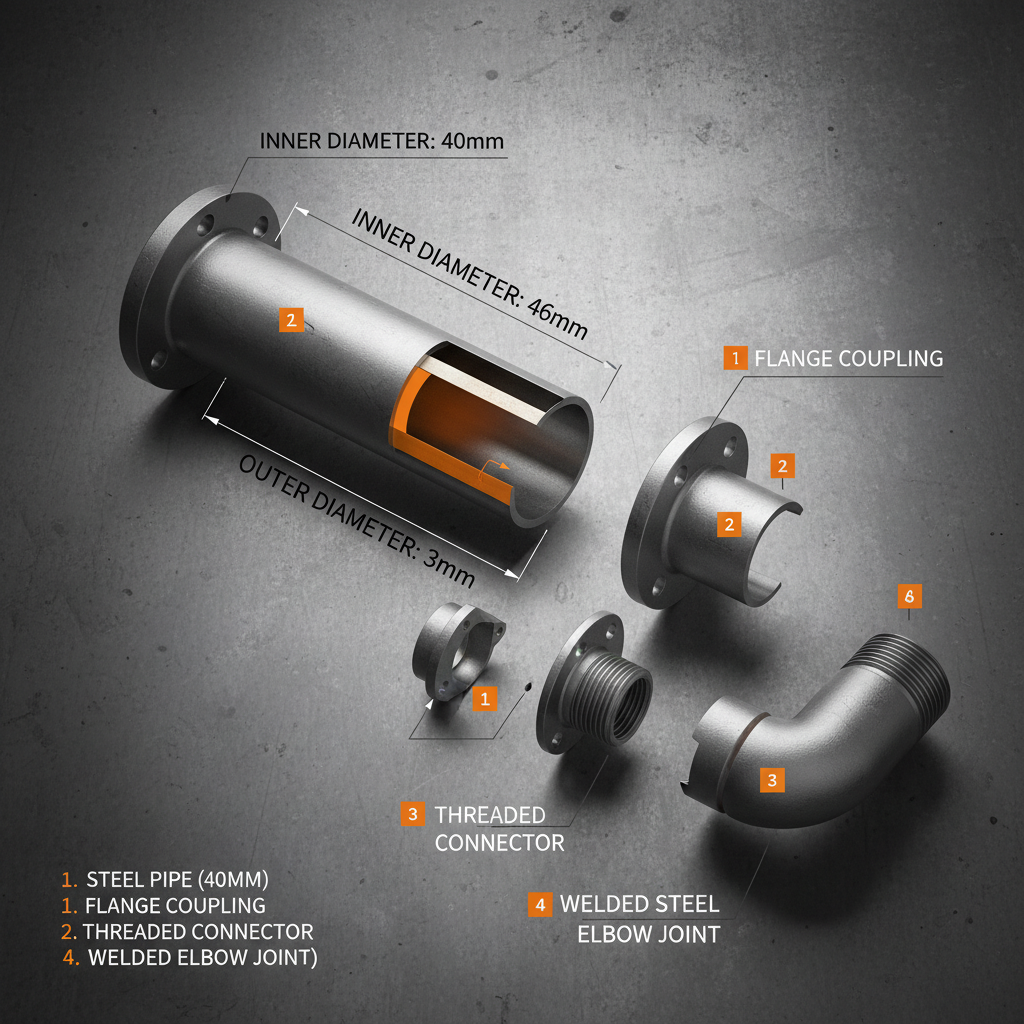
Comprehensive Guide to 40mm Steel Tube Applications and Material Selection

40mm steel tube is a versatile and widely used material in various industries, from construction and manufacturing to automotive and beyond. Its strength, durability, and cost-effectiveness make it an ideal choice for numerous applications. This article will delve into the characteristics, applications, benefits, and considerations when working with 40mm steel tube, providing a comprehensive overview for professionals and anyone interested in this essential material.
Comprehensive Guide to 40mm Steel Pipe Applications and Considerations
Comprehensive Guide to 40mm Steel Pipe Applications and Considerations

40mm steel pipe is a widely used material in various industries due to its strength, durability, and cost-effectiveness. From construction and infrastructure projects to industrial applications and fluid transportation, this pipe size offers a versatile solution. This article will delve into the properties, applications, standards, and key considerations when selecting 40mm steel pipe, helping you make informed decisions for your specific needs.
Comprehensive Guide to 40mm Metal Pipe Applications and Sourcing
Comprehensive Guide to 40mm Metal Pipe Applications and Sourcing

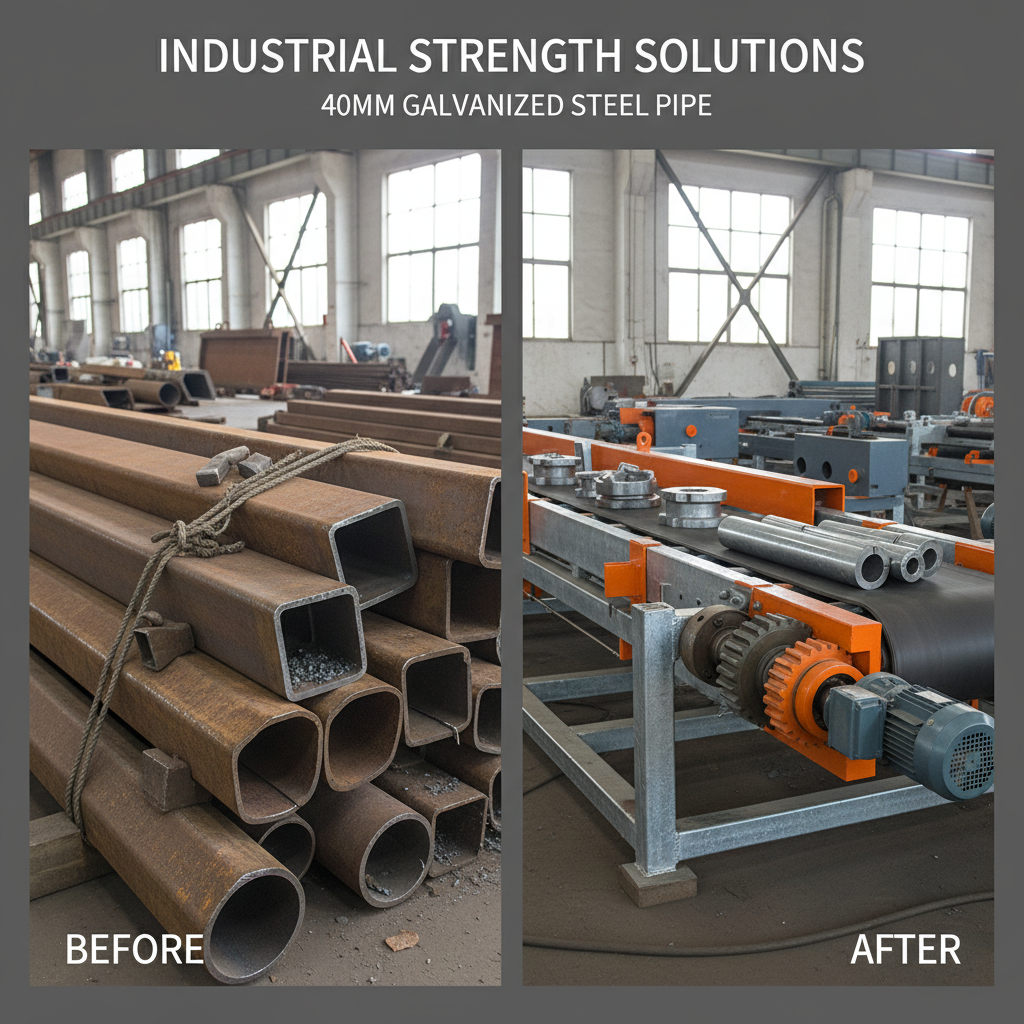
40mm metal pipe is a crucial component in a wide array of industries, from construction and plumbing to industrial manufacturing and fluid transport. Its strength, durability, and versatility make it a preferred material for countless applications. This article will delve into the specifics of 40mm metal pipe, exploring its various types, common uses, benefits, and where to source high-quality piping solutions.
Comprehensive Guide to 40mm Galvanised Pipe Applications and Specifications

Comprehensive Guide to 40mm Galvanised Pipe Applications and Specifications

When planning a plumbing, structural, or industrial project, selecting the right piping material is crucial. 40mm galvanised pipe is a widely used option known for its strength, durability, and corrosion resistance. This article provides a detailed overview of 40mm galvanised pipes, exploring their applications, benefits, specifications, and considerations for optimal usage. We'll cover everything from what galvanisation is to how to choose the right pipe for your specific needs.
tel email tel top

If you are interested in our products, you can choose to leave your information here, and we will be in touch with you shortly.