Having spent a fair share of years wrestling with pipelines, I can tell you steel sewer pipe isn’t just another piece of metal tubing. It’s the unsung workhorse beneath city streets and industrial yards alike, quietly shuffling waste and stormwater with steady patience. If you’ve ever glanced over a construction site, there’s a good chance those robust, often overlooked pipes are made of steel.
There are a handful of reasons engineers and contractors keep coming back to steel despite the rise of polymers and composites in piping. For starters, the strength-to-weight ratio is spectacular. Steel doesn’t bow easily to soil pressure or heavy traffic loads — it stays rigid and reliable over decades. Oddly enough, this toughness can translate into slimmer pipe walls and sometimes easier installation logistics.
From my experience, corrosion resistance is often the elephant in the room. Steel sewer pipes typically get galvanized or coated to fend off rust, but even then, the choice of protective treatment profoundly affects expected lifespan. Many industrial operators grumble about coatings failing prematurely, but when done right, these pipes can keep going strong much longer than alternatives.
One can’t discount customization options, either. I've seen steel pipes tailored with flanged ends, sleeves, or even lined interiors to handle aggressive chemical environments or high-velocity flows. These tweaks really make a difference when you’re dealing with complex municipal or industrial sewer systems.
Before digging into how you might pick the right steel sewer pipe, here’s a quick look at typical specs I’ve encountered. Engineers usually focus on diameter, wall thickness, material grade, and coating types — all of which play a part in performance and cost.
| Specification | Typical Range / Options |
|---|---|
| Diameter | 100 mm (4") to 600 mm (24") |
| Wall Thickness | 3 – 10 mm (varies by class) |
| Material Grade | A53 Grade B, A135, or ASTM A252 |
| Coating | Hot-dip galvanized, epoxy, bituminous |
| Length per Section | 6 meters (standard) |
| Pressure Rating | Up to 16 bar (depending on size/thickness) |
Of course, these specs are often tailored by manufacturers or adapted to project specifics. Sometimes, though, what feels like “over-spec” actually prevents headaches down the line. I always recommend erring on the side of durability.
After working with a few suppliers over the years, I noticed it boils down to responsiveness, quality control, and price competitiveness. Here’s a rough vendor comparison based on my recent projects and feedback from colleagues.
| Vendor | Quality | Pricing | Customization | Delivery Time |
|---|---|---|---|---|
| Lion Pipeline | Excellent (strict QC, consistent) | Competitive | Flexible, tailored solutions | Typically 4-6 weeks |
| Steelline Solutions | Good (mostly standard specs) | Moderate | Limited | 5-7 weeks |
| PipeWorks Inc. | Fair (occasional variability) | Low-end | Standard | 6-8 weeks |
Personally, I lean towards vendors like Lion Pipeline. Their quality assurance is rock solid and when you need customization on longer runs or special coatings, they deliver. It’s worth the few extra bucks compared to budget options—I learned that the hard way on some past projects.
In real terms, steel sewer pipe will probably stay relevant even as new materials emerge. There’s something reassuring in its strength and adaptability, especially when you’re managing sizable, long-term sewer projects. It might not be the flashiest choice, but it sure knows how to get the job done without fuss.
Next time you’re looking at sewer infrastructure options, remember that the right steel pipe isn’t just about metal thickness or coating — it’s about matching the pipe to environmental challenges and project demands. I suppose that’s true for most industrial gear, isn’t it?
Hope this gives you a decent starting point. If you want to explore precise options, I recommend checking out vendors like Lion Pipeline — their expertise felt genuine and grounded when I last reached out.
References and Thoughts:
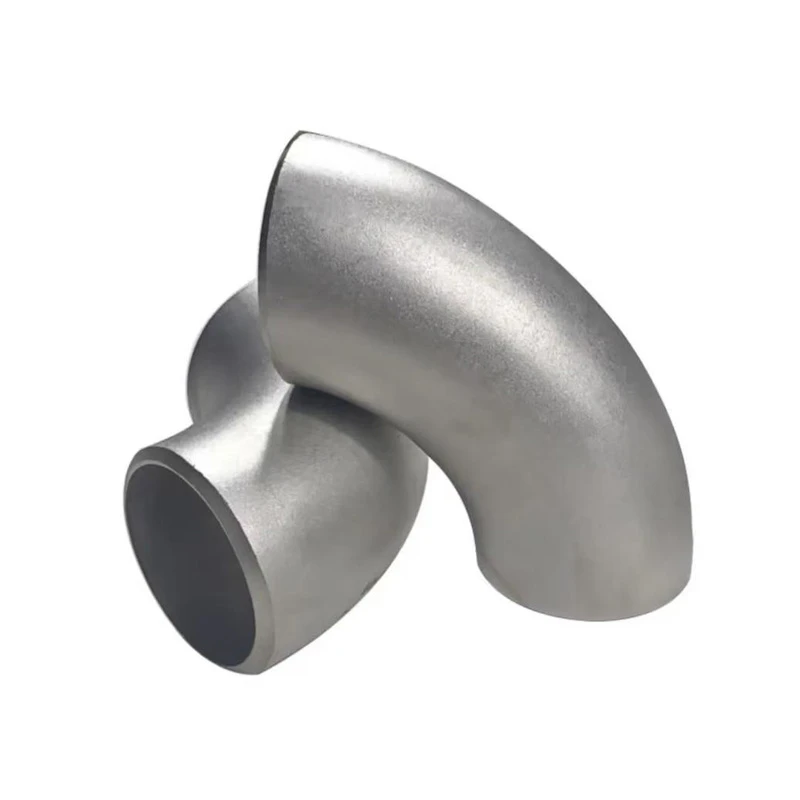
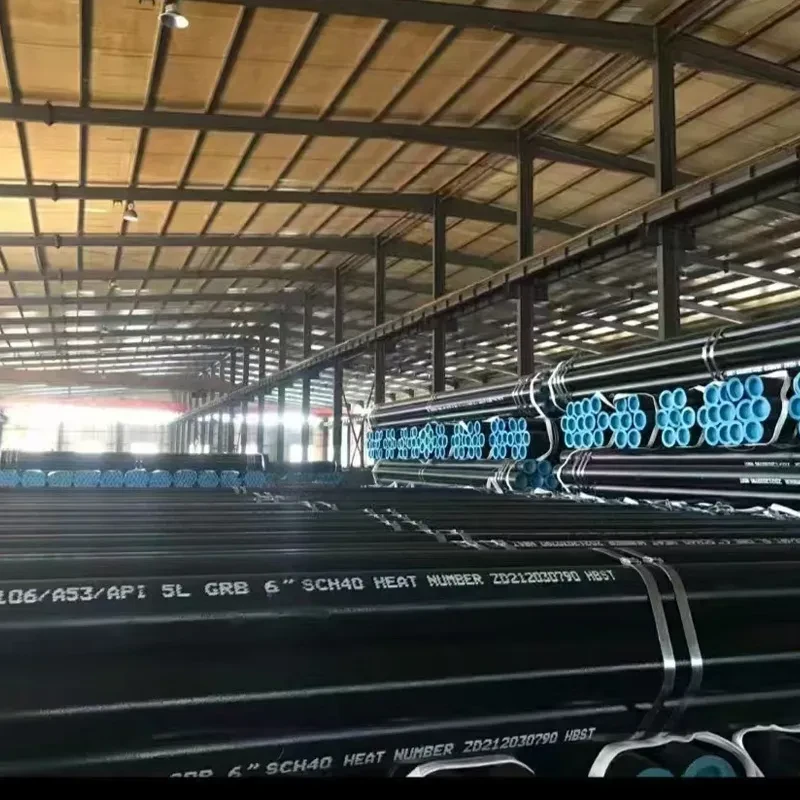
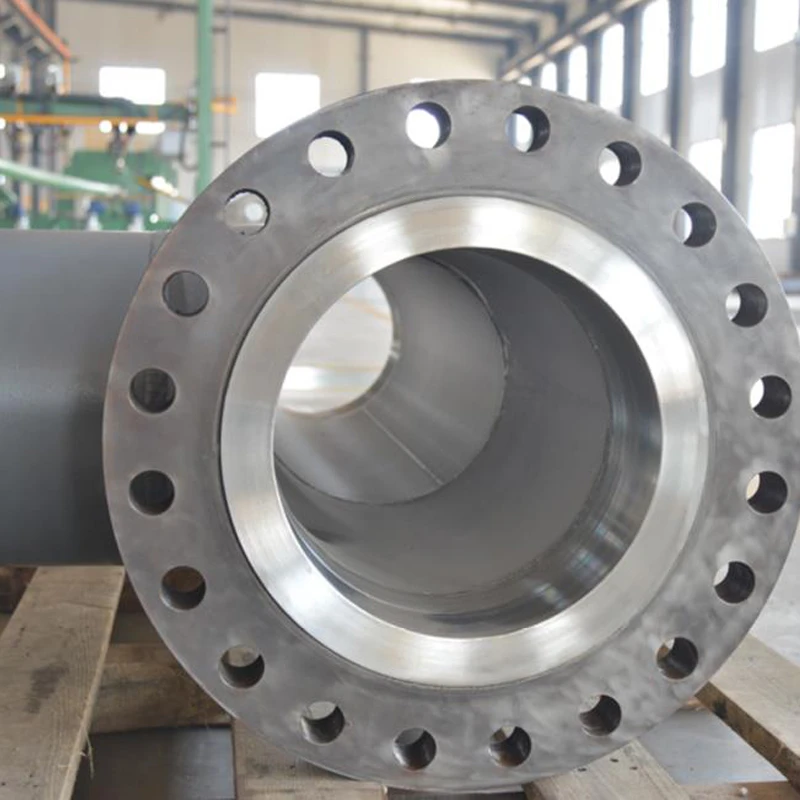
Factory Prefabricated Products
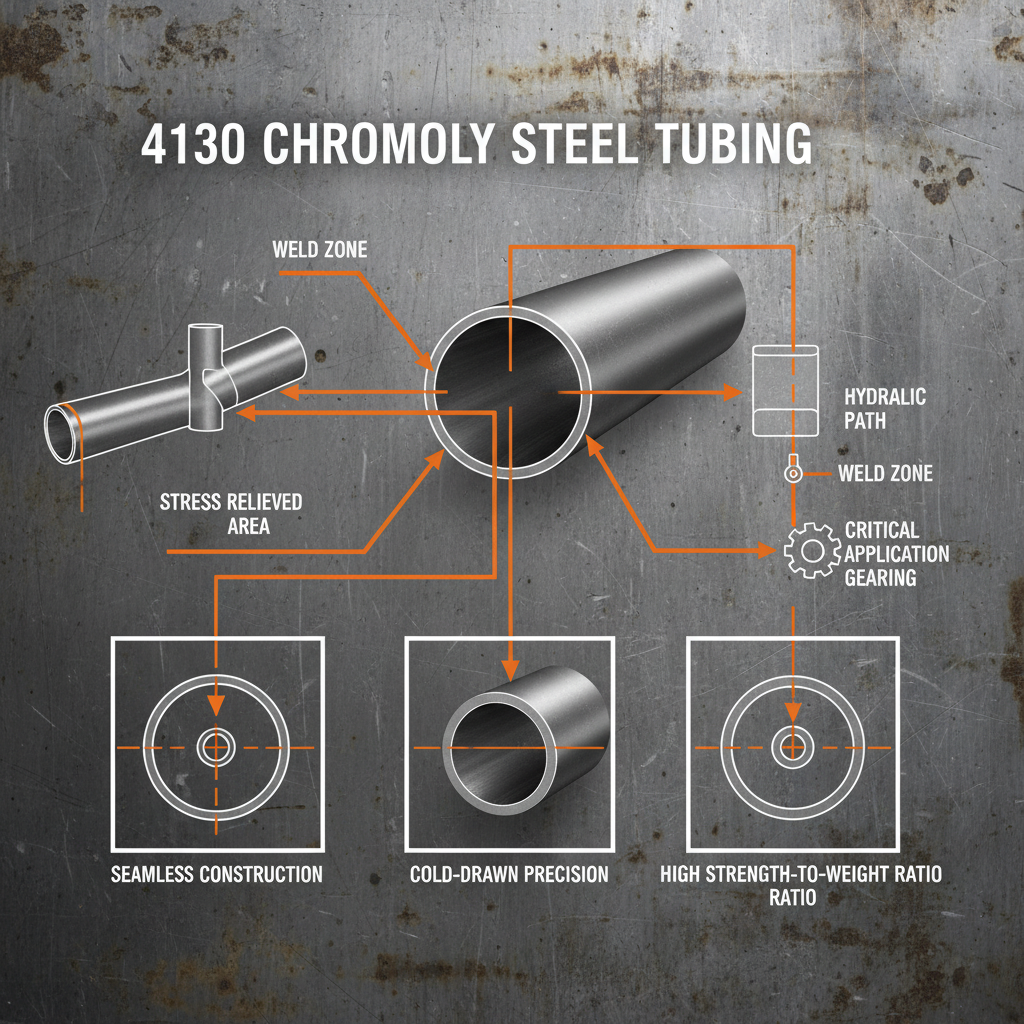
Ultimate Guide to 4130 Tubing Strength Performance and Applications
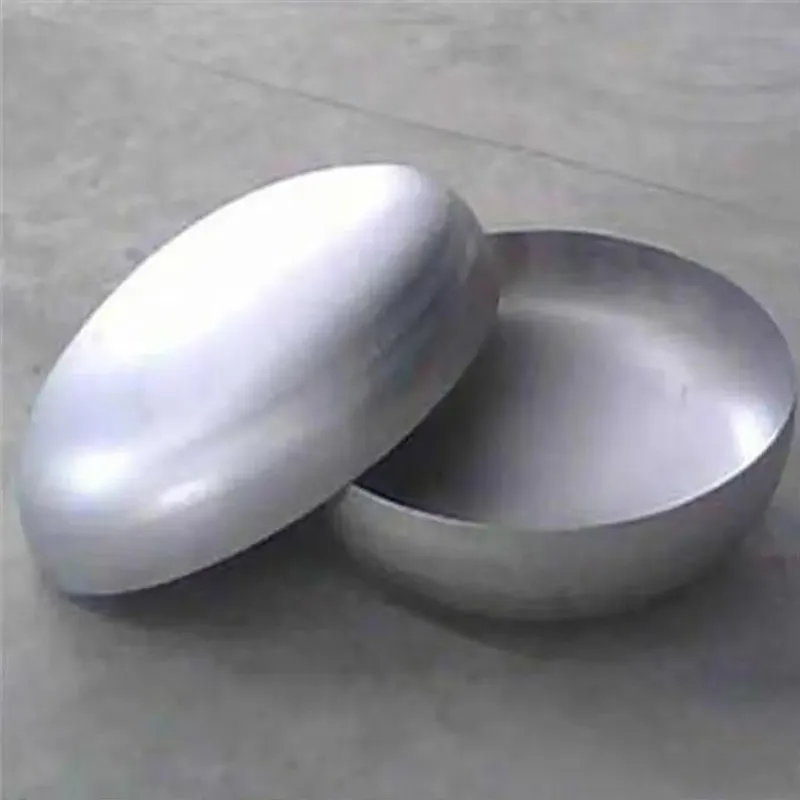
Pipe Cap-Cangzhou Lion Technology Co., Ltd.|Enhancing System Efficiency&Durability
Pipe Cap-Cangzhou Lion Technology Co., Ltd.|Enhancing System Efficiency&Durability
Pipe Cap-Cangzhou Lion Technology Co., Ltd.|Enhancing System Efficiency&Durability
Pipe Cap-Cangzhou Lion Technology Co., Ltd.|Enhancing System Efficiency&Durability
Pipe Cap-Cangzhou Lion Technology Co., Ltd.|Enhancing System Efficiency&Durability