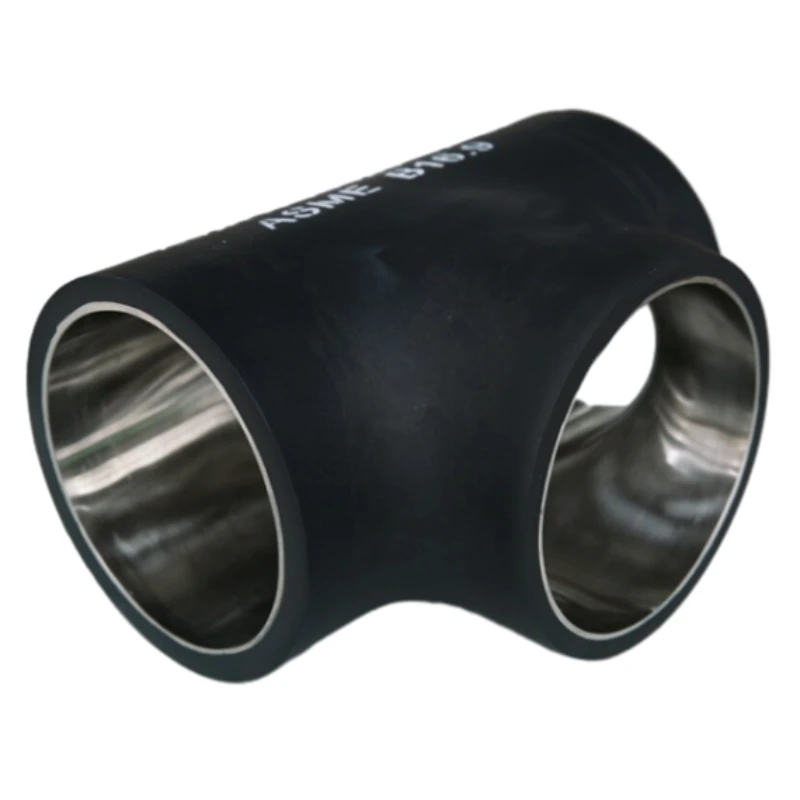
Having spent more than a decade in the industrial equipment sector, I’ve seen my fair share of piping solutions evolve. The 200mm steel pipe has, for years now, held a distinct place in construction, infrastructure, and industrial projects. Oddly enough, despite its seemingly simple profile, this pipe size balances strength, versatility, and cost-efficiency in ways that still surprise me during installations and client feedback sessions.
To put it plainly, 200mm (or 8-inch) pipes serve as a sweet spot for medium-scale fluid transport—think water, gas, even slurry. I suppose it’s this balance of manageable diameter plus robust wall thickness options that makes it such a favorite among contractors. Many engineers tell me they rely on these pipes when bigger diameters feel unwieldy and smaller ones just won’t cut it.
The standard 200mm steel pipe is usually made from carbon steel grades like ASTM A53 or API 5L, which you might already know are well tested for tensile strength and corrosion resistance. Frankly, I always look for manufacturers who provide seamless steel pipes versus welded where possible—they tend to last longer under high pressure or in corrosive environments.
What you might find interesting is how heat treatment and surface coating come into play. Hot-dip galvanizing or epoxy coatings add that extra mile of protection, especially in outdoor or marine setups. This stuff isn’t flashy, but it’s crucial. One of my clients once told me how a well-specified coating system saved them from an early costly overhaul in a coastal pipeline.
| Specification | Value |
|---|---|
| Outer Diameter | 200 mm (8 inches) |
| Wall Thickness | 5 mm – 20 mm (varies by grade) |
| Material Grade | ASTM A53, API 5L B, A106 Grade B |
| Length | 6 m standard (custom cut available) |
| Coatings | Galvanized, Black painted, Epoxy |
| Testing | Hydrostatic & Ultrasonic Inspection |
One thing I’ve noticed when sourcing pipes is that vendor reputation can matter just as much as the product specs. Here’s a quick comparison of some common providers in the market, focusing on quality, customization, delivery, and pricing. This isn’t exhaustive, but it reflects what experienced buyers often share in the industry.
| Vendor | Quality | Customization | Lead Time | Price |
|---|---|---|---|---|
| Lion Pipeline | High (Seamless options) | Excellent (Cut-to-length) | 2-3 weeks | Competitive |
| SteelCo Supply | Good (Mostly welded) | Limited | 3-5 weeks | Moderate |
| Global Pipes Inc. | Very High (API certified) | Very Good | 4 weeks | Premium |
I remember one particular project where a 200mm steel pipe line was the backbone of a regional water system upgrade. The client initially hesitated on cost but was quickly convinced after seeing how the pipe’s durability and easy installation saved them weeks of downtime. You start to appreciate how these pipes are sort of unsung heroes—quietly supporting critical infrastructure without much fanfare.
Customization also matters — I’ve been part of discussions where precise cutting or coating specs made all the difference for long-term maintenance. When you factor in corrosion resistance, strength, and delivery times, you realize just how dynamic the choices around 200mm steel pipes can be.
At the end of the day, whether it’s for oil and gas, municipal water supplies, or industrial plants, this pipe size offers just enough robustness without becoming unwieldy. It feels like the “Goldilocks” size of steel piping—just right for a broad set of demands.
If you’re considering jumping into projects needing reliable pipe infrastructure, checking out vendors like Lion Pipeline could be a worthwhile start.
In real terms, the pipes may seem simple slabs of steel, but their impact on the projects and people they serve cannot be overstated.
References:
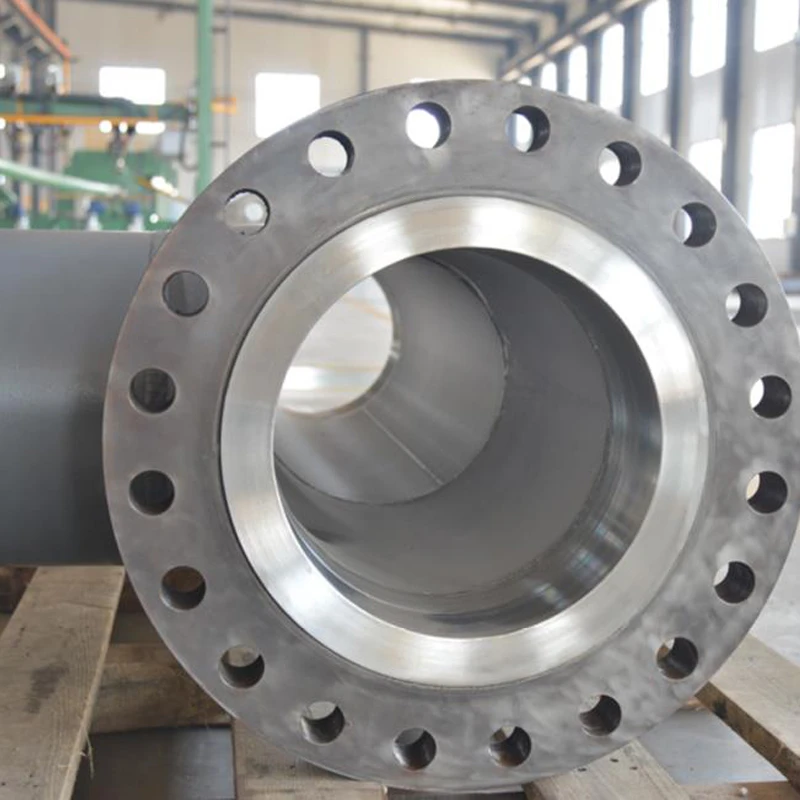
Factory Prefabricated Products
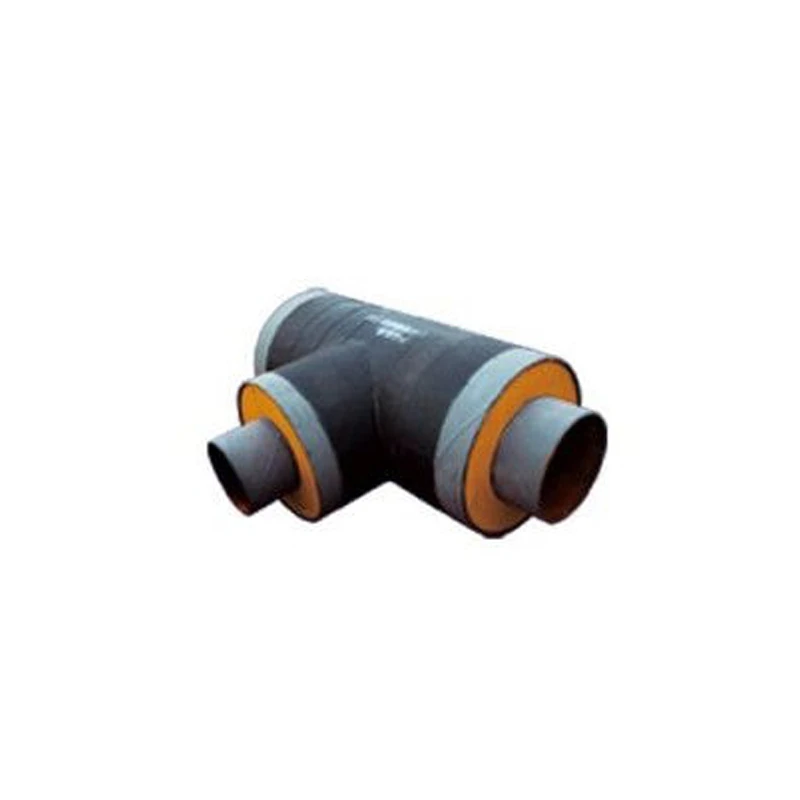
Anti Corrosion And Thermal Insulation Products
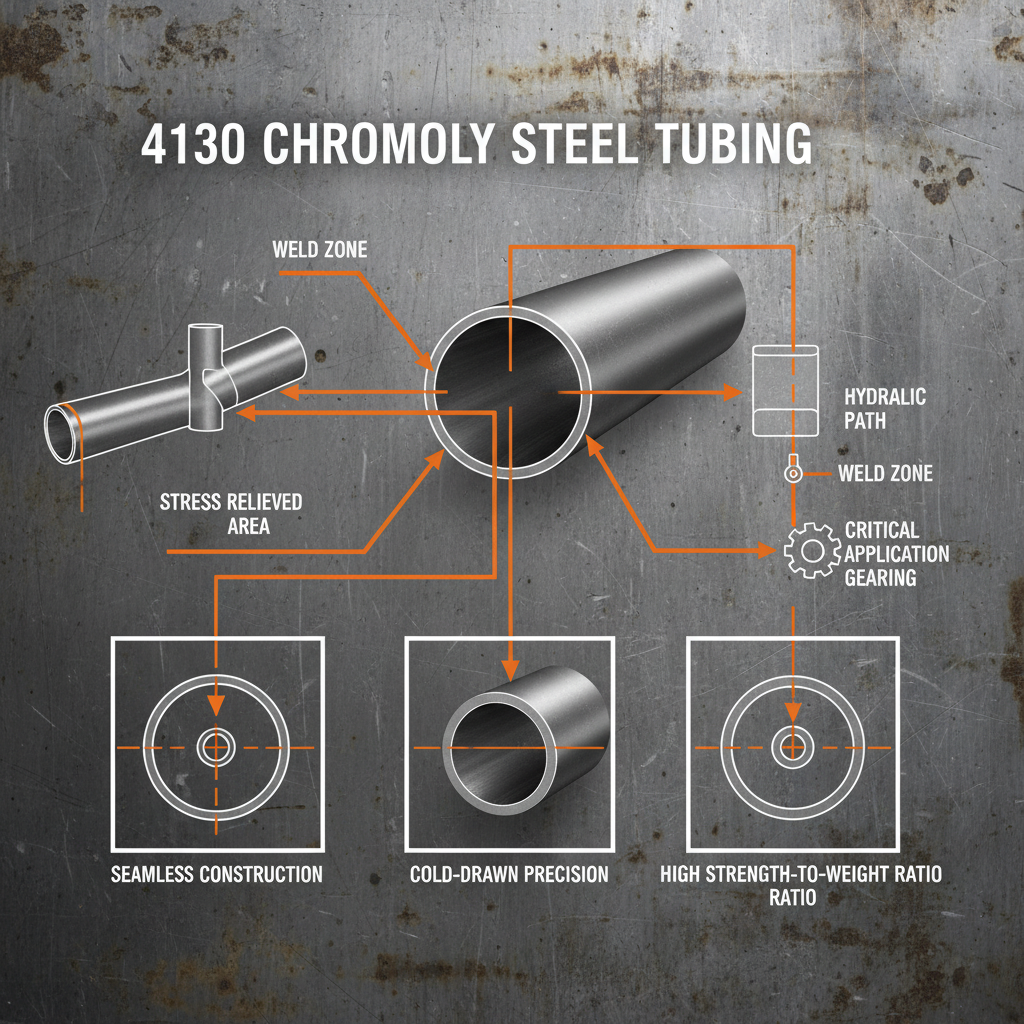
Ultimate Guide to 4130 Tubing Strength Performance and Applications
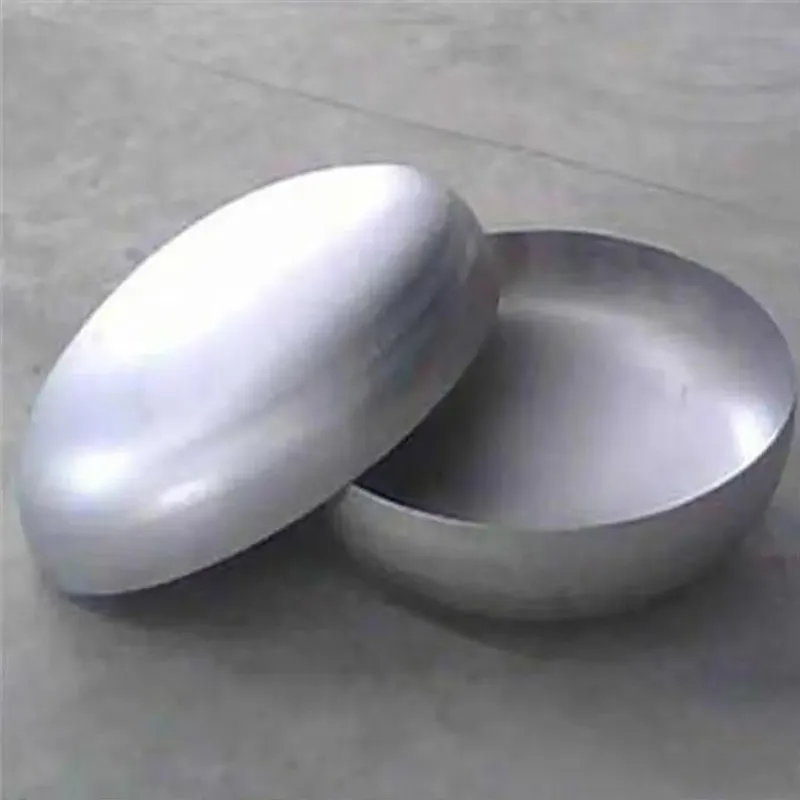
Pipe Cap-Cangzhou Lion Technology Co., Ltd.|Enhancing System Efficiency&Durability
Pipe Cap-Cangzhou Lion Technology Co., Ltd.|Enhancing System Efficiency&Durability
Pipe Cap-Cangzhou Lion Technology Co., Ltd.|Enhancing System Efficiency&Durability
Pipe Cap-Cangzhou Lion Technology Co., Ltd.|Enhancing System Efficiency&Durability
Pipe Cap-Cangzhou Lion Technology Co., Ltd.|Enhancing System Efficiency&Durability