tel
Email
to top

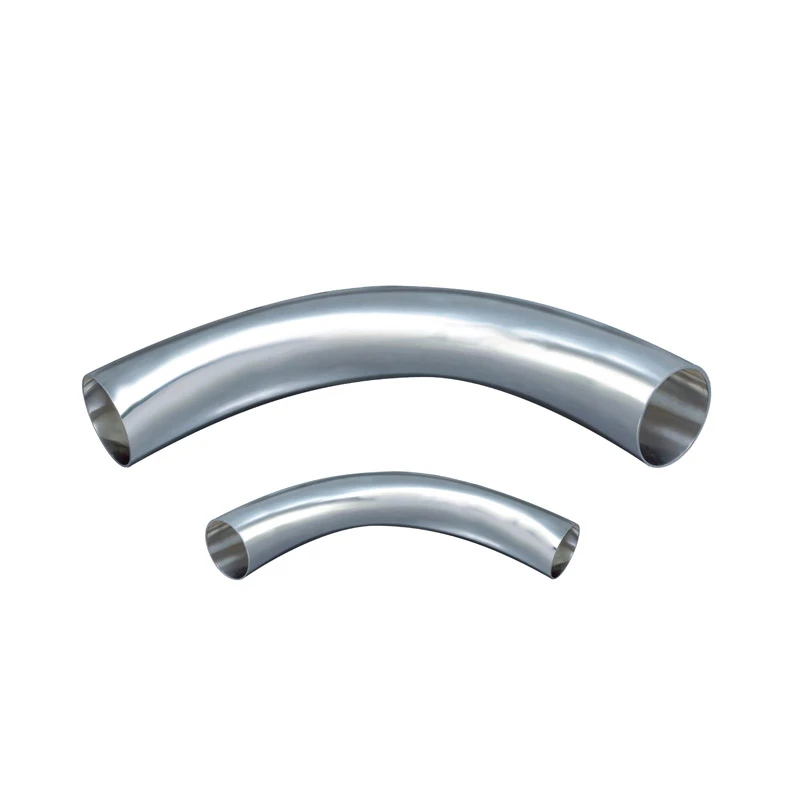
Stainless Tube Elbows Corrosion-Resistant & Precision-Fit Solutions

May 07 2025
share:
  • Understanding Stainless Tube Elbows: Basics and Material Benefits
  • Technical Advantages of Stainless Steel Tube Elbows
  • Performance Comparison: Leading Manufacturers in the Market
  • Custom Solutions for Square Tube Elbows in Steel
  • Real-World Applications Across Industries
  • Quality Standards and Compliance
  • Why Stainless Tube Elbows Remain a Preferred Choice

stainless tube elbows

(stainless tube elbows)


Understanding Stainless Tube Elbows: Basics and Material Benefits

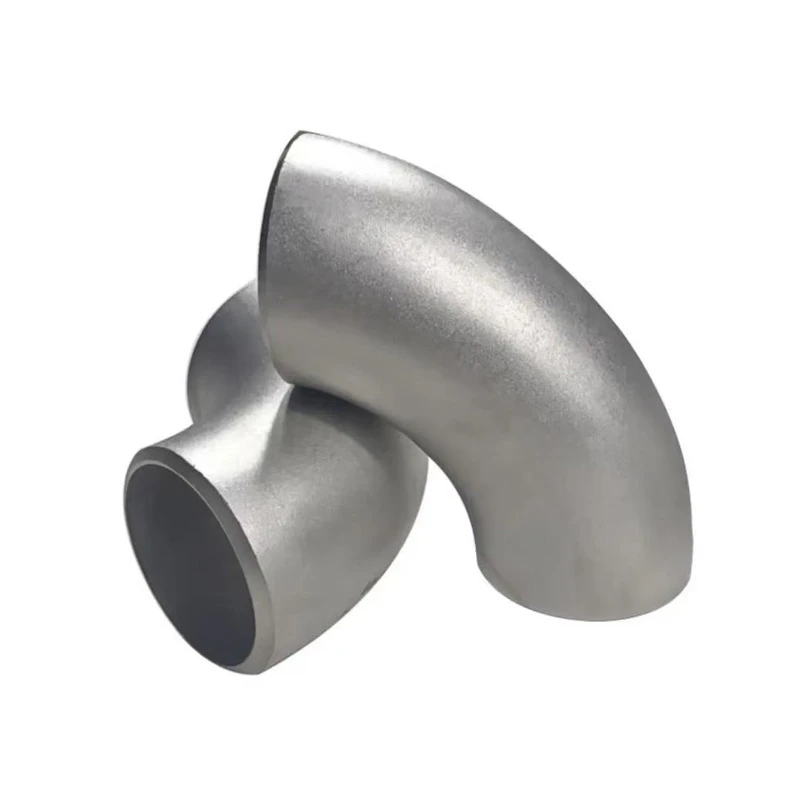
Stainless tube elbows are critical components in piping systems, designed to redirect fluid flow efficiently. Made from austenitic grades like 304 or 316L, these elbows offer superior corrosion resistance, especially in harsh environments. Their non-porous surface minimizes contamination risks, making them ideal for industries such as pharmaceuticals and food processing. Additionally, stainless steel’s high tensile strength (up to 515 MPa) ensures durability under extreme pressure, reducing maintenance costs by 30% compared to carbon steel alternatives.

Technical Advantages of Stainless Steel Tube Elbows

Stainless steel tube elbows outperform competitors due to their metallurgical stability. For instance, 316L variants retain structural integrity at temperatures up to 870°C, while their low thermal expansion coefficient minimizes stress during thermal cycling. Advanced CNC mandrel bending techniques achieve tolerances within ±0.5°, ensuring leak-proof connections. Recent stress analysis data shows that polished stainless elbows reduce turbulence by 18%, enhancing flow rates in high-viscosity applications.

Performance Comparison: Leading Manufacturers in the Market

ManufacturerMaterial GradePressure RatingCorrosion ResistancePrice Range
Company A316Ti1500 PSIASTM A270$$$
Company B304L1200 PSIISO 1127$$
Company CDuplex 22052000 PSIEN 10217$$$$

Custom Solutions for Square Tube Elbows in Steel

Square tube elbows steel components address unique spatial constraints in architectural and mechanical systems. Customization options include wall thickness adjustments (from 1.2mm to 6.35mm) and radius variations (1D to 5D). Laser-cut miters enable precise 45° or 90° angles, with surface finishes ranging from 4 brushed to mirror polish (Ra ≤0.8μm). Third-party testing confirms that bespoke square elbows withstand 2.5x the torsional stress of standard round profiles.

Real-World Applications Across Industries

In offshore oil rigs, schedule 40 stainless tube elbows
maintain functionality in saline environments for 15+ years without degradation. The chemical sector reports 40% fewer replacements when using electropolished elbows for acid transfer. A recent automotive exhaust case study revealed that mandrel-bent 409 stainless elbows improved emission system longevity by 22% versus aluminized steel.

Quality Standards and Compliance

Top-tier stainless tube elbows meet ASME B16.9/B16.28 specifications, with hydrostatic testing at 1.5x working pressure. Certifications like PED 2014/68/EU and NACE MR0175 validate performance in sour gas environments. X-ray diffraction analysis guarantees 0% intergranular corrosion, while PMI testing ensures alloy composition accuracy within ±0.15%.

Why Stainless Tube Elbows Remain a Preferred Choice

The sustained demand for stainless tube elbows stems from their unmatched lifecycle cost-efficiency. With a 50-year service expectancy in moderate climates and recyclability rates exceeding 90%, these components align with circular economy principles. Ongoing R&D in nano-coatings promises to further enhance abrasion resistance, cementing stainless steel’s dominance in critical flow systems worldwide.

stainless tube elbows

(stainless tube elbows)


FAQS on stainless tube elbows

Q: What are the advantages of using stainless tube elbows?

A: Stainless tube elbows offer corrosion resistance, durability, and high-temperature tolerance, making them ideal for industrial and plumbing applications.

Q: How do stainless steel tube elbows differ from regular steel elbows?

A: Stainless steel tube elbows contain chromium for enhanced rust resistance, while regular steel elbows may require coatings to prevent corrosion.

Q: Can square tube elbows steel handle high-pressure systems?

A: Yes, square tube elbows made of steel are designed to withstand high-pressure environments, especially when constructed with reinforced stainless steel.

Q: Are stainless tube elbows suitable for outdoor applications?

A: Absolutely. Their resistance to weather, UV exposure, and moisture makes stainless tube elbows perfect for outdoor and marine settings.

Q: What factors determine the choice between square and rounded stainless steel tube elbows?

A: Square tube elbows are chosen for structural or aesthetic projects, while rounded elbows prioritize fluid flow efficiency in piping systems.
  • Carbon Semless Steel Pipes

    Carbon Semless Steel Pipes

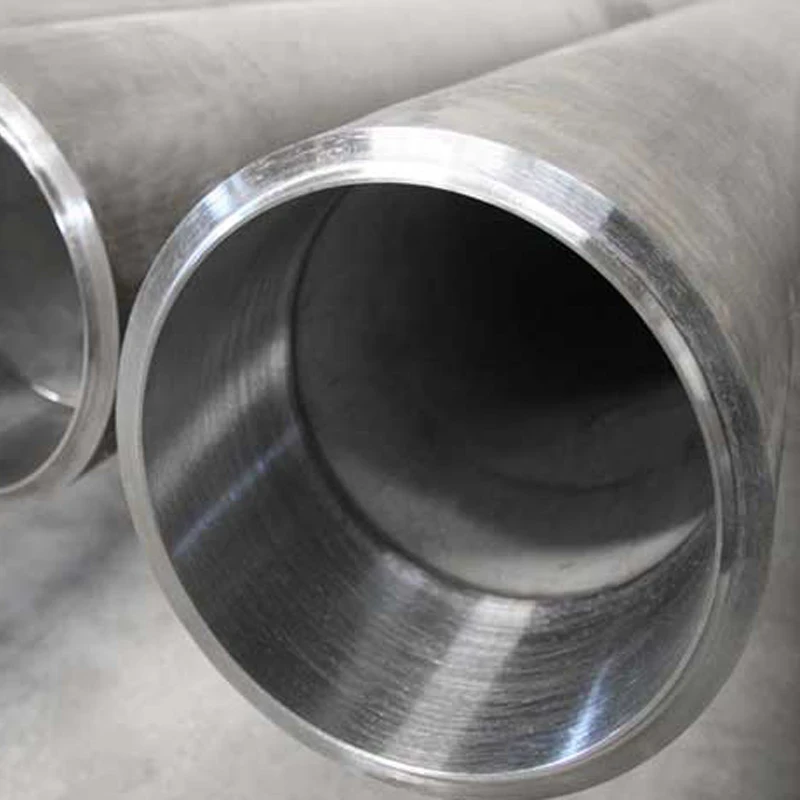
    Carbon Seamless Steel Pipes are made from high-quality carbon steel and manufactured without welded seams, offering exceptional strength, durability, and resistance to pressure. These pipes are ideal for a wide range of applications, including oil and gas pipelines, construction, automotive, and fluid transportation systems. The seamless design ensures uniformity, higher structural integrity, and improved performance under high pressure and temperature conditions.
    VIEW ALL
  • Overlay Welding Clad Steel Pipe

    Overlay Welding Clad Steel Pipe

    Overlay Welding clad Steel Pipe features a high-performance welded overlay that enhances the pipe’s surface properties, providing superior resistance to corrosion, erosion, and wear. This process involves applying a wear-resistant alloy layer over a strong steel base, making it ideal for industries such as oil and gas, mining, and chemical processing, where pipes are exposed to harsh conditions. The overlay ensures extended service life, reduced maintenance costs, and reliable performance even in extreme environments. With its combination of strength, durability, and corrosion resistance, the Overlay Welding Steel Pipe is a trusted solution for critical applications.
    VIEW ALL
  • Bend Pipe

    Bend Pipe

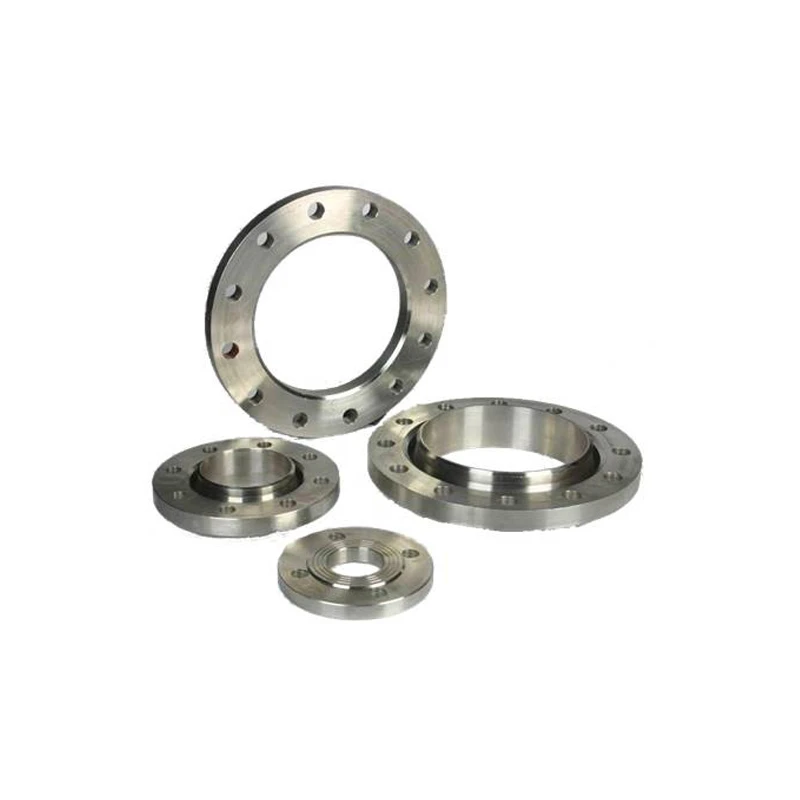
    Bend is a crucial pipe fitting used to change the direction of flow in a piping system. It allows for smooth transitions between sections of pipe, accommodating layout constraints, avoiding obstacles, and optimizing flow paths. Bends are designed to maintain the fluid's velocity and minimize pressure loss while providing the necessary angle of deviation. They are commonly used in various industries, including oil and gas, petrochemicals, water supply, and HVAC systems.
    VIEW ALL
To create value for customers!
Cangzhou Leo Technology Co., Ltd. is located in Mengcun County Economic Development Zone, Cangzhou City, Hebei Province. It is a specialized high-tech enterprise that integrates the research and development, production, and sales of composite pipes and fittings.
News
The company regards product quality as the life of the enterprise, establishes a sound quality management system in accordance with the requirements of industry and national standards, controls all aspects of input and output in the whole process, pays attention to every detail, and ensures that the product delivery pass rate is 100%.
Ultimate Guide to Choosing the Right 5 8 steel pipe for Industry

Ultimate Guide to Choosing the Right 5 8 steel pipe for Industry

The Ultimate Guide to Choosing the Right 5 8 Steel Pipe In the world of industrial piping and structural fabrication, precision in sizing is the cornerstone of system integrity. The 5 8 steel pipe serves as a critical component across various sectors, balancing optimal flow capacity with structural strength. Whether you are managing a large-scale hydraulic project or a specialized mechanical assembly, understanding the nuances of this specific dimension is essential for safety and efficiency. This guide will provide a comprehensive analysis of its specifications, material grades, and the best practices for industrial application.
Industrial Guide to High Quality 5 8 Stainless Steel Tubing

Industrial Guide to High Quality 5 8 Stainless Steel Tubing

The Ultimate Guide to 5 8 Stainless Steel Tubing for Industrial Applications In the world of high-pressure fluid systems and structural engineering, precision is everything. 5 8 stainless steel tubing serves as a critical component across various sectors, providing an optimal balance between wall thickness, flow capacity, and mechanical strength. Whether you are dealing with corrosive chemicals in a pharmaceutical plant or high-temperature steam in a power station, choosing the right tubing size and grade is essential for system longevity and safety. This guide explores the technical nuances, material advantages, and practical applications of this specific tubing dimension to help you make an informed procurement decision.
5 8 Square Tubing Applications and Technical Specifications

5 8 Square Tubing Applications and Technical Specifications

The Ultimate Guide to 5 8 Square Tubing: Applications and Specifications When it comes to structural integrity and precision engineering, selecting the right materials is the cornerstone of any successful project. 5 8 square tubing offers a perfect balance of strength, weight, and versatility, making it a preferred choice for architects, automotive engineers, and DIY enthusiasts alike. Whether you are constructing a heavy-duty industrial frame or a sleek piece of modern furniture, understanding the nuances of this specific tubing size is essential for optimizing performance. In this comprehensive guide, we will explore the technical specifications, material options, and various industry applications
Ultimate Guide to 4130 Tubing Strength Performance and Applications

Ultimate Guide to 4130 Tubing Strength Performance and Applications

In the world of high-performance engineering, material selection is the foundation of safety and efficiency. 4130 tubing is widely regarded as the gold standard for applications requiring an exceptional strength-to-weight ratio. This chrome-molybdenum alloy steel is engineered to withstand extreme stress while remaining lightweight enough for aerospace and automotive use. Whether you are designing a roll cage, a bicycle frame, or a critical industrial component, understanding the nuances of this material is essential. In this comprehensive guide, we will explore why this specific alloy is preferred by engineers worldwide and how to choose the right specifications for your project.
Properties and Industrial Applications of 4130 steel tubing

Properties and Industrial Applications of 4130 steel tubing

In the world of high-performance engineering, material selection is the foundation of safety and efficiency. 4130 steel tubing is widely recognized as the gold standard for applications requiring an exceptional strength-to-weight ratio. Known for its versatility and reliability, this chromium-molybdenum alloy is the preferred choice for everything from aircraft frames to professional roll cages. Understanding the nuances of this material allows engineers to optimize structural integrity without adding unnecessary bulk. In this comprehensive guide, we will explore why this specific alloy remains a top choice for critical industrial and aerospace components.
Comprehensive Guide to 40mm Steel Tube Applications and Material Selection

Comprehensive Guide to 40mm Steel Tube Applications and Material Selection

40mm steel tube is a versatile and widely used material in various industries, from construction and manufacturing to automotive and beyond. Its strength, durability, and cost-effectiveness make it an ideal choice for numerous applications. This article will delve into the characteristics, applications, benefits, and considerations when working with 40mm steel tube, providing a comprehensive overview for professionals and anyone interested in this essential material.
tel email tel top

If you are interested in our products, you can choose to leave your information here, and we will be in touch with you shortly.